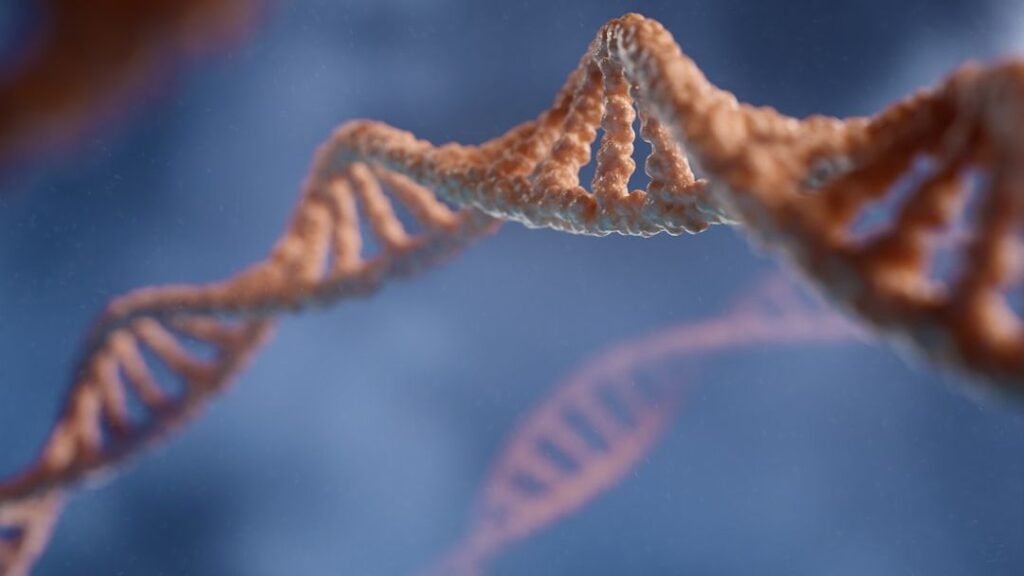

Somewhere between blowing out birthday candles and watching loved ones age, most of us quietly ask the same question: does it really have to end this way? The idea of living far longer than our current eight or nine decades feels both thrilling and unsettling, like peeking over the edge of a cliff you’re not sure you want to climb. Yet in labs around the world, scientists are now pressing hard on the biological brakes of aging itself, not just treating diseases one by one but trying to slow the entire process down.
We’re no longer just talking about eating better and going for a jog, though those still matter. We’re talking about reprogramming cells, editing genes, swapping out old blood, even growing spare organs on demand. Some researchers say children born today might routinely see their hundredth birthday and still be working, traveling, and arguing about politics. Whether that sounds like a dream or a nightmare, the race to radically extend healthy human life is very real – and it’s moving faster than most people realize.
The Surprising Science Of Why We Age

It’s easy to think of aging as inevitable, like rust on metal, but biology tells a different story. In the lab, scientists have extended the lives of worms, flies, and mice by changing just a few genes or tweaking their diets, sometimes stretching their lifespans to roughly about twice the normal length. That means aging isn’t just wear and tear; it’s a process with knobs and switches that can actually be adjusted. Researchers talk about “hallmarks of aging” such as DNA damage, mitochondrial dysfunction, and loss of protein balance, which show up across different species, including us.
One of the most striking clues comes from nature itself: species like naked mole-rats and certain whales seem to resist age-related diseases surprisingly well, despite living much longer than similar animals. Human “super agers” in their nineties who still think and move like people decades younger offer another hint that longevity is partly programmable. The current push in longevity research is about decoding those built-in programs and figuring out how to flip the right biological switches in humans – not just to erase wrinkles, but to delay the deep, systemic decline that makes late life so fragile.
Gene Editing: Rewriting The Rules Of Lifespan
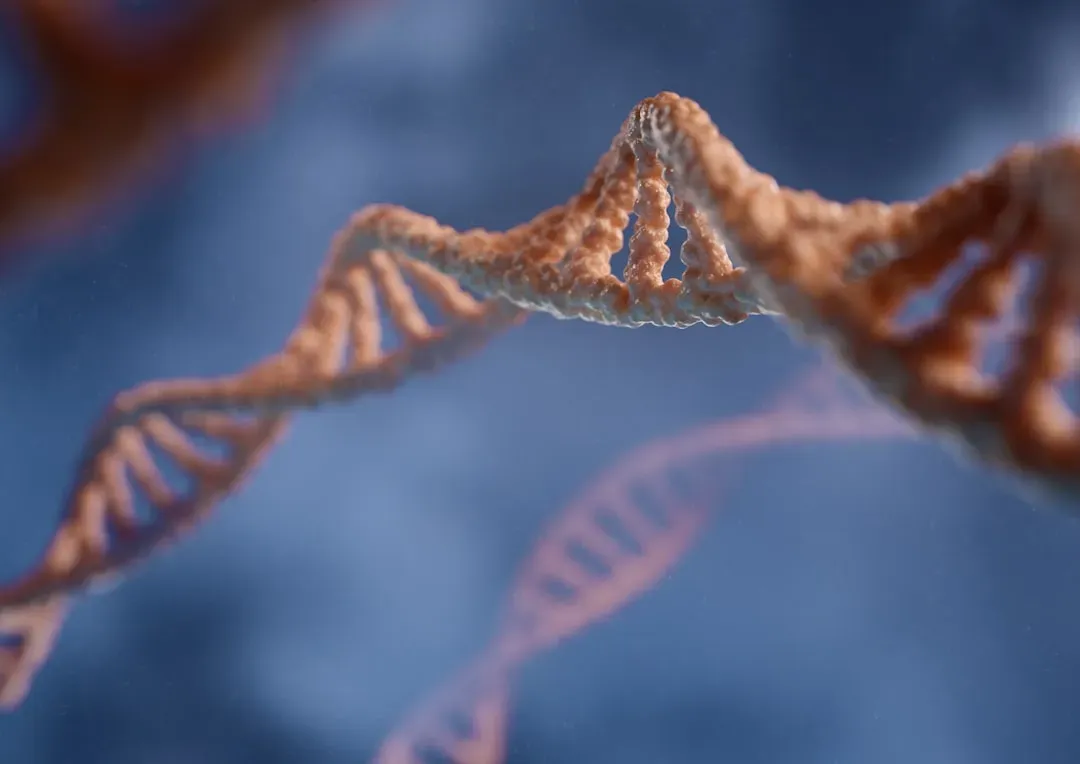
Gene editing once sounded like science fiction, but tools like CRISPR have turned it into something closer to precision engineering. In animals, tweaking genes that regulate nutrient sensing and stress resistance has dramatically extended how long they live and stay healthy. Turning down certain growth pathways or boosting cellular cleanup systems has kept mice slimmer, sharper, and more disease resistant deep into old age. The idea is simple but radical: instead of waiting for age-related diseases to pop up, you quietly adjust the underlying genetic settings that make them likely in the first place.
In humans, we’re still at the cautious, early stage, testing gene therapies for specific conditions like high cholesterol disorders, blindness, or blood diseases. But some researchers are already eyeing genes tied to longevity, such as variants found more often in centenarians, as future targets. The ethical questions are enormous – who gets access, how far is too far, what happens if we misjudge a side effect that only appears decades later? Still, with billions of dollars flowing into gene-editing startups, it’s clear that longevity is one of the endgames many of them have in mind, even if nobody wants to say it too loudly yet.
Cellular Reprogramming: Turning Back The Clock Inside Our Cells
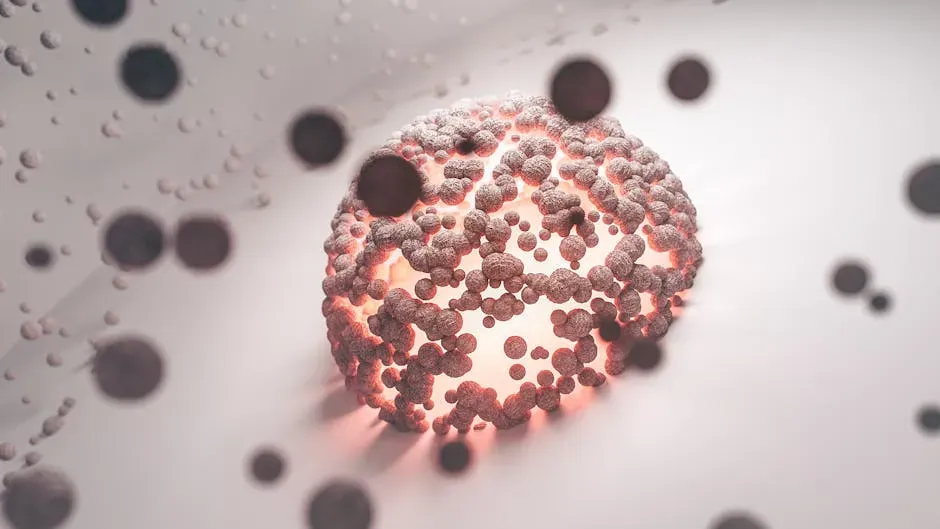
One of the most dramatic ideas in longevity science is cellular reprogramming: taking old cells and nudging them back toward a younger state. Scientists discovered that by switching on a handful of key genes in adult cells, they could reset them to something close to embryonic stem cells, wiping away many signs of age. That’s powerful but dangerous – turn the clock back too far and you risk cancer or losing the cell’s identity entirely. The new frontier is “partial reprogramming,” where those youth-inducing genes are switched on just long enough to rejuvenate cells without making them forget what they are.
In mice, this partial reset has made tissues like muscles and nerves look and act younger, and in some experiments it has even extended lifespan. Imagine being able to refresh worn-out heart cells after a heart attack, or dial down aging signals in the brain to protect against dementia. It’s still early, and nobody wants to unleash something that could trigger tumors years later, but the concept is intoxicating: instead of simply slowing aging, you might be able to reverse parts of it. To me, this is where the line between medicine and something closer to time travel starts to blur.
Senolytics: Killing Zombie Cells To Stay Young
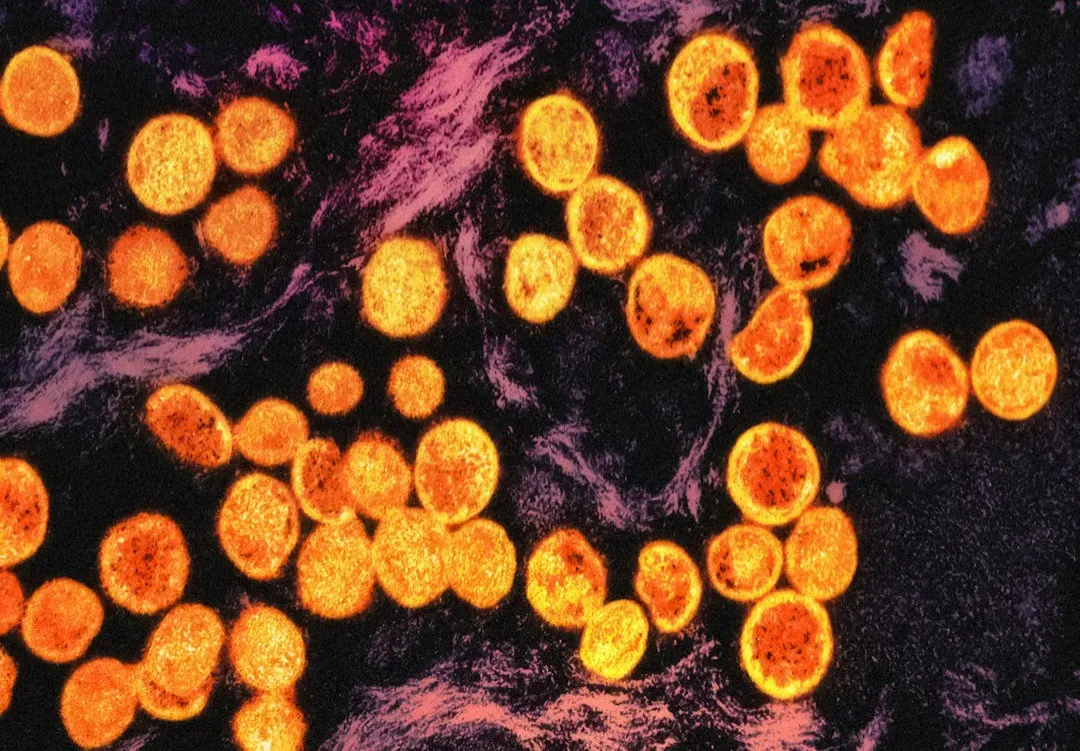
As we age, some of our cells stop dividing but don’t die; they just hang around in a kind of undead state, spewing out inflammatory signals. These “senescent” cells are useful in small amounts for wound healing and cancer protection, but when they pile up, they seem to drive age-related damage in tissues all over the body. In mice, clearing out these zombie cells with drugs called senolytics has led to stronger hearts, better kidney function, improved physical performance, and in some studies, longer life.
The jump to humans is underway, with early trials testing senolytic combinations – often cheap, repurposed drugs – on conditions like lung scarring and frailty. The idea that you could periodically take a course of pills or an infusion to sweep out harmful aged cells is incredibly appealing, like scheduling a cleanup crew for your body. But it’s not risk-free; senescent cells also have protective roles, and wiping out too many might backfire. Still, the fact that these trials exist at all shows how far we’ve moved from treating aging as an untouchable background process to seeing it as a target you can literally drug.
Telomeres And The Quest To Protect Our Chromosomal Caps

Every time a cell divides, the ends of its chromosomes – called telomeres – get a little shorter, like the plastic tips of shoelaces wearing down. When telomeres become too short, cells stop dividing or die, contributing to tissue aging. Some animals and certain human cells use an enzyme called telomerase to rebuild telomeres, essentially getting more “division credits” on their cellular clock. In lab experiments, gently boosting telomerase in mice has extended their healthy lifespan and protected them from some age-related problems.
In humans, the picture is more complicated, because abnormally high telomerase is also a hallmark of many cancers. A few small, highly experimental studies have tried telomerase-based gene therapies in people, but this is very much on the frontier, with safety and long-term effects still unknown. Researchers are also looking at lifestyle factors – chronic stress, sleep, diet – that seem to influence telomere length over time, suggesting we already have some crude control over this system. It’s unlikely that telomeres alone are the magic key to immortality, but they’re clearly one of the main locks on our cellular lifespan.
Regenerative Medicine: Growing Spare Parts For The Human Body
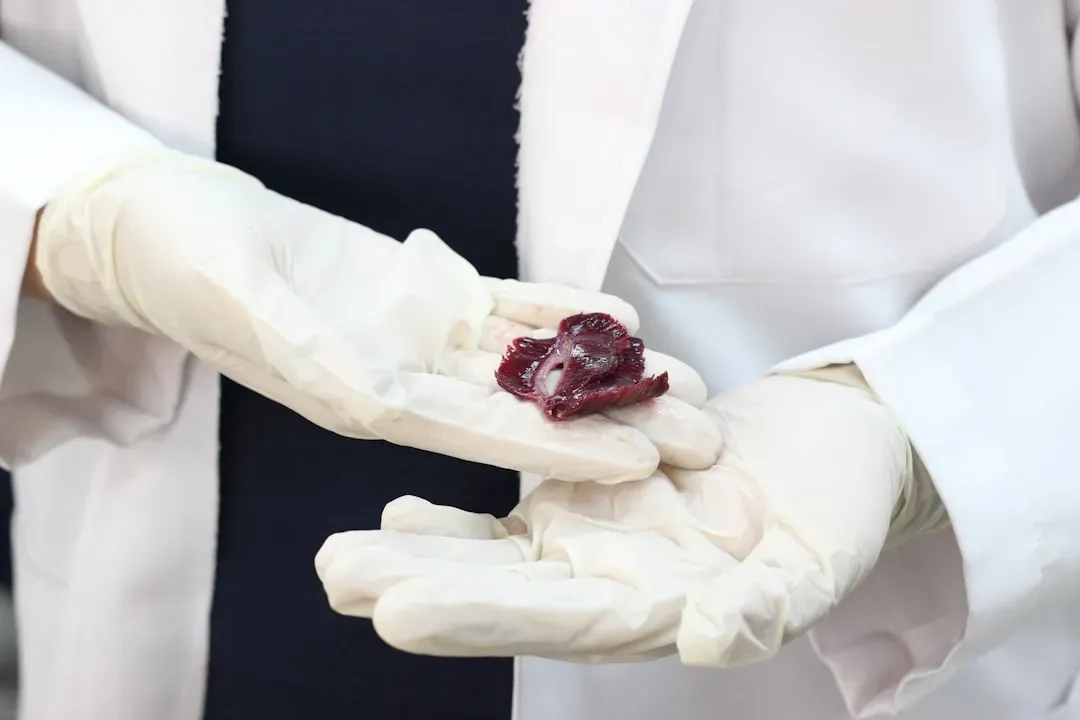
If you can’t keep every part of the body in perfect condition, another strategy is to replace the pieces that fail. Regenerative medicine aims to grow or engineer new tissues – skin, cartilage, even organs – from stem cells, either in the lab or inside the patient. We already have lab-grown skin grafts and experimental heart patches being tested in people after heart attacks. Scientists are learning how to coax stem cells into forming mini-organs, known as organoids, that model the brain, liver, and gut and might one day scale up to full transplants.
Organ transplantation today is limited by donors and the need for lifelong immune-suppressing drugs. If you could grow a new kidney or liver from your own cells, that bottleneck and much of the rejection risk could disappear. Aging bodies often fail because one crucial organ gives out, dragging everything else down; having a catalog of spare parts could change that equation dramatically. It won’t solve brain aging or systemic decline on its own, but combined with other longevity tools, regenerative medicine turns the idea of “wearing out” into more of a maintenance problem than an absolute limit.
Metabolic Tweaks: From Calorie Restriction To Fasting Mimics

Long before gene editing and reprogramming, scientists noticed something odd: animals fed less – without being starved – often lived much longer and stayed healthier. This calorie restriction effect has shown up in many species, from worms to monkeys, and it seems to trigger a survival mode where cells repair themselves more actively and waste less energy. Obviously, very strict long-term restriction is a hard sell for most humans, and the results in people so far are more modest than the dramatic lifespan gains in lab animals.
That’s where fasting-mimicking diets and metabolic drugs come in. Compounds like metformin and rapamycin, originally developed for diabetes and transplant medicine, are being tested for their ability to mimic some of the anti-aging benefits of calorie restriction without the misery of constant hunger. Early human studies suggest they may improve markers linked to aging, such as inflammation and insulin sensitivity, though the long-term impact on lifespan is still unknown. I think of these tools as the “software updates” of the body: small adjustments to how we burn fuel and handle nutrients that might add years of healthier life, even if they don’t make anyone immortal.
Brain Longevity: Keeping The Mind From Slipping Away

Living to one hundred and twenty doesn’t sound so great if you can’t remember your own name, which is why brain health sits at the center of the longevity conversation. Neurodegenerative diseases like Alzheimer’s and Parkinson’s are some of the most feared conditions of old age, and preventing or delaying them would transform what extra years actually feel like. Recent advances in blood tests and brain imaging are allowing doctors to spot early signs of Alzheimer’s years before symptoms, opening a window for more aggressive prevention.
New treatments that clear out toxic proteins in the brain have finally made it through clinical trials, but their benefits so far are modest and come with real risks. Beyond drugs, researchers are exploring brain stimulation, targeted exercise regimens, and even digital tools to keep neural networks active and resilient. There’s growing evidence that cardiovascular health, sleep quality, and social connection all strongly shape brain aging, which means many of the “boring” lifestyle habits might be as powerful as any pill. For any dream of radical life extension to be meaningful, it has to include a sharp, functional mind, not just a heart that keeps beating.
Blood, Biomarkers And The Race To Measure Biological Age
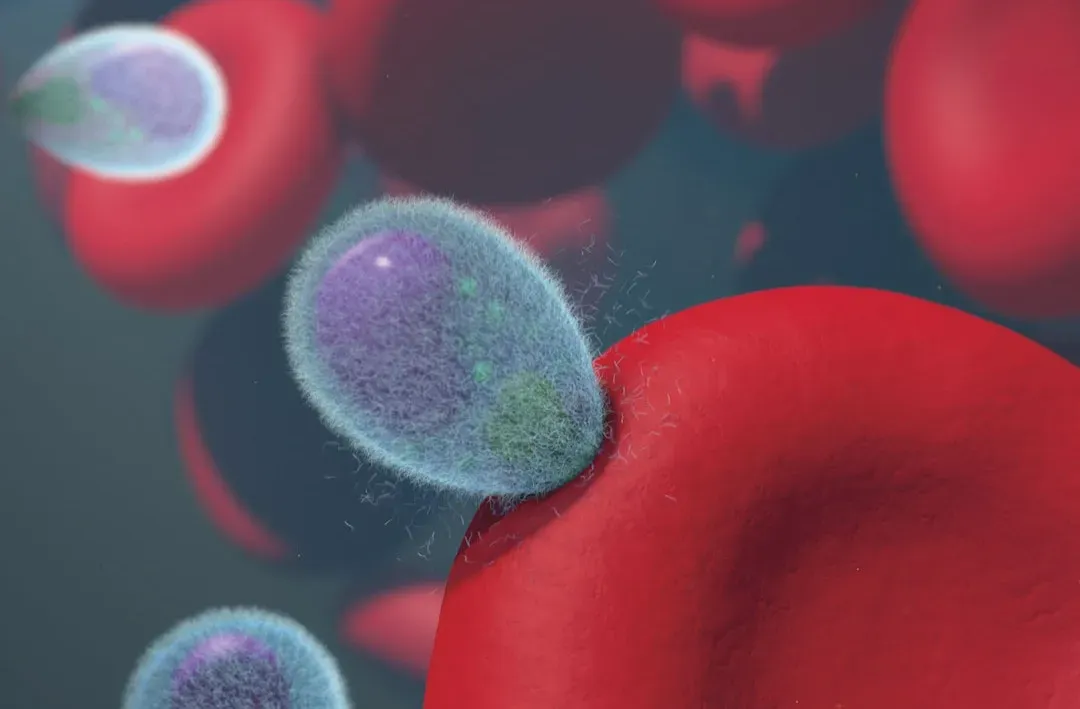
Chronological age is simple: it’s how many birthdays you’ve had. Biological age is messier: it’s how old your body actually behaves. Longevity researchers are obsessed with measuring biological age because you can’t reliably slow or reverse something you can’t track. In the last few years, teams have developed so-called “aging clocks” based on patterns of DNA methylation, proteins in the blood, or combinations of biomarkers that can estimate whether your tissues are aging faster or slower than the calendar suggests.
Some companies already sell tests claiming to reveal your biological age, though their accuracy and usefulness are still hotly debated. Interestingly, early trials of lifestyle interventions and experimental drugs have shown shifts in these aging clocks, hinting that we might be able to quantify the effect of anti-aging strategies in years gained or lost. There’s also growing interest in plasma exchange and young-blood-inspired therapies after mouse studies showed that old animals exposed to blood from young ones had improved muscle and brain function. Humans are not giant mice, of course, but the rush to test these ideas in people shows how hungry the field is for measurable, trackable ways to slow the ticking of the body’s clock.
Ethical Storms And The Question Of Who Gets To Live Longer

Even if the science of radical life extension works, the social questions it raises are enormous. If powerful longevity treatments are expensive, they could deepen existing inequalities, giving the wealthiest people not just more comfort but potentially many more years of life. That’s not a small gap; it could reshape who holds power, how long political and corporate leaders stay in charge, and how generations relate to each other. There are also worries about population pressure, environmental strain, and what happens to younger people’s opportunities if older workers never retire.
On a more personal level, living far longer forces people to rethink almost everything: careers, relationships, having children, even the meaning of accomplishment. Does marriage look the same if it might last a century? How many times do you reinvent yourself when you have three or four adult lifetimes in one? Some argue that longer, healthier lives could give humanity more wisdom and time to solve big problems; others suspect we’d just drag out our current messes for longer. These questions don’t have neat answers, but they’re not hypothetical any more – they’re arriving on the same timeline as the technologies that make them urgent.
So, Could We Actually Live Forever?
When people ask if we could live forever, what they usually mean is whether we can escape the current ceiling of human life, which sits a bit above one hundred and ten years in extreme cases. Based on what we know today, truly endless life seems very unlikely, at least with biology as we understand it. But pushing healthy lifespan out by one, two, or even three extra decades looks surprisingly plausible, especially if multiple approaches – gene therapies, senolytics, metabolic drugs, regenerative medicine – can be safely combined. The more realistic goal many scientists quietly talk about is not immortality, but delaying frailty and disease so that most of life, even into the nineties or beyond, feels like the sixties or seventies do today for the luckiest people.
The biggest uncertainty isn’t just the science; it’s whether our laws, cultures, and personal choices can keep up with what biology is starting to allow. We might end up with a world where dying at ninety of old age feels like an avoidable tragedy, the way dying at forty does now, and that would change our emotional landscape in ways that are hard to imagine from here. For me, the most grounding way to think about it is this: the future might give us more time, maybe a lot more, but time is only as meaningful as what we do with it. If you could add a few decades of healthy life to your story, what would you actually want those extra chapters to be about?