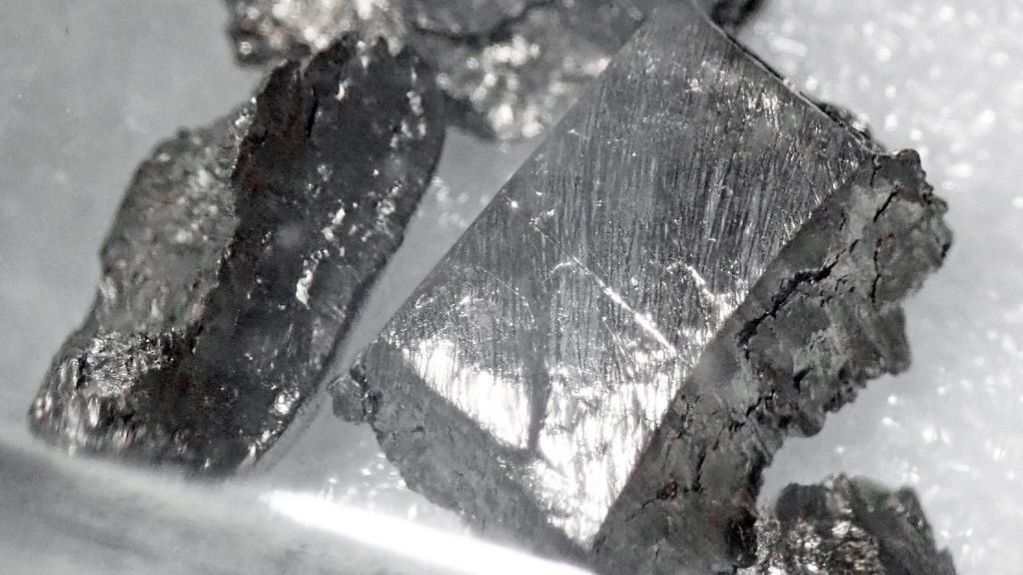
If you’ve ever held a smartphone, driven an electric car, or watched a laser light show, you’ve already brushed up against some of the strangest minerals on Earth without even realizing it. Hidden behind sleek glass screens and silent motors are elements with names that sound more like spells than materials: neodymium, europium, terbium, yttrium, and dysprosium. They’re part of a group called rare earths, and their properties are so unusual that, for decades, scientists struggled to even separate and understand them.
Despite the name, most rare earth minerals aren’t truly rare in the Earth’s crust. The mystery lies in how stubborn they are to extract, how hard they are to isolate, and how bizarrely they behave under magnets, electricity, and light. These minerals bend color, store information, silently power clean energy, and even help guide precision weapons. Let’s dig into five of the most extraordinary and mysterious among them – and why you’ve probably never heard of them, even though they’re quietly shaping the future.
Neodymium: The Invisible Muscle Behind Modern Magnets
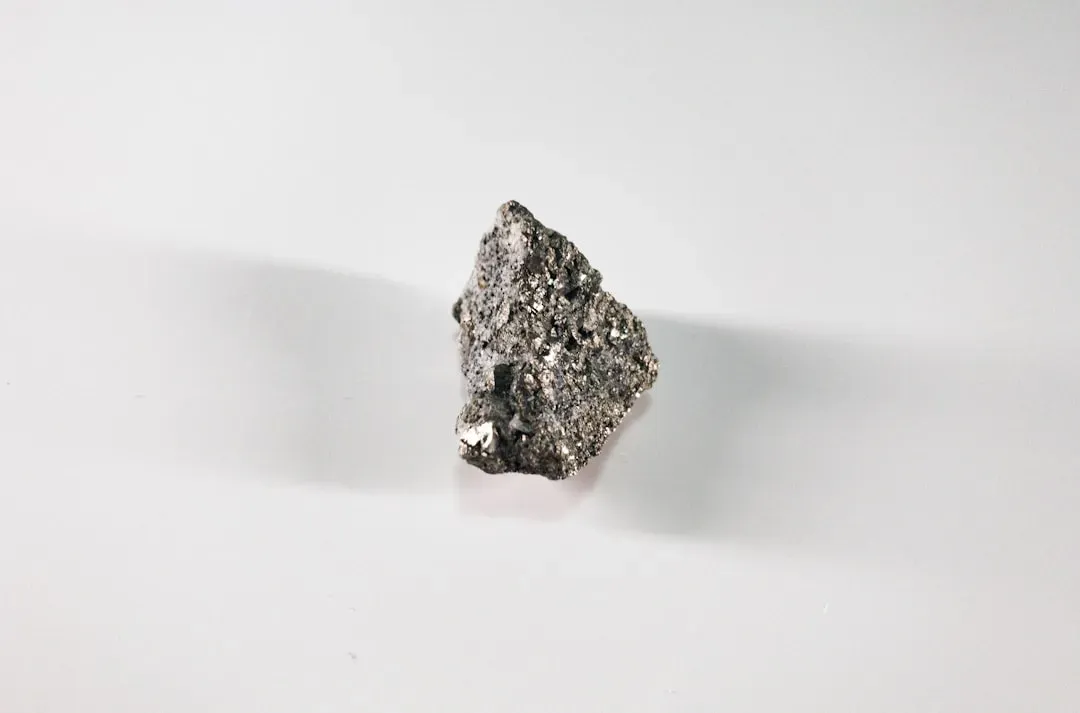
Neodymium doesn’t look like much at first glance, yet it’s behind some of the strongest permanent magnets ever created. When combined with iron and boron, neodymium forms magnets powerful enough to lift objects hundreds of times their own weight, which feels almost like cheating the rules of physics. These magnets hide inside smartphone speakers, earbuds, hard drives, electric vehicle motors, and the giant turbines that spin in wind farms across the world.
What makes neodymium mysterious is how dramatically its behavior changes depending on its atomic neighbors. A small tweak in composition or temperature can turn it from a tame material into a magnetic powerhouse, or suddenly make it lose magnetism entirely. Engineers have to baby these magnets with special coatings and carefully designed shapes to keep them from breaking or overheating. To me, neodymium feels like the gym freak of the mineral world: incredibly strong, super impressive, but moody and a bit high-maintenance behind the scenes.
Europium: The Ghost That Lights Up Your Screens
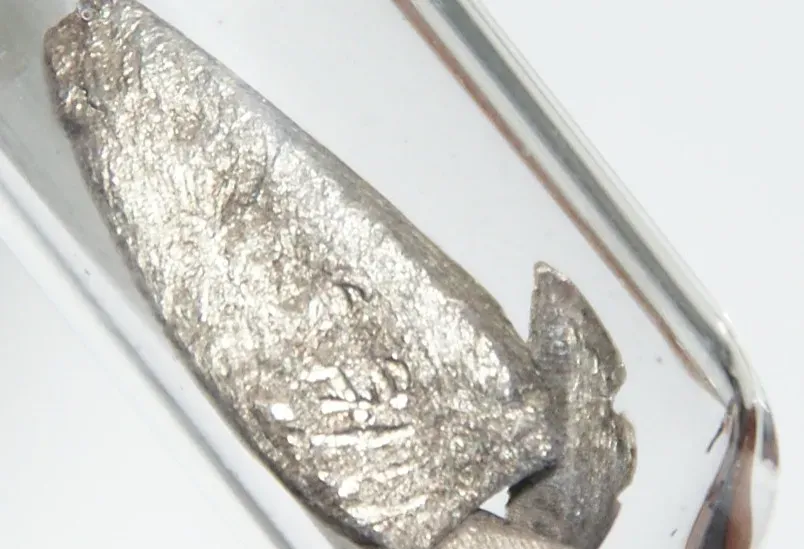
Europium is one of those minerals that barely anyone outside of science and tech circles talks about, yet it silently colors the modern world. It’s essential in phosphors – the glowing materials that turn invisible energy into light – in everything from older plasma and LCD televisions to LED backlighting and some security inks. When excited by electrons or ultraviolet light, europium can emit an intense red or blue glow, creating vivid colors that our eyes find naturally appealing and easy to distinguish.
There’s something almost spooky about a substance that looks dull and gray in a jar, yet bursts into brilliant color under the right conditions. Europium-based compounds are also used in anti-counterfeit features on banknotes and passports, producing patterns you can’t see until they’re hit with special light. It’s like europium lives a double life: unremarkable metal by day, secret agent of color by night. Every time I think about it, I’m reminded of those people who seem quiet at first but completely light up once you see them in the right environment.
Terbium: The Shape-Shifter of Light and Sound
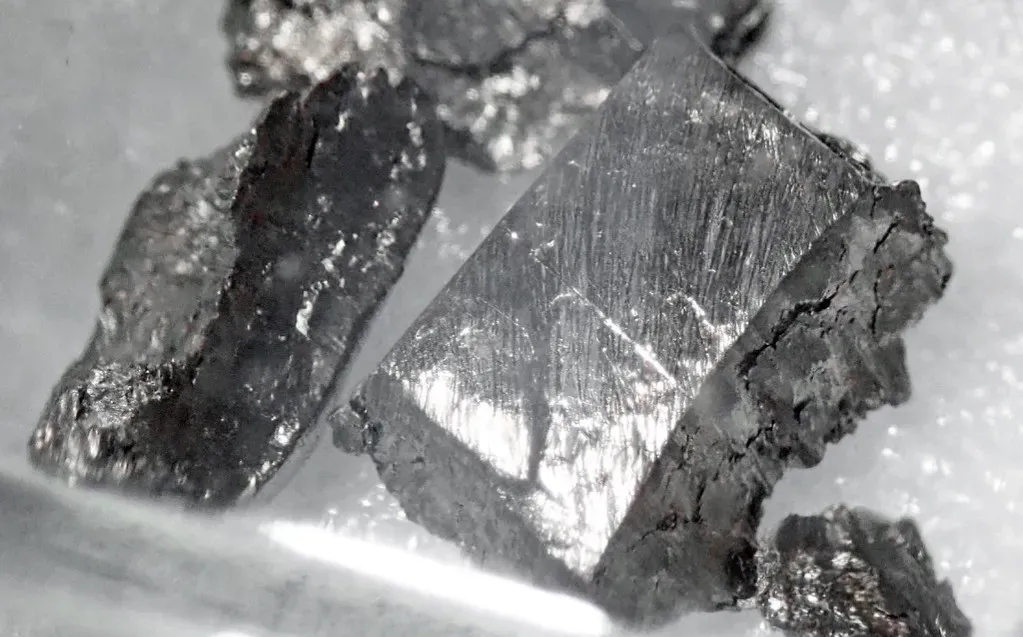
Terbium is a rare earth mineral with a strange talent for transforming energy from one form to another. It plays a key role in green phosphors used in lighting and screens, helping to create that sharp, bright green you see in displays and some LED bulbs. It’s also used in special glass and crystals that can rotate the direction of polarized light, a property that becomes crucial in advanced optics, lasers, and certain communication technologies.
Beyond its color tricks, terbium shows up in materials that can change shape when exposed to magnetic fields. This magnetostrictive behavior allows for incredibly precise motion, useful in sensors, sonar devices, and high-end positioning systems. Imagine a material that subtly flexes or vibrates in response to invisible magnetic whispers – that’s the territory terbium helps unlock. It’s like the mineral equivalent of a dancer who responds instantly to the faintest musical cue, turning unseen signals into real, physical movement.
Yttrium: The Quiet Architect of Lasers and Super Materials
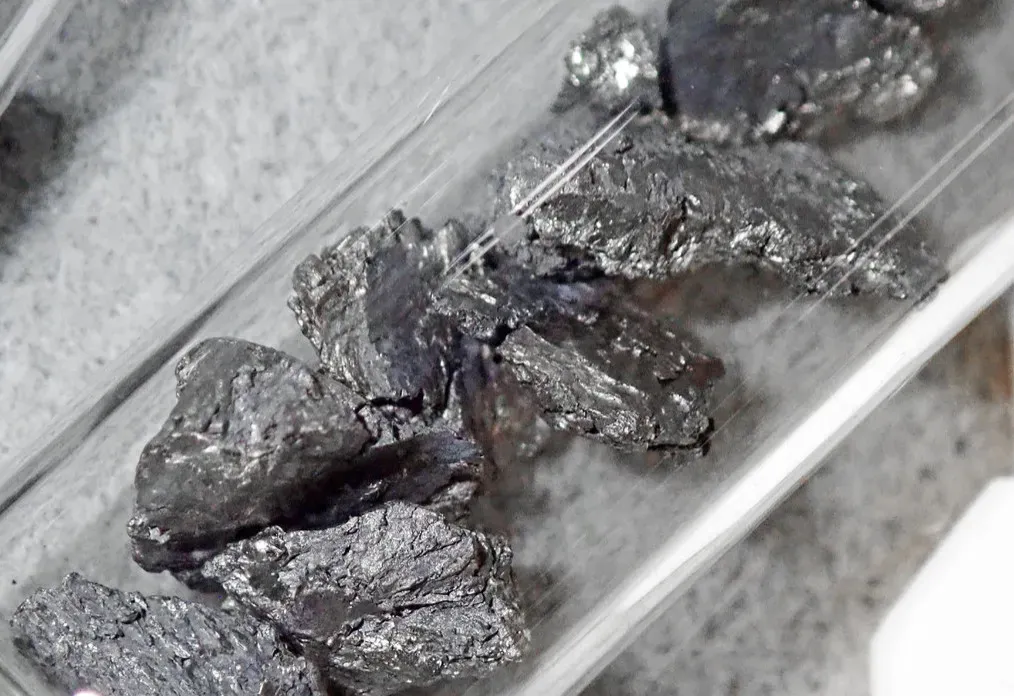
Yttrium tends to lurk in the background, overshadowed by flashier rare earth names, yet it’s a foundational player in several cutting-edge technologies. Yttrium aluminum garnet, often shortened to YAG, becomes a powerful laser material when doped with other rare earths like neodymium. These lasers are used in everything from industrial cutting and welding to eye surgery and cosmetic treatments, delivering focused bursts of energy with astonishing precision.
Yttrium also strengthens and stabilizes other materials in ways that feel almost magical. It’s added to certain ceramics to make them tougher and more heat resistant, and it can help create superconducting materials that carry electricity with almost no resistance at low temperatures. Without yttrium acting like a sort of atomic scaffold, many of these advanced materials would crack, crumble, or lose their special properties. It reminds me of the friend who never seeks credit but quietly holds the entire group together – take them away, and everything starts falling apart.
Dysprosium: The Guardian of Magnets Under Extreme Conditions
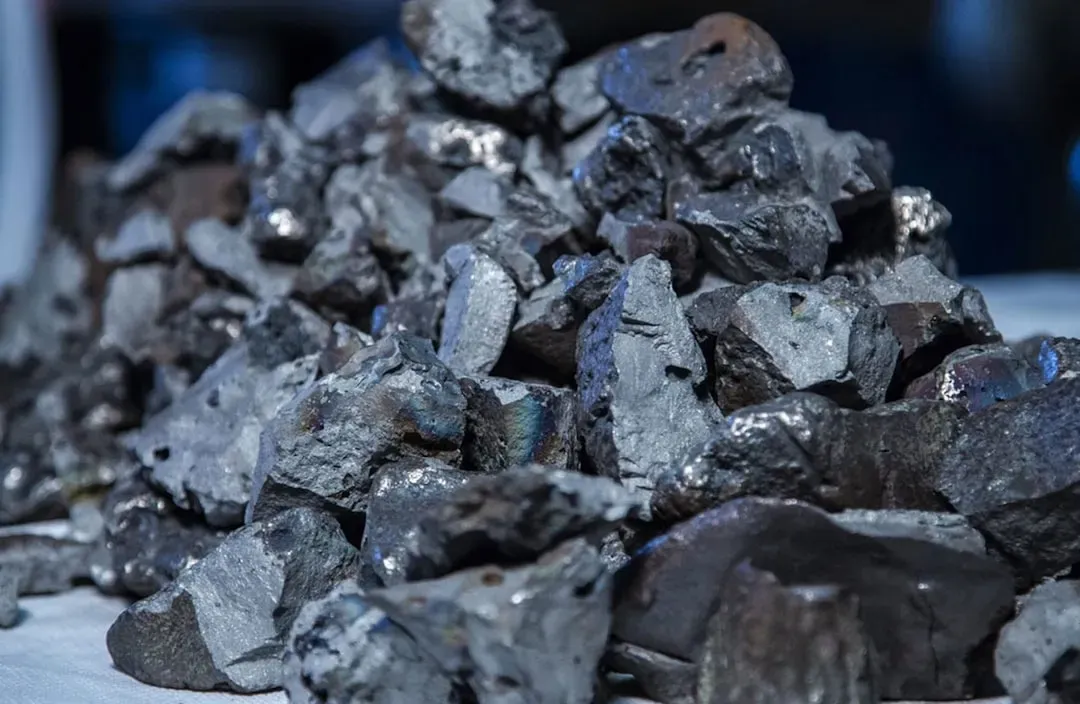
Dysprosium’s very name comes from a Greek word meaning “hard to get,” and honestly, that fits. It’s tricky to separate, tough to source in large quantities, and yet incredibly valuable for its stabilizing powers. When added in small amounts to neodymium-based magnets, dysprosium helps them keep their strength at high temperatures, which is vital for electric vehicle motors, generators, and other systems that run hot for long periods.
What fascinates me about dysprosium is how such a small fraction of it can make or break a device’s performance. Without it, magnets in certain machines could weaken when pushed hard, leading to efficiency losses or failure over time. With it, they stay strong and reliable even under stress. It’s a bit like that final, seemingly insignificant ingredient in a recipe that suddenly makes all the flavors click. You don’t notice dysprosium when everything’s working, but you’d definitely notice its absence in a world trying to lean on clean, powerful, electric technologies.
Conclusion: The Hidden Alchemy Inside Everyday Technology
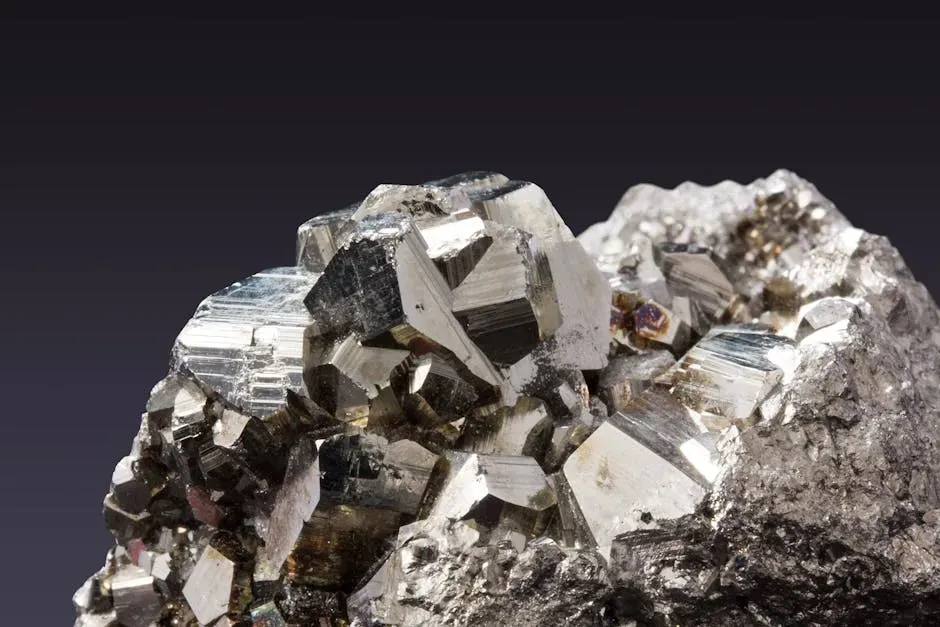
These five rare earth minerals – neodymium, europium, terbium, yttrium, and dysprosium – might sound obscure, but they sit at the heart of modern life. They give our devices their voices, our screens their colors, our clean energy systems their strength, and our advanced tools their almost science-fiction level precision. The more you learn about them, the more it feels like there’s a quiet kind of alchemy going on inside the gadgets we casually toss on the couch or stash in our pockets.
There’s also a deeper tension wrapped up in these minerals: they’re powerful, yet challenging to extract sustainably; essential, yet poorly understood by most of the people who rely on them every day. As the world pushes harder toward electrification, renewable energy, and smarter technology, the demand for these rare earths will only grow, along with questions about where they come from and how they’re mined. The next time you feel your phone buzz or hear the nearly silent hum of an electric car, will you think differently about the strange minerals making that possible?