
If there really is a hidden giant planet lurking at the edge of our Solar System, it would be one of the wildest astronomical discoveries of our lifetime. For more than a century, people have whispered about mysterious worlds beyond Neptune, from early ideas of “Planet X” to today’s far more precise, data-driven search for “Planet Nine.” What used to sound like science fiction is now a serious scientific debate involving some of the most powerful telescopes on Earth.
Still, nothing about this story is simple. The evidence is indirect, the sky is huge, and the outer Solar System is a dark, frozen wilderness where even big worlds can easily hide. As astronomers keep chasing strange clues, Planet Nine sits right in that addictive space between “probably not” and “what if we’re about to rewrite every textbook?”
The Strange Clues Hiding in the Kuiper Belt
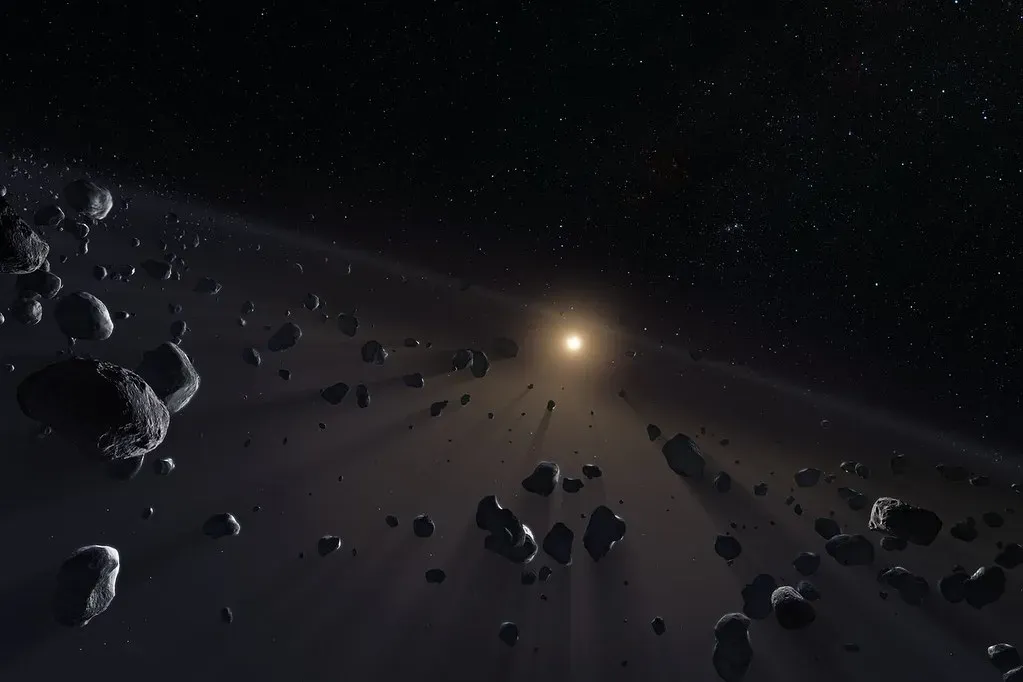
The whole Planet Nine conversation really exploded when astronomers noticed something odd: several distant, icy objects beyond Neptune seemed to have orbits that lined up in a suspiciously similar way. Instead of being scattered randomly, their elongated paths through space pointed roughly in the same direction, almost like a crowd of leaves caught in the swirl of an invisible whirlpool. On its own, that might have been just a weird coincidence, but as more of these distant objects were found, the pattern started looking harder to ignore.
These icy bodies live in a region called the Kuiper Belt and beyond, a huge ring of leftover material from the early Solar System. When researchers ran simulations, they found that a massive unseen planet, far beyond Neptune, could naturally herd these objects into the strange clustered orbits we see. It’s a bit like walking into a room, seeing everything pushed against one wall, and suspecting something big has been shoving things around, even if you can’t see what did it.
From ‘Planet X’ to ‘Planet Nine’: How the Idea Evolved
The idea that there might be another big planet lurking beyond Neptune isn’t new. In the early twentieth century, some astronomers thought irregularities in the motion of Uranus and Neptune hinted at another undiscovered world, which they called Planet X. That old hunt eventually led to the discovery of Pluto, but Pluto turned out to be tiny, nowhere near massive enough to explain those supposed orbital oddities, which later turned out to be mostly due to better data and improved calculations.
Planet Nine is different from those early, fuzzy ideas because it’s based not on mistaken measurements of big planets, but on the orbits of small, distant objects that we can now track much more precisely. The name itself is a bit controversial, especially among people still loyal to Pluto, but it reflects the modern lineup: eight major planets and, possibly, one more big one way out in the dark. In a way, Planet Nine is Planet X grown up – less rumor, more math.
What Planet Nine Might Actually Look Like
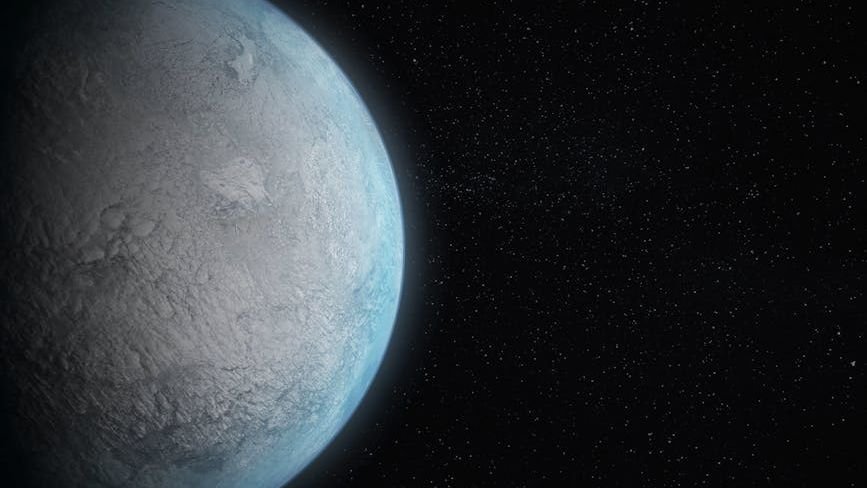
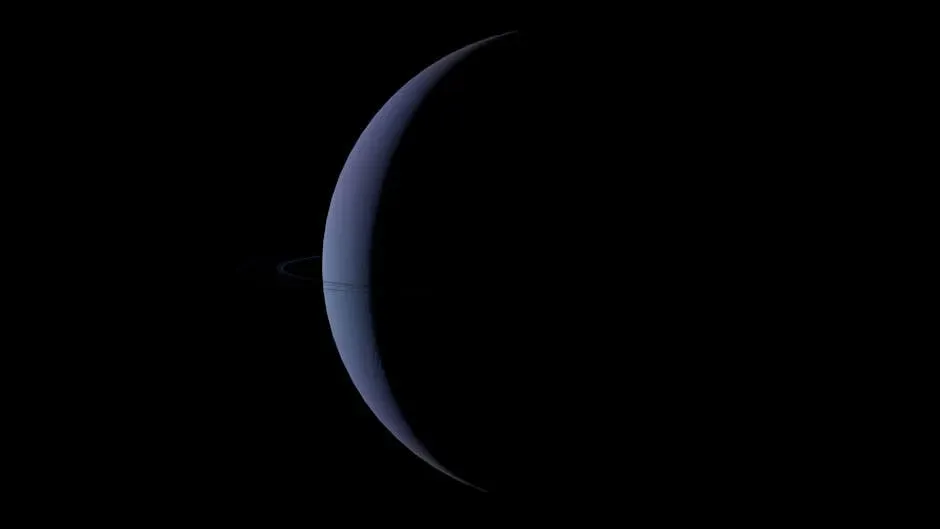
If Planet Nine exists, astronomers think it’s probably not some wild, exotic object, but more like a supersized version of Earth or a shrunken version of Neptune. Estimates suggest it might be five to ten times the mass of Earth, with a thick, icy or gas-rich exterior and a dense core. It would almost certainly be very cold, with surface or cloud-top temperatures hundreds of degrees below freezing, bathed in only a faint trickle of sunlight.
Its orbit, though, would be the real showstopper. Models suggest Planet Nine could be taking an extremely stretched-out path far beyond Neptune, maybe hundreds of times farther from the Sun than Earth is, and taking thousands of years to complete one lap. That kind of orbit means that for most of its journey, it would appear incredibly faint in our telescopes – so dim that even something several times more massive than Earth could have blended into the background for decades.
Why It’s So Hard to Spot a Giant World in Our Own Backyard
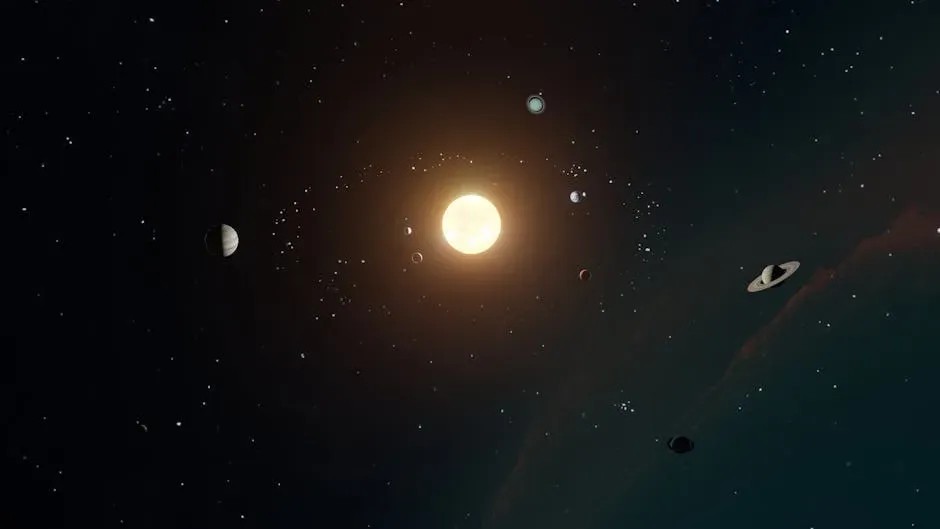
It sounds almost ridiculous that we might have missed a planet in our own Solar System, but the outer regions are brutally difficult to search. Light from the Sun gets weaker with distance, dropping off dramatically, so objects far away reflect only a tiny amount of light back to us. Even a large planet at that distance can look like a faint dot, buried among countless stars and background galaxies in the images we take of the sky.
On top of that, the possible sky area where Planet Nine might be hiding is enormous, and we still don’t know its exact orbit, distance, or brightness. Astronomers are combing through this region piece by piece with wide-field surveys, but it’s like trying to find a single, slowly moving grain of sand on a dark beach at night. The planet would also shift position only very gradually against the background stars, so spotting its motion takes time, patience, and careful comparison of images taken months or years apart.
The Telescopes and Surveys Leading the Charge
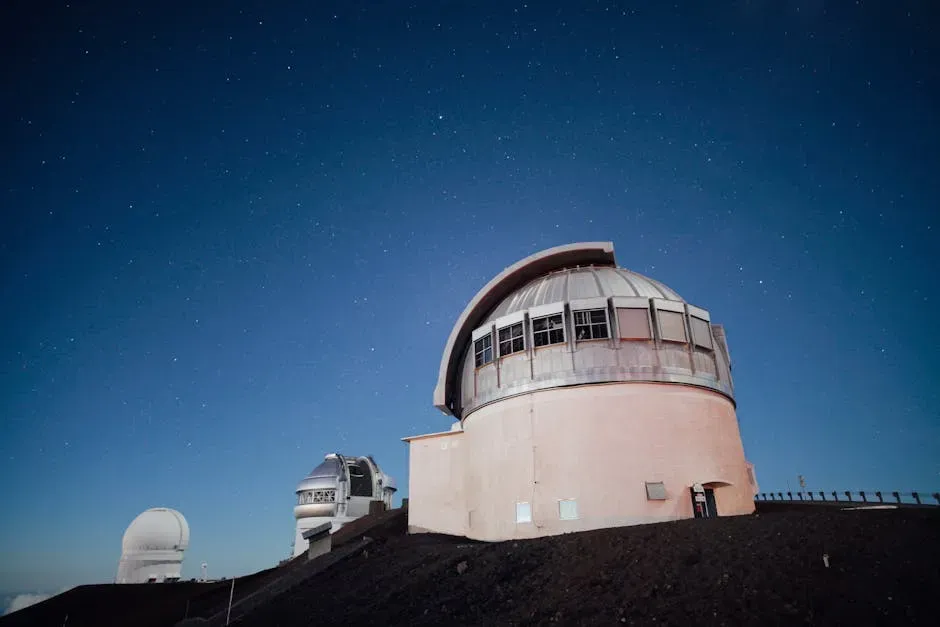
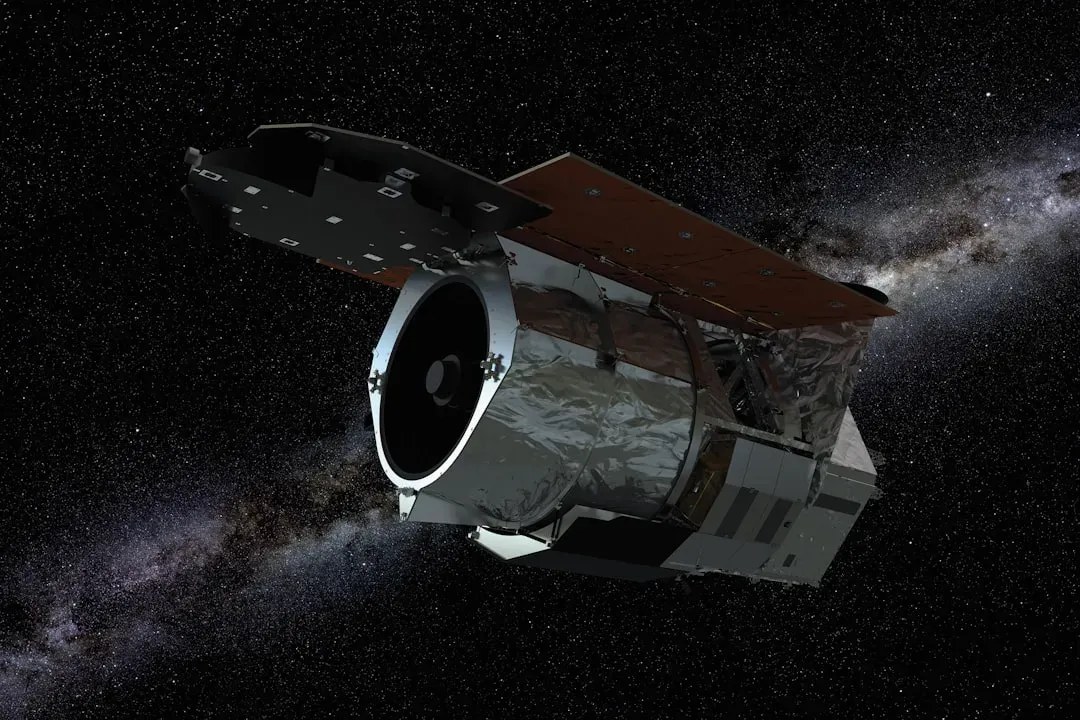
Astronomers are not just guessing and hoping; they’re using some of the most advanced survey telescopes on Earth to search for Planet Nine. Powerful instruments like the Subaru Telescope in Hawaii, the Dark Energy Camera in Chile, and other wide-field cameras have been used to scan the probable regions of the sky where models suggest Planet Nine might lurk. These observatories can capture huge chunks of sky in a single image and reach faint magnitudes, giving them a real shot at picking up something as dim as a distant giant planet.
In the near future, the Vera C. Rubin Observatory in Chile is expected to be a major game-changer for this hunt. Its Legacy Survey of Space and Time will repeatedly image the entire visible southern sky over a decade, tracking how objects move and change with incredible detail. If Planet Nine is out there and within the expected brightness range, this kind of long-term, wide-area monitoring dramatically increases the odds that someone will finally spot its slow crawl through the stars.
The Skeptics: Is Planet Nine Just a Statistical Mirage?
Not everyone in the scientific community is convinced that Planet Nine is real, and the skepticism is healthy. Some researchers argue that the apparent clustering of distant icy object orbits might come from how and where we’ve been looking, rather than from an actual planet tugging on them. In other words, if telescopes tend to scan certain parts of the sky more often than others, it can look like distant objects are “grouped” when that pattern is really just due to our own observing habits.
Others have suggested alternative explanations, such as the collective gravitational influence of many smaller objects, or even subtle effects related to how the Solar System moves through the galaxy over long timescales. When teams run different simulations with varied assumptions, the need for a single, massive Planet Nine sometimes weakens. The big tension is between how tidy the Planet Nine hypothesis can make the data look and how cautious scientists want to be before embracing an unseen world.
What Finding Planet Nine Would Mean for Planetary Science
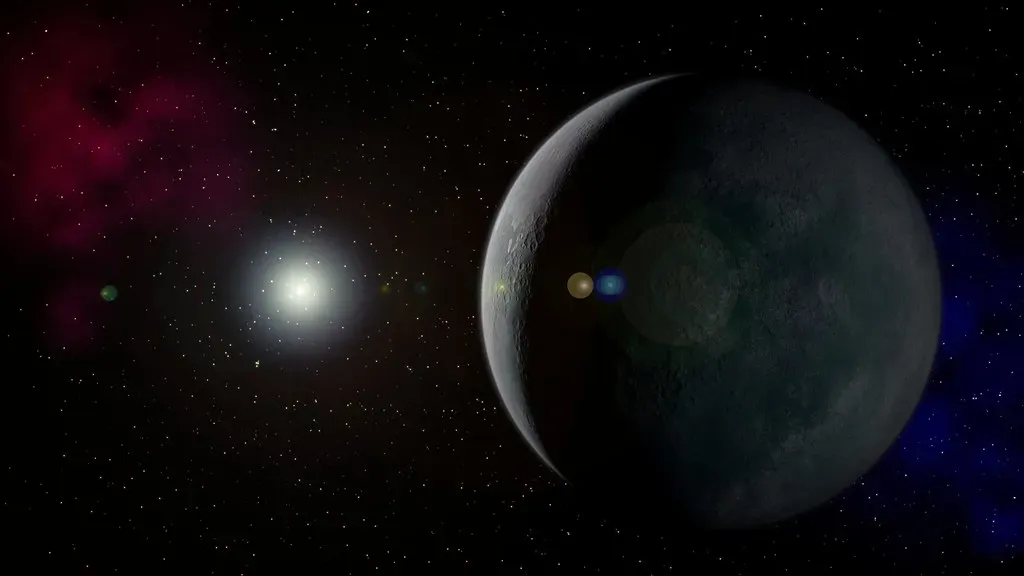
If Planet Nine were confirmed, it wouldn’t just add another name to the list of planets; it would shake up our entire understanding of how the Solar System formed and evolved. A massive planet on a distant, stretched-out orbit suggests something dramatic must have happened in the early days, such as gravitational shoving matches between the giant planets, or even encounters with passing stars. The discovery would offer a missing piece that helps explain why so many distant objects follow the orbits they do.
It could also connect our Solar System more clearly to what astronomers see around other stars. Many exoplanet systems include so-called “super-Earths” or “mini-Neptunes,” sizes we don’t seem to have among the known eight planets. Planet Nine could turn out to be that missing type, showing that our system is not as unusual as it once seemed. In that sense, finding it would make our cosmic neighborhood look more typical, not more exotic.
Could Planet Nine Actually Be Something Even Weirder?
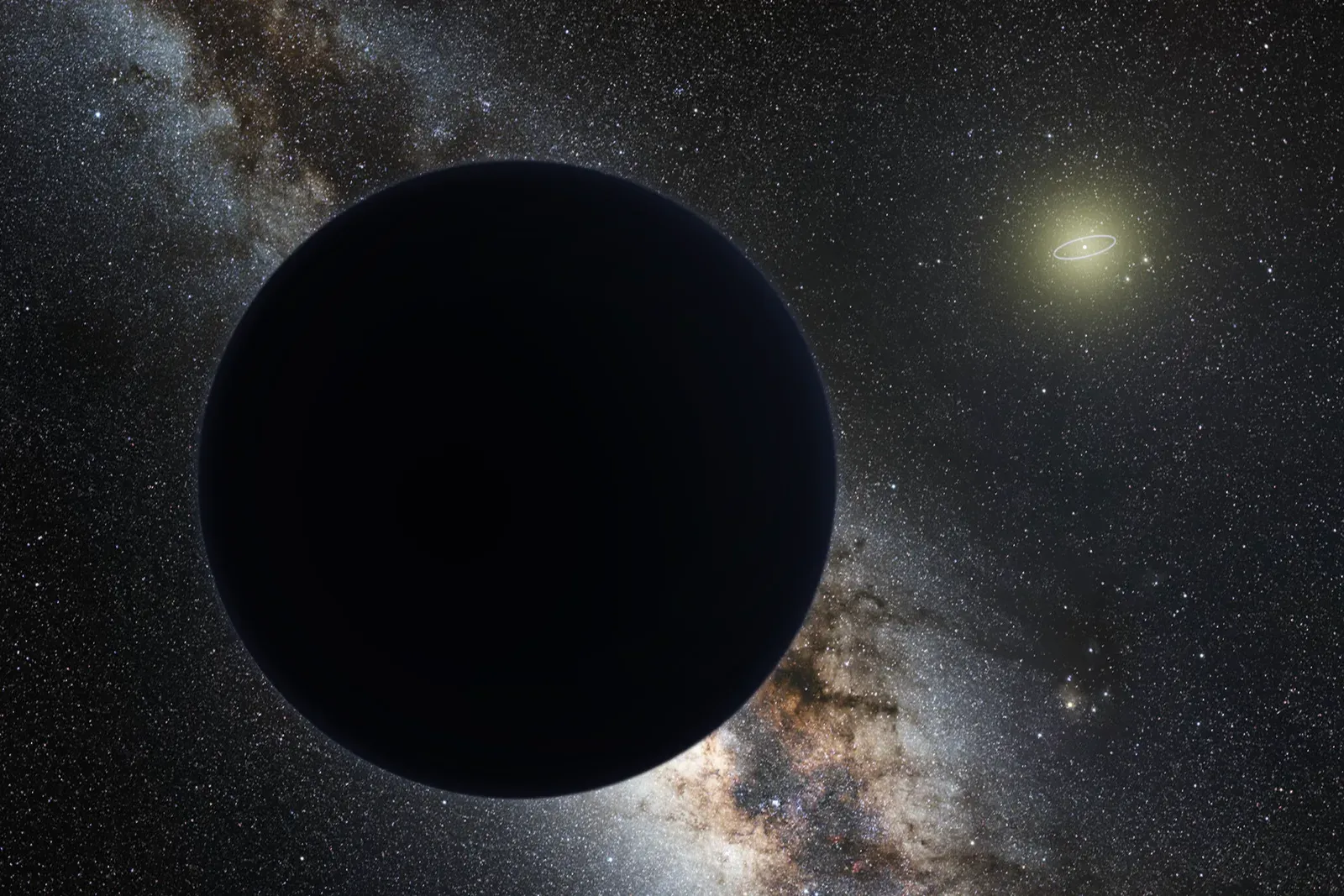
Whenever something is unseen and mysterious, our imaginations run wild, and Planet Nine is no exception. Over the years, some speculative ideas have popped up suggesting that, instead of a normal planet, the hidden object could be something like a small black hole captured by the Sun’s gravity long ago. While ideas like that are fascinating, they’re not really the leading explanations, because they’re harder to reconcile with the detailed orbital patterns we observe.
More grounded speculations focus on variations in Planet Nine’s possible size, composition, and orbit, which could still be quite unusual even if it’s a regular planet. For instance, it might have a thick atmosphere slowly leaking heat from its interior, glowing just enough in infrared light to be detectable with the right telescope. As long as we haven’t actually seen it, these possibilities remain open, but most scientists lean toward the simplest answer: a distant, cold, Neptune-like world that fits neatly into existing physics.
How This Hunt Changes How We See Our Place in the Solar System
There’s something quietly humbling about the idea that we might still be missing a large world in our own backyard while we’re busy finding planets around distant stars. The Planet Nine search is a reminder that exploration is messy and incomplete, even in a region of space we think we know well. It shows how quickly our picture of the Solar System can change when new tools and better data arrive.
On a more personal level, this hunt taps into that childhood feeling of staring up at the night sky and wondering what else is out there. I still remember using a small, shaky backyard telescope and feeling amazed just to see Jupiter’s moons; now we’re talking about possibly adding an entire planet to the Solar System map. Whether Planet Nine is real or not, the search itself keeps us honest about our limits and pushes us to look harder rather than assume we already have all the answers.
Where the Planet Nine Hunt Stands Today
As of now, Planet Nine remains unconfirmed: strongly debated, carefully modeled, but not directly seen. New surveys continue to add more distant objects to the catalog, giving researchers fresh data to test whether the orbital clustering really holds up as the sample grows. Some studies over the past few years have argued that the evidence for clustering is weaker than originally thought, while others still find that a distant, massive planet neatly explains the patterns.
The next generation of surveys, especially long-term, wide-field projects, will be crucial in settling the question. Either astronomers will finally catch a faint, slow-moving dot that matches a Planet Nine orbit, or the accumulating data will undercut the need for such a world altogether. For now, Planet Nine sits in that uncertain space between possibility and reality, a reminder that even in 2026, the Solar System is not yet a finished story.