Some animals treat places that would kill us in minutes like ordinary neighborhoods. Scalding hot vents, pitch-black ocean trenches, frozen deserts, poisonous swamps – while we build gear to survive them, these creatures are born ready. Their bodies are shaped, layer by layer, by millions of years of trial and error in conditions that sound like science fiction.
When I first learned how a tiny Arctic bird can sleep on ice at temperatures far colder than my freezer, it completely changed how I thought about “tough.” These adaptations aren’t just neat trivia; they’re like nature’s engineering blueprints. Let’s dive into seven of the most jaw-dropping ways animals have turned Earth’s harshest environments into home.
1. Antifreeze Blood: How Polar Fish Keep Swimming in Icy Seas
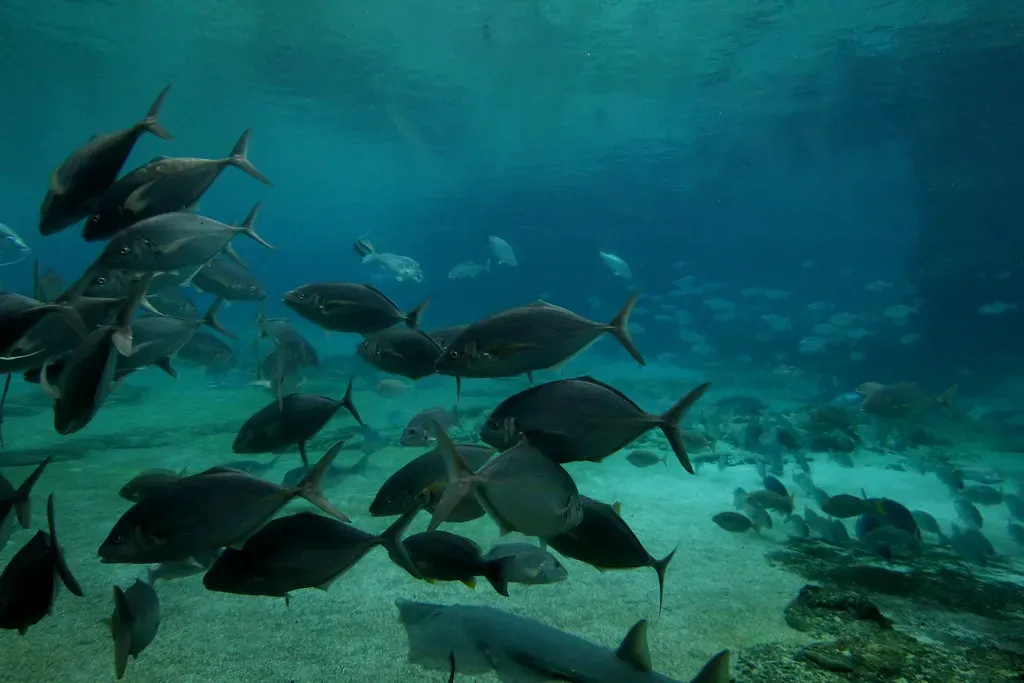
Imagine jumping into seawater so cold it can literally freeze your blood. That’s what polar fish live in every day, yet they move around as if they’re in a chilled swimming pool instead of a liquid icebox. Many Antarctic and Arctic fish have evolved special proteins in their blood that work like antifreeze, stopping ice crystals from forming and spreading through their bodies.
These antifreeze proteins cling to tiny ice crystals and block them from growing, which is like sticking chewing gum inside a zipper so it can’t close. Without this trick, the fish’s internal fluids would freeze at temperatures well below the freezing point of freshwater. It’s such an effective strategy that researchers have actually studied these proteins for preserving organs and food at low temperatures. The next time you open your freezer and see frost, it’s wild to think there’s a fish somewhere calmly swimming in water just as cold.
2. Heat-Proof Bodies: Desert Animals That Beat the Blazing Sun
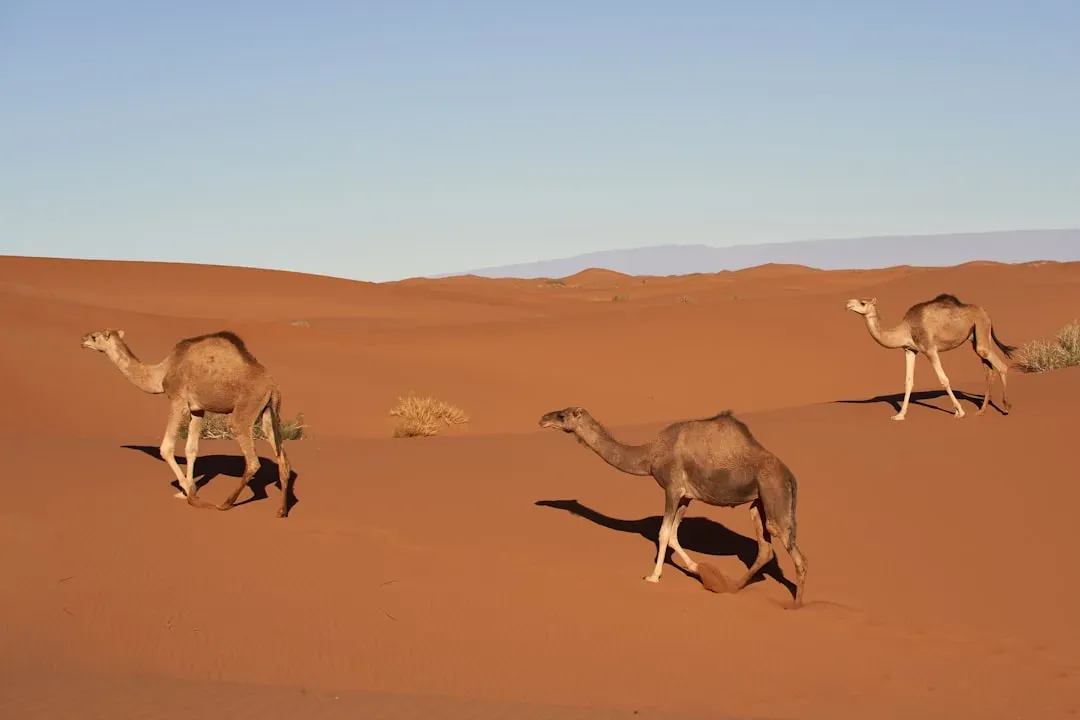
Deserts look empty at noon for a reason: everything sensible is hiding. But a handful of animals don’t have that luxury. Some desert species, like certain antelope and rodents, have evolved the ability to let parts of their body heat up dangerously high without getting cooked from the inside. They can tolerate internal temperatures that would put a human in the emergency room, at least for short bursts.
Others take the opposite approach and become masters of staying cool with almost no water. Camels, for example, can allow their body temperature to swing over several degrees between day and night, reducing the need to sweat and conserve precious moisture. Many desert lizards and insects rely on light-colored, reflective skins and ultra-efficient behavior, like moving only in short dashes from shade to shade. It’s a bit like living on a scorching metal rooftop and learning exactly which spots and times of day won’t burn your feet off.
3. Living Without Oxygen: Creatures That Thrive Where We’d Suffocate
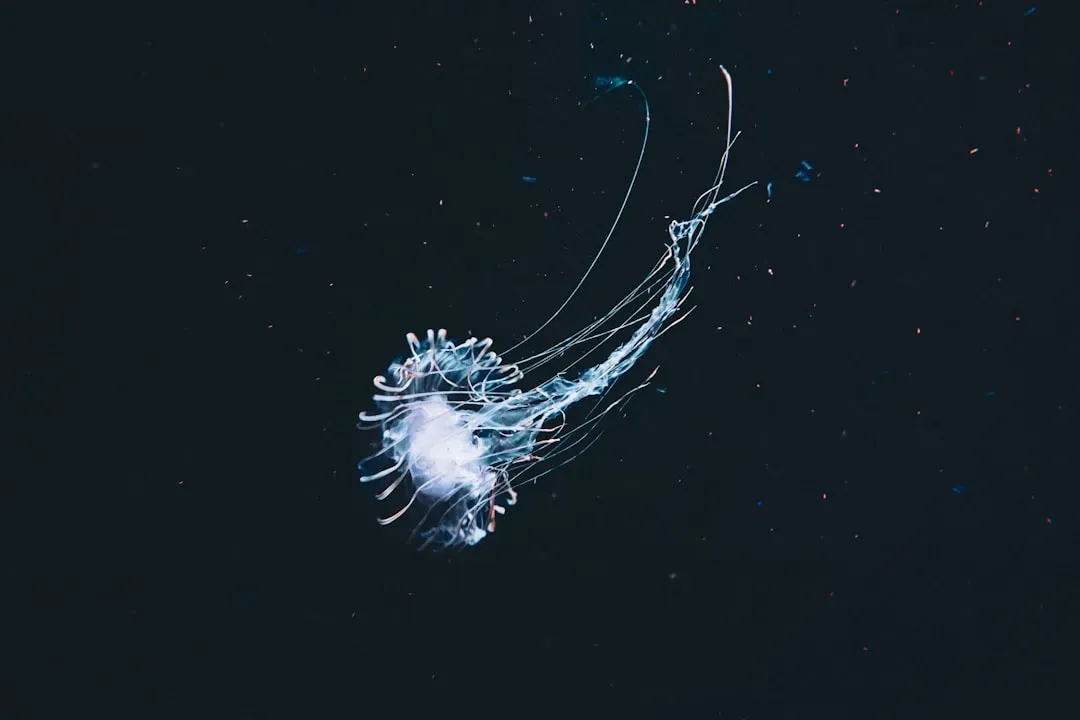
For us, a few minutes without oxygen is a medical emergency. In some extreme environments, though, oxygen is more of a rare visitor than a constant presence. Certain worms, tiny crustaceans, and even a few multicellular animals have found ways to survive in deep-sea mud, sulfide-rich waters, or stagnant pools where oxygen levels crash to almost nothing.
Some of these animals rely on symbiotic microbes that can use chemicals like hydrogen sulfide or methane instead of oxygen as a power source. Others can dramatically slow their metabolism, stretching their energy use so thin they barely “live” in the way we normally think of it. There are also deep-diving mammals, like elephant seals and sperm whales, that pack enormous oxygen reserves in their blood and muscles, allowing dives that can last over an hour. It’s like they walk around with an internal scuba tank, while their heart quietly shifts into energy-saving mode.
4. Extreme Pressure Survivors: Life in the Crushing Deep Sea
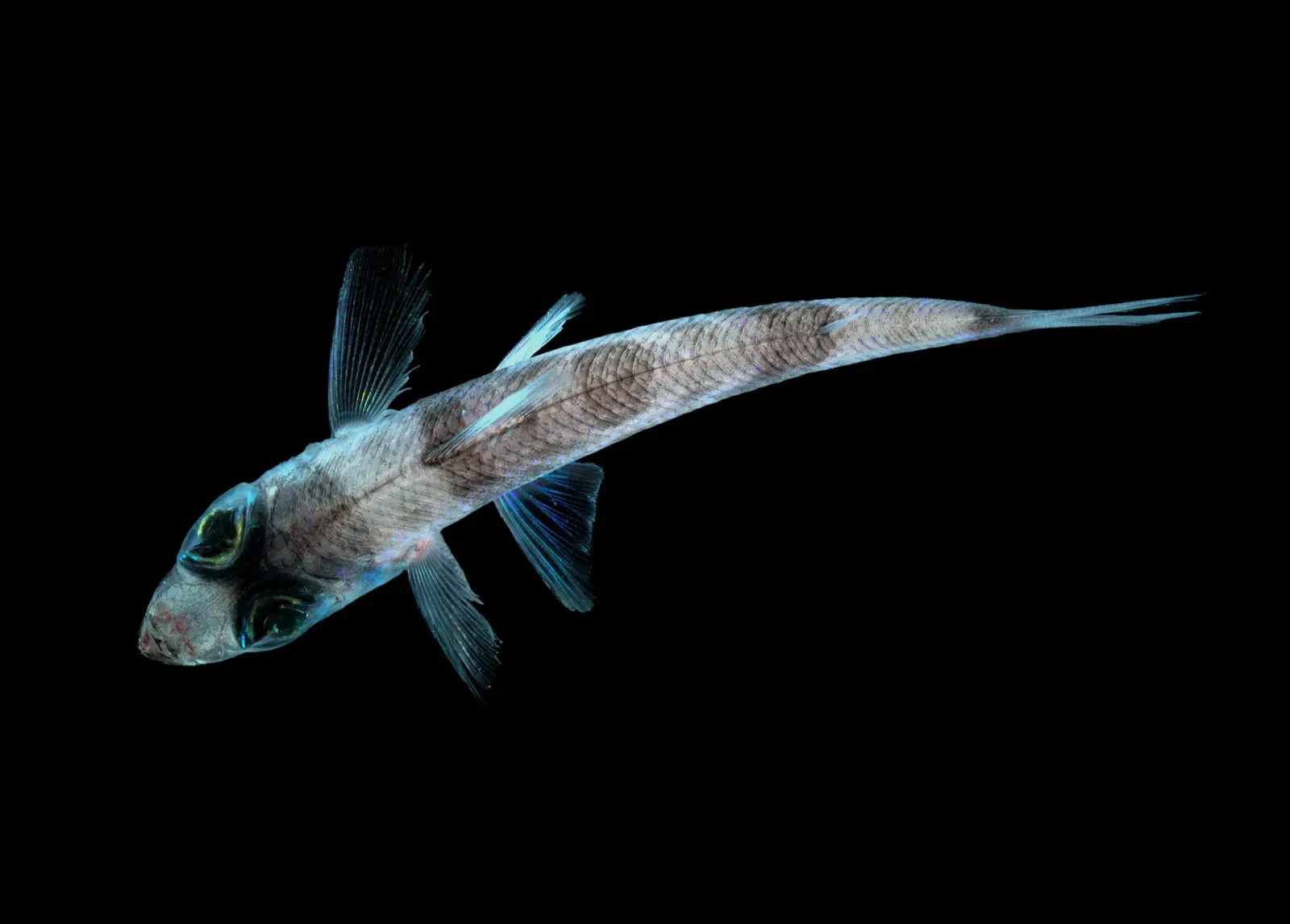
Walk into the deep ocean, if that were possible, and every ten meters you descend adds more pressure. By the time you hit the deepest trenches, the water is pressing in with a force similar to several elephants standing on every square inch of your body. Down there, where light never reaches, bizarre fish, crustaceans, and microbes act like this crushing pressure is nothing special.
These deep-sea animals have bodies adapted to be flexible, water-rich, and often almost jelly-like, with few or no gas-filled spaces that could collapse. Their cell membranes and proteins are tuned to function under enormous pressure, staying stable where ours would fall apart. Some fish from the very deepest zones cannot even survive if brought to the surface because the loss of pressure is just as lethal to them as the increase of pressure would be to us. They’re perfectly built for a world we can’t visit without a carefully engineered metal shell.
5. Radiation Resistance: Tiny Tardigrades and Their Nearly Indestructible Design
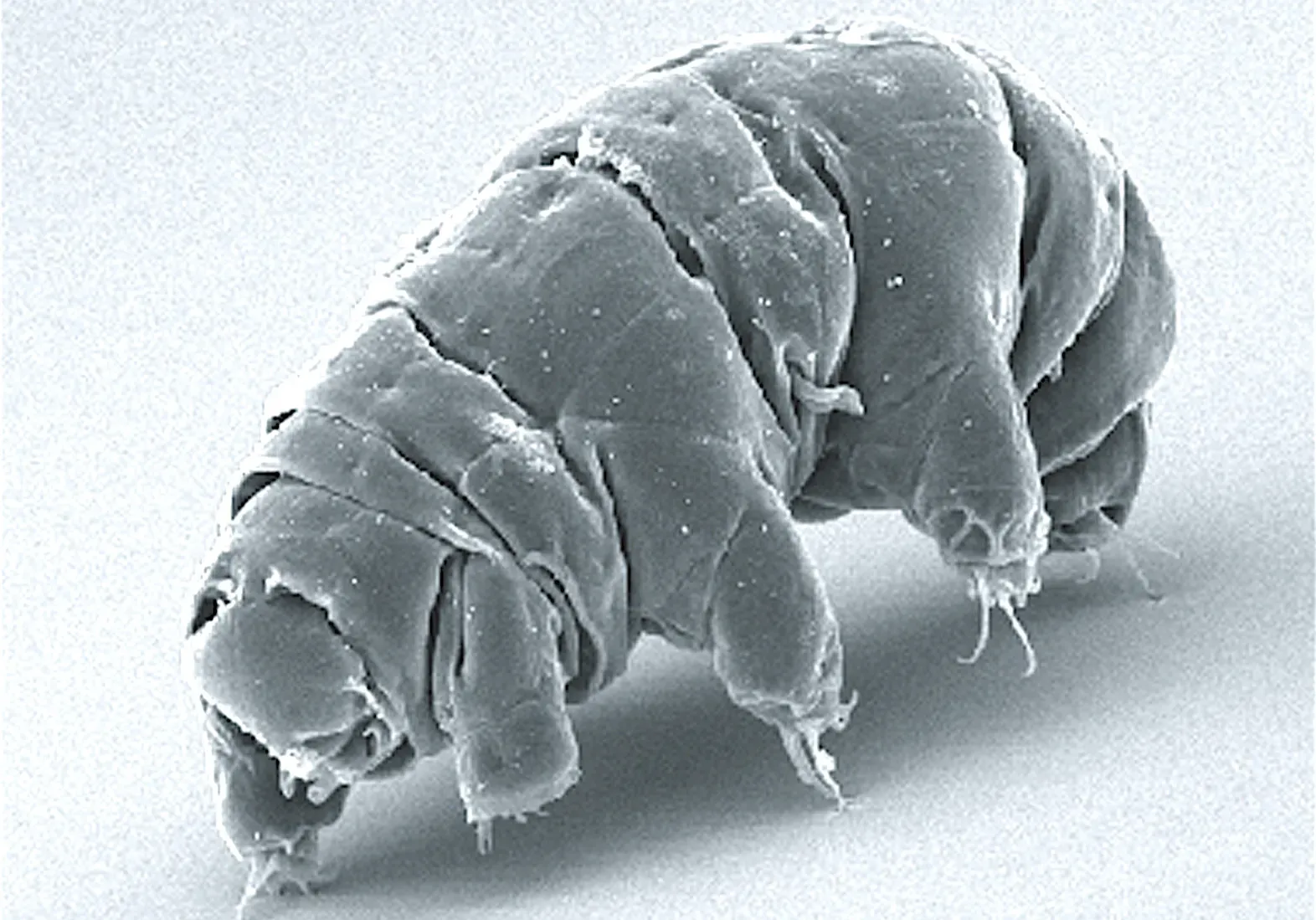
If there were an award for “least likely to die in an apocalypse,” tardigrades would be front-runners. These microscopic, squishy-looking creatures can withstand levels of radiation that shred the DNA of most other animals. How? They’ve developed ways to protect and repair their genetic material with jaw-dropping efficiency, even when it’s bombarded by damaging rays.
One of their tricks is entering a dried-out state where their bodies almost shut down. In this form, they can survive not just radiation, but vacuum, extreme heat and cold, and intense pressure. Their cells produce special protective molecules and proteins that act like bubble wrap around critical structures. When conditions improve, they rehydrate and “wake up” again, sometimes after years, as though nothing happened. It’s like having a built-in pause button for life during catastrophes.
6. Super-Sleepers and Water Hoarders: Surviving Droughts and Deep Freezes
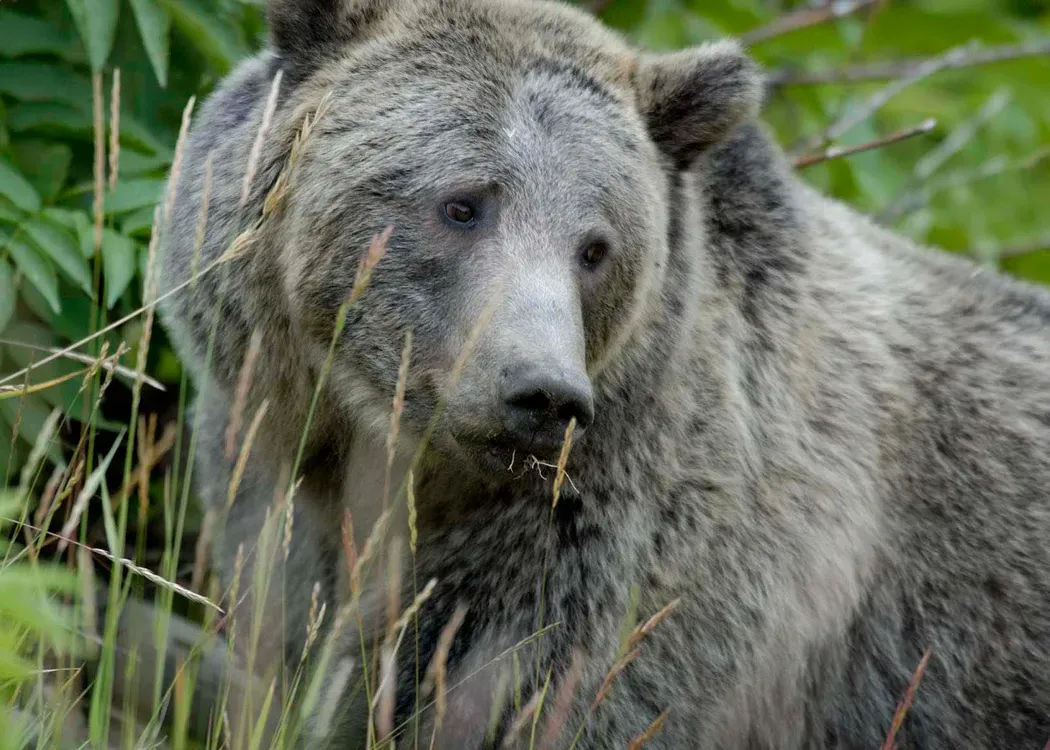
In some parts of the world, survival is a waiting game. When food or water vanishes for months at a time, certain animals simply slow everything down and ride it out. Many desert amphibians, for instance, burrow underground and enter a kind of suspended animation called estivation, their bodies slowing to a crawl while they live off stored energy and water.
On the flip side, animals in cold climates often deploy long-term hibernation. Bears are the poster children, but plenty of rodents, bats, and even some primates can slow their heart rate, drop their body temperature, and burn stored fat for months without eating. Some frogs can even allow large parts of their bodies to freeze solid, with ice forming in the spaces around their cells while vital organs are protected. When temperatures rise again, they thaw out and hop away as if they just woke up from a nap instead of a near-death deep freeze.
7. High-Altitude Champions: Animals That Breathe Easy on the Roof of the World
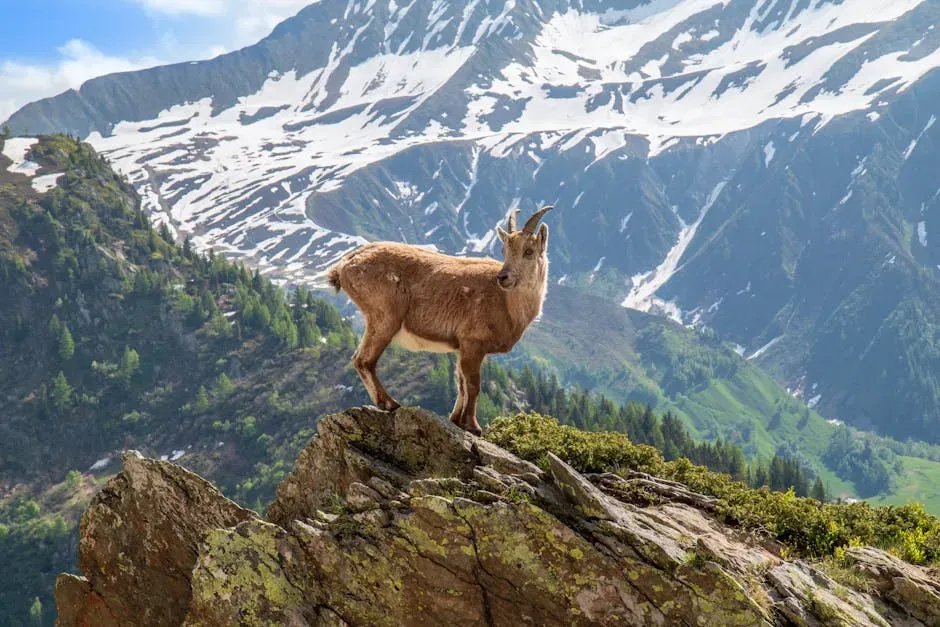
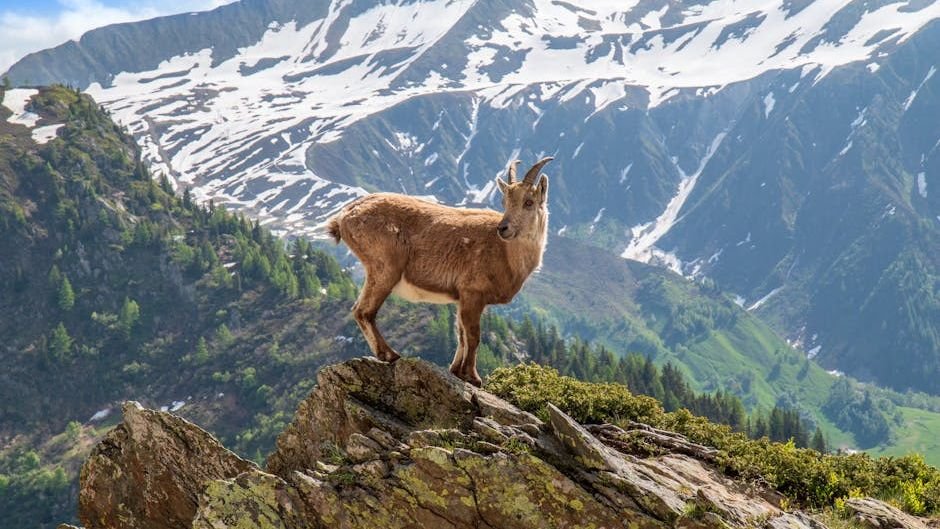
At high altitudes, where the air is thin and every breath carries less oxygen, unacclimated humans get dizzy, sick, or worse. Yet animals like yaks, snow leopards, and Andean condors operate there with surprising ease. Their bodies are fine-tuned for thin air, with blood that can grab oxygen more efficiently and lungs that pull in more air with every breath.
Some mammals living on mountain plateaus have more capillaries feeding their muscles, meaning oxygen gets delivered faster where it’s needed. Even their hearts and chest shapes can be subtly different, optimized for life above the clouds. Tiny high-altitude rodents and birds build entire lives at elevations where a sea-level human might feel like they’re gasping through a straw. It’s a reminder that what feels impossible for one species can become casually normal for another.
Conclusion: A Planet Full of Specialists
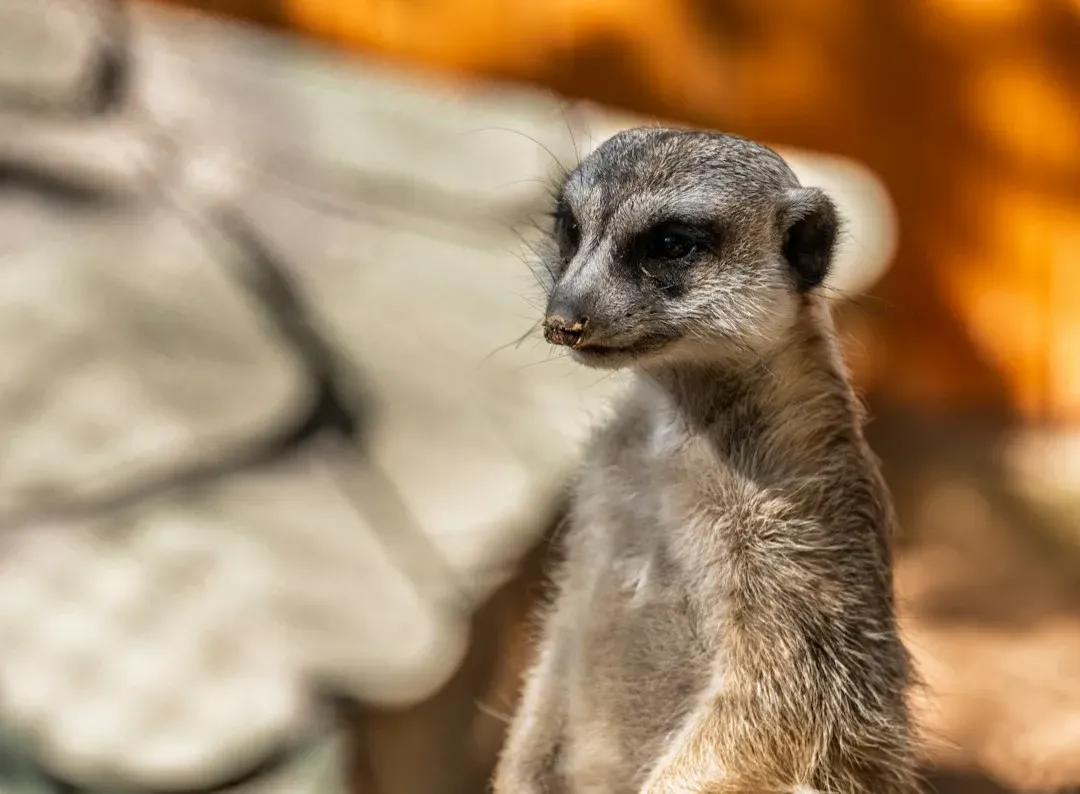
The more you look at extreme environments, the more it feels like Earth is a planet of specialists. For every place that seems unlivable at first glance, nature has quietly carved out a creature that calls it home. From fish with antifreeze blood to microscopic “tanks” that can shrug off radiation, these animals prove that life doesn’t just adapt; it innovates in ways that make our best technology look clumsy.
These adaptations also hint at how life might look on other worlds, where conditions are far stranger than any desert, deep sea, or polar night on Earth. Each extreme survivor is like a living experiment in what is biologically possible. It leaves you with a simple, nagging question: in a universe this big, if life can flourish in our harshest corners, where else might it be quietly rewriting the rules?