
You’ve probably noticed it before. Your body seems to know it’s time to wake up just before your alarm goes off. Your stomach growls at roughly the same hour every day. You start yawning predictably, almost on cue, as evening settles in. None of this is coincidence, and none of it is magic. Your body is operating on a remarkably precise biological schedule that scientists have been studying for decades.
This internal timekeeping system shapes nearly everything from your energy levels, your digestion, your mood, and even how well your immune system fights off a cold. Understanding how it works, and what happens when it gets knocked off course, could genuinely change the way you think about your health. So let’s dive in.
What Is the Circadian Rhythm, Exactly?
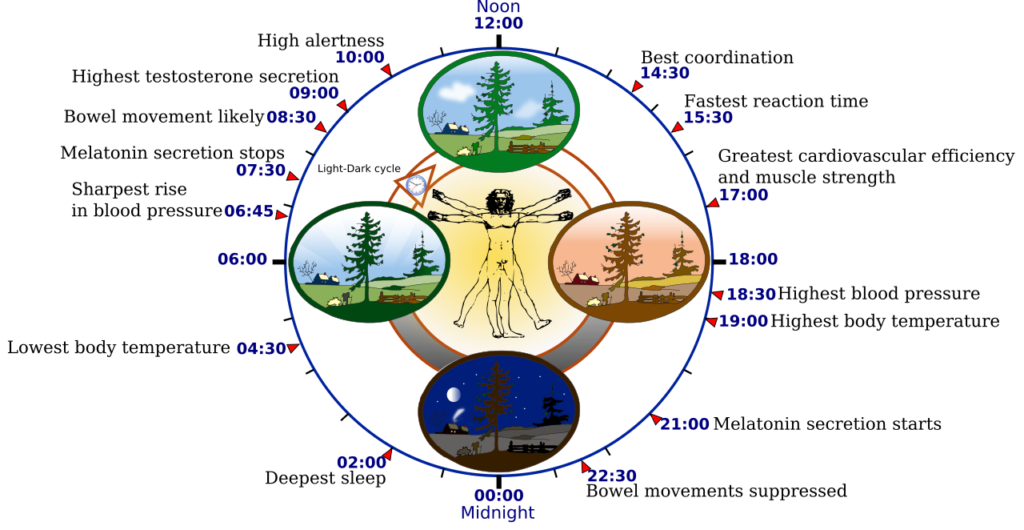
There’s actually a Latin phrase hidden at the heart of this whole story. The term “circadian” comes from the Latin words for “about” (circa) and “a day” (diem). In practice, this means your body runs a continuous loop of biological events that resets roughly every 24 hours. Your circadian rhythm is your body’s natural 24-hour clock, and it keeps your body operating on a healthy wake-sleep cycle.
But it’s so much bigger than just sleep. Your circadian rhythm coordinates the physical and mental systems throughout your body – for instance, your endocrine system controls hormones like cortisol for energy expenditure, and your digestive system creates proteins to match the timing of your meals. Think of it less like a single alarm clock and more like an orchestra conductor, keeping every section of your biology playing in sync. When the conductor is confident and steady, the music is beautiful. When the conductor gets confused, things fall apart quickly.
The Master Clock Inside Your Brain
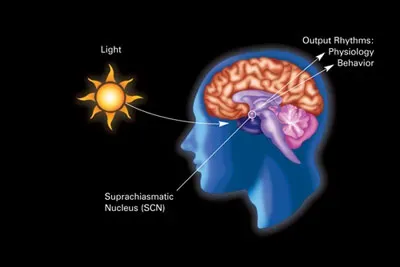
Here’s the part that genuinely blew my mind the first time I learned it. A master clock coordinates all the biological clocks in an organism. In vertebrate animals, including humans, the master clock exists in the brain. The human master clock is a large group of nerve cells that form a structure called the suprachiasmatic nucleus, or SCN. This tiny structure sits nestled in the hypothalamus, quietly running the show 24 hours a day.
The suprachiasmatic nucleus is the principal circadian clock of the brain, directing daily cycles of behavior and physiology. SCN neurons contain a cell-autonomous transcription-based clockwork, but circuit-level interactions synchronize the roughly 20,000 or so SCN neurons into a robust and coherent daily timer. Twenty thousand neurons. All working together, all ticking in near-perfect unison. Neurons in the SCN fire action potentials in a 24-hour rhythm, even under constant conditions. At mid-day, the firing rate reaches a maximum, and during the night, it falls again. That’s your body literally counting time at the cellular level.
How Light Talks to Your Clock
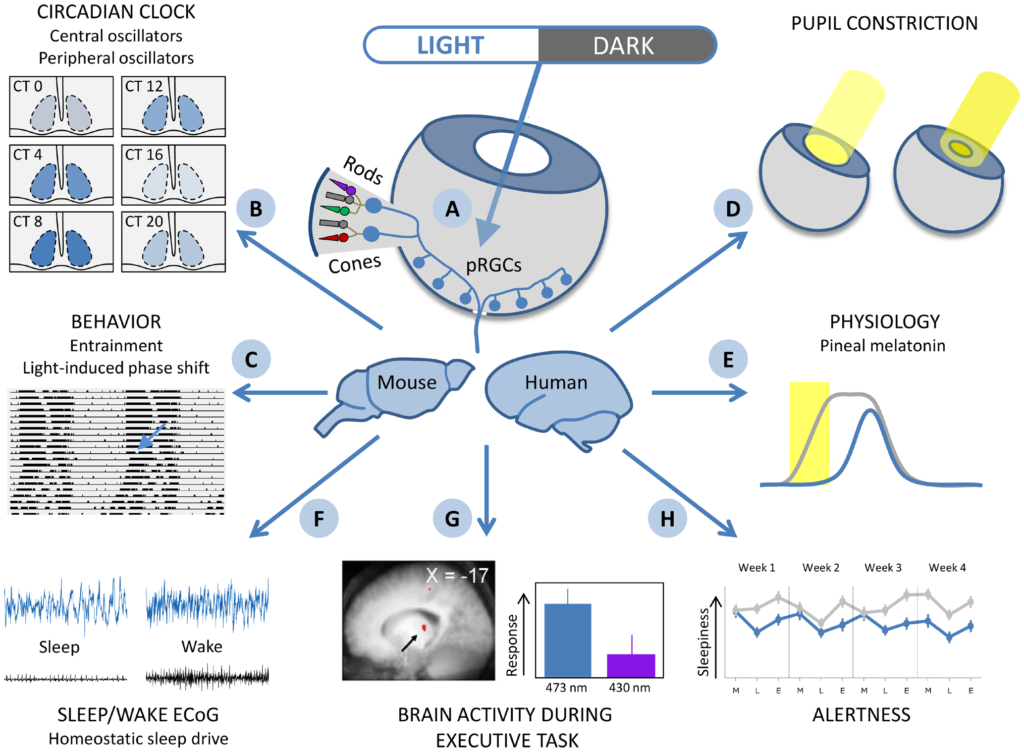
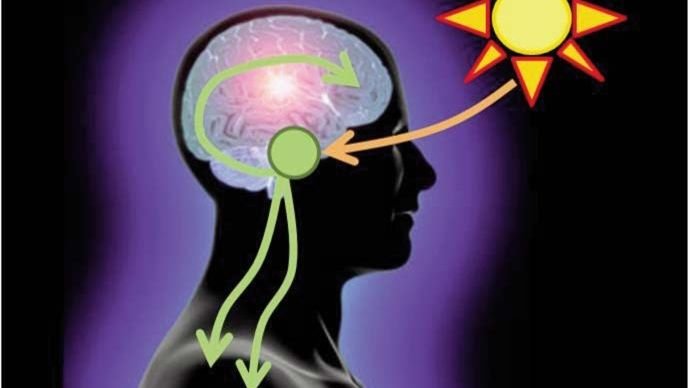
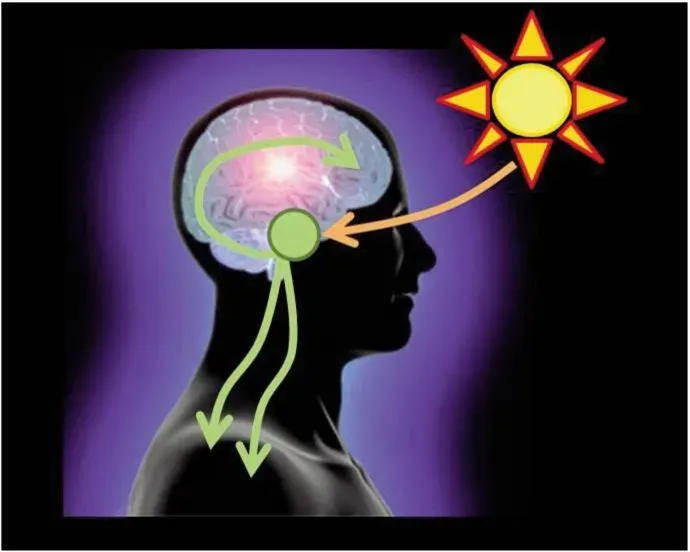
Light is, without a doubt, the single most powerful signal your internal clock ever receives. Cells in the retina of your eyes capture changes in light and dark in the environment and then send signals to the SCN. It’s an elegant system when you think about it. Your eyes aren’t just seeing the world. They’re also feeding information about time of day directly to the brain’s command center. The SCN is sensitive to light. Light influences the signals that the SCN uses to coordinate circadian rhythms in your body. That’s why circadian rhythms closely relate to day and night.
Now, here’s where things get genuinely interesting, and maybe a little alarming. Biological clocks keep working even when organisms are removed from natural light. Without daylight, the biological clock will continue running on its own natural cycle. But as soon as morning light hits the eyes, the clock will reset to match the Earth’s 24-hour day. So your body is essentially self-winding, like an old pocket watch, but it needs that daily flash of sunlight to stay perfectly on time. Blue light from phones, tablets, and computers can suppress melatonin production – a hormone that helps you sleep – and delay your natural sleep-wake cycle. Your ancestors never had to worry about that one.
The Hormone Duo That Controls Your Day and Night
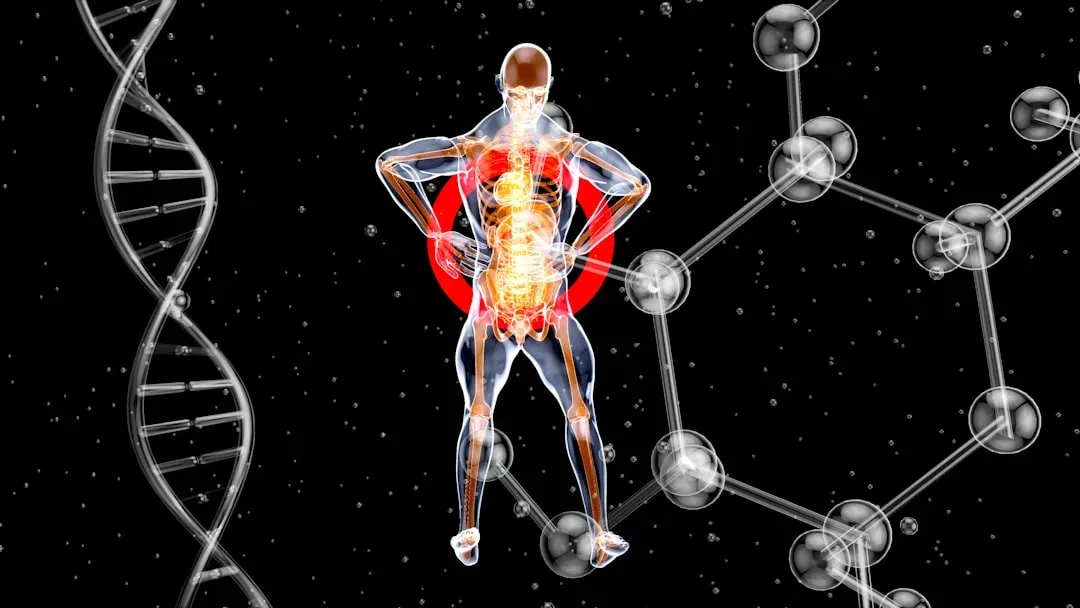
If the SCN is the conductor, then cortisol and melatonin are the two lead musicians. They work in almost perfect opposition, like a biological seesaw. In a healthy rhythm, cortisol is high in the morning and low at night, while melatonin does the opposite. This back-and-forth pattern is called the circadian rhythm, and it governs more than just sleep. Understanding this dance explains why your body naturally wakes you up and winds you down each day, no alarm required.
Cortisol levels rise sharply in the early morning. The increase in cortisol levels causes blood pressure and blood sugar levels to rise. Cortisol also stimulates the metabolism. By controlling the energy balance, cortisol promotes physical performance and mental alertness. Then, as evening arrives, the SCN controls production of the hormone melatonin based on the amount of light the eyes receive. In the evening, the master clock tells the brain to make more melatonin, causing sleepiness. It really is that automatic, when everything is running as it should be.
Clock Genes: The Tiny Timekeepers in Your Cells
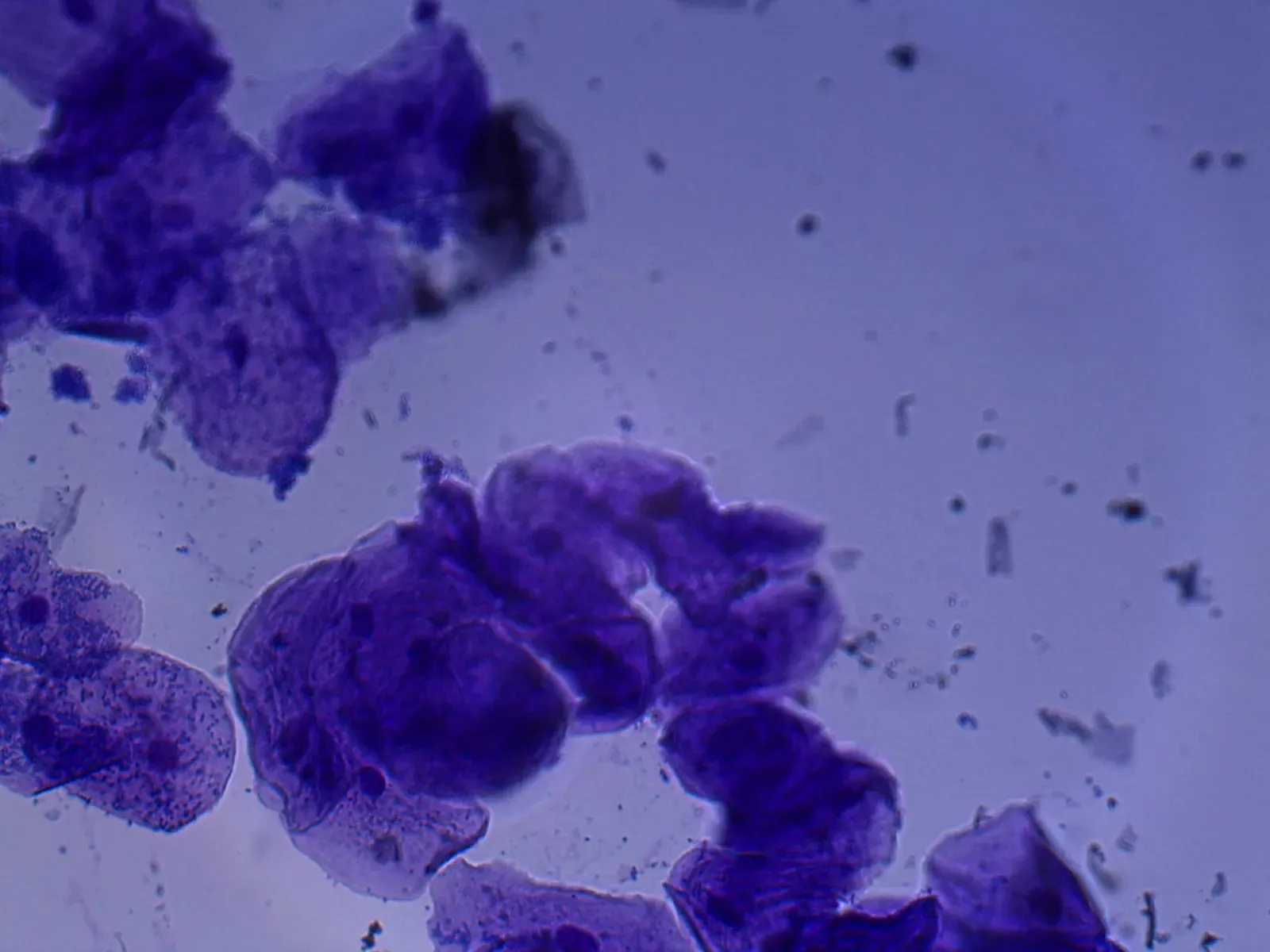
Here’s something most people don’t know: the timekeeping system doesn’t just live in your brain. More or less independent circadian rhythms are found in many organs and cells in the body outside the suprachiasmatic nucleus. Indeed, neuroscientist Joseph Takahashi and colleagues stated in a 2013 article that “almost every cell in the body contains a circadian clock.” Your liver knows what time it is. So does your heart. So does your skin.
What drives all of these mini-clocks? Circadian rhythms are controlled by “clock genes” that code for clock proteins. The levels of these proteins rise and fall in rhythmic patterns. Special clock genes in the SCN switch on, which causes proteins to be made. As these proteins accumulate, along with other chemicals, they switch off the clock genes. The level of proteins then drops to the point where the genes are able to switch on again, and the cycle restarts. This cycle of switching off and on happens about once every 24 hours. It’s a self-regulating feedback loop so elegantly simple that it almost sounds too good to be true. Honestly, it still amazes me every time I think about it.
What Happens When Your Clock Is Disrupted

Let’s be real. Most people’s circadian rhythms take a beating on a regular basis. Disruptions from factors like irregular schedules, travel, shift work, screen time, or underlying health issues can throw off your internal clock and negatively impact sleep and overall well-being. You’ve felt it before, that foggy, heavy, disoriented feeling after a red-eye flight or an all-nighter. That’s your clock screaming at you. When traveling across multiple time zones, a disassociation of the internal clock and environmental time can result in what is known as jet lag.
The long-term consequences, though, are far more serious than temporary grogginess. A 2024 scientific report from the American Heart Association links circadian disruption to higher rates of heart disease, type 2 diabetes, obesity, and high blood pressure. A bidirectional relationship also exists between mood disorders and circadian rhythms. Mood disorders are often associated with disrupted circadian clock-controlled responses, such as sleep and cortisol secretion, whereas disruption of circadian rhythms via jet lag, night-shift work, or exposure to artificial light at night can precipitate or exacerbate affective symptoms in susceptible individuals. It’s hard to say for sure how many people are walking around with a chronically disrupted clock, but the numbers are almost certainly vast.
How Your Clock Changes as You Age
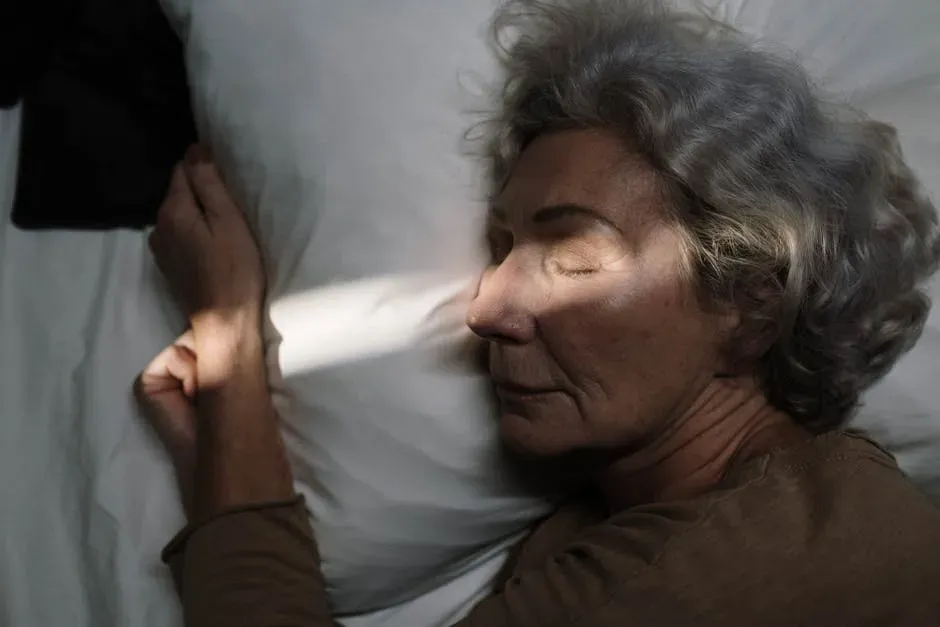
Your circadian rhythm isn’t set in stone from birth. It shifts, drifts, and evolves throughout your entire life. Adolescents and young adults tend to have a “delayed” chronotype, which means their clock runs later. That’s why teenagers genuinely struggle to wake up early. It’s not laziness. It’s biology. In adulthood, circadian rhythms tend to stabilize around a more traditional pattern of feeling sleepy at night and alert during the day. However, individual preferences still vary. Some people are naturally early risers, while others are night owls.
By the time you reach your older years, the clock shifts again, and the changes can be more troubling. Aging significantly impacts circadian rhythm and is also associated with specific sleep complaints, including earlier awakening and decreased sleep consolidation at the end of the night. Increasing evidence also suggests that disruption of circadian clock function can exacerbate a wide range of age-related pathologies, ranging from cataracts to cancer. As circadian rhythms and sleep consolidation break down with normal aging, changes in these may be part of what makes aging a risk factor for disorders like Alzheimer’s disease. That connection between the body clock and brain health is one of the most actively studied areas in medicine right now.
Conclusion: Your Clock Is Always Ticking
Your body’s internal clock is one of the most sophisticated systems in all of biology. It’s woven into your genes, your hormones, your organs, and even your individual cells. This biological circadian system has evolved to help humans adapt to changes in the environment and anticipate changes in radiation, temperature, and food availability. Without this endogenous circadian clock, humans would not be able to optimize energy expenditure and the internal physiology of the body.
The good news is that this clock is responsive. Maintaining a consistent sleep schedule and daily routine, along with strategies like timed light exposure and melatonin supplementation when needed, are the most effective ways to support a healthy circadian rhythm. Small, consistent habits can make a genuinely profound difference. Getting morning sunlight, keeping a regular sleep schedule, and dimming screens in the evening are not just lifestyle tips. They are signals you send to a 24-hour biological system that governs your health from head to toe.
Your clock is always ticking. The real question is whether you’re working with it, or against it. What changes will you make to get back in sync?