
You spend roughly a third of your entire life doing it. You cannot survive without it. Yet when you ask the world’s top neuroscientists exactly why you do it, they pause, shift in their chairs, and give you a surprisingly uncertain answer. Sleep is one of the most universal experiences shared by nearly every living creature on this planet – and it remains one of the deepest, most humbling mysteries in all of science.
We know a great deal about what happens during sleep, sure. But the “why” and the “how” of so many aspects of it keep researchers working overtime – which is, frankly, a little ironic. From hallucinations that visit you as you drift off, to the nightly cinematic experience your brain produces for no clearly agreed-upon reason, sleep is stranger and more spectacular than most people ever realize. Let’s dive in.
1. Nobody Can Fully Agree on Why You Dream

Here’s the thing – you have been dreaming your entire life, and science still has not reached a consensus on what those dreams are actually for. Dreams are most common and intense during REM sleep when brain activity increases, but no one knows for sure why we dream. That’s a striking admission from researchers who have spent decades studying the sleeping brain.
Along with the neurobiological underpinnings, the very function of dreams is still vehemently debated. Theories on the function of dreaming are diverse and include hypotheses such as dreams acting as a guardian of sleep, aiding in emotional desensitization, and serving as simulations of threats and social challenges. However, empirical testing of these theories remains challenging. Think about that for a moment – you do something every single night of your life, and the best science can offer is a spirited argument between competing theories.
2. Your Brain Runs a Nightly Cleaning Cycle That Still Puzzles Experts
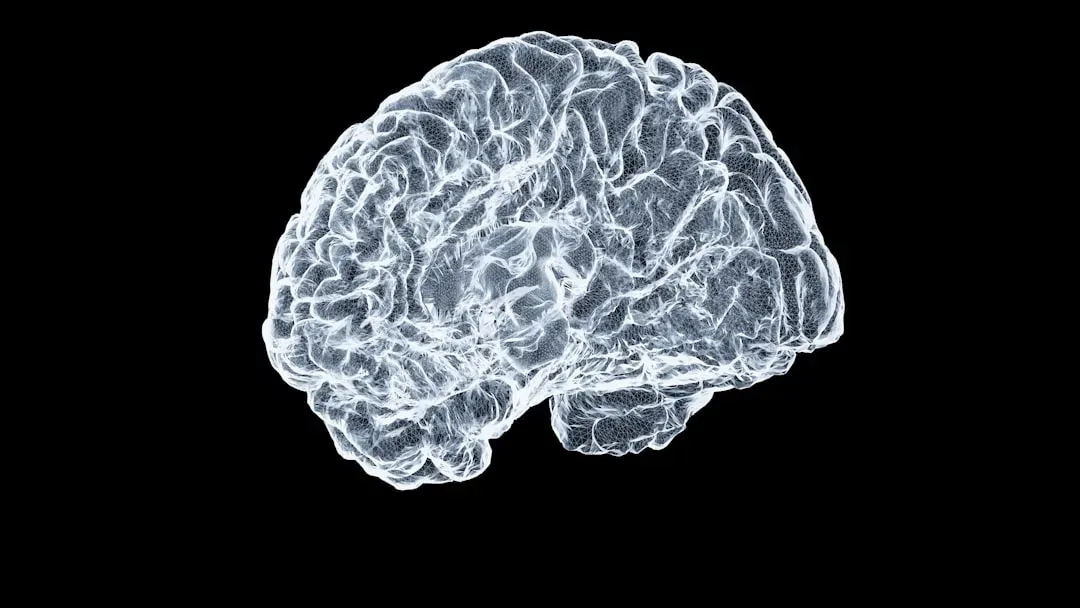
You might think of sleep as simply “powering down,” like a laptop going into standby mode. In reality, your brain is doing something far more dramatic. The glymphatic system acts as the brain’s waste clearance pathway, using cerebrospinal fluid to flush out metabolic waste products that accumulate in the interstitial fluid of the brain during wakefulness. It is your brain literally washing itself.
Glymphatic function is significantly augmented during slow-wave sleep, the deepest stage of non-REM sleep. During this stage, the brain’s interstitial space volume increases, facilitating the movement and clearance of waste products. When sleep is deprived, this clearance mechanism is severely impaired, causing metabolic byproducts to accumulate. Of particular concern is the accumulation of proteins like amyloid-beta and tau, the toxic aggregates associated with Alzheimer’s disease. What researchers still cannot fully explain is the precise trigger that activates this system, and why it is so dramatically more effective during sleep than at any other time.
3. The Hypnagogic State: Hallucinations You Likely Don’t Remember

Every night, as you drift off to sleep, your brain passes through a surreal twilight zone – and most people have no idea it’s even happening. Hypnagogia is the transitional state from wakefulness to sleep, also defined as the waning state of consciousness during the onset of sleep. Its corresponding state is hypnopompia – sleep to wakefulness. Mental phenomena that may occur during this “threshold consciousness” include hallucinations, lucid dreaming, and sleep paralysis.
A reported vast majority of these hallucinations are visual in nature. People commonly see moving patterns and shapes, or vivid images of faces, animals, or scenes. Between roughly one in ten to about a third of hypnagogic hallucinations involve hearing sounds, such as voices or music. In roughly a quarter to nearly half of cases, a person experiencing a hypnagogic hallucination feels a physical sensation, like falling or weightlessness. Honestly, that “falling” jolt you’ve felt just before sleep? That’s this. And science still cannot fully explain why it happens.
4. Sleep Paralysis Has Been Inspiring Ghost Stories for Centuries
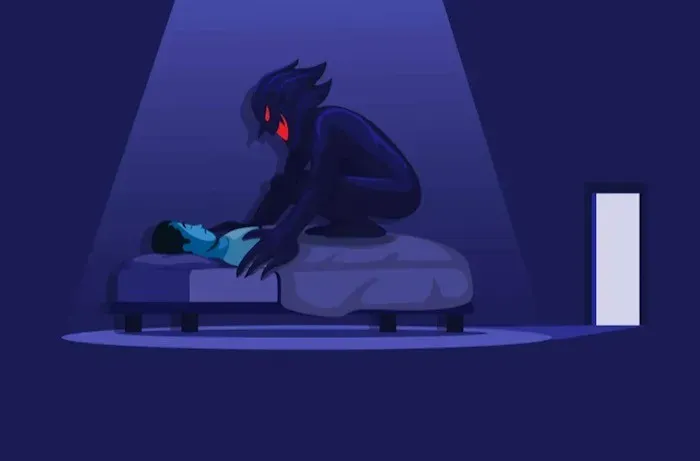
Imagine waking up in the dark, completely unable to move, while sensing a shadowy figure in the corner of your room. Terrifying, right? Sleep paralysis is a state, during waking up or falling asleep, in which a person is conscious but in a complete state of paralysis. During an episode, the person may hallucinate – hear, feel, or see things that are not there – which often results in fear. Episodes generally last no more than a few minutes.
Between roughly one in twelve and half of all people experience sleep paralysis at some point during their lifetime. About one in twenty people have regular episodes. What’s wild is that this experience has shaped human culture across the world. Sleep paralysis has been described throughout history. It is believed to have played a role in the creation of stories about alien abduction and other paranormal events. In other words, many reported supernatural encounters may simply be the brain caught between two worlds.
5. The Strangers in Your Dreams May Not Be Strangers at All

You’ve had that dream – a person you don’t recognize, yet somehow feel you know. Some researchers believe that the strangers you meet in your dreams may be people you’ve met before. The theory holds that even though you have no recollection of ever laying eyes on them, they could be random people you’ve passed on the street or seen on TV – not brand-new creations.
Your subconscious, it seems, is a meticulous archivist with questionable filing skills. It stores away faces you never consciously processed, only to resurrect them at 3 a.m. in the middle of some bizarre narrative about missing a flight on a boat. Dreams are a most remarkable experiment in psychology and neuroscience, conducted every night in every sleeping person. They show that our brain, disconnected from the environment, can generate by itself an entire world of conscious experiences. How it selects which faces to use – and why – remains genuinely unknown.
6. Dreams Can Actually Help You Solve Problems – and Researchers Just Proved It

The old advice to “sleep on it” turns out to be grounded in something real. Neuroscientists at Northwestern University have shown that dreams can actually be nudged in specific directions – and those dream tweaks may boost creativity. By playing subtle sound cues during REM sleep, researchers prompted people to dream about unsolved brain teasers they had struggled with earlier. An astonishing three quarters of participants dreamed about the cued puzzles, and those puzzles were solved far more often the next day.
Puzzles that appeared in dreams were solved at a much higher rate than those that did not. Participants solved a significantly greater proportion of dream-related puzzles compared to those that were not cued. I think this is one of the most exciting findings in sleep science in years. The findings support the idea that REM sleep, the rapid eye movement stage of sleep when vivid and sometimes lucid dreams occur, may be especially helpful for creative problem solving. Yet the exact mechanism behind this creative boost is still something researchers are working to untangle.
7. Your Disrupted Sleep in Your 30s and 40s Could Shadow You for Decades

This one is a little sobering, so take a breath. People who have more disrupted sleep in their 30s and 40s may be more likely to have memory and thinking problems a decade later, according to research published in the journal Neurology. That’s not just a minor inconvenience – that’s a long shadow cast by years of poor nights.
The study does not prove that sleep quality causes cognitive decline – it only shows an association. So the mystery deepens. Is the poor sleep causing the cognitive problems? Or are early neurological changes causing both? Chronic sleep deprivation is a risk factor for serious long-term health issues, including neurodegenerative diseases like Alzheimer’s. This connection is linked to the brain’s waste-clearance system, known as the glymphatic system. This network is most active during deep NREM sleep and is responsible for flushing out metabolic byproducts that accumulate during waking hours. The causal arrows here are still being passionately debated.
8. The Hypnagogic State Was a Creative Secret Weapon for Geniuses

Salvador Dali. Thomas Edison. Edgar Allan Poe. These are not names you’d usually find in the same sentence as “sleep research,” but they all exploited the same weird neurological loophole. Some of the world’s smartest minds used hypnagogia to tap into their creativity. Thomas Edison, Edgar Allan Poe, and Salvador Dali used to nap with a steel ball in their hands so that they would wake when the ball hit the floor.
The idea was to catch themselves right at the edge of unconsciousness, that liminal zone where logic loosens its grip and wild, associative thinking blooms. The period of repose cascading into sleep is widely thought of as a sweet spot for creativity. Scientists and innovators like Albert Einstein have transited this cerebral pathway in search of solutions to problems. Artists and musicians have siphoned ideas from hypnagogic hallucinations and channeled them into their work. What science still cannot fully explain is precisely why that narrow window unlocks such unusual cognitive power.
9. Your Brain Processes Memories While You Sleep – But Not in the Way You Think
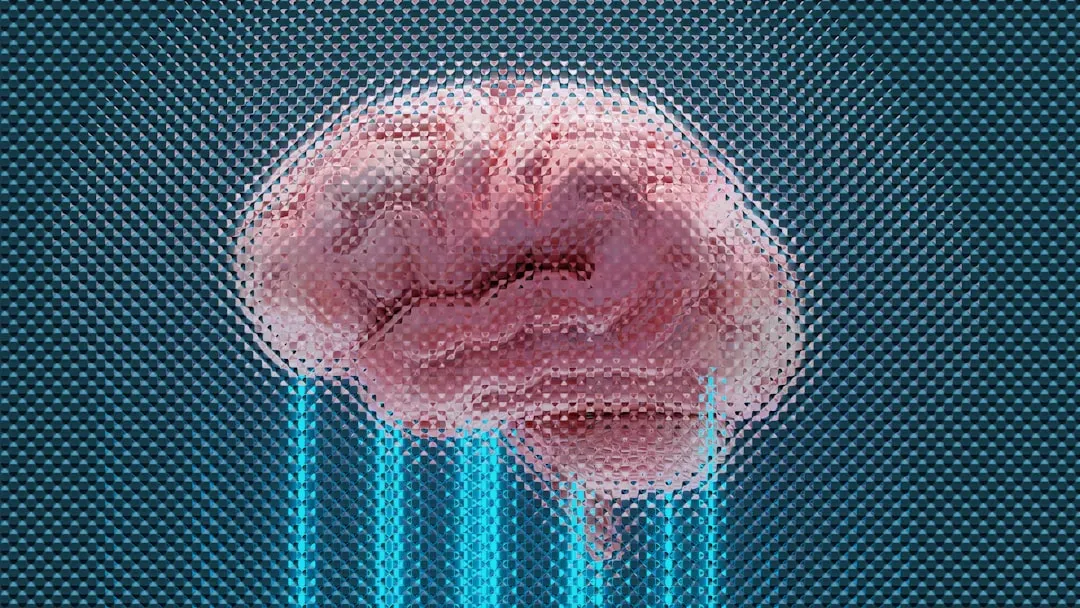
Memory consolidation during sleep sounds straightforward enough – your brain reviews the day and files things away, right? It’s actually far more complex, and frankly, more astonishing. Different stages of sleep appear to support different types of memories. During non-rapid eye movement sleep, the brain consolidates declarative memories, which include facts and events. The subsequent stage, rapid eye movement sleep, plays a distinct role – it is associated with the consolidation of procedural memories, such as new skills or habits, as well as emotional memories.
Because we remain oblivious to the unconscious memory processing that pervades our sleep, people generally underestimate the impact of sleep on our subsequent recollections and habits in the wake state. Here’s something even stranger – some research indicates that specific interventions may help retrieve memories that were stored under sleep-deprived conditions, suggesting the information may not be lost but simply inaccessible. This highlights the potential for the brain to recover with sustained healthy sleep. Where exactly those memories are hiding is still an open question.
10. Even a Single Bad Night Starts Changing Your Brain Chemistry
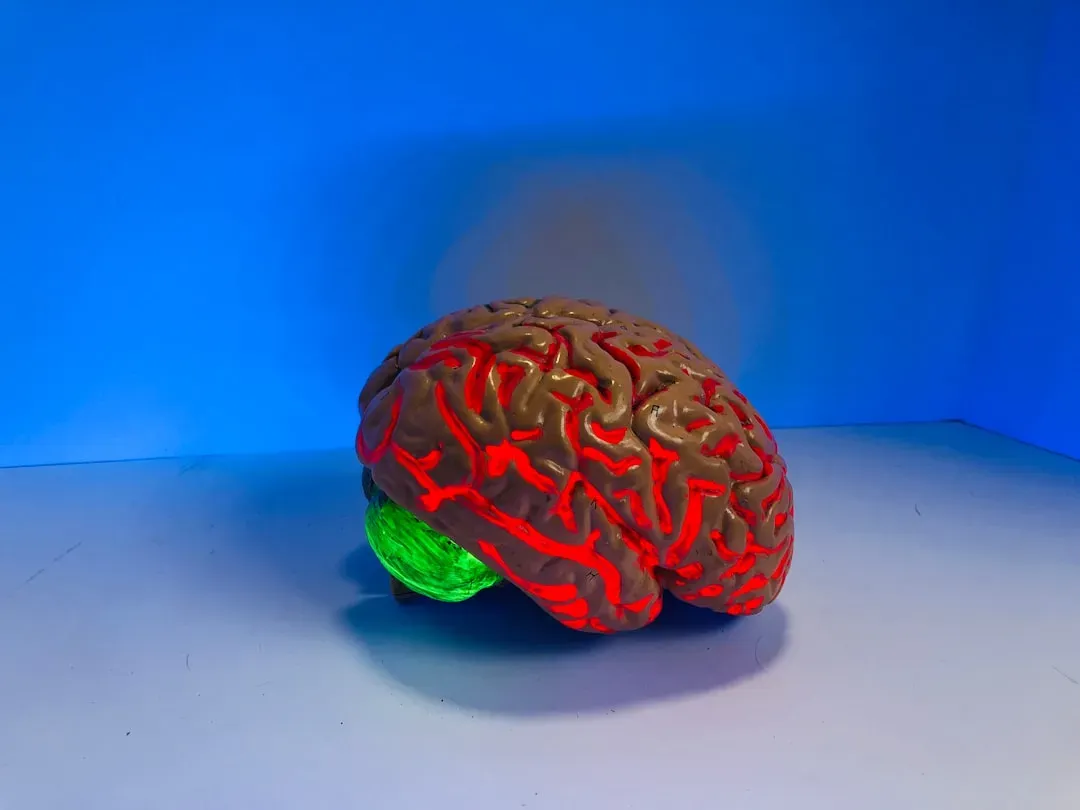
Most of us have shrugged off a sleepless night with a coffee and a vague sense of suffering. Turns out, the consequences are far more immediate and measurable than that. A single night of sleep deprivation is sufficient to increase amyloid-beta levels in the brain, highlighting the necessity of this overnight clearance process. That’s not a long-term trend – that’s one night.
Sleep deprivation profoundly destabilizes the brain’s mood regulation system by disrupting the communication between two structures: the amygdala and the prefrontal cortex. The amygdala, which is the brain’s primary center for processing emotions like fear and stress, becomes hyper-reactive when sleep is restricted. Studies show this emotional center can be dramatically more responsive to negative stimuli following a period of sleep loss. What researchers still cannot fully account for is why some individuals seem remarkably resilient to sleep loss while others unravel quickly – a mystery that likely holds keys to understanding human neurology at its most fundamental level.
Conclusion: The Most Familiar Mystery of All
Sleep is not passive. It is not simple. It is not just your body “switching off” for the night. It is a dynamic, wildly complex biological process that touches nearly every system in your brain and body – and science, for all its brilliant progress, is still standing at the edge of what it truly understands.
The remarkable thing is that these mysteries are not buried in the deep ocean or hidden in distant galaxies. They happen inside your skull, every single night. You are the experiment. That combination of the deeply personal and the profoundly unknown is what makes sleep science one of the most exciting frontiers in modern research.
So the next time you lay your head on the pillow and wonder why you can’t quite fall asleep, or why that dream felt so hauntingly real, or who on earth that stranger in your dream was – know that you’re not alone in the confusion. The world’s best scientists are right there with you, puzzling over the same questions. What aspect of your own sleep makes you wonder most?