
Sometimes it feels like everything amazing in science is recent: rockets, quantum computers, brain implants. Then you look back a few thousand years and realize our ancestors were doing things that, even today, make engineers and researchers blink twice and say, “Wait… how?” The more archaeologists dig, the clearer it becomes: ancient civilizations were not stumbling around in the dark – they were running full-scale experiments with stone, stars, metals, and mathematics.
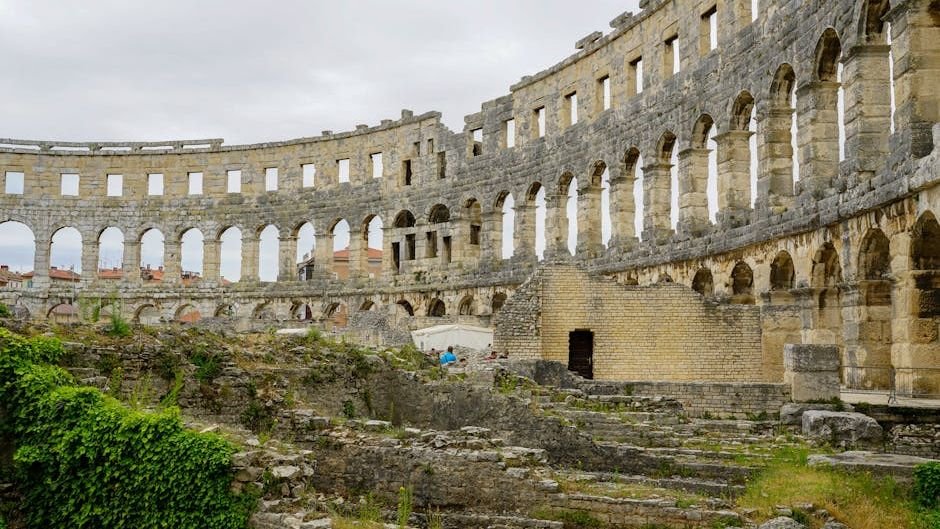
I still remember standing in front of a weathered stone wall from the Roman era and thinking, “This has survived wars, earthquakes, and time – and I’m not sure my apartment building will last a century.” That’s the unsettling thrill of ancient science: it forces you to admit that human ingenuity didn’t suddenly appear with Wi‑Fi. These five examples don’t just show that ancient people were clever; they show that in some areas, they were playing on a level we’re only now beginning to fully understand.
The Great Pyramid: Stone, Stars, and Sub‑Millimeter Precision
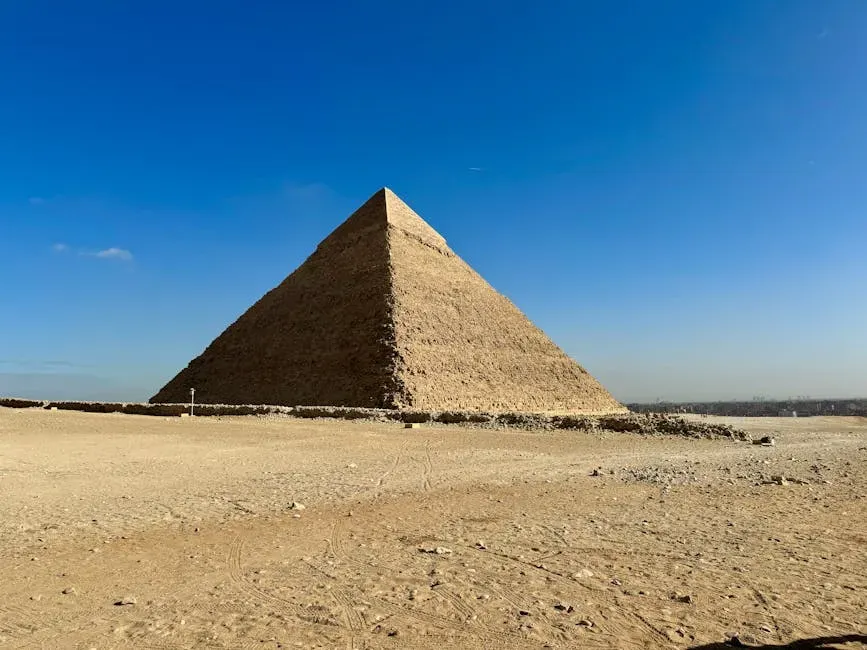
The Great Pyramid of Giza isn’t just big; it’s absurdly precise, especially for something built over four thousand years ago without cranes, lasers, or steel tools. Its base is almost perfectly level, with height differences across the entire foundation measuring in tiny fractions of a meter, and its sides align astonishingly close to true north, south, east, and west. When you realize the original casing stones were polished limestone, fitted so tightly you could barely slide a blade between them, it starts to feel less like a pile of rocks and more like an engineering thesis in stone.
What makes it feel almost impossible is how much had to be right, all at once: surveying, quarrying, transportation, logistics, and astronomical alignment. The builders likely used simple tools – plumb bobs, sighting rods, cords, and careful observation of circumpolar stars – but applied them with relentless discipline and accumulated know‑how. They apparently understood that the Earth is not perfectly flat and compensated for irregularities in the bedrock when leveling the base. It’s a powerful reminder that high precision doesn’t always demand advanced machinery; sometimes it demands thousands of people, generational knowledge, and a level of patience and coordination that’s hard to imagine in the age of instant everything.
The Antikythera Mechanism: A Bronze Computer Lost at Sea
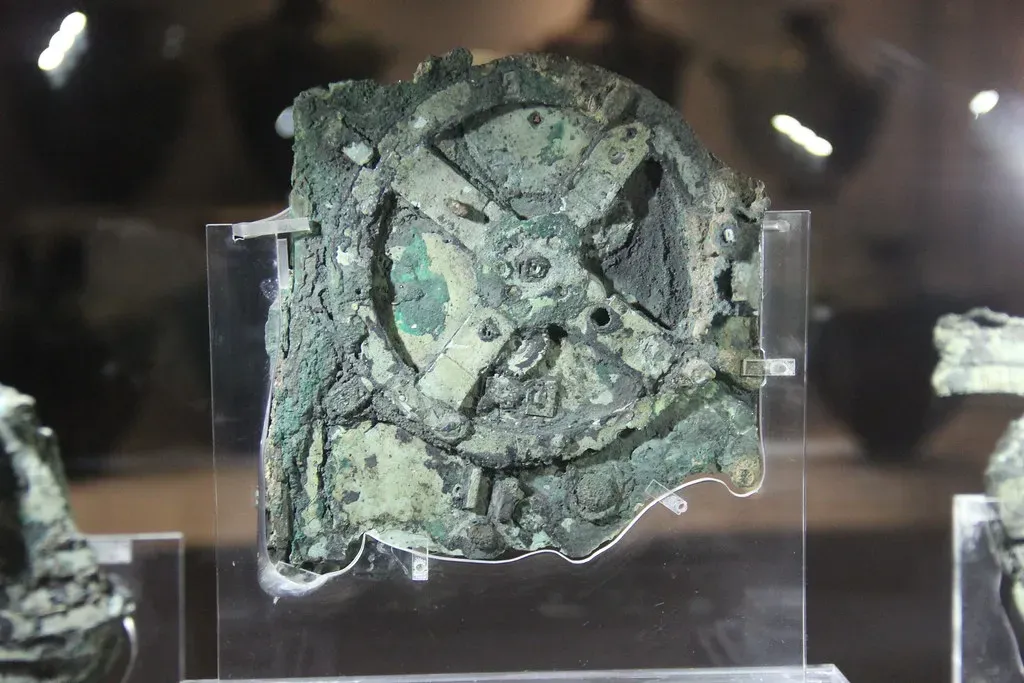
When divers pulled a corroded lump of bronze from a Roman‑era shipwreck near the Greek island of Antikythera in the early twentieth century, nobody realized they were holding what many historians now call the first known analog computer. Only with modern imaging did researchers start to see the nested gears inside, revealing a device that could predict eclipses, track the cycles of the Moon, and map the movements of known planets with stunning sophistication. This wasn’t just a gadget; it was a mechanical model of the cosmos, built more than two thousand years ago.
The sheer complexity of its gear trains, including pin‑and‑slot mechanisms to mimic the Moon’s irregular motion, shows a level of mathematical and engineering mastery that seemed wildly out of place for its time – until we accepted that the time was more advanced than we liked to admit. The real shock is that this mechanism was likely not a one‑off magic artifact, but a product of a broader tradition of Hellenistic engineering that has mostly disappeared. Imagine an entire ecosystem of tinkerers and theorists building these intricate machines, and then losing nearly all of it to war, decay, and neglect. The Antikythera Mechanism is like finding a fragment of a laptop in a ruined monastery and realizing someone, somewhere, already knew how to code.
Roman Concrete: The Building Material That Refuses to Die
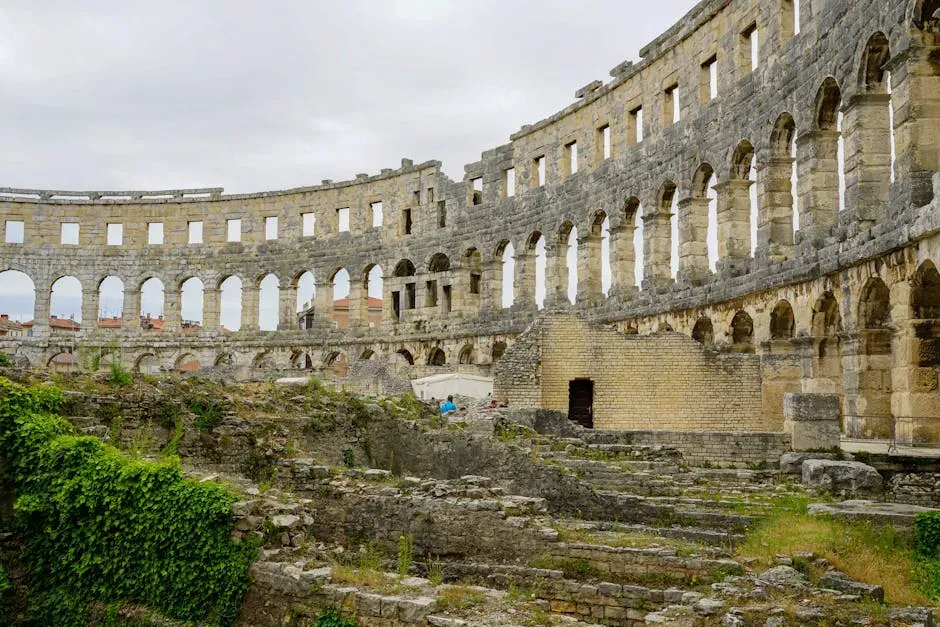
Modern concrete is strong, but it ages badly: exposed to seawater and weather, many structures begin to crumble within a century or two. Roman marine concrete, by contrast, has endured saltwater, storms, and time for nearly two millennia, and in some cases has actually grown stronger with age. Researchers studying ancient harbor walls have found a carefully chosen recipe of volcanic ash, lime, and seawater that triggered complex reactions, forming rare minerals inside the concrete that reinforce it from within.
The surprising part is that Roman builders likely didn’t know the chemistry in modern terms, but they absolutely knew what worked, refining their mixtures through experience and observation. They selected volcanic materials rich in certain components, mixed them in precise proportions, and poured them in ways that allowed the sea itself to finalize the cure. Meanwhile, our industrial concrete often prioritizes speed and cost over longevity, which makes Roman harbors and breakwaters look a bit like a quiet rebuke from the past. When a two‑thousand‑year‑old pier is outlasting some modern coastal infrastructure, it’s hard not to feel like we’re playing catch‑up with people who never had a single engineering textbook.
Indus Valley Urban Planning: Invisible Genius in the Grid
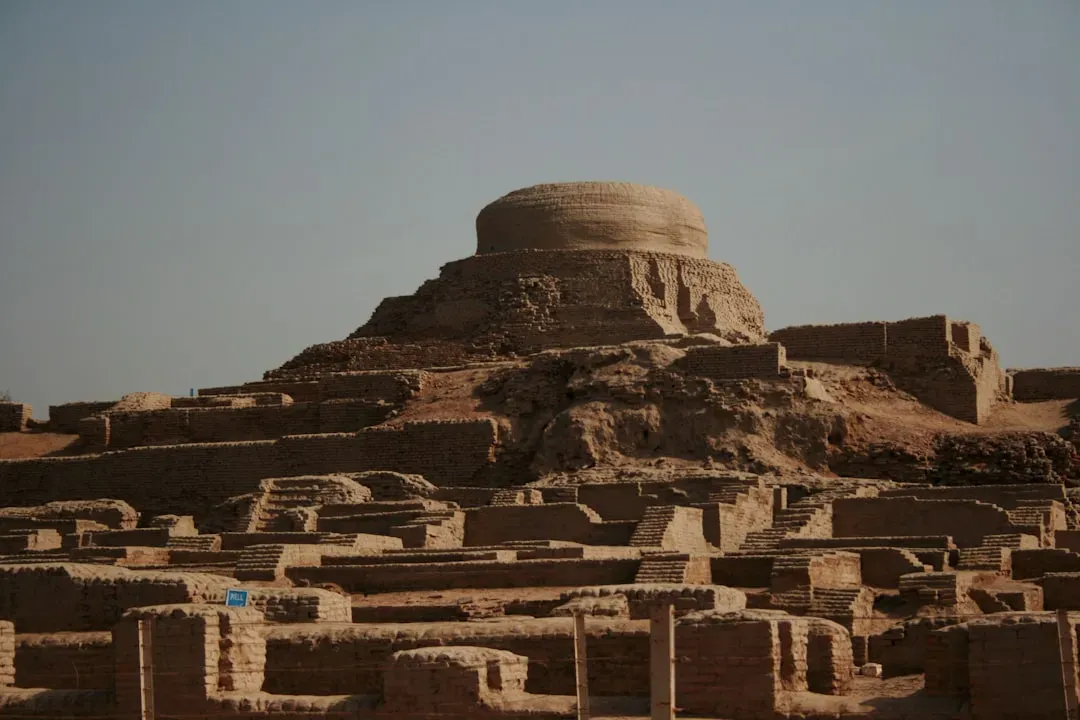
The cities of the Indus Valley civilization, like Mohenjo‑daro and Harappa, don’t scream for attention the way pyramids or temples do, but their science hides in the details of everyday life. These cities were laid out on organized grids, with streets oriented to catch prevailing winds and help with cooling, and neighborhoods served by remarkably sophisticated drainage and sewage systems. Many houses had private bathing areas connected to covered brick drains that ran through the streets, suggesting that hygiene and public health weren’t afterthoughts but central design principles.
What feels almost impossible here is how quietly advanced it all was: standardized baked bricks, consistent weights and measures, and large public structures like reservoirs and wells integrated into urban life. There’s no obvious monument shouting the name of a king or a conqueror, just a steady, systematic application of practical knowledge. It’s like walking into a modern planned city and hearing that it was designed four thousand years ago with nothing more than careful observation, local materials, and shared standards. The Indus Valley reminds us that scientific genius doesn’t always build soaring statues; sometimes it builds drains that do their job so well they’re still impressive thousands of years later.
Mayan Astronomy and Calendars: Mapping Time with Naked Eyes
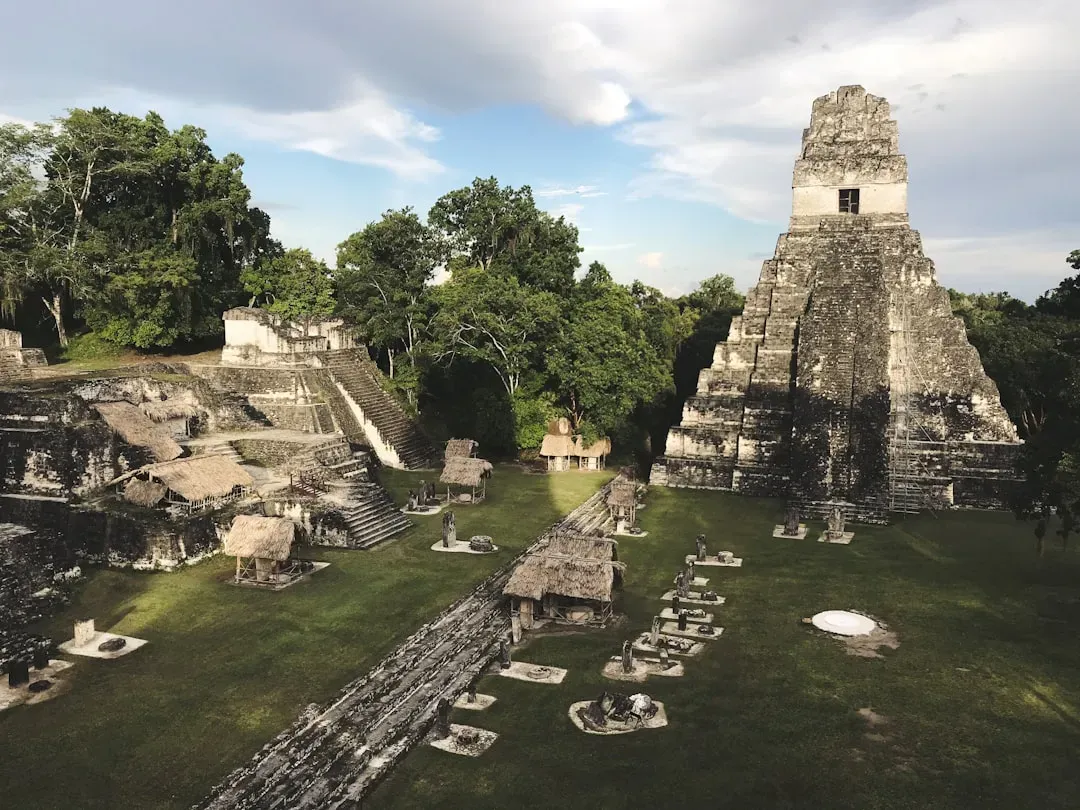
The ancient Maya tracked the sky with such care that they calculated the length of the solar year, the cycles of Venus, and eclipse patterns with a precision that rivals modern measurements. They did this without telescopes, relying instead on generations of observation, carefully placed observatories, and dense, symbolic mathematics. Their calendars interconnected in complex ways, allowing them to mark historical events, plan rituals, and predict astronomical phenomena across vast spans of time.
What makes this feel almost unreal is how much they squeezed out of direct observation alone, turning the night sky into a kind of long‑running lab experiment. In some cases, their calculations for the synodic period of Venus differ from modern values by only tiny fractions of a day, which is wild when you imagine observers patiently recording positions night after night, passing data down through centuries. The fact that much of their written knowledge was later destroyed makes the surviving codices and carved records even more astonishing; they are just fragments, yet they reveal an intellectual tradition deeply comfortable with long numbers, intricate cycles, and the idea that the universe follows patterns you can understand if you’re stubborn enough to keep watching.
Conclusion: The Ancient Future Hidden Behind Ruins
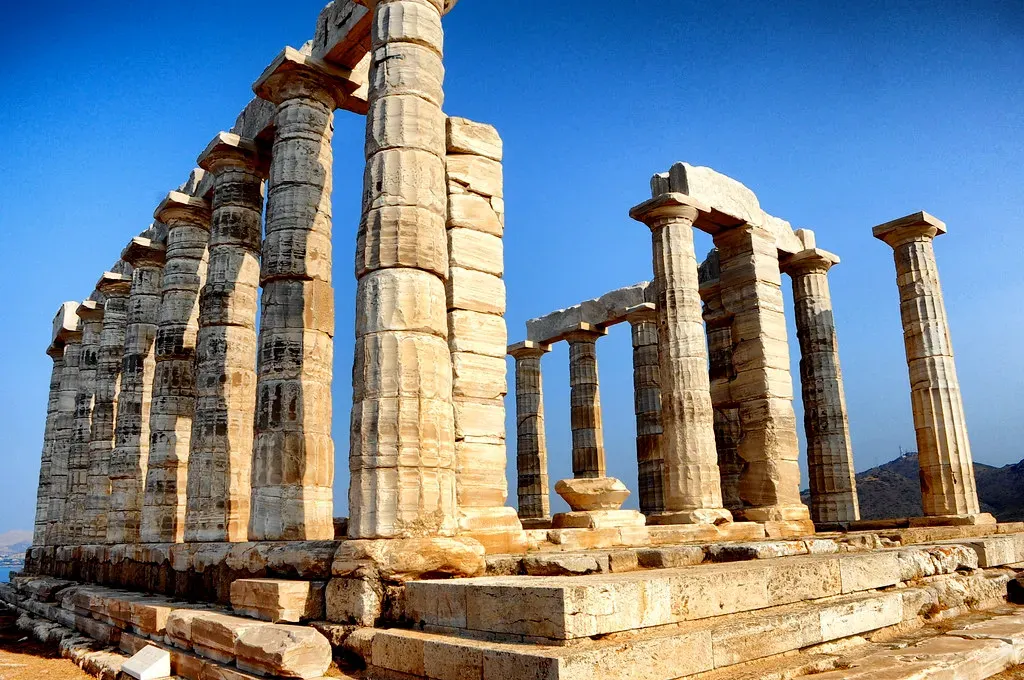
Looking at these five achievements side by side, it’s hard not to feel that our usual story about progress is a bit too neat and self‑congratulatory. Pyramids aligned to the cardinal points, mechanical models of the heavens, self‑healing harbors, hygienic cities, and precision star charts all tell the same quiet story: humans have been pushing at the limits of what’s possible with whatever tools they had for a very long time. The gap between then and now isn’t just about technology; it’s about which knowledge survived, which burned, and which we’ve only recently learned to recognize for what it truly is.
There’s something humbling in realizing that people with no electricity, no computers, and no modern instruments still managed feats that can make present‑day experts pause. Maybe that’s the real “impossible” thing they achieved: they proved that curiosity and persistence matter more than the era you’re born into. When you think about the ruins we leave behind someday, what will future archaeologists find that makes them shake their heads and say, “They did this with that?”