
Imagine if every time you got sick, injured, or simply grew too old, you could press a reset button and start your entire life over from scratch. No memory loss. No identity swap. Just you, biologically rewound, young and new again. It sounds like science fiction, and honestly, it’s the kind of thing that would break the internet if it happened to a human. Yet somewhere in the world’s oceans, a tiny, nearly invisible creature is quietly doing exactly that.
The immortal jellyfish has been rattling the cages of biology and aging science for decades now, and the deeper scientists look, the more remarkable, and strange, the story gets. You are about to discover one of nature’s most astonishing secrets. Let’s dive in.
Meet Turritopsis Dohrnii: The Creature That Rewrites the Rules of Life
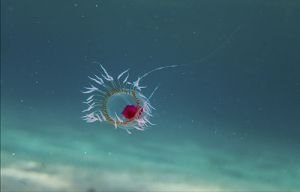
Turritopsis dohrnii, also known as the immortal jellyfish, is a species of small, biologically immortal jellyfish found worldwide in temperate to tropical waters. Here’s the thing that makes this animal so jaw-dropping. It is one of the few known cases of animals capable of completely reverting to a sexually immature, colonial stage after having already reached sexual maturity as a solitary individual.
These transparent jellyfish with a bright, red stomach are about half the size of a person’s pinky nail. You would almost certainly overlook one if you swam right past it. The medusa of Turritopsis dohrnii is bell-shaped, with a maximum diameter of about 4.5 millimetres, and the relatively large stomach is bright red and has a cruciform shape in cross section. Small, yes. Ordinary, absolutely not.
The Discovery That Shocked Marine Scientists
It all began in the 1980s, when researchers Giorgio Bavestrello, at the University of Genoa, and Christian Sommer, at Ruhr University Bochum, collected jellyfish later classified as Turritopsis dohrnii. These transparent jellyfish begin their lives as tiny, free-swimming planula larvae, which settle down on sea floors or ship hulls to form a colony of polyps. These later bud into mobile, jellyfish-like forms called medusae.
Incidentally, the researchers forgot about the creatures over the weekend. When they checked on the jellyfish next, they observed several polyps settled at the bottom of the rearing jar. Puzzled, they continued observing the animals and eventually found that stressful conditions triggered the medusae to turn into a ball of tissue called cysts, which fell to the bottom of the jar. The cysts then transformed into polyps without releasing gametes. What the researchers had stumbled upon was one of the most extraordinary biological discoveries in modern science.
How the Life Cycle Reversal Actually Works
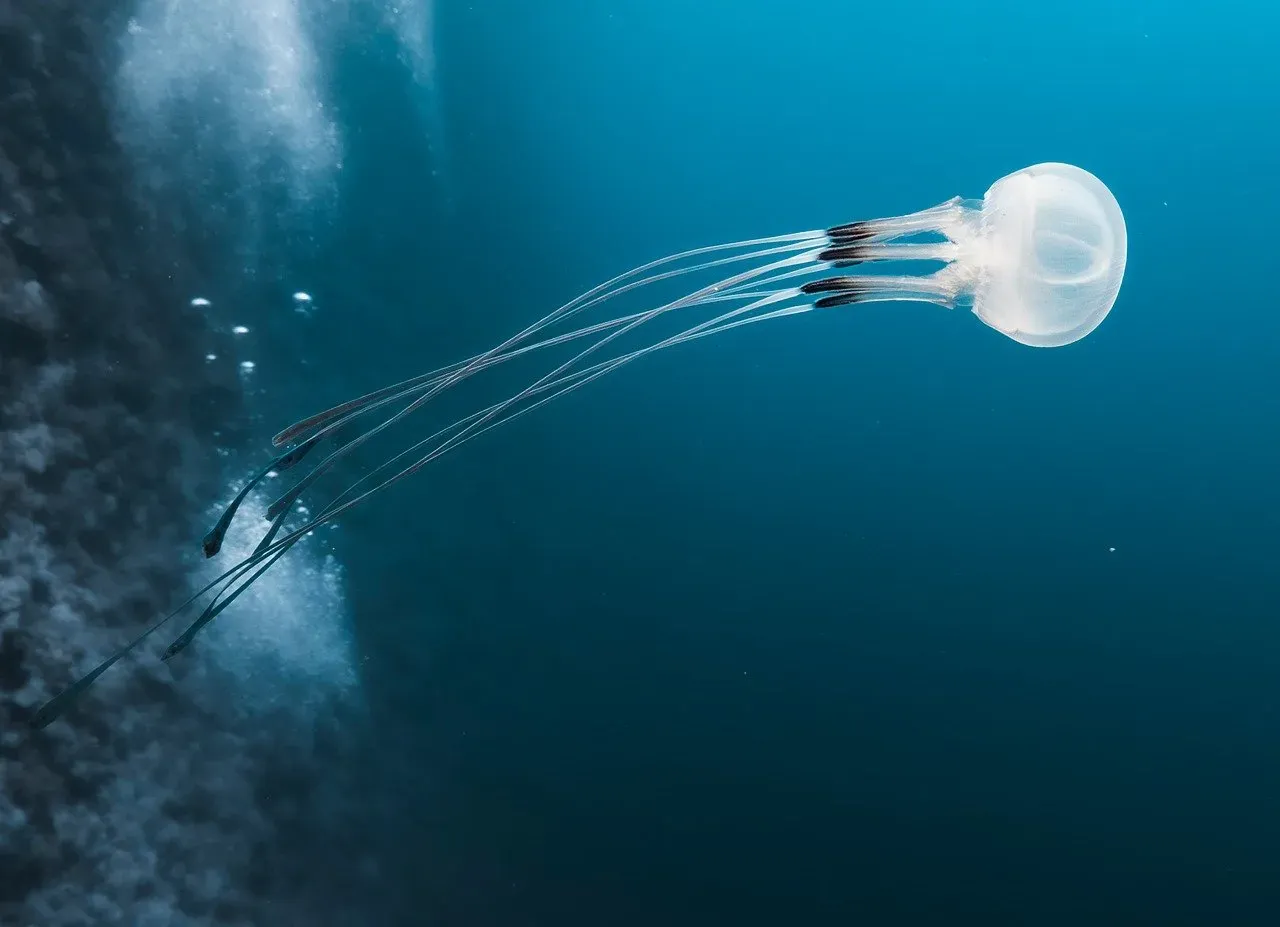
If the T. dohrnii jellyfish is exposed to environmental stress, physical assault, or is sick or old, it can revert to the polyp stage, forming a new polyp colony. It does this through the cell development process of transdifferentiation, which alters the differentiated state of the cells and transforms them into new types of cells. Think of it like a caterpillar that, instead of becoming a butterfly and dying, transforms back into a caterpillar and starts the whole cycle again. Endlessly.
While in this cyst-like state, the specialized cells of the jellyfish undergo a process called transdifferentiation. Any specialized cells, such as those meant for swimming or digestion, essentially “forget” what they are and transform back into stem cells. Stem cells can then develop into many different cell types. The process of transdifferentiation is what allows the cells of the jellyfish to reset and regrow into a free-swimming medusa again. During the life cycle reversal, which covers a time span of about 48 to 72 hours, cell transdifferentiation occurs.
What “Biologically Immortal” Actually Means and What It Doesn’t
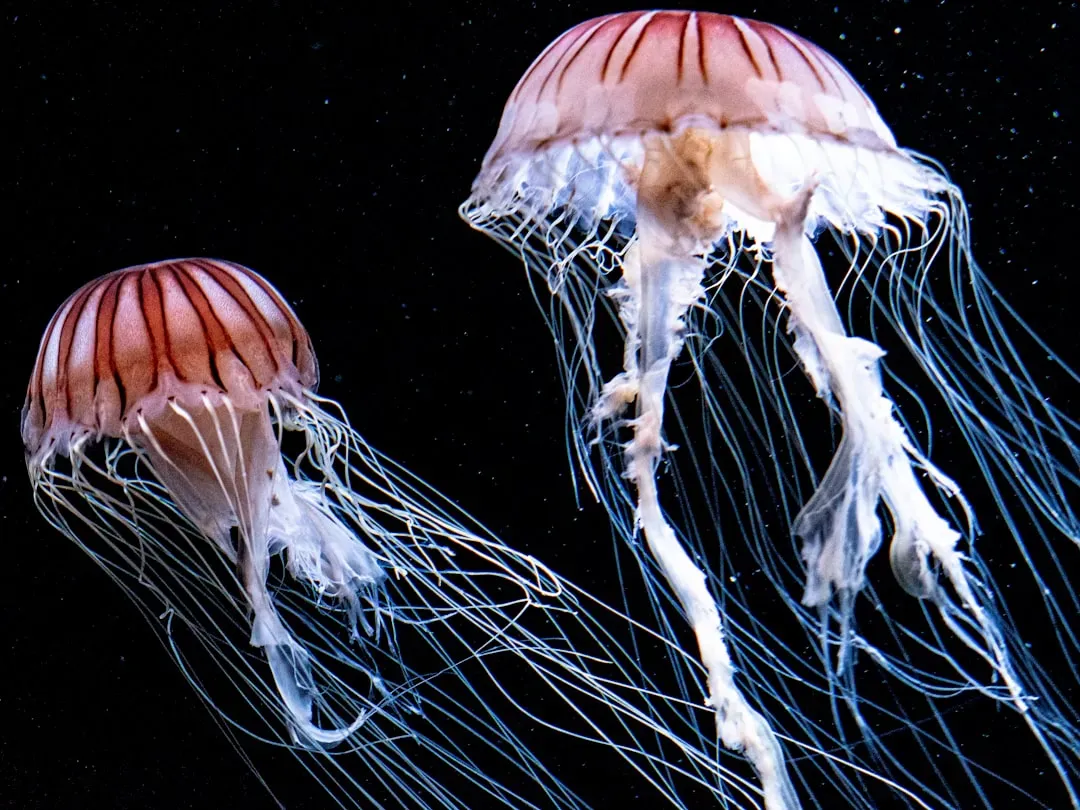
Theoretically, this process can go on indefinitely, effectively rendering the jellyfish biologically immortal, although in practice individuals can still die. Let’s be real here. “Immortal” does not mean invincible, and this is a distinction that matters. In nature, most Turritopsis dohrnii are likely to succumb to predation or disease in the medusa stage without reverting to the polyp form.
Despite its regenerative prowess, Turritopsis dohrnii is not invincible. Predation by fish, sea anemones, tuna, sharks, swordfish, sea turtles, and penguins poses a constant threat, particularly in the vulnerable medusa stage. Disease and environmental hazards can also lead to mortality before reversal occurs. So the jellyfish does not live forever in any practical sense. Its brilliance lies in the potential, not the guarantee.
The Genetic Secrets Hidden Inside Its DNA
T. dohrnii had variants and more copies of genes encoding DNA repair proteins and DNA polymerases, suggesting enhanced replicative capabilities. Researchers also found that compared to a mortal relative, T. dohrnii carried more copies of some genes associated with oxidative stress response, hinting that the animal could protect its genome from reactive oxygen species-induced damage, contributing to better genome stability.
Additionally, T. dohrnii carried potentially protective variants in genes involved in maintenance of telomeres, the protective caps at chromosome ends that shorten as an organism ages, causing senescence. Honestly, this is where it gets truly exciting for aging science. During its life cycle reversal, T. dohrnii manipulates genetic networks of high relevance in biomedical studies in mammals, such as SIRT3, POU factors, RTEL1, and HSP70/90. These are not random letters. These are names of pathways that human researchers are actively chasing in anti-aging medicine.
What This Jellyfish Could Mean for Human Medicine
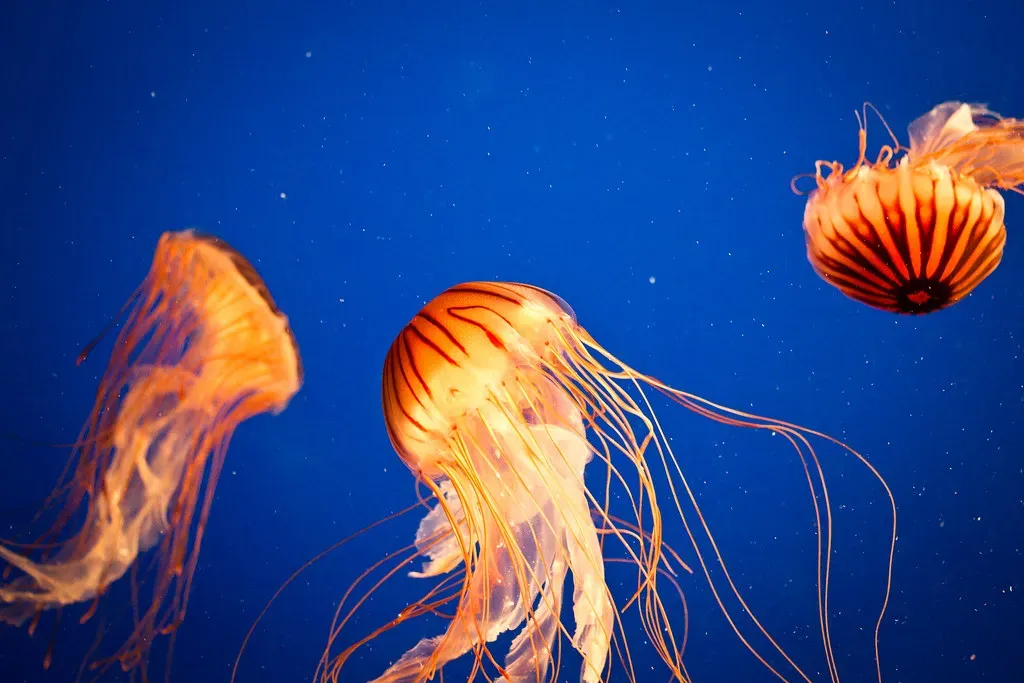
The role of regeneration processes and their impact on aging have been studied in recent years for their potential applications in the development of more efficient pharmacology to address disorders related to aging. Reviewing the terms related to transdifferentiation in jellyfish and understanding the underlying mechanisms can help comprehend diverse processes such as aging, regeneration, and the molecular bases of diseases like cancer.
The immortal jellyfish’s ability to reverse its life cycle has profound implications for human medicine, particularly in regenerative medicine and aging research. Scientists are studying the mechanisms of cellular transdifferentiation to better understand how specialized cells can revert to less specialized states, knowledge that could potentially be applied to regenerative therapies for human tissues and organs. The genes and proteins involved in the jellyfish’s age reversal might offer insights into human aging processes and how they could be slowed or partially reversed. It’s hard to say for sure just how close we are to any practical therapy, but the direction is undeniably exciting.
The Global Spread of the Immortal Jellyfish and Future Research
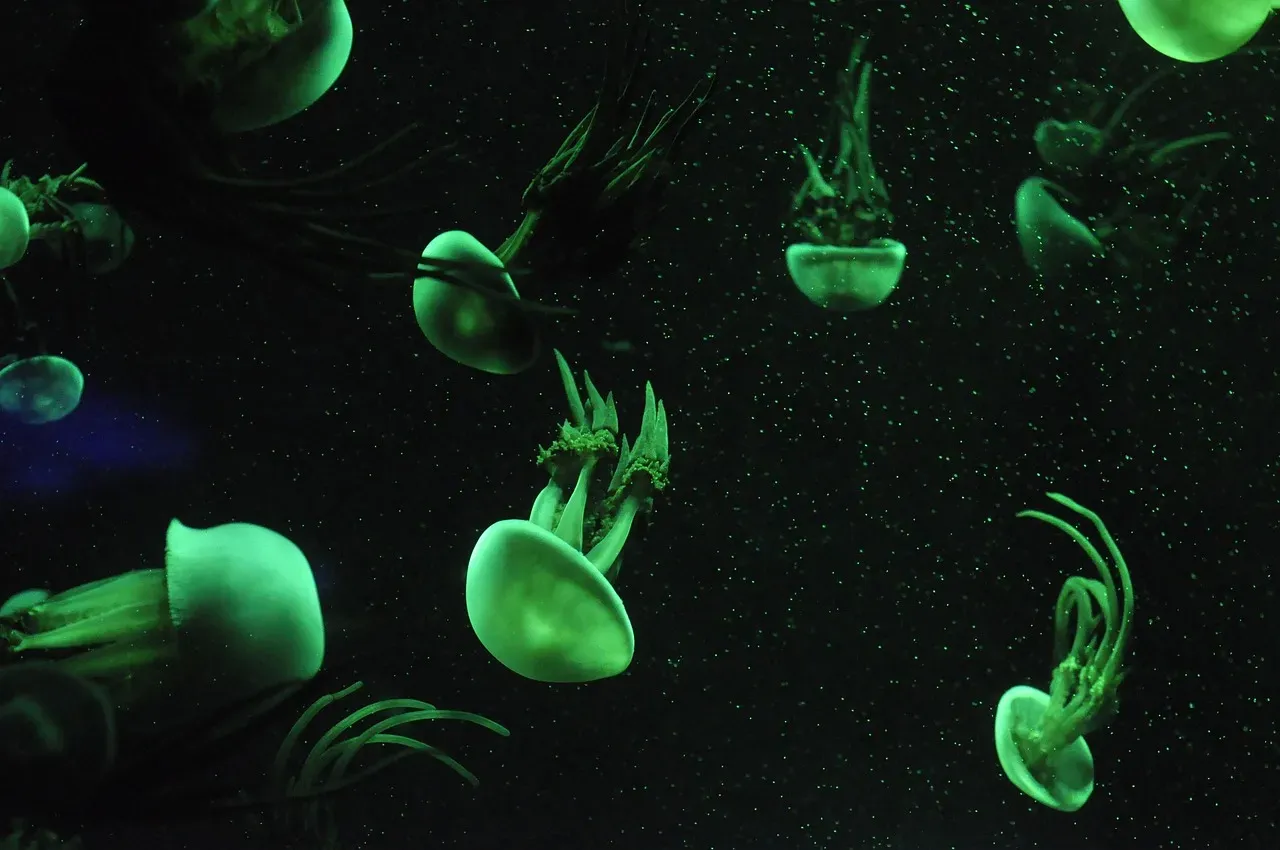
Over time, researchers realized that the organism, which was first discovered in the Mediterranean Sea, had spread all across the world’s oceans, in waters off Spain, Italy, Japan, Southeast US, and Panama. Scientists suspected that this silent invasion took place when the jellyfish voyaged on ships and survived the long journeys in hostile waters due to their biological immortality. When you think about it, that is almost poetic. A creature that cannot die of old age hitchhiking across oceans because it simply refuses to give up.
The work of a Texas A&M University at Galveston researcher reveals a creature capable of reversing its aging and restarting its life, inspiring hope for breakthroughs in regenerative medicine and biological longevity. Emerging research as of 2025 emphasizes the role of these genetic networks in not only jellyfish longevity but also potential cross-species applications, including comparisons with other “immortal” models like Hydra to explore shared pathways in cellular rejuvenation. The science is moving fast, and this tiny creature is right at the center of it all.
Conclusion
There is something deeply humbling about the fact that one of nature’s most powerful answers to aging comes in a package smaller than your fingernail, drifting silently through warm ocean water. The immortal jellyfish did not evolve this ability to inspire scientists. It evolved it simply to survive. Yet here we are, in 2026, poring over its DNA and cellular secrets, hoping this ancient ocean drifter might one day help us rewrite our own relationship with time.
The broader lesson may be this: nature solved problems that humanity has not even fully framed as questions yet. The capability of biological immortality with no maximum lifespan makes T. dohrnii an important target of basic biological aging and pharmaceutical research. Whether its secrets will ever translate into treatments for human aging remains to be seen. Still, the jellyfish keeps resetting, indifferent to our curiosity, quietly doing the impossible one cell at a time.
What would you do if you could press your own biological reset button? Tell us in the comments.