
You’ve probably scrolled past photos of some of these places thinking they were digitally edited. Maybe you assumed they were taken on a film set, or pulled straight from a science fiction novel. Honestly, that reaction makes total sense. The United States is home to some of the most staggering geological formations on Earth, ones that look less like they belong here and more like they were borrowed from a distant galaxy. Millions of years of volcanic fury, patient erosion, ancient seas, and tectonic drama have conspired to create landscapes that defy easy description.
What’s wild is that you don’t need a rocket or a physics degree to experience them. They’re all right here, scattered across the American landscape, waiting. Some require a permit lottery. Some demand a long desert hike. A few you can practically see from your car window. The variety alone is enough to make your jaw drop. Let’s dive in.
1. The Wave, Arizona/Utah Border
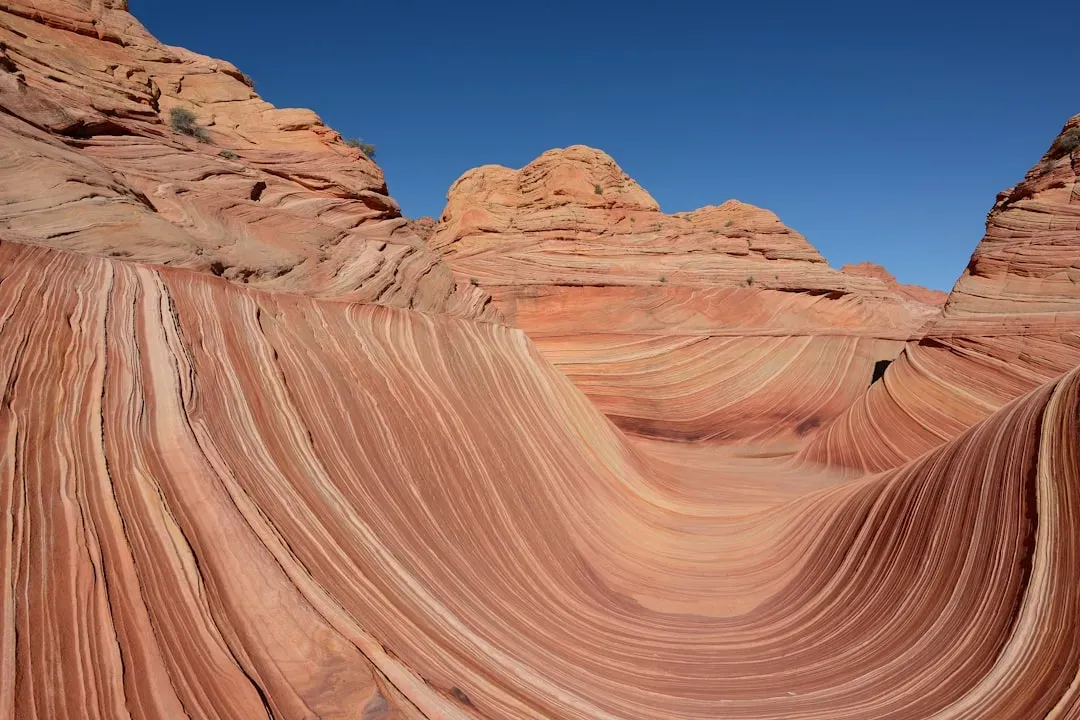
If there’s one geological formation that could convince even the most grounded skeptic that Earth has alien roots, it’s The Wave. Located within the Coyote Buttes North section of the Paria Canyon-Vermilion Cliffs Wilderness, The Wave is one of the most sought-after destinations for nature enthusiasts, hikers, and photographers on the planet. What you see when you finally reach it is almost surreal, swirling bands of red, orange, pink, and yellow sandstone that undulate like a frozen ocean wave locked in time.
This natural wonder was formed around 190 million years ago during the Jurassic period, when the region was a vast desert similar to the current Sahara. Sand accumulated in layers of dunes and, under the pressure of new sediment layers, gradually transformed into sandstone. The vibrant colors and characteristic streaks are due to the oxidation of different minerals such as iron and manganese, which impregnate the sandstone layers. Access is tightly controlled, so if you’re planning a visit, know that the Bureau of Land Management limits access to just 64 permits per day, with 48 available in advance through an online lottery conducted four months before the intended visit.
2. Bryce Canyon Hoodoos, Utah
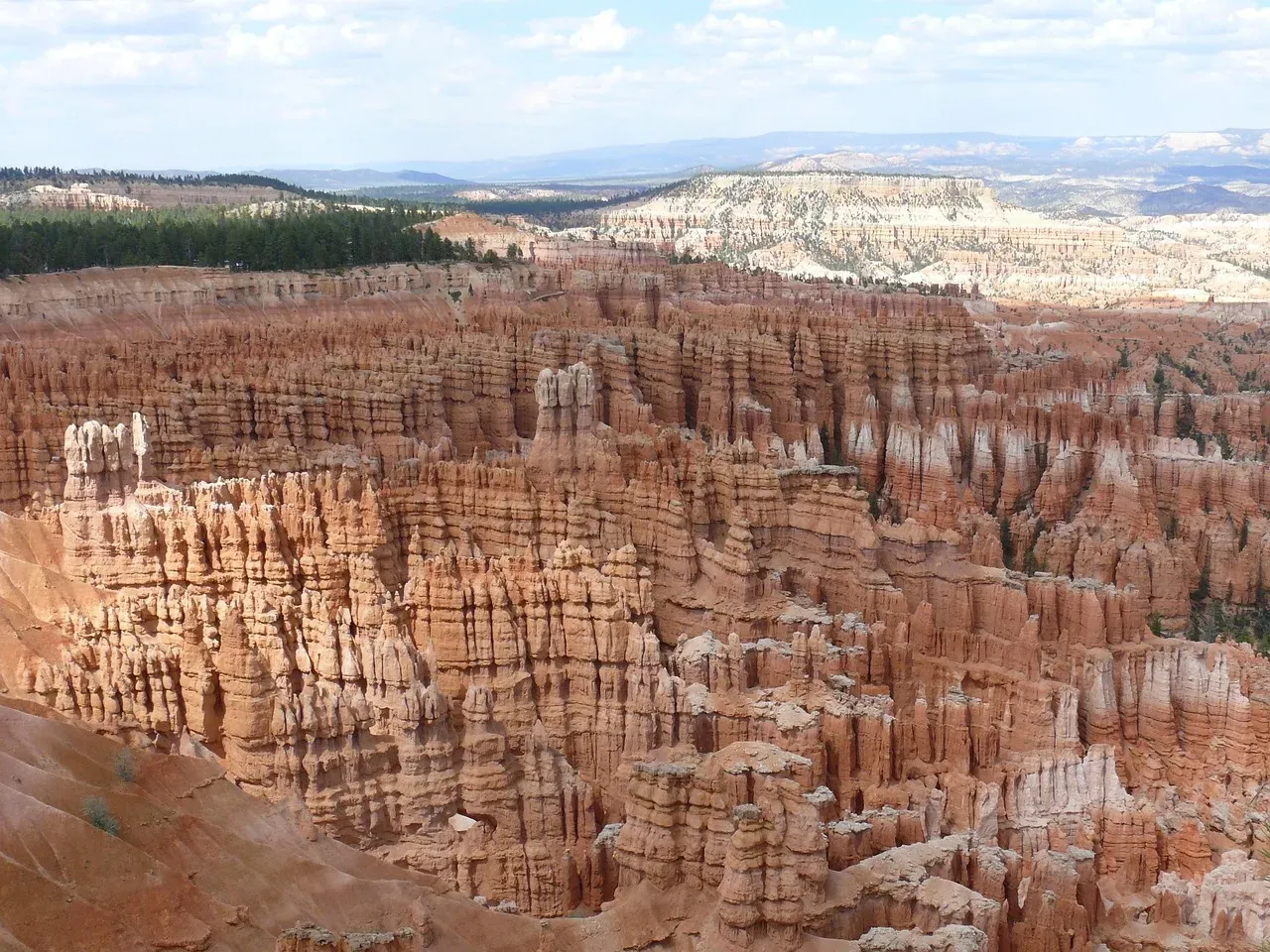
Let’s be real. The first time you see a photograph of Bryce Canyon, your brain short-circuits a little. Contrary to its name, Bryce Canyon is not actually a canyon but a series of natural amphitheaters carved into the edge of the Paunsaugunt Plateau. The park’s main attraction is its vibrant and whimsical rock formations known as hoodoos. These towering spires, with their distinctive orange, pink, and red hues, stand like sentinels in the canyon, creating an otherworldly and surreal landscape.
Bryce Canyon National Park has the largest concentration of hoodoos found anywhere on Earth. Water from rain or melted snow seeps into cracks along the crater rims and expands as it freezes overnight, before thawing again as temperatures climb. This freeze-thaw cycle is repeated until eventually the rock breaks. Slightly acidic rain falling onto the limestone also eats away at weaker rocks, while stronger rocks remain untouched, enhancing the dramatic shapes. I think it’s one of those places you have to stand in to truly believe. Photos almost don’t do it justice.
3. Devils Tower, Wyoming
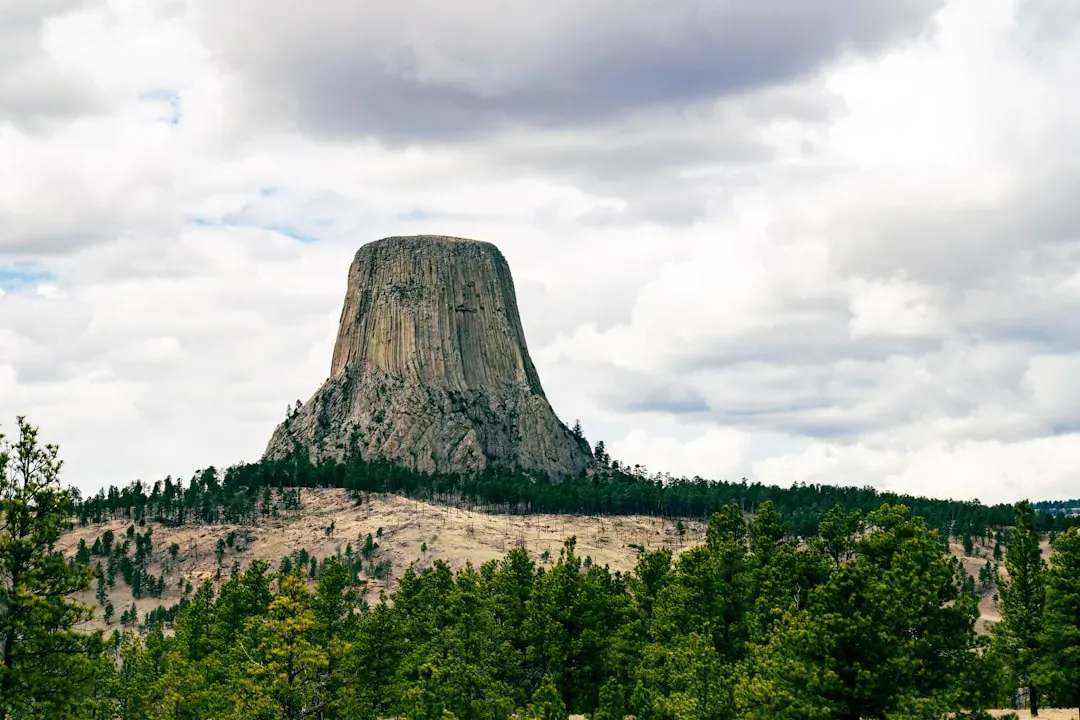
Rising like a colossal beacon from the Wyoming plains, Devils Tower is an imposing and mysterious sight. This monolithic giant has sparked wonder and debate for centuries, its sheer presence hinting at powerful forces both natural and spiritual. It juts out of the surrounding landscape with a kind of geometric perfection that feels almost engineered rather than natural.
Its sheer walls are marked by hundreds of vertical cracks, and the columns that make up Devils Tower are so perfectly hexagonal they seem almost artificial, adding to the site’s mystery. This iconic formation has long been a site of cultural and spiritual significance for Native American tribes, who view it as sacred. It also gained fame as a central figure in the sci-fi film Close Encounters of the Third Kind. That’s right. Hollywood came here precisely because it already looked like it belonged in a movie about alien contact.
4. Goblin Valley State Park, Utah
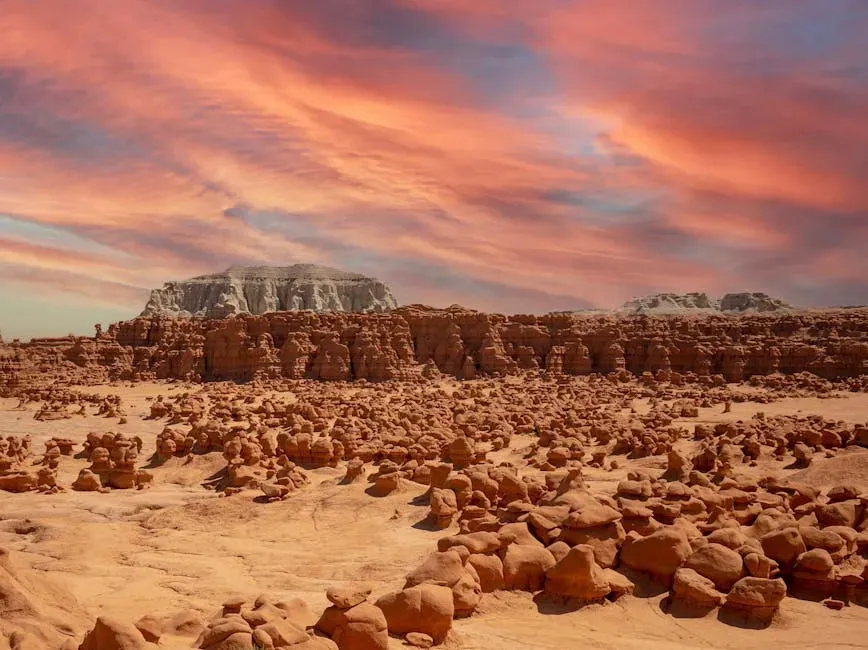
Step into Goblin Valley and you’ll feel your eyes doing a double take. Goblin Valley is home to quirky, mushroom-shaped rock formations known as “goblins,” creating a landscape that looks almost alien. These strange formations were shaped over time by the slow and uneven erosion of sandstone and siltstone. The sheer number of them, scattered across the valley floor like a crowd frozen mid-stride, creates an experience unlike anything else in the country.
What makes Goblin Valley so fun is that there are no designated trails. You’re free to roam, climb, and explore wherever you want. It’s like nature’s version of a playground, with little passageways, alcoves, and hidden “rooms” formed by clusters of goblins. Scenes from the movie “Galaxy Quest” were filmed amongst the hoodoos, adding a layer of sci-fi fame to the valley’s otherworldly vibe. It doesn’t get more on-brand than that.
5. Mono Lake Tufa Towers, California
Uploaded by Adrignola, CC BY 2.0)
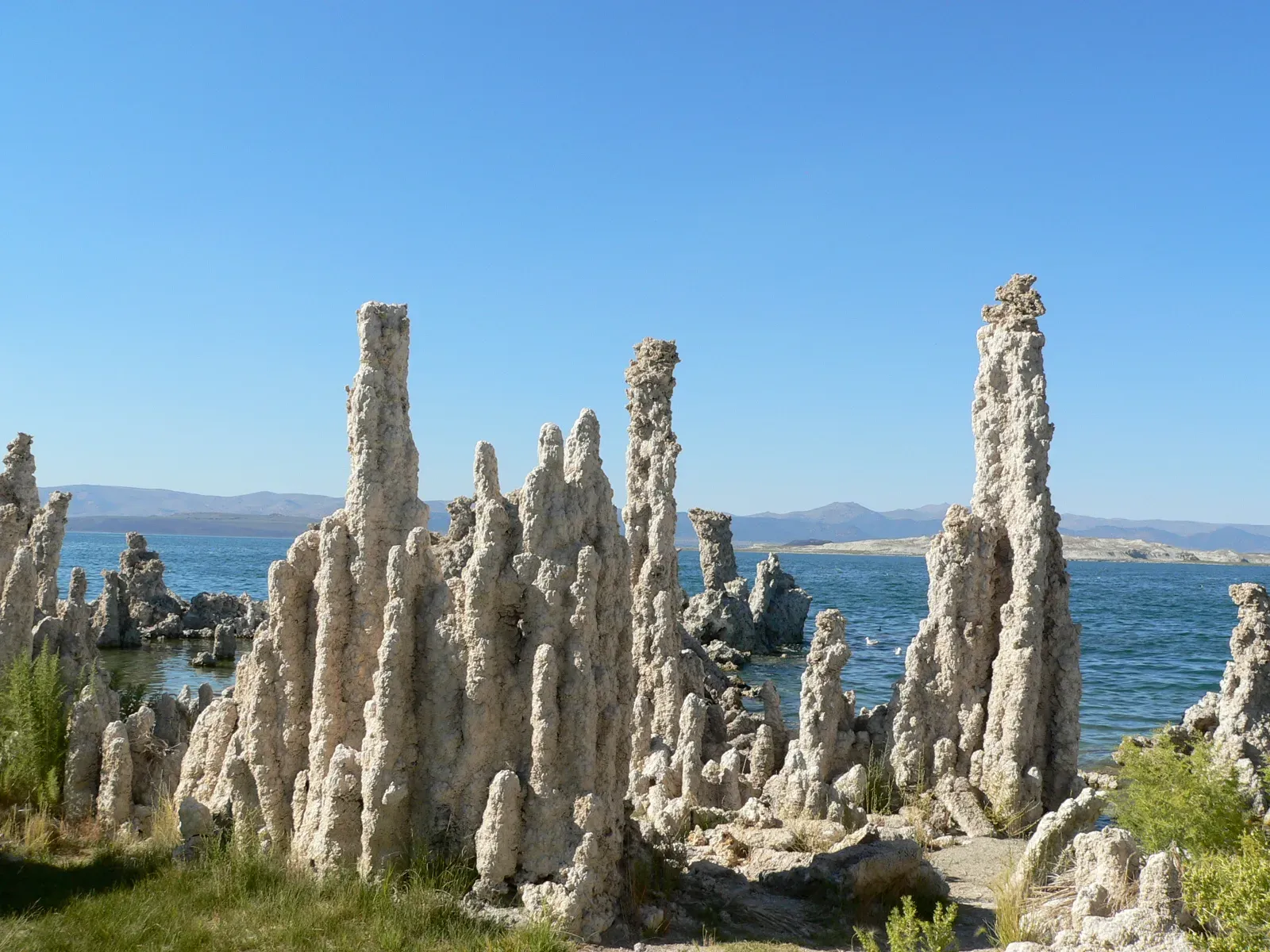
Imagine spiky white limestone columns rising silently out of a steel-grey lake, surrounded by nothing but desert sky. That’s Mono Lake, and it’s a lot to take in. Located just 13 miles east of Yosemite National Park, this ancient lake receives salt and minerals from Sierra streams, creating calcium carbonate spires called tufa towers that rise majestically from the water. These towers were once fully submerged. They only became visible when water levels began dropping.
As fresh water evaporates from the lake, it leaves behind the salt, making the lake more than twice as salty as the ocean and offering visitors the opportunity for a buoyant swim during warmer months. In winter, snow glitters dramatically on the tufas. The lake’s high salinity also creates an ecosystem like no other. There’s something profoundly quiet and eerie about standing on its shores. It’s hard to shake the feeling that you’ve stumbled onto the surface of some long-dead moon.
6. Craters of the Moon, Idaho
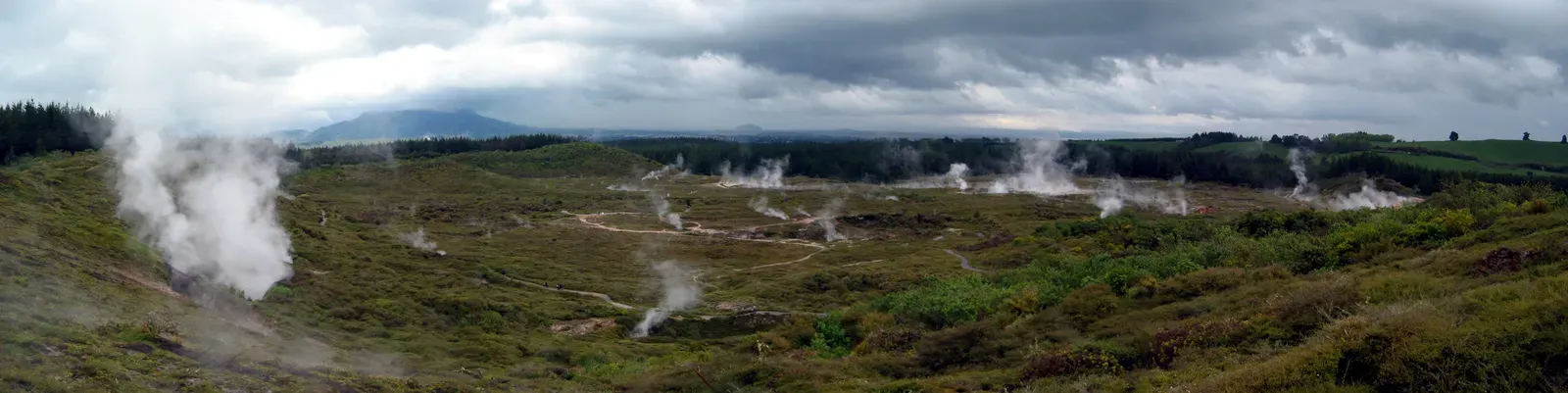
The name isn’t a metaphor. Craters of the Moon National Monument in Idaho is a sprawling volcanic wonderland that seems to belong more on a distant planet than Earth. This massive lava field stretches over 600 square miles and features a variety of volcanic formations, including cinder cones, lava tubes, and jagged lava flows. The black, rocky terrain is stark and desolate, evoking the surface of the moon or Mars.
This Idaho monument contains nearly every volcanic rock formation possible, including cinder cones, lava rivers, lava tubes, spatter cones, tree molds, and nearly endless lava beds. Craters of the Moon is also the country’s only dark-sky preserve, with unparalleled views of the Milky Way every cloudless night. So not only does the landscape feel interplanetary during the day, but at night, the sky above it transforms into a living star map. It’s a two-for-one kind of alien experience.
7. Fly Geyser, Nevada
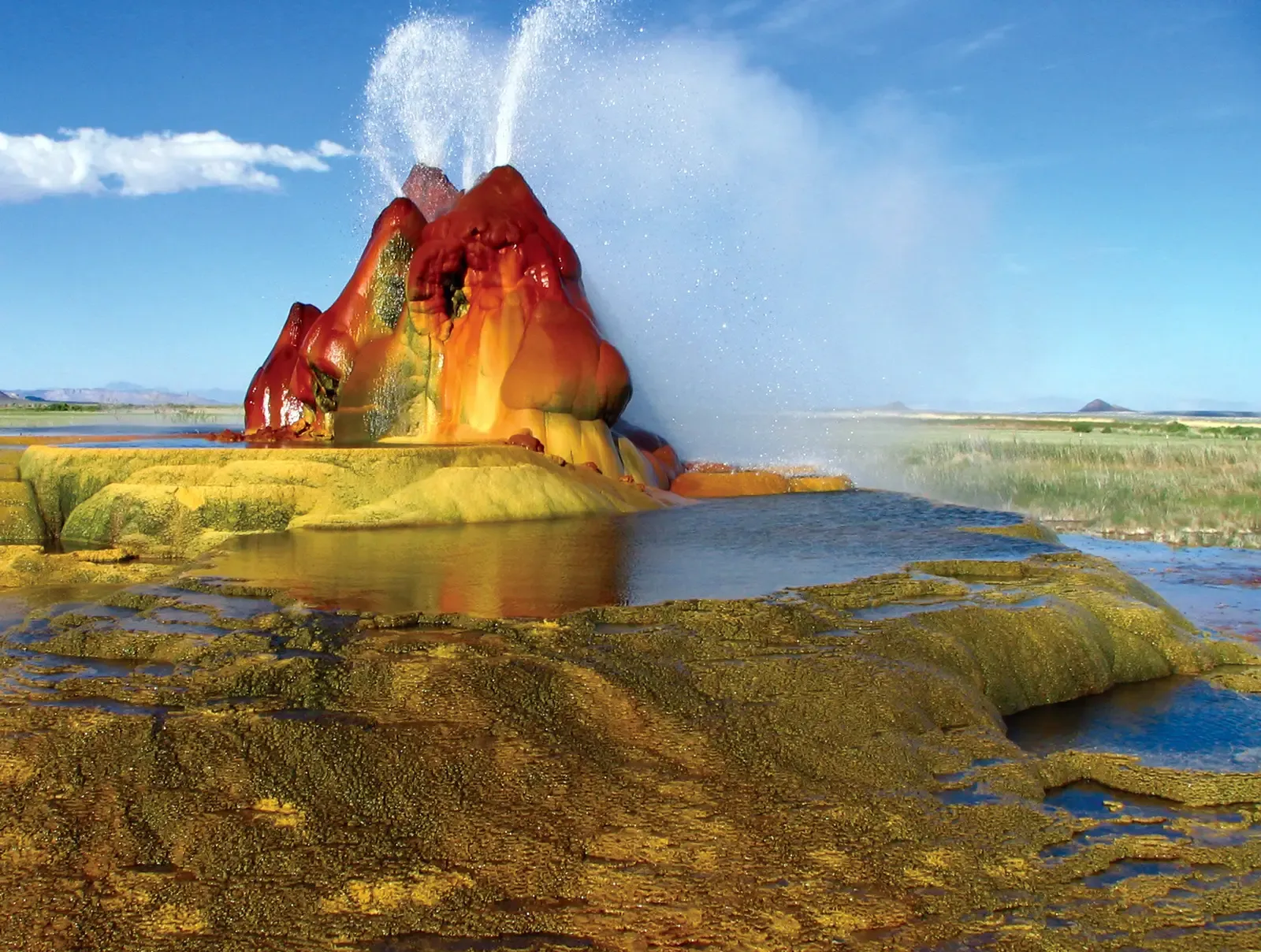
Here’s the thing about Fly Geyser: it’s both a geological wonder and a beautiful human accident. Unlike other natural geysers that formed over millions of years through natural processes, Fly Geyser is an accidental creation that resulted from human activities. What started as a well drilling operation in 1916 turned into a fascinating phenomenon with its unique features, including its vibrant colors, terraces, pools, and ever-changing landscape.
Fly Geyser is known for its stunning display of red, green, and white hues, which are caused by thermophilic algae thriving in the hot, mineral-rich water that continuously flows from the geothermal reservoir. The resulting cone-shaped mound, covered in mineral deposits and adorned with vibrant colors, makes Fly Geyser a visually captivating sight. At Fly Geyser, the process of quartz formation is happening in mere decades, making it more than a curiosity. It’s a real-world laboratory for studying mineral formation in accelerated time, something geologists rarely get to see. It’s growing. Right now, as you read this.
8. Bisti/De-Na-Zin Wilderness, New Mexico
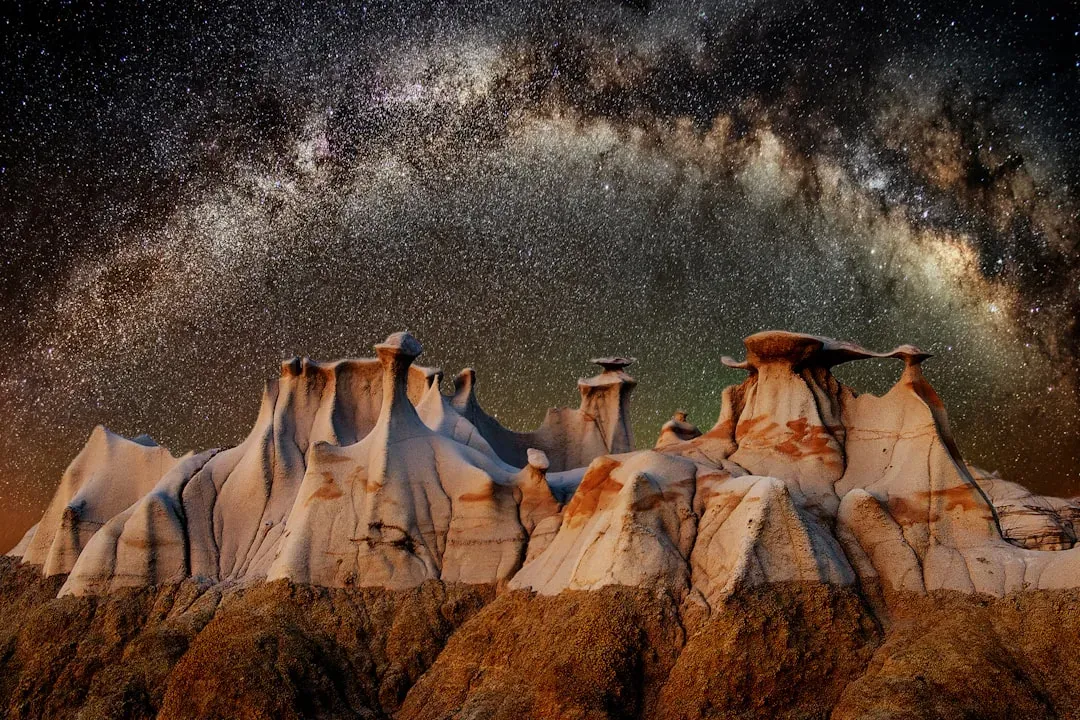
Most people have never heard of Bisti, and honestly, that’s part of what makes it so special. At first glance, the windblown sandstone landscape of the Bisti/De-Na-Zin Wilderness looks like the most desolate place on Earth, an inhospitable expanse of sky, sand, and oddly shaped rock formations called hoodoos. The wilderness area covers 45,000 acres of badlands just south of Farmington, New Mexico.
From the Alien Egg Hatchery to Hoodoo City, and from the Manta Ray Wing to the King of Wings, the unique nature of these formations is truly otherworldly. Shaped by wind and erosion, these spires and hoodoos range from a few feet tall to two stories high. Hoodoos here are a lesson in differential erosion: the stronger sandstone resists the erosion that acts on the softer surrounding rock to create spires and precariously balanced capstones. Elsewhere, the ground is so soft that rain cuts vertical sinkholes into hills, carving mazes of ravines and gullies. You will want a GPS. No trails, no signs, just raw desert geology doing its absolute strangest work.
9. Painted Hills, Oregon
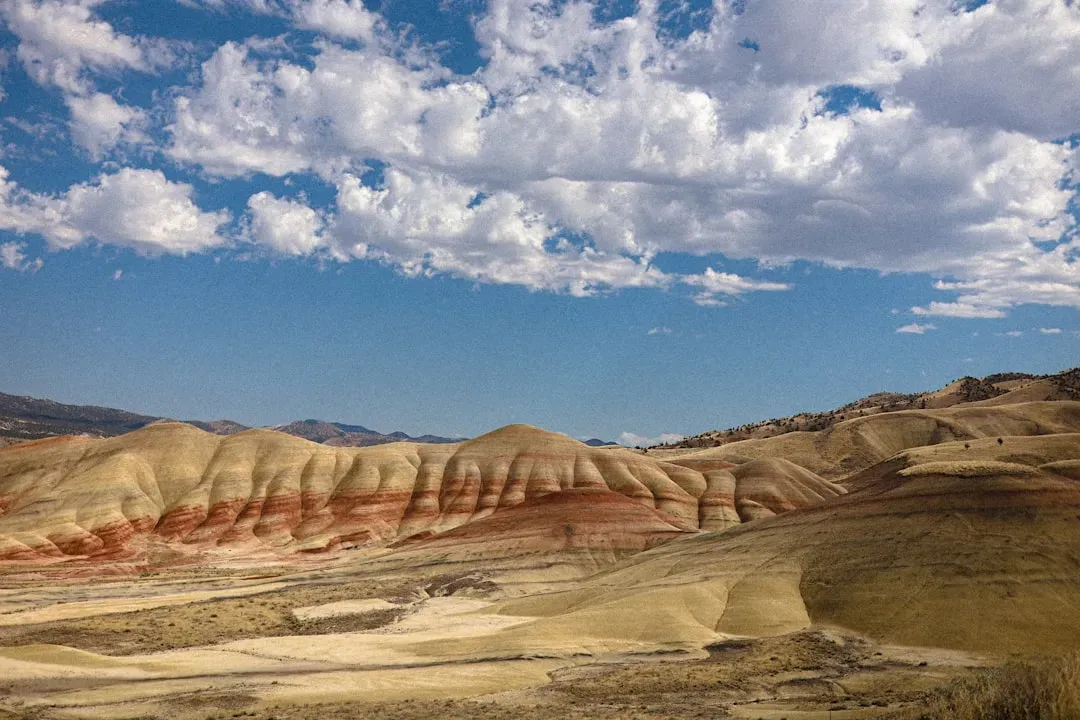
You’d be forgiven for thinking someone painted these hills with a giant brush. Part of the John Day Fossil Beds National Monument, the Painted Hills showcase 35 million years of geological history in vivid color bands that shift and change throughout the day. These claystone hills were formed from ancient volcanic ash and river sediments, with each colored layer representing different climatic periods in Earth’s history. The red layers indicate warm, humid climates when iron oxide formed, while the yellow bands represent drier periods. The black layers contain organic matter from ancient soils.
The Painted Hills in Oregon are named for the vibrant layers of red, gold, black, and orange that sweep across the landscape. These unique geological formations are the result of volcanic ash and minerals that have built up over millions of years. The colorful hills seem almost too beautiful to be real, making them a true natural wonder. I’d argue few places in the United States feel as genuinely extraterrestrial as the Painted Hills at golden hour. It’s like standing inside a living geological timeline.
10. Valley of Fire State Park, Nevada
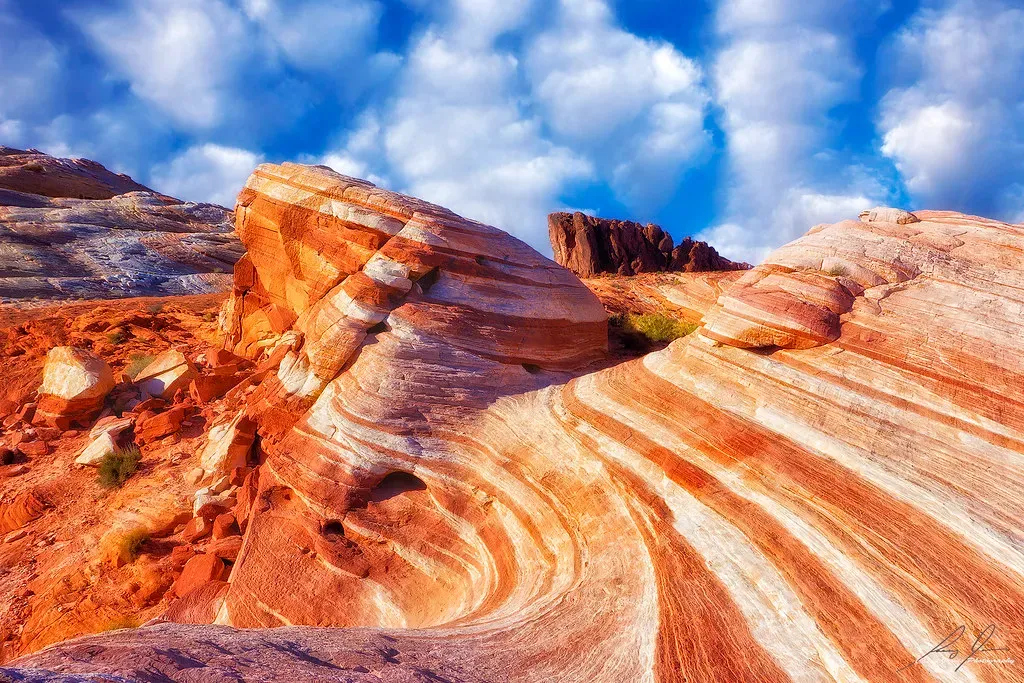
Nevada’s Valley of Fire earns its dramatic name without even trying. Forty thousand acres of orange-red Aztec sandstone give this hard-to-believe-it’s-real state park its fitting name, while the 150-million-year-old landscape puts most parks of its class to shame. An easy day trip from Las Vegas, its famous rock formations, including Pink Canyon and the Beehives, look like they’d be at home on Mars.
A 1.5-mile round-trip trek will take you out to the impossibly scenic Fire Wave, which is a win for both your eyes and your desktop’s wallpaper. The short-and-sweet Petroglyph Canyon Trail, which is under a mile, is lined with incredible Puebloan rock art, some of which is more than 2,000 years old. So you get both the alien visuals and the deep human history layered right on top of them. The contrast is absolutely breathtaking. It’s geology and archaeology having a conversation across millennia.
11. Great Sand Dunes National Park, Colorado
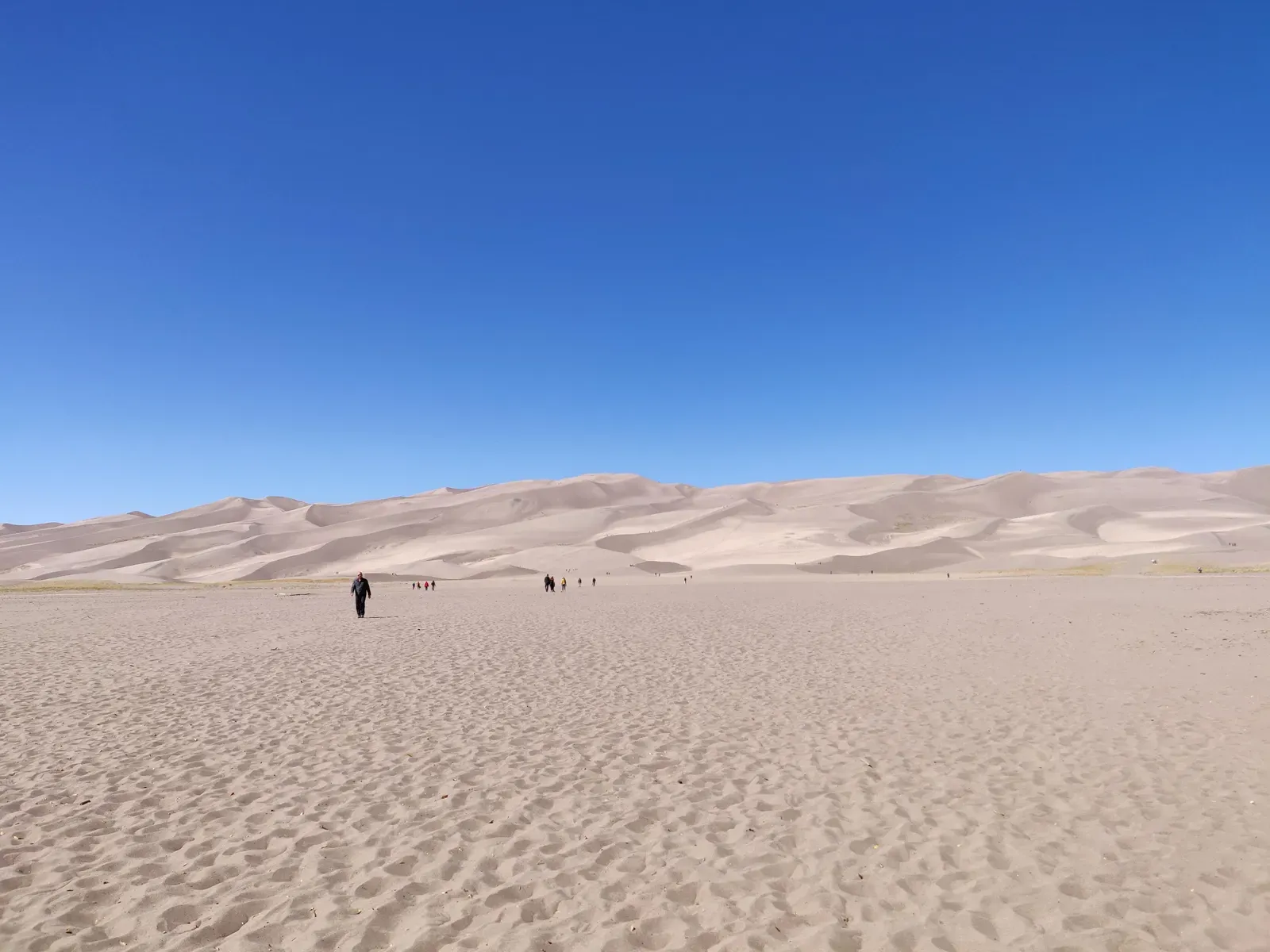
Colorado is not a state most people associate with massive sand dunes. Yet there they are, a sprawling, golden dune field rising against the dramatic backdrop of the Sangre de Cristo Mountains. The dunes cover an area of about 30 square miles and are estimated to contain over 1.2 cubic miles of sand. Sediments from the surrounding mountains filled the valley over geologic time periods. After lakes within the valley receded, exposed sand was blown by the predominant southwest winds toward the Sangre de Cristos, eventually forming the dune field over an estimated tens of thousands of years.
With some of the largest sand dunes in North America, Great Sand Dunes National Park is a sight to behold. The shifting sands create a desert-like landscape that contrasts with the nearby forests and alpine scenery of the Sangre de Cristo Mountains. That contrast is truly disorienting in the best way. Standing at the base of those dunes with snow-capped peaks behind them, you genuinely can’t figure out what continent you’re on, let alone what planet. It’s a Martian desert dropped inside a Colorado postcard, and it’s completely real.
12. Antelope Canyon, Arizona
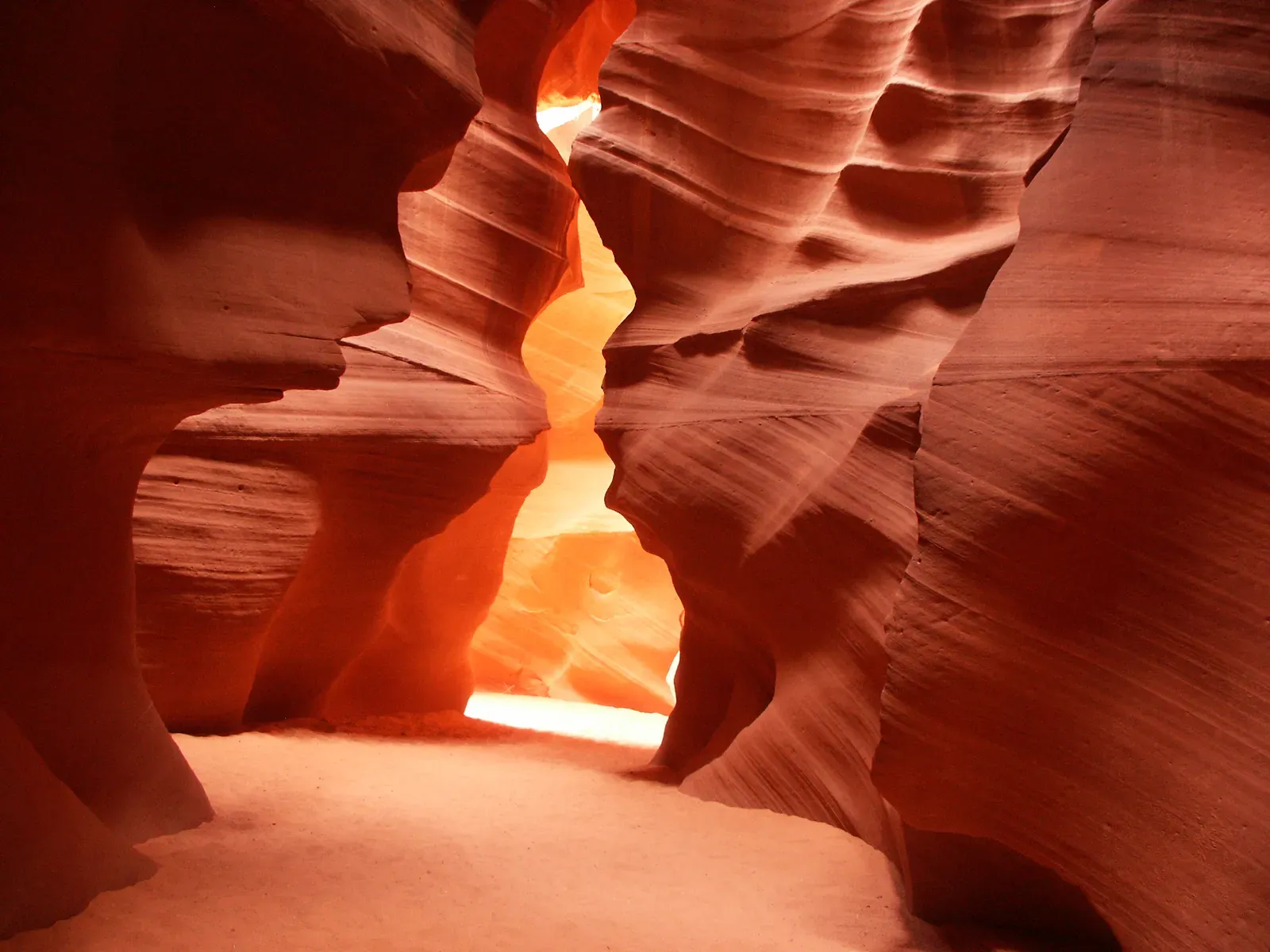
Antelope Canyon might be the most photographed slot canyon on the planet, and there’s a very good reason for that. Nestled in the heart of Navajo land, Antelope Canyon captivates with its slender, winding passageways. As sunlight streams through the narrow openings above, it paints the sandstone walls with swirling, ethereal colors. The resulting light beams look less like sunlight and more like something you’d find on a bioluminescent alien world.
Tucked away near Page, Arizona, Antelope Canyon stands as one of the most photographed slot canyons in the world. The canyon is divided into Upper Antelope Canyon, known as “The Crack,” and Lower Antelope Canyon, referred to as “The Corkscrew.” Both sections have their own personality, their own unique way of catching and bending light. The narrow passageways and beams of sunlight create an almost mystical atmosphere, making it a favorite spot for photographers. It’s a breathtaking sight that feels more like an art installation than a natural landscape. That’s the highest compliment geology can receive, honestly.
13. Chiricahua National Monument, Arizona
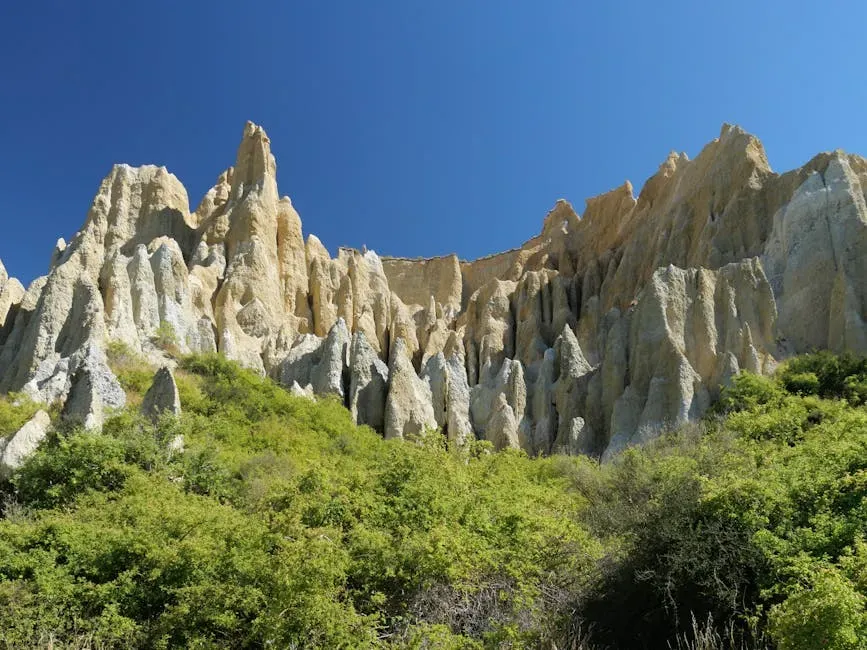
Sometimes called the “Wonderland of Rocks,” Chiricahua is the kind of place that stops you mid-sentence. Chiricahua National Monument offers a landscape filled with towering spires and balanced rock formations. These geological wonders are the result of volcanic eruptions millions of years ago, and erosion has sculpted them into their current forms. Columns of rock balance impossibly on narrow pedestals. Boulders the size of houses perch atop thin stacks of stone.
Think of Chiricahua as the quirky, lesser-known cousin of better-publicized parks. The rocks here have a kind of playful, chaotic energy to them, as if the whole landscape was assembled by a giant child who didn’t follow the instructions. The unique setting has made it a popular location for science fiction films, where the alien appearance of the spires transports viewers to another world. Trails wind through corridors of stacked boulders and past formations with names like Punch and Judy and Duck on a Rock. Every single step offers something new, something improbably balanced, something that shouldn’t exist but absolutely does.
14. Monument Valley, Arizona/Utah Border
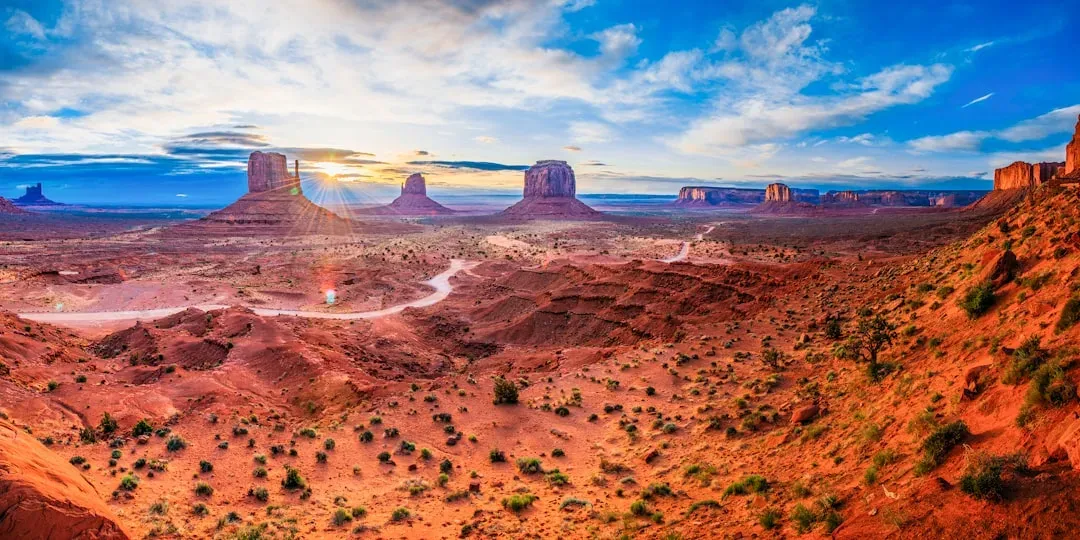
You’ve seen Monument Valley in countless films, commercials, and road trip fantasies. Up close, though, it hits differently. This mesmerizing landscape of sandstone buttes, towering mesas, and expansive desert vistas has captured the imagination of people around the world. The monumental sandstone formations are the result of millions of years of erosion, as wind and water gradually shaped the rock into its distinctive shapes. The buttes, which can reach heights of up to 1,000 feet, rise dramatically from the desert floor, creating a striking and otherworldly scene that seems almost unreal.
The most famous formations include iconic landmarks such as the Mittens, Elephant Butte, Three Sisters, and Totem Pole. Monument Valley is an iconic landscape in northern Arizona with towering sandstone pillars and buttes that rise hundreds of feet in the air from the flat valley floor. At sunrise, when the first light catches those red pillars and turns them molten gold, the whole place feels genuinely sacred. It’s the American Southwest at its most cinematic, most ancient, and most impossibly dramatic. Standing there, you understand completely why so many filmmakers and photographers have spent careers trying to capture it and still feel like they’ve only scratched the surface.
Conclusion
The United States doesn’t need to look anywhere else for alien landscapes. They’re already here, carved over millions of years by forces that didn’t ask anyone’s permission. From the glowing hoodoos of Bryce Canyon to the accidental psychedelic wonder of Fly Geyser, every formation on this list is a reminder that our planet is still full of genuine surprises.
What makes these places even more remarkable is how varied they are. Volcanic fury, patient wind erosion, ancient seas, shifting sands, mineral-rich geothermal vents. Earth has used every tool in its geological workshop to craft them. These formations were shaped by millions of years of erosion, weathering, and tectonic forces, creating landscapes so bizarre and otherworldly that even seasoned travelers find themselves questioning whether they’ve somehow been transported to another planet.
Honestly, if someone told you tomorrow that NASA was using any of these sites to train astronauts for Mars missions, you’d believe them without blinking. Which one would you visit first? Drop your answer in the comments, because the debate is worth having.