A Timeless Question Resurfaces in Science (Image Credits: Unsplash)
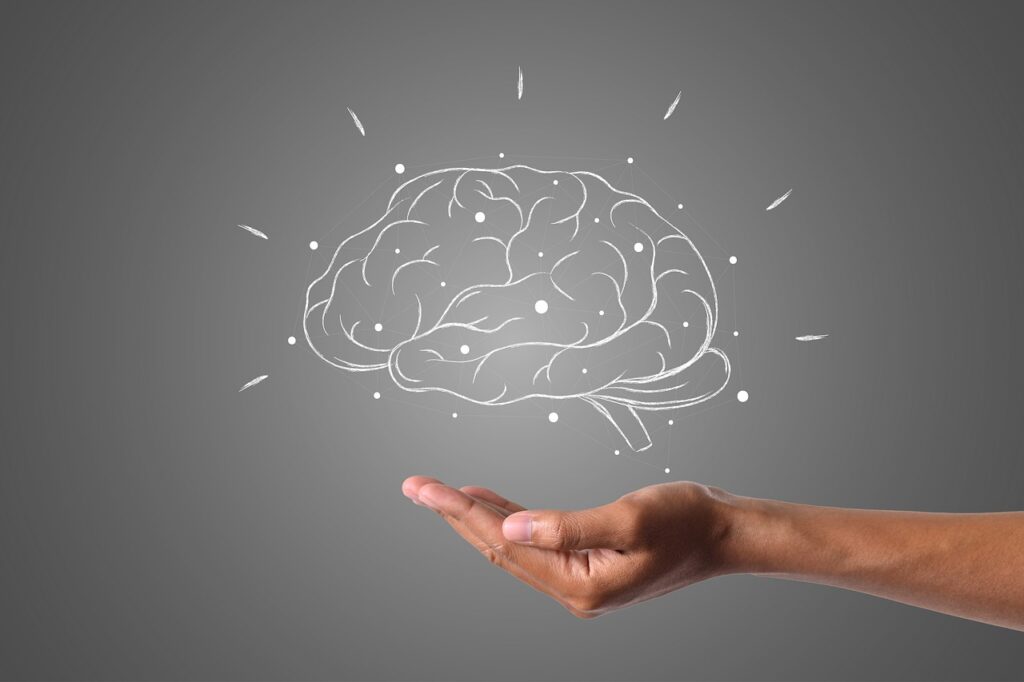
Scientists and philosophers continue to wrestle with the enigma of consciousness, questioning whether it emerges solely from complex brains or inheres in the fabric of reality itself. Panpsychism proposes that mind-like qualities exist throughout the universe, from particles to planets, while illusionism counters that what we perceive as awareness is merely a deceptive byproduct of neural activity. This enduring debate underscores the boundaries of empirical science and invites fresh scrutiny of our subjective experience.
A Timeless Question Resurfaces in Science
Picture a universe alive with faint flickers of awareness, where even inanimate objects harbor some essence of mind. This provocative notion, rooted in ancient philosophy, has gained renewed attention among contemporary thinkers frustrated by materialism’s failure to explain consciousness. Thales, an early Greek philosopher, once declared that everything is full of gods, while Plato envisioned the world as a living being endowed with a soul and intelligence.
These ideas faded under the scrutiny of 20th-century logical positivism, which favored verifiable facts over metaphysics. Yet advances in neuroscience and quantum physics have revived panpsychism. Experts now argue that the “hard problem” of how lifeless matter produces vivid experience remains unsolved, prompting a reevaluation of age-old theories.
Panpsychism: Mind in Every Corner of Existence
Proponents of panpsychism assert that consciousness represents a fundamental property, not an emergent one confined to brains. Italian neuroscientist Giulio Tononi advanced this view through his 2004 integrated information theory, which holds that consciousness is widespread and can be found even in some simple systems.[1]
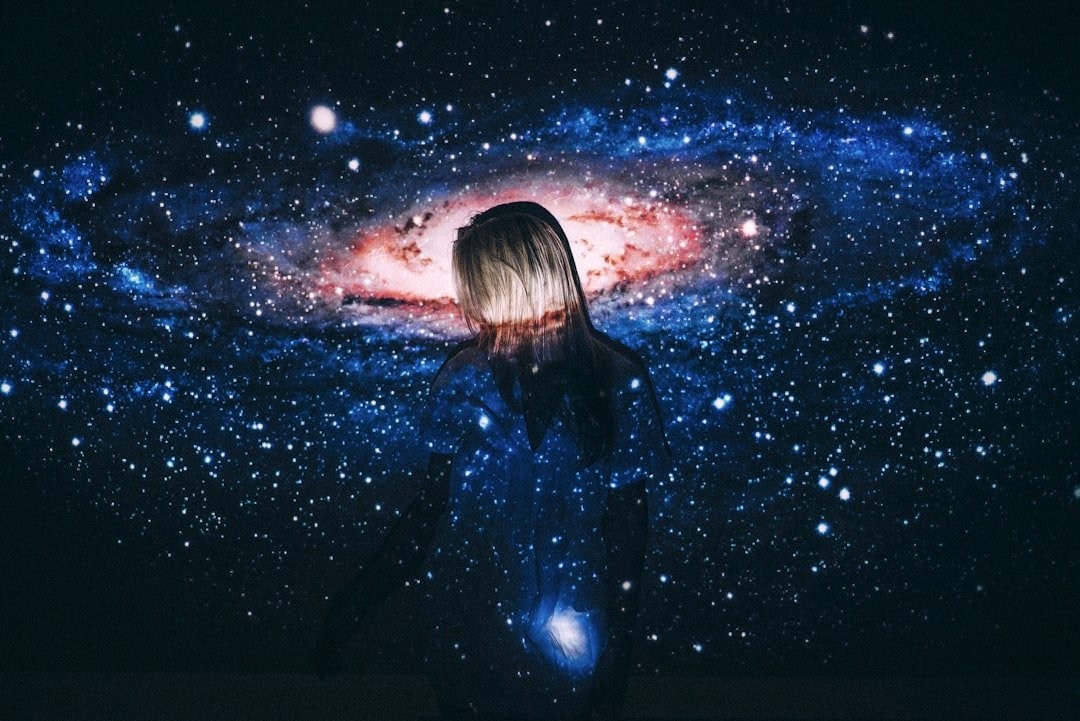
Biologist Rupert Sheldrake extends the concept further, suggesting consciousness permeates stars and galaxies via electromagnetic fields. He posits that the sun itself might possess awareness, influencing phenomena like solar flares. Such claims challenge traditional boundaries, implying that combining basic conscious elements could yield complex minds like ours.
Illusionism Strikes Back: No Inner Light Exists
Opponents dismiss these ideas as untestable speculation. Philosopher Keith Frankish of the University of Sheffield champions illusionism, arguing that the phenomenal “inner glow” of experience is nowhere to be found. He contends that brains create the illusion of a unified self through problem-solving mechanisms, leading us to misjudge our mental processes.[1]
Frankish questions the practical value of consciousness if it exerts no causal influence: “If my consciousness makes no difference to how I react, why should I or anyone else care about it?” Neuroscientist Christof Koch echoes concerns about emergence, noting that disorganized matter lacks the structure for awareness, yet he critiques strict materialism for assuming consciousness arises from nothing.
Key Theories and Lingering Challenges
The debate draws on diverse evidence, though empirical proof remains elusive. Here are central arguments from each side:
- Panpsychism strengths: Addresses the explanatory gap in materialism; aligns with quantum observer effects; supported by theories like integrated information.
- Panpsychism weaknesses: Struggles to define consciousness levels in simple entities; risks diluting the term’s meaning.
- Illusionism strengths: Fits neuroscience data on brain functions; avoids positing unobservable minds everywhere.
- Illusionism weaknesses: Fails to account for why illusions feel undeniably real; dismisses introspection too readily.
Comparisons highlight stark contrasts:
| Theory | Core Claim | Key Challenge |
|---|---|---|
| Panpsychism | Mind fundamental to all matter | How do micro-minds combine? |
| Illusionism | Awareness is brain-generated fiction | Explains subjective vividness? |
Key Takeaways:
- Panpsychism revives ancient views amid science’s consciousness impasse.
- Illusionism prioritizes observable brain mechanics over introspection.
- No consensus exists; the mystery endures.
As detailed in a Popular Mechanics exploration, the clash leaves scientists divided: Does nothing feel the glow of awareness, everything harbors a spark, or is it all sleight of hand by evolution? This question not only probes reality’s nature but also reshapes how we view ourselves. What side do you take in this cosmic riddle? Share your thoughts in the comments.