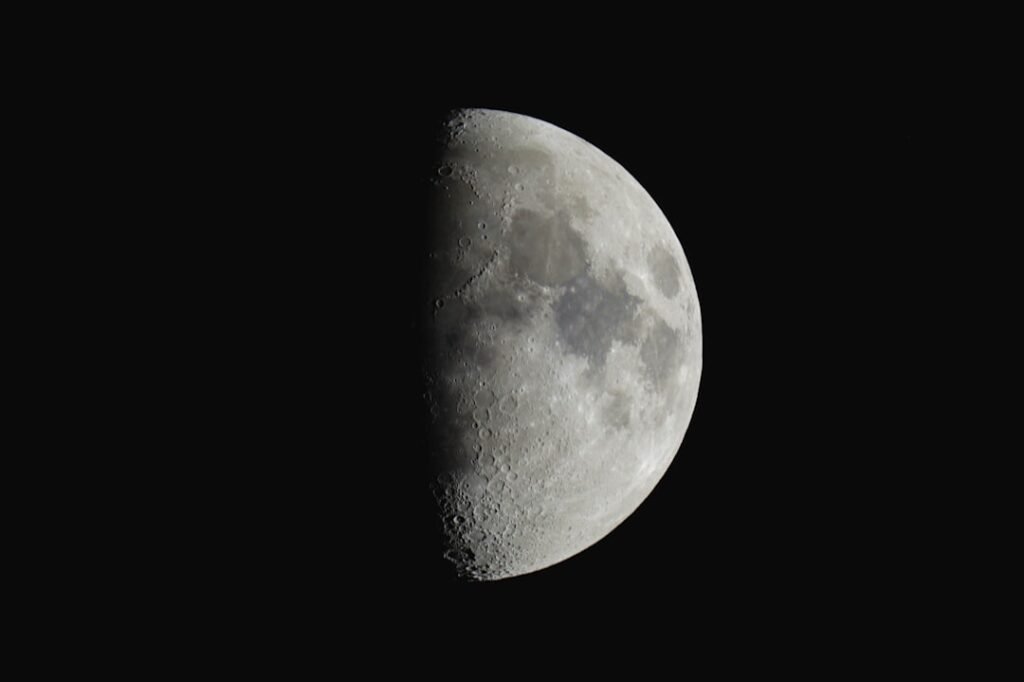
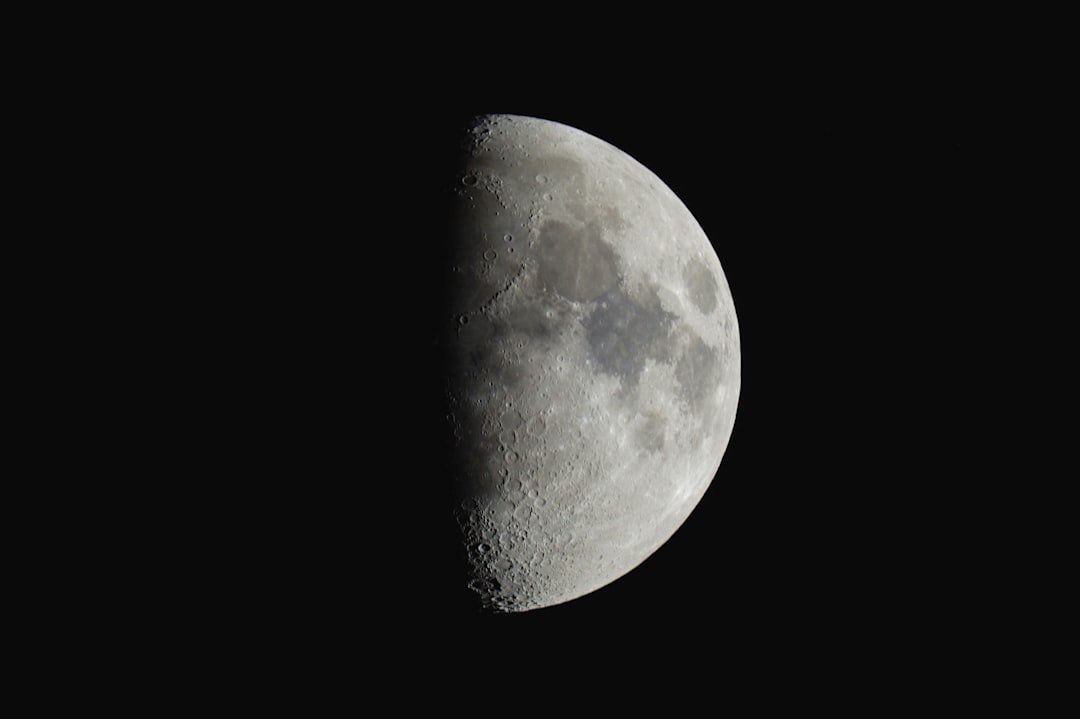
Unexpected Sights During a Solar Eclipse (Image Credits: Unsplash)
Humanity’s first crewed lunar flyby in more than five decades unfolded aboard NASA’s Orion spacecraft during the Artemis II mission in early April 2026. Astronauts Reid Wiseman, Victor Glover, Christina Koch, and Jeremy Hansen marveled at the Moon’s rugged terrain while pushing beyond previous distance records from Earth.[1][2] Amid this historic journey, the crew spotted brief bursts of light piercing the lunar surface – direct evidence of meteorites slamming into the airless world. These observations, confirmed by NASA as six distinct impacts, have electrified scientists studying the Moon’s dynamic environment.
Unexpected Sights During a Solar Eclipse
Mission commander Reid Wiseman first alerted ground control to the phenomenon as the spacecraft skimmed past the Moon’s far side. The sightings peaked during a solar eclipse, when the Moon briefly blocked the Sun, casting a dramatic halo from the corona and sharpening visibility against the darkened sky.[1] Without an atmosphere to incinerate incoming debris, even small meteoroids strike the surface at high speeds, vaporizing on impact and producing visible flashes.
The crew trained specifically for such events, yet the frequency surprised everyone. Wiseman reported multiple flashes in quick succession, distinguishing them from potential glints off spacecraft components. NASA tallied six confirmed impacts, with ground teams now cross-referencing timings against lunar-orbiting satellite data.[2]
Crew’s Vivid Descriptions Paint the Scene
Astronauts captured the moments with precise language during live communications. “That was definitely impact flashes on the moon. And Jeremy (Hansen) just saw another one,” Wiseman announced, his voice carrying the thrill of discovery.[1] Canadian Space Agency astronaut Jeremy Hansen likened each event to “a pinprick of light,” noting he suspected far more went unseen.
Wiseman elaborated on their brevity and hue: “I would say they were a millisecond, like the fastest a camera shutter can open and close… white to bluish white.” He emphasized collective confirmation: “To me there was no doubt we were seeing it, and we were all seeing it.” These accounts echoed across mission audio, blending awe with scientific rigor.[1]
- Flash duration: Less than a millisecond.
- Appearance: Pinprick-sized, white to bluish-white glow.
- Frequency: At least six confirmed, possibly more during the seven-hour observation window.
- Timing: Mostly during the eclipse phase of the flyby.
- Distinction: Ruled out as thruster reflections or artifacts.
Scientists’ Delight and Surprise
Reactions poured in from NASA’s Houston control room. Lunar science lead Kelsey Young expressed shock: “I don’t know if I expected to have the crew see any on this mission, so you probably saw the surprise and shock on my face.” Audible cheers erupted among team members as descriptions flowed in.[1]
Backup astronaut Jenni Gibbons called the sightings “really high priority science,” highlighting their rarity. Planetary Society chief scientist Bruce Betts admitted personal surprise at the volume: “I’m personally… surprised they would see that many.” Brown University’s Peter Schultz stressed broader concerns, urging closer monitoring of meteor flux ahead of permanent lunar outposts.[1] The data promises refined models of impact rates and projectile sizes, from dust grains to small boulders.
Lessons for Lunar Habitats and Beyond
These human-verified flashes build on robotic observations, offering ground truth for frequency estimates. Past telescopes and orbiters detected similar events, but eyewitness precision adds invaluable context. Sizes remain under analysis – likely sub-meter objects capable of excavating craters visible from afar.
Future Artemis landings face heightened risks without Earth’s protective blanket. Planners now prioritize shielding and site selection to mitigate stray strikes. As NASA eyes bases by decade’s end, such insights sharpen strategies for sustainable presence.[2]
Key Takeaways
- Artemis II confirmed six meteor impact flashes, a first for human observers in lunar vicinity.
- Flashes appeared as millisecond pinpricks during eclipse, aiding precise scientific calibration.
- Findings underscore risks and monitoring needs for upcoming lunar bases.
The Artemis II flyby not only tested Orion’s capabilities but also reignited wonder at our neighbor’s hostility. Crew members named craters in tribute – Integrity for their ship, Carroll for Wiseman’s late wife – amid the spectacle. These pinpricks remind us: the Moon endures constant siege, a fact future explorers must confront head-on. What are your thoughts on these lunar light shows? Share in the comments below.