Not long ago, some of America’s most iconic animals were on the edge of disappearing forever. Bald eagles with poisoned eggs, wolves shot on sight, sea turtles tangled in fishing gear – it sounded like the opening chapter of a tragedy. But in the middle of that grim story, something quietly extraordinary happened: people pushed back.
Scientists, park rangers, tribal nations, local communities, and everyday volunteers started fighting for these species like they were fighting for family. Some populations are still fragile, some are only just stabilizing, but the trend for a surprising number is bending in the right direction. If you’ve ever doubted that laws, activism, and stubborn human care can change the future, these ten comeback stories might shift your belief a little.
Bald Eagle: From National Symbol on the Brink to Sky-Filling Success Story
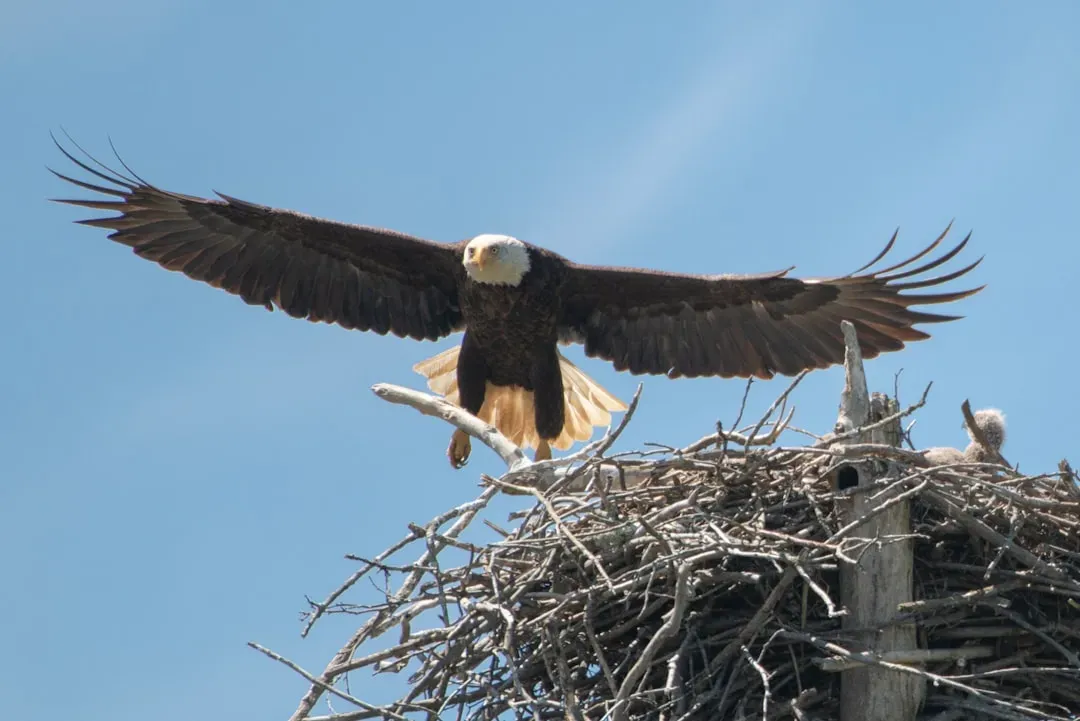
Imagine the symbol on the Great Seal of the United States quietly vanishing from the actual skies above the country. By the early 1960s, bald eagles had crashed to only a few hundred nesting pairs in the lower forty‑eight states, largely because the pesticide DDT thinned their eggshells until they shattered. For a while, watching a bald eagle in the wild felt like spotting a ghost – rare, eerie, and heartbreaking.
The resurrection of the bald eagle is one of the clearest examples of conservation actually working. The banning of DDT in the 1970s, strict protection under the Endangered Species Act, and intensive nest monitoring turned the tide. Today, there are tens of thousands of bald eagles across the continental United States, and they’ve been officially removed from the endangered list. Seeing one perched above a highway or soaring over a lake now feels almost ordinary, which is exactly the kind of miracle you want to take for granted.
Gray Wolf: Howling Back Across the American West
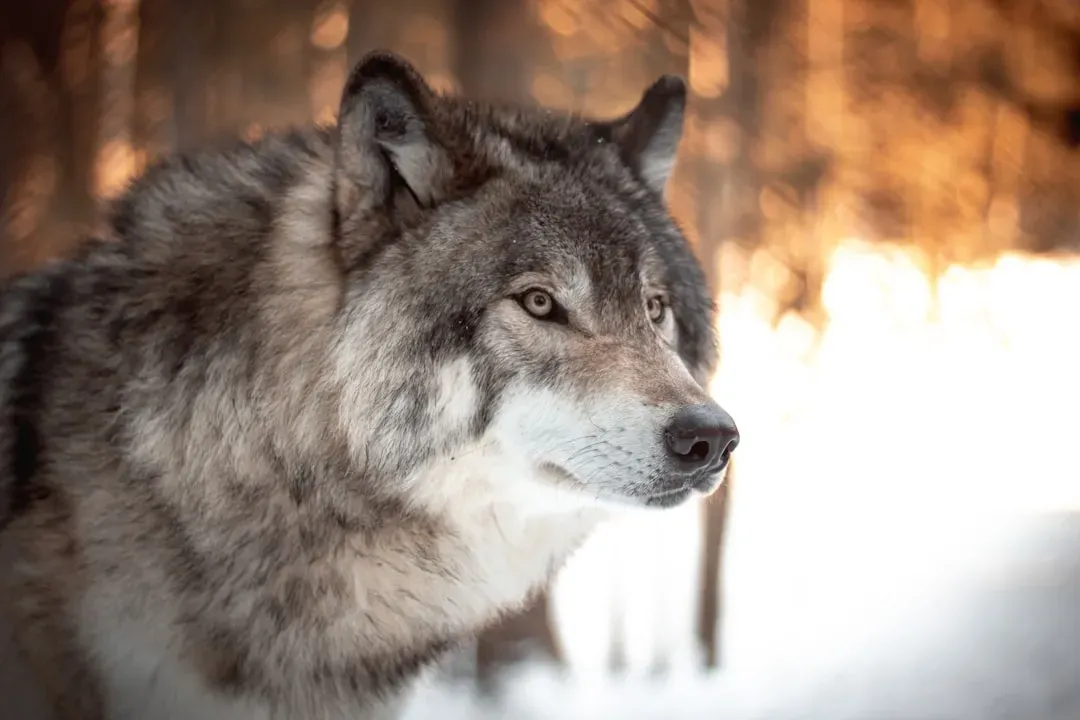
There was a time when gray wolves were deliberately erased from most of the United States. Government‑funded predator control programs, trapping, and poisoning wiped them out from the lower forty‑eight by the mid‑1900s, leaving only a few in remote areas and across the border in Canada. The silence in places that once echoed with howls was not just ecological; it was cultural, as if an ancient story had been muted.
Reintroduction programs in the 1990s, especially in Yellowstone National Park and central Idaho, changed that story. Biologists carefully released packs and tracked them, while legal protections gave the wolves room to reestablish territories and raise pups. Now, gray wolves have spread into parts of Montana, Wyoming, Idaho, Washington, Oregon, and even California and Colorado, with several hundred individuals in parts of the West. Their presence has reshaped ecosystems, affecting elk behavior and even vegetation, reminding us that when you put a top predator back where it belongs, the whole landscape remembers how to breathe.
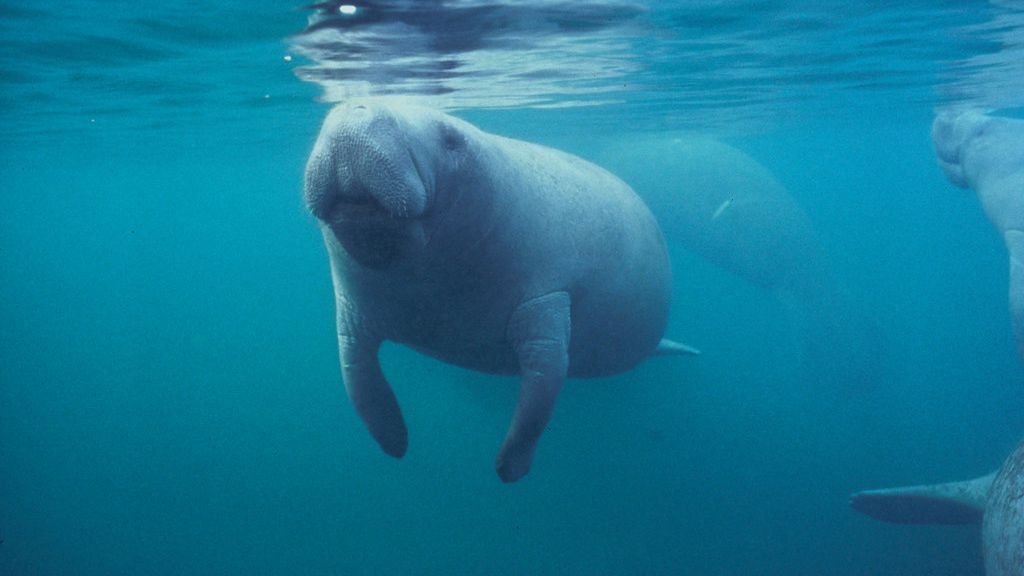
Florida Manatee: Chubby Sea Cows Escaping the Edge
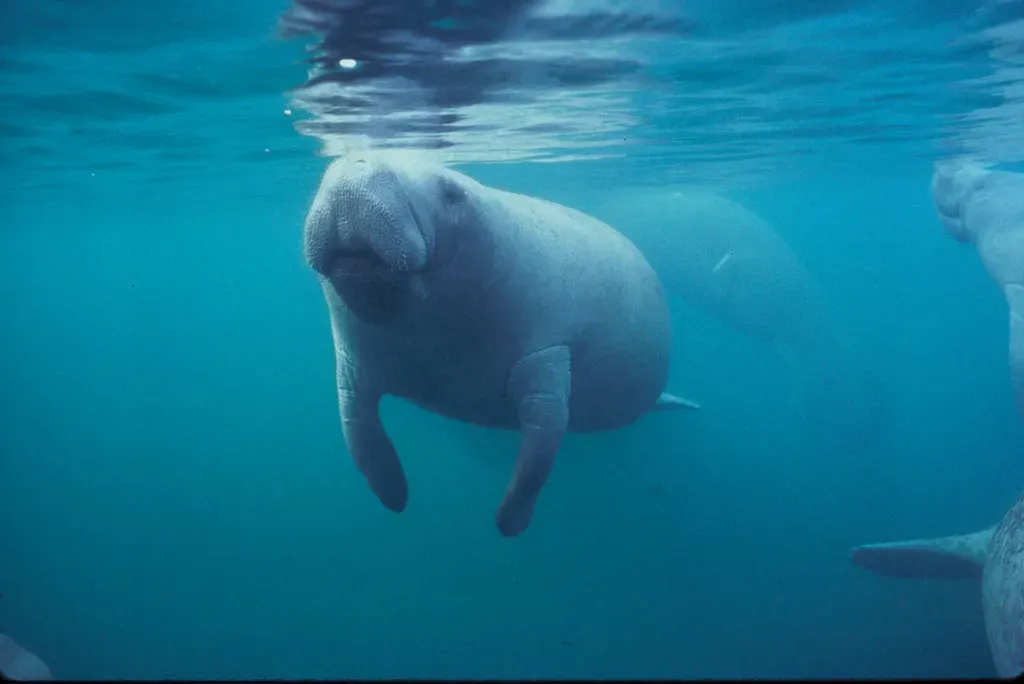
Florida Manatee: Chubby Sea Cows Escaping the Edge (USFWS/Southeast, Flickr, CC BY 2.0)
The Florida manatee looks like a floating baked potato with a sweet face, but its story has been anything but soft. For decades, boat strikes, habitat loss, and cold snaps pushed manatee numbers down, and it wasn’t unusual to find their scar‑striped bodies near busy waterways. By the 1970s, their future looked extremely bleak, and the idea of losing them made Florida’s rivers and lagoons feel emotionally emptier.
Conservation efforts focused on some very practical changes: slow‑speed zones for boats, warm‑water refuge protections around power plant discharges and springs, and public outreach campaigns showing people how to coexist with these gentle giants. Over time, manatee counts climbed into the thousands, strong enough that their status was eventually shifted from endangered to threatened. While recent years have brought new worries around seagrass loss and unusual die‑offs, the long‑term trend proves that policy, public awareness, and scientific monitoring can pull a species back from the edge if we stick with it.
American Alligator: From “Vermin” to Conservation Landmark
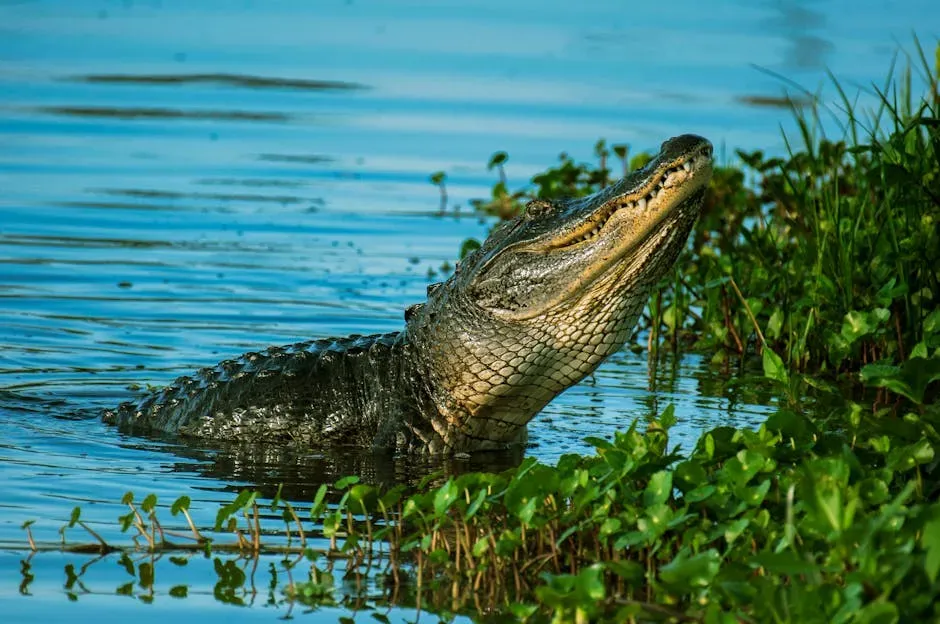
It’s strange to think that an animal that can grow longer than a car and looks like a living dinosaur almost disappeared from much of the southern United States. American alligators were heavily hunted for their hides and sometimes killed simply out of fear, and by the middle of the twentieth century their numbers were dangerously low. Swamps and marshes that once rippled with reptilian eyes became eerily quiet.
Listing the American alligator under the Endangered Species Act in the late 1960s flipped the script. Strict hunting bans, wetland protections, and later tightly regulated, sustainable harvesting allowed populations to rebound dramatically. Today, alligators are so numerous in many southern states that conflict management – not extinction – is the main issue. Their comeback is often held up as a textbook success, showing that protecting a “scary” species can still win public support when people understand its role in the ecosystem and the economic value of doing things right.
California Condor: The Giant That Survived on a Thread
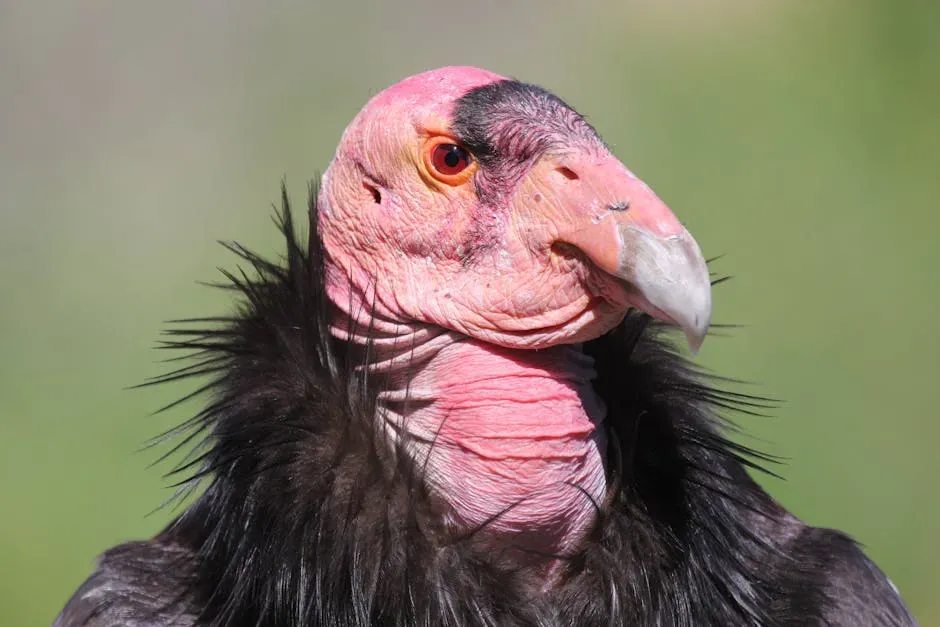
The California condor’s story reads like a rescue mission from a disaster movie. By the mid‑1980s, there were only a couple dozen of these enormous scavengers left on Earth, circling cliffs and canyons in California and the Southwest. Lead poisoning from bullet fragments in carcasses, habitat loss, and slow breeding rates pushed them into a death spiral that seemed impossible to reverse.
In a controversial but ultimately lifesaving move, every remaining wild condor was captured and brought into a breeding program. Biologists raised chicks by hand, sometimes feeding them with condor puppets to prevent imprinting on humans, then carefully released them into protected wild areas. Today, there are several hundred California condors flying across parts of California, Arizona, Utah, and Baja California, with wild-born chicks joining the population. They are still one of the rarest birds on the continent, but the difference between “dozens” and “hundreds” is the difference between a eulogy and a second chance.
Humpback Whale: Ocean Giants Growing Louder Again
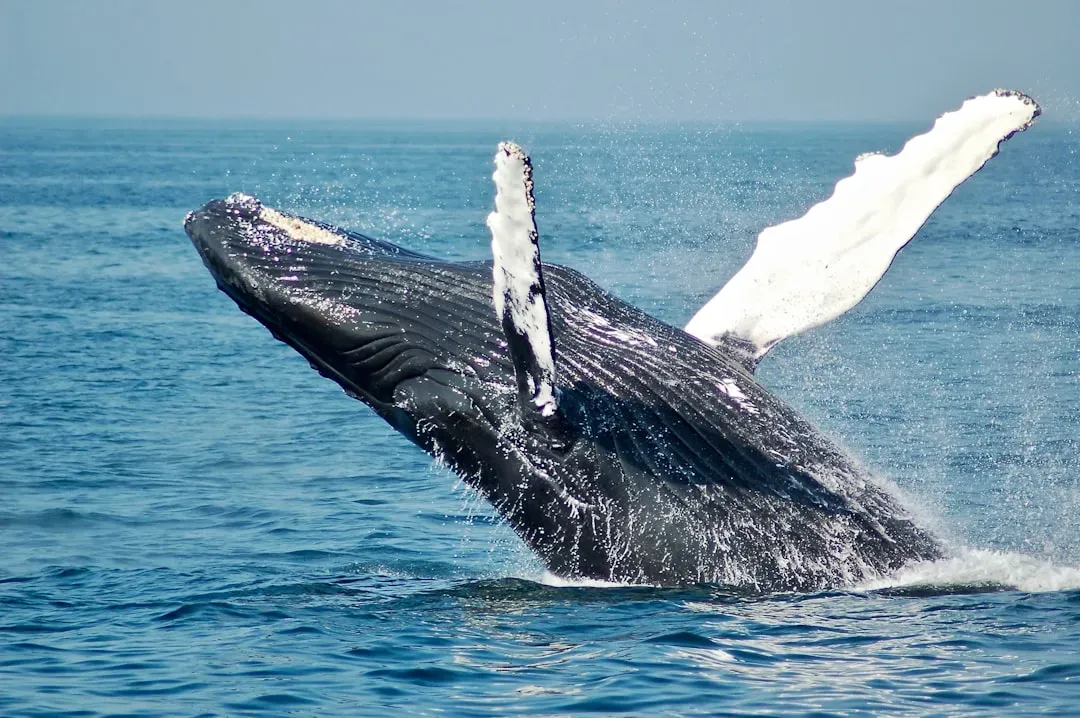
Not so long ago, humpback whale songs were becoming tragically rare. Intense commercial whaling in the nineteenth and twentieth centuries had decimated populations worldwide, including those migrating along both coasts of the United States and Alaska. These whales, once abundant, dwindled to a small fraction of their original numbers, and entire ocean basins grew strangely quiet.
International whaling moratoriums, the Marine Mammal Protection Act, and the Endangered Species Act combined to give humpbacks breathing room. Ship‑strike mitigation, fishing gear rules, and better understanding of migration routes further reduced threats. Over the past several decades, many humpback populations that use US waters have grown significantly, enough that some groups have been taken off the endangered list. Today, coastal communities in places like Hawaii, New England, and Alaska celebrate the return of these whales as both a conservation win and an economic boost through whale‑watching – living proof that letting animals live can pay off in more ways than one.
Kemp’s Ridley Sea Turtle: The Tiny Turtle with a Fierce Comeback
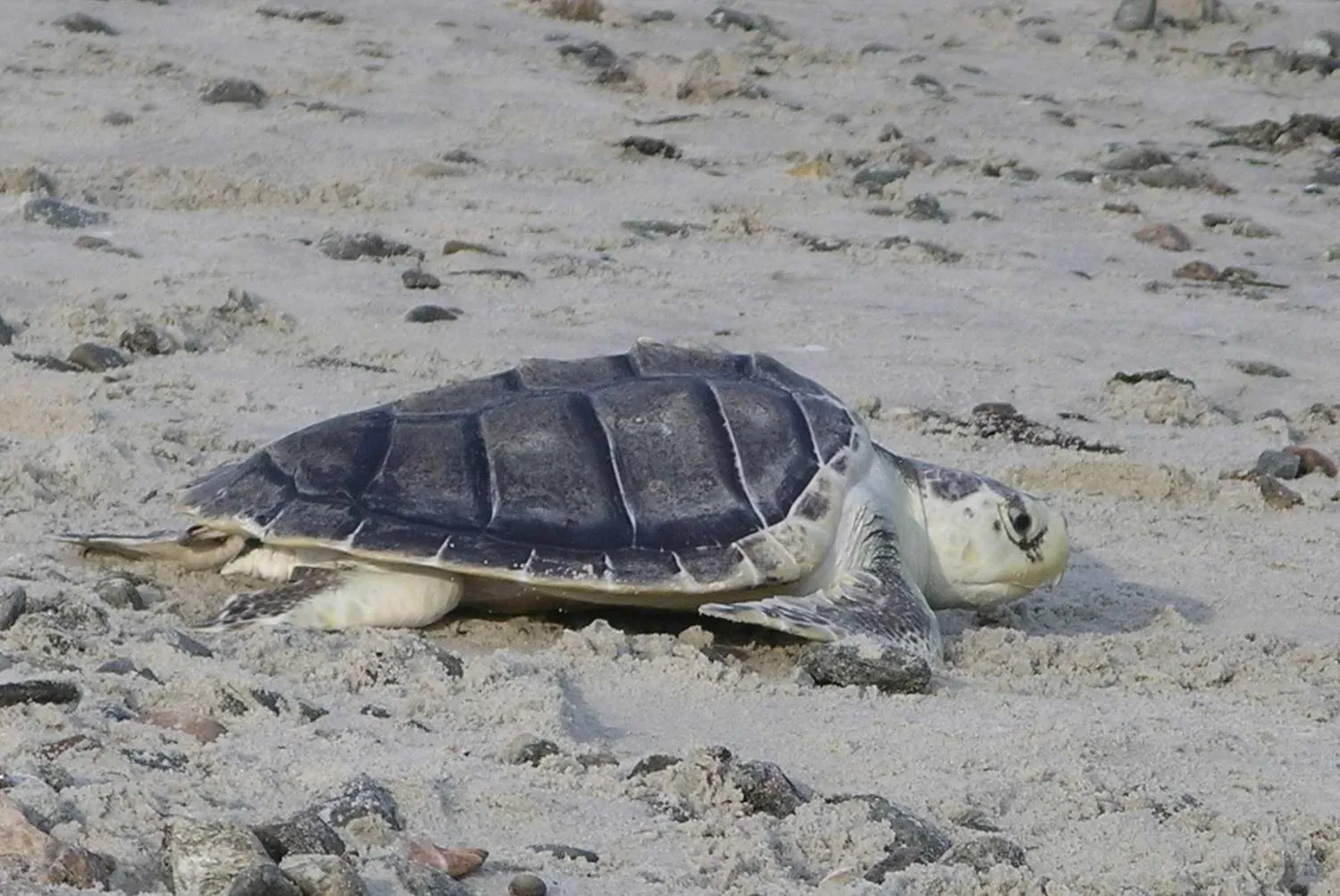
Kemp’s ridley sea turtles are the smallest sea turtles in the world, and for a while they were also the most endangered. Their nesting beaches in the Gulf of Mexico were ravaged by egg collection, coastal development, and fishing gear that drowned adults. By the 1980s, nesting numbers were so low that scientists feared they were watching the final chapter of a species unfold in real time.
Conservationists responded with a stubborn, long‑term campaign: protecting nesting beaches, relocating some eggs to safer sites, requiring turtle‑excluder devices in shrimp trawls, and working with Mexico to safeguard key rookeries. Over time, nesting counts climbed from a heartbreaking handful to many thousands of eggs laid each year. The turtles are still at risk from oil spills, climate change, and bycatch, but the difference between near silence and a beach scattered with flipper tracks is enormous. Their story shows how saving a species that spends most of its life invisible under the waves often begins with a single, vulnerable nest on the sand.
Black-Footed Ferret: Back from Official Extinction in the Wild
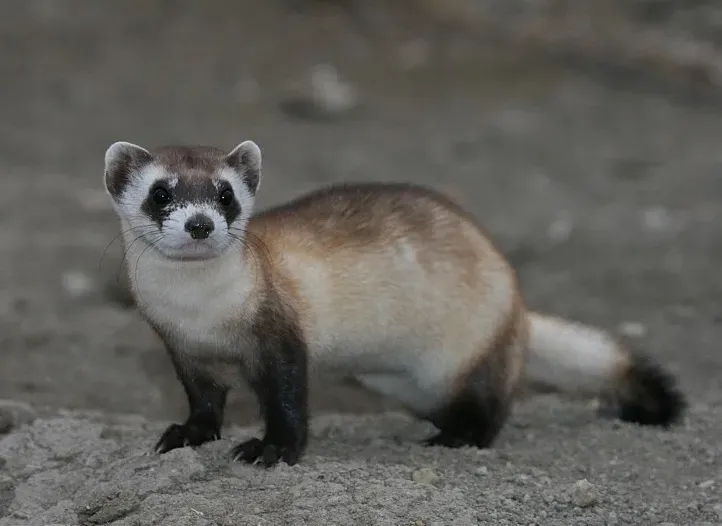
Uploaded by Mariomassone, Public domain)
The black‑footed ferret is one of those animals that sounds almost mythical: a nocturnal predator that slips through prairie dog tunnels under the Great Plains. By the late twentieth century, it was declared extinct in the wild, wiped out by habitat loss, prairie dog eradication, and disease. Then, in a twist that feels like a plot from a nature documentary, a tiny remnant population was discovered in Wyoming in the early 1980s.
From just a small group of survivors, biologists launched a captive breeding program and began carefully reintroducing ferrets to prairie ecosystems across several western states. These efforts involved vaccinating them against diseases, working with ranchers and tribes, and restoring prairie dog colonies they rely on for food and shelter. Today, hundreds of black‑footed ferrets live in the wild again, though their status remains precarious and heavily managed. Their comeback is delicate, almost like trying to keep a candle flame alive in a windstorm, but it’s also one of the most dramatic reversals of fortune for any North American mammal.
Gray Whale (Eastern North Pacific): A Coastal Migration Reborn
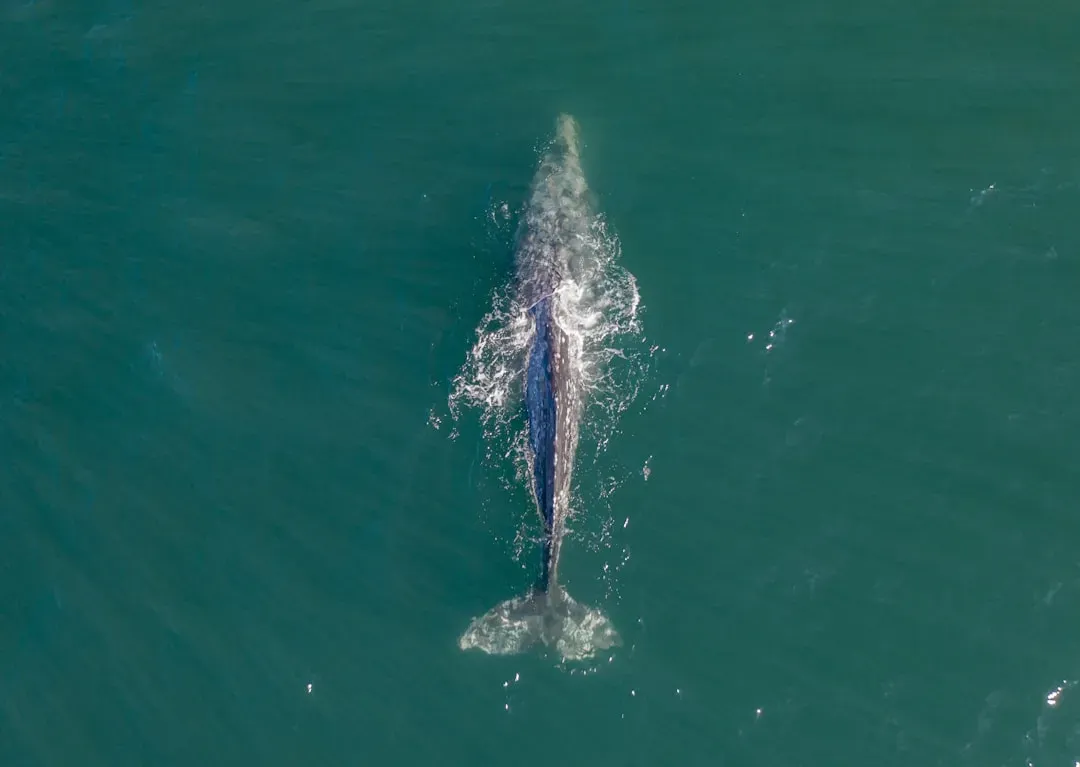
Eastern North Pacific gray whales, which migrate along the West Coast of North America, were once hunted almost to oblivion. By the early twentieth century, whaling had slashed their numbers so deeply that the species seemed trapped in a slow fade‑out. These are coastal whales, often visible from shore, so their absence was something ordinary people could literally see with their own eyes.
Legal protections, including the end of most commercial whaling and the Marine Mammal Protection Act, gave gray whales a real shot at recovery. For many years, their population rebounded to what scientists considered close to pre‑whaling levels, turning their story into a poster child for marine conservation. In recent years, unusual mortality events have raised new alarms, likely linked to changing ocean conditions and prey availability, but the population is still far stronger than it was a century ago. Watching a gray whale spout just offshore now feels like witnessing the visible result of past decisions – both the damage done and the effort to repair it.
Peregrine Falcon: The Fastest Animal on Earth Flies Back
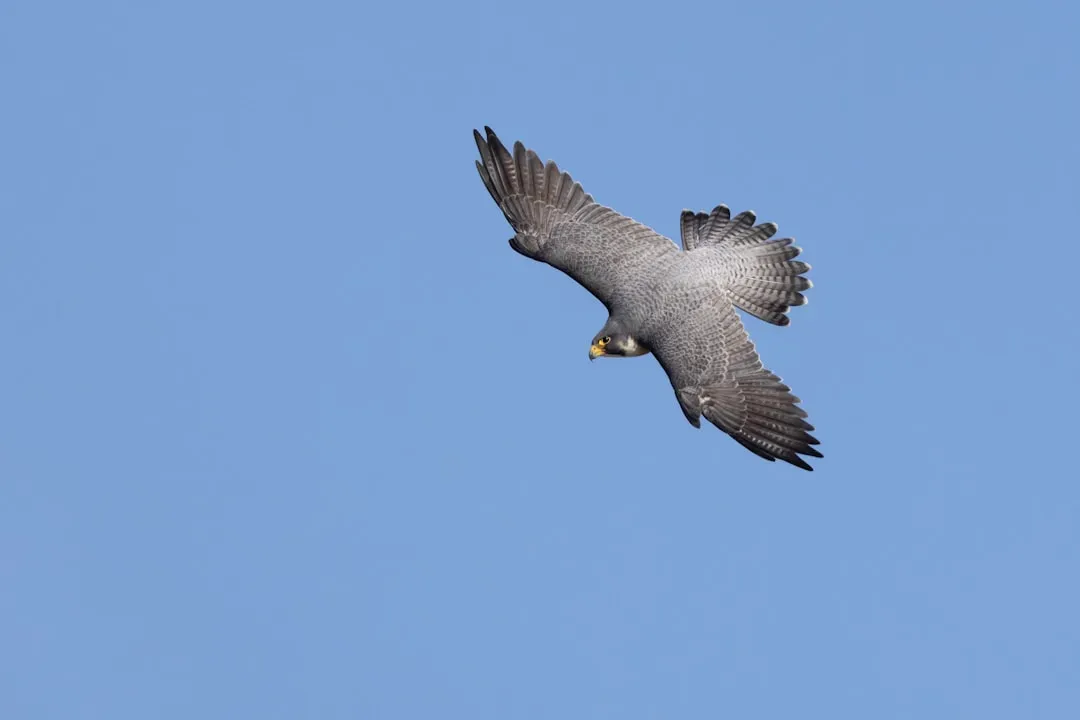
The peregrine falcon’s collapse in the mid‑twentieth century was as swift and shocking as its hunting dives. Like bald eagles, peregrines were hammered by DDT and related pesticides, which weakened their eggs and shattered their breeding success across North America. By the 1970s, they had vanished from large stretches of their former range, especially in the eastern United States, and the skies over cliffs and cities seemed oddly empty of their streaking shadows.
Recovery efforts mixed high‑tech science with creative problem‑solving: captive breeding, hacking towers that mimicked cliff ledges, and later the discovery that skyscrapers made excellent nesting platforms. After DDT was banned, reintroduction projects across the country helped restore populations to the point that peregrines were removed from the federal endangered species list. Now, you can sometimes look up in major cities and see a falcon rocketing past glass towers, hunting pigeons with the kind of speed that makes race cars look slow. Their return is a reminder that nature can adapt to our built world if we stop poisoning it and give it half a chance.
Conclusion: What These Comebacks Say About Us
Looking across these ten stories, a pattern quietly emerges: when humans relentlessly exploit, species crash – and when humans relent, protect, and repair, many of those same species can climb back. The tools vary from banning a pesticide to building breeding programs to changing boat speeds, but the core idea is surprisingly simple: our choices matter more than we like to admit. These animals did not save themselves; they were given room, time, and active help to recover.
None of these species are completely safe, and several remain vulnerable to new threats like climate change, pollution, and political back‑and‑forth over environmental laws. But the fact that bald eagles now nest above busy highways, that condors circle canyon skies again, and that manatees and turtles still glide through coastal waters is a kind of quiet revolution. It shows that extinction is not always inevitable and that turning around is possible even after we’ve gone dangerously far down the wrong road. When you look up at an eagle or out at a breaching whale, does it change how you feel about what else we might still be able to fix?