Imagine waking up and instantly knowing where your family is, what mood they’re in, and whether danger is nearby – all without saying a single word or sending a text. For many animals, that’s just a normal Tuesday. While we rely on spoken language, emojis, and way too many group chats, countless species are out there trading information through electricity, color changes, sound waves, and even chemicals drifting through the air.
The more scientists discover, the more it feels like we’re the slightly clueless neighbors in a universe buzzing with secret conversations. Some of these animal “languages” are so alien to us that even when we can measure them, we still don’t fully understand what they mean. Let’s dive into eight of the wildest, strangest, and most awe‑inspiring ways animals talk to each other that our human brains can barely wrap themselves around.
Dolphin Whistles and Underwater “Names”
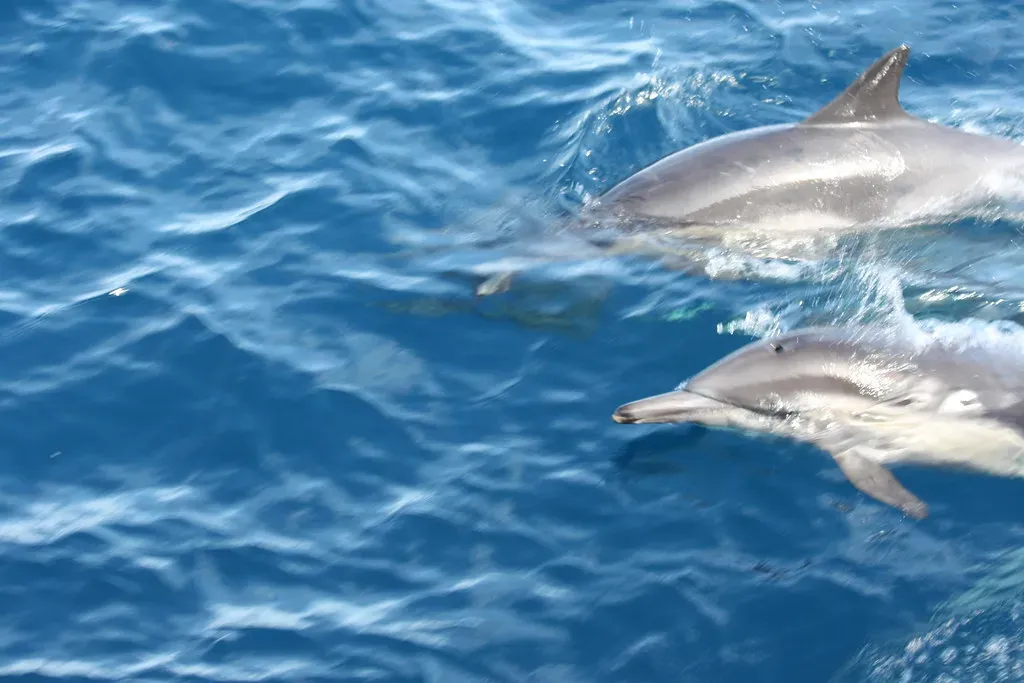
Picture standing in a crowded stadium where everyone is shouting at once, yet you can still hear your best friend call your name from across the field. Dolphins basically do that, but underwater, using shrill signature whistles that act almost like personal names. Each bottlenose dolphin develops its own unique whistle pattern, and others can copy that pattern to “call” them from far away, even when they can’t see each other at all.
Researchers have recorded dolphins responding when their specific whistle is played back, almost like answering a roll call in a classroom. There’s evidence they can remember these signature whistles for years, even after long separations, which hints at a social memory that rivals ours. What we don’t fully get yet is how much extra meaning sits on top of those whistles – are there tones for emotion, urgency, or inside jokes we’ll never catch?
Elephant Infrasound and Ground Vibrations
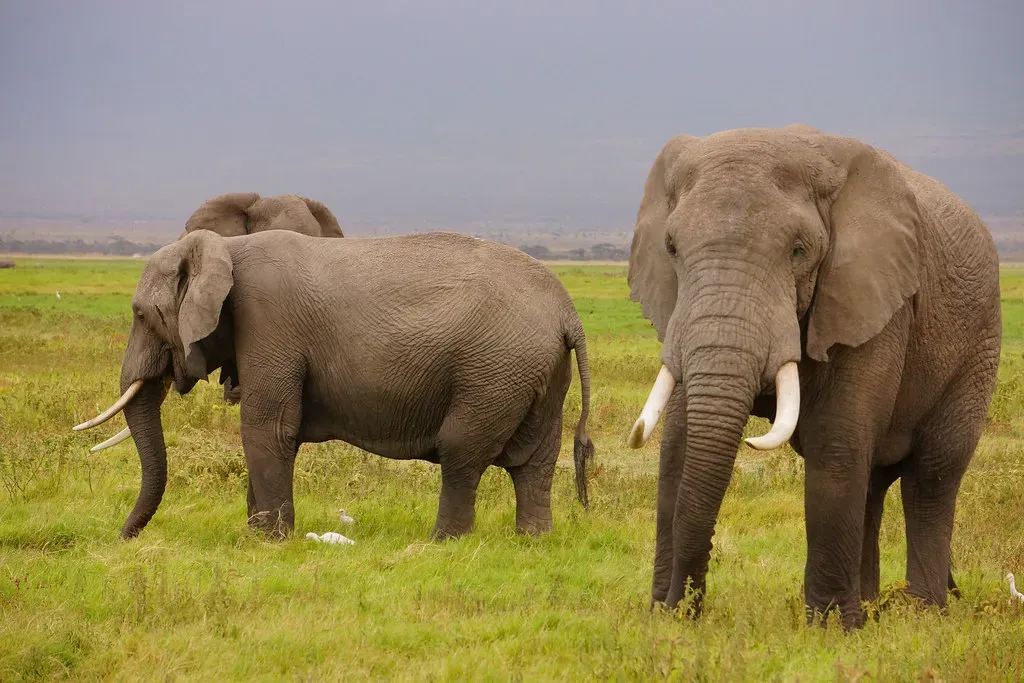
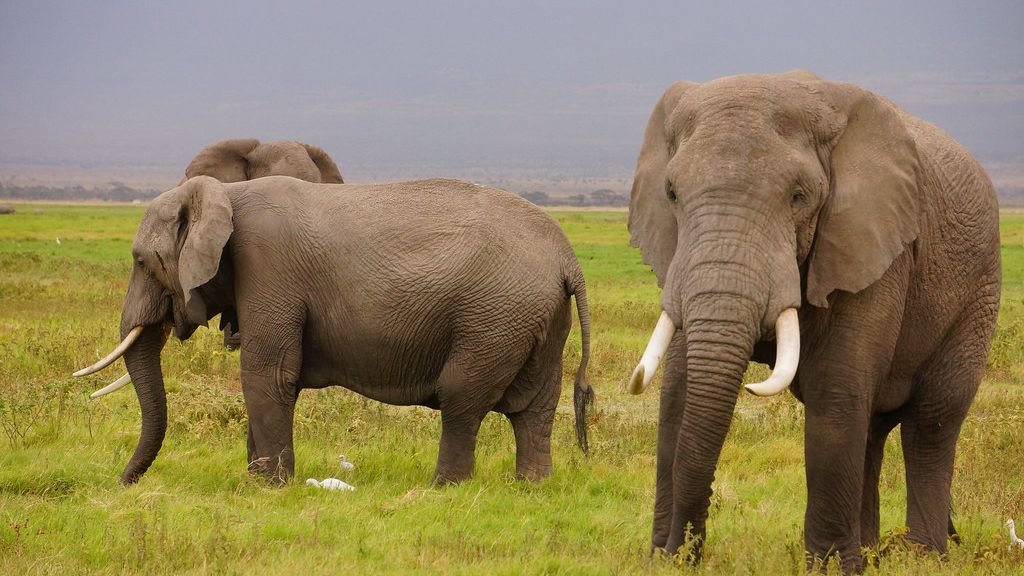
Elephants can seem calm and slow, but their communication system is closer to a high‑tech underground network than a lazy stroll. They rumble using sounds so low that human ears can’t hear them, sending messages that travel over several kilometers through air and even through the ground. Other elephants pick up these low‑frequency calls with incredibly sensitive ears and through vibration receptors in their feet and trunks.
What blows my mind is that an elephant can “hear” a distant thunderstorm or a stressed herd member long before we notice anything. They react to these deep rumbles by changing direction, speeding up, or tightening their group, all without any visible signaling most humans would catch. It’s like there’s a hidden radio station running 24/7 beneath the sounds we think define a landscape, and they’re tuned in while we’re basically on mute.
Bees’ Waggle Dances as 3D Flowing Maps
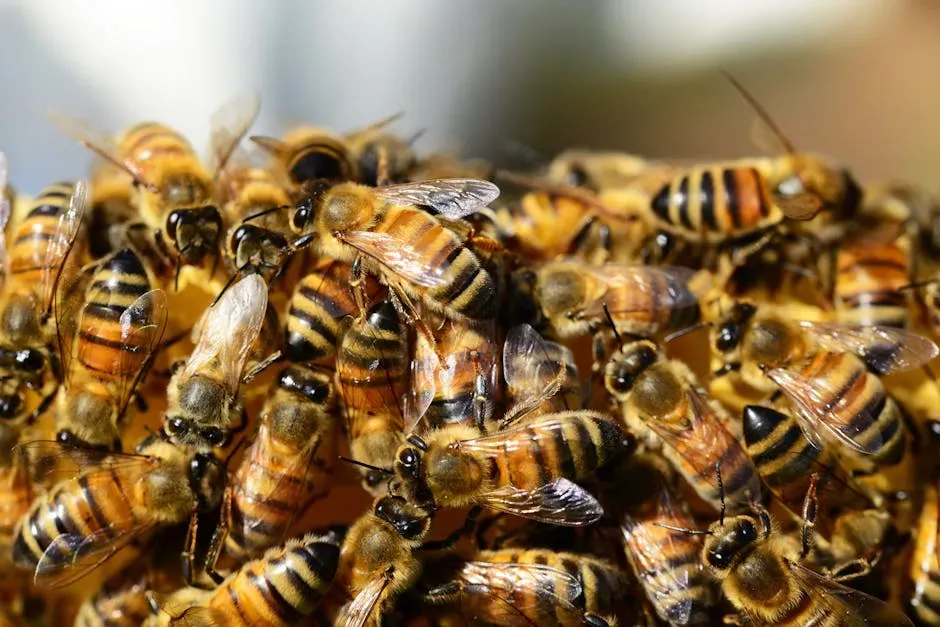
Honeybees have turned dancing into a literal language, and it’s way more complex than a fun shuffle at a wedding. When a forager bee finds a great patch of flowers, she returns to the hive and performs a “waggle dance” on the comb, vibrating and looping in specific patterns. The angle of the dance relative to gravity, the duration of the waggle, and the intensity together encode direction, distance, and even something like the quality of the food source.
Other bees crowd around, following her closely and “reading” that moving map in the dark, guided only by touch and tiny vibrations. That means a single dancing bee can coordinate dozens of others to fly straight to a resource they’ve never seen themselves. We’ve decoded some of the basic pieces, but we still don’t fully understand how bees integrate all that info so fast, nor how they resolve competing dances when multiple foragers return with different plans.
Cuttlefish Color Shows and Skin Screens
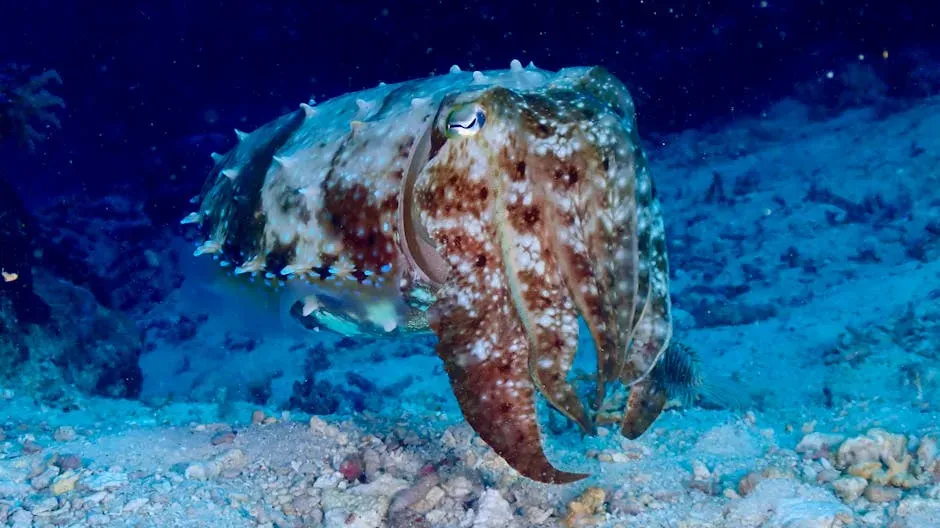
Cuttlefish basically wear living TV screens on their bodies, and their color shows are so complex that scientists still struggle to interpret them. Their skin is packed with pigments and light-reflecting cells they can control almost instantly, flashing from camouflage to high‑contrast patterns in the blink of an eye. They use these changes not just to hide, but to court mates, warn rivals, and possibly coordinate hunting with other cuttlefish.
What’s wild is that they can send different signals on different sides of their body at the same time, like showing one pattern to a potential mate and another to a threat approaching from the other angle. Imagine trying to have two entirely separate conversations with two different people using only your clothing and posture. We’re still guessing at the meanings of many pattern combinations, and because their brains and senses work so differently from ours, parts of that visual “language” may remain permanently outside human understanding.
Mantis Shrimp Ultraviolet and Polarized Light Signals
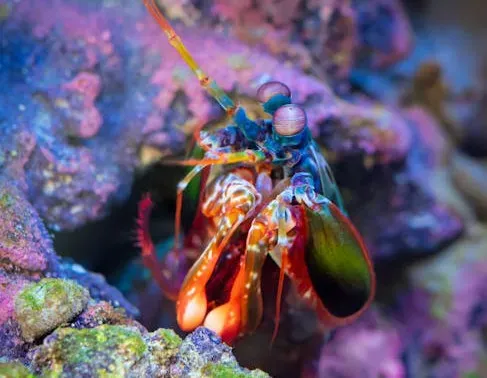
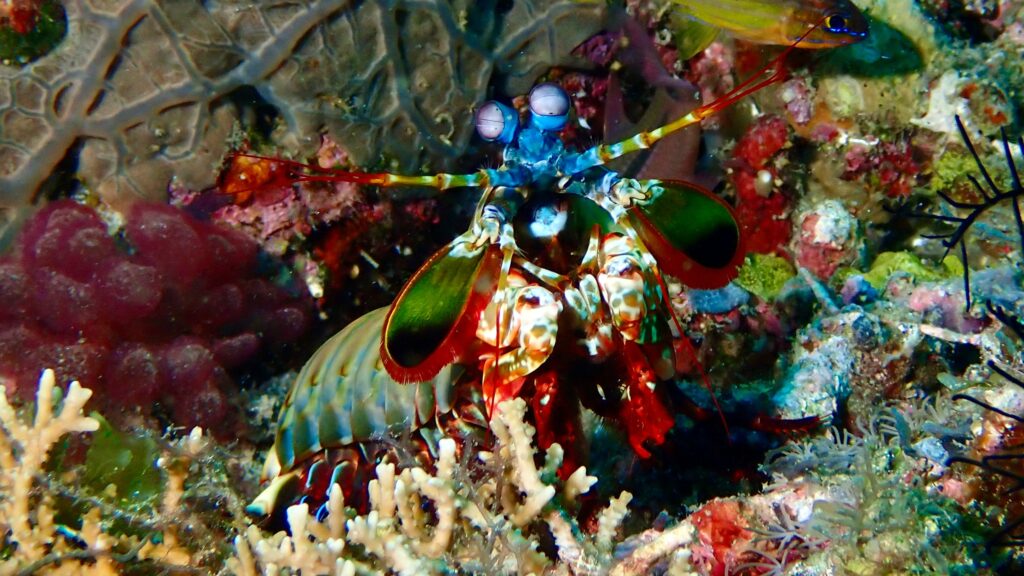
Mantis shrimp are like the undercover agents of the ocean, flashing signals in colors and patterns we literally cannot see. Their eyes are among the most complex in the animal kingdom, able to detect ultraviolet light and polarized light in ways that leave our vision looking pretty basic. Many species have body markings that only show up clearly in these special light channels, turning their shells into hidden billboards readable only by fellow mantis shrimp.
They use these invisible patterns to recognize mates, warn rivals, and avoid unnecessary fights that could be deadly given their powerful striking claws. To us, they just look like bright, funky little creatures, but to each other they’re carrying a nonstop stream of coded information across their bodies. Even with advanced cameras and filters, we’re only just beginning to map what those patterns look like, never mind fully decode the rules behind their use.
Electric Fish Messages in the Dark
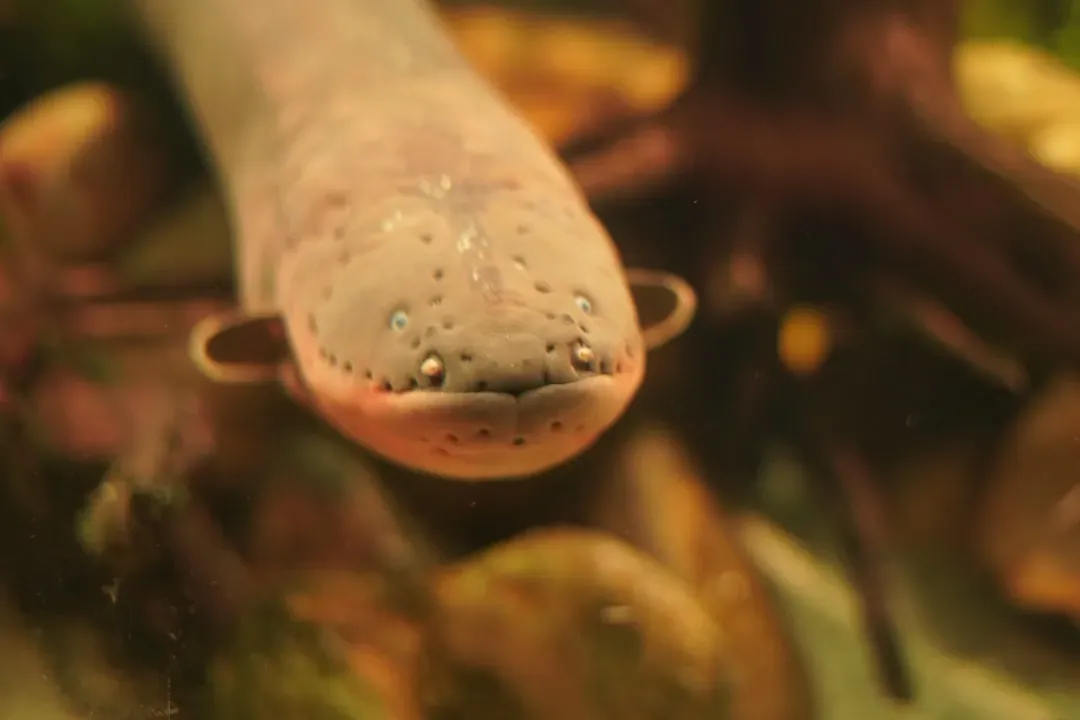
For many electric fish living in muddy rivers or dark waters, electricity is more than a shock – it’s a conversation tool. They produce weak electric fields around their bodies and constantly modulate those signals in patterns that differ by species, sex, and even individual identity. Other fish in the area sense the distortions with specialized organs, building a kind of mental picture of who’s nearby and what they’re doing.
Some species send rapid sequences when courting, others shift the frequency and rhythm when threatened or when asserting dominance. To us, it’s like trying to understand a song played entirely in a register we can’t hear, while blindfolded. Scientists can record the waveforms and measure changes, but turning those squiggles on a graph into a true “translation” of an electric conversation is still far beyond what we can manage.
Ant Chemical Highways and Alarm Systems
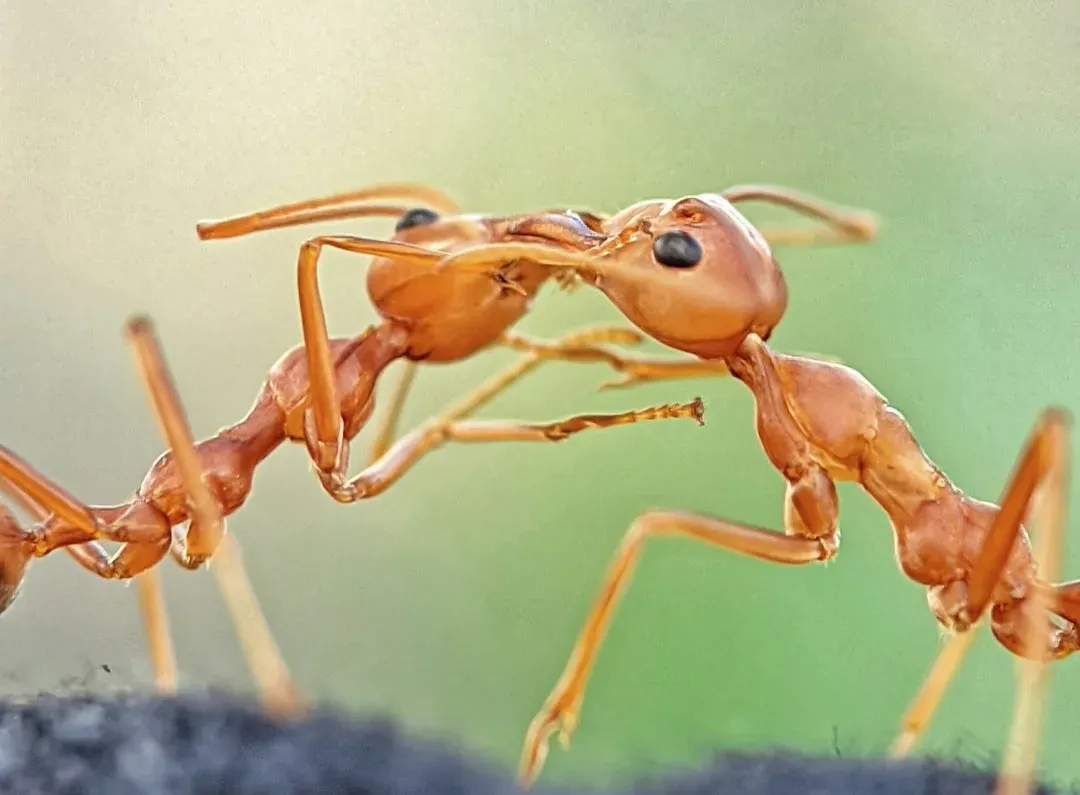
Ants might look like tiny, mindless robots, but their chemical communication system is basically a constantly updating social network made of scent. They leave trails of pheromones to guide others to food, reinforce paths that work, and abandon routes that no longer pay off. If an ant finds a rich resource, it doubles down on the trail, and soon a whole stream of nestmates is marching precisely along that invisible highway.
They also use different pheromones to mark danger, signal alarm, recognize nestmates, and even adjust worker roles in the colony over time. One small scent signal can trigger a massive wave of coordinated behavior, from frantic defense to calm foraging, as if someone suddenly sent a push notification to thousands of individuals at once. We can identify some of the chemicals and see the behavior that follows, but the full “grammar” of how ants blend and layer these signals is still mostly a mystery.
Bird Songs, Dialects, and Cultural Learning
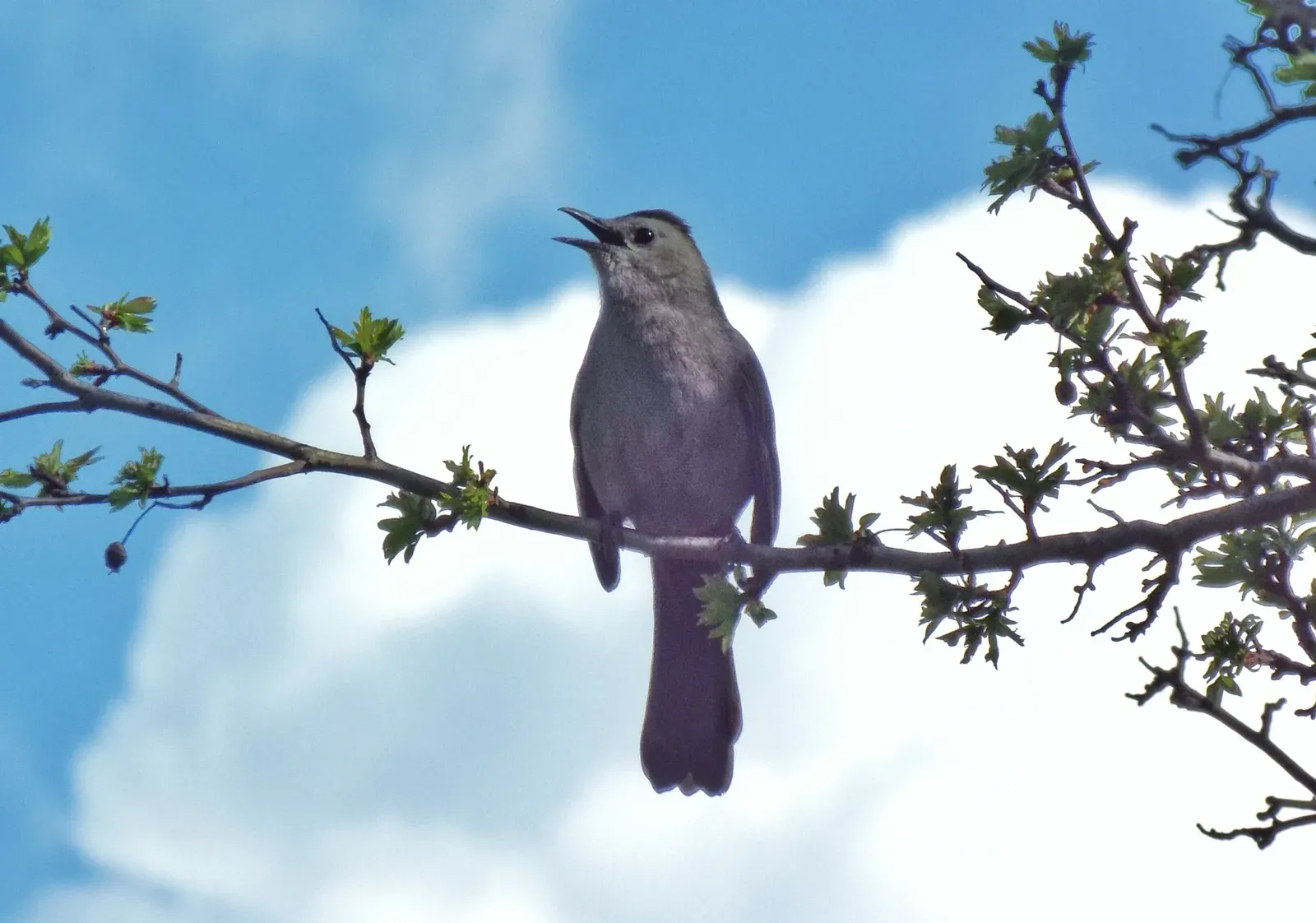
We tend to think of bird song as background music, but for the birds, it’s more like a constantly evolving social media feed. Many songbirds learn their songs from parents and neighbors, creating local “dialects” that can differ between nearby regions the way accents do in human cities. Those songs carry information about species, territory boundaries, fitness, and even subtle hints about where a bird grew up.
Some birds improvise, remix, and expand their repertoires across their lifetimes, which makes their communication feel almost cultural rather than purely genetic. When I learned that certain populations pass song variants down for generations, it made me see them less as chirping automatons and more as tiny musicians with regional styles. We can record and analyze the patterns, but understanding what a slight tweak means to another bird, or how it changes social dynamics, is far trickier than drawing neat lines on a spectrogram.
Conclusion: A Planet Buzzing With Unheard Conversations

Once you start noticing how animals communicate, the world doesn’t feel quiet anymore; it feels overloaded with channels we’re barely able to tap into. Dolphins calling each other by name in murky depths, elephants vibrating the ground with long-distance messages, insects laying invisible scent trails, and fish talking in pure electricity all reveal how narrow our own human experience really is. Our words and texts suddenly look like just one tiny corner of what “communication” can be.
These systems don’t just show off clever tricks, they reshape how we think about intelligence, culture, and what it means to share a planet with other minds. Every new discovery seems to whisper that there are conversations happening right next to us that we may never entirely decode. It’s humbling and honestly a bit thrilling to admit that, on a world we think we understand, we’re still effectively eavesdropping without a full translator. Which of these hidden animal languages surprised you the most?