
There are objects in this universe so extreme, so utterly defiant of common sense, that even the greatest minds in human history have struggled to fully wrap their heads around them. Black holes sit at the top of that list. They bend light, swallow time, and casually shred the rulebook of physics without even blinking.
What makes them truly compelling is not just their raw destructive power. It is what they reveal about the deepest fabric of reality itself. Whether you’re a lifelong space enthusiast or someone who just stumbled across the word “spaghettification” and thought it sounded hilarious, you are in for quite a ride. Let’s dive in.
1. Black Holes Are Not Actually Holes
Here’s the thing most people get wrong from the very start. Black holes are among the most mysterious cosmic objects, much studied but not fully understood. They are not really holes at all. They are huge concentrations of matter packed into incredibly tiny spaces. Think of it less like a drain in the cosmic bathtub and more like an enormous amount of mass crammed into a space smaller than a city.
A black hole is so dense that gravity just beneath its surface, the event horizon, is strong enough that nothing, not even light, can escape. The event horizon is not a surface like Earth’s or even the Sun’s. It is a boundary that contains all the matter that makes up the black hole. So when you picture a black hole as some cosmic vacuum cleaner with a gaping mouth, think again. It is far stranger than that.
2. They Are Invisible, Yet We Can See Their Shadow
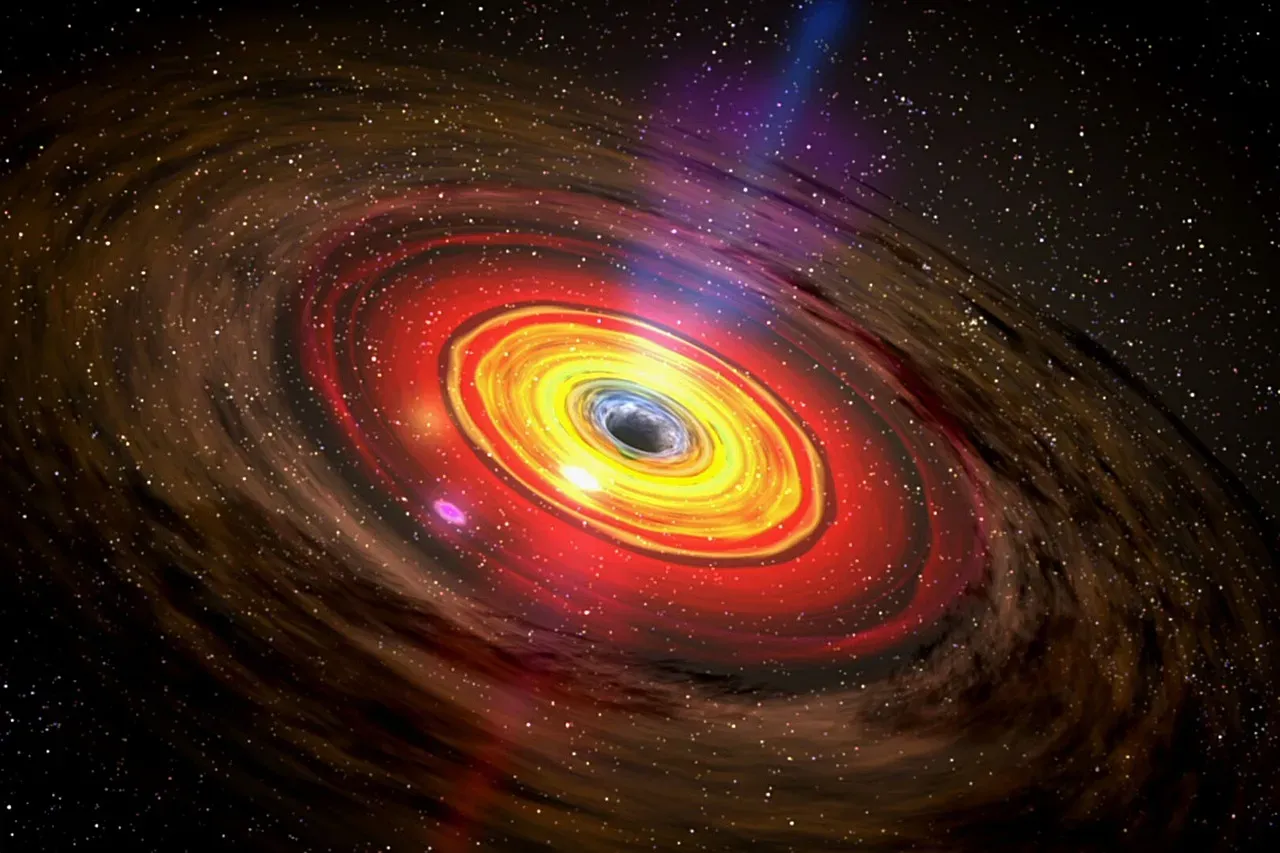
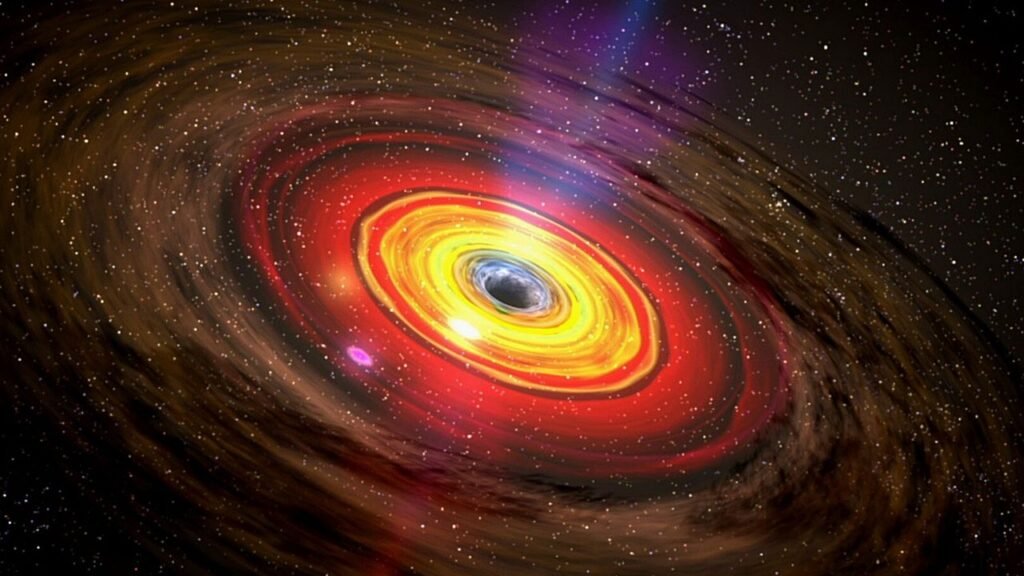
Black holes do not emit or reflect light, making them effectively invisible to telescopes. Scientists primarily detect and study them based on how they affect their surroundings, and black holes can be surrounded by rings of gas and dust, called accretion disks, that emit light across many wavelengths, including X-rays. You cannot spot a black hole directly the way you would spot a star. You see the absence of light, the surrounding glow.
Despite being invisible, black holes have a noticeable effect on the light around them. When light from nearby stars and gas gets close to a black hole, it bends due to the black hole’s powerful gravity. This bending of light creates a shadow around the black hole that we can observe. The shape and size of this shadow can tell us important details about the black hole, such as its mass and how it interacts with surrounding matter. That famous blurry orange ring image from 2019? That was exactly this phenomenon made visible for the first time.
3. Spaghettification Is Exactly What It Sounds Like
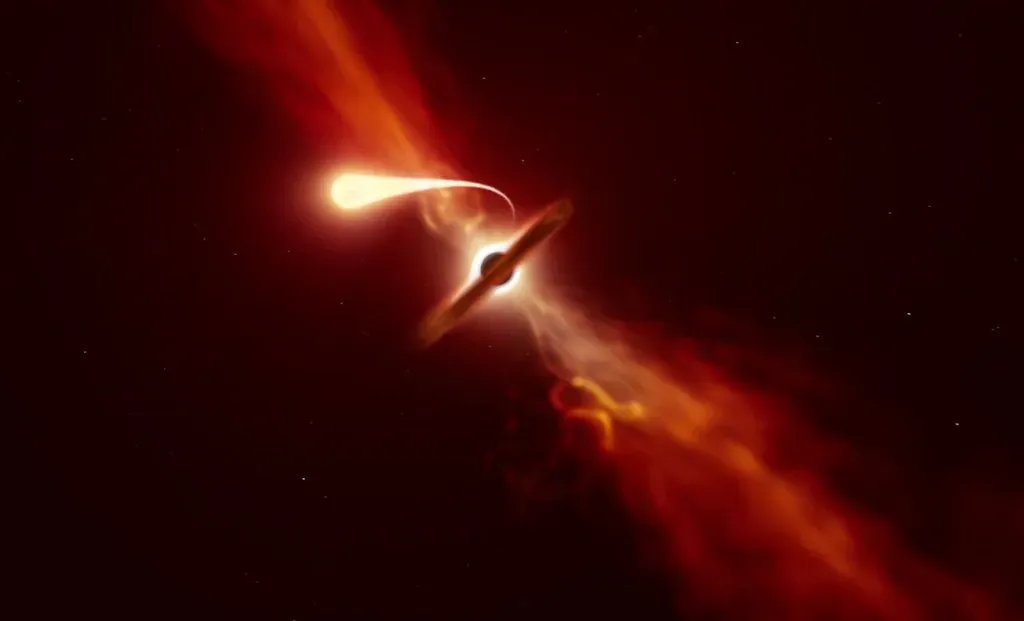
Honestly, the name alone should give you a clue that something deeply unsettling is happening here. The term spaghettification accurately describes the extreme stretching of objects caused by tidal forces when they fall into a black hole. When an object falls toward a black hole, tidal forces exert an uneven pull on it. Since gravitational attraction increases with proximity, the near side of an object experiences a stronger pull than the far side. As an object approaches a black hole, the greater difference in gravitational pull creates increasing amounts of tidal force that cause catastrophic deformation.
For a stellar-mass black hole, this stretching would kill you long before you reached the event horizon. Interestingly, supermassive black holes are actually gentler in this regard. You could potentially cross their event horizon while still intact, though you would eventually meet the same stretchy fate deeper inside. So if you ever somehow had the choice, aim for the supermassive one. Not great advice, I know, but here we are.
4. Time Literally Slows Down Near a Black Hole
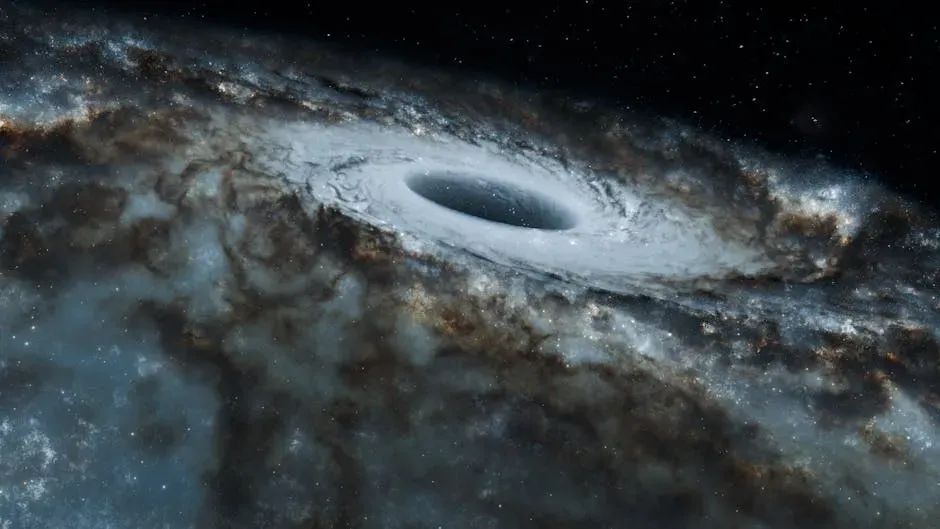
According to Einstein’s general theory of relativity, time flows differently on the event horizon of a black hole than it does for an observer not in close proximity to the black hole. Einstein’s predictions about the effect of gravity on the time dilation of objects in their gravitational field have been supported by experimental results. This is not a metaphor or a science fiction gimmick. It is a measurable, real phenomenon.
Near a black hole, time slows dramatically compared to an outside observer. To someone watching from a distance, objects falling into a black hole seem to freeze near the event horizon. Meanwhile, the falling object would experience time normally, which creates a paradox of perception. Near the event horizon of a stellar-mass black hole, one hour for you might equal several years for someone watching from a safe distance. Nature’s own time machine, twisted in the most inconvenient direction imaginable.
5. Black Holes Are Actually Slowly Evaporating
Stephen Hawking proposed that black holes are not completely black. They emit tiny amounts of thermal radiation due to quantum effects near the event horizon. Over astronomical timescales, this could cause black holes to lose mass and eventually evaporate. This is known as Hawking radiation, and it was a truly revolutionary idea when Hawking first proposed it in 1974.
This process, called Hawking radiation, means that every black hole has a temperature, and smaller black holes are actually hotter than larger ones. A black hole with the mass of our Sun would take longer than the age of the universe to evaporate completely, but microscopic black holes, if they exist, would disappear in fractions of a second. The radiation is incredibly weak for stellar-mass black holes, colder than the cosmic microwave background radiation that fills the universe. In other words, do not hold your breath waiting for it to disappear.
6. The Information Paradox Has Physicists Genuinely Stumped
One of the most significant challenges posed by black holes is the question of what happens to the information that enters them. According to the laws of quantum mechanics, information must always be conserved, meaning it cannot be destroyed. However, when something falls into a black hole, it is believed to be lost forever, leading to the so-called black hole information paradox. This is not a minor technical quibble. It strikes at the heart of two of the most successful theories in all of science.
By investigating this question, physicists have discovered that the mere existence of black holes is inconsistent with the quantum-mechanical laws that so far describe everything else in our universe. Many solutions have been proposed to resolve the information paradox, including the idea that information is somehow stored on the surface of the black hole, or that it is released back into the universe in the form of radiation. However, these solutions remain speculative and have not yet been conclusively proven. Physics has rarely been this publicly embarrassed.
7. Something Fundamental About Black Holes May Be Changing Over Time
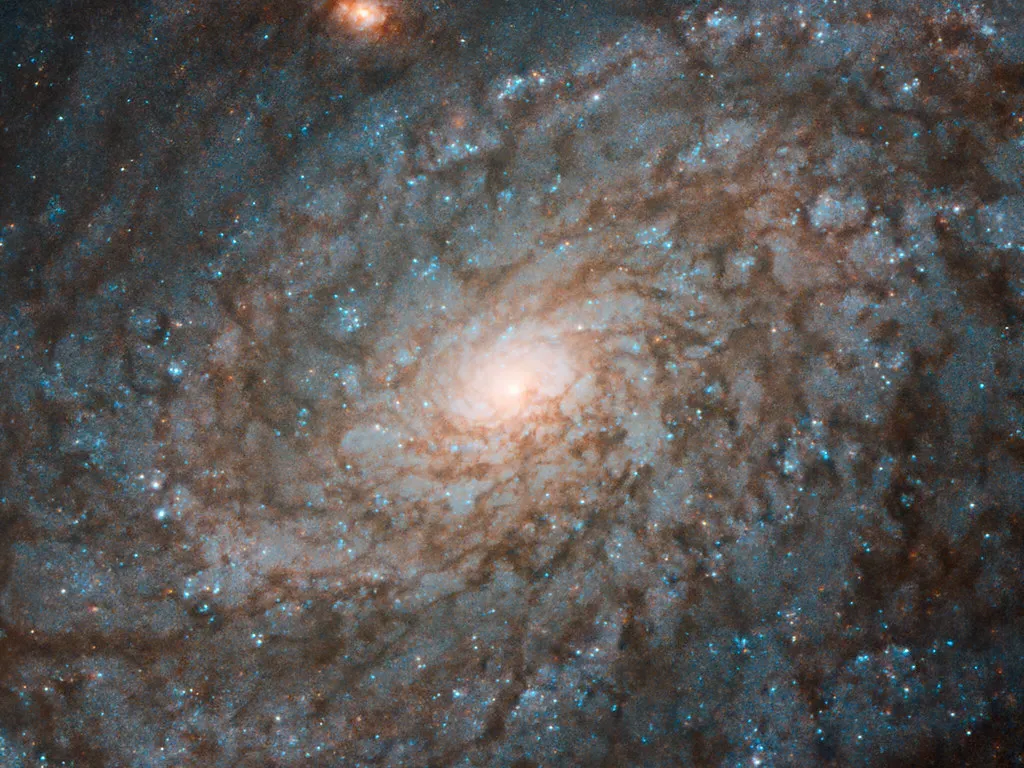
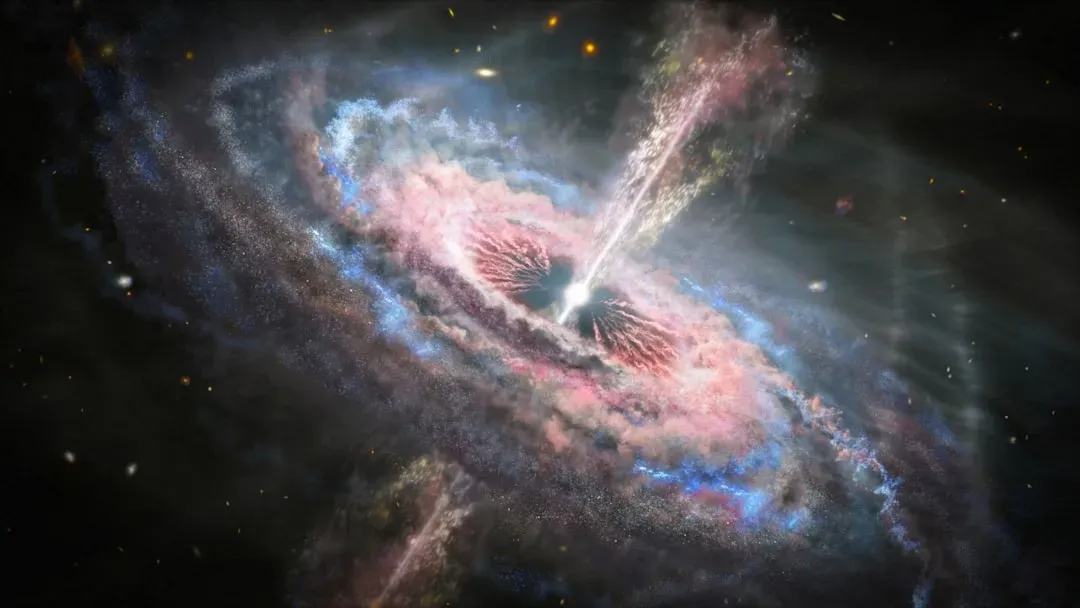
This is one I find genuinely fascinating, and it was only confirmed very recently. New observations reveal that the relationship between ultraviolet and X-ray light in quasars has changed over billions of years. This unexpected shift suggests the structure around supermassive black holes may evolve with time, challenging our previous assumptions. The implication is staggering. Black holes may not be the static, locked-in behemoths we once thought.
Black holes grow over time by merging with other black holes or accreting matter, swallowing stars, gas, and dust. These processes not only increase their mass but also produce powerful energy emissions detectable across the universe. So they grow, they change, they evolve. It is almost as if the universe is quietly rewriting its own instruction manual, and we only just noticed.
8. There Is a Supermassive Black Hole at the Center of Our Galaxy
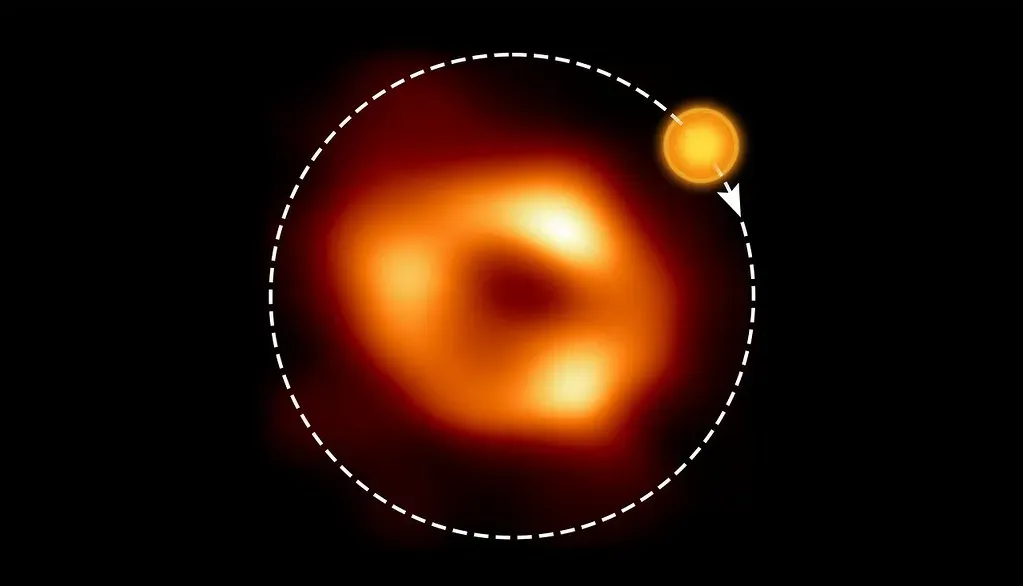
Our own supermassive black hole, Sagittarius A*, sits at the heart of the Milky Way. Unlike other black holes, Sgr A* is not greedily feasting on gas, dust and stars, but rather exists on a diet that scientists have related to a human consuming one grain of rice every million years. For a supermassive black hole, it is remarkably restrained. Almost polite, in a cosmic sense.
The black hole at the center of the Milky Way galaxy, called Sagittarius A*, has a mass equal to about 4.3 million suns. NASA’s James Webb Space Telescope has detected both bright flares and fainter flickers coming from Sagittarius A*. The flickers are so rapid they must originate very close to the black hole. The idea that this colossal object is sitting in the middle of our home galaxy, right now, is something most people never really stop to contemplate.
9. The Oldest Known Black Hole Formed Shockingly Early in the Universe
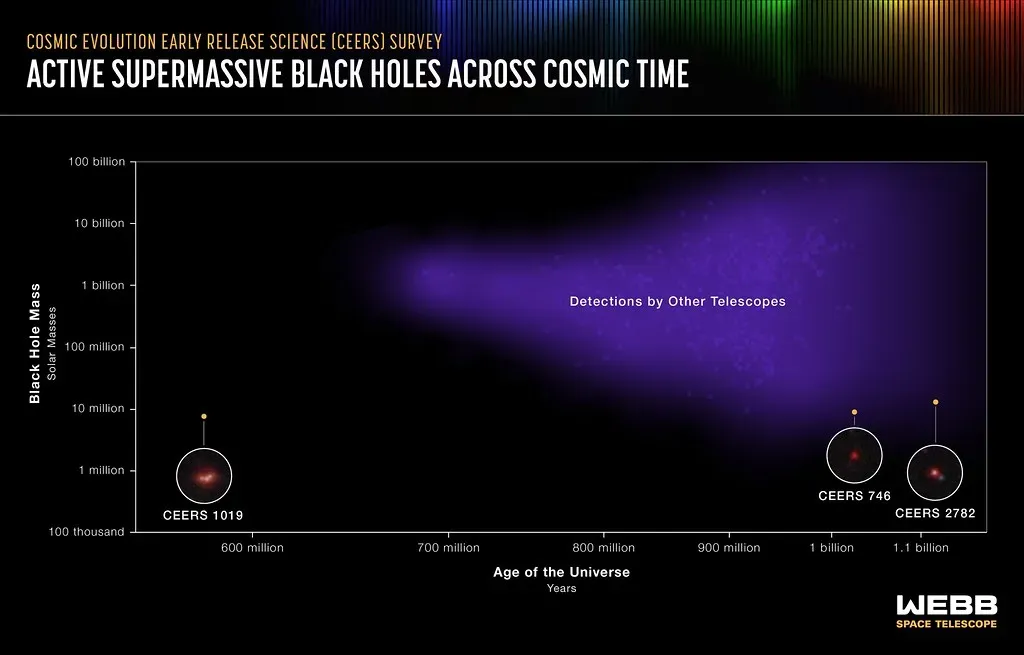
Another cosmic sinkhole with a mass of 38 million suns snagged the title of oldest black hole. The new record holder, dubbed CAPERS-LRD-z9, formed more than 13 billion years ago, within 500 million years of the Big Bang. Let that sink in. The universe itself is only about 13.8 billion years old. This black hole was already enormous when the cosmos was essentially a newborn.
Just how these giant black holes were formed remains a mystery even today. While one idea is that individual stellar-mass black holes combined, it is difficult to envision that there has been enough time since the universe began for enough mergers to have occurred to account for the observed distribution of supermassive black holes. Sophisticated simulations have shown that early in the history of the universe, it is possible for giant clouds of gas to have collapsed directly into very large black holes, ones with masses about 100,000 times that of the Sun. Even the universe’s origin story gets more complicated the closer you look.
10. Spinning Black Holes Actually Drag Space Itself Around With Them
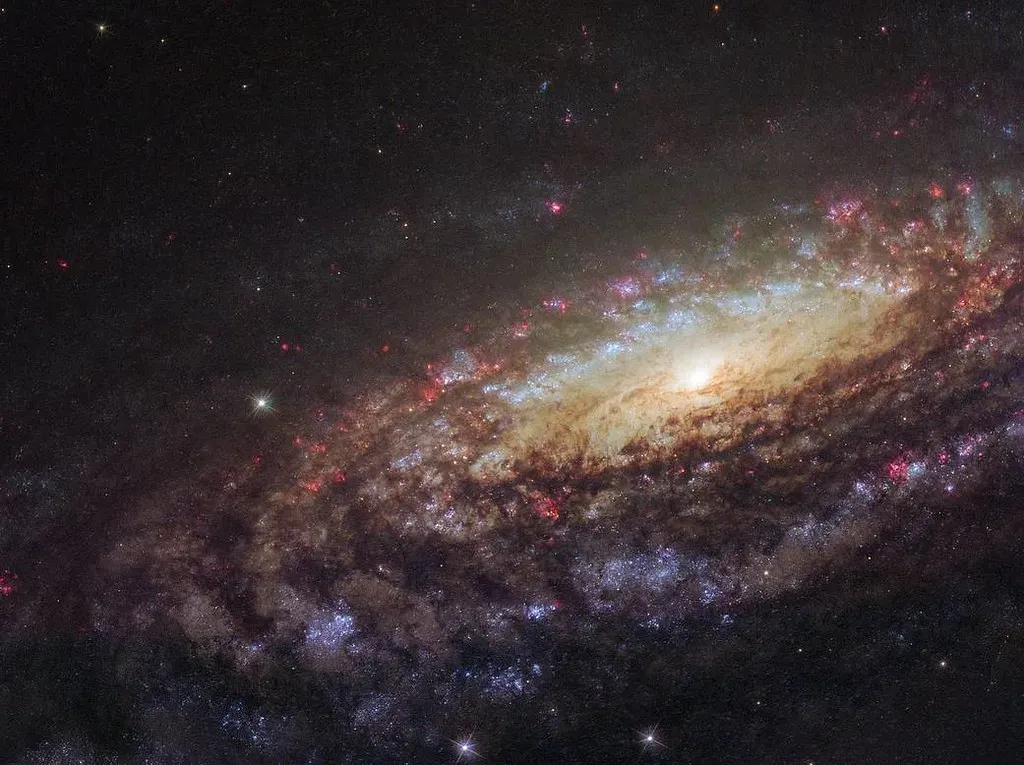
Recent observations suggesting that a rotating black hole drags spacetime around with it have been widely hailed as another decisive confirmation of Einstein’s general theory of relativity. The phenomenon, known as frame dragging and more formally as the Lense-Thirring effect, was first predicted in 1918 as a consequence of Einstein’s equations for rotating masses. Think of it like stirring honey with a spoon. Except the spoon is a collapsed star and the honey is the very fabric of spacetime.
All black holes spin. The fastest known, named GRS 1915+105, clocks in at over 1,000 rotations per second. The star’s motion exhibited a subtle but persistent wobble, consistent with the prediction that the black hole’s rotation twists the surrounding spacetime and alters the trajectories of nearby matter. This behavior is precisely what general relativity predicts should occur if spacetime itself responds dynamically to mass and motion, and the observations provide some of the clearest evidence yet that this effect is real.
11. Some Physicists Theorize We Might Be Living Inside a Black Hole
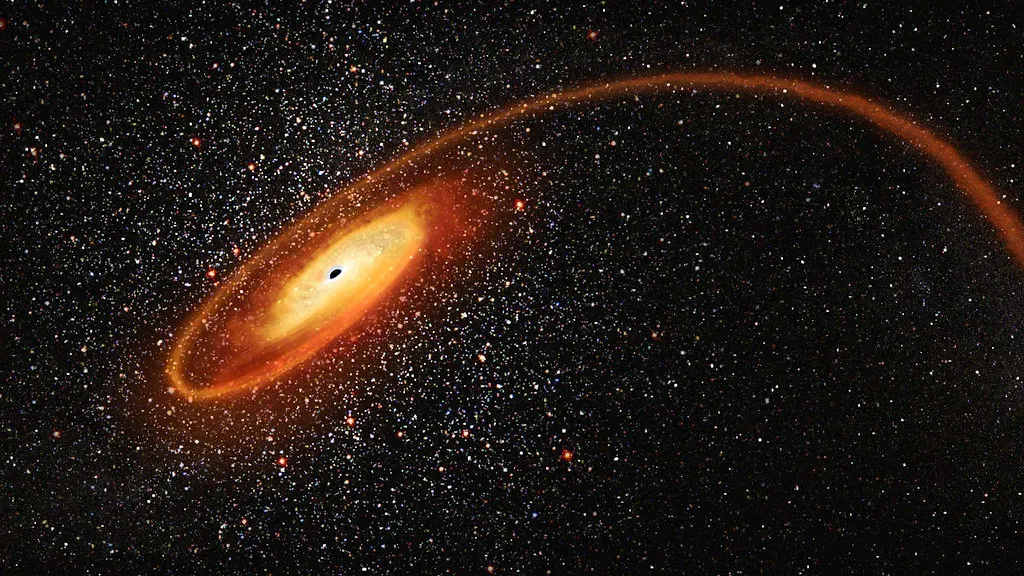
I know it sounds crazy, but hear this one out. Some have suggested that it could imply that our universe is within a black hole of a larger universe. Some researchers have taken this idea even further, suggesting that it could mean our entire universe exists inside a black hole belonging to a much larger universe. The idea is not just a quirky thought experiment. It actually has some mathematical grounding.
For the model to work, the universe’s Hubble Radius, the radius of our observable universe, must be the same as its Schwarzschild radius, or the size of the black hole that would be created if all the matter within it was condensed to a single point. These two figures are, in fact, surprisingly close, though this can also be put down to a cosmic coincidence. It is hard to say for sure whether this idea will ever graduate from wild hypothesis to accepted theory, but the fact that scientists are seriously discussing it tells you everything about how deeply black holes challenge our assumptions.
Conclusion: The Universe’s Greatest Puzzle Is Still Wide Open
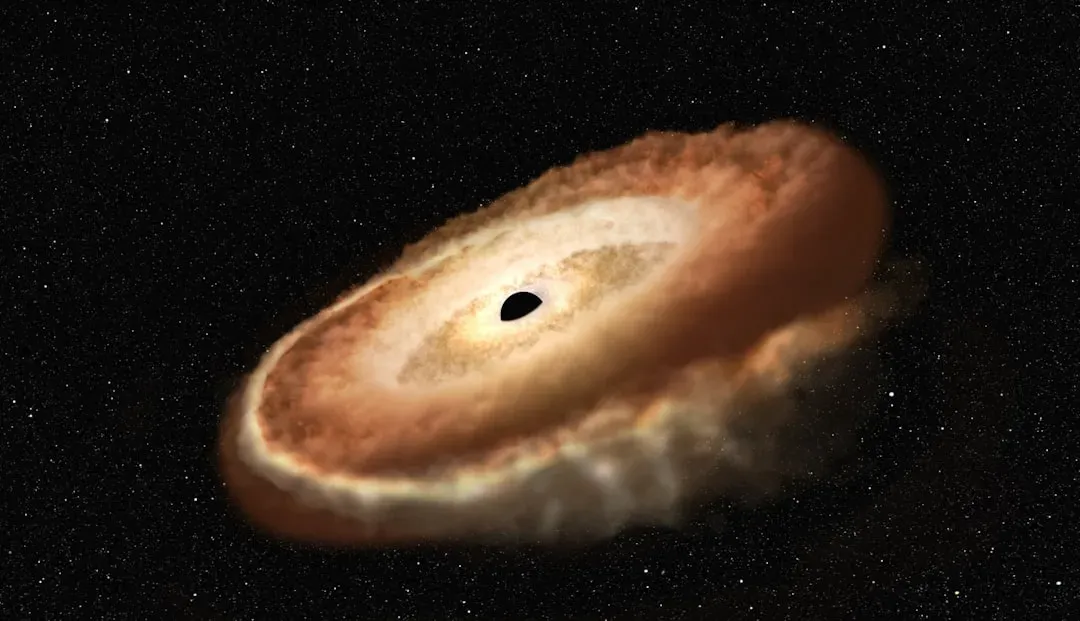
Black holes are not just astronomical curiosities. They are cracks in the wall of human understanding, places where our best theories begin to buckle and break. Every discovery, from the first image of a black hole’s shadow in 2019 to the mind-bending news about ancient black holes forming within half a billion years of the Big Bang, pushes us closer to questions we cannot yet answer.
Just as with the atom and quantum mechanics, a better understanding of black holes is likely to help guide the next conceptual revolution in physics. The most exciting thing is not what we know. It is what we do not. These cosmic giants are still hiding their deepest secrets, and with every new telescope, every new gravitational wave detector, and every new generation of curious minds pointed at the sky, we get a little closer.
So here is a thought to carry with you: if something as fundamental as space and time can be bent, frozen, or dragged around by a collapsed star, what else might we be completely wrong about? What do you think? Drop your thoughts in the comments below.