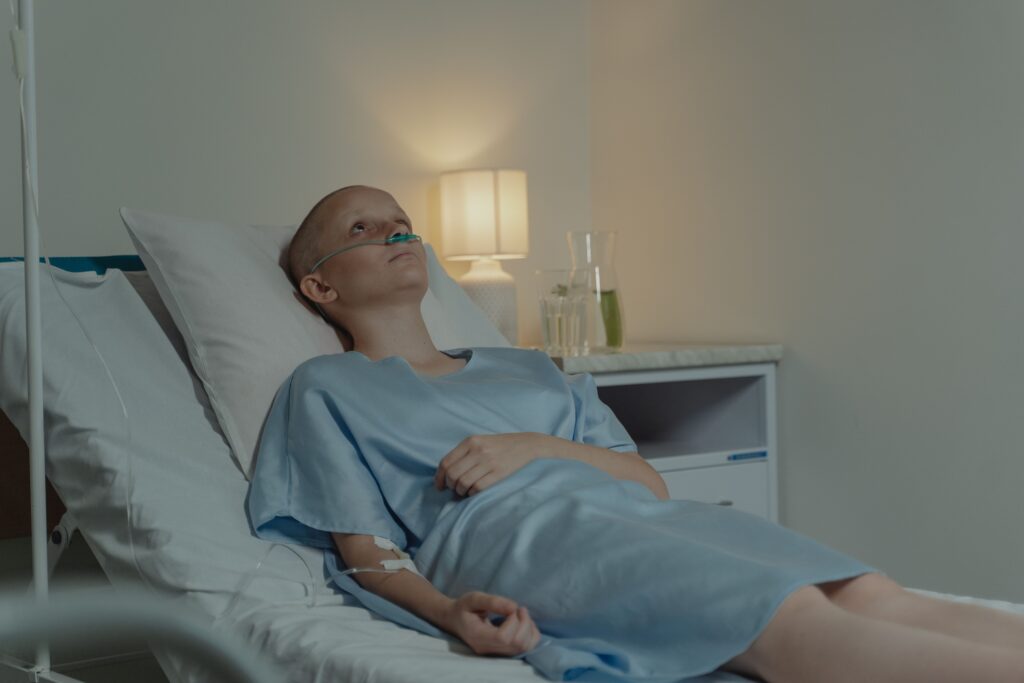

Imagine waking up on your three hundredth birthday and still feeling like you’re in your thirties. Your friends are all still around. Your body works. Your mind is sharp. Death is no longer a looming deadline but a distant option. It sounds like science fiction, but a surprising amount of serious science is now quietly pushing in that direction.
We’re not talking about fantasy potions or supernatural miracles. We’re talking about gene editing, cellular reprogramming, organ printing, and nanotech. In 2026, some of the world’s brightest researchers and biggest investors are pouring billions into one radical idea: aging might be treatable, maybe even reversible. The real question is no longer “Is immortality impossible?” but “How far can we realistically go – and what would that do to our world?”
The Strange Idea That Aging Is a Disease

Here’s the mind-bending starting point: a growing number of scientists argue that aging isn’t just “natural,” it’s a biological process that we could actually slow down or treat like a disease. Instead of fixing heart disease here, cancer there, and dementia somewhere else, they’re asking whether we can attack the underlying driver that makes all of these more likely with time. Aging, in this view, is like the underlying rust that eventually breaks every part of the machine.
Once you see aging as a disease process, the logic flips. Instead of accepting frailty after a certain age, it becomes something almost unethical not to treat if we know how. This is why specialized biotech companies now focus on “longevity therapeutics” rather than any one illness. The big shift is emotional too: we stop asking “How long can we stretch the end?” and start asking “How long can we keep the middle – those healthy, energetic decades – going?”
Cellular Senescence: The Zombie Cells Making You Old
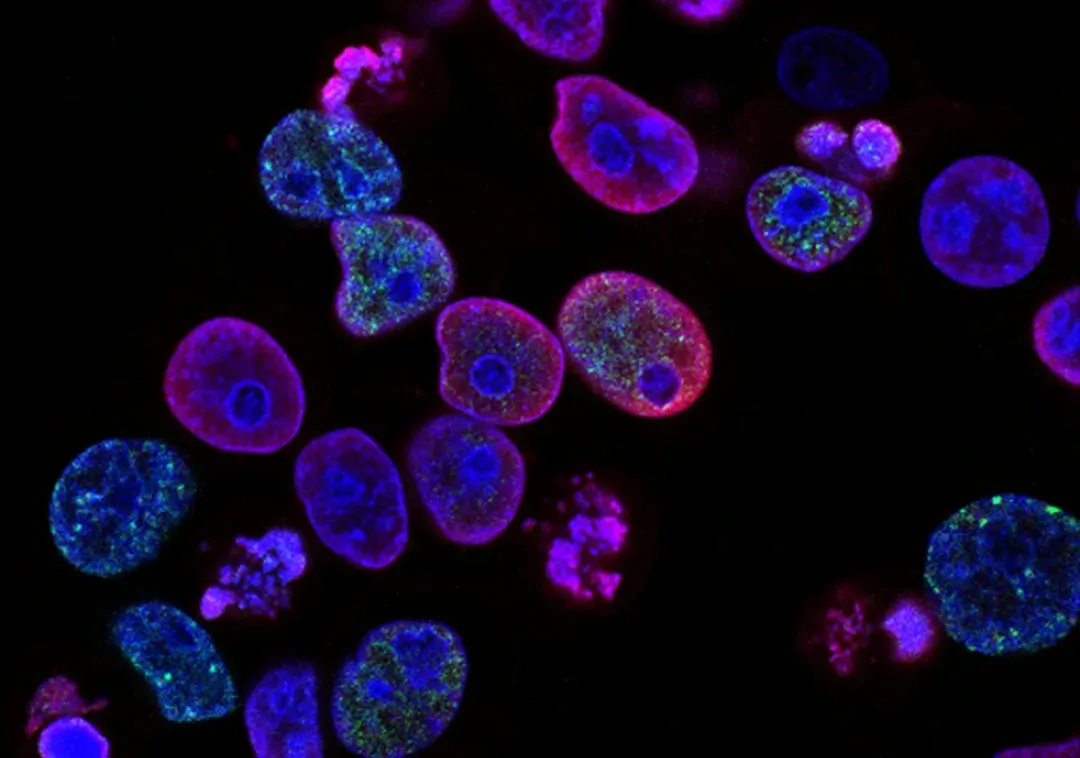
One of the most dramatic aging villains has a spooky name: senescent cells, sometimes nicknamed “zombie cells.” These are cells that stop dividing but refuse to die, hanging around and leaking inflammatory signals that damage nearby tissue. As we get older, they build up in our bodies like toxic clutter in a garage nobody ever cleans. They don’t cause just one disease; they quietly worsen almost everything.
In mice, drugs called senolytics – designed to selectively clear out these zombie cells – have extended lifespan and, more importantly, health span, meaning more time spent healthy rather than sick. Some early human trials are under way, especially in conditions like lung disease and kidney problems, to see if clearing senescent cells can restore function. We’re still early, and side effects are a big concern, but this is one of the first real-world tests of the idea that we can systematically dial back the cellular chaos of aging.
Rewinding the Clock: Cellular Reprogramming and Age Reversal
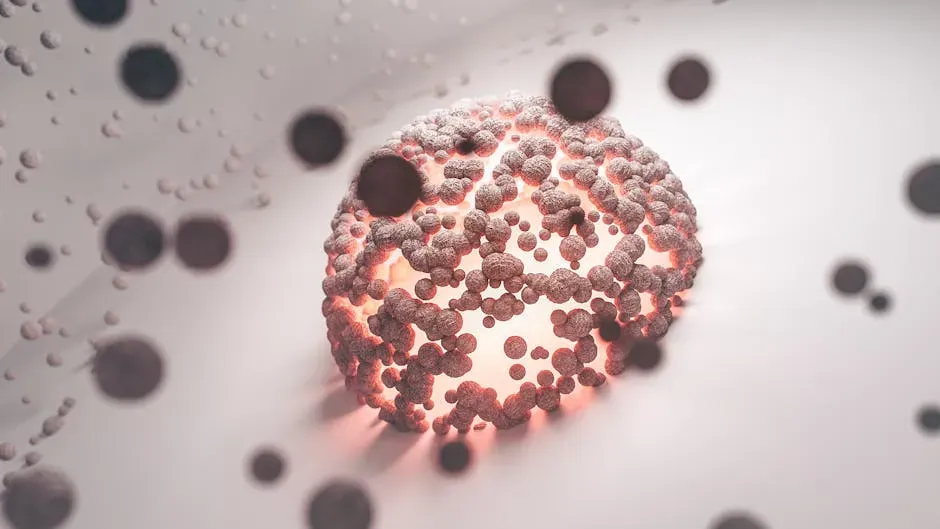
If senolytics are like taking out the trash, cellular reprogramming is like resetting the entire operating system. Scientists discovered that by activating a specific set of genes, ordinary cells can be turned into pluripotent stem cells – cells that behave almost like those in early embryos, with their biological age reset close to zero. This was a revolution in biology, because it showed that age isn’t just a one-way street; at least at the cellular level, it can be rolled back.
The scary part is that fully reprogramming cells can also trigger cancer, so researchers are experimenting with “partial reprogramming,” gently rolling back some markers of age without fully wiping a cell’s identity. In animal studies, limited reprogramming has restored vision, improved organ function, and reversed certain age-related changes. Translating this into a safe therapy for humans is incredibly complex, but if it works, it would be the closest thing we’ve ever had to a genuine age-reversal switch.
Gene Editing, Longevity Genes, and Designer Lifespans
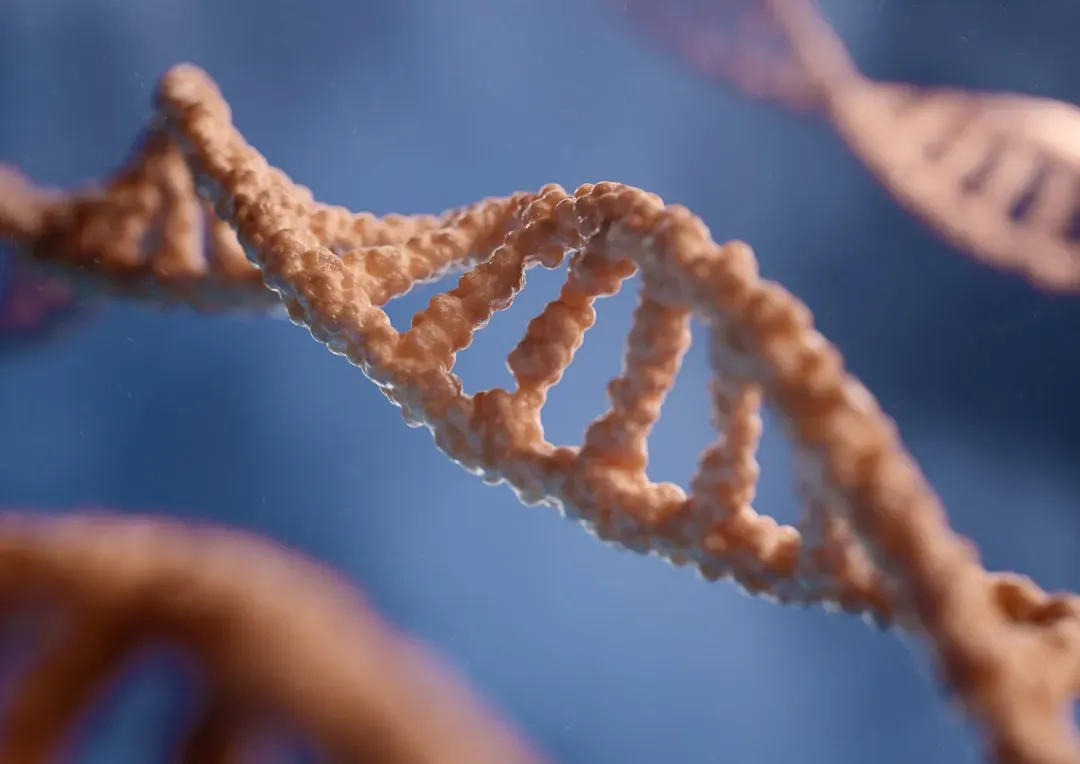
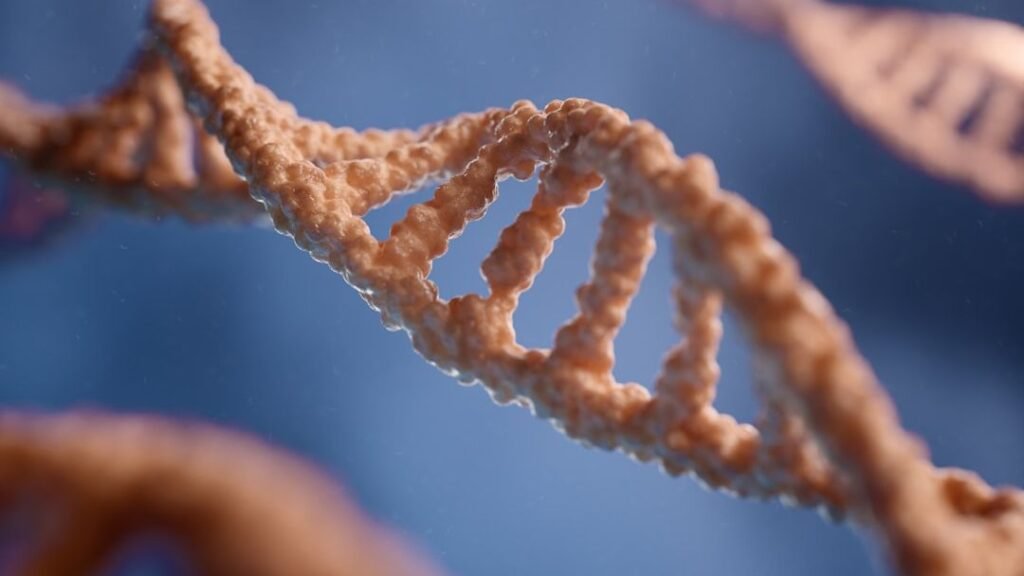
Not everyone ages at the same rate, and that’s not just luck. Long-lived families, unusually tough animals, and rare human genetic conditions have pointed researchers toward specific “longevity genes.” Some reduce inflammation, some improve DNA repair, some fine-tune how the body handles nutrients and stress. The dream is straightforward but wild: what if we could install the best versions of these genes in everyone?
Tools like CRISPR make it possible, in theory, to edit human DNA much more precisely than in the past. In practice, editing living adults safely and at scale is still a huge challenge. Gene therapies are already being tested for specific diseases, and a few experimental programs quietly explore tweaks that might nudge aging pathways. The ethical line is fuzzy: is turning down an aging pathway a medical treatment, or are we creating designer lifespans that only the wealthy will afford?
Regenerating Organs: Printing, Growing, and Replacing the Body
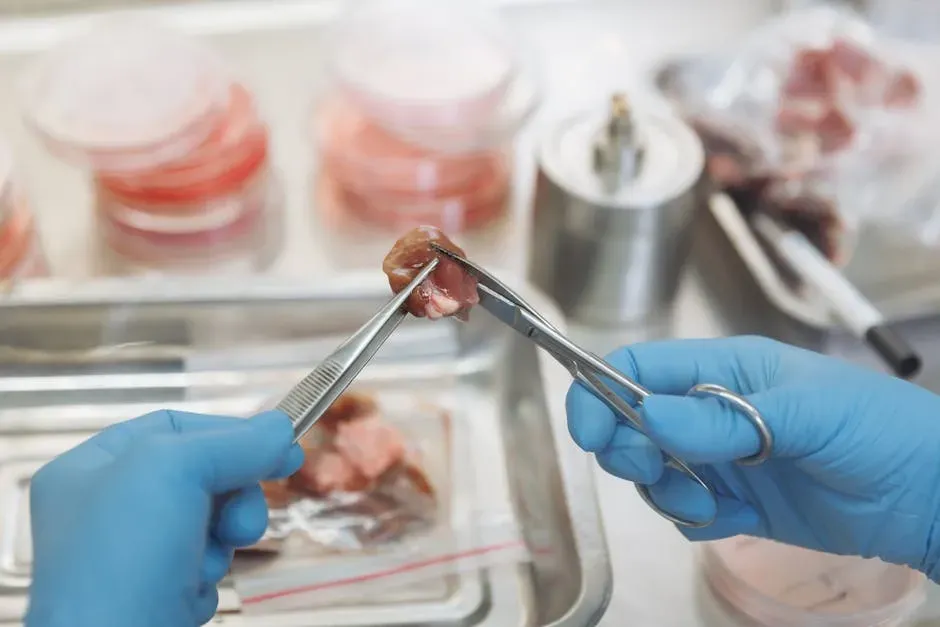
Even if we could slow or reverse aging in cells, bodies still break down like old cars. That’s why another branch of immortality research focuses on making replacement parts: lab-grown organs, 3D-printed tissues, and bioengineered grafts. Think of it like being able to swap out worn pieces instead of junking the entire vehicle. If your heart fails at ninety, you might just get a new one grown from your own cells.
We already transplant donor organs, but there are never enough, and rejection is a constant risk. In 2026, scientists are pushing hard on growing human-compatible organs in animals, printing tissues with living cells, and coaxing stem cells to form mini-organs in dishes. None of this is perfect yet, and there are worrying questions about safety, animal ethics, and access. Still, every improvement in regenerative medicine pushes us closer to bodies that can be continuously maintained rather than passively endured.
Nanotechnology: Tiny Machines Patrolling Your Cells
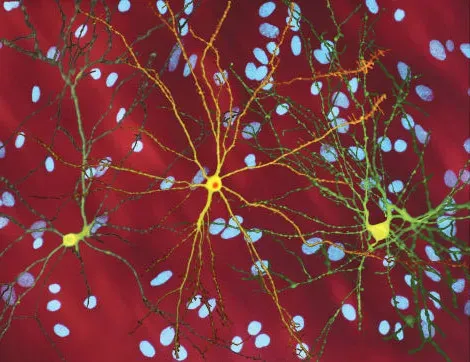
Another recurring idea in immortality research sounds straight out of a sci-fi movie: nanobots in your bloodstream. The concept is that microscopic devices could patrol your body, repairing damaged cells, clearing plaque, fighting cancer cells, and even preventing many diseases before symptoms appear. Instead of waiting for something to go wrong, your body would be under constant microscopic maintenance.
We’re nowhere near fully autonomous “nanobots” that do all that, but we’re edging closer in pieces. There are already nanoscale drug delivery systems that home in on tumors, nanoparticle-based vaccines, and diagnostic tools tiny enough to pick up early molecular changes in the blood. Over time, these pieces may evolve toward more active, smart systems. If that happens, immortality might not look like a magic pill, but a lifelong partnership with invisible technology quietly keeping you in working order.
Digital Immortality: Copying Minds Instead of Bodies
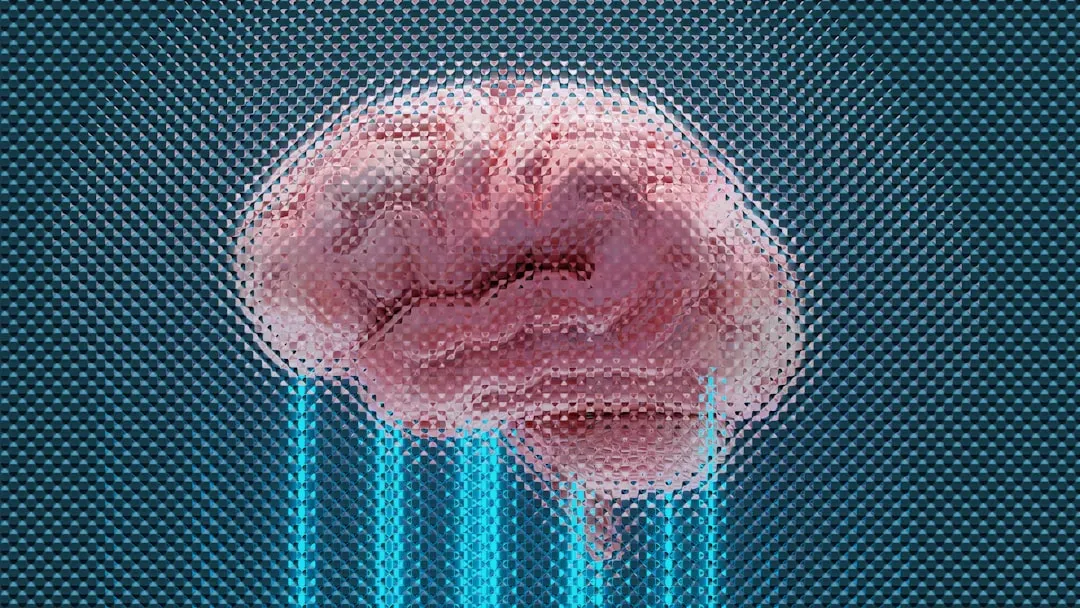
There’s another route to “living forever” that dodges biology almost entirely: copying, simulating, or preserving the mind. The idea is unsettling but simple. If who you are is essentially patterns of information in your brain, could that information be mapped and transferred to a digital system? Your biological body might die, but a conscious, thinking version of you – depending on how you define “you” – could go on.
Right now, we’re extremely far from being able to copy a human brain in detail. Brain-computer interfaces, advanced AI models, and detailed brain-mapping projects are baby steps in that direction. You can already see hints of digital self-extension in the way people leave huge data trails, old messages, and recordings that can be mimicked by AI. Whether a digital reconstruction with your memories and style is really “you” or just a convincing ghost is a question that philosophy is nowhere near settling.
The Psychological Shock of Never Dying

It’s easy to focus on the cool parts of radical longevity and ignore the emotional earthquake it would trigger. So much of how we live is wrapped around the fact that time is limited: deadlines, life stages, urgency, even midlife crises. If you suddenly had centuries, the logic of your choices would change. Would you still panic about turning forty if it was just early adolescence in a five-hundred-year life?
There’s also a darker side. Some people already feel lost or stuck in their twenties or thirties; stretch that out to centuries and the risk of boredom, stagnation, or deep existential fatigue becomes very real. Relationships would be tested in strange ways: “till death do us part” hits differently when death is optional and far away. Personally, I suspect a lot of us romanticize the idea of endless time without fully appreciating how much our sense of meaning depends on having an end point somewhere, even if we don’t like to look at it.
The Social Earthquake: Inequality, Overpopulation, and Power

Even if the science works, the world might not. If powerful longevity treatments arrive first as extremely expensive therapies, they will go to the ultra-wealthy before anyone else. Imagine a small group of people with vastly extended, healthy lifespans stacking power, experience, and money over centuries. Political and economic systems built on generational turnover could start to freeze into place.
Then there’s the basic math of bodies and resources. If people live dramatically longer and keep having children at similar rates, population pressure could explode, straining housing, food, water, and the climate. Some argue that birth rates would fall naturally if lifespans stretch out, or that stronger technology will keep up. Others worry that radical longevity in a world already struggling with inequality would deepen divisions instead of healing them. The science of immortality might be hard, but redesigning society for it could be much harder.
Where We Really Stand in 2026
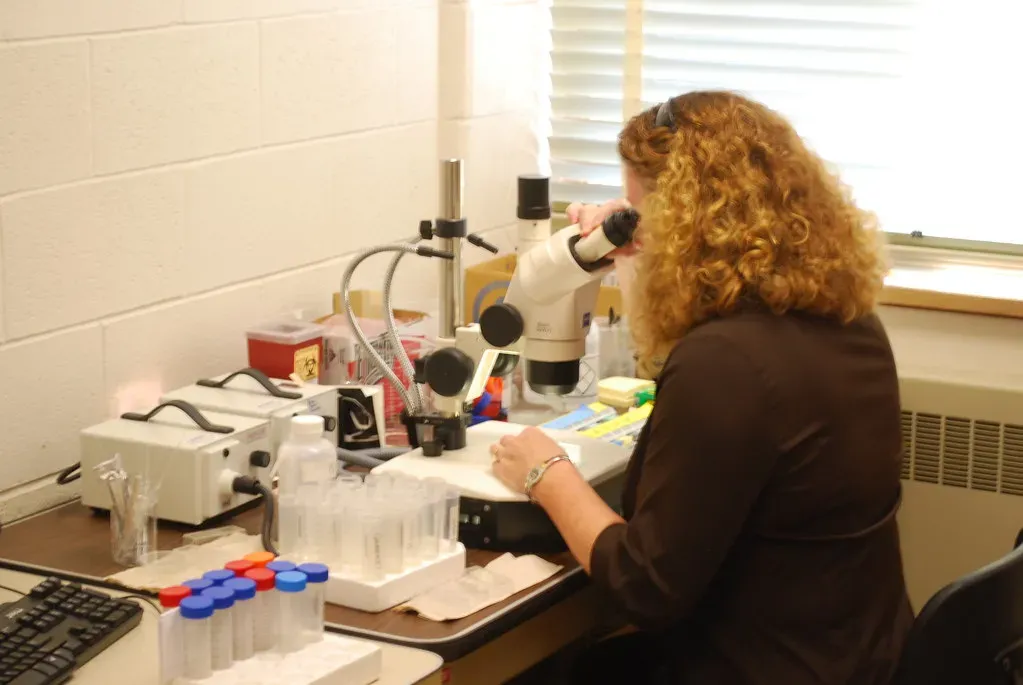
Strip away the hype, and here’s the blunt truth: we do not have immortality, and we’re nowhere close to it in the everyday sense. What we do have is a growing toolkit that targets pieces of aging – senescent cells, damaged DNA, failing organs, inflammatory pathways – with more precision than ever before. In animal models, scientists can now extend healthy life by impressive margins through combinations of diet, drugs, and genetic tweaks. Translating that safely to humans is slow, expensive, and full of setbacks.
In practice, the most likely near-future scenario is not people living forever, but more people reaching their nineties and beyond with far less frailty than previous generations, and a minority getting access to cutting-edge, experimental age-slowing therapies. The dream of never dying is still more a thought experiment than a calendar event, but it’s no longer pure fantasy. The real tension is this: as our ability to push back the end grows, we’ll all have to decide what kind of lives we actually want to stretch out, and what “enough time” really means for us as individuals and as a species.