Almost everyone has felt it at least once: you step into a place and something feels different. The air feels thicker, time feels slower, your skin tingles a little for no obvious reason. Maybe it’s an old battlefield, a mountaintop shrine, or a street corner where you suddenly feel on edge for no logical cause. Some people shrug it off. Others walk away convinced they’ve just brushed against something mysterious.
When I first walked into an abandoned church as a teenager, I remember an intense mix of calm and unease, as if the walls were storing a thousand forgotten stories. Years later, after reading about geology, psychology, and cultural history, that feeling suddenly seemed a lot less random. The idea that “places have energies” might sound mystical, but behind many of those experiences, there are real, physical, and emotional forces at work that are far stranger and more fascinating than simple superstition.
The Power of Expectation: How Stories Shape What We Feel
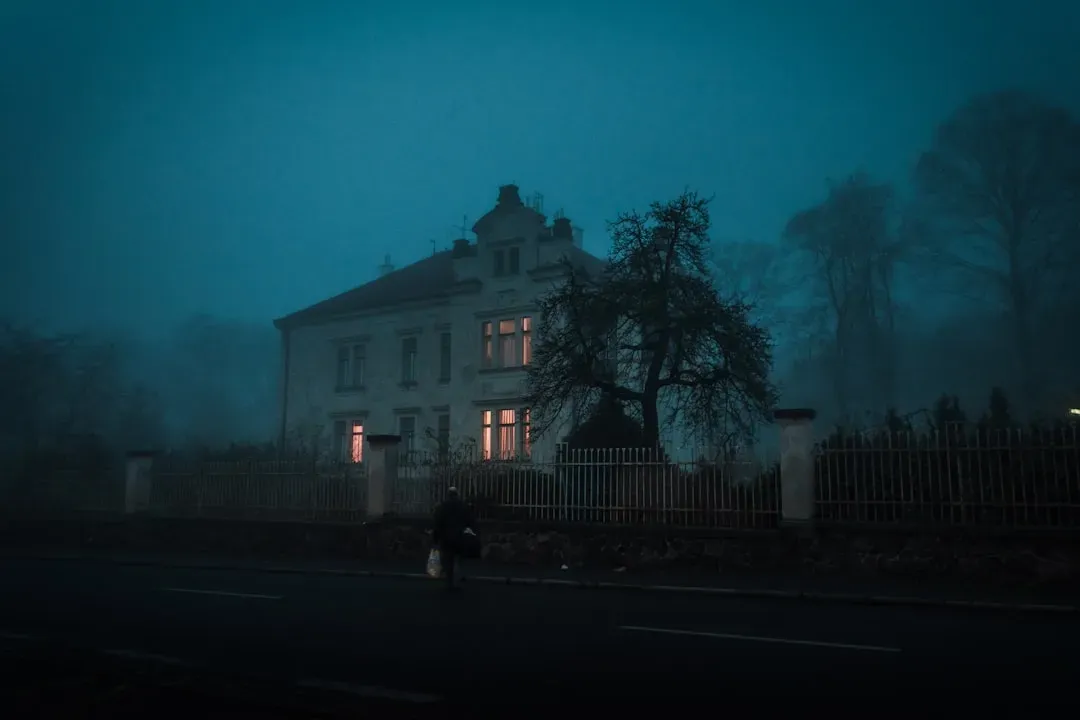
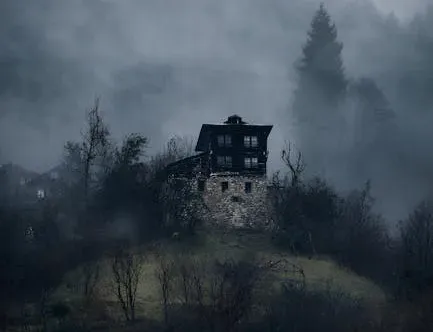
Have you ever noticed how a place feels instantly different right after someone tells you, “This house is haunted”? Before the story, it’s just an old building. After the story, every creak sounds suspicious and every shadow looks loaded with meaning. Our brains are constantly predicting what might happen next, and once an idea is planted, we start scanning the environment for signs that confirm it. That’s why a normal breeze can suddenly feel like a cold ghostly hand once you’ve heard a certain story.
This doesn’t mean people are “making it up” in a fake way; their bodies really do respond. Heart rate goes up, breathing shifts, muscles tense. When enough people share the same story about a place – like a cursed road or a sacred hill – that place accumulates layers of expectation. Over time, the legend and the feelings feed each other, so just walking in the door can trigger a real emotional reaction that feels like “strange energy,” even if it started with a story passed from one person to another.
Electromagnetic Fields and Invisible Background Noise
Some of the weirdest feelings people report – dizziness, tingling, a sense of being watched – can sometimes show up in places with unusual electromagnetic activity. In a few studies, scientists noticed that low-frequency electromagnetic fields might nudge the brain in subtle ways, especially in areas related to fear and perception. Think of it like a quiet hum just below your hearing range that still makes your body feel slightly on edge. You don’t consciously notice it, but your nervous system might.
There are older buildings with bad wiring, cell towers, underground cables, and natural magnetic anomalies in the Earth’s crust that can all contribute to unusual electromagnetic environments. It’s not that these places are blasting out some sci-fi energy beam, but more that our bodies have evolved in a fairly stable natural range, and when something deviates from that, we sometimes feel it without having words for it. Standing near a high-voltage line, or even in certain industrial zones at night, can give some people that “something is off” feeling long before they identify the source.
Geology Underfoot: Fault Lines, Minerals, and Micro-Vibrations
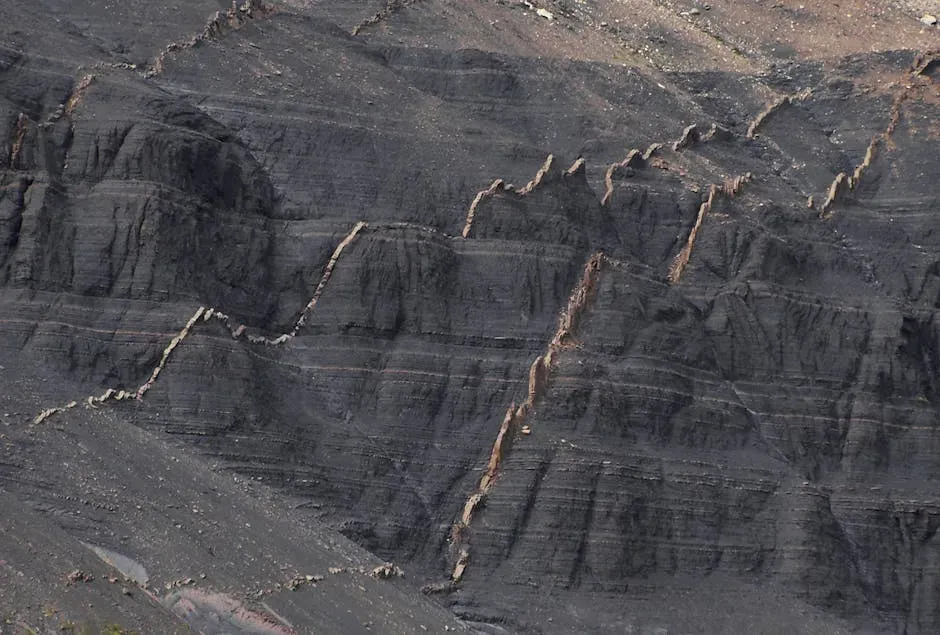
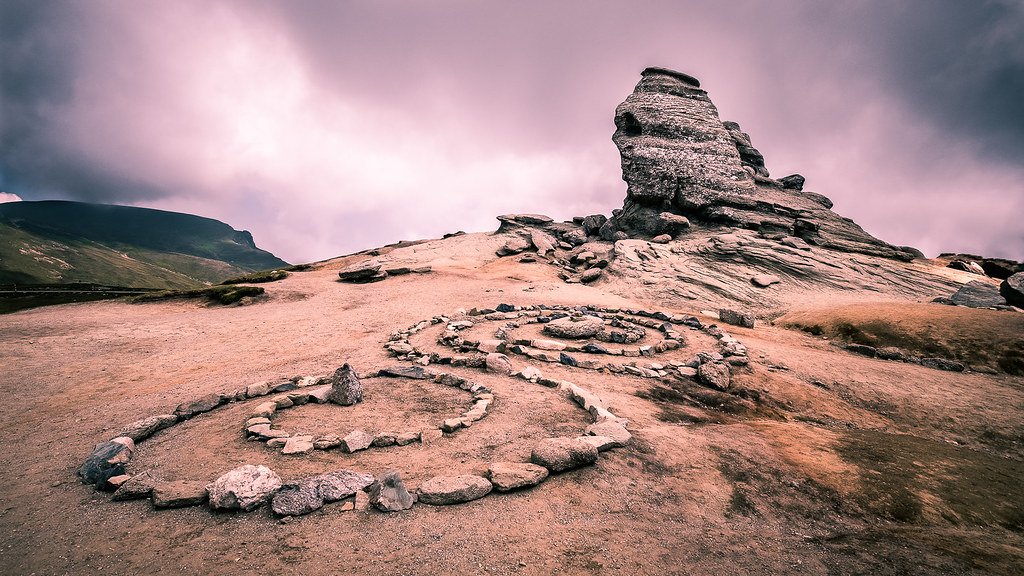
Some locations that people call “charged” or “mystical” sit right on top of unusual geology. Fault lines, dense mineral deposits, and underground water streams can all subtly change how the ground vibrates or how ions move in the air. For example, areas along tectonic boundaries are more likely to have tiny tremors, shifts in underground pressure, and changes in gas emissions that humans can’t always consciously detect but can sometimes sense as restlessness or unease. It’s a bit like your body noticing a barely perceptible wobble in the floor.
Places rich in certain rocks and crystals get a lot of attention in spiritual circles, but even without mysticism, minerals can affect the local environment. Some surfaces store and release heat differently, change humidity, or even influence tiny electric charges in the air. None of this proves that rocks have thoughts or intentions, but it does mean that the ground beneath our feet is not just a neutral stage. When people stand on a cliff with strong updrafts and ion changes, or visit hot springs above active geologic zones, the intensity they feel often comes from Earth’s restless inner workings pushing right up to the surface.
Architecture, Acoustics, and the Psychology of Space
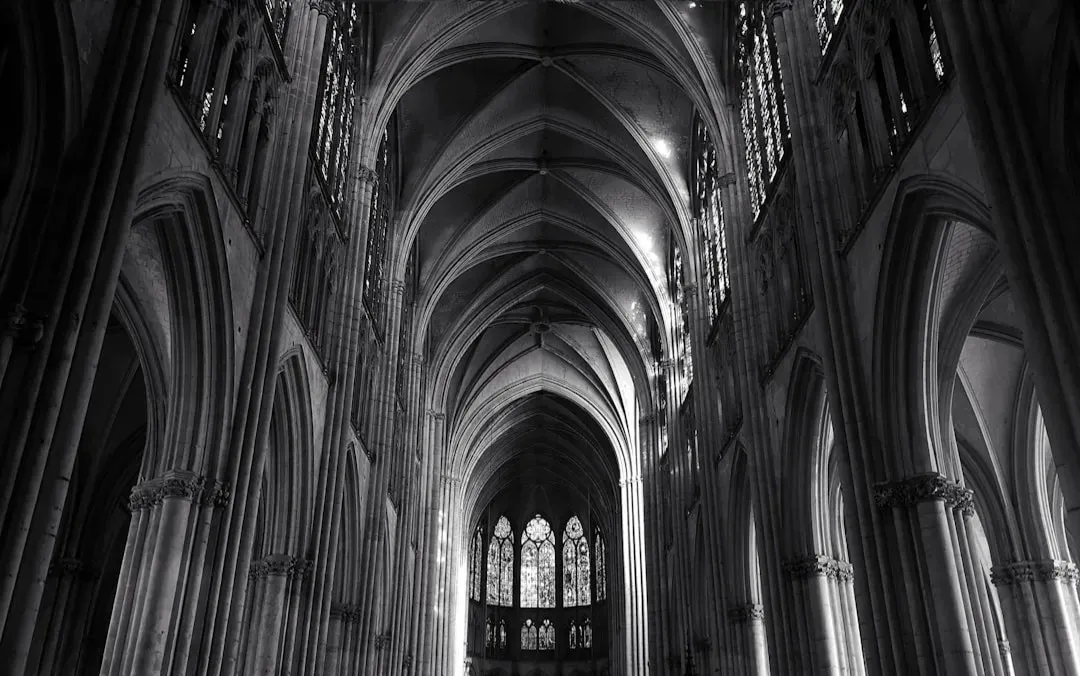
Certain buildings seem to hum with presence the moment you walk in, and that’s often by design. Temples, cathedrals, mosques, and ancient stone circles tend to use height, symmetry, arches, and enclosed spaces to warp our sense of scale and sound. A whisper feels magnified, footsteps echo strangely, and the sheer vertical space can make you feel small in a very particular way. That mix of awe and vulnerability is often described as “energy,” even though much of it comes from how the space manipulates light, sound, and perspective.
On the flip side, cramped basements, low ceilings, and confusing hallways can send a completely different signal to the nervous system. Windowless rooms with flickering lights and stale air often lead to tension and unease, even without any spooky stories attached. Architects and designers know this intuitively: light, color, ceiling height, and line of sight affect how safe or unsettled we feel. When people claim a hotel corridor or an office wing has a heavy, draining vibe, they might actually be reacting to poor design, bad ventilation, and harsh acoustics more than anything supernatural.
Collective Emotion: How Human Events Linger in a Place

There are battlefields, former prisons, memorial sites, and disaster areas where visitors almost universally report a heavy emotional weight. Even without believing in ghosts or “energy imprints,” it’s hard to walk through such places and feel neutral. Part of this is simple empathy: if you know terrible things happened there, your mind fills in the blanks. You imagine the fear, the pain, the chaos, and your body reacts with tightness in the chest, a lump in the throat, maybe a sudden urge to be quiet. The ground feels loaded, not because physics changed, but because your emotional frame did.
But there’s another layer: people bring their grief, respect, anger, and reflection to these sites again and again. Over years and decades, rituals emerge – flowers laid, candles lit, moments of silence observed. The way people behave in a place reshapes how it feels to everyone who comes later. When nearly everyone who steps into a space is somber, careful, or in tears, the atmosphere becomes almost self-sustaining. It can feel as if the walls are soaked with sadness or reverence, even though what you’re really sensing is the accumulated pattern of human emotion and behavior.
Sacred Sites, Pilgrimage Routes, and the Weight of Tradition
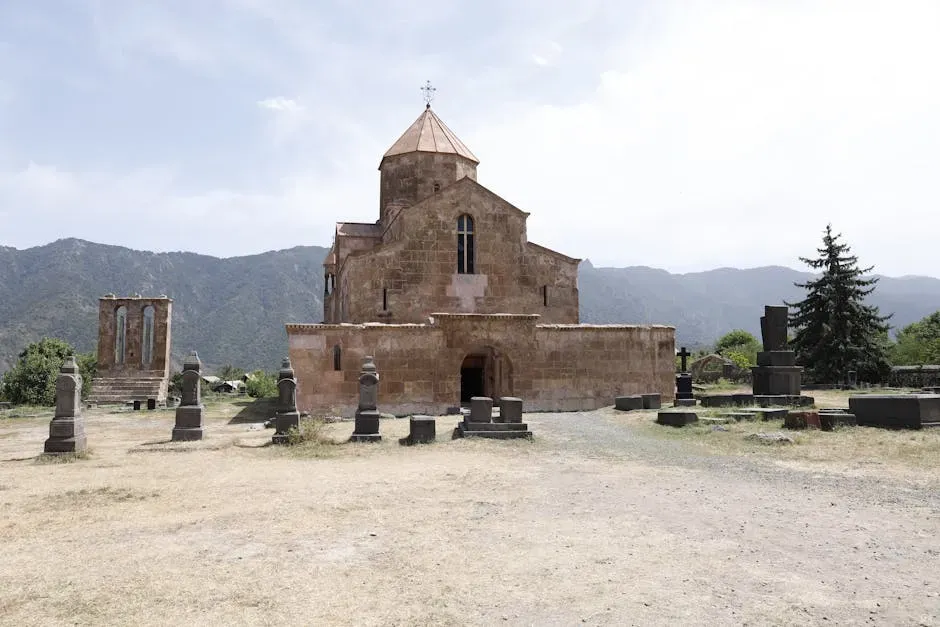
Some locations are treated as sacred for centuries or even millennia: mountain shrines, desert caves, rivers, temples, or groves of trees. Pilgrims travel across countries, sometimes on foot, just to spend a few hours there. By the time you arrive, you’re already emotionally primed. You might be tired, hopeful, or desperate for a sign that your life can change. When you finally stand at that altar, rock, or spring, the relief and intensity you feel can be overwhelming, and it’s easy to interpret that rush as the place itself pouring energy into you.
When millions of people have prayed, cried, celebrated, and sought meaning in the same location over generations, the cultural weight becomes enormous. The rules are different there: people lower their voices, move slowly, or follow specific rituals. That break from normal life is powerful on its own. I remember visiting a centuries-old shrine and being startled by how quickly I fell into silence even though I wasn’t part of that religion. The strange energy I felt there was probably a mix of awe, respect for history, and the very human sense that I was standing where countless others had stood with their hearts wide open.
Biology, Sensitivity, and Why Some People Feel More Than Others
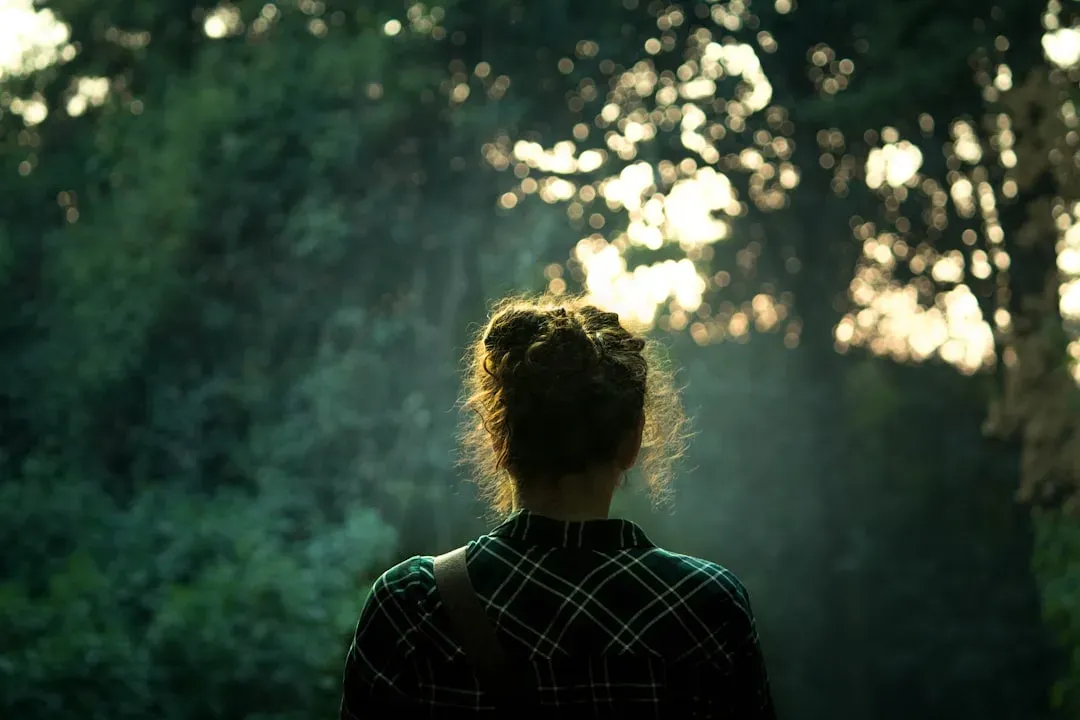
Not everyone reacts to places in the same way. Some people can walk through an abandoned hospital and feel nothing more than mild curiosity, while others are overwhelmed by dread. Differences in nervous system sensitivity, past experiences, mental health, and personality all play a role. People who are more anxious, imaginative, or tuned in to subtle bodily cues often report stronger reactions. It doesn’t mean they’re wrong; it means their internal dials are turned a bit higher, so they notice what others filter out.
There are also very concrete biological factors: blood sugar levels, sleep deprivation, hormonal shifts, and sensory overload can all make the world feel weird at times. If you’re exhausted, hungry, and stressed, stepping into a strange location at night can be enough to tip you into feeling like something is profoundly off. Your heart might race, your stomach might twist, and your brain scrambles to explain it. “The energy here is weird” becomes an easier story than “I haven’t eaten in six hours and my nervous system is fried,” even though both may be true at once.
Between Mystery and Measurement: Holding Two Ideas at Once
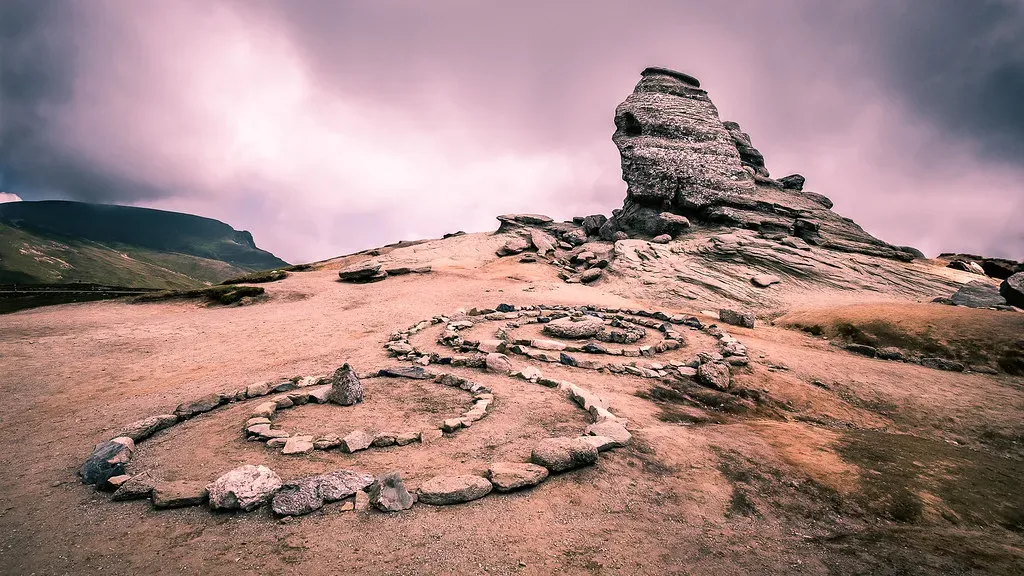
When you put all these factors together – stories, electromagnetic fields, geology, architecture, trauma, ritual, and individual sensitivity – it becomes clear that “strange energies” are often a complex blend of the physical and the psychological. A place can be completely ordinary on paper and still feel extraordinary in person because your brain, body, and culture are interacting with it all at once. At the same time, there are still experiences that science hasn’t fully explained, and many people find it meaningful to hold space for mystery without turning off their critical thinking.
For me, the most interesting approach is not to rush either to blind belief or smug dismissal. Instead, it’s to treat these places like layered stories written in stone, air, and memory. You can study the geology and building design, learn the history, pay attention to your own body’s reactions, and still admit that some moments feel strangely profound. The world is full of spots that seem to hum a little louder than others, and whether we call that energy, atmosphere, or just being profoundly human, those places clearly matter to us in ways that go far beyond maps and measurements.