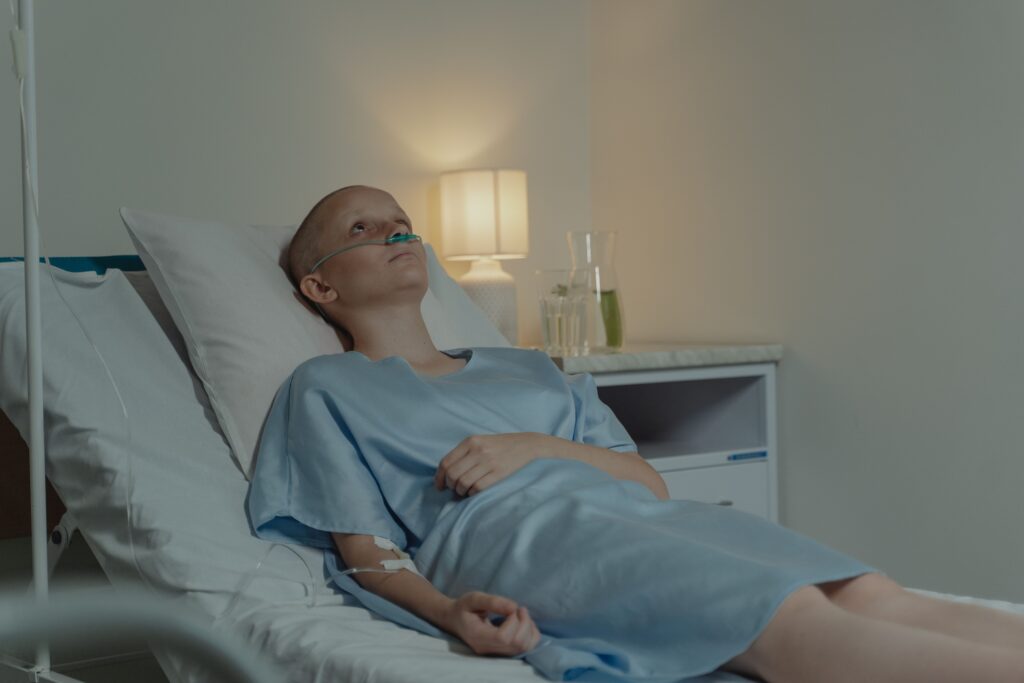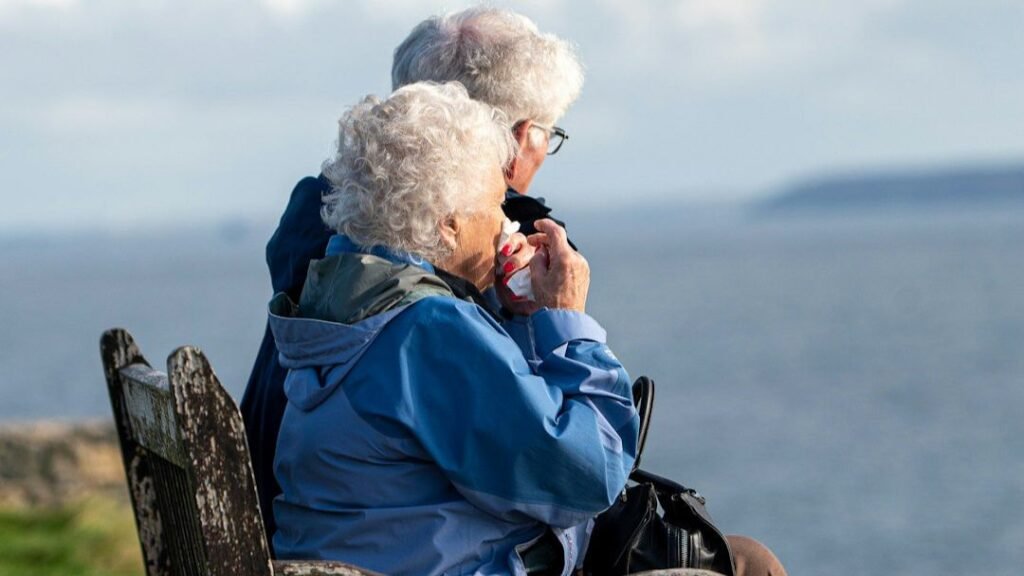

Picture a world where living to one hundred is considered middle-aged. It sounds like science fiction, but right now, in 2026, serious scientists are arguing over whether there’s a hard ceiling on human life or whether we’ve only scratched the surface. In one lifetime, we’ve gone from average lifespans under fifty to people casually celebrating their hundredth birthday on morning talk shows. That kind of change makes you wonder how far the ceiling really is.
At the same time, there’s something unsettling about the idea of no limit at all. If we could live to one hundred and fifty or two hundred, what would that even feel like emotionally, socially, mentally? Would it be a gift… or a burden? The question of maximum human lifespan isn’t just about biology; it cuts straight into what it means to live a meaningful life, and where we draw the line between natural aging and pushing nature to its edge.
The Oldest Humans We Know Of: What They Tell Us
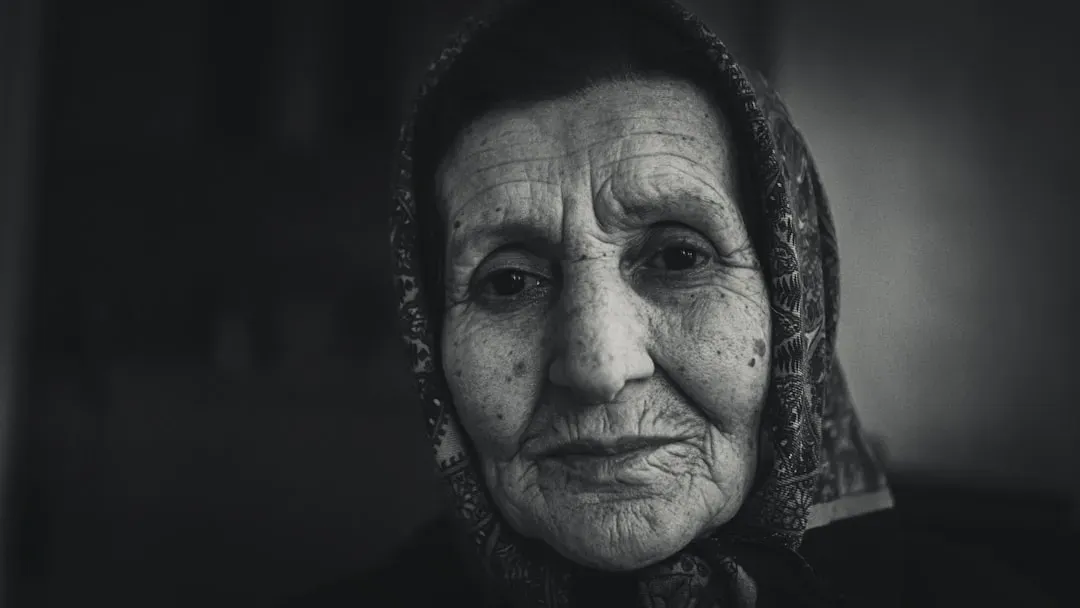
The first place to look for clues is the record book. The oldest verified person in history, a French woman named Jeanne Calment, lived to one hundred and twenty-two, and no one has been officially documented to surpass that, even though many have claimed to. A lot of longevity researchers treat that number like a sort of “practical benchmark,” a hint that somewhere around one hundred and twenty might be close to the outer edge of what an unmodified human body can do under the best circumstances.
Modern supercentenarians, people who live beyond one hundred and ten, are studied like rare, living fossils of resilience. They tend to have certain things in common: remarkably low rates of chronic disease until very late in life, relatively preserved mental capacity, and often surprisingly simple lifestyles. But there’s a catch: even among them, death rates after about one hundred and five shoot up sharply, suggesting that surviving to such an age is almost like repeatedly beating extremely long odds, not cruising on a smooth biological path.
Life Expectancy vs. Lifespan: Two Very Different Stories
There’s a crucial difference people often blur: life expectancy and maximum lifespan are not the same thing. Life expectancy is basically an average, pushed up or down by things like child mortality, infections, poor access to healthcare, and accidents. That’s why life expectancy has exploded upwards in the past century as vaccines, antibiotics, sanitation, and better nutrition spread across the globe.
Maximum lifespan is a different beast; it’s the outer edge, the limit of what a human body can endure at its absolute best. Over the last hundred years, life expectancy has jumped dramatically, but the record for the oldest age has barely moved at all. That gap suggests that we’ve become very good at getting more people to live long lives, but we may not have cracked the code yet for pushing the absolute upper boundary much further than it already is.
Is There a Hard Biological Ceiling? The “Wall” Theory
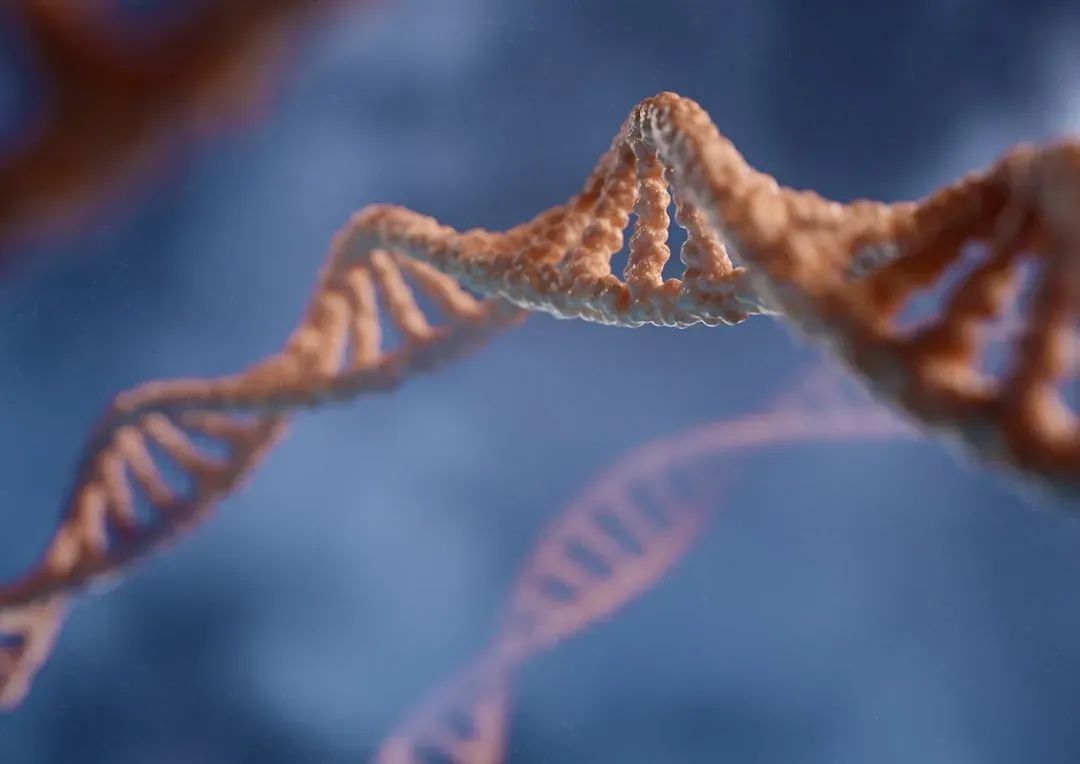
Some scientists argue that biology itself sets a hard wall, whether we like it or not. The idea is that our cells, tissues, and repair systems were never “designed” by evolution to keep going smoothly beyond a certain point, because natural selection mostly cares that you live long enough to reproduce and raise offspring. After that, the body’s maintenance programs lose priority, and damage just accumulates faster than it can be fixed.
Research on mortality trends shows a pattern: past a certain advanced age, the risk of dying in any given year becomes extremely high and fairly steady, like a grim lottery with terrible odds. Even if medical care gets better and better at fixing individual problems, this deep, systemic decline might still slam us into a ceiling. In that view, living past one hundred and twenty or so might be like trying to keep an ancient, rusted car on the road with constant patchwork repairs – it can be done for a while, but not indefinitely.
The Case for No Fixed Limit: Can the Curve Be Bent?
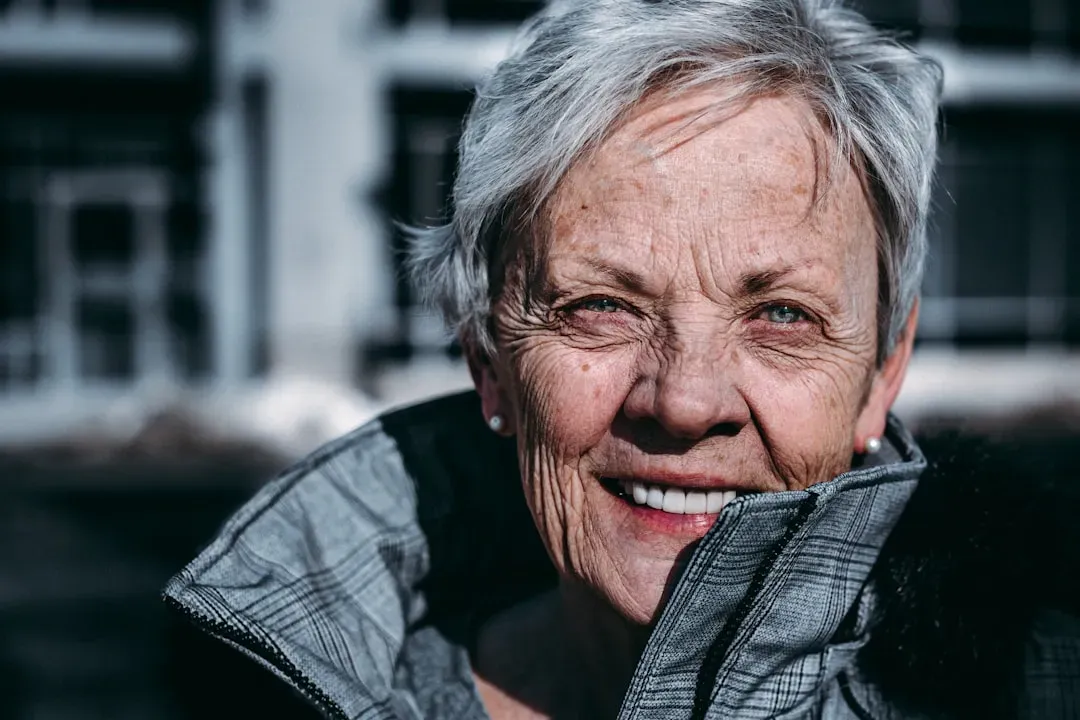
On the other side, some aging researchers think the idea of a strict, fixed limit underestimates how much biology can be hacked or reprogrammed. They point to animal experiments where scientists have extended lifespan dramatically by tweaking genes, adjusting diet, or altering cellular pathways involved in stress responses and metabolism. If you can make worms, flies, or mice live far longer than they naturally would, the argument goes, maybe humans aren’t locked into a fixed cap either.
There are also hints from demographic data that in some countries with excellent healthcare and nutrition, mortality at extreme ages has leveled off instead of shooting straight up, suggesting that the “wall” might be more flexible than once believed. In that scenario, what we see as a ceiling now could just be today’s technological and medical limit, not a universal biological one. It’s like assuming no one could ever run faster than a certain speed, until better training and shoes proved otherwise.
Inside the Aging Body: Why Things Fall Apart
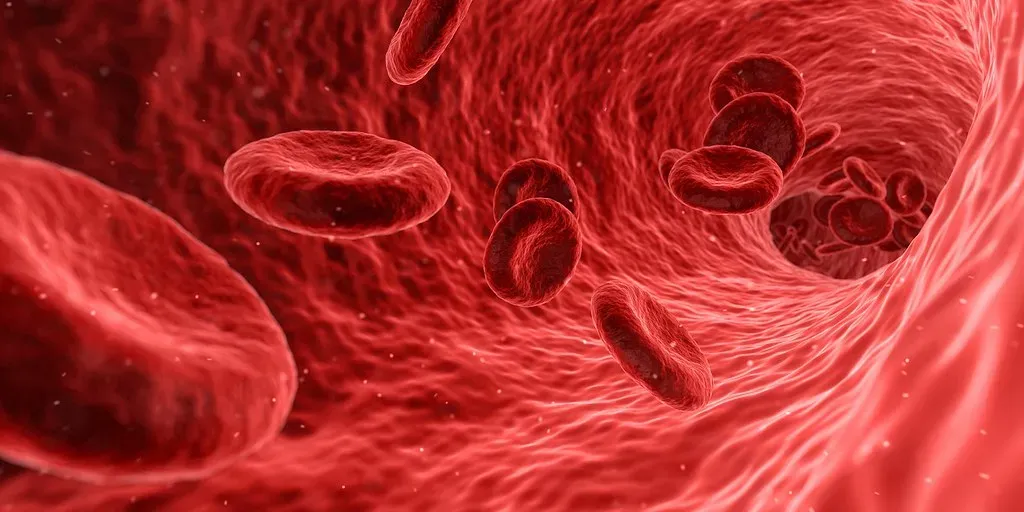
To really understand limits, you’ve got to look under the hood. Aging is not one single thing; it’s a messy pile-up of problems: DNA damage, cells entering a zombie-like “senescent” state, stem cells running low, proteins clumping, mitochondria (our cellular power plants) faltering, and whole systems like the immune and endocrine networks slowly going off balance. None of these failures alone ends life, but together they create a cascade that becomes harder and harder to reverse.
Scientists today talk about the “hallmarks of aging,” a set of core processes that seem to drive aging across species. It’s a bit like watching an old building crumble: the roof leaks, the foundation cracks, mold grows, the wiring fails – everything is interconnected. Even if you repair one piece, others keep deteriorating, and at some point the underlying structure can’t safely stand, no matter how much patching you do. That interconnected breakdown is one big reason many researchers believe there must be some upper boundary, even if we’re still working out exactly where it is.
New Longevity Tools: Are We About to Break the Record?
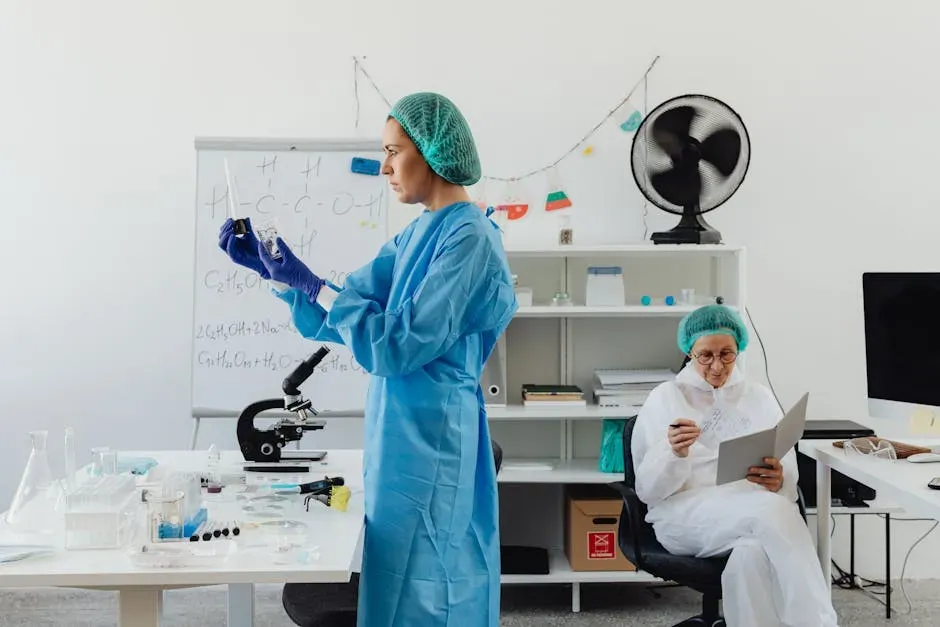
The last decade has brought a wave of experimental tools that sound like science fiction but are now being tested in labs and early human trials. Senolytics aim to clear out senescent cells, those damaged “zombie” cells that don’t die when they should and instead spew inflammation, accelerating aging in nearby tissues. Other approaches target pathways like mTOR, AMPK, and sirtuins – deep cellular regulators of growth, energy use, and stress resistance – to slow down the rate at which damage piles up.
There’s also a lot of excitement around partial cellular reprogramming, where cells are nudged back toward a more youthful state without erasing their identity, and around rejuvenating specific organs like the immune system or blood-making cells. None of these approaches has yet been proven to drastically extend maximum human lifespan, and some come with serious safety questions, like cancer risk. Still, the fact that we’re now talking about aging itself as something to treat, not just its symptoms, makes the old idea of a fixed, unchangeable limit feel far less certain.
Centenarians’ Secrets: Lifestyle vs. Luck
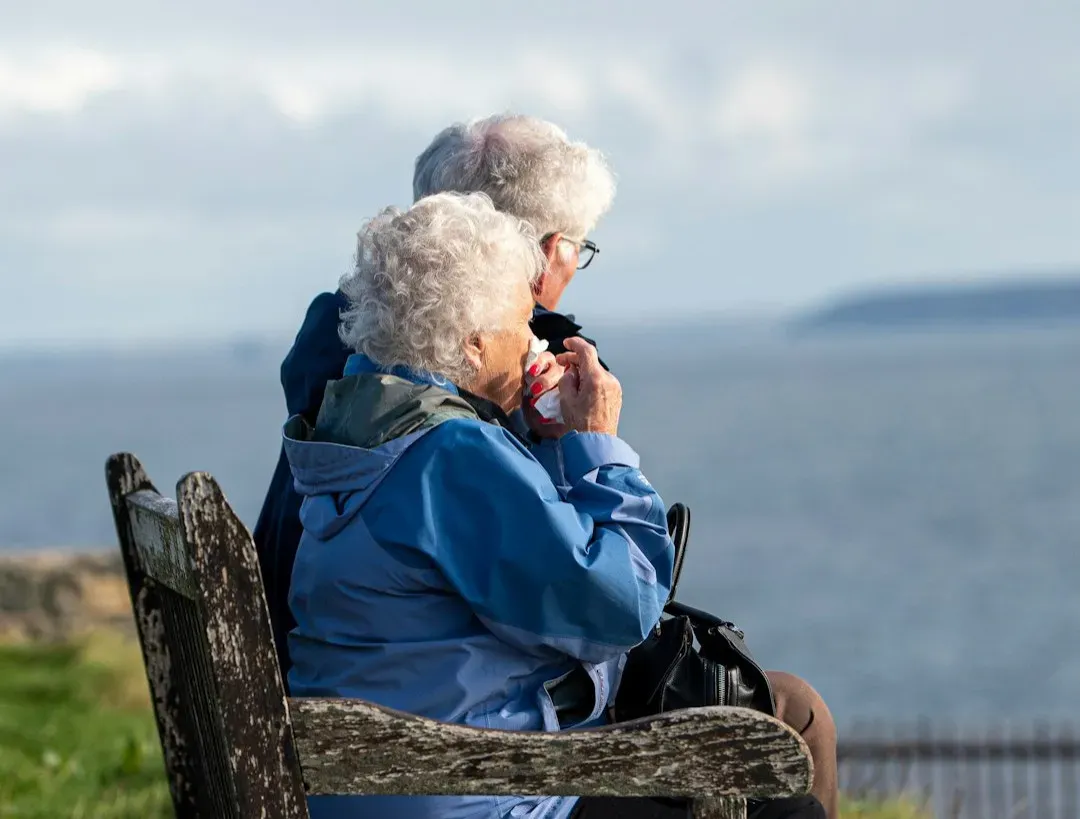
When you look at people living in so-called “blue zones” or other regions with high concentrations of very old individuals, you start to see patterns that feel almost annoyingly simple. Diets rich in plants, modest in calories, with limited ultra-processed foods; regular, low-intensity movement built into daily life; strong social networks; a sense of purpose; relatively low chronic stress. None of that sounds high-tech, yet these habits consistently show up in groups who reach ninety and beyond more often than the average.
But here’s the sobering part: lifestyle can dramatically increase your odds of living long and healthy, but it doesn’t guarantee super extreme ages. Genetics plays a big role at the highest end; families of centenarians often share gene variants linked to efficient repair processes and resilience against heart disease or cognitive decline. So lifestyle is like loading the dice in your favor, while genetics is the type of dice you’re born with. Together, they shift probabilities, but they still might bump up against an upper boundary that no amount of good habits can fully erase.
Ethics, Emotion, and the Meaning of a Very Long Life
Even if science figures out how to push past today’s limits, another question looms: should we? Extending life for a few extra healthy decades is one thing; pushing humans into ages where multiple generations of descendants are alive at once raises tough issues. What happens to retirement, to careers, to resource use and environmental pressure if people routinely live far beyond a hundred? Aging stops being a private journey and becomes a massive social puzzle.
There’s also the emotional side, which is harder to model on a chart. Would living to one hundred and fifty feel like a rich, expanded canvas, or would it mean more time to endure loss, boredom, or inequality, especially if only the wealthy can afford cutting-edge treatments? Personally, I find the idea thrilling and unsettling at the same time – like being handed the keys to a car that can drive forever but not knowing if there are enough roads ahead. The limit to human life, in that sense, is not just what our cells can handle but what our societies and our hearts can bear.
So, Is There a Limit After All?
Right now, the safest thing we can say is that there seems to be a practical upper boundary around the ages we have already observed, roughly in the range of the oldest verified humans, and we haven’t clearly broken past it yet. That suggests biology does impose constraints, at least under current conditions and with our present level of medicine. At the same time, mounting evidence from laboratory work and early clinical research shows that those constraints are not as rigid as we once believed, and that aging itself can be nudged, slowed, or partially reversed.
For the foreseeable future, the biggest and most reliable gains will almost certainly come from helping more people reach their eighties, nineties, and perhaps beyond in good health, rather than suddenly turning us into two-hundred-year-old beings. The real frontier is not just living longer, but compressing sickness into a shorter window at the very end of life so that added years feel like living, not lingering. Whether there is an ultimate absolute limit may remain an open question for a long time, but the space between where most of us are now and where we could reasonably be is still wide, challenging, and full of possibilities.