
Look up at the night sky on a clear evening and you will see what seems like a calm, eternal canvas of twinkling lights. But here is the thing – those lights are anything but calm. Every single star you see is in a constant, violent struggle between two forces trying to tear it apart or crush it flat. Most stars quietly lose that fight over billions of years. Some, however, go out with a bang so staggering it briefly outshines everything else in the galaxy.
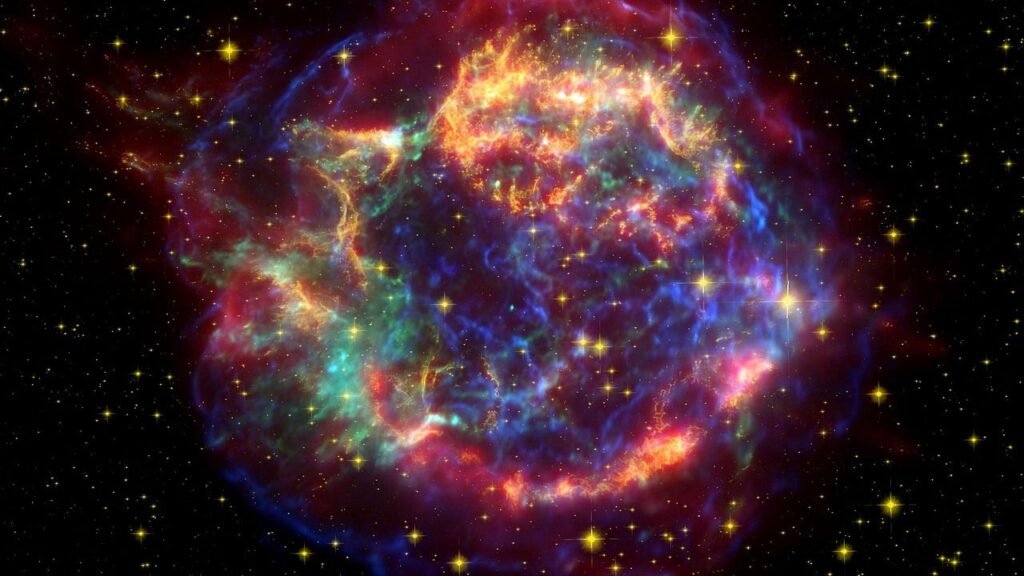
When certain stars die, they do not simply fade away. They explode. This tremendous stellar explosion is known as a supernova. It is one of the most powerful phenomena in the universe, capable of releasing more energy in a single moment than an entire galaxy emits over long periods of time. What causes this catastrophic difference in how stars die? Why do some go gently while others ignite the cosmos? The answers are more fascinating than you might expect. Let’s dive in.
The Life of a Star: A Constant Battle Against Gravity
Stars are enormous spheres of hot gas, primarily composed of hydrogen and helium. Their brilliance comes from nuclear fusion occurring deep within their cores. Under extreme pressure and temperature, hydrogen atoms fuse together to form helium, releasing vast amounts of energy in the process. Think of it like a cosmic pressure cooker. The heat and energy produced push outward, and gravity pulls inward, and for most of a star’s life, these two forces stay in a kind of delicate truce.
As stars burn the fuel in their cores, they produce heat. This heat produces pressure that pushes outward against the forces of gravity that pull inward on the star. For most of the life of a star, inward gravity and outward pressure are in balance and the star is stable. The moment that balance tips, everything changes. The star enters its final act, and whether that act is a quiet fade or a cataclysmic explosion depends entirely on one thing: mass.
Why Mass Is Everything: Not All Stars Are Built the Same
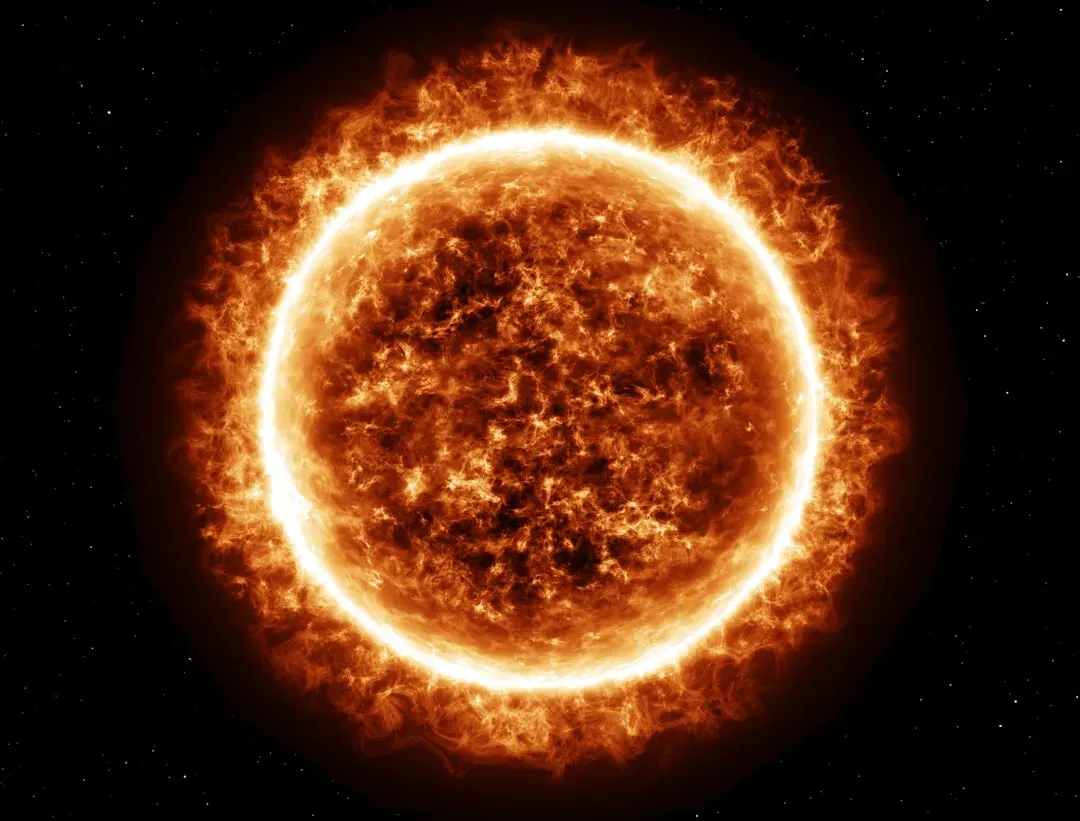
It is the mass of a star that determines how it lives and dies. Only the very rare heavyweight stars have a gory end in sight. Stars much heavier than the Sun have higher core temperatures; they rip through their nuclear fuel at a profligate pace, and burn themselves out correspondingly quickly. It is almost poetic, honestly. The biggest, brightest stars live the most reckless lives and burn out the fastest.
Stars die because they exhaust their nuclear fuel. The events at the end of a star’s life depend on its mass. Really massive stars use up their hydrogen fuel quickly, but are hot enough to fuse heavier elements such as helium and carbon. Once there is no fuel left, the star collapses and the outer layers explode as a supernova. Smaller stars like our Sun, by contrast, will simply swell into a red giant and eventually collapse into a quiet white dwarf. No explosion, no drama. Just a long, slow dimming.
The Iron Problem: When a Star Runs Out of Options
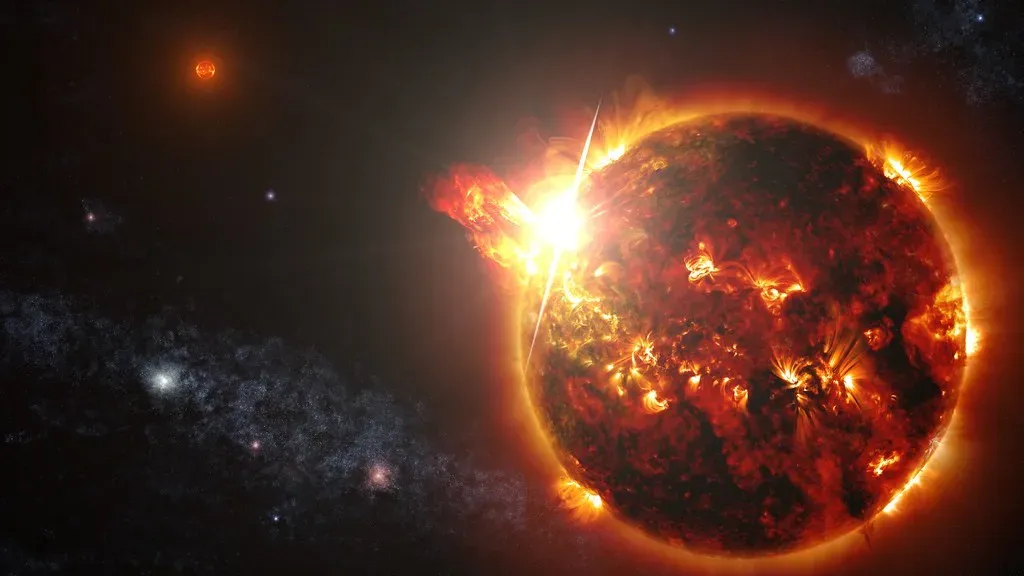
Massive stars, many times larger than our own sun, may create a supernova when their core’s fusion process runs out of fuel. Star fusion provides a constant outward pressure, which exists in balance with the star’s own mass-driven, inward gravitational pull. When fusion slows, outbound pressure drops and the star’s core begins to condense under gravity, becoming ever denser and hotter. To outward appearances, such stars begin growing, swelling into bodies known as red supergiants.
When a star’s core contracts to a critical point, a series of nuclear reactions is unleashed. This fusion staves off core collapse for a time, but only until the core is composed largely of iron, which can no longer sustain star fusion. In a microsecond, the core may reach temperatures of billions of degrees Celsius. Iron atoms become crushed so closely together that the repulsive forces of their nuclei create a recoil of the squeezed core, a bounce that causes the star to explode as a supernova and give birth to an enormous, superheated shock wave. Iron is essentially the dead end of stellar fusion. You cannot squeeze energy from it. The star has nowhere left to go.
Core Collapse vs. Thermonuclear: Two Very Different Ways to Explode
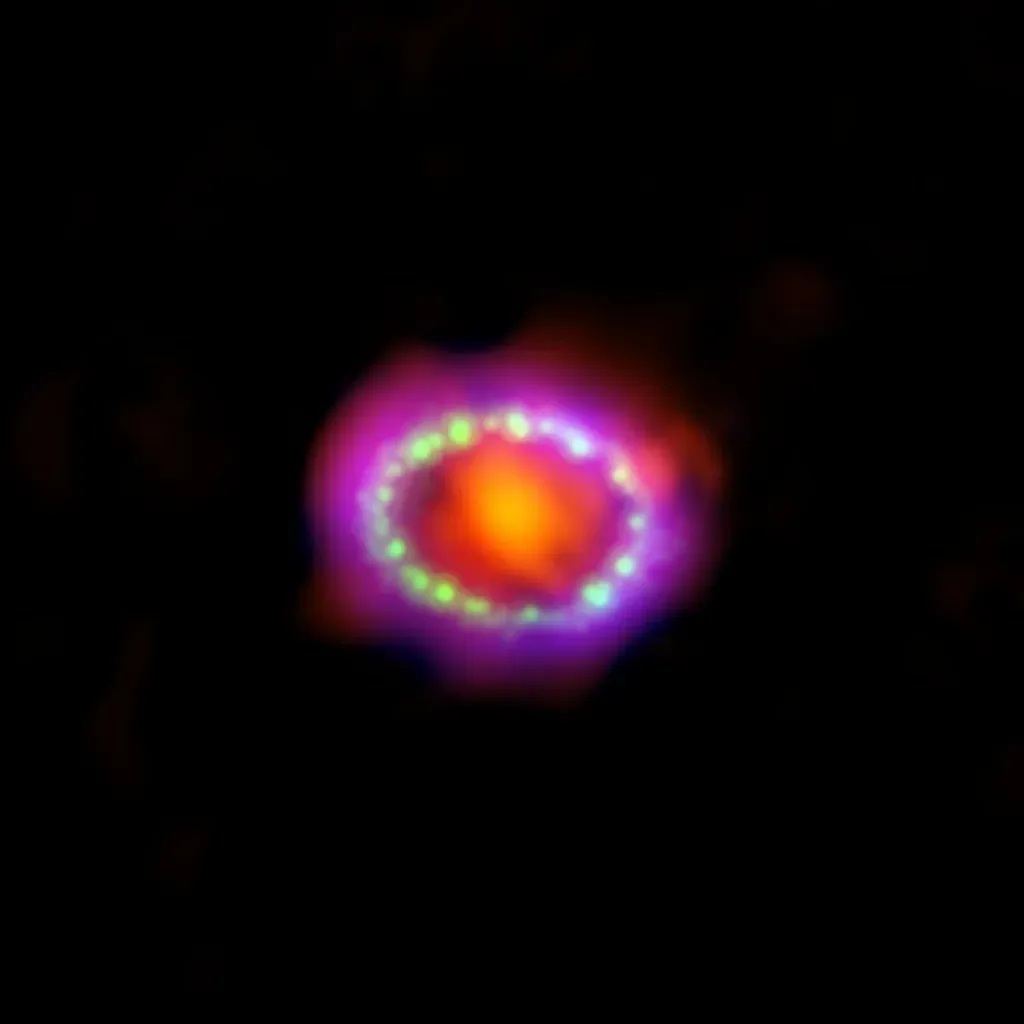
Theoretical studies indicate that most supernovae are triggered by one of two basic mechanisms: the sudden re-ignition of nuclear fusion in a white dwarf, or the sudden gravitational collapse of a massive star’s core. It is actually a common misconception that all supernovas happen the same way. There are two distinct roads to a stellar explosion, and they could not be more different from each other.
Type I supernovae arise through a different process involving white dwarf stars. A white dwarf is the dense remnant left behind when a Sun-like star finishes its life. Normally, a white dwarf remains stable for billions of years. However, if a white dwarf exists in a binary star system, it may begin pulling matter from its companion star. As this material accumulates, the white dwarf grows more massive. Eventually, it can approach a critical limit known as the Chandrasekhar limit, approximately 1.4 times the mass of the Sun. Once it crosses that limit, the result is a runaway thermonuclear explosion of staggering proportions. Unlike core-collapse supernovae, these explosions leave no stellar remnant behind.
What Gets Left Behind: Neutron Stars, Pulsars, and Black Holes
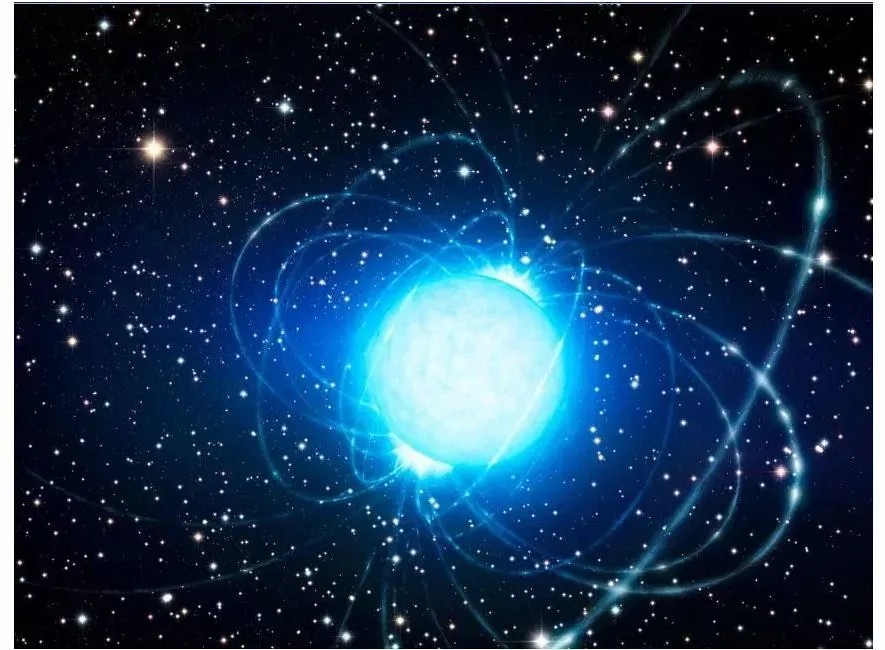
Not every supernova destroys a star entirely. In many cases, the core that collapses during the explosion remains intact as an incredibly dense object known as a neutron star. Neutron stars are among the most extreme objects in the universe. They typically contain more mass than the Sun, yet they are only about twenty kilometers in diameter. A teaspoon of neutron star material would weigh billions of tons on Earth. Let that sink in for a moment. A teaspoon. Billions of tons.
These objects rotate rapidly and possess extraordinarily strong magnetic fields. Some neutron stars emit beams of radiation that sweep across space like cosmic lighthouses. When these beams pass across Earth, astronomers detect regular pulses of radio waves. Such objects are known as pulsars. If a star was so massive, at least ten times the size of our sun, that it leaves behind a large core, a new phenomenon will occur. Because such a burned-out core has no energy source to fuse, and thus produces no outward pressure, it may become engulfed by its own gravity and turn into a cosmic sinkhole for energy and matter, a black hole.
Cosmic Factories: How Supernovas Built You and Everything Around You
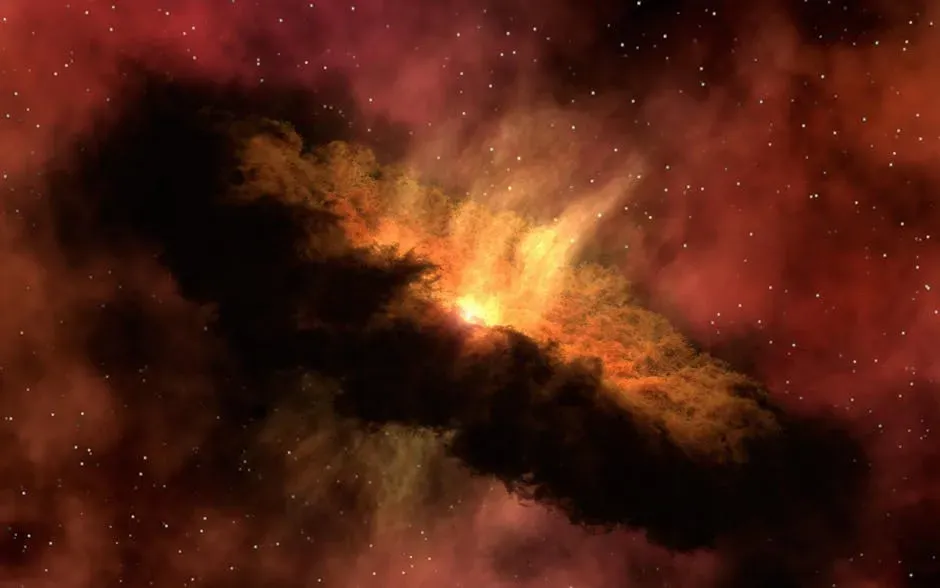
Supernovae are not merely cosmic fireworks. They play a profound role in shaping the universe. They forge heavy elements, scatter them through space, trigger the birth of new stars, and sometimes leave behind exotic objects such as neutron stars or black holes. This is, I think, the most mind-bending part of the whole story. You are, in a very real sense, made of stardust from ancient explosions.
They forge heavy elements, scatter them through space, trigger the birth of new stars, and sometimes leave behind exotic objects such as neutron stars or black holes. The iron in human blood, the calcium in our bones, and the gold in jewelry were all created in ancient stellar explosions long before the Earth formed. The expanding shock waves of supernovae can trigger the formation of new stars. So in the truest sense, the death of a star is not just an ending. It is the beginning of everything that comes next, including us.
Modern Science and the Next Supernova: What Astronomers Are Watching For
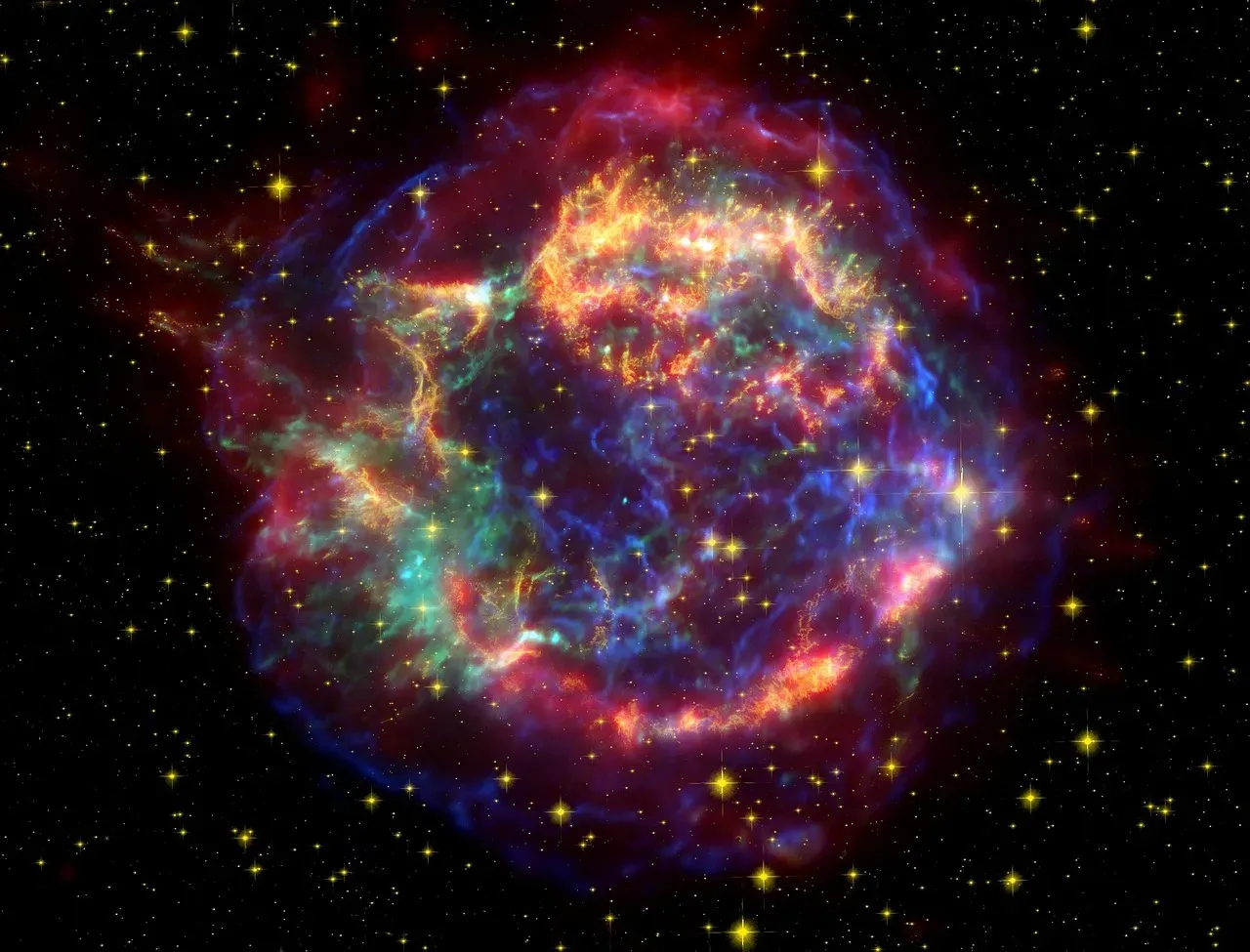
Looming over the constellation Orion, Betelgeuse, a red supergiant, is famously nearing the end of its life. While its exact time of death remains uncertain, astronomers estimate the roughly 15-solar-mass behemoth will explode as a supernova within the next 10,000 to 100,000 years. Based on its current characteristics and massive nature, Betelgeuse is expected to explode as a type II supernova, leaving behind either a neutron star or a black hole in its place. It sounds far away in human terms, but on a cosmic timeline, that is practically tomorrow.
The James Webb Space Telescope is also sensitive enough to detect supernovae in their earliest stages. Observing the first light from these stellar explosions provides valuable insight into the mechanics of star death. JWST can look billions of years into the past, revealing some of the first supernovae in the universe and offering clues about how the early cosmos evolved. Astronomers using the U.S. National Science Foundation Very Large Array have also made an unprecedented discovery, capturing the first-ever radio signals from a rare class of stellar explosion known as a Type Ibn supernova. This achievement brings fresh insight into the death throes of massive stars and provides a rare glimpse into the final years of a star’s life, previously hidden from view. Every new tool science builds reveals another layer of this extraordinary story.
Conclusion: The Explosive Legacy of Dying Stars
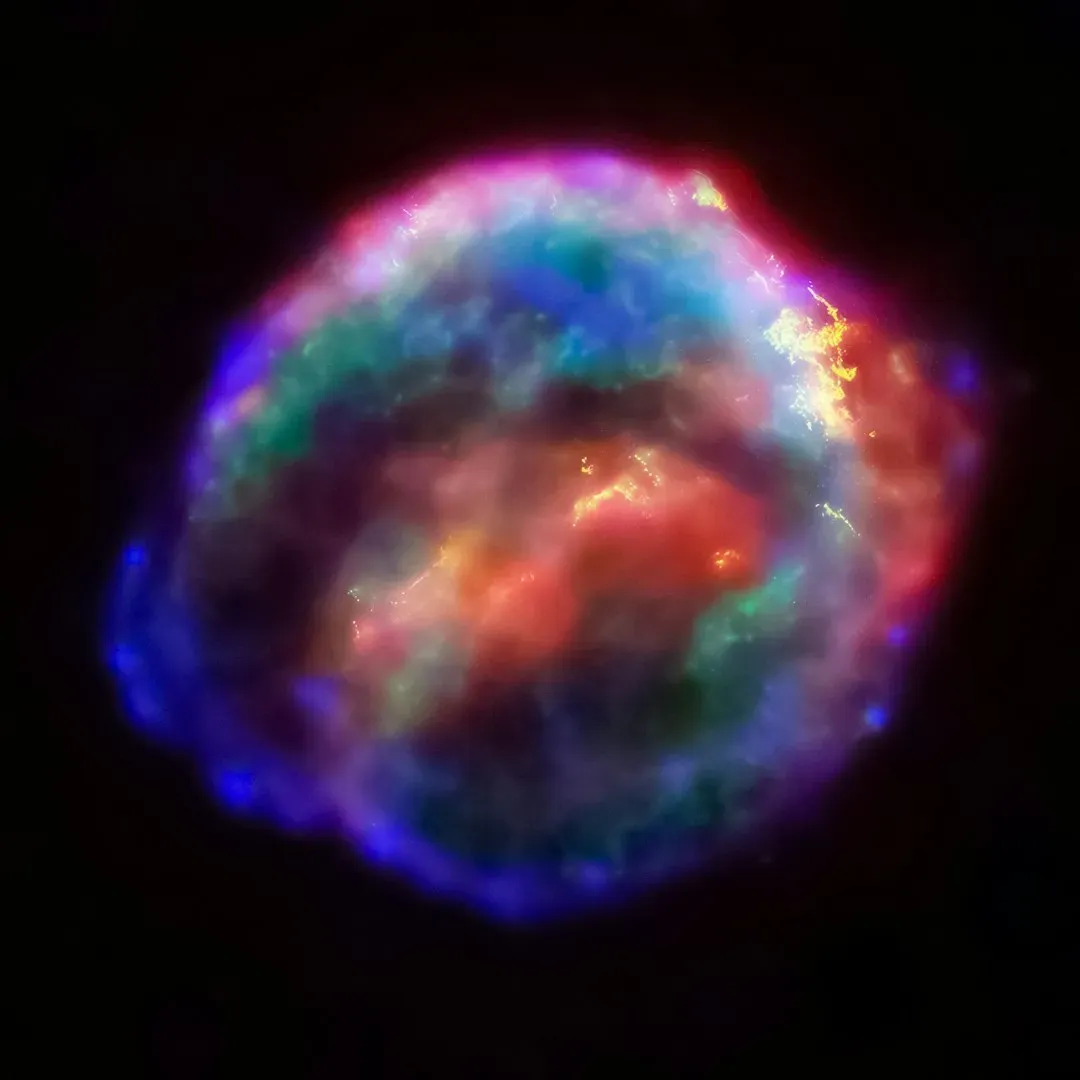
Supernovas are, without question, among the most awe-inspiring events the universe is capable of producing. In the space of just seconds, a star that has burned for millions of years tears itself apart in an explosion that forges new elements, seeds new worlds, and reshapes the galaxy around it.
The death of stars is far from an ending. It signifies transformation. Supernovas enrich the universe with heavier elements, paving the way for new stars, planets, and even life. Every atom in your body, every piece of gold ever mined, every drop of iron-rich blood running through your veins traces its origin back to one of these ancient, violent explosions.
The next time you look at the night sky, try to see it differently. Those quiet lights are not permanent fixtures. They are ticking clocks, each one burning toward its own inevitable ending, and some of them will go out with a light so bright it will outshine everything around them. Did you ever imagine that something so destructive could be so essential to life itself?