A Diverse Team Sets Records (Image Credits: Pexels)
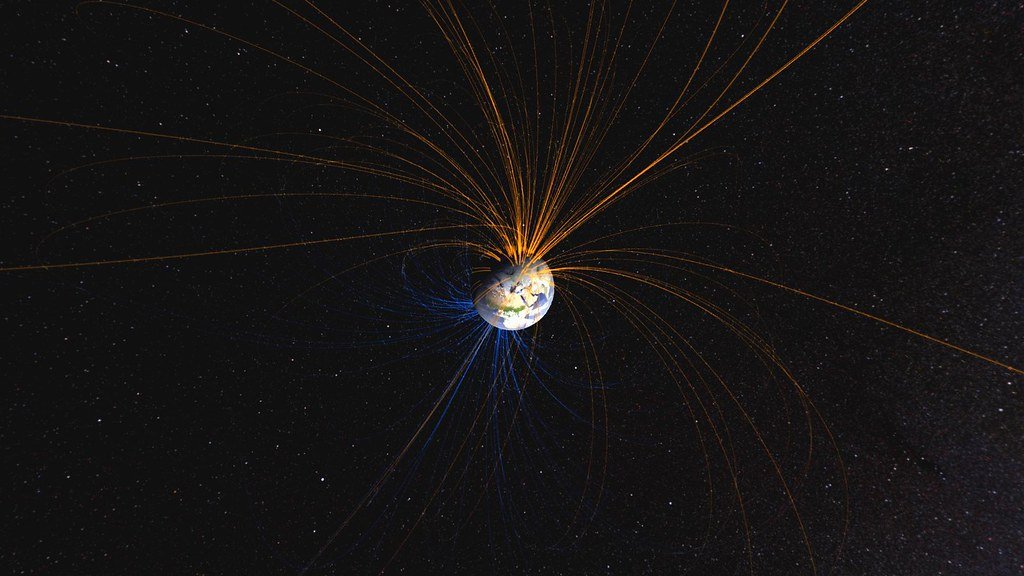
The four astronauts of NASA’s Artemis II mission marked a significant achievement early Monday when their Orion spacecraft entered the moon’s sphere of influence. This boundary, roughly 41,000 miles from the lunar surface, shifted the dominant gravitational pull from Earth to the moon.[1][2] Launched from Kennedy Space Center on April 1, the crew has traveled farther from home than any humans since Apollo 17 in 1972. Preparations now focus on a closely watched lunar flyby later today.
A Diverse Team Sets Records
Commander Reid Wiseman leads the Artemis II crew, supported by pilot Victor Glover and mission specialists Christina Koch and Jeremy Hansen from the Canadian Space Agency. This lineup represents milestones: the first woman, the first person of color, and the first non-American to venture toward the moon on a NASA-led flight.[3][4] Their journey aboard the Space Launch System rocket and Orion capsule began at Launch Pad 39B, propelling them into a 10-day test mission.
The team already surpassed the Apollo 13 distance record of 248,655 miles from Earth, a mark set in 1970 during that ill-fated voyage.[5] Crew members conducted suit demonstrations and other checks on Flight Day 5, ensuring systems perform under lunar conditions. NASA mission control in Houston monitored every step closely.
Understanding the Lunar Sphere of Influence
Entry into the lunar sphere occurred around 12:37 a.m. EDT on April 6, at approximately 41,072 miles from the moon.[1][6] This zone defines where the moon’s gravity exceeds Earth’s, guiding Orion into a natural trajectory for the flyby. The spacecraft will not enter orbit but will sling around the moon, testing deep-space capabilities.
Such a maneuver demands precise navigation. Engineers at NASA confirmed the transition smoothly, with the crew reporting nominal conditions. This step validates technologies essential for future lunar operations.
- Gravitational shift: Moon’s pull dominates over Earth’s.
- Distance at entry: About 41,000 miles from lunar surface.
- Time of crossing: Early April 6, Eastern Daylight Time.
- Flyby duration: Roughly seven hours starting mid-afternoon.
- Closest approach: 4,070 miles above the surface.
Anticipation Builds for the Lunar Flyby
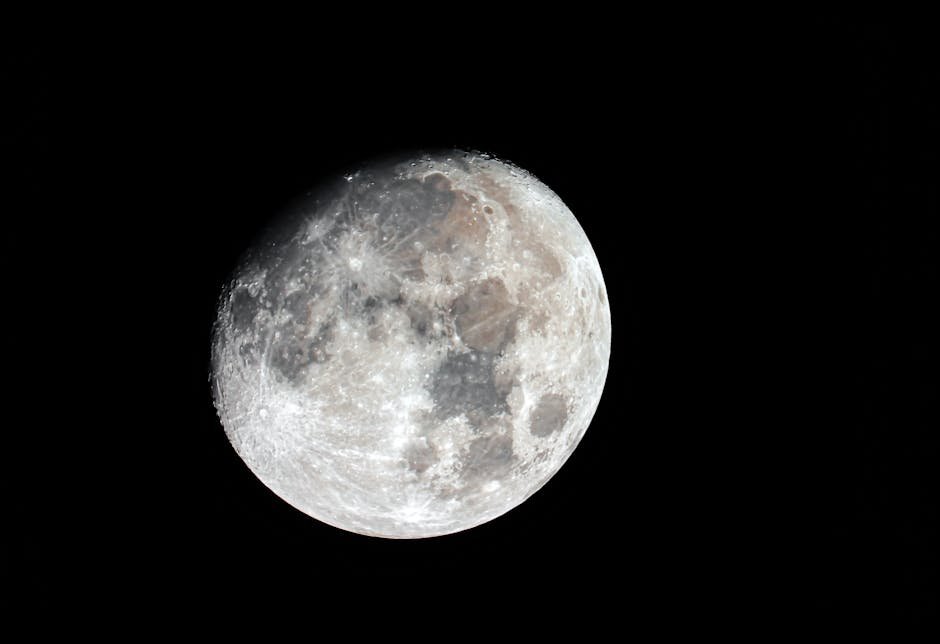
The crew awoke on Flight Day 6 ready for the main event: a flyby passing over Apollo 12 and 14 landing sites.[7] Orion will reach a maximum distance of 252,760 miles from Earth during this phase. Astronauts plan observations of the lunar far side, unseen by human eyes since Apollo.
Mission updates from NASA highlighted the crew’s composure amid the milestone. Live broadcasts captured their reflections on entering lunar space. The flyby tests life support, communications, and propulsion in a real lunar environment.
| Mission Phase | Date | Key Event |
|---|---|---|
| Launch | April 1 | Liftoff from Kennedy Space Center |
| Earth Orbit Departure | April 4 | Trans-lunar injection |
| Lunar Sphere Entry | April 6 | Gravitational boundary crossed |
| Lunar Flyby | April 6 | Closest approach and far side pass |
Pathway to Sustainable Lunar Exploration
Artemis II serves as a crucial precursor to landings planned for Artemis III and beyond. Success here confirms Orion’s readiness for extended deep-space travel. No landing occurs on this flight, but data gathered will inform Gateway station construction and Mars ambitions.
NASA emphasized the mission’s role in international partnerships, with Hansen’s participation underscoring collaboration. The agency held briefings on April 5 to address public questions. Observers worldwide tracked the spacecraft’s path via online tools.
- First crewed lunar mission since 1972 validates new hardware.
- Diverse crew breaks barriers in space exploration history.
- Flyby data paves way for moon bases and Mars journeys.
This lunar rendezvous revives humanity’s presence near the moon after decades, signaling a new chapter in space travel. The Artemis program’s momentum builds toward permanent outposts. What are your thoughts on this return to the moon? Share in the comments below.