
Imagine waking up one ordinary morning and realizing that the world around you is no longer recognizable: cities grown from living trees, weather that follows a schedule, and humans who can upload memories like files. Some of the boldest theories about our future sound like science fiction, yet many are rooted in serious research, emerging technologies, and real social trends already reshaping the planet today.
We do not know which path we will actually take, but exploring these wild possibilities changes how we see the present. When you look at climate change, AI breakthroughs, genetic engineering, and shifting economies through the lens of these theories, everyday headlines suddenly feel like puzzle pieces to much bigger stories. Let’s walk through eleven of the most fascinating visions for and see what they suggest about where we might really be heading.
1. The Planetwide Smart City
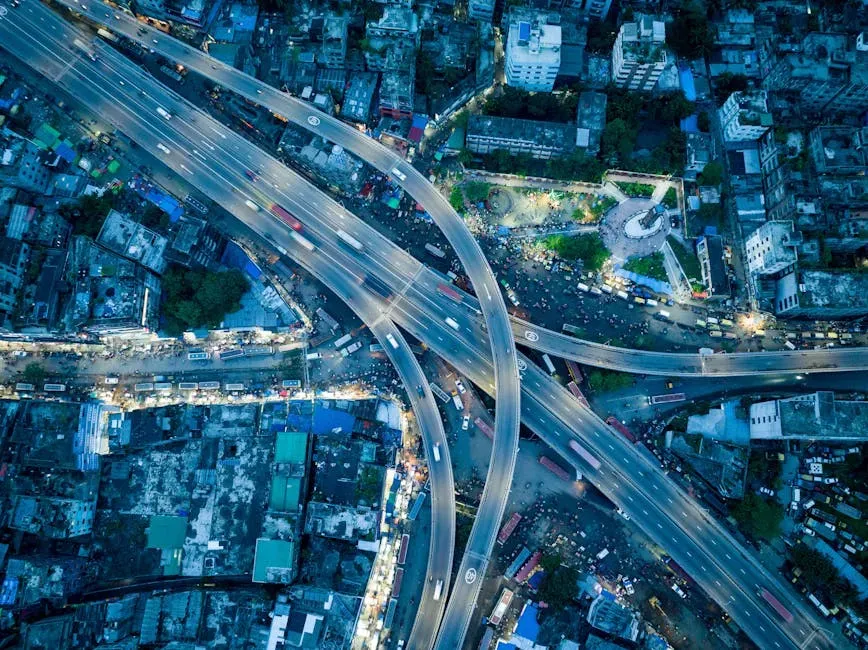
What if the entire Earth functioned like one giant, interconnected smart city? In this vision, sensors are embedded everywhere: roads that report their own damage, bridges that monitor stress in real time, and buildings that adjust temperature room by room to cut energy waste. Large parts of this are already underway, with big cities wiring themselves up with cameras, environmental sensors, and connected infrastructure, but scaled up, it could turn the whole planet into a coordinated urban organism.
The upside is tempting: traffic jams could shrink dramatically, blackouts could be predicted, water leaks could be detected before they waste millions of liters, and emergency services could respond almost instantly using real‑time data. The risk, though, is obvious and uncomfortable: a level of surveillance so deep that privacy becomes a historical concept instead of a living right. I sometimes imagine trying to sneak away for a quiet walk and realizing every light pole, bus stop, and drone has already mapped my path. The big question is whether we’d design this world to serve people first, or to track them.
2. Humans as a Networked Superorganism
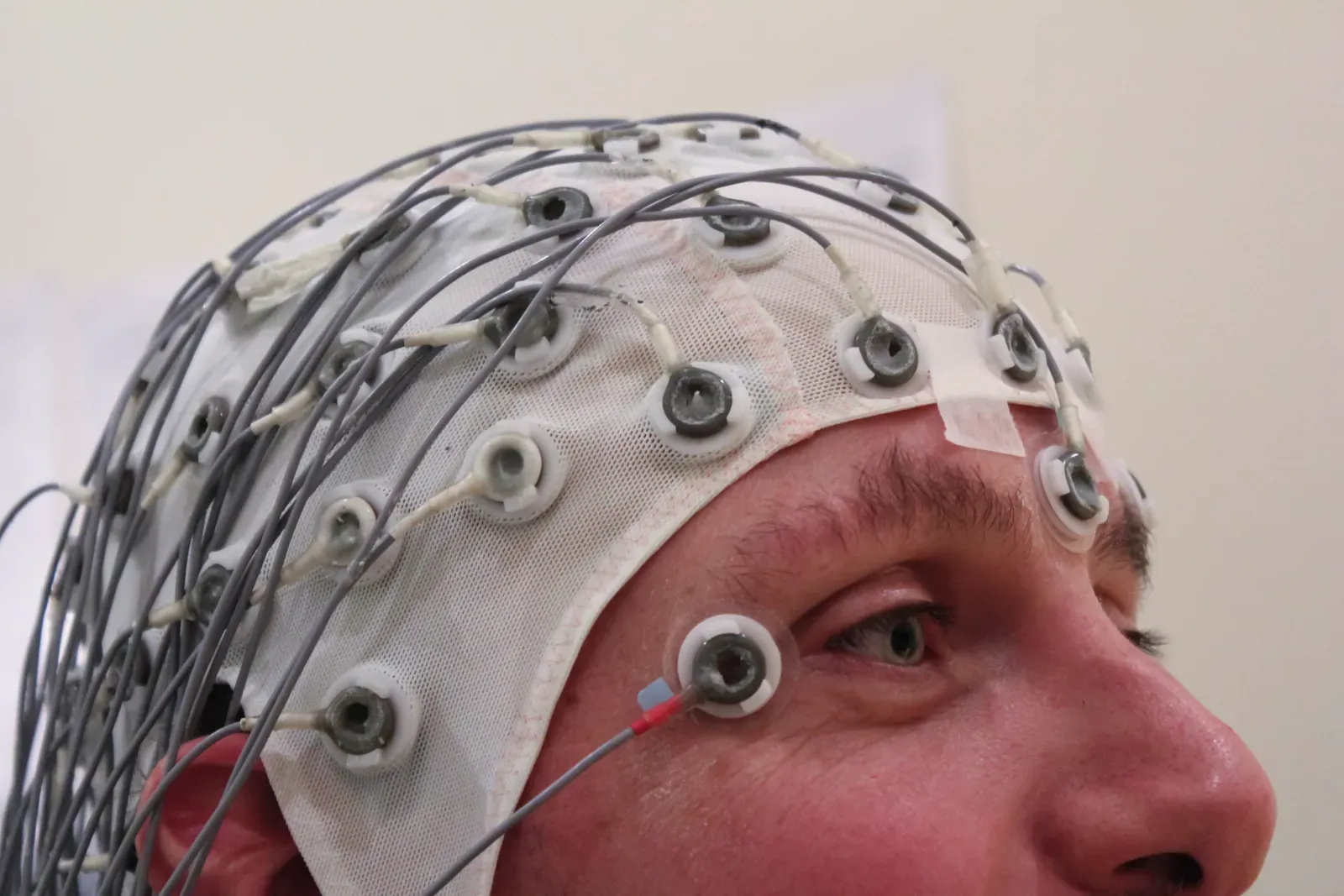
One of the wildest theories suggests that as our tools become more connected, so will our minds, until humanity behaves less like billions of individuals and more like one giant, networked brain. You can already see the early version of this: social media spreads ideas faster than any previous technology, and huge online communities can shift culture and markets in days. Some scientists and futurists imagine brain‑computer interfaces evolving from simple medical implants to everyday devices that link thoughts, senses, or memories across people.
In that world, creative work might become a kind of group improvisation, where you literally think alongside others in real time, blending ideas as smoothly as a band plays music. But losing the edges of your own mind is a haunting possibility, too; if you’ve ever felt drained after endless online arguments, imagine that feeling wired into your nervous system. I sometimes think of ant colonies when I read about this theory: each ant is small and simple, yet together they build complex structures and adapt to big changes. The open question is whether we want to become more ant‑like, or whether our stubborn individuality is the very thing worth preserving.
3. The Great Urban Exodus Back to Nature
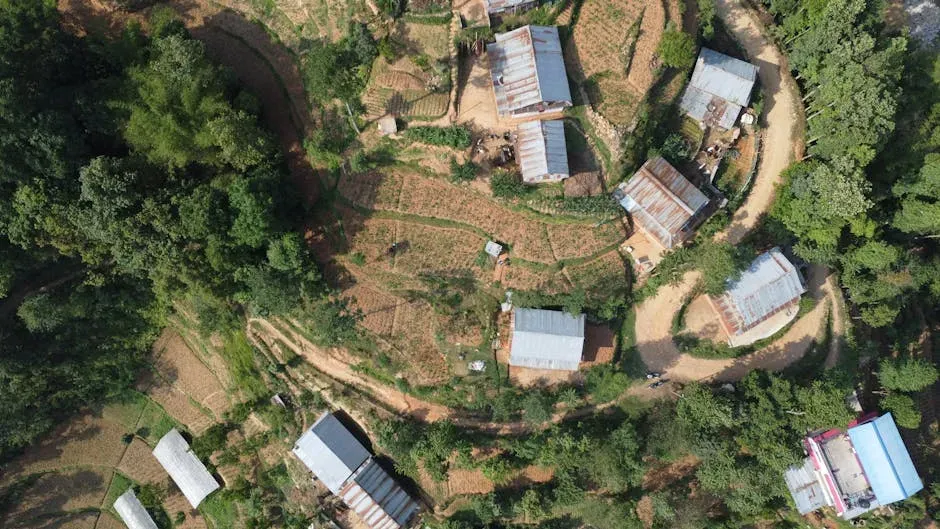
For decades, the story has been that everyone is moving into cities, and globally that’s still mostly true. But some thinkers believe we’re standing at the edge of a reversal: a mass shift out of mega‑cities into smaller towns, mixed rural‑urban zones, or even high‑tech “villages” woven right into forests and fields. Remote work, which exploded during the early 2020s, gave a taste of what that could look like when people realized they did not always need to live near downtown offices to be productive.
Picture communities powered by local solar and wind, growing much of their own food with vertical farms and regenerative agriculture, but still plugged into fast global networks for work, education, and culture. The city becomes less a place and more a digital layer: your job may be in New York or London, but your life happens somewhere with clear night skies and quiet streets. Of course, this is not guaranteed; many people still chase opportunity in dense urban centers, and unequal access to technology could create new divides between connected countryside and left‑behind regions. Still, as climate impacts and housing pressures grow, the idea of a slower, greener, yet still high‑tech life is getting harder to dismiss.
4. The Climate‑Engineered Earth
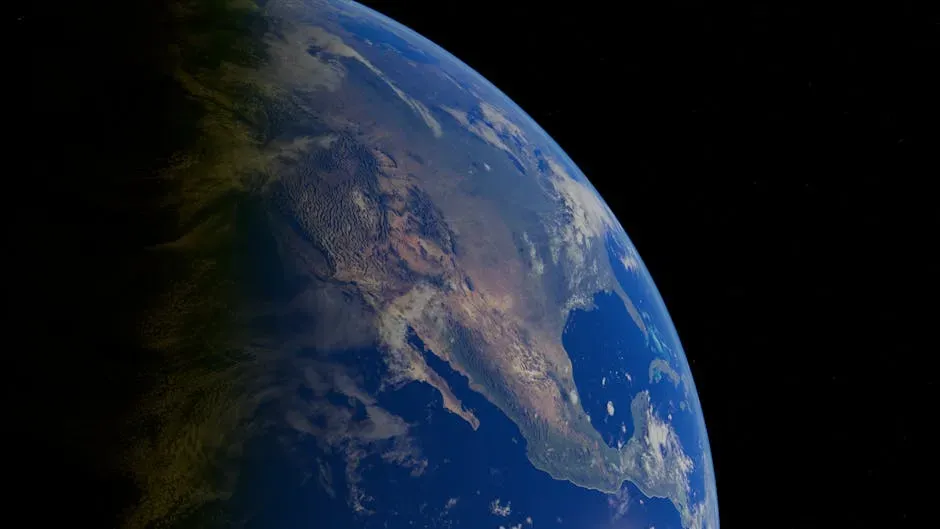
Climate change has already started to alter coastlines, ecosystems, and weather patterns in visible ways. One bold theory about the future is that we won’t just adapt to these shifts; we’ll learn to engineer the climate on purpose. Concepts like solar radiation management, massive carbon capture, and even redesigning ecosystems using genetics have moved from fringe ideas to serious discussions among researchers and policymakers worried that emissions cuts alone might not be enough.
In a climate‑engineered future, heatwaves might be dulled, hurricanes weakened, and sea‑level rise partially slowed through deliberate global interventions, all coordinated like a long‑term surgery on the planet. But the stakes are enormous: playing with cloud brightness or the chemistry of the oceans could create new problems even as it solves others, especially if some regions benefit more than others. I sometimes think of it as putting Earth on life support; you might save the patient, but they never quite go back to how they were. This theory forces an uncomfortable reflection: will we choose smaller sacrifices now, or risk massive interventions later?
5. The Age of Designer Evolution
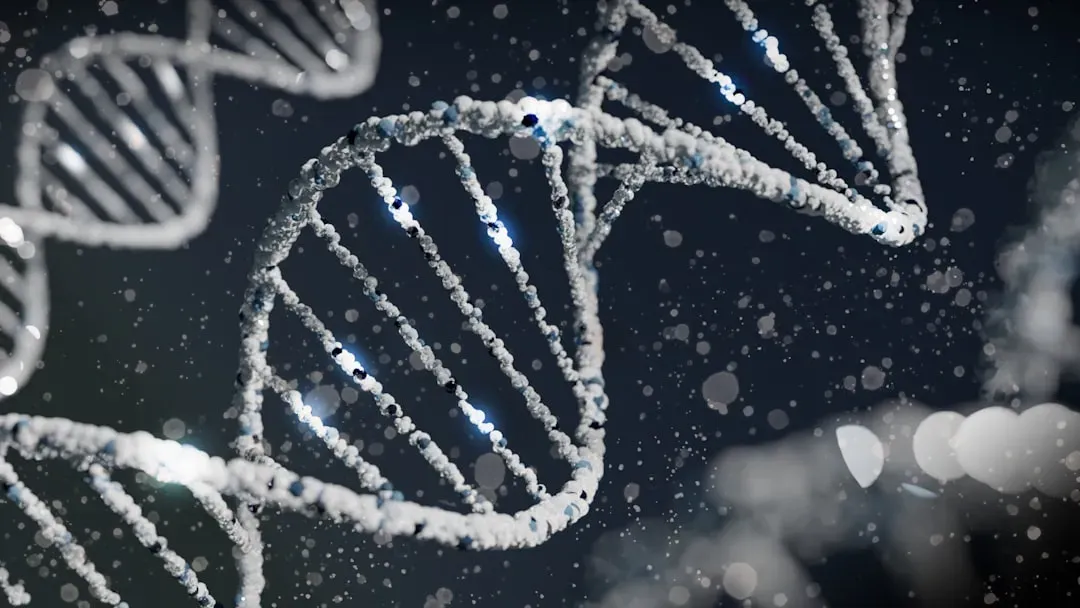
For most of human history, evolution shuffled our genes slowly and blindly. Now, with powerful gene‑editing tools, some experts argue we’re entering an age of designer evolution, where we intentionally guide what humans become. Gene therapies are already being tested and used for certain diseases, and discussions are underway about how far we should go in modifying embryos, enhancing resistance to illness, or even adjusting traits like height or metabolism in the future.
In its optimistic form, this theory promises a world where inherited suffering from some genetic conditions largely disappears, and where aging itself could be slowed significantly. In its darker form, it conjures a future split between those who can afford biological upgrades and those who cannot, turning inequality into something written into DNA. I catch myself torn on this: if you could remove a high risk of a deadly disease from your child’s genes, could you really say no? The real challenge might be drawing a line between compassion and vanity, and then somehow keeping that line from being quietly erased.
6. Work Without Jobs and Money Without Cash
Automation, artificial intelligence, and robotics are already transforming how people work, from warehouses and call centers to legal research and software development. One provocative theory suggests that as machines take over more routine and even creative tasks, traditional jobs will become rare, and societies will be forced to reinvent the idea of work itself. Instead of a career ladder, life might revolve around short projects, learning sprints, and community contributions, with digital platforms tracking and rewarding different kinds of value.
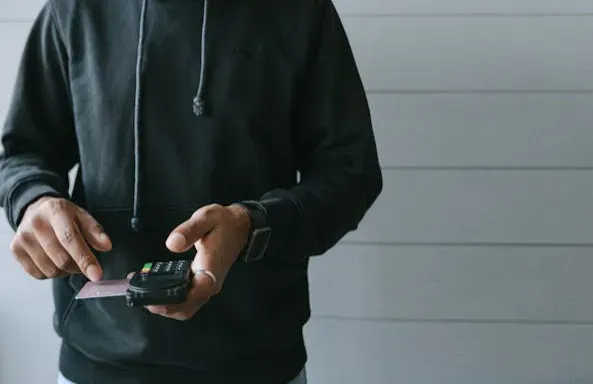
At the same time, we may see a world where most financial transactions become invisible, handled by background algorithms, digital tokens, or programmable currencies rather than physical cash or even ordinary bank accounts. Some countries are already piloting central bank digital currencies, and crypto technologies continue to experiment with new ways to share ownership and coordinate strangers. That all sounds sleek and efficient, but it also opens the door to intense monitoring and instant economic punishment with a few keystrokes. When I think about it, my gut reaction is mixed: I love the idea of people freed from soul‑crushing jobs, but I’m wary of a future where your economic life can freeze because a system flags you as a risk.
7. The Rise of Digital Afterlives
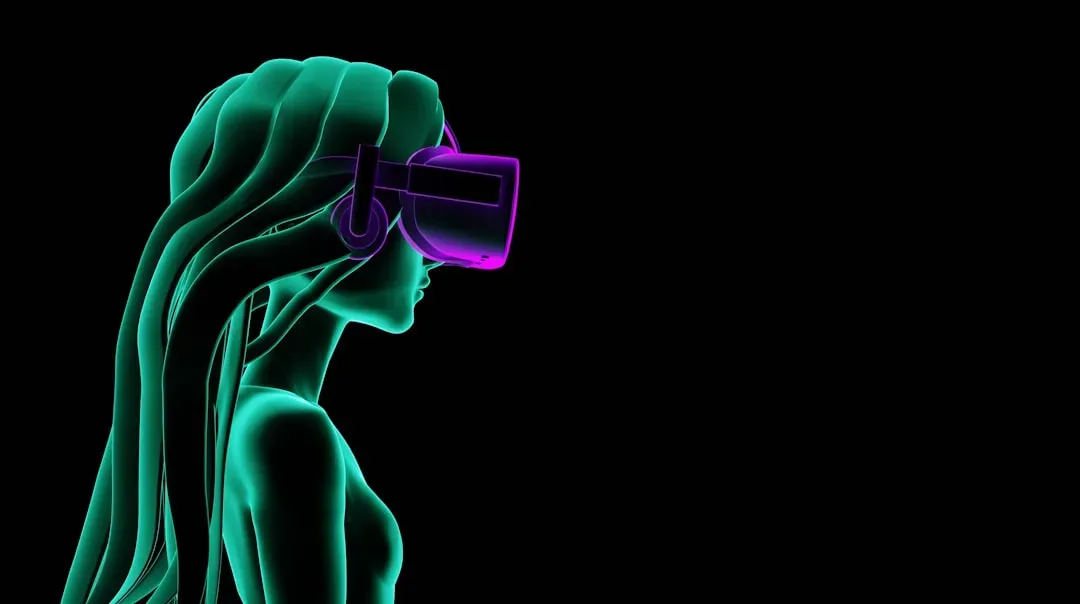
Another eerie but rapidly advancing idea is that death, at least in a psychological sense, becomes blurry. With every message we send, photo we upload, and call we record, we’re building a detailed digital echo of ourselves. Some companies and researchers are already experimenting with AI systems trained on a person’s data to create chatbots that mimic their style, preferences, and memories, raising the possibility of “talking” to someone long after they’re gone.
Take that a few steps further, and one theory imagines people actively curating their digital selves as future companions for loved ones or even as versions of themselves that can keep learning after their biological bodies stop. It is haunting but also oddly comforting, like leaving behind a constantly updating diary that answers back. But the ethical minefield is huge: who controls these digital ghosts, how do you ensure they are not misused, and what does grief look like if a part of the person never really goes silent? Personally, I’m not sure I’d want a software version of a lost family member pinging my phone; some silences matter.
8. Earth as a Managed Wilderness
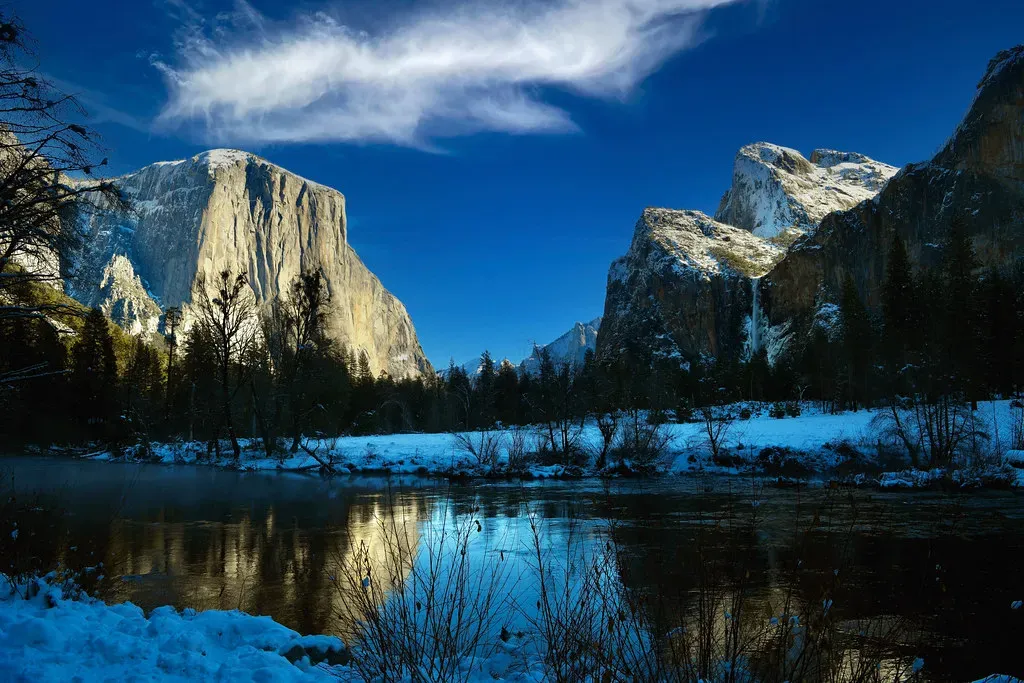
In this theory, humanity eventually decides that the only way to keep Earth livable is to treat it like a carefully managed, giant national park. Urban areas would be compact and highly efficient, while large regions of land and sea would be actively rewilded, with restored forests, wetlands, and wildlife corridors stretching across continents. There are already encouraging signs pointing in this direction, from rewilding projects in parts of Europe and Africa to legal rights being granted to rivers and ecosystems in some countries.
Living in this future might mean stricter rules on where we can build, farm, or mine, balanced by unbelievably rich natural landscapes compared to many degraded regions today. Tourism might resemble visiting a sacred library rather than a theme park: you go gently, take very little, and leave areas undisturbed. It sounds utopian, and maybe a bit strict, but the alternative could be a patchy, exhausted world where wildness survives only in old videos. I keep coming back to a simple thought here: maybe the real luxury of the future is not flying cars but hearing birds again where now there is only traffic.
9. The Hyper‑Fragmented Culture World
Instead of a single global culture, one popular theory suggests we’re heading into an era of extreme cultural fragmentation, accelerated by algorithms that feed each of us different information. You can already see micro‑cultures flourishing online: niche fandoms, tiny political subgroups, and obscure aesthetics that feel like complete universes to the people inside them. In the future, this could intensify, with personalized reality streams shaping not just the news you see, but the art, humor, and even values that feel normal to you.
Imagine living on the same street as your neighbors but inhabiting entirely different mental worlds, each with its own heroes, villains, and core stories. That kind of fragmentation can be intoxicating because you always feel understood inside your chosen bubble, but it can also make shared decisions on big issues incredibly hard. I’ve felt a faint version of this just trying to talk politics with older relatives who live on a different media diet; we are using the same language but not quite the same reality. Whether this leads to creative diversity or constant conflict may depend on building spaces where disagreement is not treated like betrayal.
10. The Slow Merge with Machines
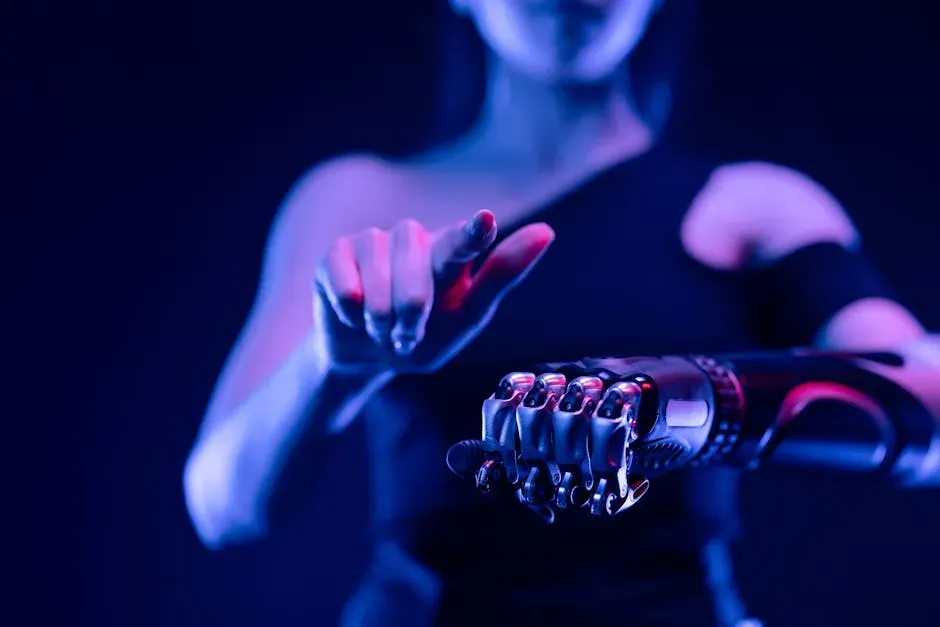
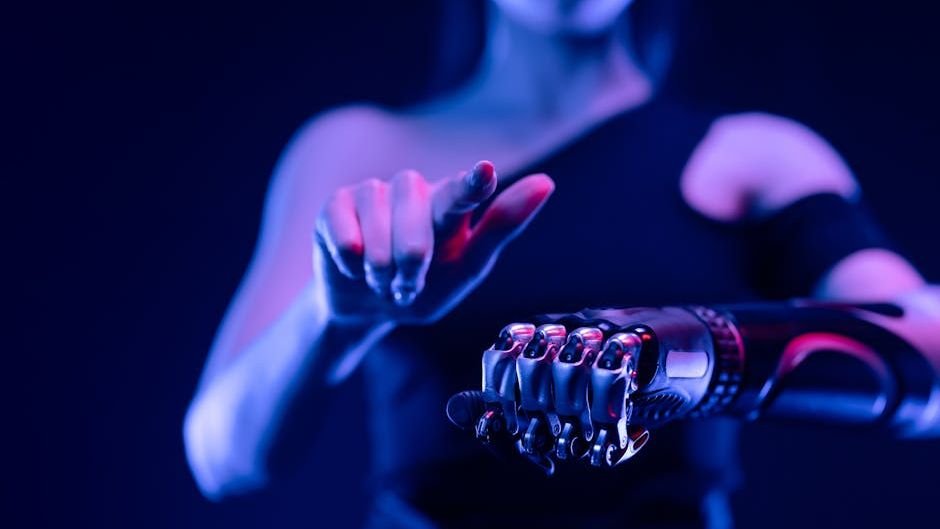
Some theories about the future are less about sudden revolutions and more about quiet, gradual blending. The slow merge with machines is one of those: we already carry smartphones like external brains, smartwatches monitor our bodies, and some people rely on implants for hearing, vision, or managing health conditions. Over time, these supports could become more intimate and permanent, with neural interfaces, artificial organs, or exoskeletons that feel as natural as limbs.
In this world, the line between “natural” and “artificial” becomes almost meaningless, since much of our perception, memory, or physical ability is technically enhanced. That doesn’t necessarily mean we all become identical cyborgs; instead, it might look like a spectrum, with some people opting for minimal tech and others embracing heavy augmentation. The emotional tension here is real: would you feel less human if some of your thoughts passed through a chip, or more yourself because you can finally overcome limits that once defined you? I’ve noticed that people who wear glasses rarely consider them unnatural, and it makes me wonder which future devices will eventually feel just as ordinary.
11. The Great Reset of Human Values

Beyond gadgets and climate systems, one of the boldest theories is that our core values as a species may shift dramatically. After wrestling with pandemics, climate shocks, economic upheavals, and the rapid spread of information, some thinkers believe societies will eventually hit a breaking point where old assumptions about success, growth, and status no longer feel workable. Instead of endless consumption and competition, the focus might move toward well‑being, mental health, time richness, and a different kind of progress measured in stability and meaning.
You can already see early hints: more people talking openly about burnout, questioning hustle culture, or prioritizing flexible work over higher pay, even if that trend is uneven and often limited by economic realities. A true reset would not happen overnight; it would be messy, full of backlash, and shaped by who controls resources and stories. But if it does arrive, future humans might look back at our era the way we look at past societies that normalized things we now find unthinkable. The wild part of this theory is not a new gadget or discovery, but the idea that the story we tell ourselves about what a “good life” is could be rewritten almost from scratch.
Conclusion: Standing in the Fog of Possibility
Looking across these theories, what stands out is not that any one of them is guaranteed, but that pieces of all of them are already visible in the world around us. We see seeds of networked minds in social platforms, of designer evolution in genetic medicine, of managed wilderness in conservation projects, and of value resets in quiet personal choices people make away from the spotlight. is less a single highway and more a web of twisting paths, many of which we are already stepping onto without fully noticing.
What we believe about these wild possibilities matters because our expectations shape our actions, our votes, our inventions, and even our sense of responsibility to each other and to the planet. Some futures will be chosen deliberately, others will sneak up on us through small, everyday decisions multiplied by billions of people. As you scroll through news headlines or glance at the devices around you, it might be worth asking: which of these futures are you quietly helping to build, and which ones are you hoping we never reach?