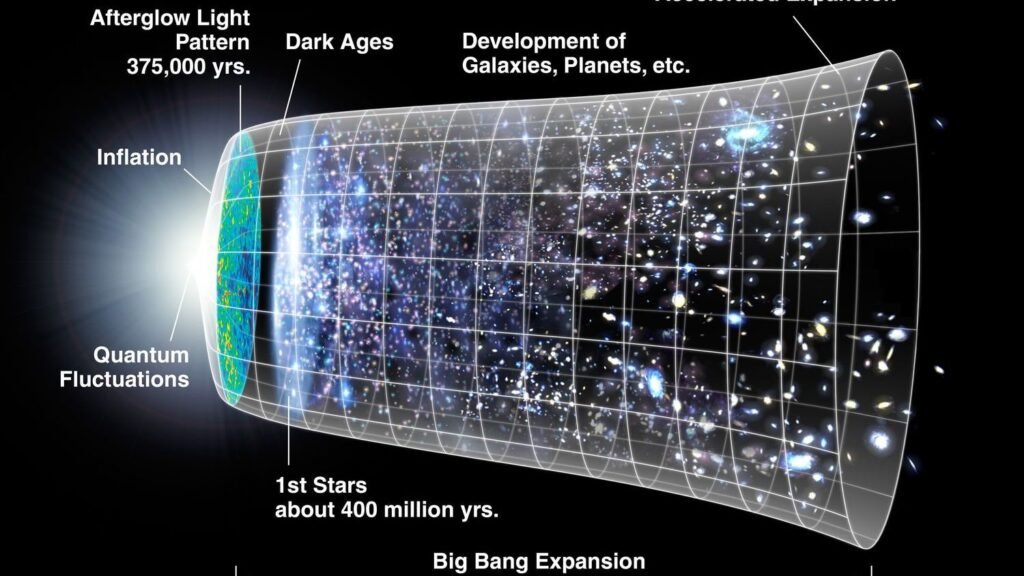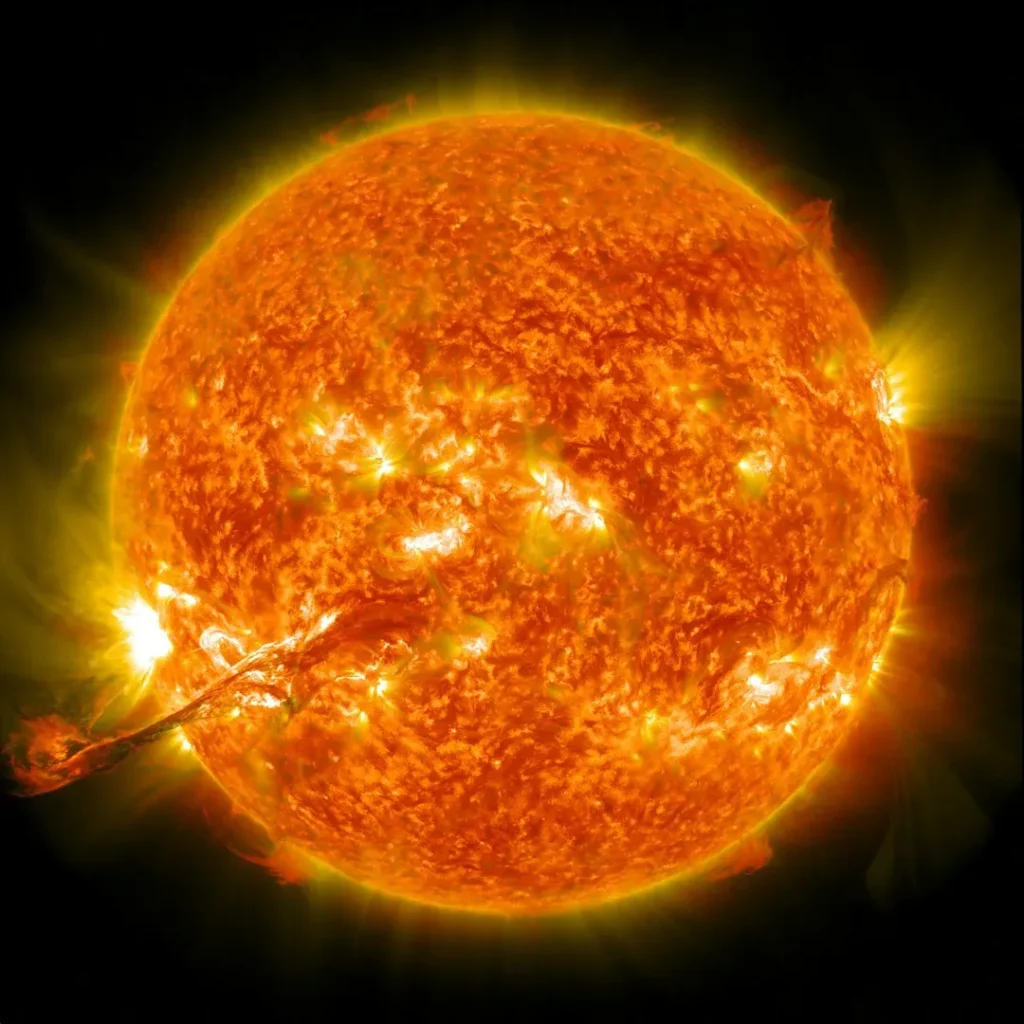
You’ve looked up at the sky thousands of times. You’ve squinted through the brightness, maybe worn a pair of sunglasses while soaking up the warmth on a summer afternoon. The Sun feels familiar. Almost ordinary. Yet the truth is, that blazing ball of light sitting roughly eight light-minutes from where you’re reading this is one of the most information-rich objects in the known universe – a living time capsule packed with clues about how everything in our solar neighborhood came to be.
Scientists have spent decades peeling back the Sun’s layers, quite literally, trying to decode its past. The deeper they look, the more stunning the revelations become. Every flicker of its surface, every burst of charged particles it hurls into space, every element locked inside its photosphere tells part of a bigger story – a story that began nearly five billion years ago. So let’s dive in.
Born from a Dying Star’s Final Gasp
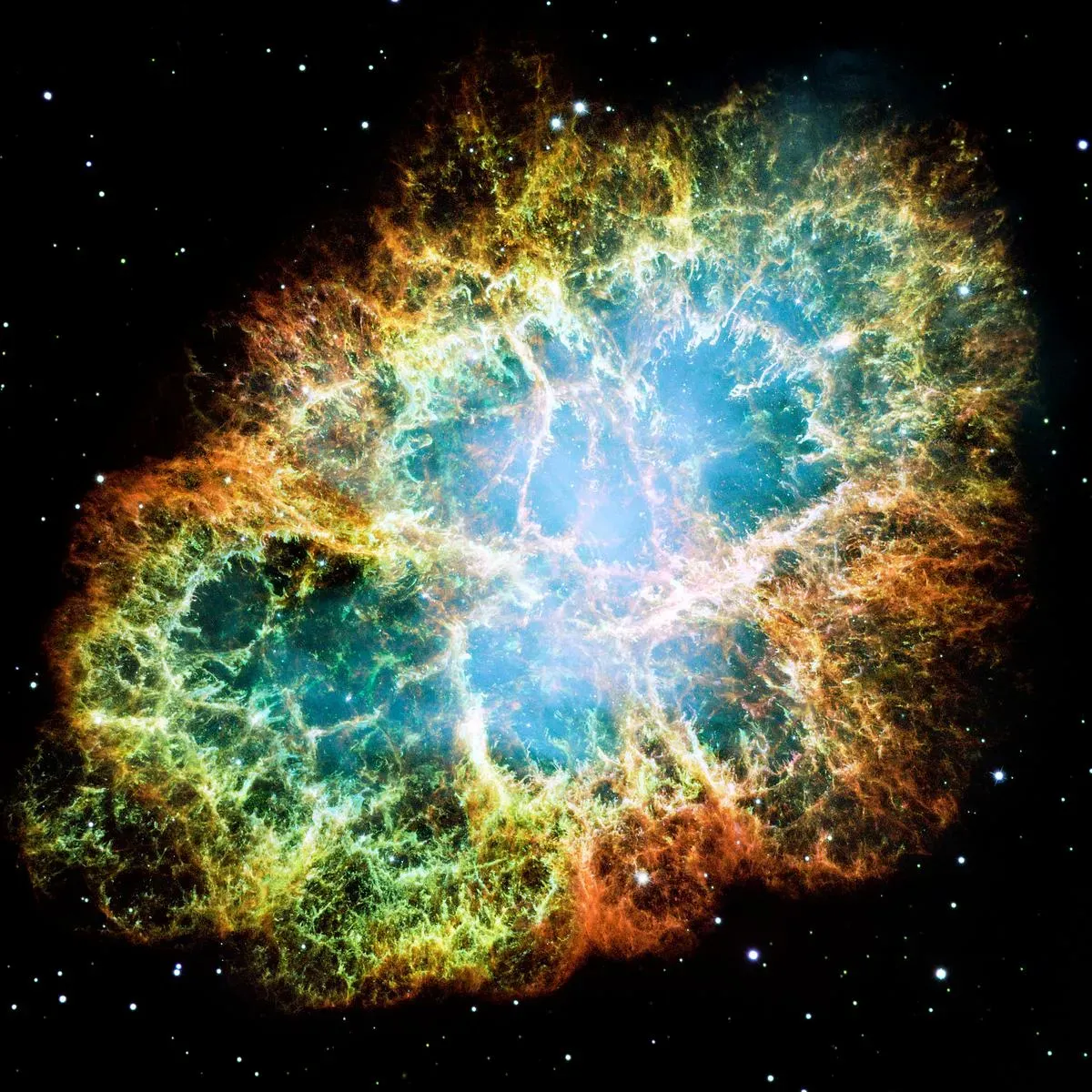
Here’s something that genuinely blows minds once you sit with it: you wouldn’t exist, the Earth wouldn’t exist, and the Sun itself wouldn’t exist if a massive star hadn’t violently exploded long before any of this was here. The Sun’s formation, approximately 4.6 billion years ago, may have been triggered by shockwaves from one or more nearby supernovae. Think about that for a moment. An enormous star died so that ours could be born.
The raw material from which our solar system was constructed was dispersed when a shockwave from an exploding supernova injected material into a cloud of dust and gas, causing it to collapse in on itself. In the aftermath of this event, most of the injected matter was gravitationally drawn into the center of the whirlwind, where the intense buildup of pressure enabled nuclear fusion to commence, and the Sun was born. It’s violent, chaotic, and frankly a little dramatic – which makes it all the more fascinating.
The Solar Nebula: Where It All Began
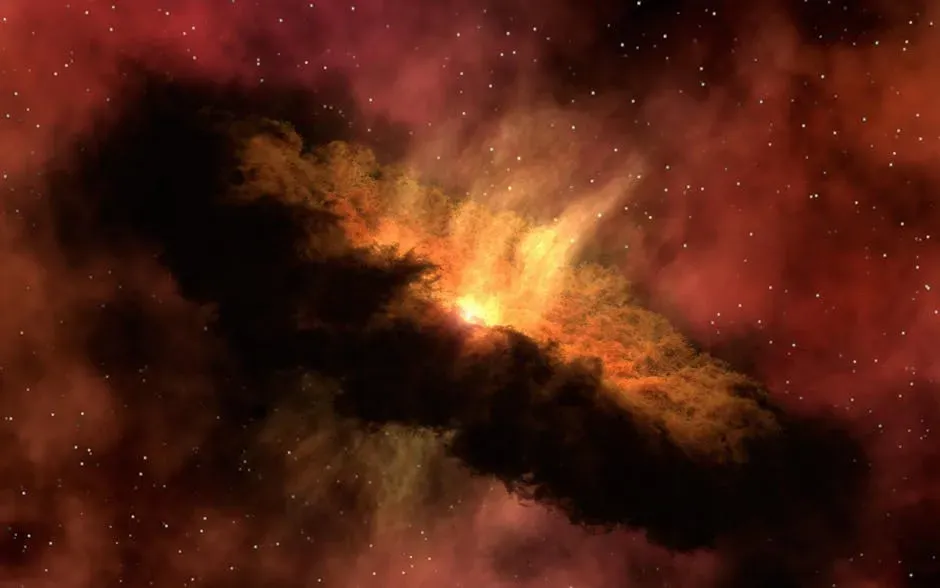
The Sun formed about 4.6 billion years ago in a giant, spinning cloud of gas and dust called the solar nebula. As the nebula collapsed under its own gravity, it spun faster and flattened into a disk. Most of the nebula’s material was pulled toward the center to form our Sun, which accounts for nearly all of our solar system’s mass. Picture a pizza dough being spun in the air – the material stretching outward while the dense center keeps pulling everything inward.
As the cloud compressed, it spun faster and faster, like an ice skater who spins faster as they pull their arms in closer to their body. The spinning flattened the material into a giant disk. Most of the mass was concentrated at the center of the disk, forming a gas sphere. The planets, the moons, the asteroids you see charted in diagrams – all of them are essentially leftover crumbs from this process. Not bad leftovers, honestly.
What the Sun’s Composition Tells You
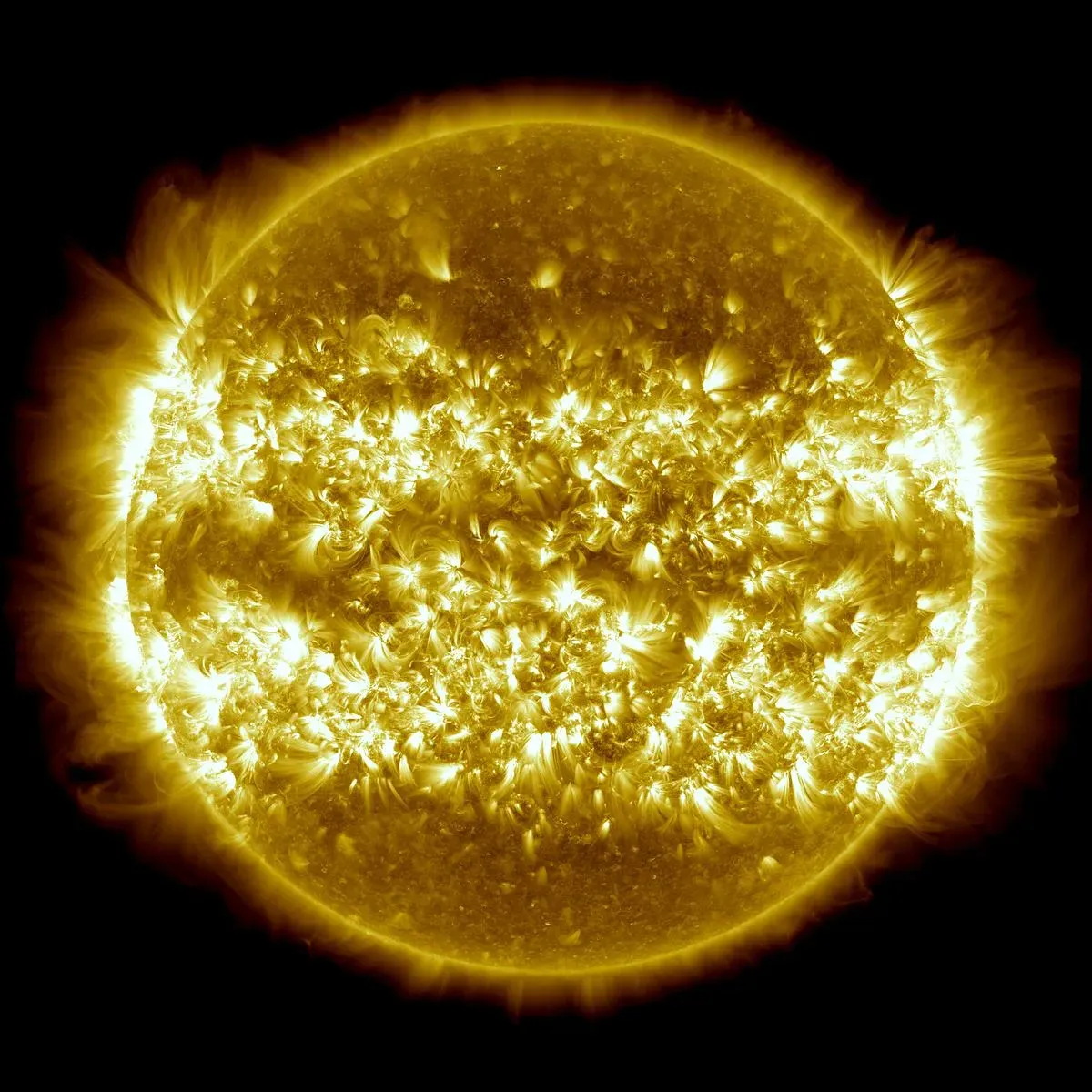
While approximately 60 different elements make up our Sun, hydrogen accounts for about 92% of the atoms, and helium makes up most of the rest. This is similar to the composition of our universe – hydrogen is the most abundant element, with some helium and trace amounts of all other heavier elements like carbon, nitrogen, oxygen, and silicon. The Sun is essentially a mirror of the original ingredients that formed everything around you.
The chemical composition of the photosphere is normally considered representative of the composition of the primordial solar system. This means that when scientists study the light spectrum of the Sun today, they’re essentially reading a chemical receipt from the very beginning of cosmic history. The Sun has a higher abundance of elements heavier than hydrogen and helium than older population II stars, because elements heavier than hydrogen and helium were formed in the cores of ancient and exploding stars, so the first generation of stars had to die before the universe could be enriched with these atoms.
The Nuclear Engine at Its Core
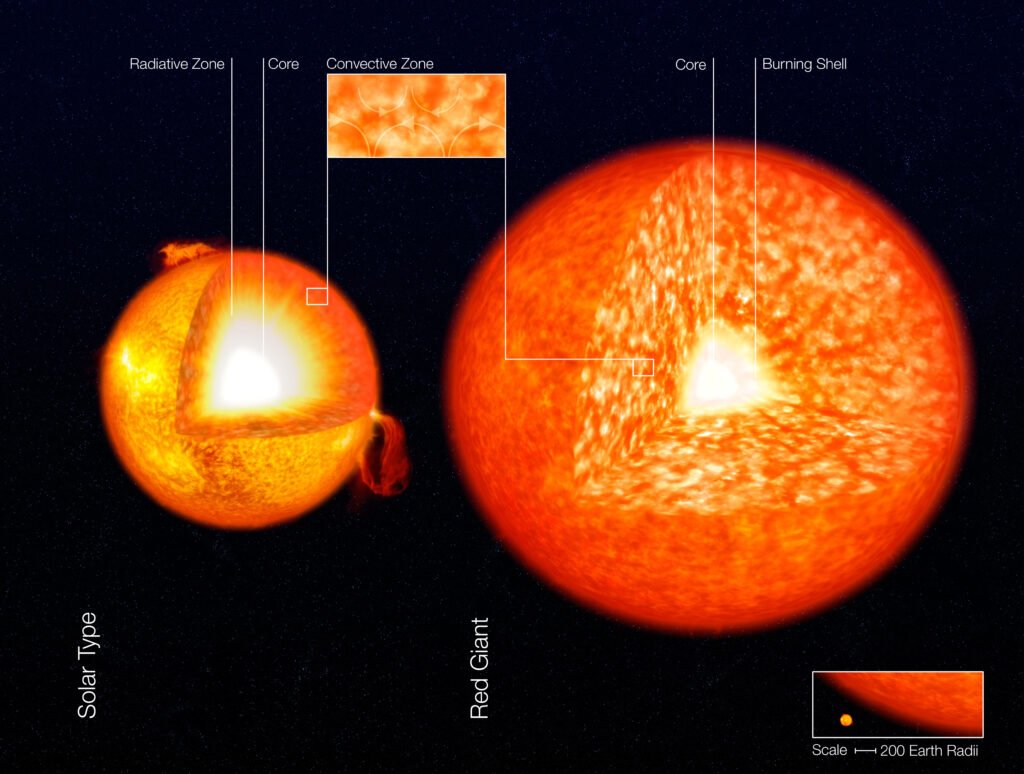
Honestly, it’s hard to fully wrap your head around what’s happening inside the Sun every single second. The core is the hottest part of the Sun. Nuclear reactions there – where hydrogen is fused to form helium – power the Sun’s heat and light. Temperatures top 27 million degrees Fahrenheit (15 million degrees Celsius) and the core is about 86,000 miles thick. That’s a furnace on a scale that makes every human-made energy source look like a birthday candle.
Through most of the Sun’s life, energy has been produced by nuclear fusion in the core region through the proton-proton chain, a process that converts hydrogen into helium. This process is the reason you feel warmth on your face on a spring morning. This fusion process occurs inside the core of the Sun, and the transformation results in a release of energy that keeps the Sun hot. The resulting energy is radiated out from the core and moves across the solar system. The core is the only part of the Sun that produces any significant amount of heat through fusion.
Meteorites as Time Machines into the Sun’s Past
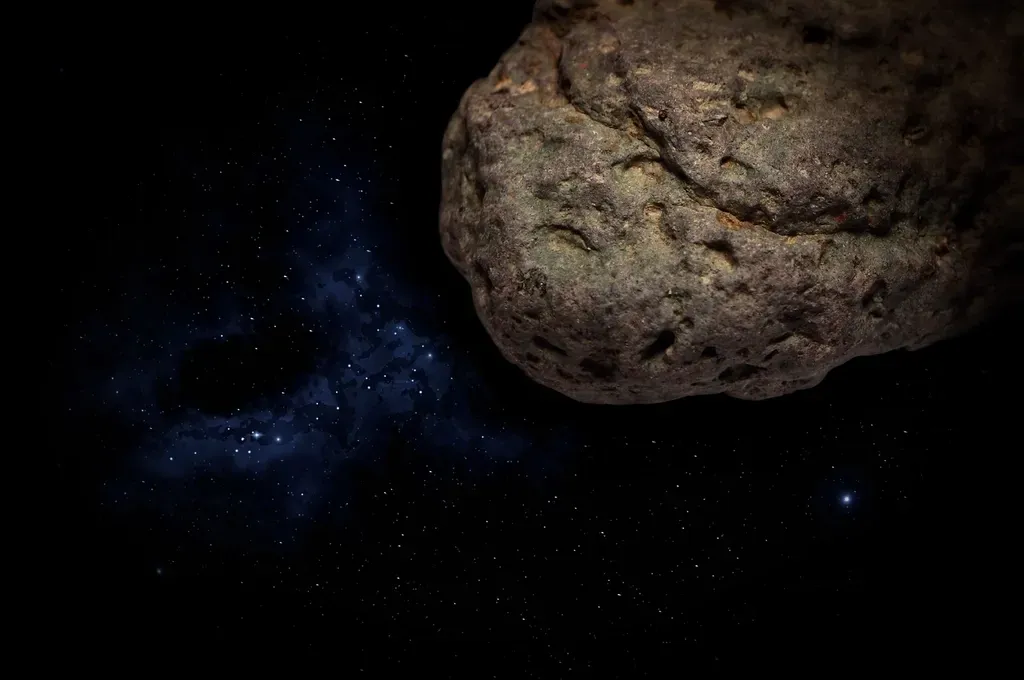
You might not think of a chunk of rock hurtling through space as a history book, but that’s exactly what meteorites are. One of the most reliable approaches for estimating the Sun’s age is radiometric dating of meteorites – ancient rocky remnants from the early solar system. These meteorites are believed to have formed at the same time as the Sun and planets. By studying the radioactive decay of isotopes within them, researchers estimate that the solar system is about 4.6 billion years old.
Because scientists know exactly how long the decay process takes for different radioactive isotopes, measuring the amount of daughter products in meteorites can tell them when, and possibly how, they formed. When significant quantities of nickel-60 are found in primitive meteorites called carbonaceous chondrites, this tells researchers that the raw material from which the chondrite was constructed contained remnants of a supernova explosion that occurred just a couple million years prior to its formation. In other words, meteorites are essentially snapshots of time itself – frozen in rock.
The Sun’s Stellar Nursery: Was It Born in a Crowd?
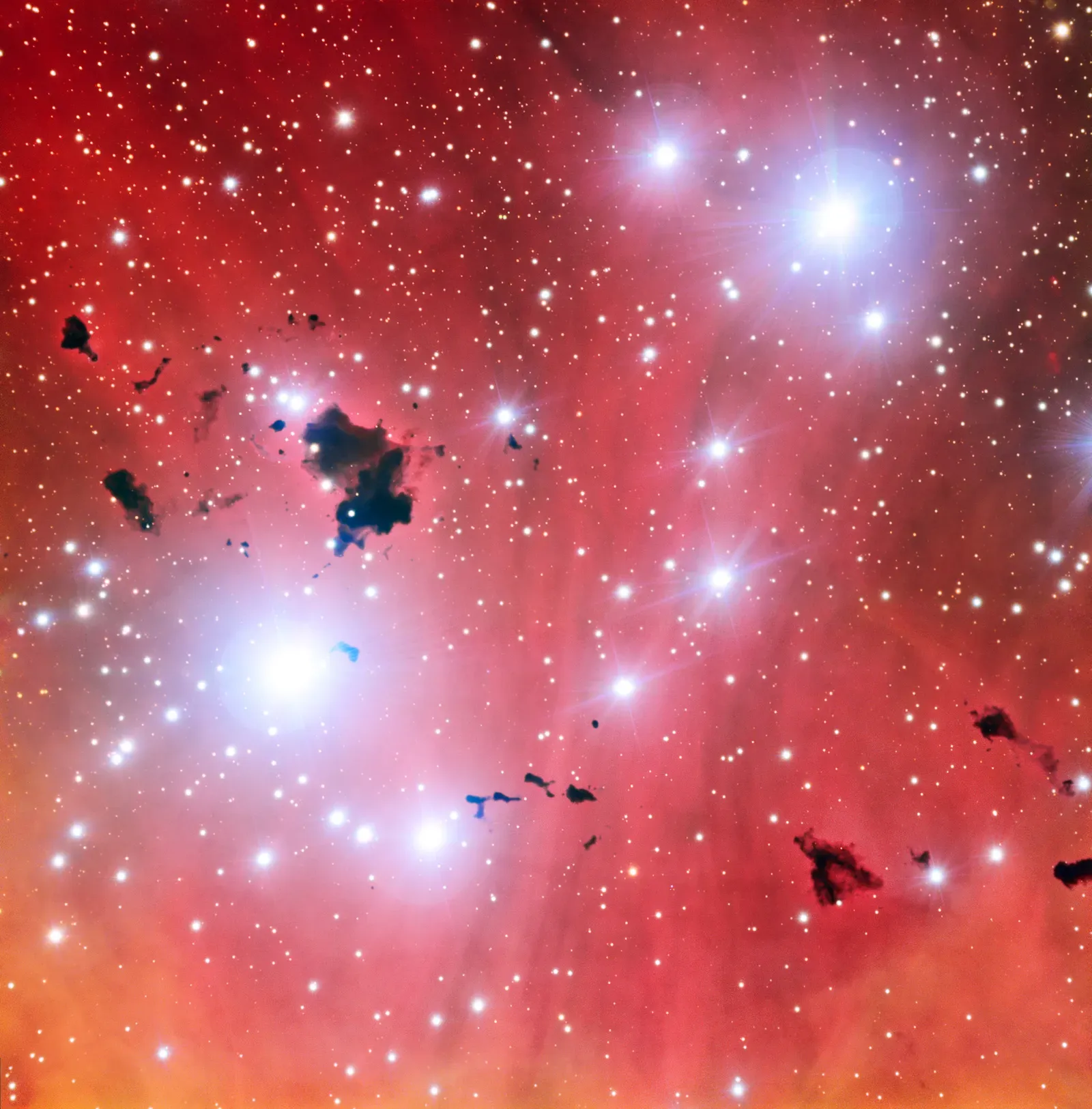
Here’s a question you probably never thought to ask: was our Sun born alone, or did it have siblings? Our Sun is just one of hundreds of billions of stars in the galaxy. Stars are born in cold and dense interstellar clouds of dust and gas called stellar nurseries. These star-forming regions of accumulated dust and gas collapse due to gravity and form stars. Most stars are born in families and several generations may even coexist together in a stellar nursery.
Most stars are born in families, and several generations may even coexist in a stellar nursery. As it turns out, it is the size of the Sun’s stellar family that could give scientists clues about the uniqueness of our solar system. It’s a bit like trying to figure out someone’s personality by understanding the neighborhood they grew up in. To look back 4.6 billion years, researchers use radioactive nuclei as clocks that can reveal the time of astrophysical events before and around the Sun’s birth. The detective work here is nothing short of extraordinary.
The Solar Wind: The Force That Sculpted Everything
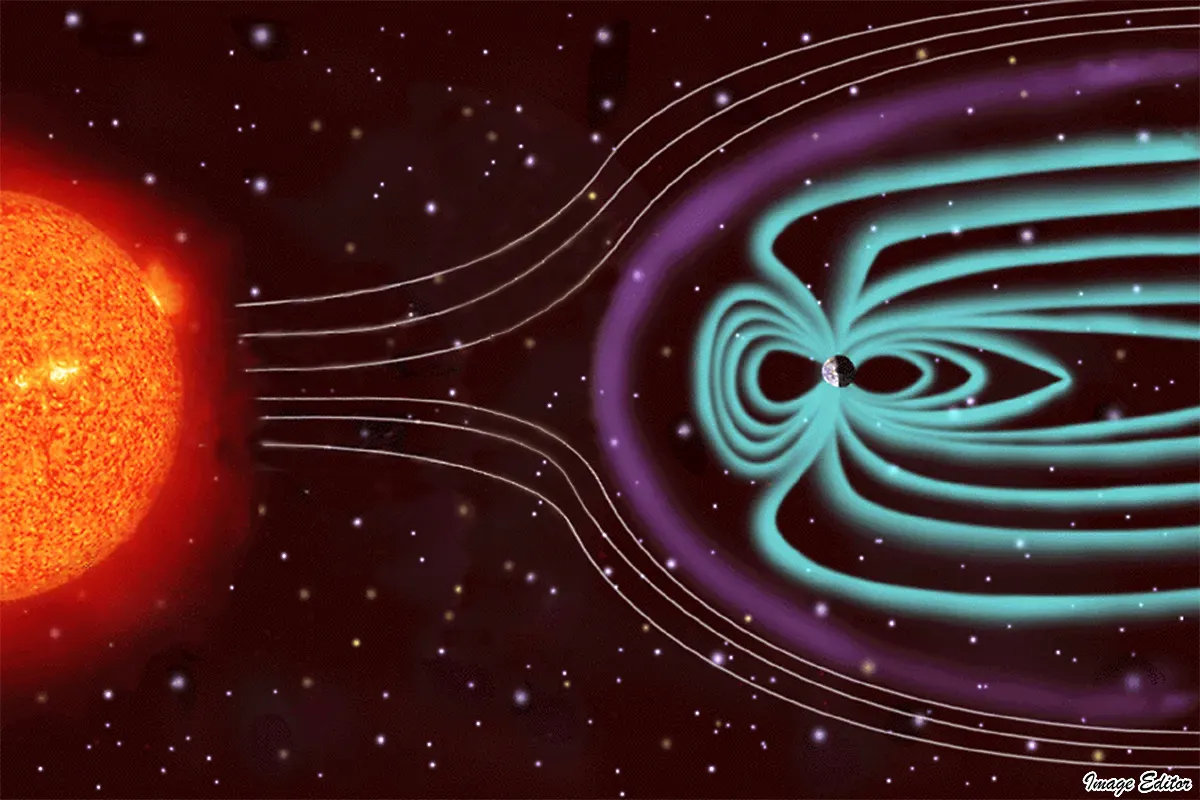
Once the Sun ignited, it didn’t just sit quietly in the center of everything. It pushed back – hard. The young Sun was much more active than it is today, shedding gases profusely from its surface into space. This became the solar wind – streams of electrically charged particles ejected from the atmosphere of the Sun. With a speed of at least several hundred kilometers per second, the early energetic solar wind blew any gas and dust remaining in the equatorial disk out into space. The solar system took a few hundred million years to stabilize.
The solar wind also influenced the composition of the planets. Closer to the Sun, the solar wind was strong enough to blow away lighter elements like hydrogen and helium, resulting in terrestrial planets like Earth with rocky compositions. Further away, where the solar wind was weaker, these lighter elements remained, contributing to the formation of gas giants like Jupiter. So the very reason Earth is a rocky, habitable world – and not a swirling ball of gas – comes down to where you happened to be positioned relative to the Sun’s early energy output. Location, location, location.
Reading the Sun’s Future in Its Past
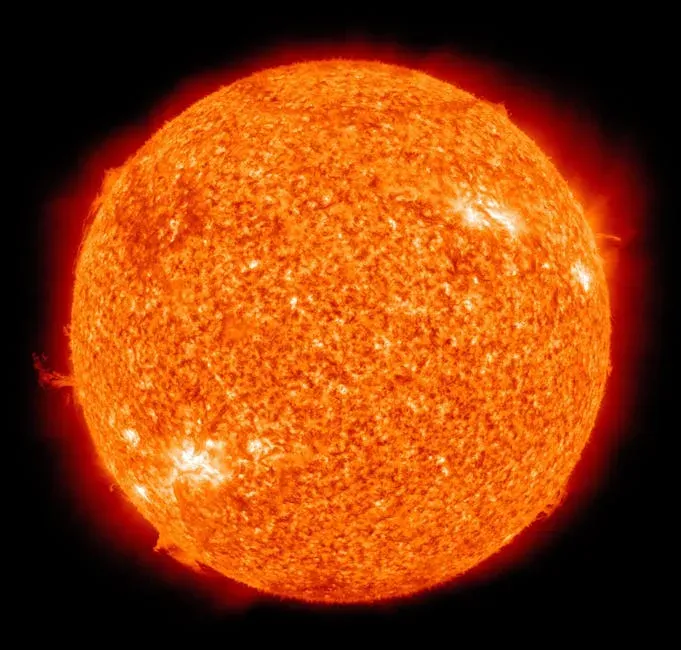
Studying the Sun’s origin doesn’t just tell you where it came from – it also shows you where it’s going. The Sun is currently in the main sequence, its longest and most stable stage, where hydrogen fuses into helium, producing energy that supports life on Earth. It is about halfway through this ten-billion-year phase. Halfway. You’re witnessing the Sun at its productive midlife, which is a strangely comforting thought.
Like all stars, our Sun will eventually run out of energy. When it starts to die, the Sun will expand into a red giant star, becoming so large that it will engulf Mercury and Venus, and possibly Earth as well. Scientists predict the Sun is a little less than halfway through its lifetime and will last another 5 billion years or so before it becomes a white dwarf. It’s hard to say for sure how that distant chapter will unfold in every detail, but the broad strokes are written clearly in what we already understand about stellar evolution.
Witnessing Other Solar Systems Be Born Today
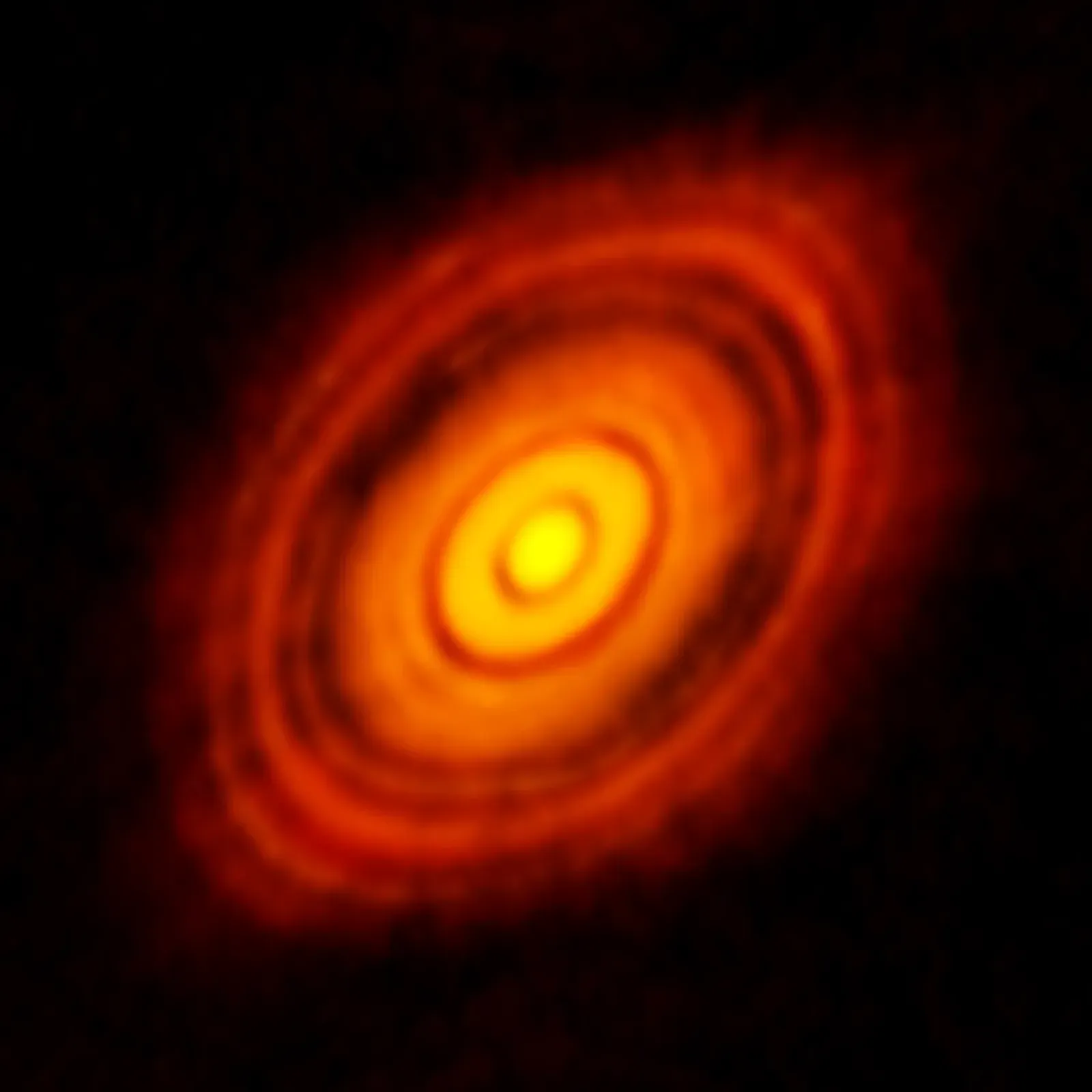
Perhaps the most breathtaking development in modern astronomy is that you no longer have to imagine how our solar system was born – you can watch the process happening right now around other stars. Astronomers have discovered the earliest seeds of rocky planets forming in the gas around a baby sun-like star, providing a precious peek into the dawn of our own solar system. The implications are enormous. Every step of that alien system’s formation echoes what happened in your own cosmic backyard billions of years ago.
NASA’s Webb Space Telescope and the European Southern Observatory teamed up to unveil these early nuggets of planetary formation around the young star known as HOPS-315. It’s a yellow dwarf in the making like the Sun, yet much younger at between 100,000 and 200,000 years old and some 1,370 light-years away. They detected silicon monoxide gas as well as crystalline silicate minerals, the ingredients believed to be the first solid materials to form in our own solar system more than 4.5 billion years ago. You are, in a very real sense, watching history replay itself across the stars.
Conclusion: The Sun Is the Story
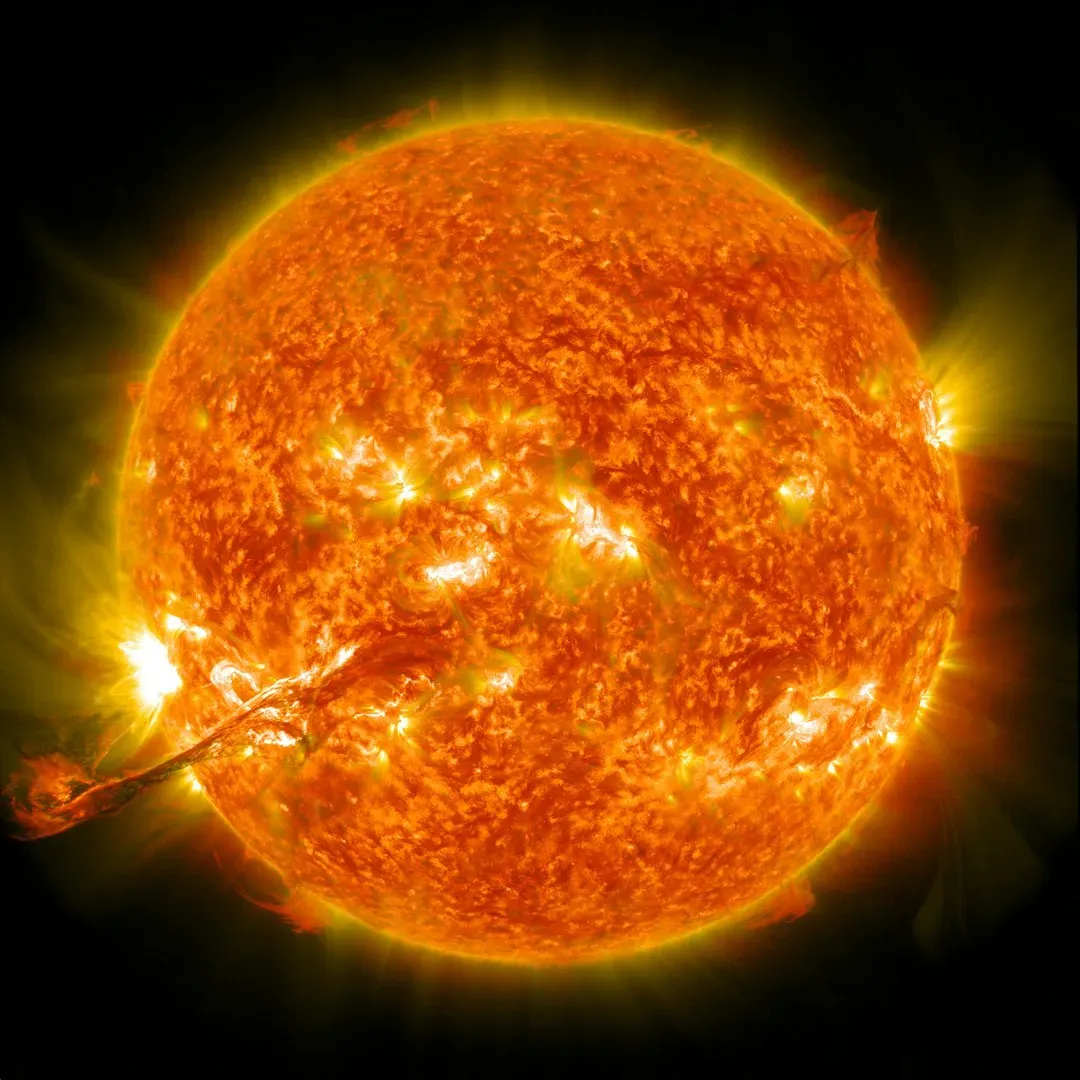
When you look at the Sun – safely, of course – you’re not just staring at a light source. You’re looking at a record keeper. Every element fused within it, every particle it sends streaming outward, every ancient isotope locked in a meteorite that once crossed its path carries part of the answer to one of humanity’s oldest questions: where did all of this come from?
The Sun is not separate from the story of our solar system. It IS the story. From the supernova that triggered its birth, to the solar wind that sculpted the planets, to the nuclear engine still burning at its heart today, everything traces back to that one fiery, magnificent origin. The deeper science digs, the more it becomes clear that understanding the Sun means understanding ourselves.
There’s something quietly profound about that, don’t you think? We spent centuries looking outward into the universe for grand answers, when the biggest clue of all has been right there, rising every morning. What do you think – does knowing the Sun’s secrets change the way you see it? Share your thoughts in the comments.