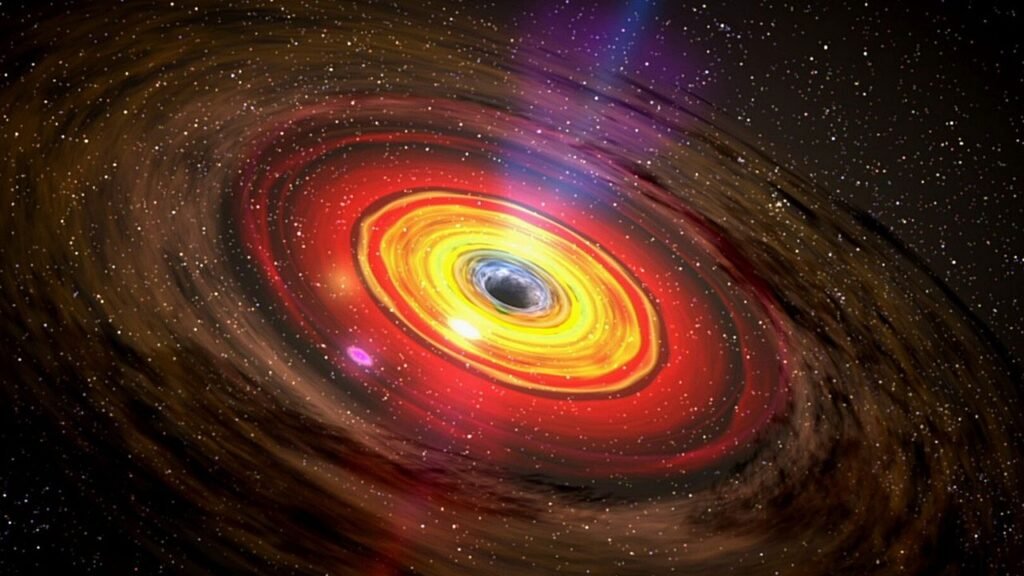

There are some things in this universe that, once you truly grasp them, never let go of your imagination. Black holes are exactly that kind of thing. They are not just stars that died and went dark. They are places where reality itself, the very fabric of space and time you trust every second of your life, gets crumpled, stretched, and shattered into something completely unrecognizable.
Honestly, the deeper you explore what black holes actually do, the harder it becomes to believe that the universe we live in follows any rules at all. These objects push physics to its absolute breaking point. So if you thought you had a comfortable grip on how space and time work, prepare to have that certainty gently but firmly torn away. Let’s dive in.
The Foundation: How Mass Bends the Fabric of Reality
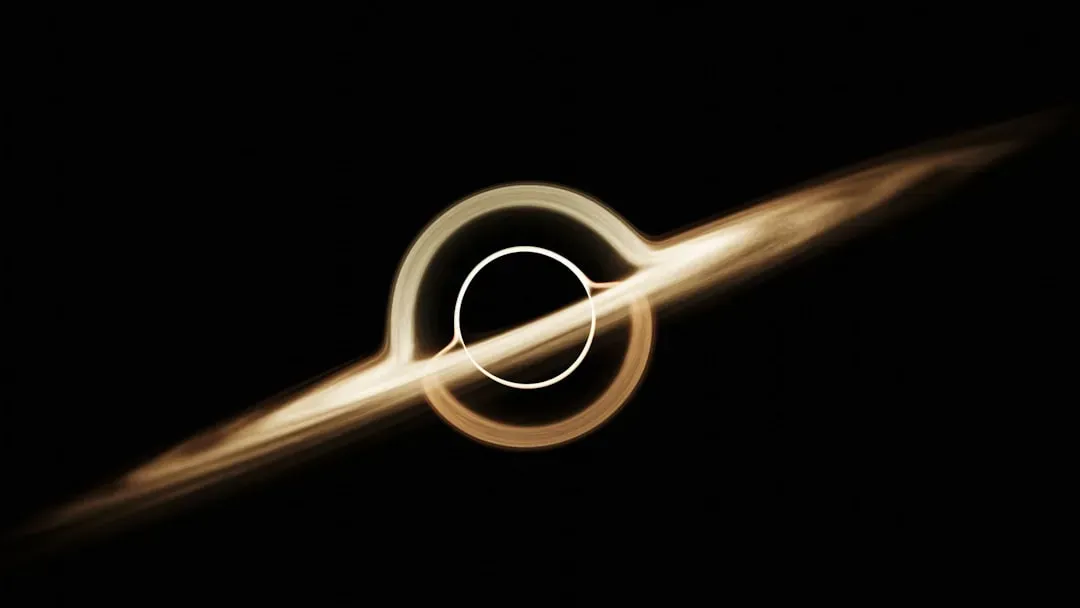
Black hole science offers one of the clearest demonstrations that space and time are not fixed backdrops, but dynamic elements shaped by mass and energy. This is not a metaphor. It is the literal, mathematical truth that forms the backbone of modern physics. You can picture spacetime the way you might picture a stretched rubber sheet laid flat across a table.
Imagine that stretched elastic sheet with a heavy ball placed in the middle: it creates a sort of dip, altering the surface around it. The more massive the object, the deeper this dip will be, further distorting space-time. A black hole is the most extreme version of that dip that nature can produce. It compresses space-time so intensely in a tiny region that it becomes incredibly curved, and at the heart of the black hole, where the singularity is located, the curvature becomes extreme, almost infinite: the familiar laws of physics seem to go haywire.
The Event Horizon: The Universe’s Most Terrifying Boundary
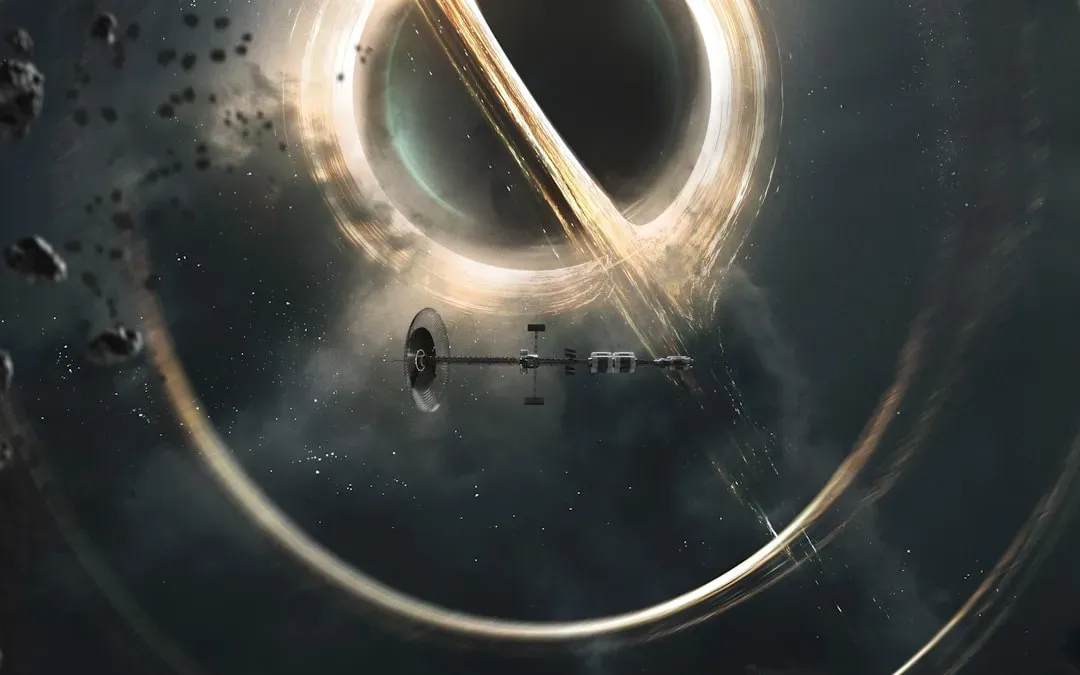
Here is the thing about black holes that makes them so philosophically unsettling. They come with a specific boundary, a line you can cross with no physical barrier to stop you, and yet there is absolutely no coming back. At the boundary known as the event horizon, spacetime distortion becomes so extreme that even light can no longer escape. This invisible surface defines the point of no return and marks where classical physics begins to break down.
The event horizon is the boundary beyond which nothing, not even light, can escape. From an outside perspective, it looks as though time freezes for anything falling in, even though the object itself experiences time as usual while crossing over. That right there is one of the most mind-bending facts in all of science. You would feel nothing unusual crossing it. The universe, however, would never hear from you again.
Gravitational Time Dilation: When Your Clock Becomes a Lie
Let’s be real. When most people think about time, they assume it flows at a universal, steady pace. One second here equals one second anywhere else in the cosmos. But near a black hole, that assumption collapses completely. In Einstein’s theory of gravity, mass warps space-time, creating an effect known as gravitational time dilation. This means that an elapsed span of time is measured differently for observers in different gravitational potentials. So, as you get closer to a black hole, the flow of time slows down, compared to the flow of time far from the black hole.
If you were near a black hole, your watch would appear to tick normally for you. But to someone watching from a safe distance, your clock would seem to slow down; seconds for you could look like minutes, hours, or even centuries for them. Think of it like two hikers. One walks on flat ground, the other into a deep, gravity-soaked valley. They each experience time, but at startlingly different speeds. An astronaut hovering near a black hole’s event horizon would age more slowly than an astronaut orbiting safely far away. If the hovering astronaut remained near the black hole for what felt like one hour to them, several years might pass on Earth.
Frame-Dragging: When Spinning Black Holes Twist Space Itself
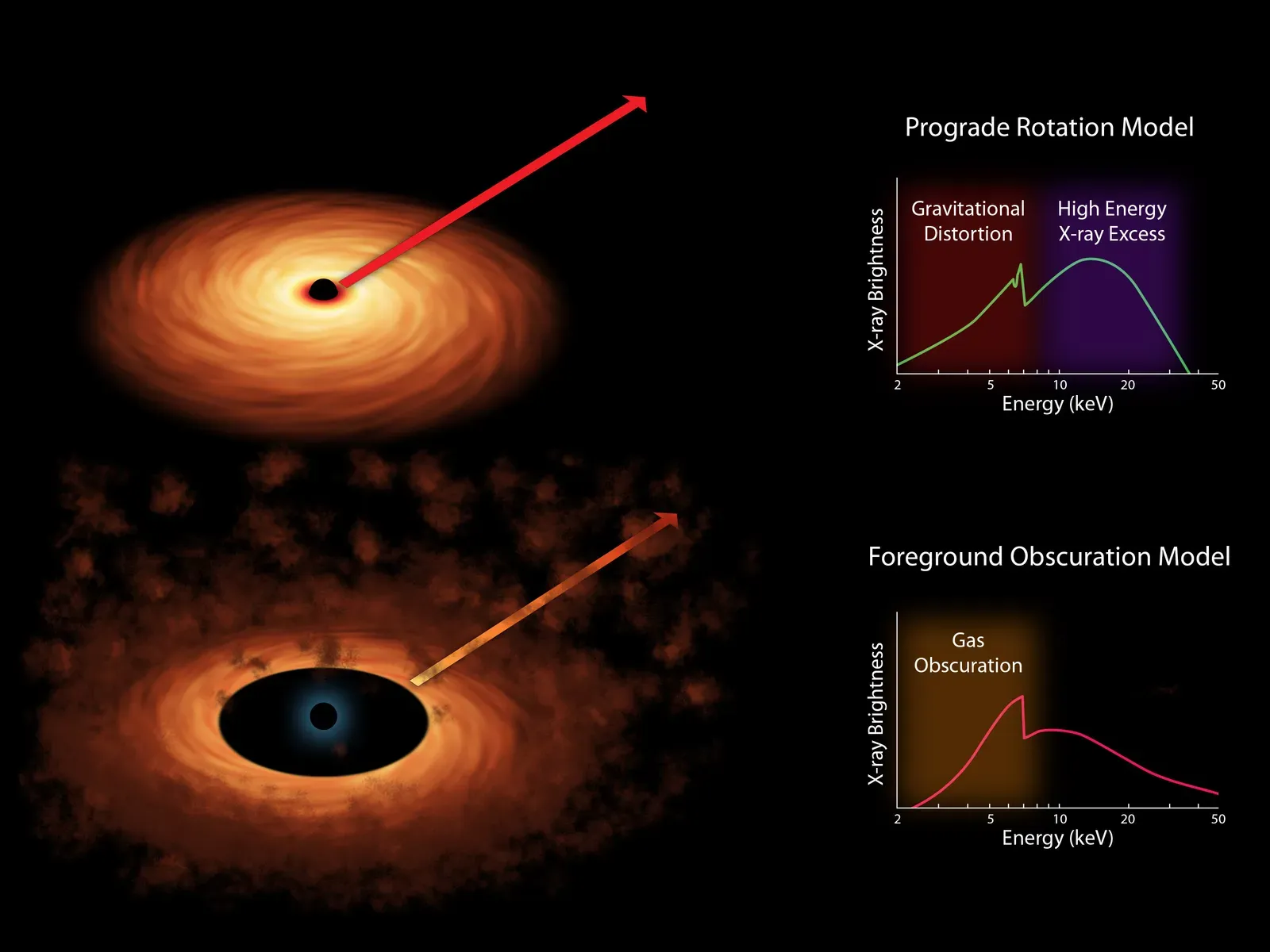
Static black holes are already extraordinary. Spinning ones are something else entirely. When a black hole rotates, it does not simply sit there pulling matter inward. It actually drags the surrounding spacetime along with it, as if stirring a cosmic whirlpool that nothing can resist. This phenomenon is called Lense-Thirring precession, also known as frame-dragging. It describes how a rotating black hole twists the spacetime around it, pulling nearby matter along and causing the paths of stars and gas to slowly wobble.
Astronomers have detected spacetime itself being dragged and twisted by a spinning black hole for the first time. The discovery, seen during a star’s violent destruction, confirms a prediction made over 100 years ago and reveals new clues about how black holes spin and launch jets. This is not theoretical anymore. By studying repeating patterns in X-ray and radio signals from this event, the scientists found that both the disk and the jet were wobbling together. This coordinated motion repeated every 20 days, providing a clear signature of the spacetime twisting effect.
Spaghettification: The Universe’s Grimmest Physics Lesson
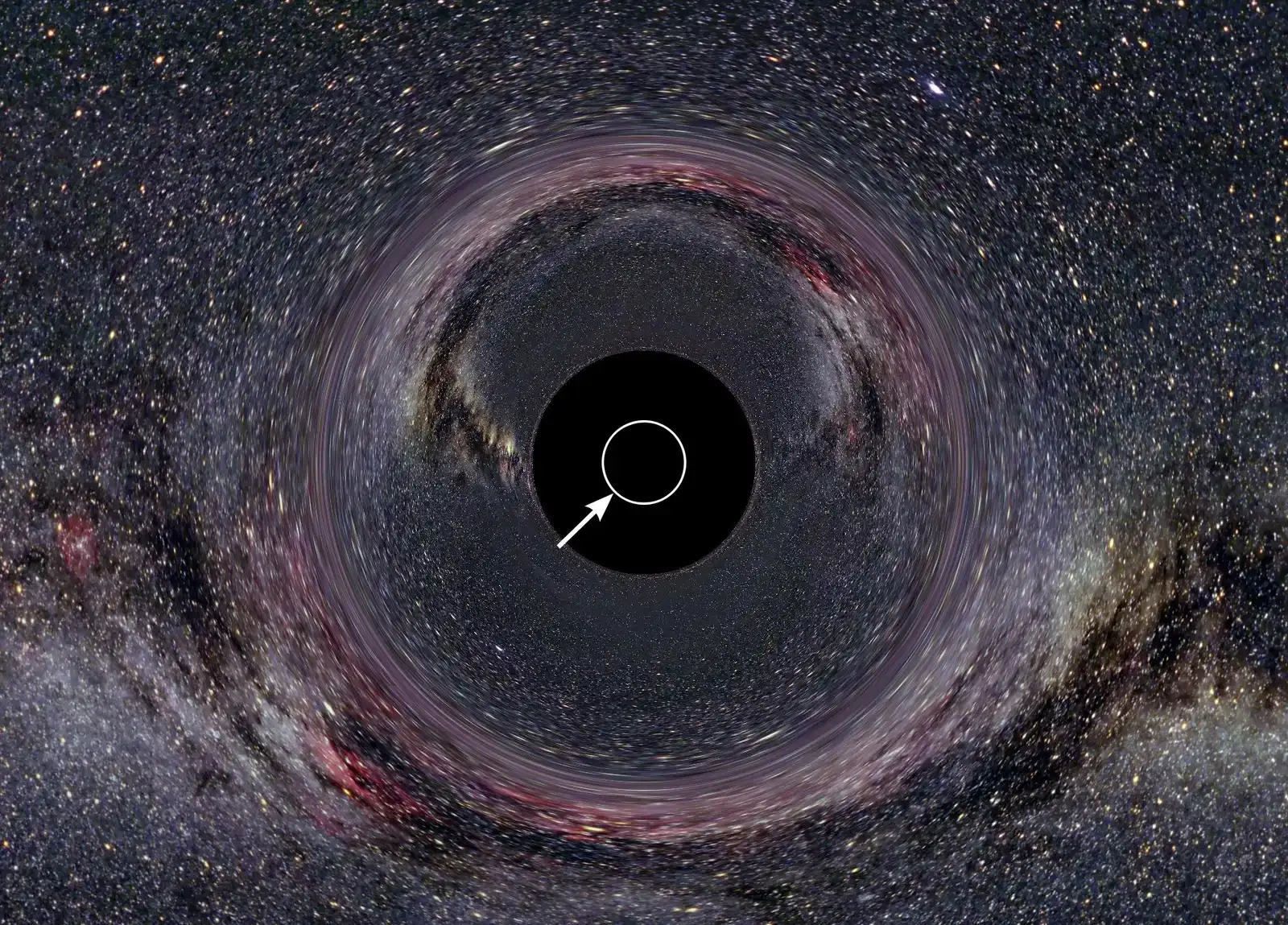
You might expect that falling into a black hole would feel like being crushed. The reality is stranger and, in some ways, far worse. For any object falling into a black hole, the part closer to the black hole will feel a stronger gravitational pull than the part farther away from the black hole. This difference in gravitational pull increases as the object gets closer to the event horizon. The difference in gravitational pull is not unique to black holes, but their extreme density creates an extreme effect. This effect essentially stretches out the object more and more as the object gets closer to the black hole, creating a long, thin shape.
This process is known as spaghettification, which was first described by theoretical physicist Stephen Hawking in his book “A Brief History of Time.” I know it sounds darkly comedic, but the physics behind it is brutally real. For a supermassive black hole, such as those found at a galaxy’s center, this point lies within the event horizon, so an astronaut may cross the event horizon without noticing any squashing and pulling, although it remains only a matter of time, as once inside an event horizon, falling towards the center is inevitable. Smaller black holes, on the other hand, would tear you apart well before you even reach the edge.
Gravitational Lensing: How Black Holes Bend Light Into Art
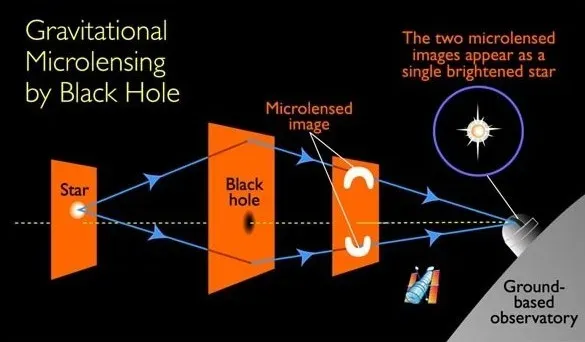
Light is supposed to travel in a straight line. That is one of the most basic principles most of us learned early on. Yet near a black hole, even light surrenders to the warp of spacetime and follows an entirely different path. One of the most well-known effects is the gravitational lensing effect: light passing near the black hole bends and changes its trajectory, providing spectacular images of galaxies that are completely distorted or stretched. It is as if the black hole acts like a cosmic glass lens, magnifying and warping everything behind it.
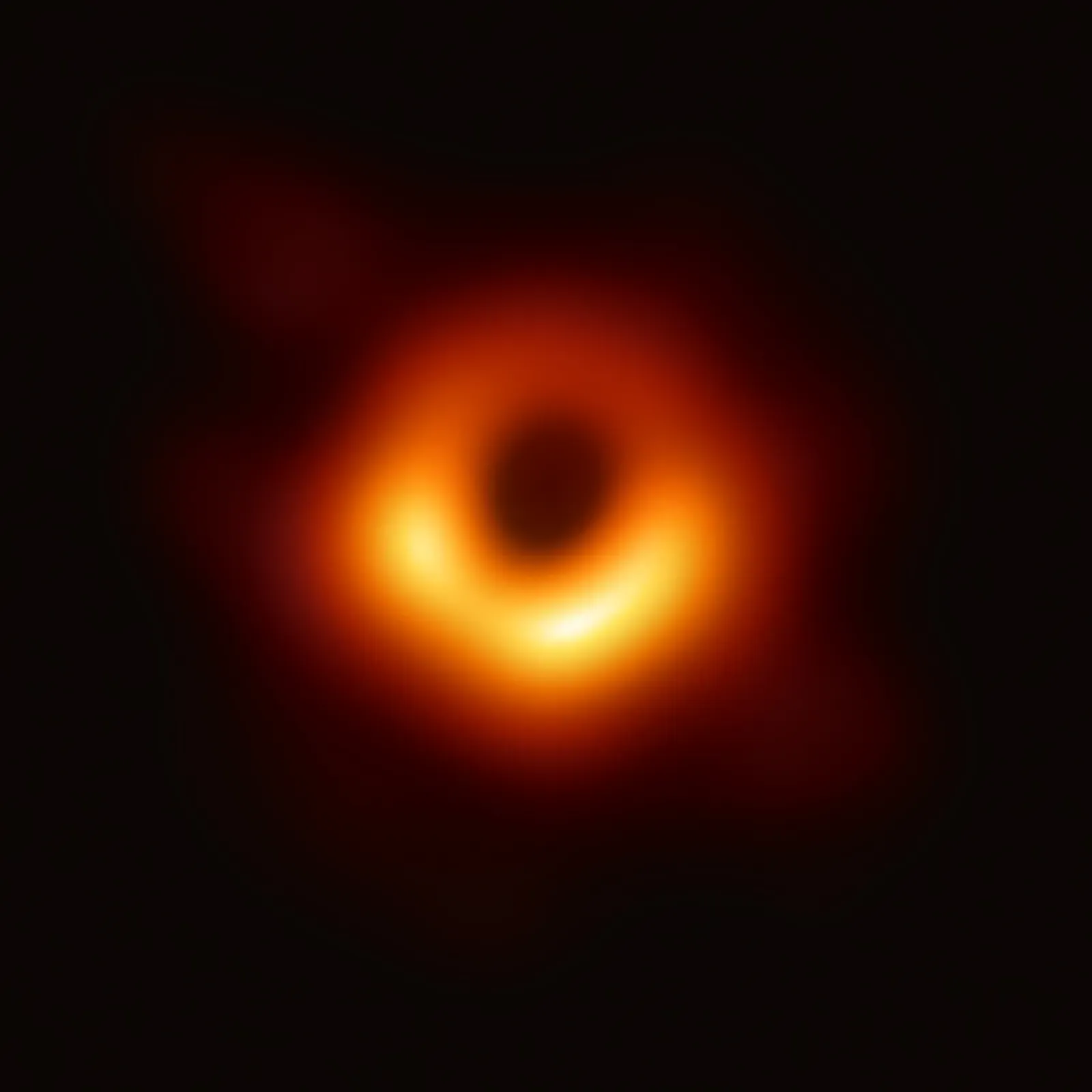
In 2019, astronomers obtained the first direct image of a black hole’s horizon thanks to a network of telescopes called the Event Horizon Telescope. They clearly detected the bright ring around the giant black hole at the center of the M87 galaxy, just as general relativity had predicted. That glowing ring you may have seen in news images is real light, bent completely around a black hole by pure gravity. It is general relativity made visible, and it is one of the most stunning images humanity has ever captured.
The Singularity: Where Physics Officially Gives Up
At the very center of a black hole lies something that makes even the most confident physicists uncomfortable. The singularity. This process creates an extreme concentration of mass in a ridiculously small space, ultimately leading to a region where gravity becomes insane: the famous singularity. Every equation scientists rely on, every model, every mathematical framework, simply breaks down here. The math produces infinities, which in physics is another way of saying the current theory no longer applies.
Observers falling into a Schwarzschild black hole cannot avoid being carried into the singularity once they cross the event horizon. As they fall further into the black hole, they will be torn apart by the growing tidal forces in a process sometimes referred to as spaghettification or the noodle effect. Eventually, they will reach the singularity and be crushed into an infinitely small point. It is hard to say for sure exactly what happens inside a singularity, because no theory we have today fully describes it. Quantum mechanics says information cannot be destroyed, but general relativity offers no escape. This paradox lies at the heart of reconciling these two theories.
Hawking Radiation: Even Black Holes Aren’t Forever
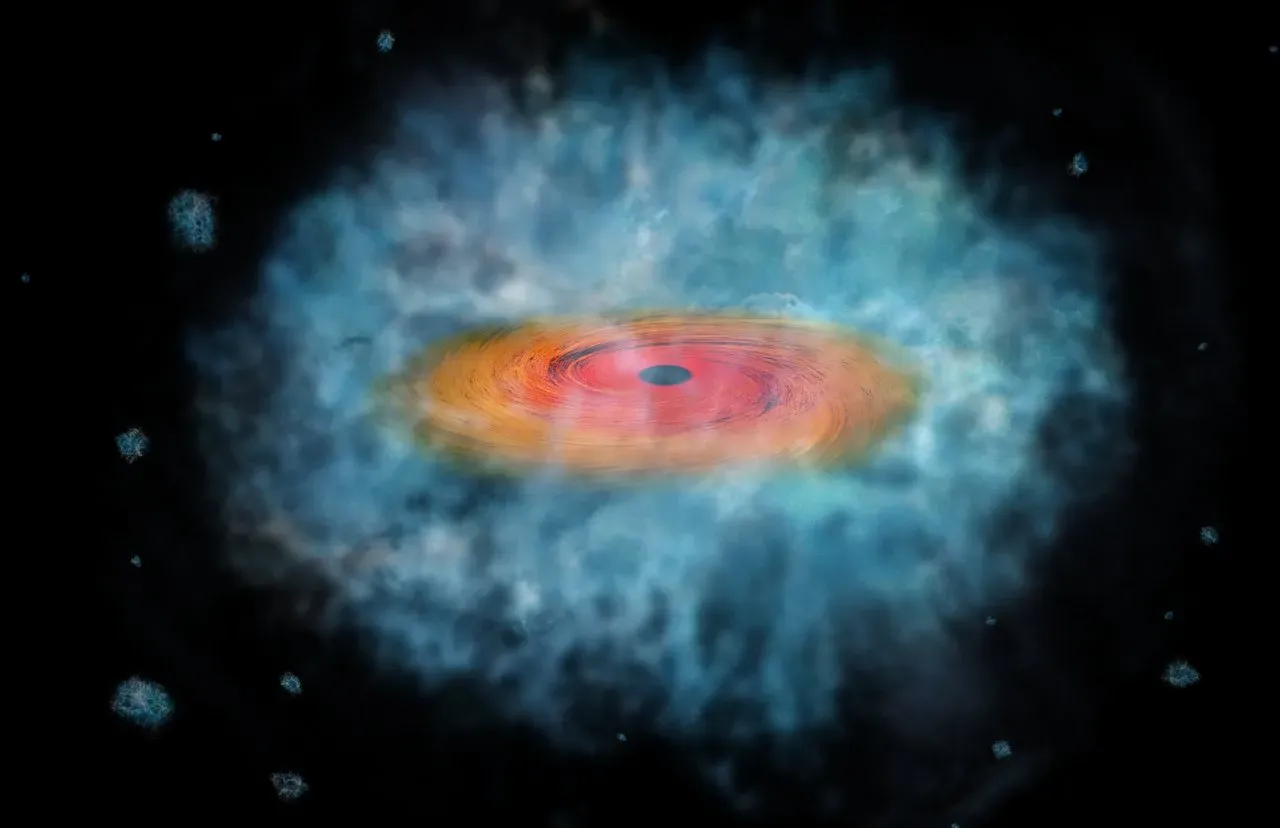
Here is something that might surprise you. Black holes, for all their terrifying power, are not permanent. They slowly, almost imperceptibly, lose energy over unimaginably vast stretches of time. Stephen Hawking proposed that black holes are not completely black. They emit tiny amounts of thermal radiation due to quantum effects near the event horizon. Over astronomical timescales, this could cause black holes to lose mass and eventually evaporate. This is called Hawking radiation, and it remains one of the most elegant and provocative ideas in all of modern physics.
Quantum field theory in curved spacetime predicts that event horizons emit Hawking radiation, with its rate of emission being inversely proportional to its mass. This causes the black hole to lose mass very slowly, provided it is not accreting matter. Practically speaking, even the smallest class of black holes observed, stellar black holes, are gaining mass from the cosmic microwave background faster than they are losing mass via Hawking radiation. So your local stellar-mass black hole is not going anywhere anytime soon. Still, the principle itself is stunning: even the most inescapable objects in the universe carry within them the seeds of their own eventual end.
Conclusion: The Universe Is Stranger Than You Were Told
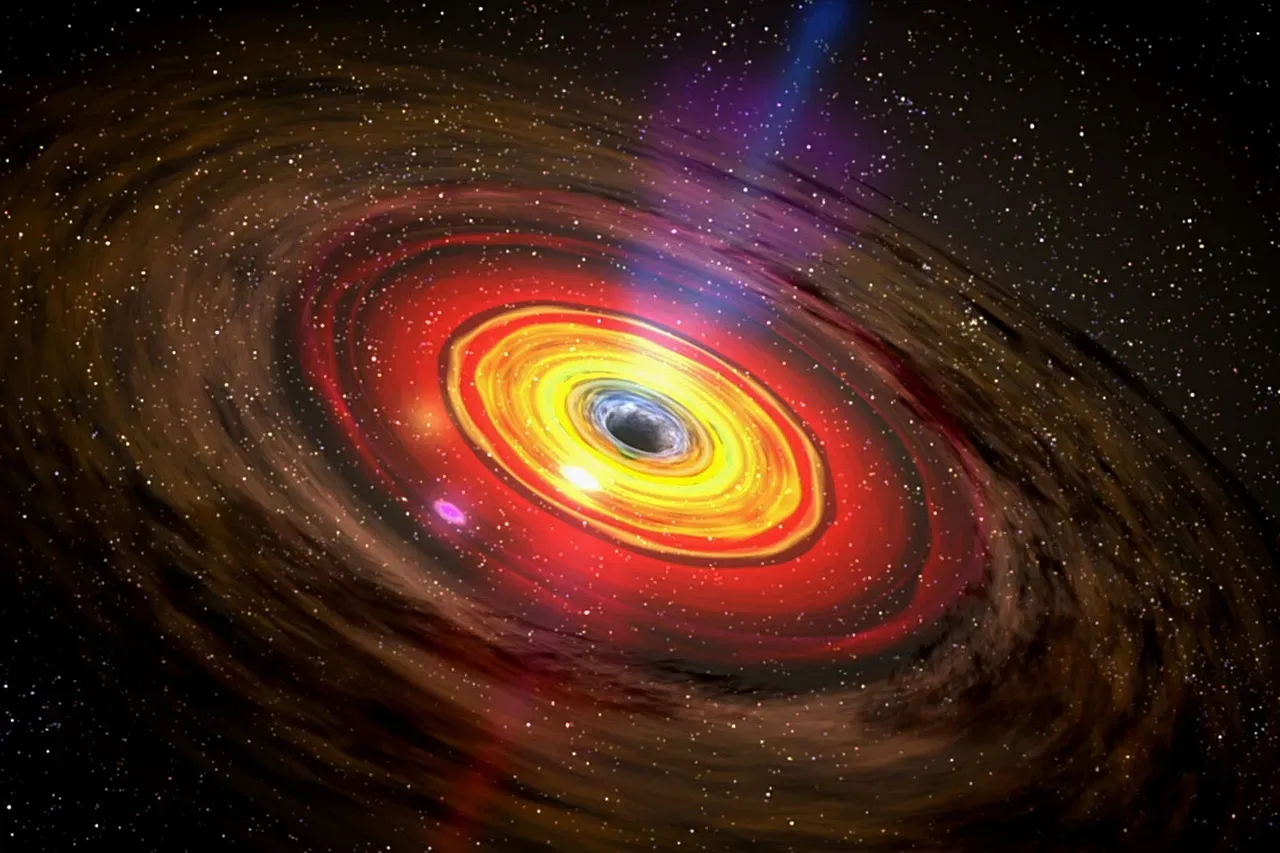
Black holes are not just exotic curiosities at the far edge of the cosmos. They are active proof that the universe operates under rules that routinely defy human intuition. Time slows, space warps, light bends, matter stretches, and the very concept of a fixed, universal reality dissolves the closer you get to one of these objects. Studying how time behaves around black holes helps scientists test relativity under extreme conditions, explore the limits of physics, and search for connections between gravity and quantum mechanics.
Every discovery, from frame-dragging captured in real-time to the first photograph of an event horizon, has confirmed that Einstein’s century-old predictions were not just brilliant guesses. They were accurate maps of a universe far stranger than anyone had imagined. These effects reveal how black holes act as natural laboratories for testing the limits of physics. The deeper scientists look, the more questions emerge. Which, honestly, is exactly where the most exciting science lives.
So the next time you glance at a clock and trust that a second is just a second, remember: somewhere out there, near the edge of a black hole, that same second could last a lifetime. What does that do to your sense of reality? Tell us in the comments.