
Nature has been running its own research and development lab for millions of years, and honestly, it puts science fiction writers to shame. You might think the wildest creatures live only in the pages of fantasy novels or on cinema screens, but the truth is far more mind-bending. The real world is teeming with animals that freeze themselves solid, grow bone claws like comic book superheroes, and biologically reset their age as if death itself is just an inconvenience.
What you’re about to discover isn’t a curated list of “cool trivia.” These are verified biological realities that challenge everything you thought you understood about what life can do. So buckle up, because the animal kingdom is far stranger than you ever imagined. Let’s dive in.
1. The Wood Frog: Nature’s Deep Freeze Survivor
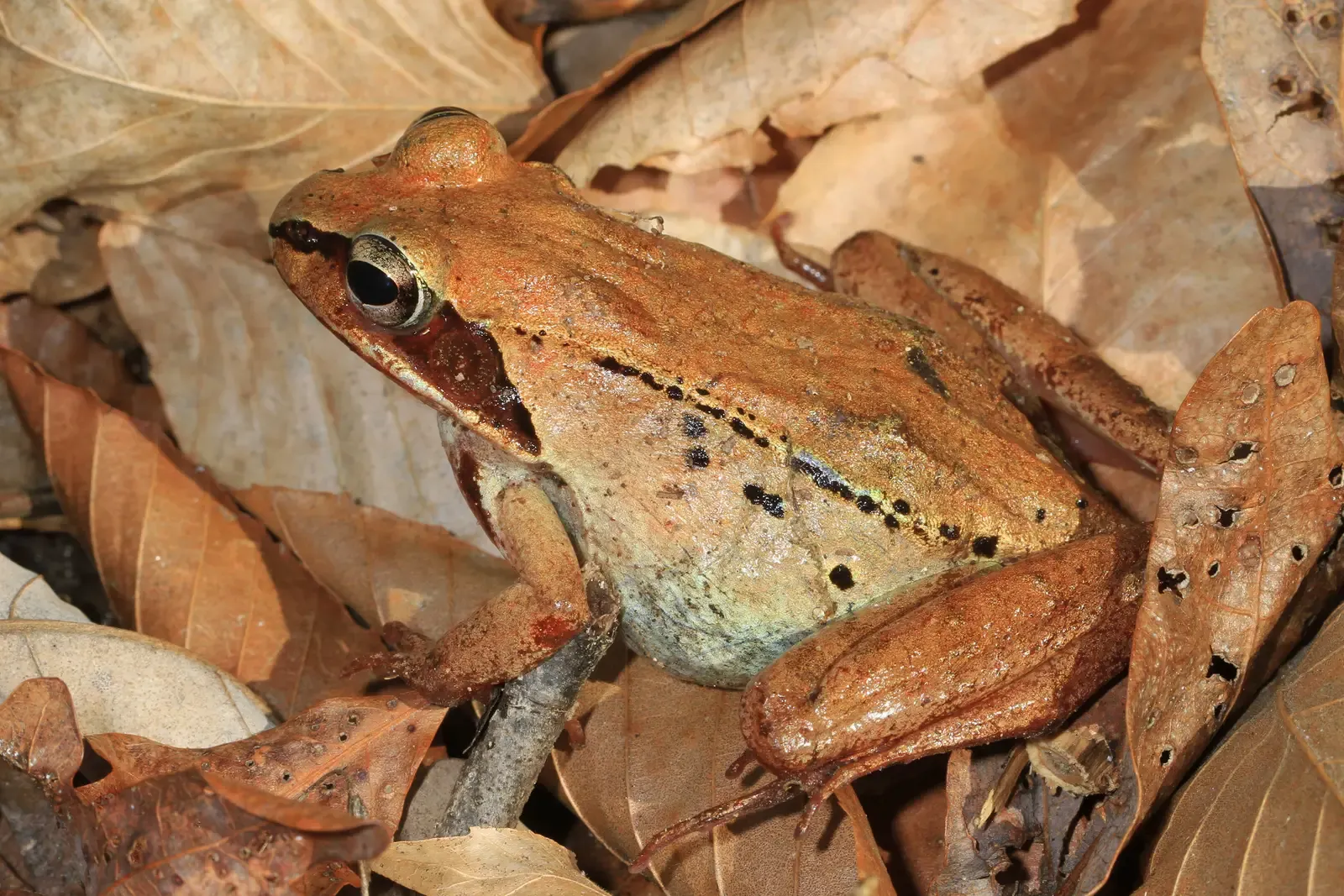
Picture this: you step outside in the dead of winter and find a frog sitting frozen solid in the leaf litter, completely stiff, no heartbeat, no breathing. You’d probably assume it was dead. You’d be wrong. Wood frogs have adapted to remain frozen for up to eight months of the year, with ice filling their abdominal cavity and forming between their layers of skin and muscle. It’s not a metaphor. It’s not a trick. The frog is, for all practical purposes, a biological ice cube.
Here’s where it gets genuinely jaw-dropping. While freezing occurs, the frog’s liver produces large amounts of glucose, which prevents their cells from freezing and binds water molecules to prevent dehydration, so while ice forms on the outsides of their organs and cells, the insides of their cells are protected. When hibernating, wood frogs have no heartbeat and do not breathe, yet in spring, once they thaw, their hearts start beating again. That’s not survival. That’s something closer to resurrection.
2. The Hairy Frog: Real-Life Wolverine With Bone Claws
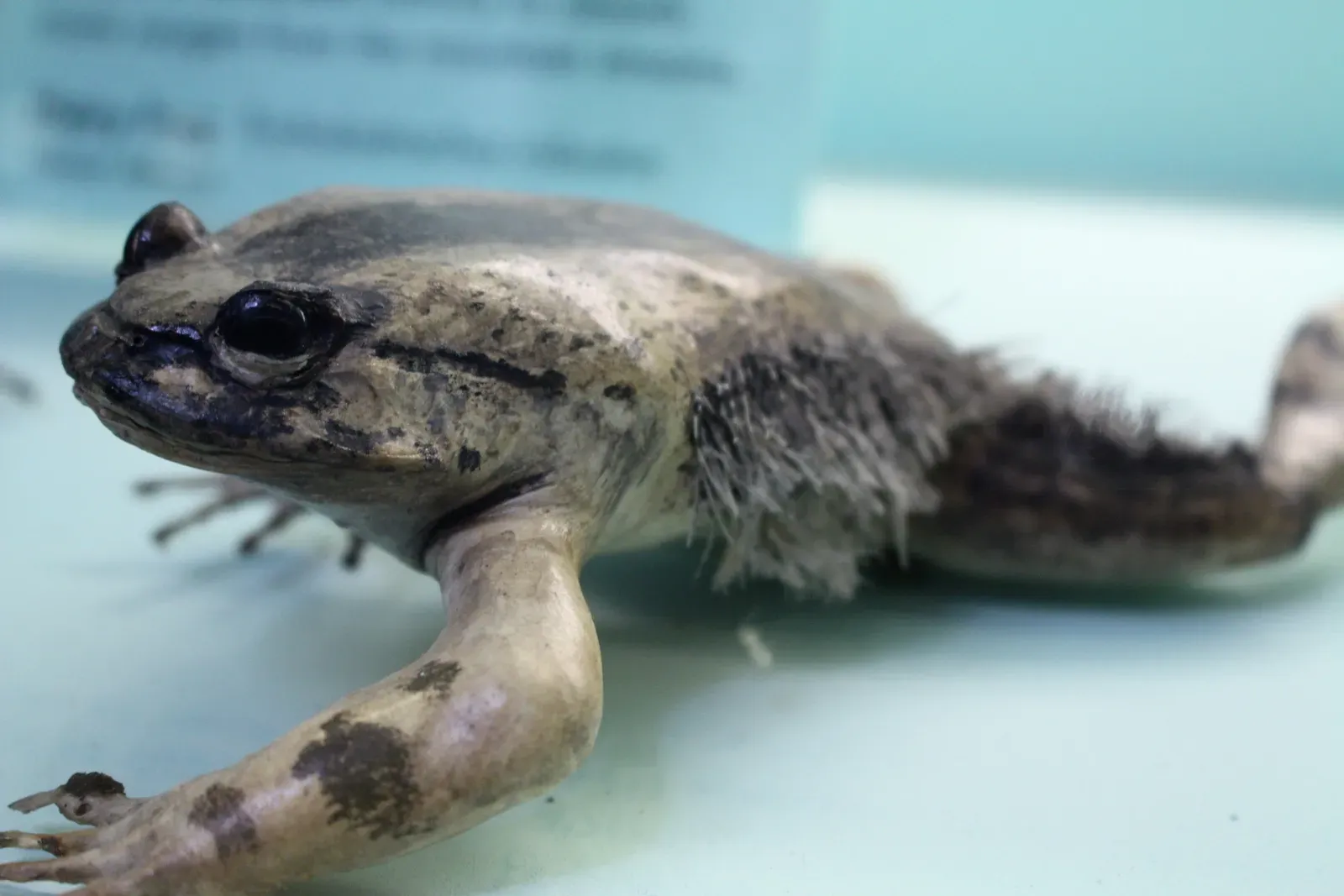
You’ve seen Wolverine shoot adamantium claws from his knuckles in the movies. Most people assume that’s pure fantasy. Here’s the thing – nature got there first, and it’s considerably more disturbing. The Central African hairy frog, known as the “horror frog,” when threatened, deliberately breaks the bones in its own toes, pushing the sharp, broken bone fragments through its skin to create makeshift claws. You read that right. It intentionally fractures itself.
These bone claws serve as weapons against predators, similar to the fictional character Wolverine from X-Men, though unlike the superhero, the frog can’t retract these weapons – once deployed, the bones remain protruding until they heal naturally. The frog’s skin contains collagen around the bone that creates a channel for the bone to emerge through, minimizing tissue damage, making this extreme adaptation a remarkable demonstration of how far evolution will go to enhance survival, even when the solution involves self-injury. Honestly, calling it a “horror frog” feels like an understatement.
3. The Mimic Octopus: The Ocean’s Master of Disguise
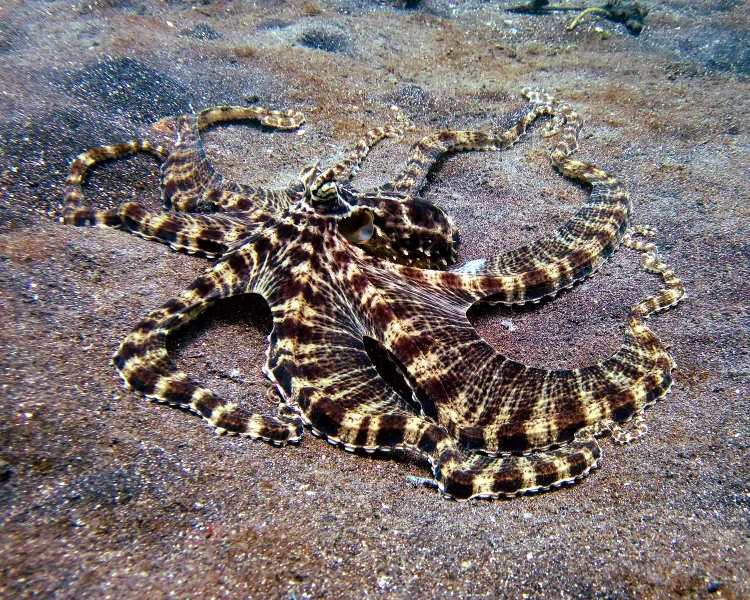
Most animals have one trick for blending in. A stick insect looks like a stick. A flounder matches the seafloor. Simple, effective, boring. The mimic octopus laughed at that approach and went several miles further. Found in the murky waters of Indonesia, the mimic octopus can impersonate up to 15 different marine species, including lionfish, flatfish, and sea snakes. Not just a color change, but a full-body behavioral performance.
The mimic octopus’s impressive adaptability showcases evolution’s ingenuity, and by mimicking the behavior and appearance of venomous creatures, it deters potential threats effectively – a survival strategy that stands as a testament to the complexity and creativity of nature’s designs. Think of it like an actor who doesn’t just wear a costume but fully becomes the character, movement and all. Its skin can change colors and textures, providing an additional layer of camouflage that makes the whole performance genuinely convincing. Few things in nature feel quite as theatrical as this.
4. The Axolotl: The Creature That Refuses to Grow Up (or Die)
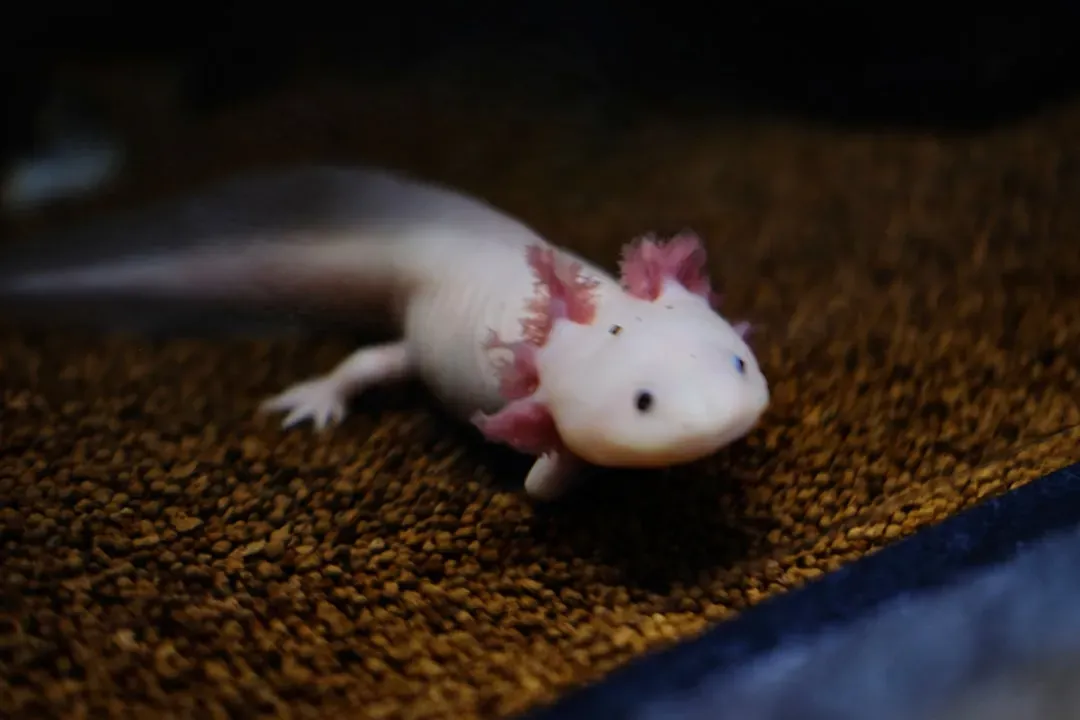
If you could choose between growing up and keeping the ability to regenerate any part of your body at will, which would you pick? The axolotl made its choice millions of years ago and never looked back. The axolotl, a unique amphibian native to Mexico, possesses an extraordinary ability to regenerate lost body parts, and unlike other salamanders that develop lungs, it retains its juvenile form throughout its life, maintaining its feathery external gills – a feature called neoteny that allows it to live entirely underwater, avoiding terrestrial predators.
Regeneration extends to limbs, spinal cord, and even parts of the heart and brain, making the axolotl a subject of medical research. Scientists are actively studying this creature hoping to unlock clues about human tissue regeneration. Often called the “Mexican walking fish,” it’s renowned for its extraordinary ability to regenerate limbs, spinal cords, and even parts of vital organs like the heart and brain, making the axolotl a focal point for medical research with scientists studying its potential applications for human tissue regeneration. It’s not just a biological curiosity – it could one day change medicine as you know it.
5. The Immortal Jellyfish: Biological Time Travel Is Real
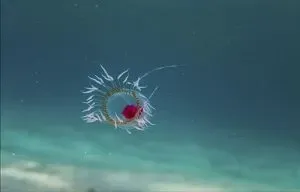
What if aging wasn’t a one-way street? What if, instead of marching toward death, you could simply hit rewind and start over? For one tiny, quietly extraordinary creature, that’s not a philosophical question – it’s Tuesday. The immortal jellyfish has a unique life cycle that allows it to revert to its juvenile form after reaching maturity, and this process, known as transdifferentiation, enables the jellyfish to escape death by effectively resetting its biological clock.
The turritopsis jellyfish almost achieves true immortality – when faced with stress, injury, or old age, this tiny jellyfish reverses its development, turning its cells back into a youthful state and starting life anew. Think of it like a butterfly that can transform back into a caterpillar, not once, but potentially over and over. While not truly immortal, this adaptation provides a fascinating insight into the possibilities of biological regeneration, hinting at potential applications for understanding human aging. The implications for what you understand about biological life cycles are staggering.
6. The Bombardier Beetle: A Walking Chemical Weapon
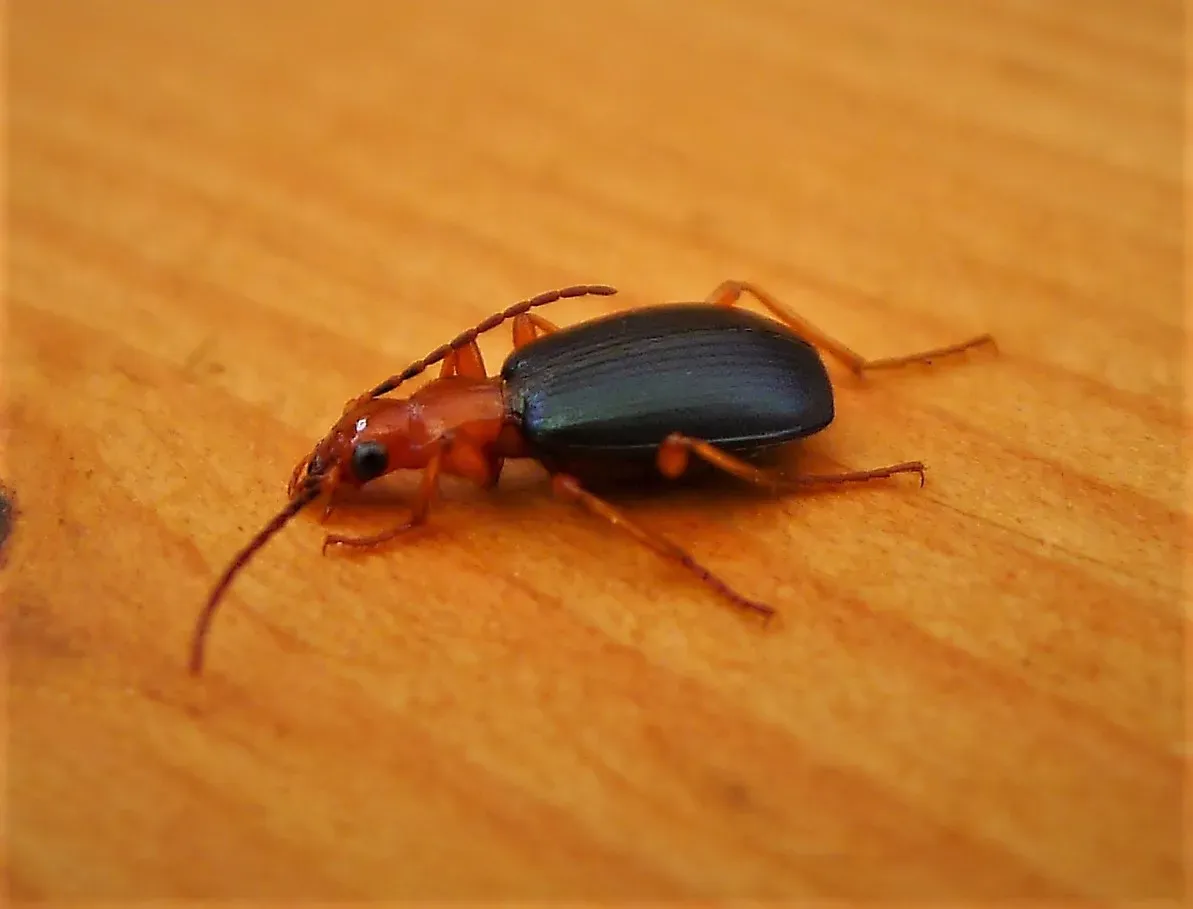
Let’s be real – most beetles are not exactly thrilling. You see one, maybe you shrug. The bombardier beetle, however, is the exception that makes you take a very large step backwards. When threatened, the bombardier beetle unleashes an explosive defense mechanism by ejecting a boiling-hot chemical spray from its abdomen, accompanied by a loud popping sound and a cloud of noxious gas. Not warm. Not uncomfortable. Boiling.
This spray reaches temperatures close to 100 degrees Celsius and can be discharged in rapid bursts, effectively deterring predators – and found across the globe particularly in tropical and temperate regions, this beetle’s ability to mix and release chemical compounds on demand demonstrates a highly effective evolutionary adaptation for survival. It’s essentially a tiny, living artillery cannon. These astonishing traits are not random quirks – they are the results of millions of years of evolutionary refinement, honed by natural selection to solve life-or-death challenges in specific environments. The bombardier beetle is living proof that when survival is on the line, evolution will engineer solutions that seem utterly impossible.
Conclusion: Nature Has Always Been Ahead of the Story
You started this journey thinking that the wildest creatures lived only in fiction. Hopefully, by now, that idea has been thoroughly shattered. From a frog that literally freezes and thaws itself back to life, to a beetle that shoots boiling chemical jets at its enemies, to a jellyfish that biologically reverses its own aging process – the natural world is operating on a level that fiction can barely keep up with.
By studying these creatures, we not only gain a deeper appreciation for the diversity of life on Earth but also unlock potential applications in fields ranging from medicine to materials science, as nature has been solving complex problems long before humans ever picked up tools. Every one of these adaptations is a reminder that reality, when you look closely enough, is the most extraordinary story ever told.
The next time someone tells you something sounds too strange to be true, remember the horror frog quietly breaking its own bones in the rainforest right now. What other secrets do you think the natural world is still hiding from us? Tell us in the comments.