
Science has never moved faster than it does right now. Honestly, it can feel almost overwhelming trying to keep up. One week there’s a gene-editing milestone; the next, someone has figured out a new way to store energy for days on end. The pace is breathtaking, and the implications go far beyond what you might read in a headline.
What’s happening in laboratories around the world right now isn’t just incremental progress. You’re looking at a fundamental rewiring of how humanity will live, heal, power itself, and think. Some of these breakthroughs are already quietly changing lives; others are still gathering momentum. Either way, you’d be wise to pay attention. Let’s dive in.
1. Renewable Energy Hits Its Tipping Point – and There’s No Going Back
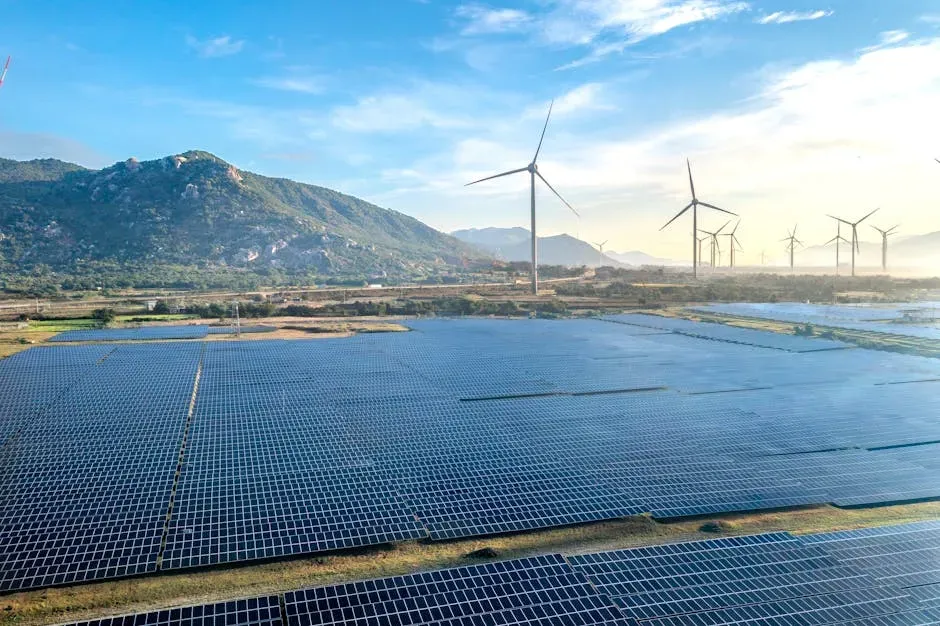
Here’s something that might genuinely blow your mind. Back in 2004, it took the entire world a full year to install just one gigawatt of solar power capacity. Today, twice that amount goes online every single day. That’s not gradual progress. That’s a revolution disguised as routine infrastructure work.
Renewable energy, most of it from sunlight itself or from wind, overtook conventional energy on multiple fronts in 2025. Renewables surpassed coal as a source of electricity worldwide, and solar and wind energy grew fast enough to cover the entire increase in global electricity use from January to June, according to energy think tank Ember. Think of it like a snowball rolling downhill. It’s past the point where anything can stop it.
Back in the early days of solar, buyers paid a premium over fossil energy because of climate concerns. Now, the real driver is self-interest: lower cost and greater energy security. That shift in motivation is enormous. When green energy becomes the financially smart choice rather than the idealistic one, adoption accelerates in ways no policy could ever force. In 2025, Form Energy began manufacturing iron-air batteries at scale, enabling multi-day energy storage using plentiful, non-toxic materials like iron, water, and air, with the ability to store electricity for up to 100 hours – long-lasting enough to replace fossil fuel-based peaker plants and stabilize renewable-heavy grids.
2. CRISPR and Gene Editing Are Rewriting the Rules of Human Health
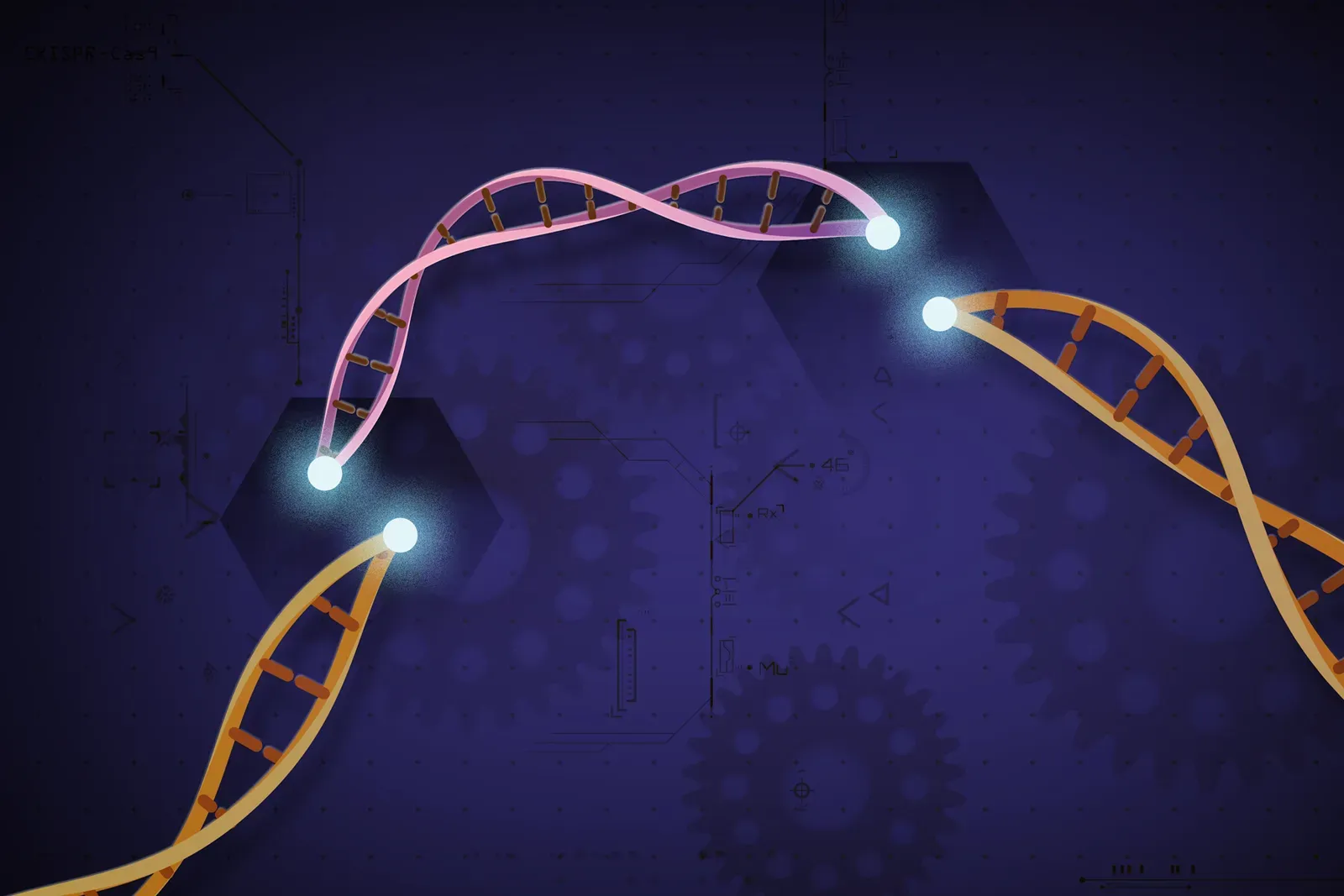
You’ve probably heard the word CRISPR thrown around in science circles, but the reality of what’s happening with gene editing right now is nothing short of staggering. David Liu received the 2025 Breakthrough Prize in Life Sciences for developing a revolutionary gene-editing platform that precisely corrects genetic mutations. This isn’t science fiction anymore. It’s a prize being handed out at a ceremony.
Researchers at ChristianaCare’s Gene Editing Institute reported that disabling the NRF2 gene with CRISPR can reverse chemotherapy resistance in lung cancer, restoring drug sensitivity and slowing tumor growth, with consistent benefits across cell studies and animal models, suggesting wider potential for treating other resistant tumors. That’s a genuinely jaw-dropping result. For patients who had run out of options, this kind of research doesn’t just offer hope; it changes the entire equation.
I think what makes this era of gene editing so exciting is how personalized it’s becoming. Scientists developed a new gene-editing tool called STITCHR, designed to insert large pieces of DNA into genomes, based on a highly active retrotransposon engineered into a programmable system that can insert edits up to 12.7 kilobases long, roughly the size of the average human gene, without errors. The tools are getting sharper, faster, and more precise. In 2025, it now takes under four hours to sequence and analyze a human genome, compared to months just two decades ago.
3. Quantum Computing Steps Out of the Lab and Into Reality
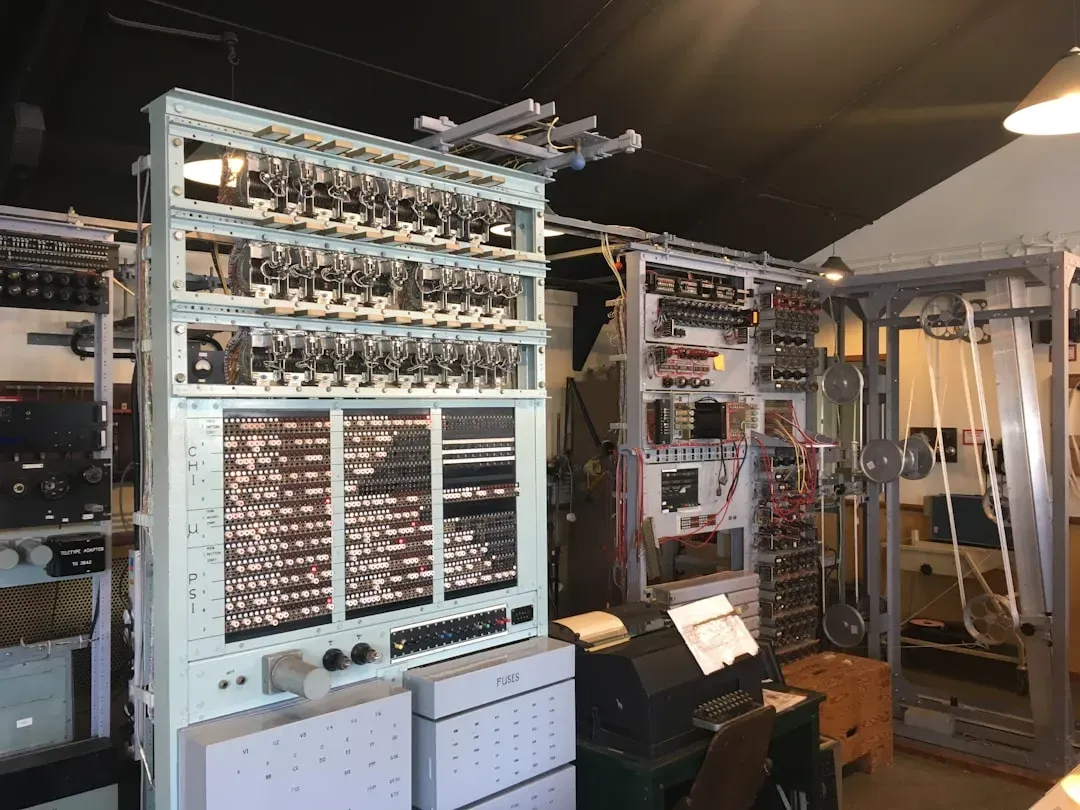
Quantum computing has been the “coming soon” technology for so long that some people wrote it off as permanent vaporware. Let’s be real about that. The skepticism was understandable. The United Nations proclaimed 2025 as the International Year of Quantum Science and Technology, and while quantum computing technology isn’t yet widely commercialized, it’s making steady progress toward real-world application in scientific research and development.
Cleveland Clinic and IBM recently installed the world’s first quantum computer dedicated to healthcare research and are beginning to apply its capabilities to tackle drug discovery questions that even modern supercomputers could not answer. Researchers are exploring how quantum computing will accelerate drug discovery by enabling more complex simulations of molecule behaviors and efficient modeling of protein folding. Think of it like upgrading from a bicycle to a rocket ship when it comes to solving certain mathematical puzzles.
This creates an opportunity for quantum computing to drive significant progress in a short period of time as implementation ramps up, and beyond drug development, quantum computing could solve complex challenges in many other fields. The moment this technology scales reliably, you will feel its effects in everything from your bank’s security protocols to the design of future materials and medicines. It’s that broad.
4. A Breakthrough in Cancer Treatment You Probably Haven’t Heard About Yet

Cancer research headlines come and go, and it’s easy to become numb to them. This one, though, is different. CD40 agonist antibodies had long shown promise as cancer-fighting treatments in mice, but in humans the therapy failed, provoking dangerous inflammation with little benefit. So researchers at Rockefeller University re-engineered a next-generation CD40 antibody that binds more effectively to human receptors. The pivot from failure to reinvention is exactly how real scientific progress looks up close.
Researchers reported encouraging results from Phase I clinical trials: among 12 patients with metastatic cancers, half saw systemic tumor shrinkage and two experienced complete remission. By delivering the antibodies directly into tumors, the researchers also dramatically boosted antitumor activity while avoiding the toxic side effects that had derailed earlier trials. Half of metastatic cancer patients seeing tumor shrinkage in an early trial is a remarkable signal.
There is more going on in the cancer science space too. In 2025, scientists made progress toward detecting and potentially preventing pancreatic cancer much earlier. In studies using lab mice and human cells, scientists found that blocking the FGFR2 protein, which turbocharges early pancreatic cancer cells, prevents them from becoming cancerous in certain situations, and because drugs that inhibit this protein are already available, researchers hope to test this approach in high-risk individuals. Catching the deadliest cancers before they fully form, instead of after, could be the single biggest shift in oncology of this generation.
5. The Shingles Vaccine and a Shocking New Weapon Against Alzheimer’s
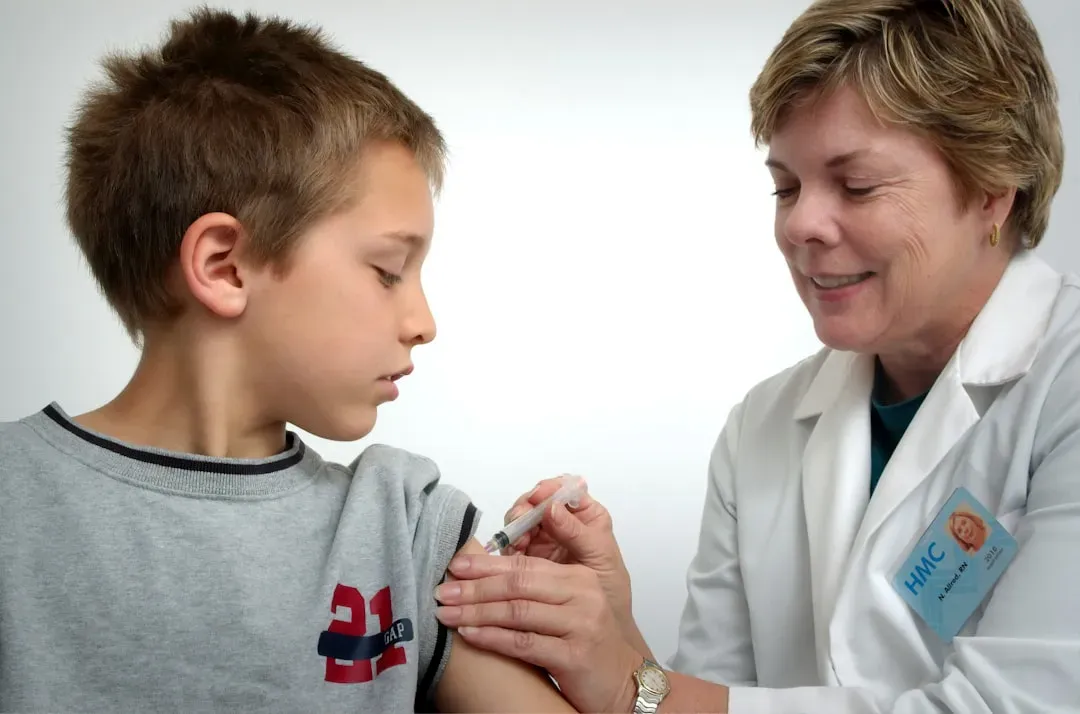
Sometimes a scientific breakthrough doesn’t come from building something entirely new. Sometimes it arrives through a stunning, unexpected discovery about something you already had in your medicine cabinet. A landmark real-world experiment gave the strongest evidence yet that the shingles vaccine could lower the risk of Alzheimer’s disease and other forms of dementia, finally giving concrete data to support a longtime hunch that viruses may somewhat increase dementia risk.
People in Wales who received the shingles shot were roughly a fifth less likely to develop dementia over the next seven years compared with those who did not get it. That is a staggering population-level finding. We’ve been wrestling with Alzheimer’s for decades, spending billions on drugs that failed in late-stage trials. The idea that a widely available vaccine could meaningfully reduce dementia rates is the kind of quiet revolution that rewrites public health policy.
What makes this even more compelling is how it reshapes our understanding of the brain itself. Scientists learned from more than 40,000 scans that when the heart shows signs of disease, the brain often does as well, suggesting that protecting cardiovascular health could help lower the risk of dementia. Your brain and heart, it turns out, are far more connected than most people realize. Protecting one appears to protect the other. It’s hard to say for sure where all of this leads in the next decade, but the trajectory is genuinely exciting.
The Future Is Already Being Written
What’s striking about all five of these breakthroughs is that none of them feel like they belong to some distant, speculative future. They are happening now, in 2026, in real hospitals, real labs, and real energy grids around the world. The world of science never stops spinning, and while the headlines often focus on incremental improvements, recent years have delivered several “sleeper” innovations – discoveries that weren’t front-page news but hold profound implications for human health, energy, and planetary sustainability.
From gene scissors precise enough to fix a single mutation to a shingles shot that might protect your memory, the scope of what science is achieving right now is humbling. What you choose to pay attention to, and what conversations you decide to have about these discoveries, matters more than you might think. The future isn’t just being shaped in laboratories. It’s shaped by the people who understand what those laboratories are producing.
So here’s a thought to leave you with: which of these breakthroughs do you think will have the biggest impact on your life over the next 20 years? Think about it. The answer might surprise you.