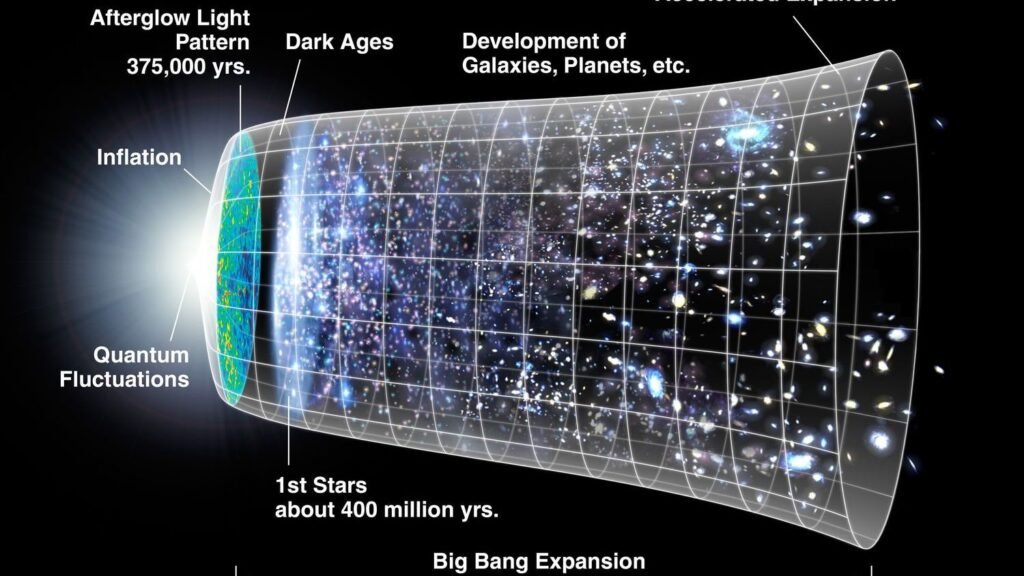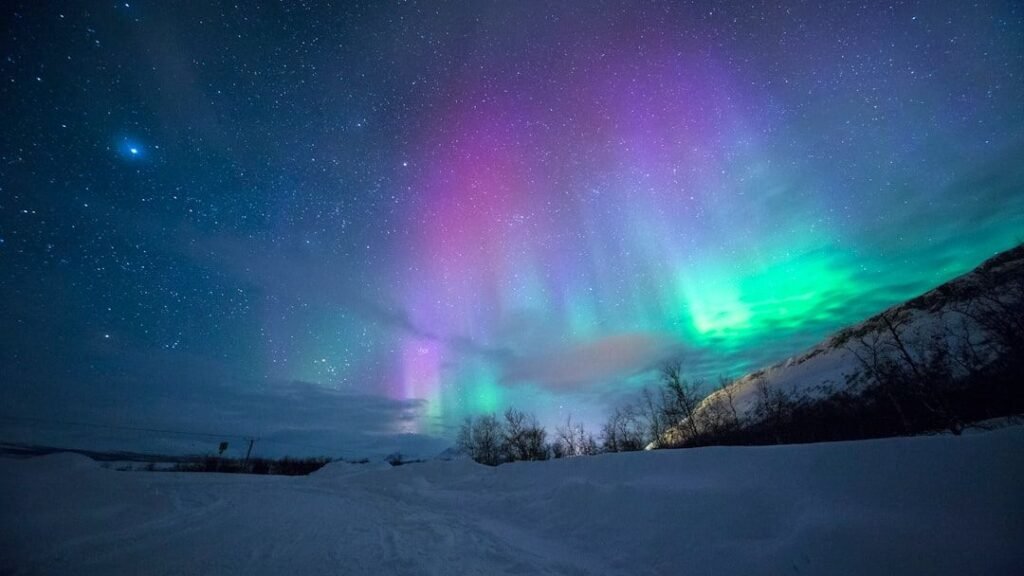
If you’ve ever seen the northern lights in person, you know they don’t feel like “just” a science phenomenon. They feel personal, almost like the sky is responding to some invisible music the rest of us can’t hear. For a lot of people, the first time standing under those moving curtains of green and purple light is one of those lifetime-core memories that never really fades.
But behind all that magic is something surprisingly raw and violent: our Sun throwing constant tantrums into space. The aurora is what happens when that solar chaos meets Earth’s magnetic shield in exactly the right way. Once you understand that story, the lights somehow become even more beautiful – because you’re not just watching colors in the sky, you’re watching space weather in real time.
How the Sun Powers the Northern Lights
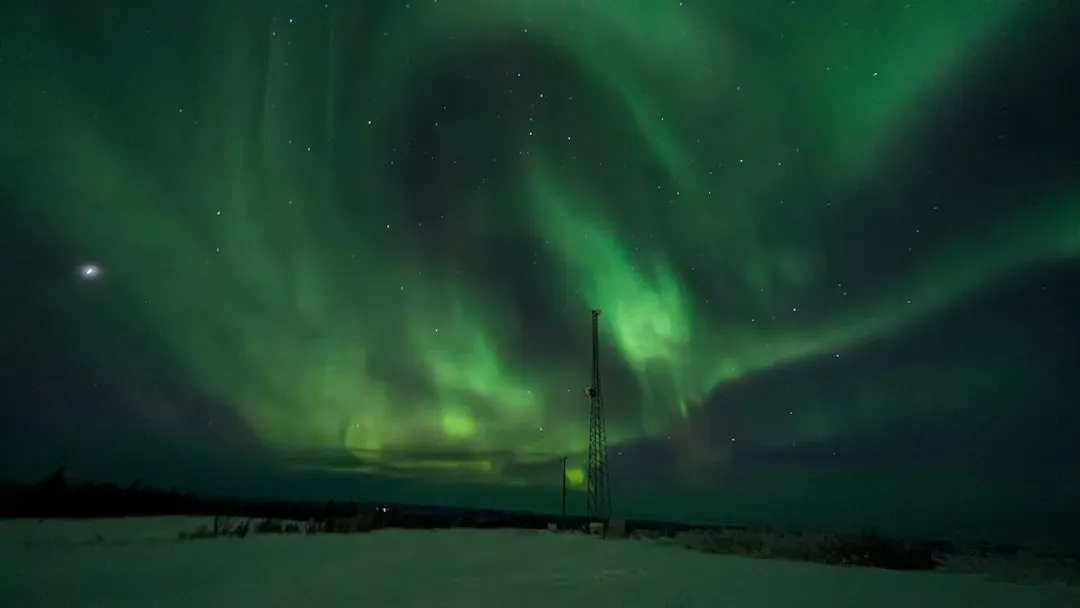
The quiet-looking ball of light you see in the daytime is actually a raging nuclear engine, constantly firing out a stream of charged particles called the solar wind. These particles, mainly electrons and protons, are blasted out of the Sun’s outer atmosphere at hundreds of kilometers per second. Most days this wind is more or less steady, like a cosmic breeze, but during solar storms it can turn into a furious gale. The aurora is one of the clearest reminders that what happens on the Sun doesn’t stay on the Sun.
When that solar wind reaches Earth, it collides with our planet’s protective magnetic field, which deflects most of the flow away. But at the poles, where the field lines dive in toward Earth’s atmosphere, some of those particles get funneled down like marbles rolling along invisible magnetic rails. As they plunge into the upper atmosphere, they bump into atoms and molecules of oxygen and nitrogen. Those collisions transfer energy, and when the atoms relax and release it again as light, the sky glows with the colors we call the aurora borealis in the north and aurora australis in the south.
Why Auroras Cluster Around the Poles
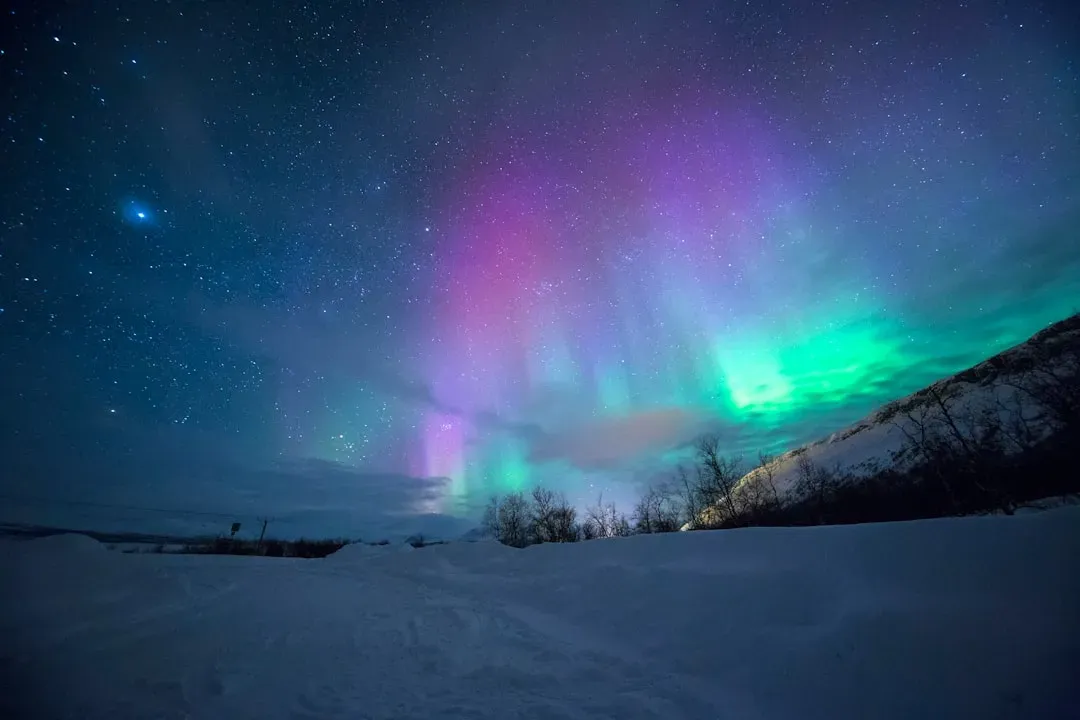
It seems almost unfair at first glance that people in Norway or Alaska get regular auroras while those closer to the equator can live their whole lives and never see one. The reason is that Earth’s magnetic field acts like a giant funnel, pulling charged particles toward the high latitudes. Instead of hitting the atmosphere evenly around the planet, the particles follow those field lines and light up ring-shaped zones around each magnetic pole called the auroral ovals. If you were floating above Earth, you’d see them as glowing halos centered near, but not exactly at, the geographic poles.
Those ovals are not fixed in place or constant in size. During calm space weather they’re relatively narrow and stay closer to the polar regions. When solar activity ramps up – like after a strong solar flare or a coronal mass ejection – the ovals expand and can push much farther south (or north in the southern hemisphere). That’s why, during intense solar storms, people in places like Scotland, Germany, or even parts of the northern United States sometimes suddenly find themselves staring at auroras that are usually reserved for Arctic skies.
The Colors: Why Green Dominates, but Red and Purple Steal the Show
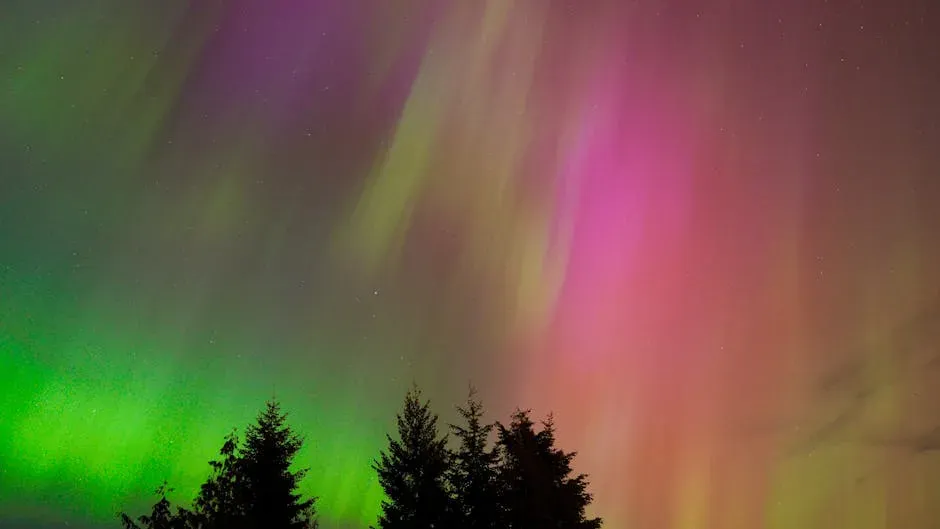
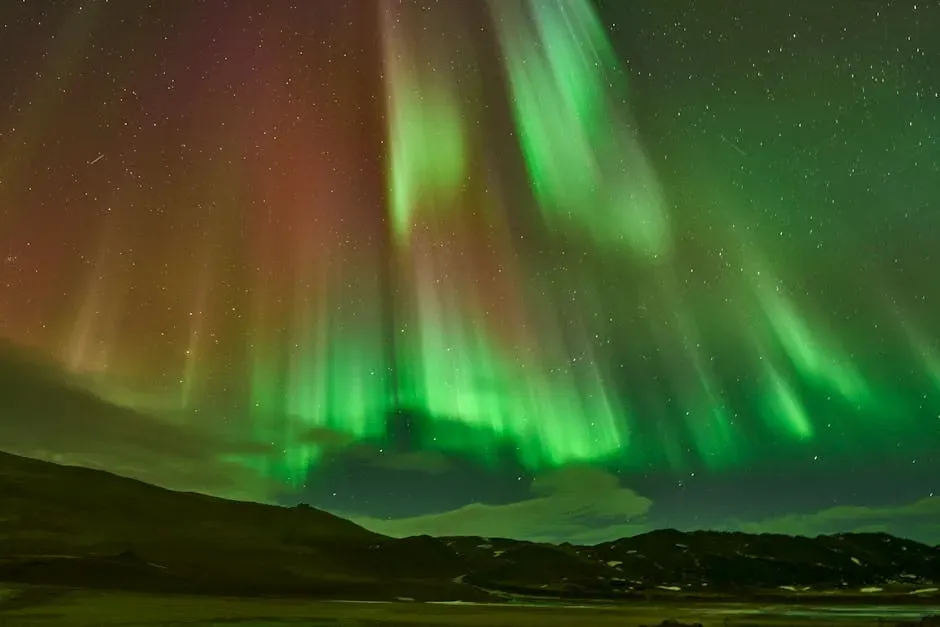
Most photos of the aurora show that iconic green color, and there’s a solid physics reason for that. Green comes from oxygen atoms roughly one to two hundred kilometers above Earth’s surface, which emit green light when they relax after being excited by incoming particles. That altitude band is especially active, which is why green tends to dominate the show. Think of it as the “main stage” of the aurora’s light concert.
Other colors are rarer but often more dramatic. High-altitude oxygen, above about two hundred kilometers, can release a deep crimson red that can look eerie and otherworldly, almost like the sky is bleeding light. Nitrogen molecules produce purples, pinks, and occasionally a bluish hue, especially at lower altitudes where collisions are more energetic. When all of this stacks together along your line of sight, you can get layered curtains: green at the bottom, red on top, with purples threading through. It’s like the sky is blending its own gradient without asking anyone’s permission.
From Solar Flares to Coronal Mass Ejections: The Big Triggers
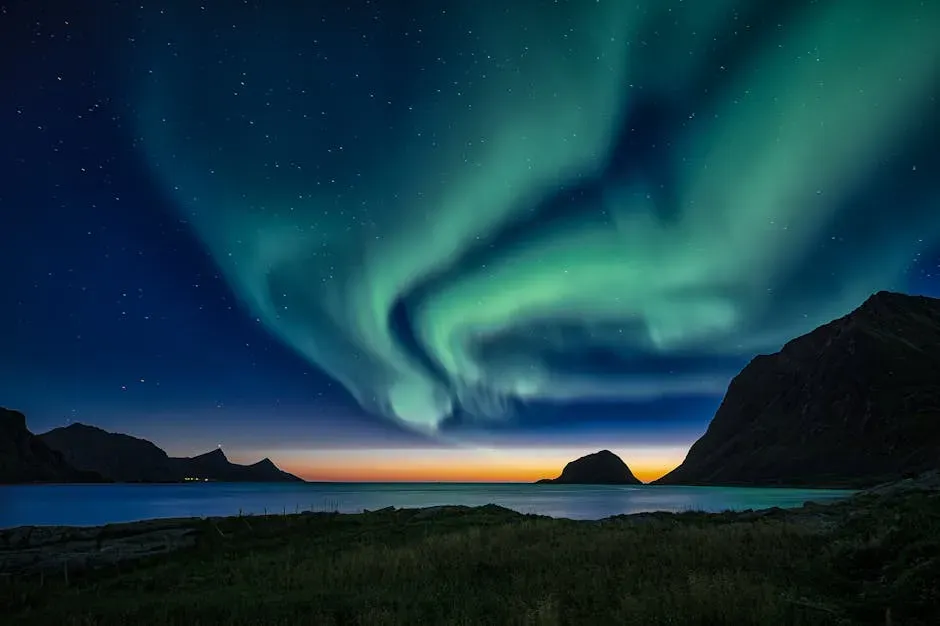
Not all solar activity is created equal when it comes to auroras. Solar flares are intense bursts of radiation from the Sun’s surface, and while they can affect radio communications and satellites, the most dramatic auroras often come from something else: coronal mass ejections, or CMEs. A CME is a giant bubble of plasma and magnetic field ejected from the Sun’s corona, sometimes containing billions of tons of material hurled into space. When that bubble is aimed at Earth and the timing is right, you get what’s essentially a planetary-scale energy transfer.
As that CME slams into Earth’s magnetic field, it can compress and disturb it in powerful ways, loading up the magnetosphere with energy. Eventually that energy is dumped into the polar regions, where particles are accelerated down into the atmosphere, igniting intense auroral storms. These events can last for hours and push the auroral ovals far from the poles, turning normally quiet skies into shimmering, fast-moving rivers of light. It’s like the difference between a flickering candle and a power surge hitting a city grid.
Space Weather and Its Impact on Our Technology
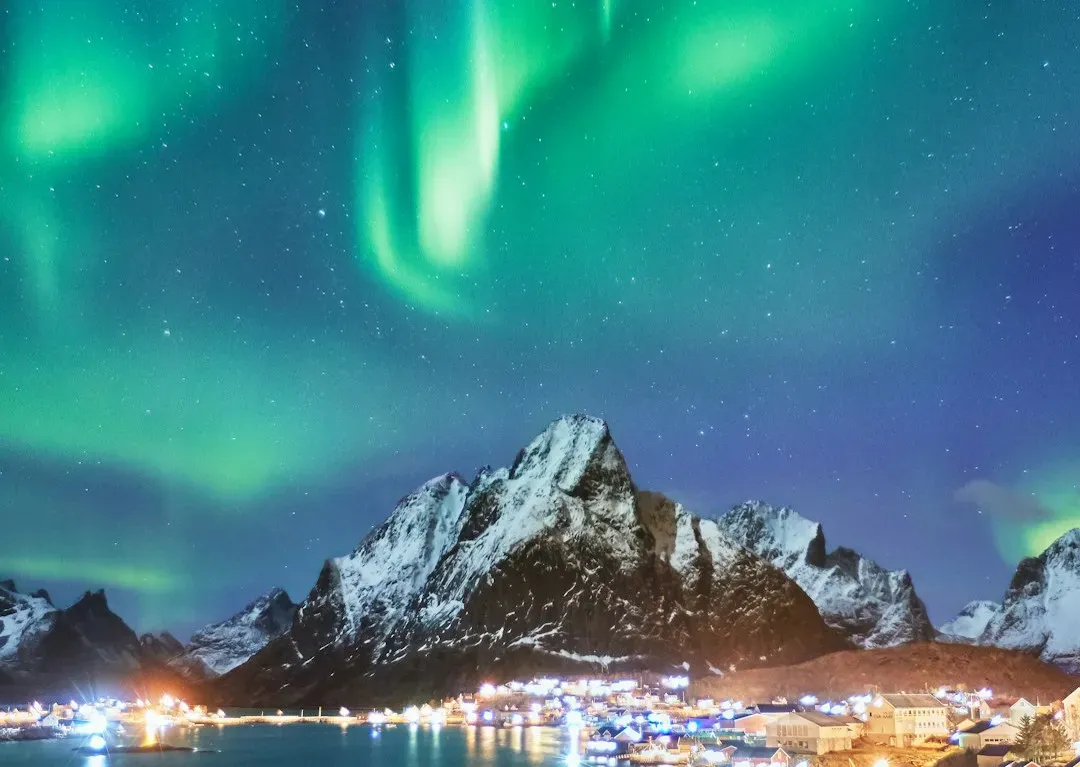
As beautiful as auroras are, they come with a serious side effect: they’re visible signs that Earth is being hammered by space weather. When the geomagnetic field is disturbed, it can induce electrical currents in long conductors like power lines and pipelines. This has real-world consequences – historically, strong solar storms have disrupted power grids, radio signals, and satellite operations. The aurora might be dancing gracefully overhead, but behind the scenes, engineers can be scrambling to protect critical infrastructure.
In our hyper-connected world, with GPS, satellite internet, and global communications depending heavily on space-based hardware, solar storms are more than just a curiosity. Satellites can get hit by energetic particles, which can damage electronics or interfere with their normal function. Aviation routes over polar regions may be altered because high-frequency radio communications get patchy during intense geomagnetic storms. Every time you see an especially strong aurora report, it’s also a quiet reminder that we’ve hitched our modern life to systems that are vulnerable to a moody star.
The Best Places and Conditions to See the Aurora Borealis
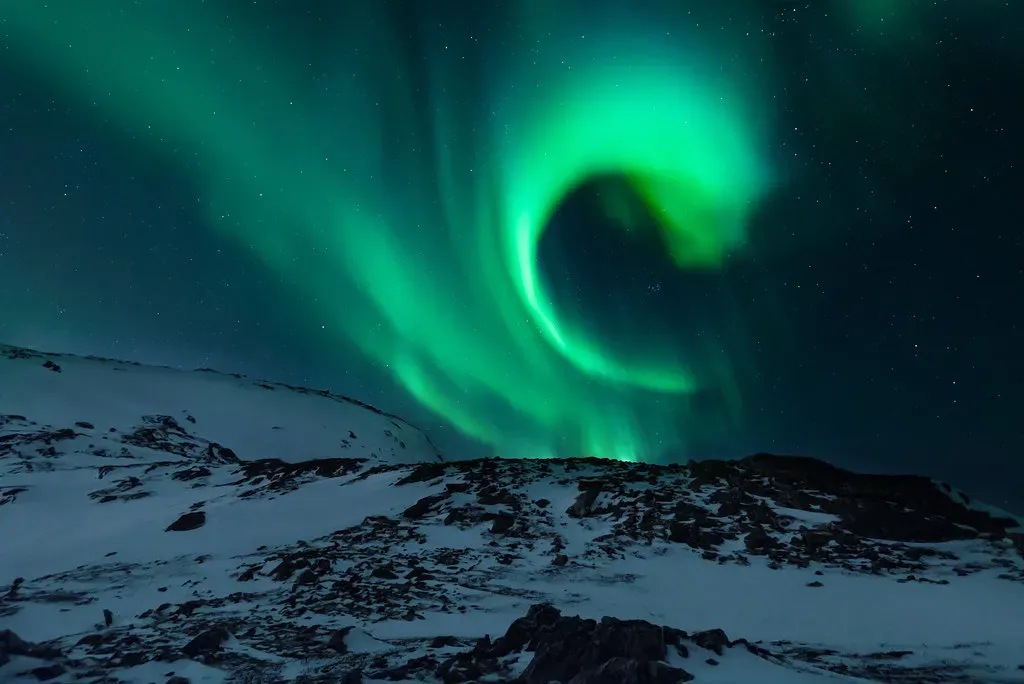
If watching the northern lights is on your bucket list, where you go and when you go makes a big difference. Locations within or near the auroral oval are consistently the best: northern Norway, Sweden, and Finland; Iceland; parts of Canada like Yukon, Northwest Territories, and northern Quebec; and Alaska. These regions sit under the typical path of auroral activity, so even on relatively calm nights, there’s a decent chance of a light show, especially in the darker months.
Timing matters just as much as geography. Long, dark nights during local winter are ideal, because you need both darkness and clear skies. Light pollution can drown out faint auroras, so getting away from city lights gives your eyes a chance to adapt and pick up softer glows that a camera might see first. You also need patience: auroras can be wildly unpredictable on a minute-to-minute basis. I still remember standing in a frozen parking lot in northern Sweden for nearly two hours with nothing happening, and then – suddenly – the whole sky started moving at once, like someone had just turned on a cosmic dimmer switch.
How Cameras See More Than Our Eyes
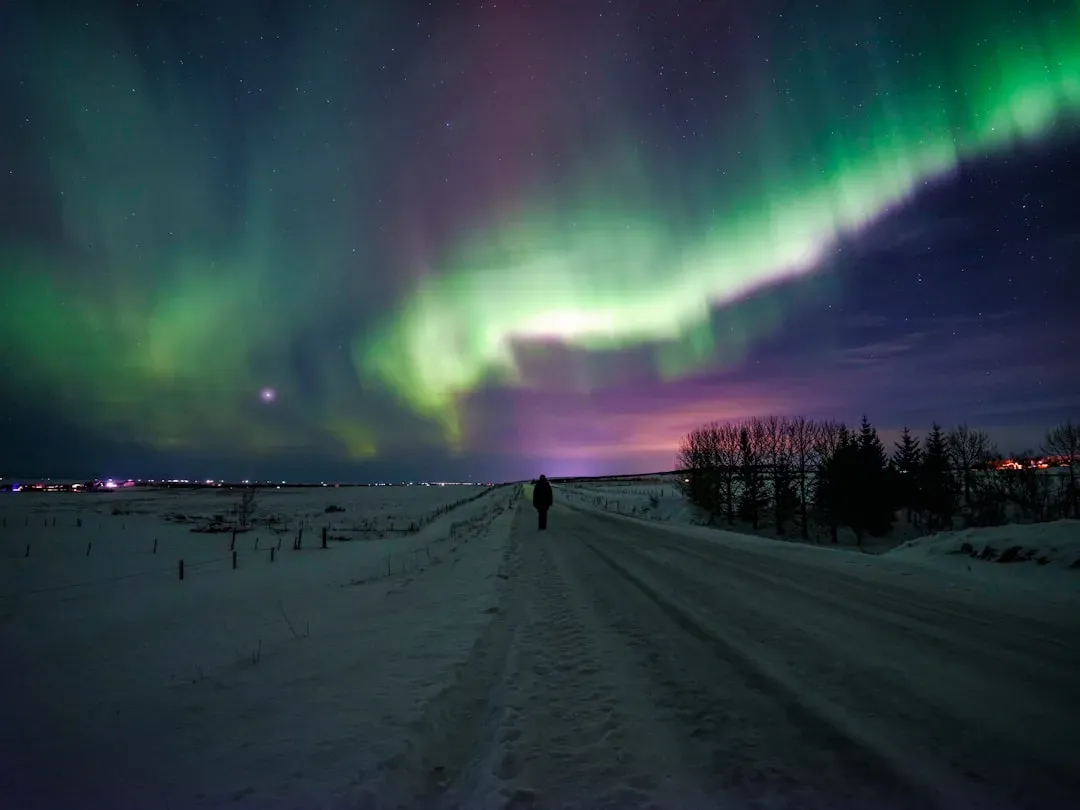
One slightly frustrating truth is that auroras often look more vivid and colorful in photos than they do to the naked eye. Our eyes don’t perform well in low light; we rely more on light-sensitive cells that detect brightness than on the ones that perceive color when it’s dark. That means a faint aurora might look like a greyish or pale green haze to you, but a camera using a longer exposure can soak in more light and reveal intense greens, reds, and purples. It’s a bit like how a slow trickle filling a bucket eventually looks like a lot of water.
Modern smartphone cameras, with their night modes and computational tricks, have made it easier than ever to photograph the lights. Still, a tripod, a wide-angle lens, and a manual exposure of several seconds can capture structure and color that your eyes barely register in real time. Some people feel let down when what they see in person doesn’t match the photos online, but others find it oddly grounding. The camera may exaggerate the colors, yet standing there under moving arcs and silent rays, smelling the cold air, feels more real than anything a picture can fake.
STEVE, Pickering Fence, and Other Strange Sky Phenomena
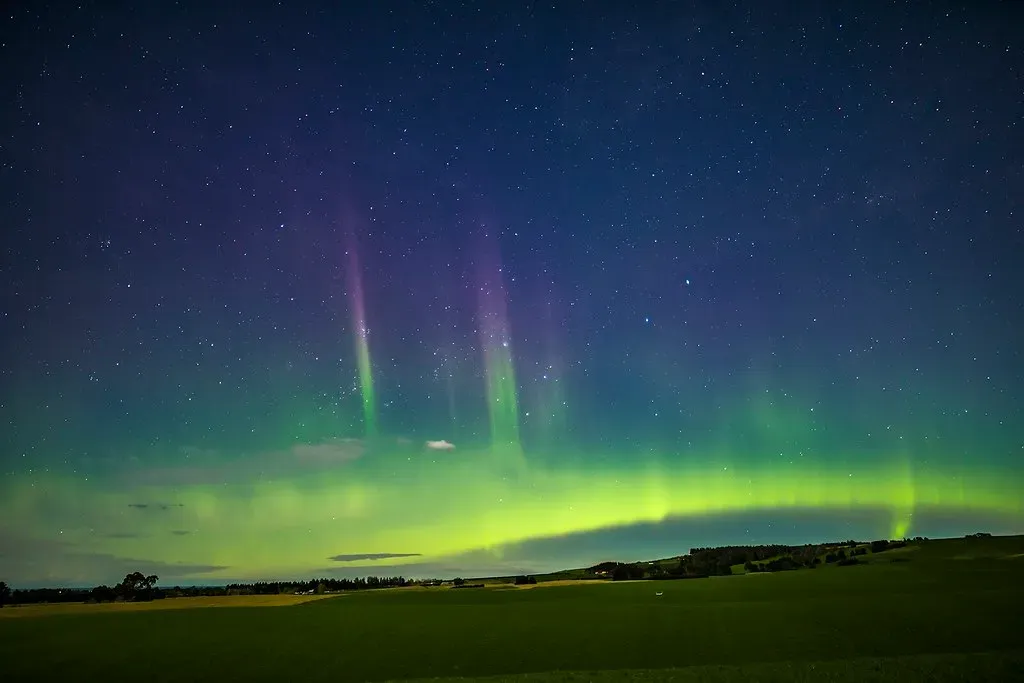
In the last decade, aurora chasers and researchers have uncovered some truly weird sky phenomena that sit alongside traditional auroras. One of the most talked-about is a narrow, mauve-colored arc nicknamed STEVE. Unlike typical auroras, STEVE tends to form farther from the poles and shows up as a single, sharp band stretching across the sky. It’s linked to high-speed flows in the upper atmosphere rather than the same processes creating standard auroral arcs, which makes it a fascinating puzzle for scientists.
There’s also a structure sometimes called the picket fence: vertical stripes of light that seem to hang under STEVE, like glowing fence posts. These discoveries came partly thanks to dedicated amateurs who shared countless sky photos and compared patterns, pushing professionals to take a closer look. It’s a reminder that we still don’t fully understand all the ways Earth’s magnetic field and upper atmosphere respond to solar activity. Just when we think we’ve mapped all the sky’s tricks, it throws in a new flourish.
Cultural Stories and Human Reactions to the Lights
Long before anyone knew what plasma or magnetic fields were, people were watching the aurora and trying to make sense of it. Many cultures in northern regions created stories to explain the lights: some saw them as spirits of the dead, others as omens of war or change, and some as playful lights from animals or mythical beings. Even if we no longer treat those stories as literal explanations, they show how deeply the aurora has been woven into people’s sense of place and meaning. When the sky does something unusual, humans almost can’t help but turn it into a story.
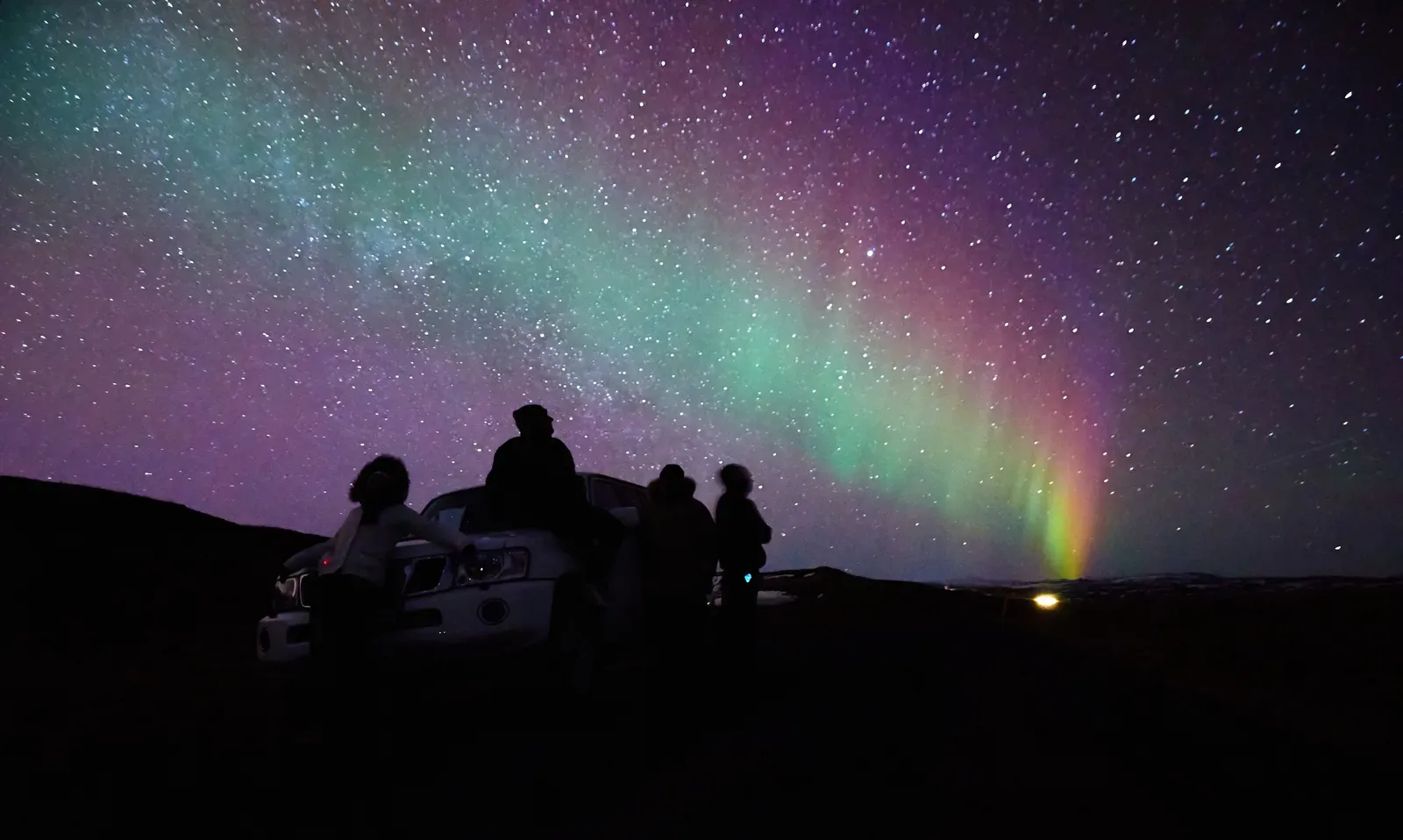
Even today, with all our scientific understanding, the emotional reaction is still powerful. I’ve seen people go completely quiet the first time a bright aurora bursts overhead, as if they’re afraid that speaking too loudly might scare it away. Others laugh nervously or start shouting and pointing like kids. There’s something humbling about watching Earth interact with the Sun in such a visible way; it shrinks us and connects us at the same time. You feel very small, but also strangely included in a bigger conversation between our planet and its star.
The Future of Solar Activity and What It Means for Auroras
The Sun goes through a roughly eleven-year cycle of activity, swinging between quieter and more active phases. When it approaches solar maximum – the most active part of the cycle – more sunspots, flares, and coronal mass ejections occur, which means more frequent and sometimes more intense auroras. As of the mid-2020s, we’re in an active period of the solar cycle, and that’s brought a noticeable uptick in strong auroral events, including rare sightings much farther from the poles than usual. For aurora chasers, this has been a thrilling time.
But higher activity also means increased risks for satellites, navigation systems, and power infrastructure, so space agencies and researchers have been putting a lot of effort into better space weather forecasting. Monitoring the Sun with multiple spacecraft helps us get hours, and sometimes days, of warning before a major geomagnetic storm hits. For everyday people, that might just translate to a notification that tonight could be a good night to look up and escape the usual scroll of screens. In a world that moves too fast and feels too loud, a solar storm turning into a silent sky performance is a strangely calming kind of chaos.
Conclusion: A Cosmic Conversation Written in Light
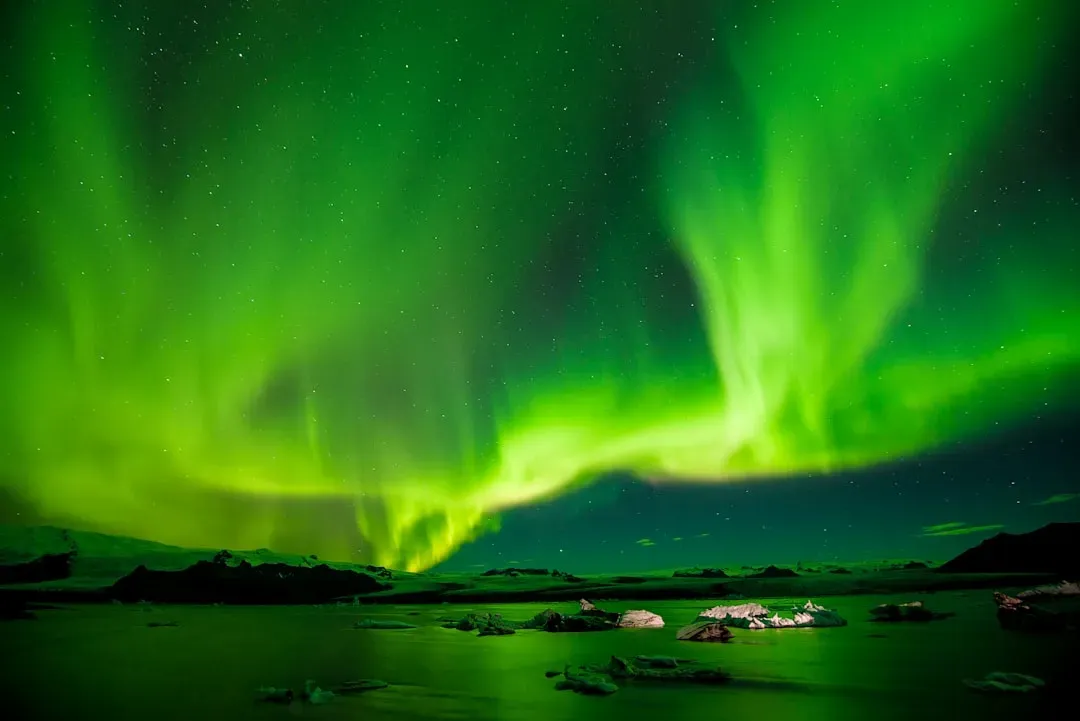
The aurora borealis is more than a pretty backdrop for photos; it’s a living record of the constant interaction between our planet and the star that keeps us alive. Every ripple, curtain, and flicker of color is shaped by invisible forces – charged particles, tangled magnetic fields, the thin edge of our atmosphere catching energy and turning it into light. What looks soft and delicate is actually born from collisions and storms on a scale that’s hard to fully imagine. In a way, the lights are how Earth shows us it’s paying attention to the Sun.
Knowing the science doesn’t kill the magic; it deepens it. Once you realize you’re watching solar wind crash into our magnetic shield and spill energy into the polar sky, those waves of green and red feel even more extraordinary. The next time you see a photo of the northern lights – or, if you’re lucky, stand under them yourself – you’ll know you’re witnessing a moment in a long, ongoing conversation between Earth and its star. If you ever get the chance to see that conversation written across the night sky, will you be ready to look up and really see it?