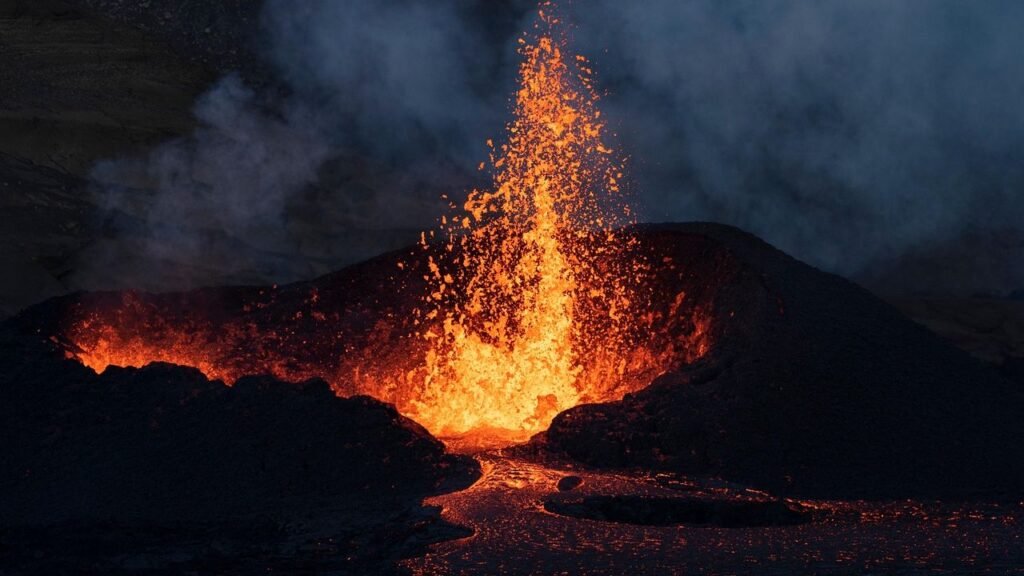
Earth is not a still, finished planet; it’s more like a living, restless creature constantly rebuilding itself from the inside out. Volcanic activity is one of the most dramatic ways our planet reshapes its own skin, turning solid rock into rivers of fire and, later, into new land, fertile soil, and even entire islands. It’s violent, beautiful, and strangely creative all at once.
Most of us only think about volcanoes when a big eruption hits the news, but below the , magma is always on the move. Bit by bit, year after year, it changes coastlines, raises mountains, and buries older landscapes under fresh layers of rock. If you zoom out in time, what looks like destruction in the moment is really part of a long, ongoing cycle of renewal.
The Fiery Engine Beneath Our Feet
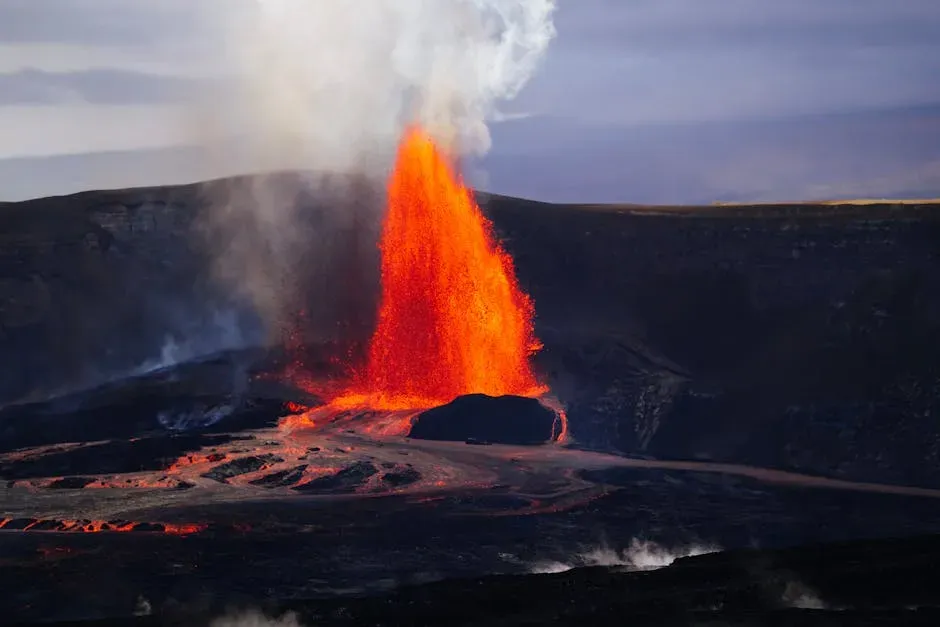
Deep under the crust, Earth’s mantle is hot enough to keep pockets of rock partially melted, forming magma that slowly rises toward the . This hidden engine never truly turns off; even when no eruption is happening, heat and molten rock are constantly shifting, building pressure like a slow, geological heartbeat. That pressure eventually finds a way out through cracks, faults, and weak spots in the crust.
When magma reaches the and erupts as lava, ash, and gas, it doesn’t just explode and stop; it leaves behind thick layers of new rock. Over time, these layers pile up, forming volcanic cones, plateaus, and other strange landforms you’d never guess were once liquid. It’s a bit like watching candle wax harden after it drips – only on a scale so massive we usually only see the results long after the “dripping” has stopped.
Building New Land: From Lava Flows To Fresh Coastlines
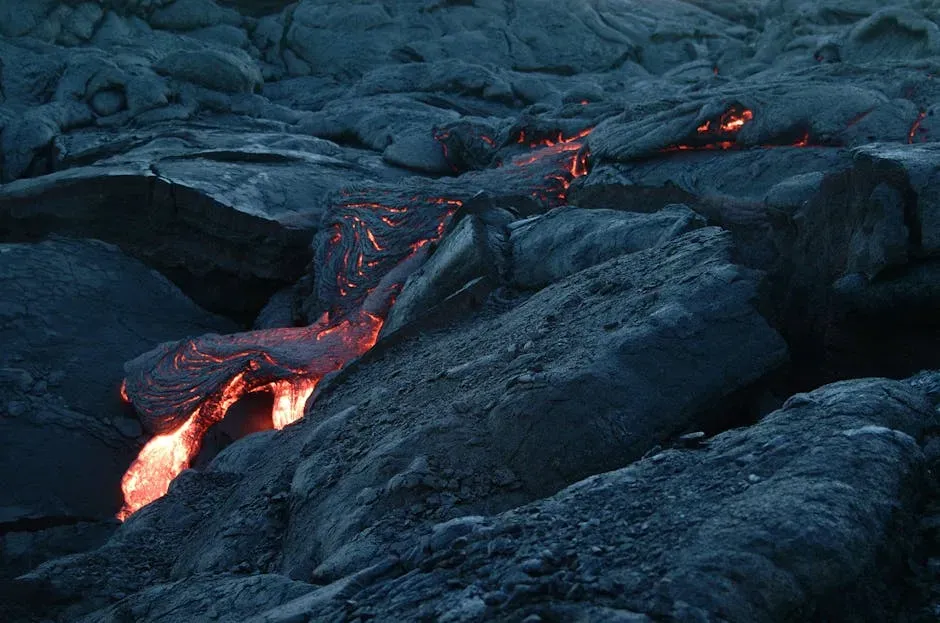
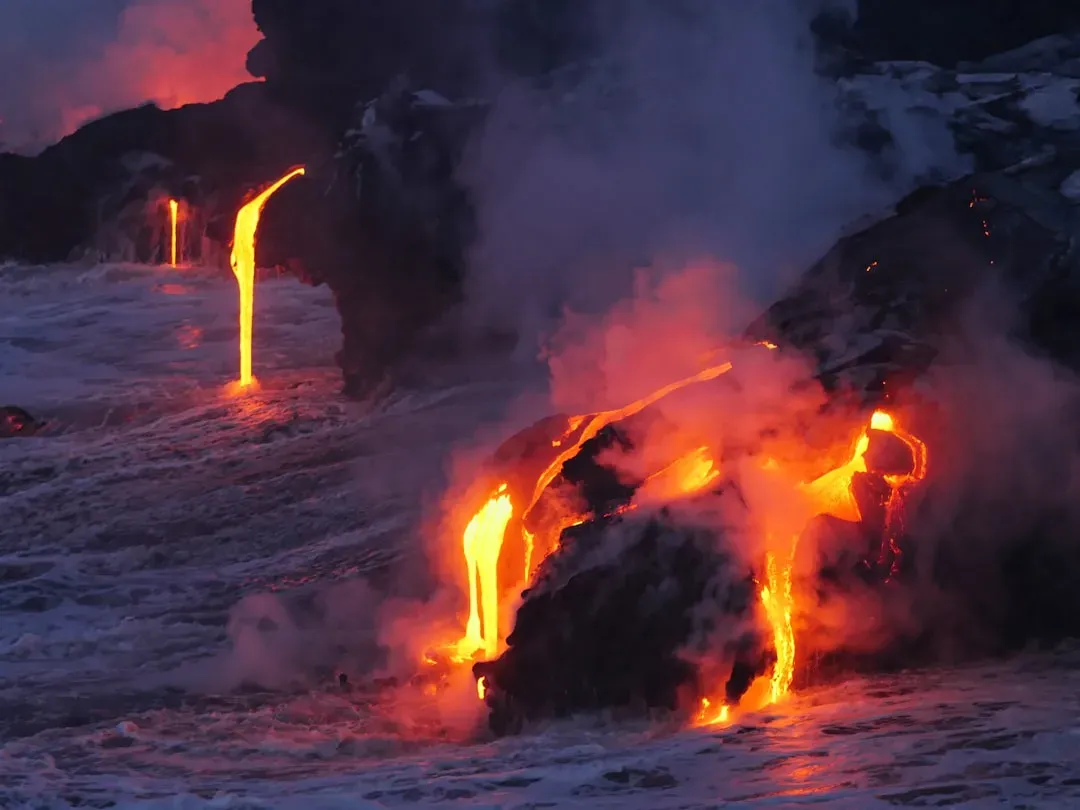
Some of the most striking examples of Earth reshaping itself are where lava literally builds new land in front of our eyes. When basaltic lava flows into the ocean, it cools quickly, breaks apart, and gradually constructs new shorelines or extends existing ones. What once was open water can, over years or decades, become rocky ground sturdy enough to walk on, build on, or even farm on.
Entire islands have formed this way in volcanic regions, especially at hot spots and mid-ocean ridges. Modern examples include new land added to Hawaii’s coastline when long-lasting eruptions send lava rivers into the sea. Standing at the old shoreline watching new rock form is like seeing a construction site run by the planet itself, no human engineers required.
Islands Born From Fire: Hotspots And Oceanic Volcanoes
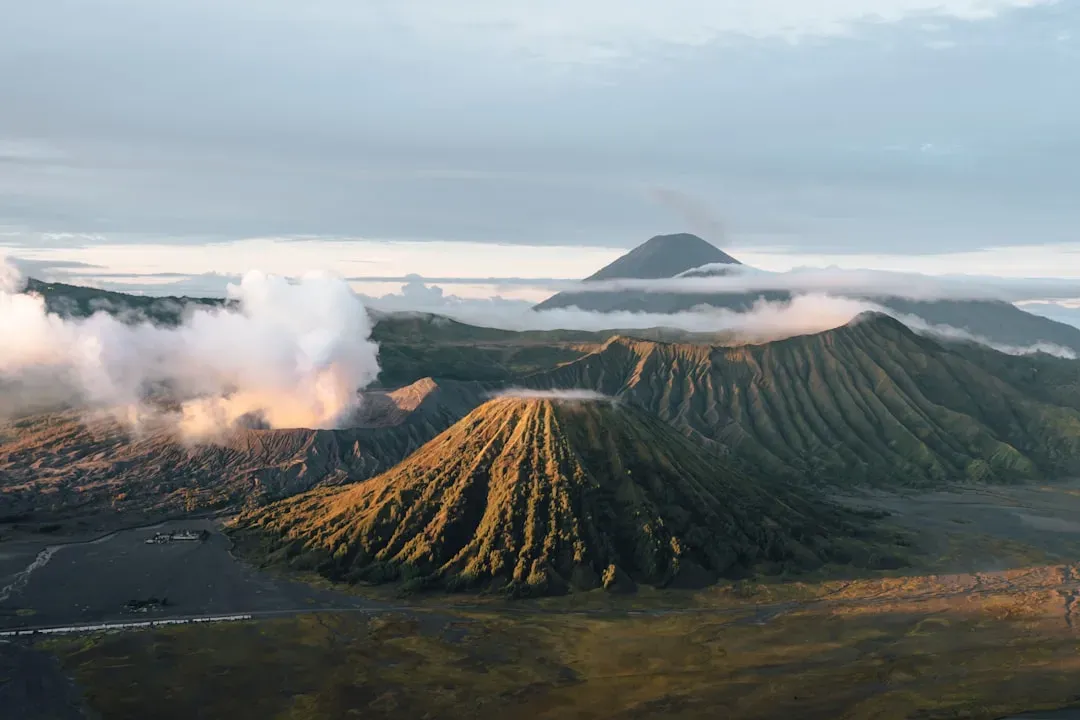
Hotspots are places where plumes of unusually hot mantle rise toward the , burning through the moving tectonic plate above like a slow-motion blowtorch. As the plate drifts, new volcanoes form over the hotspot while older ones move away, shut down, and gradually erode. This process can create long chains of volcanic islands that tell a story of plate motion over millions of years.
The Hawaiian Island chain is a classic example of this conveyor belt of creation and decay. Younger islands like the Big Island still host active volcanoes that spew lava and slowly build higher peaks and wider coasts, while older islands further northwest are quiet and worn down. It’s as if the hotspot is a fixed campfire and the plate is sliding past, holding up fresh pieces of crust to be scorched and reshaped.
Volcanoes At Plate Boundaries: Where Continents And Oceans Collide
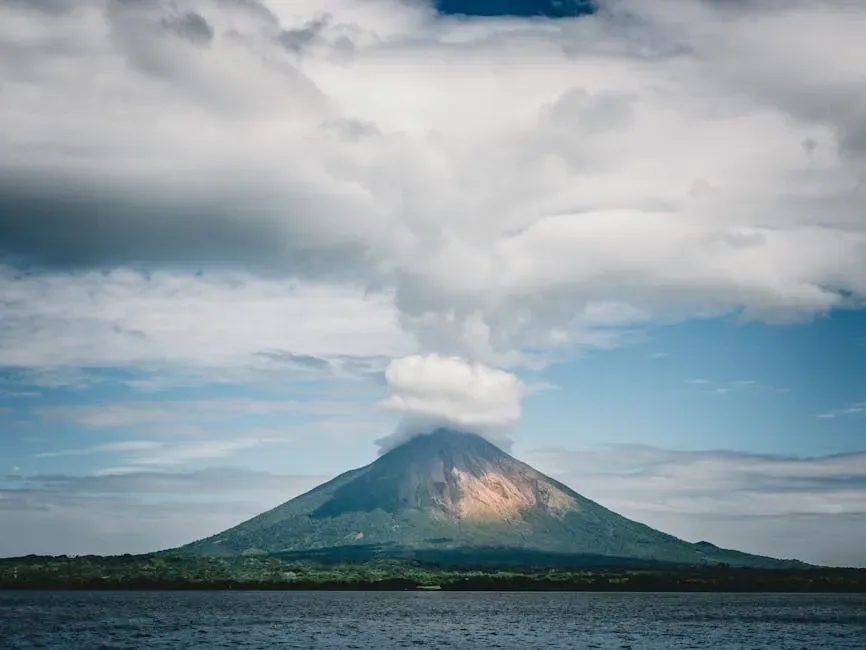
Most of the world’s active volcanoes sit along plate boundaries, especially where one plate is forced under another in subduction zones. As the sinking plate descends, it releases water and other materials that help melt the overlying mantle, generating magma that rises and feeds chains of volcanoes. These volcanic arcs can stretch for thousands of kilometers, reshaping entire regions with repeated eruptions.
The mountainous belts around the Pacific, often called the Ring of Fire, are the most well-known example of this process. Over millions of years, eruptions there have built towering peaks, thickened continental crust, and buried older landscapes beneath volcanic deposits. If you hike in many young mountain ranges, you’re literally walking on layers of rock that were once ash and lava blasted out from deep within the planet.
Creating Mountains, Plateaus, And Dramatic Landscapes
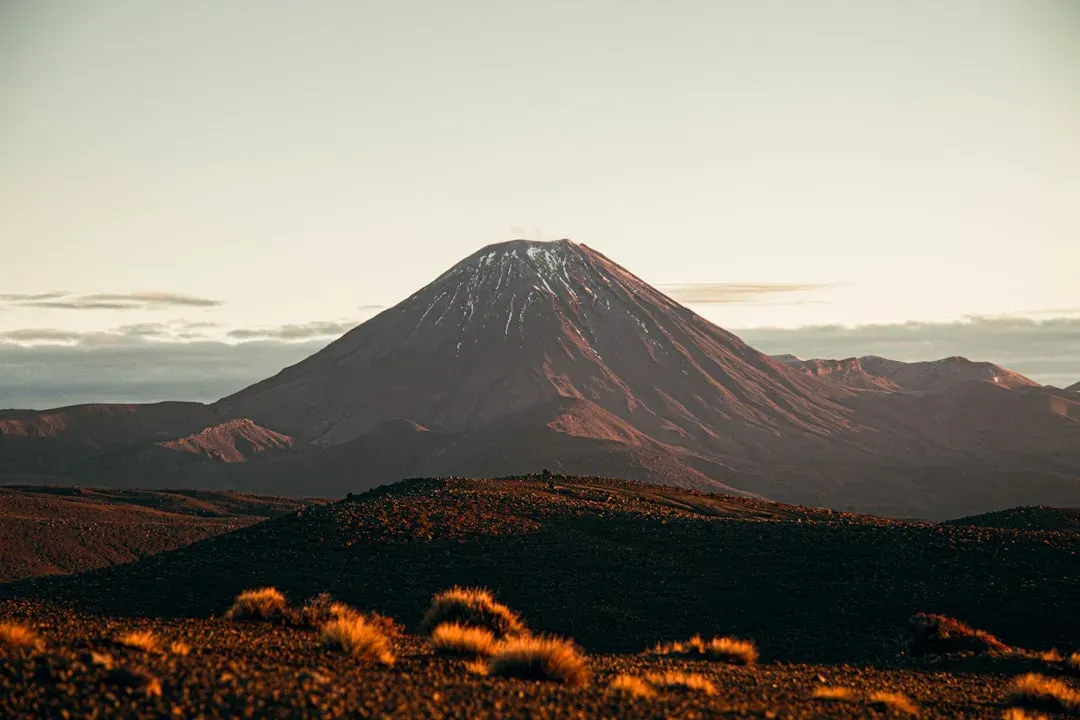
Volcanoes don’t just make cones; they help build enormous highlands and plateaus that dominate whole continents. When lava erupts again and again over broad areas, it can flood large regions, stacking layer upon layer of basalt to form elevated plains. These volcanic plateaus can later be carved by rivers and glaciers into dramatic cliffs, canyons, and mesas that attract hikers and photographers from around the world.
In some places, the sheer weight of repeated volcanic deposits reshapes how the crust bends and flexes beneath. Over time, faults, uplift, and erosion sculpt volcanic terrains into complex, rugged landscapes with steep ridges, fertile valleys, and unusual rock formations. It’s easy to admire a scenic viewpoint without realizing that its basic shape came from lava that once glowed red-hot and flowed like a slow river.
Destruction And Renewal: Ash, Lava, And Life’s Comeback
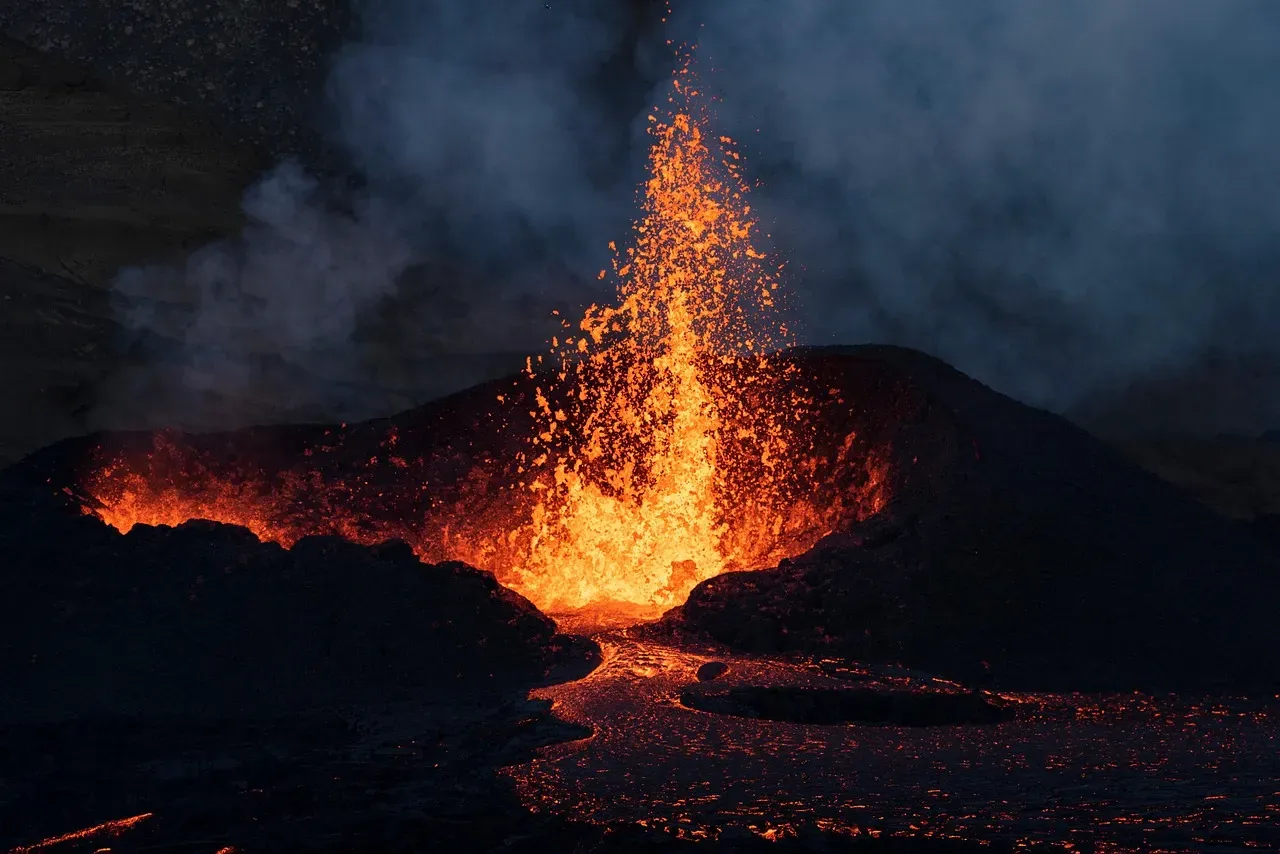
Volcanic eruptions can be devastating in the moment, burying towns and forests under lava, ash, and pyroclastic flows. Thick ash deposits can strip hillsides bare, choke rivers, and temporarily turn thriving ecosystems into gray, lifeless-looking wastelands. For people living nearby, the impact can be heartbreaking, with homes, farms, and even entire communities wiped off the map.
But if you revisit the same area years or decades later, a different story appears. Volcanic ash weathers into mineral-rich soils that can become some of the most fertile on Earth, supporting lush vegetation and productive agriculture. Pioneer plants push through the hardened lava, insects arrive, birds follow, and slowly an entirely new ecosystem takes root on the fresh rock. What looked like pure destruction becomes, over time, a powerful reset button for life.
Volcanoes, Atmosphere, And Climate Shocks
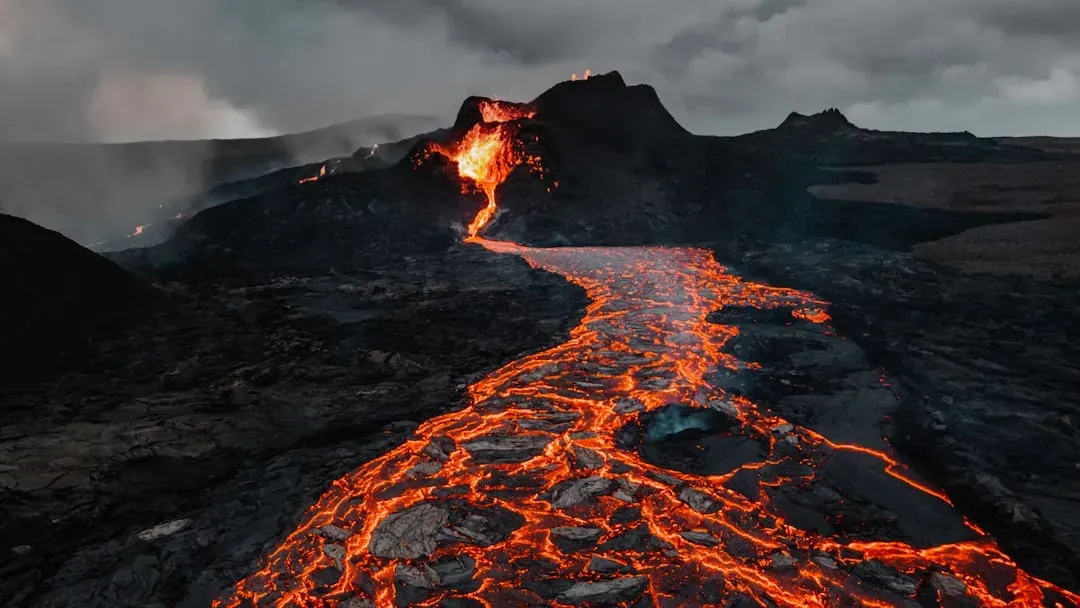
When volcanoes erupt explosively, they hurl not just ash and rocks into the sky but also vast quantities of gases like sulfur dioxide. High in the atmosphere, these gases can form tiny particles that reflect sunlight back into space, cooling the planet’s for a few years. Some historic eruptions have led to noticeably cooler summers or odd weather patterns that affected harvests and human societies.
At the same time, volcanoes also release carbon dioxide, although on average it’s much less than what human activities currently emit. Over geological timescales, volcanic outgassing and the weathering of volcanic rocks play a role in balancing Earth’s climate system. Even here, volcanic activity is part of a complex feedback loop that helps keep the planet’s within a range where liquid water and life can exist.
Hidden Volcanoes: Submarine Eruptions And The Seafloor
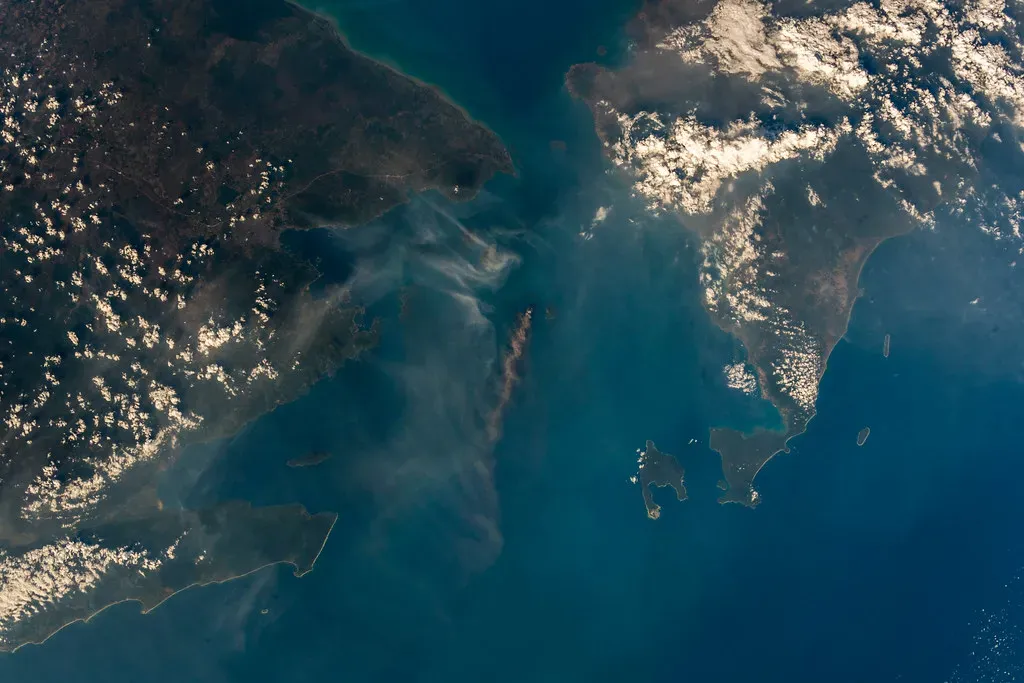
Most volcanic activity on Earth actually happens underwater, along mid-ocean ridges and submarine volcanoes that we rarely see. At these ridges, plates pull apart, and magma rises to fill the gap, creating new oceanic crust as it cools. This continuous process is like a conveyor belt, building fresh seafloor that slowly moves away from the ridge over millions of years.
Submarine eruptions can form pillow lavas, tall undersea mountains, and sometimes even new islands when an underwater volcano grows high enough to break the . Around hydrothermal vents, superheated, mineral-rich fluids gush out of the seafloor, building strange chimneys and supporting unique ecosystems. These underwater volcanic landscapes remind us that the most active parts of our planet’s are often completely hidden from everyday view.
Volcanoes And Human Life: Risk, Resources, And Resilience
People have always been drawn to volcanic regions, despite the obvious risks, because they offer fertile soils, geothermal energy, minerals, and, frankly, stunning scenery. Many major cities and heavily populated areas lie within reach of potentially dangerous volcanoes, making volcanic hazards a constant background concern. Balancing the benefits of living on or near volcanic land with the threat of sudden eruptions is a challenge that societies have to face again and again.
Modern monitoring tools, like satellite imagery, ground sensors, and gas measurements, help scientists track changes in volcanoes and issue warnings when unrest increases. Still, eruptions can be unpredictable, and not every community has equal access to early warning systems and planning. Living near a volcano is a bit like living next to a sleeping giant: mostly calm, often rewarding, but never completely free from the possibility of a rude awakening.
Looking Ahead: A Planet That Never Stops Changing
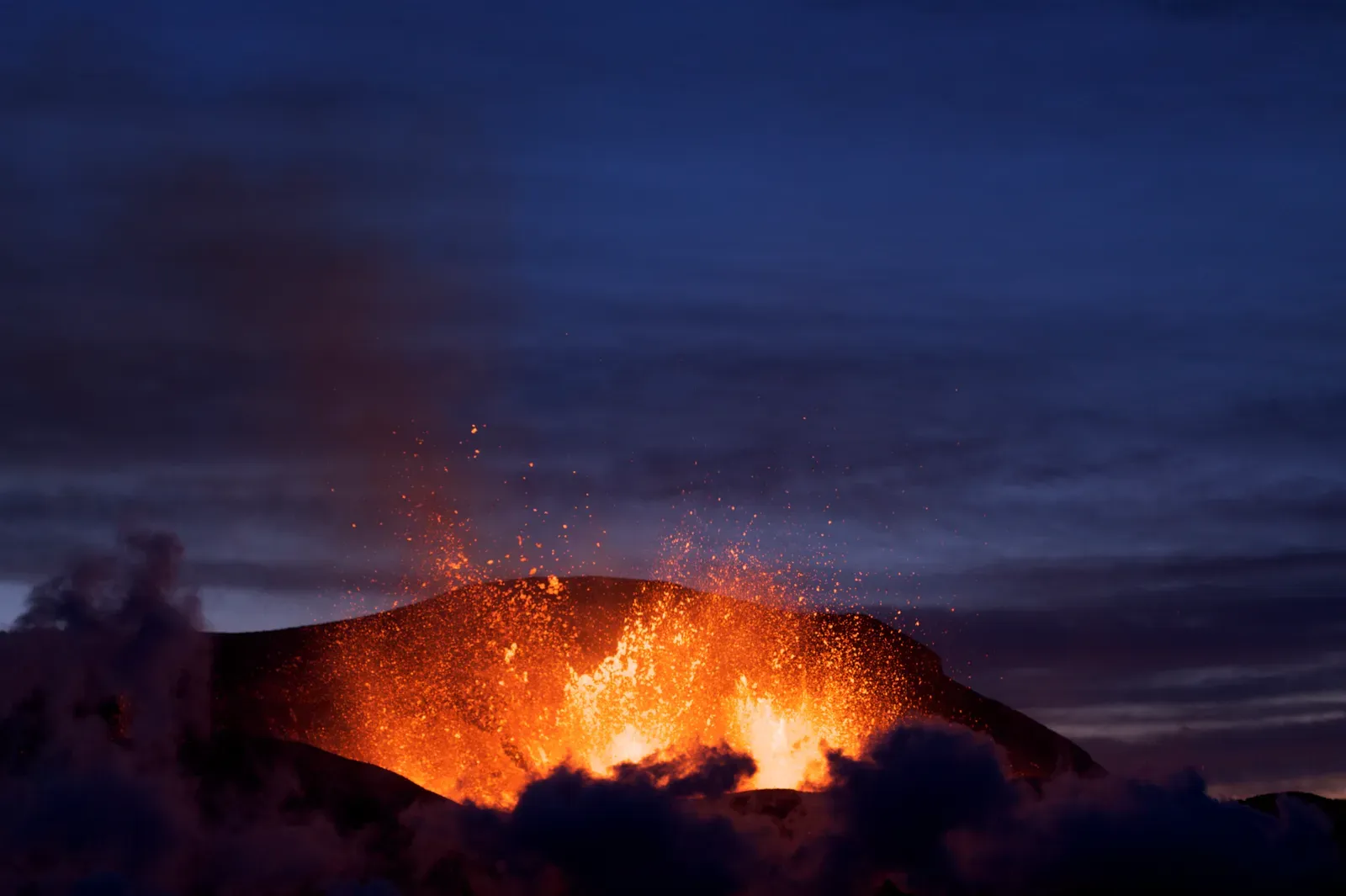
Volcanic activity has been reshaping Earth since long before humans appeared and will continue long after we are gone. The continents we know today, the mountain ranges we climb, and the islands we dream of visiting all carry the fingerprints of ancient and recent eruptions. Even now, somewhere on the planet, new rock is forming and old landscapes are being buried, tilted, or rebuilt from scratch.
Understanding volcanoes isn’t just about predicting the next big blast; it’s about recognizing that we live on a planet in motion. The ground under our feet feels solid, but it’s part of a restless shell floating on a hotter, more fluid interior that endlessly recycles and renews the . Knowing that, it’s hard not to look at a quiet hill or a distant island and wonder what fiery story lies hidden in the rocks beneath.