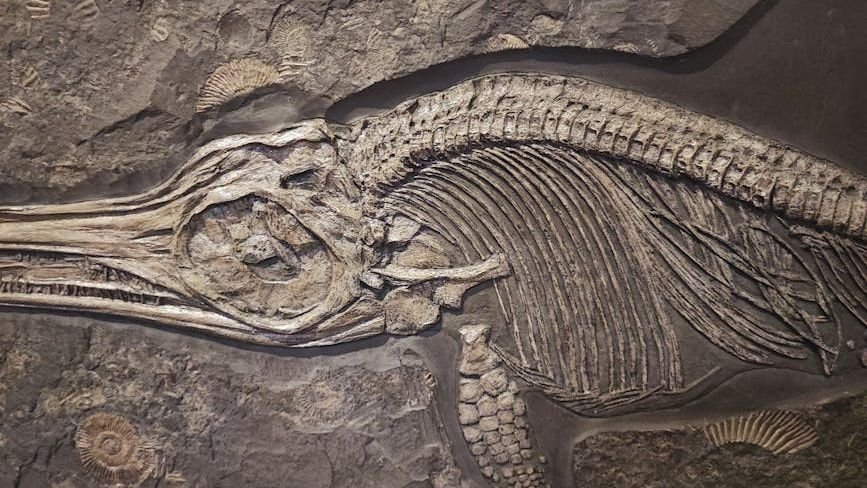

Earth carries scars and secrets that don’t always fit neatly into our textbooks. Every so often, scientists dig up a bone, drill an ice core, or map an ancient crater and stumble onto something that just does not line up with what we thought we knew. Those moments are both unsettling and thrilling, because they remind us that our planet’s story is far stranger, and far more dramatic, than the simplified versions we learn in school.
Some of these mysteries may eventually be solved with better data and sharper tools. Others might linger for decades, taunting researchers and fuelling arguments at conferences and in late-night lab debates. What follows are eight of the most intriguing unexplained events in Earth’s history – episodes where the evidence is real, but the final answers still aren’t. As you read, notice how often the world turns out to be weirder than the most creative fiction.
The Sudden Disappearance of the Neanderthals
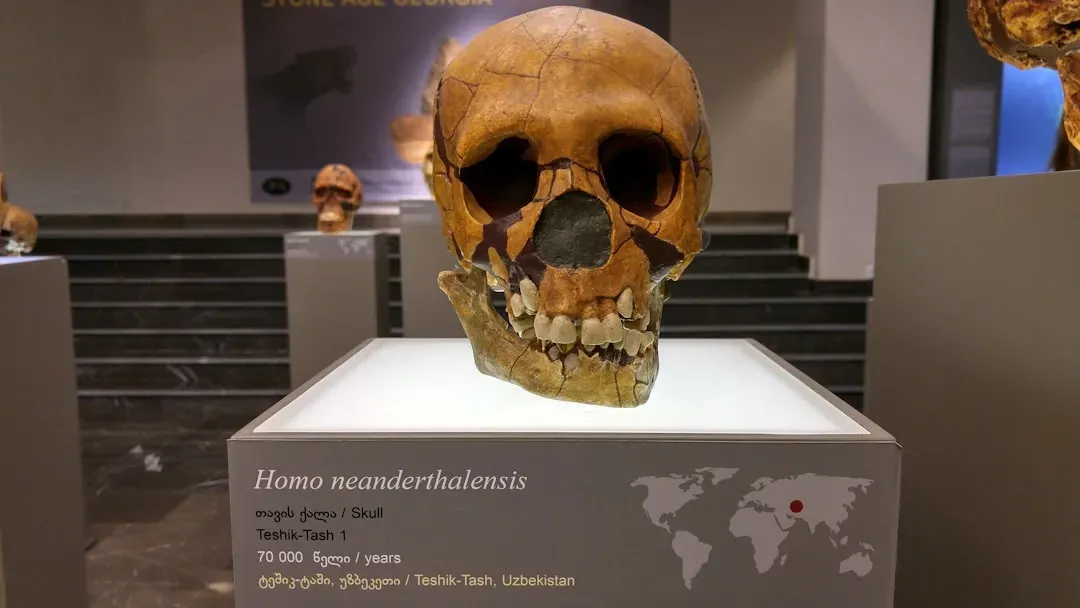
Roughly about forty thousand years ago, Neanderthals vanished from Europe and western Asia after surviving brutal ice ages for hundreds of thousands of years. Then, in a geological blink, they were gone, just as our own species, Homo sapiens, was spreading across the same lands. The fossil and genetic evidence shows that Neanderthals were not mindless brutes; they used tools, controlled fire, and probably shared social bonds that were as complicated and messy as ours.
The puzzle is why they disappeared so quickly after we arrived. Some researchers argue that competition with modern humans for food and territory slowly squeezed them out. Others point toward sudden climate swings, disease brought by our species, or even sheer bad luck layered on top of all those pressures. Genetic data tells us that many people today carry a small trace of Neanderthal DNA, so it seems there was at least some mixing rather than outright replacement. But the exact blend of causes that turned a resilient human cousin into an evolutionary dead end remains frustratingly unresolved.
The Mysterious Pulse of the Younger Dryas Cold Snap
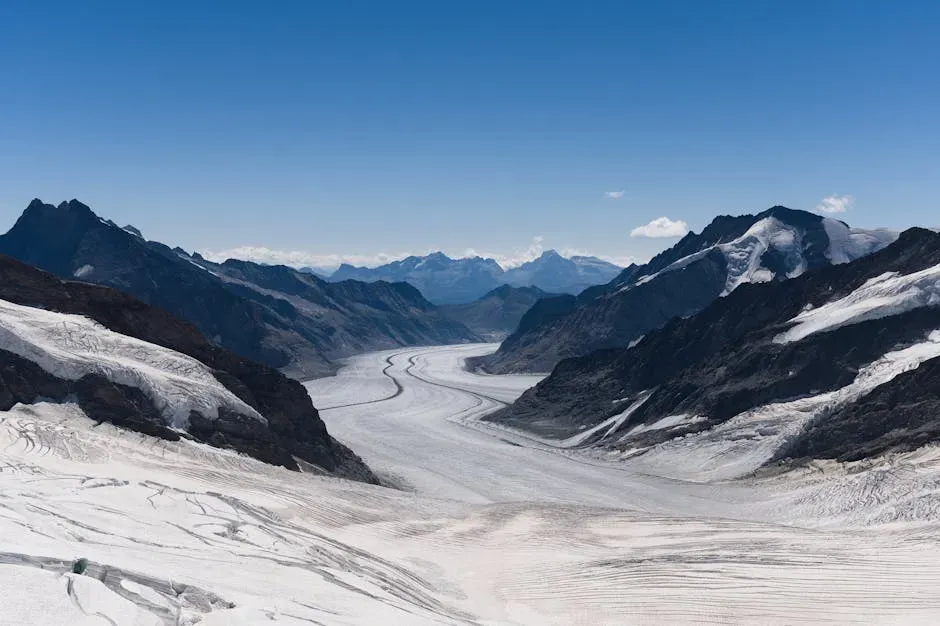
About twelve thousand eight hundred years ago, just as the last ice age was easing and temperatures were rising, the climate suddenly lurched back toward deep cold in a period now called the Younger Dryas. In only a few decades – an eyeblink by geological standards – green landscapes retreated, glaciers stabilized, and ecosystems stumbled. Pollen buried in lake sediments, bubbles trapped in ice cores, and dust layers all tell the same story: the warming trend slammed into reverse, and then, nearly thirteen hundred years later, flipped back again.
What triggered this whiplash? One mainstream idea is that a huge pulse of meltwater from retreating ice sheets flooded into the North Atlantic, disrupting ocean currents that normally carry heat northward. Another more controversial hypothesis argues for fragments of a comet or asteroid exploding in the atmosphere and setting off wide-scale fires and cooling. The problem is that the evidence for any single explanation is patchy and hotly debated. We can see the fingerprints of the event written clearly in the climate record, but the hand that left them is still hard to pin down.
The Cambrian Explosion’s Sudden Burst of Life
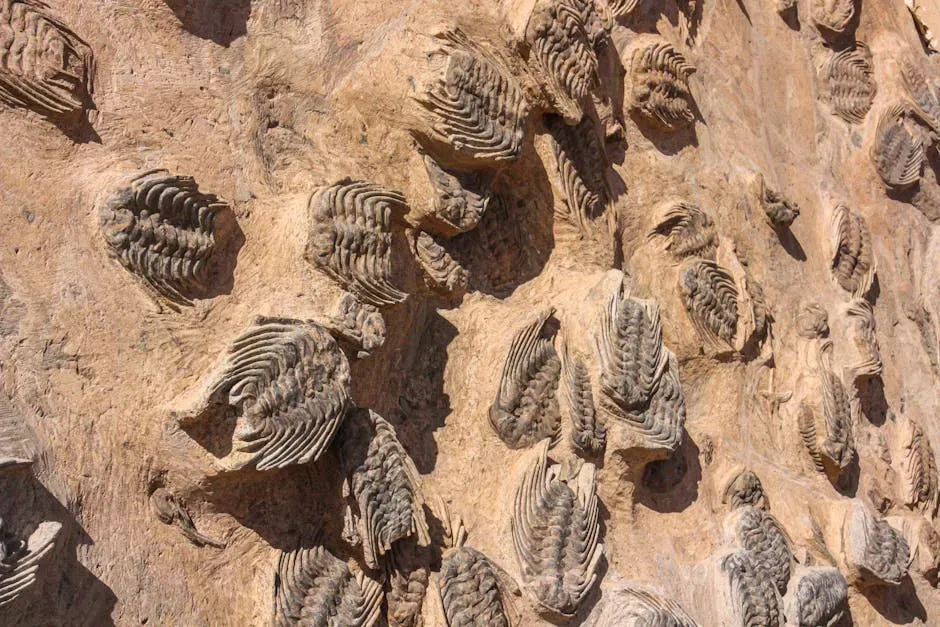
Roughly about five hundred forty million years ago, something extraordinary happened: the Cambrian Explosion. Before this time, life on Earth appears in the fossil record mostly as simple, soft-bodied organisms that left behind vague impressions in rock. Then, within what geologists consider a relatively short span of time, complex creatures with hard shells, eyes, jointed limbs, and sophisticated body plans erupted into existence. Nearly all the major blueprints for animal life today trace back to this turbulent window.
The mystery is not whether this diversification happened – the rocks are full of strange Cambrian fossils – but why it unfolded so quickly and so dramatically. Some scientists point to rising oxygen levels in the ocean, which would have powered more active metabolisms and larger bodies. Others focus on ecological arms races: once one animal evolved better armor, another needed sharper teeth, and the feedback loop kicked off a burst of innovation. Still, no single factor fully explains the speed and scale of the change, leaving the Cambrian Explosion as one of evolution’s most spectacular and puzzling growth spurts.
The Great Oxygenation Event That Nearly Killed Everything
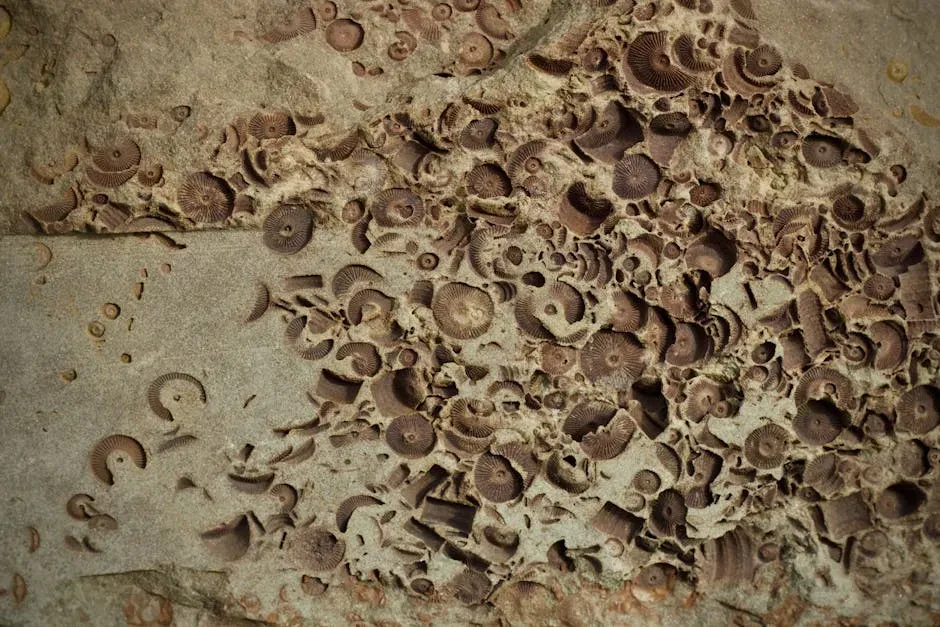
Long before dinosaurs, trees, or even complex animals, early Earth’s atmosphere held almost no oxygen. That changed roughly about two and a half billion years ago, during what scientists call the Great Oxygenation Event. Tiny photosynthetic microbes – ancient relatives of modern cyanobacteria – began releasing oxygen as a waste product. At first, this oxygen reacted with minerals and dissolved iron in the oceans, staining ancient rocks with rusty bands. Eventually, it began to build up in the air, transforming the entire planet’s chemistry.
Here’s the twist: oxygen, which we depend on, was poison to many existing life forms at the time. Geological records suggest that huge numbers of microorganisms died off, and Earth may have plunged into long, severe ice ages triggered by atmospheric changes. Why did this shift happen when it did, and why so dramatically? Researchers debate how the balance between volcanic gases, microbial activity, and the burial of organic carbon tipped so decisively toward oxygen. The event arguably set the stage for complex life, including us, but the chain of causes still has missing links.
The Mysterious Tunguska Blast Over Siberia
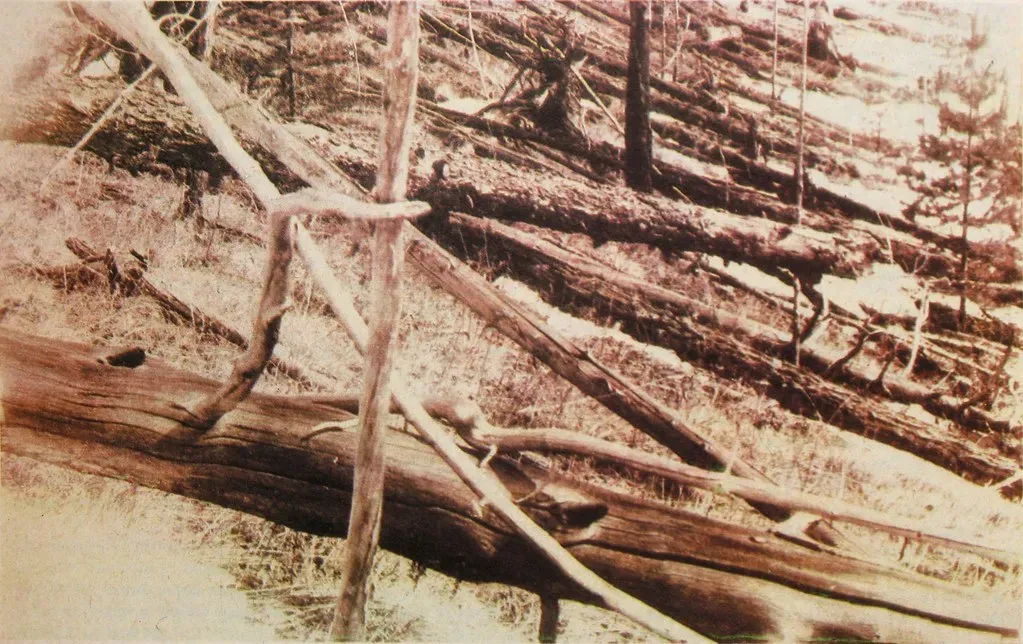
On a June morning in 1908, a massive explosion flattened trees across more than two thousand square kilometers of remote Siberian forest near the Tunguska River. Eyewitnesses described a blinding flash and a shock wave powerful enough to knock people to the ground nearly a hundred kilometers away. Yet when scientists finally reached the site years later, they found no obvious crater. Instead, the forest looked as if an invisible fist had slammed down from the sky and then simply vanished.
The leading explanation is that a small asteroid or icy comet fragment exploded in the atmosphere, releasing energy comparable to a large nuclear bomb without ever reaching the ground. But the exact size, composition, and trajectory of the object remain uncertain because there is so little physical debris to study. Some research suggests the object came in at a shallow angle, others that it exploded higher or lower than initially thought. With no definitive fragments in hand, the Tunguska event remains a chilling reminder that space hazards can arrive with almost no warning – and leave behind more questions than answers.
The Enigmatic Origin of Earth’s Water
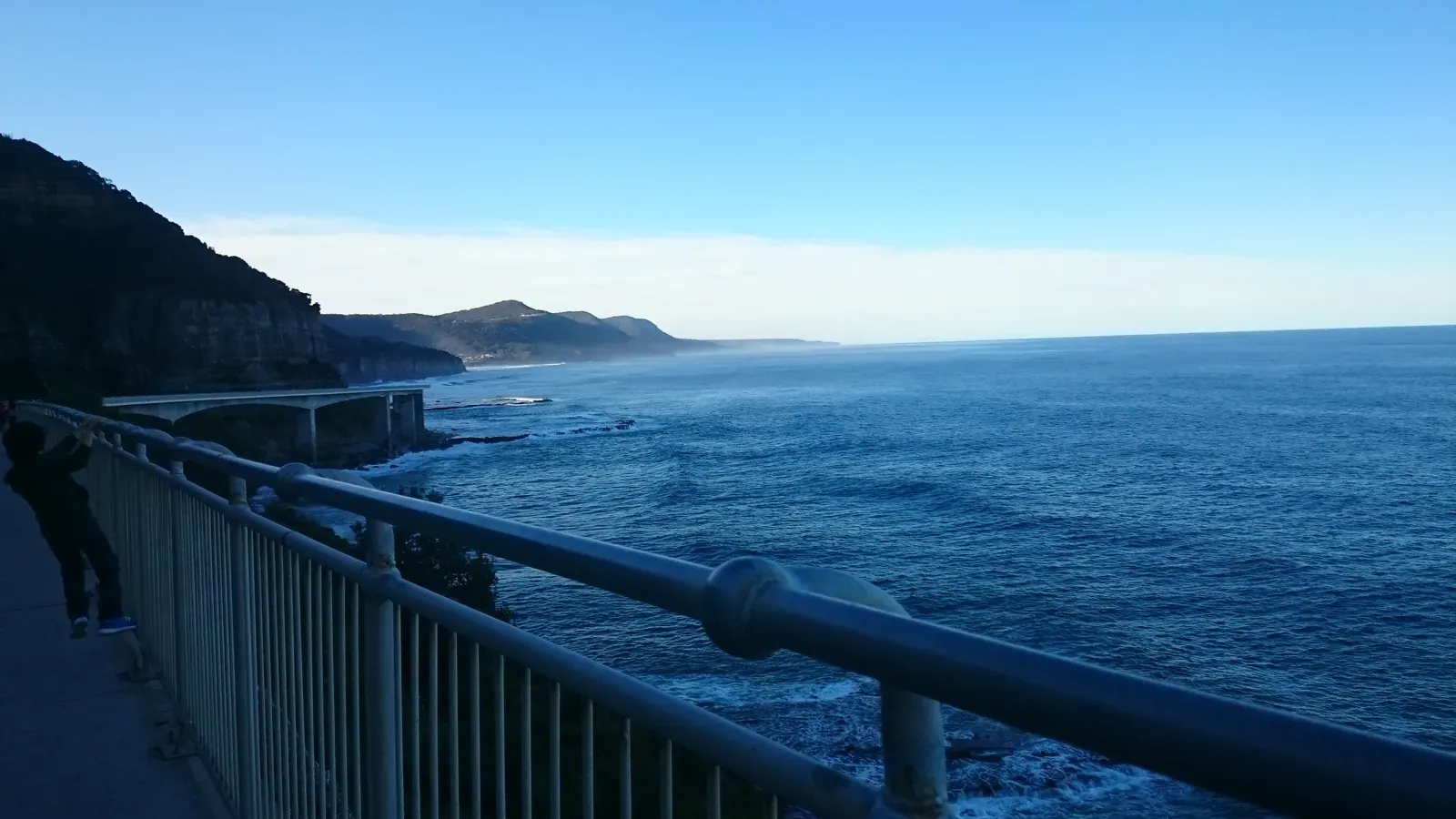
We take oceans and rivers for granted, but the question of how all that water arrived on Earth is still surprisingly unsettled. Our planet formed in the inner, hotter part of the young solar system, where fragile, icy materials should have been scarce. Yet today, water covers most of the surface and seeps deep into the mantle. Some of it likely came from water-rich minerals locked inside early rock, released by volcanic activity. But that story alone does not seem to fully account for the sheer volume we see.
Another popular idea is that icy comets and water-bearing asteroids bombarded the early Earth, delivering vast amounts of water over millions of years. The hitch is that when scientists compare the chemical fingerprint of water in comets and meteorites to Earth’s oceans, the match is imperfect and complicated. Different classes of space rocks tell slightly different stories, and no single source lines up perfectly. The truth might be a messy mix of internal and external sources, but until we piece together a clearer record from both Earth rocks and space probes, the ultimate origin of our oceans stays cloudy.
The Paleocene–Eocene Thermal Maximum’s Runaway Heat
About fifty-six million years ago, Earth went through a dramatic warming episode known as the Paleocene–Eocene Thermal Maximum, or PETM. Temperatures jumped by several degrees globally in a geologically short time, turning polar regions into subtropical environments and unsettling entire ecosystems. Sediment layers from this period show a sharp shift in carbon isotopes, suggesting that a huge amount of carbon suddenly entered the atmosphere and oceans. Some deep-sea species went extinct, while many mammals on land shrank in size, possibly to cope with the heat.
The big unanswered question is: what kicked off this carbon surge? One leading idea is that massive volcanic activity released greenhouse gases, perhaps from a region like the North Atlantic where ancient lava flows are still visible today. Another possibility is that warming triggered the breakdown of frozen methane stored in ocean sediments, which then amplified the heating in a vicious cycle. The timing, rate, and source of the carbon pulse are still being teased out from muddy cores and rock outcrops. As scientists compare the PETM to current human-driven warming, the stakes of understanding this ancient shock grow uncomfortably clear.
The Permian–Triassic “Great Dying” and Its Elusive Trigger
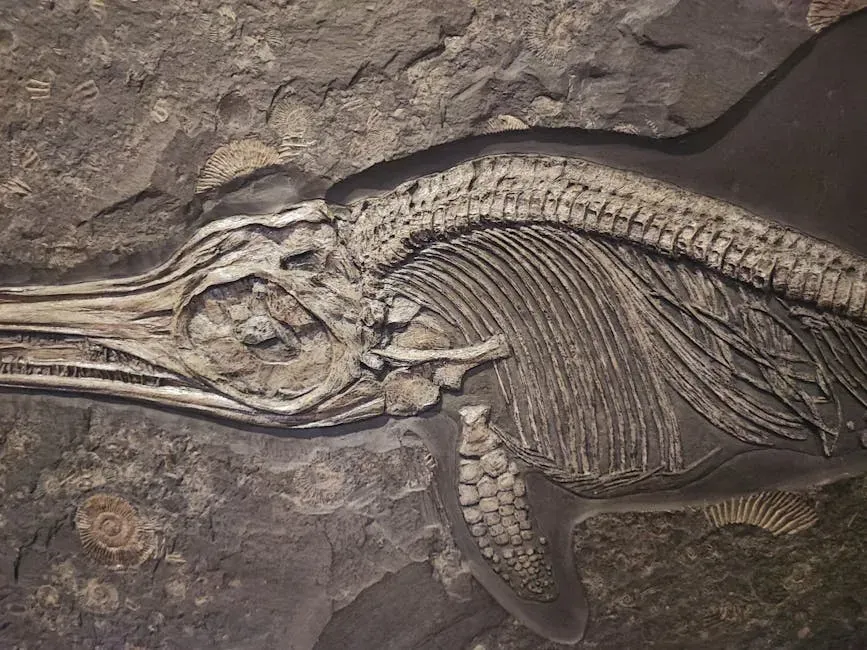
Roughly about two hundred fifty-two million years ago, Earth experienced the worst mass extinction in its history: the Permian–Triassic event, often nicknamed the Great Dying. An enormous share of marine species vanished, along with a devastating fraction of life on land. Coral reefs collapsed, forests thinned or disappeared, and the fossil record shows a stark, world-spanning break in biodiversity. After this crisis, the stage was reset for new lineages, including the ancestors of dinosaurs, to take over.
Most researchers agree that intense, long-lasting volcanic eruptions in what is now Siberia played a central role, belching out carbon dioxide and other gases for hundreds of thousands of years. This would have warmed the climate, acidified the oceans, and choked ecosystems. But the exact sequence of environmental changes, and why the impacts were so severe compared to other volcanic episodes, are still debated. Some evidence hints at waves of methane release, changes in ocean circulation, or even oxygen-starved seas piling stress upon stress. We can see the catastrophe in the rocks, yet the final push that turned a planetary crisis into a near-total wipeout remains partly in the dark.
Conclusion: A Planet That Refuses to Be Simple
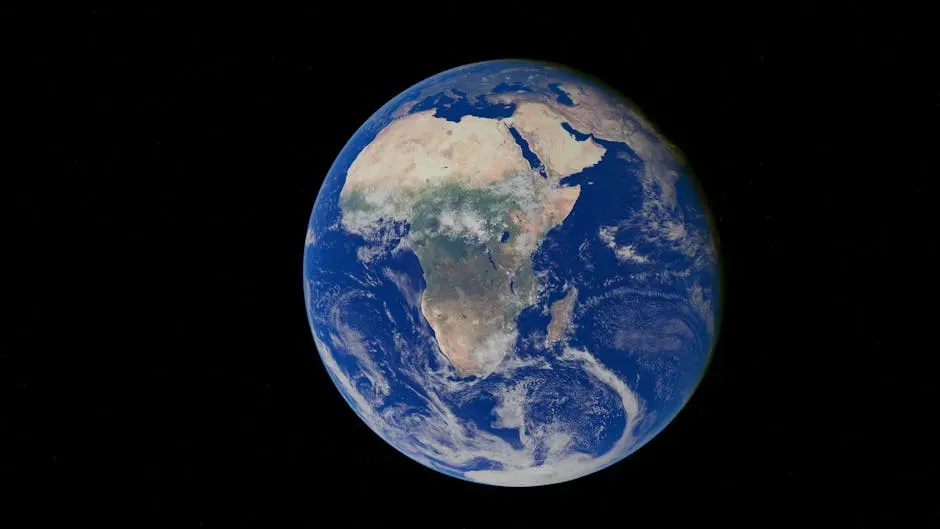
These eight mysteries stretch across almost the entire age of our planet, from the first breath of oxygen to the rise and fall of ancient relatives and the close calls of deep-time climate crises. What ties them together is how often the evidence forces us to admit how incomplete our understanding still is. We have rock layers, ice cores, fossil skeletons, shocked minerals, and chemical traces, yet the stories we build from them are always under revision. Every answer seems to open two more questions, like pulling on a thread that just keeps going.
I find that oddly comforting. It means Earth is not some finished puzzle with a single correct picture, but a living mystery we’re slowly learning to read. New satellites, drilling projects, and lab techniques will almost certainly rewrite parts of these stories in the coming years. Some puzzles may finally snap into focus; others will only grow stranger. As we push for those answers, one thing is hard to escape: for all our cleverness, we still live on a world that can surprise us. Which of these mysteries would you most want to see solved in your lifetime?