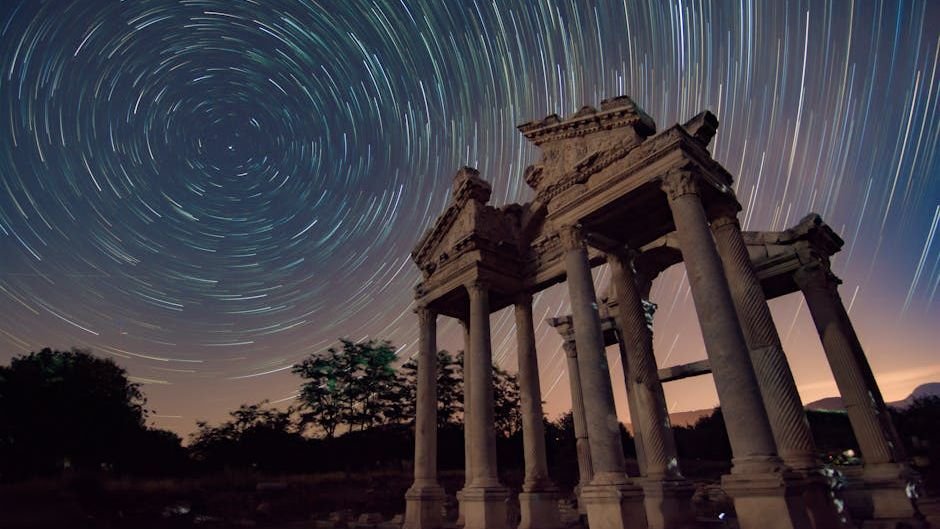

If you think precise astronomy started with high-tech telescopes and space agencies, the ancient world will prove you wrong in the most humbling way. Long before glass lenses, satellites, or computer models, people were tracking the skies so accurately that some of their alignments still line up to the minute today.
What blows my mind is that they did this with nothing more than patient eyes, clever math, and a deep obsession with the heavens. These weren’t casual sky-watchers; for many of them, the rising of a single star could decide harvests, coronations, and even who lived or died. Let’s walk through how different civilizations, separated by thousands of miles and years, all managed to turn the night sky into one of the sharpest tools humanity has ever used.
The Egyptian Pyramid Builders and the Star-Perfect Giza Plan
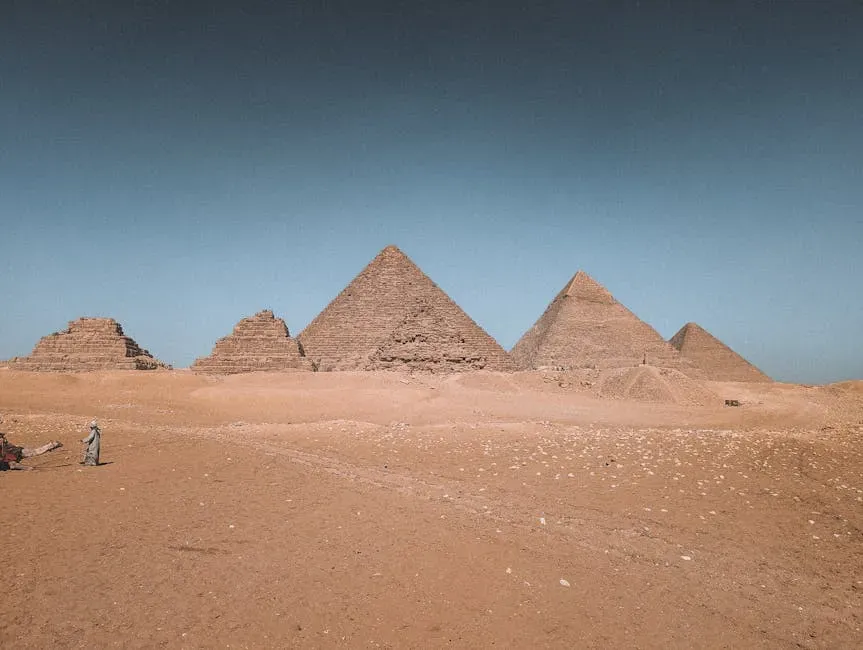
The Great Pyramid of Giza is often called a tomb, but in a lot of ways it functions more like a gigantic stone observatory. The pyramid’s sides are aligned incredibly close to the four cardinal directions, with an accuracy that modern surveyors have measured to within a tiny fraction of a degree. For people working with stone blocks and copper tools, that level of orientation is almost absurdly precise.
Researchers think the Egyptians may have used circumpolar stars, the ones that never set, to fix true north with such care. There’s also strong evidence that the so‑called “air shafts” inside the Great Pyramid point toward specific stars or constellations that were sacred in their religious beliefs. When you stand in front of Giza and remember these alignments to north, Sirius, and Orion, it stops feeling like a pile of rocks and starts feeling like a machine built to lock time and space together.
Maya Astronomers and Their Shockingly Accurate Calendar Cycles
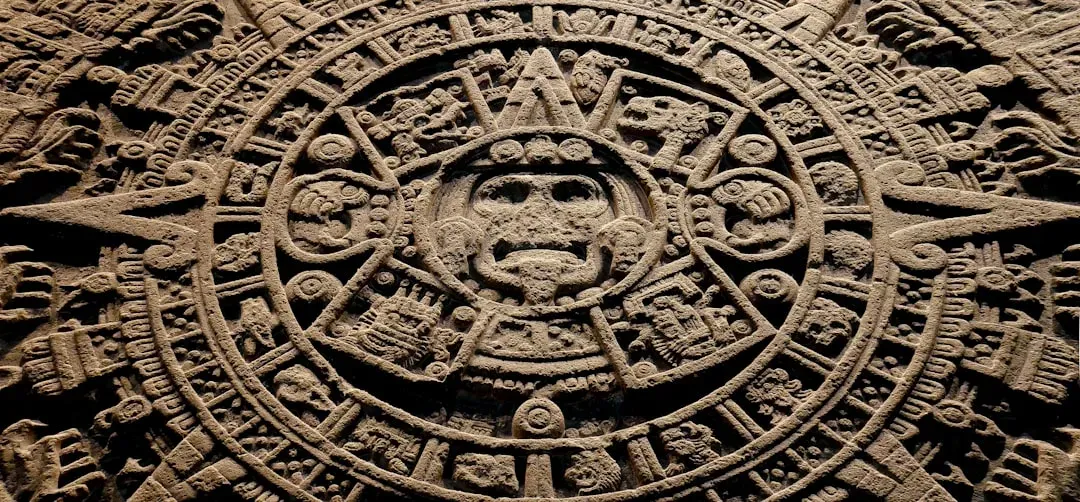
The Maya didn’t just track time; they treated it like a living thing with personality. Their calendars were often framed as mystical and mysterious, but underneath all that spiritual meaning lies brutally good astronomy. Mayan scribes recorded the cycles of the Sun, Moon, and visible planets so precisely that their calendar systems can still be converted reliably to modern dates.
One of the most impressive examples is their tracking of Venus. They knew its cycle in the sky to within a tiny fraction of a day compared to modern calculations, all based on generations of careful watching and recording. If you’ve ever struggled just to remember a birthday without a phone reminder, imagine carrying in your head a system where celestial events decades in advance could be nailed down to specific days. That’s the level of commitment the Maya had to watching the sky.
Stonehenge and the Megalithic Solar Clockwork
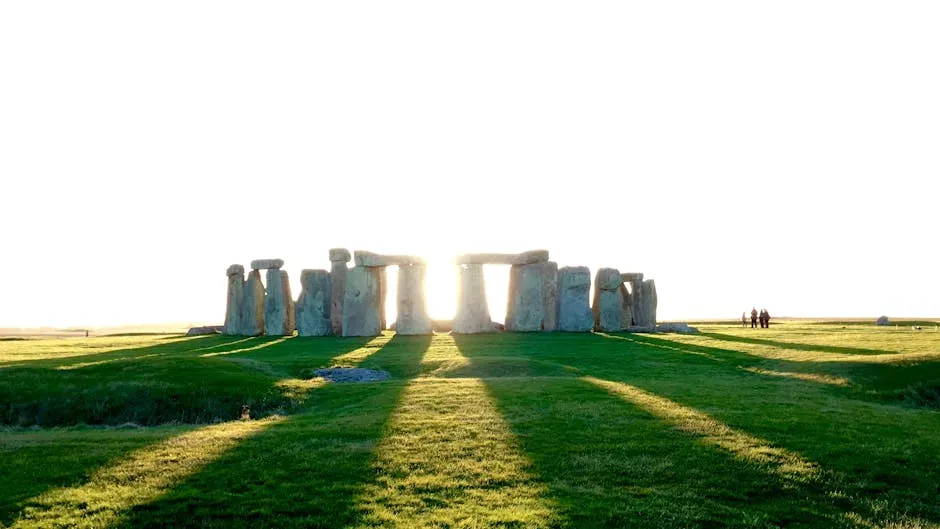
Stonehenge looks like a pile of massive stone rings, but its layout is anything but random. The monument’s main axis lines up very closely with the sunrise at the summer solstice and the sunset at the winter solstice. People still gather every year just to watch the Sun rise and sink exactly along those ancient lines, like a slow-motion ritual that’s been running for thousands of years.
Some archaeologists argue that Stonehenge and nearby sites formed a kind of prehistoric observatory complex, tracking a mix of solar and lunar events. Whether it was used to mark planting seasons, religious festivals, or social gatherings, the fact remains: those builders locked their stones into a predictable dialogue with the heavens. There’s something eerie about standing there and realizing the same sunrise pattern would have wowed people wearing animal skins and carrying stone tools.
Babylonian Sky Records and the Birth of Predictive Astronomy
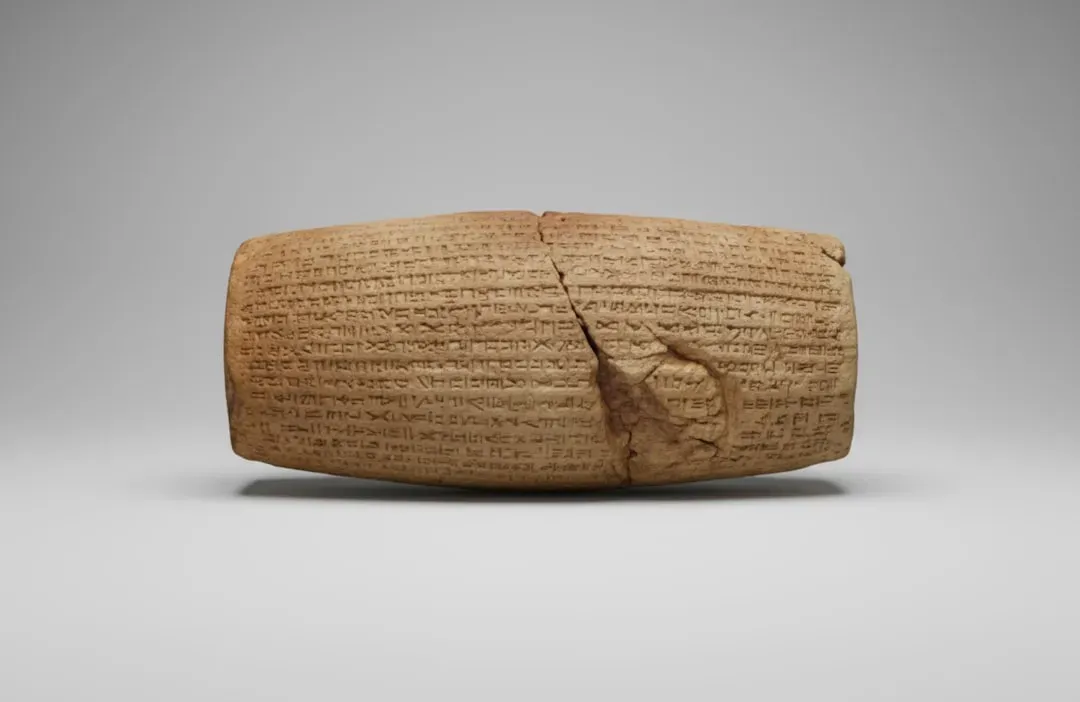
In ancient Mesopotamia, Babylonian scholars turned astronomy into something we’d recognize as close to modern science. They didn’t just look up in awe; they wrote things down. Over centuries, they filled clay tablets with detailed logs of planetary positions, eclipses, and unusual events in the sky, all preserved in dried mud that somehow outlived empires.
From these records they began to spot patterns and calculate future positions of planets and eclipses. This is where astronomy really stepped into prediction rather than just description. Their mathematical models, using clever arithmetic methods, allowed them to forecast events like lunar eclipses with surprising reliability. Those clay tablets are basically the hard drives of the ancient sky, showing that data-driven astronomy is at least a few thousand years old.
Ancient Chinese Observatories and Millennia of Star Catalogs

China has one of the longest continuous traditions of watching the sky. Court astronomers kept close tabs on comets, novae, eclipses, and sunspots, often tying sky events to the fate of emperors and dynasties. Their records stretch back so far that modern astrophysicists still use ancient Chinese accounts to help date supernova explosions and other cosmic events.
What stands out is the combination of meticulous routine and political pressure. These astronomers had to get it right, because an unexpected eclipse could be read as a sign that the emperor had lost heaven’s approval. Over centuries, that intense pressure produced careful star catalogs, refined lunar calendars, and complex systems to track the movement of Jupiter and other planets. Their work turned the sky into both a cosmic warning system and a precise celestial clock.
Greeks, Geometry, and the First Cosmic Models
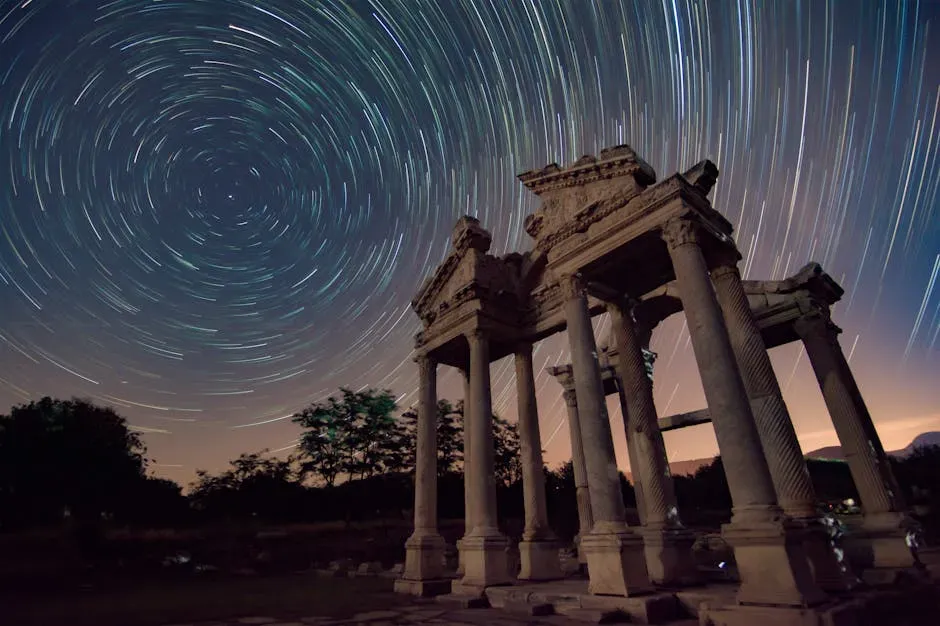
Greek thinkers, especially during the classical and Hellenistic periods, took sky-watching and fused it with geometry. They didn’t just note that planets wandered; they tried to explain how and why. Using circles upon circles, they built mathematical models that could reproduce the wandering paths of planets almost as well as modern charts, even if their underlying assumptions about Earth at the center were off.
Some Greek astronomers managed to estimate the size of Earth, the distance to the Moon, and even the relative scale of the Sun with remarkable accuracy using shadows, angles, and timing. Their tools were basic, but their reasoning was sharp. Even today, you can repeat some of those simple experiments with a stick, a measuring tape, and patience. It’s a reminder that sometimes insight matters more than equipment.
Persian and Islamic Golden Age Observatories

In the medieval Islamic world, astronomers inherited ideas from Greece, India, and Babylon and then pushed them further with serious observational infrastructure. They built purpose-made observatories with huge instruments carved into walls or spread across courtyards, dedicated entirely to measuring the sky. Places like the Maragheh and Ulugh Beg observatories functioned as research centers long before the word “laboratory” became common.
These scholars refined star catalogs, corrected planetary tables, and developed more accurate values for the length of the year and the tilt of Earth’s axis. Their work quietly fixed errors that had been carried forward for centuries and passed improved data along that later European astronomers would rely on. When you see modern constellations or star names, many of them still carry Arabic names as a trace of this period. It’s like a subtle signature scratched into the margin of the cosmos.
Andean Sky Builders and the Cosmic Landscape of the Inca

In the Andes, the Inca and their predecessors folded astronomy into mountains, walls, and entire city plans. Sites like Machu Picchu and Cusco include stone structures that line up with solstices and other key solar events, turning the landscape itself into a massive seasonal calendar. When the Sun hit certain windows or carved stones just right, it signaled to priests and planners that specific agricultural or ritual times had begun.
Interestingly, Andean star lore did not just focus on bright points of light, but also on dark patches in the Milky Way that they interpreted as animal shapes. That kind of sky-reading shows a different way of thinking about the heavens, but still with a strong sense of pattern and timing. The precision of their alignments and the repeated integration of sky markers into architecture reveal a worldview where the Earth and sky were constantly in conversation.
Polynesian Wayfinders and Navigation by the Stars

On the open Pacific, Polynesian navigators practiced a kind of applied astronomy that still feels almost superhuman. With no compasses or maps in the modern sense, they used star paths, swells, winds, and even the flight of birds to cross vast ocean distances. Memorized star charts existed as stories and patterns in the mind, with specific stars rising and setting along known “roads” on the horizon.
When you think about it, every successful voyage was a proof-of-concept experiment in practical astronomy. A wrong star or a misjudged angle could mean disappearing into endless water. Yet these navigators managed repeated journeys across thousands of kilometers, long before European instruments entered the picture. Their precise mental models of the night sky turned one of the most hostile environments on Earth into something navigable and almost familiar.
Why the Sky Mattered So Much: Power, Survival, and Meaning
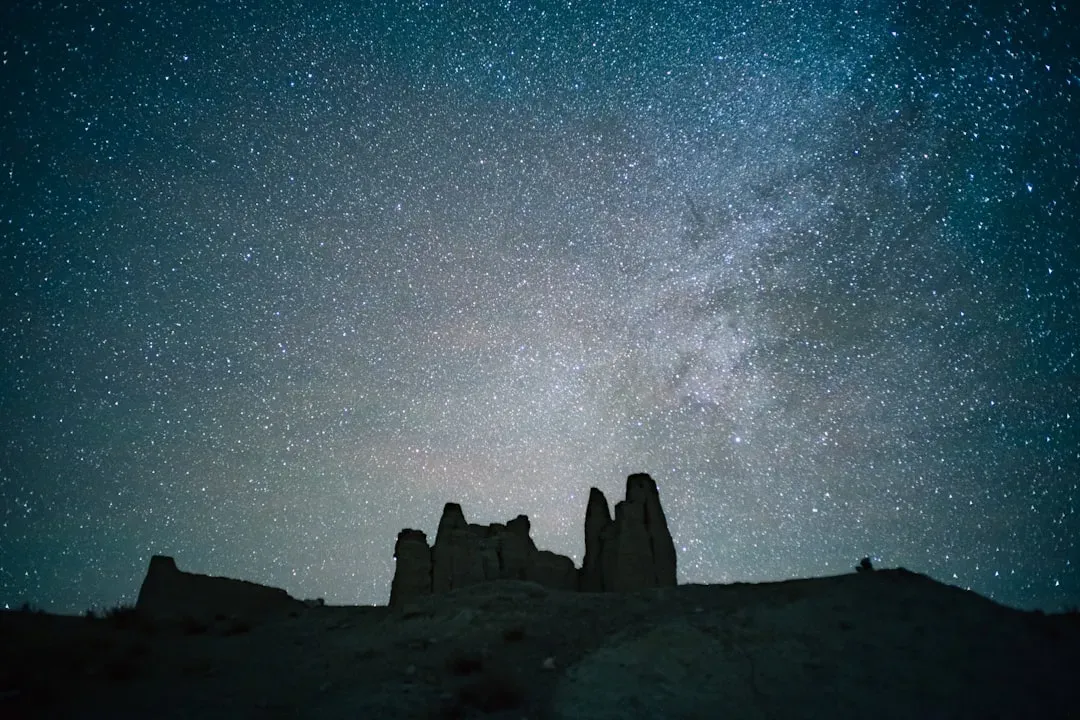
For ancient civilizations, astronomy wasn’t a hobby, it was survival software. Knowing when the rainy season would likely start, when to plant, when rivers might flood, or when winter would hit could mean the difference between a full granary and starvation. The sky was the most reliable calendar they had, and watching it carefully gave them a crucial edge in planning their lives and economies.
At the same time, rulers used the heavens to legitimize their power, timing coronations and battles around eclipses, solstices, and rare planetary alignments. Priests turned predictions of sky events into proof that their rituals worked and that they held special knowledge. Astronomy sat in the middle of science, religion, and politics, making precision not just impressive but downright necessary.
Conclusion: A Shared Human Obsession with the Heavens
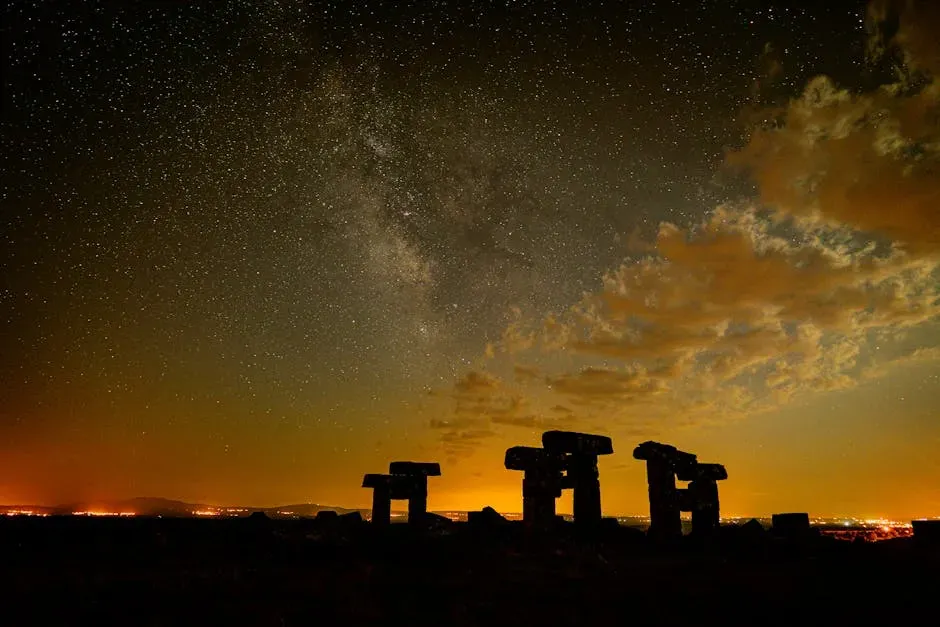
When you step back and look at Egypt, Babylon, China, Mesoamerica, the Andes, Polynesia, and beyond, a pattern becomes hard to ignore. With different languages, tools, and beliefs, people everywhere pushed themselves to read the same sky with remarkable accuracy. They turned stones, temples, boats, and cities into instruments that could catch the exact moment a star rose or the Sun shifted on the horizon.
Modern technology may let us peer deeper into space, but the basic drive is the same: we still look up and try to make sense of what we see. The of ancient astronomy isn’t just a historical curiosity; it’s a mirror showing how far patience, curiosity, and careful observation can really go. The next time you notice a bright planet or a clear Milky Way, it’s worth asking yourself: how much of that story could you have pieced together with nothing but your eyes and time?