There’s a particular kind of silence that only seems to appear under a dark, star-filled sky. Your problems shrink, your questions grow, and for a few seconds you’re not just a person standing in the dark – you’re part of something impossibly vast. That strange mix of smallness and connection is awe, and the night sky is one of the most reliable ways we trigger it.
For as long as humans have existed, we’ve looked up and felt something we couldn’t quite name. Even now, in a world of satellite maps and phone screens, a clear sky can stop us mid-sentence. Let’s dig into why that happens – biologically, psychologically, culturally, and emotionally – and why that feeling still matters in 2026, maybe more than ever.
The Brain on Awe: What Happens When We Look Up
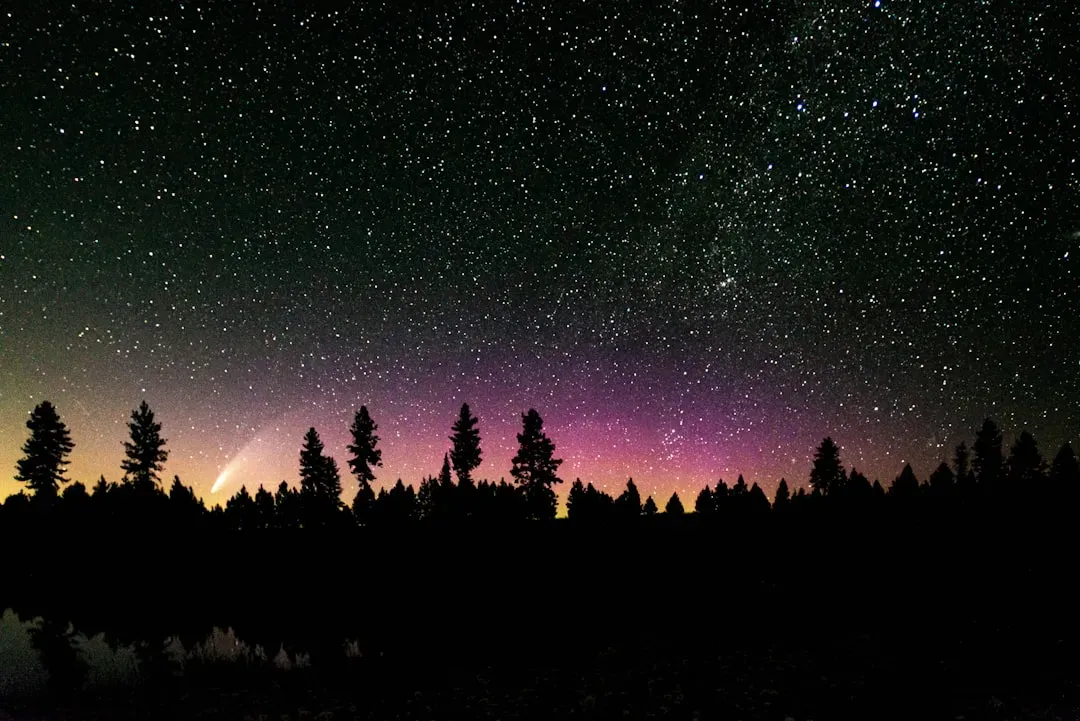
When you stare at the night sky and feel that deep “whoa” moment, your brain isn’t just passively observing; it’s actively rewiring your experience. Studies using brain imaging show that awe can reduce activity in areas linked to self-focus, especially the regions that constantly replay your worries and to-do lists. In simple terms, awe quiets the mental chatter and gives you a rare moment of mental silence.
At the same time, awe seems to activate networks involved in attention, curiosity, and openness. People report feeling more present, more receptive, and oddly calmer, even when they’re contemplating something as overwhelming as the entire universe. You can feel small and safe at the same time, which is a weird but powerful combination for the human mind.
Small Self, Big Universe: Why Feeling Tiny Feels So Good
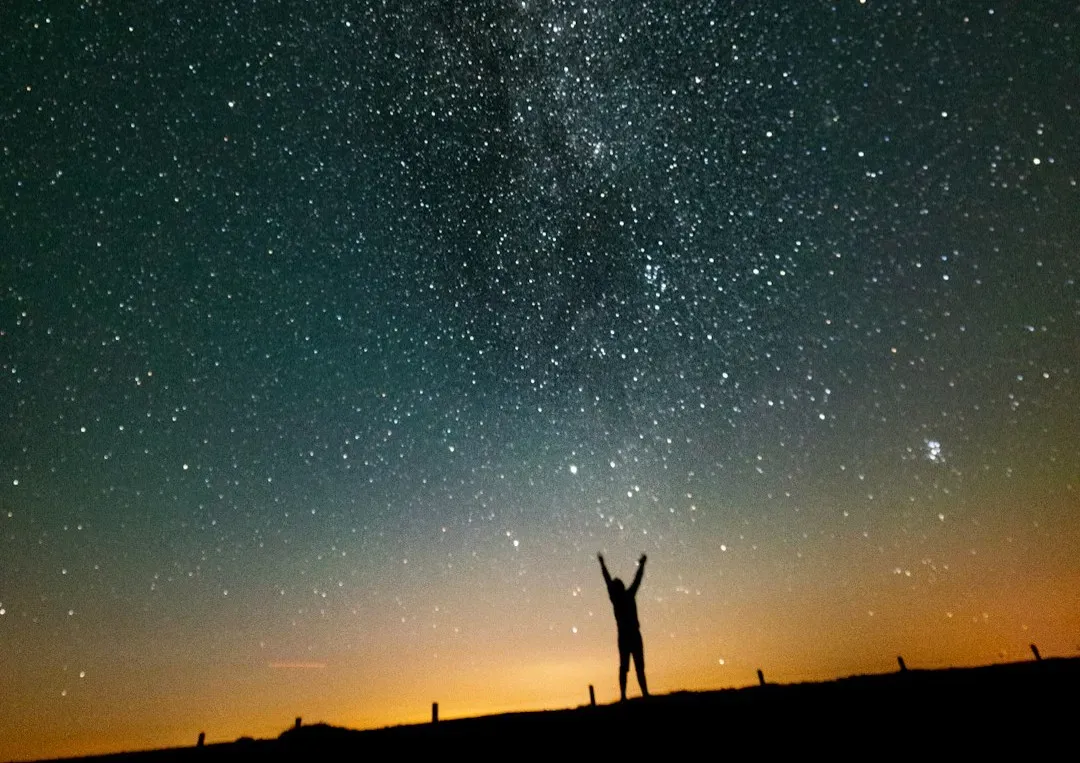
On the surface, feeling tiny next to the cosmos sounds like a recipe for panic. But standing under the stars usually doesn’t make most people feel depressed; it often makes them feel relieved. Psychologists sometimes call this the “small self” effect: your sense of personal importance shrinks, but your sense of belonging to something bigger grows. That shift can take the pressure off the constant story of “me, my goals, my failures.”
It’s a bit like zooming out on a map app and suddenly realizing your city is just one dot on a spinning globe. Your problems don’t disappear, but they stop feeling like the center of the universe. The night sky quietly reminds you that you never were the center of everything – and weirdly, that can feel like freedom, not loss.
Ancient Instincts: Our Deep, Evolutionary Relationship with the Sky
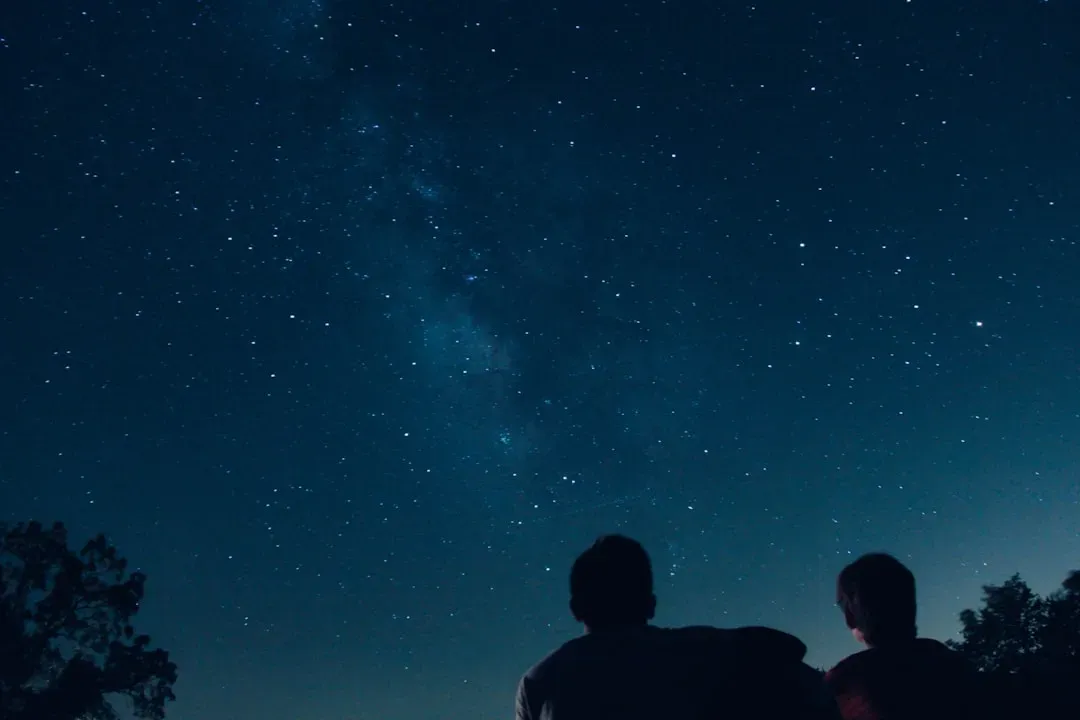
Long before city lights and smartphones, the night sky was a survival tool, not a backdrop. Early humans used the stars to navigate, track seasons, and time migrations. Your ancestors learned that the positions of certain constellations meant changing weather, new food sources, or dangerous conditions. In that sense, the sky was one of our first calendars, compasses, and warning systems all in one.
Because of that long history, some scientists think our brains are wired to pay special attention to large, structured patterns in nature – like star fields, the Milky Way, or moving constellations. Even if you’ve never once used a star to find north, that deep link between sky and survival might still be hiding inside your nervous system. Awe, then, might be part curiosity, part instinct whispering that what’s up there has always mattered to us.
Beauty at Scale: Patterns, Colors, and the Aesthetics of Infinity
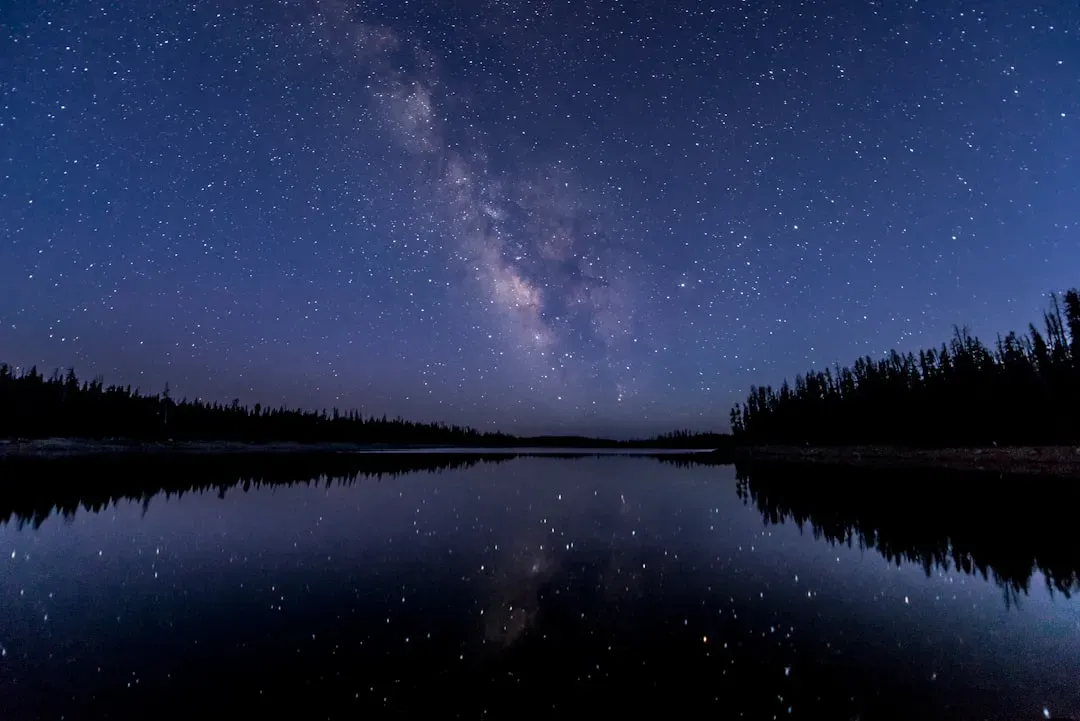
Even without knowing any astronomy, the night sky is visually stunning in a way few things on Earth can match. The tiny pinpricks of light, the dusty glow of the Milky Way, that faint haze on the horizon – our brains are wired to love patterns, contrasts, and symmetry, and the sky offers all of it in ridiculous abundance. It’s like looking at the most extreme piece of minimalist art, one that extends in every direction with no visible frame.
Then there are the rare shows: meteor showers, the northern lights, eclipses, planets lining up. When these appear, they break your mental expectations of how the sky is “supposed” to look. That surprise is a huge part of awe: your mind briefly realizes its usual rules and shortcuts are not enough, and that gap between what you expect and what you see creates a powerful emotional jolt.
Perspective Reset: How the Night Sky Shrinks Our Problems
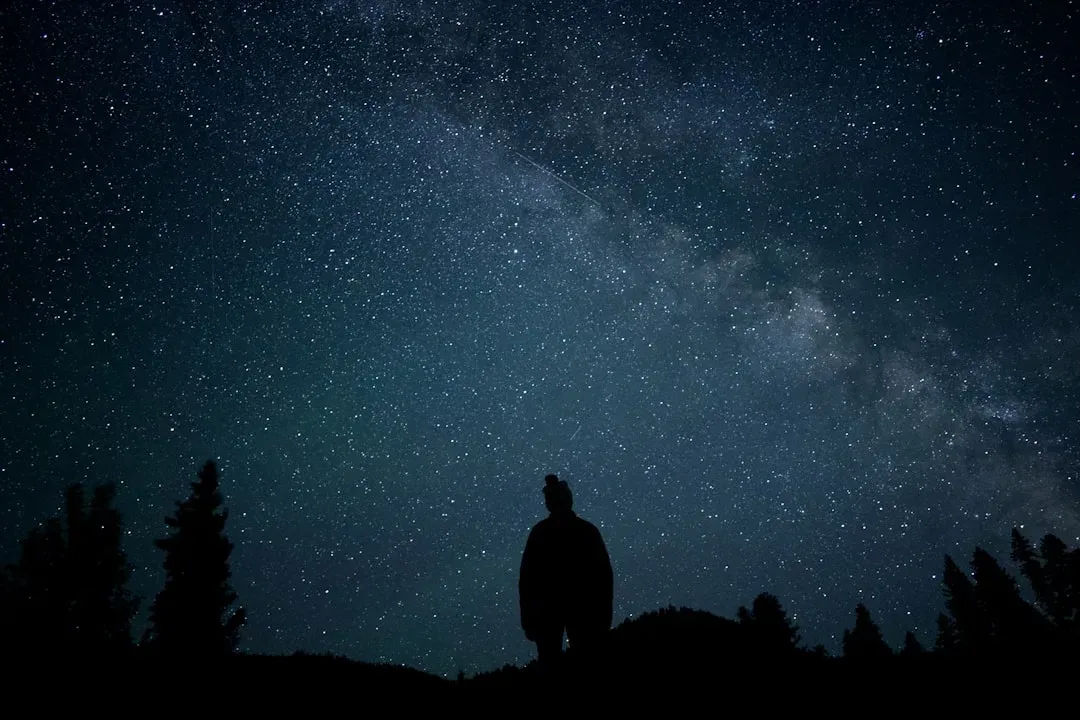
One of the most powerful side effects of staring at the stars is how quickly it can reframe your daily stress. The email you forgot to send, the awkward conversation, the bill you’re worried about – they’re still real, but they start to look more like temporary waves on a massive ocean. Many people come back from a night under dark skies with the same quiet reaction: “My problems feel smaller now, but in a good way.”
Psychology research on awe backs this up, showing that people often report less obsession with themselves and more focus on bigger values after awe experiences. Looking at the night sky is like hitting a mental reset button, pulling you out of your tight, narrow view and gently nudging you into a wider angle. That wider angle doesn’t solve everything, but it can change the questions you ask – and sometimes that’s the start of real change.
Curiosity, Mystery, and the Thrill of Not Knowing
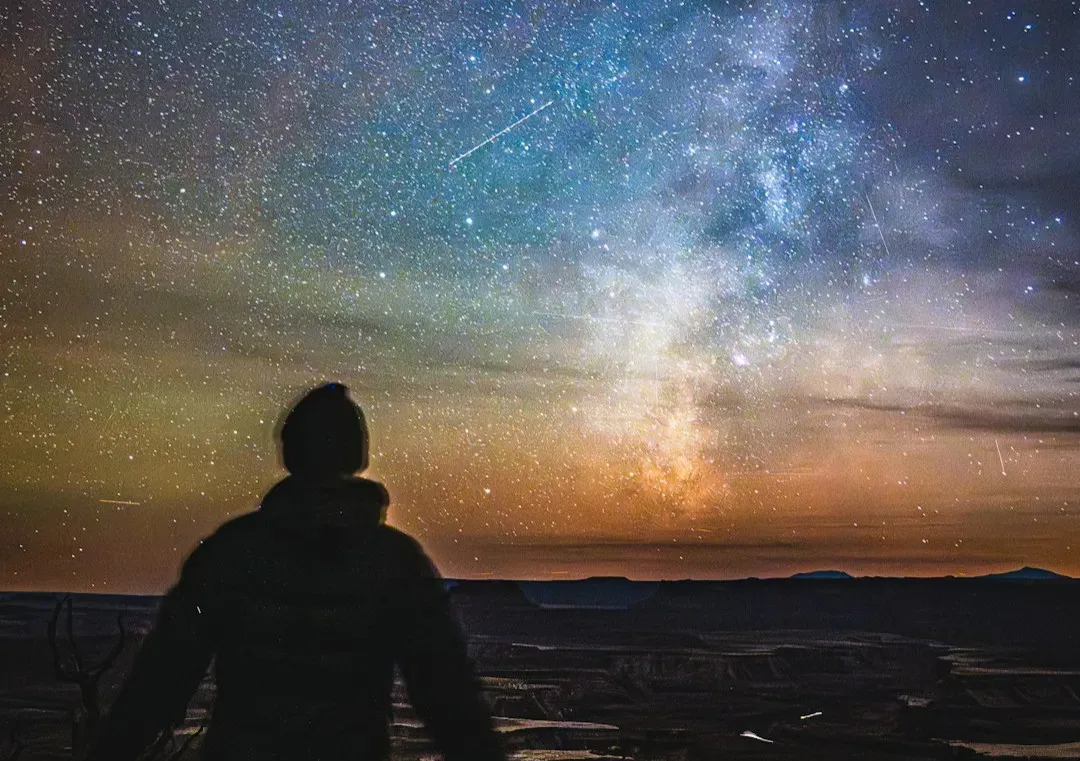
Most of the time, not knowing something drives us nuts – we want answers, explanations, closure. The night sky is different. You can stand there, fully aware that you understand only a tiny fraction of what you’re seeing, and somehow that mystery feels delicious rather than frustrating. Awe thrives on that edge where your knowledge ends and your imagination begins.
Modern astronomy has revealed an enormous amount about stars, galaxies, exoplanets, and black holes, but it’s also opened up new, deeper questions. Dark matter, dark energy, the origin of the universe, whether life exists elsewhere – each answer seems to unfold into ten new mysteries. The feeling of awe comes from realizing the universe is bigger, stranger, and more complex than our brains can fully hold, and being oddly okay with that.
Connection and Meaning: Feeling Less Alone Under the Stars
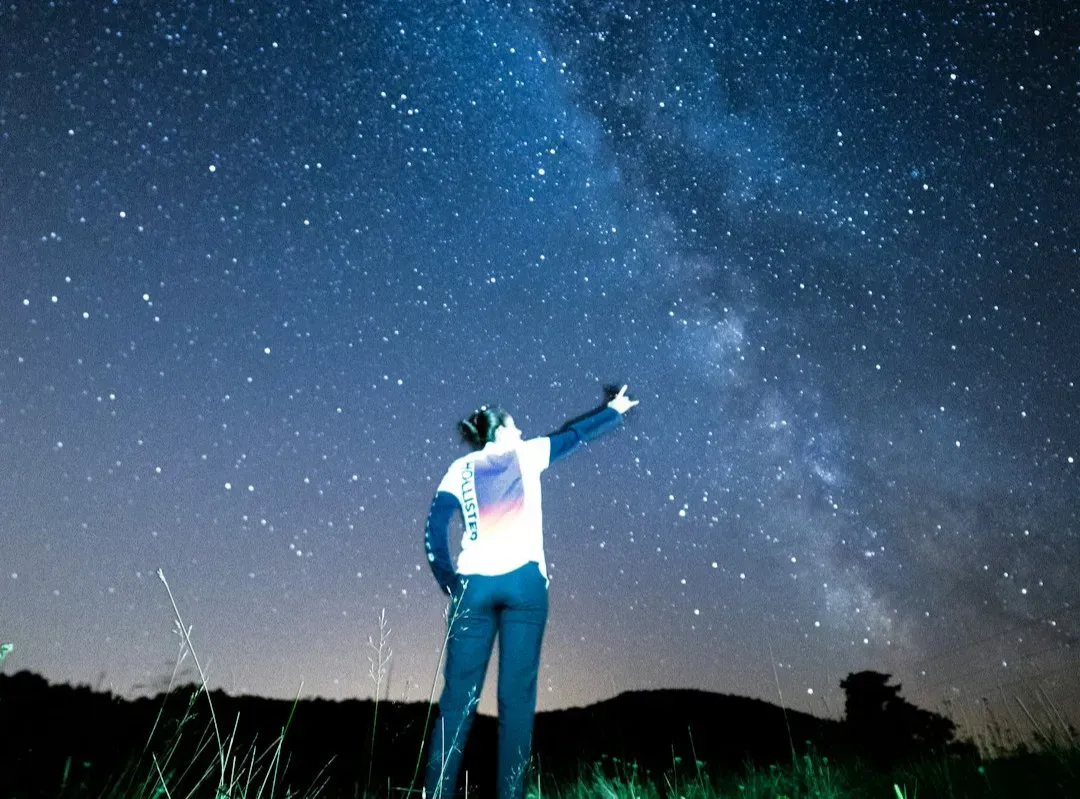
There’s a strange irony to the night sky: it emphasizes how alone we are in space, yet it often makes people feel more connected. Looking up, you’re seeing the same sky your ancestors saw, the same patterns people on the other side of the world see tonight, and the same cosmos that astronauts glimpse from orbit. That shared view can create a quiet sense of human togetherness, even if you’re physically standing there on your own.
For many people, the stars also become a backdrop for their biggest questions: Why are we here? Does any of this matter? What happens after we die? Whether you lean on science, spirituality, or a mix of both, the sky almost forces you into those questions. Awe doesn’t necessarily give you clear answers, but it does give those questions weight and depth, and that can make life feel richer and more meaningful.
From Myth to Modern Science: How Stories Shape Our Awe
Throughout history, different cultures have used the sky as a storytelling canvas. Constellations became heroes, animals, gods, and warnings; the wandering planets were woven into myths of love, war, and fate. Those stories did more than entertain – they helped people make sense of a harsh, unpredictable world. When you look up today, echoes of those old narratives still color how you feel, whether you know the legends or not.
In our time, the stories have shifted from myth to science, but the emotional punch is surprisingly similar. Instead of tales about gods throwing lightning, we have narratives about star formation, galaxy collisions, and black holes bending space-time. The language has changed, but the basic human move is the same: we look at something too big to grasp and reach for stories to fit it into our minds. Awe lives right in that gap between raw experience and the stories we build to hold it.
Technology, Light Pollution, and the Vanishing Night

Ironically, we live in an age of stunning space telescopes and planetary rovers, yet many people can barely see more than a handful of stars from their homes. Light pollution from cities has washed out the night skies for a huge portion of the world’s population. In some urban areas, people grow up never having seen the Milky Way with their own eyes, which quietly robs them of one of humanity’s oldest and most universal awe experiences.
Still, there’s a growing movement to protect dark skies through regulations, smarter lighting, and designated reserves. When people travel to these darker places and finally see a true star-filled sky, the reaction is often shock followed by silence. It feels like discovering a missing sense you didn’t realize you had lost. The fact that we have to fight to keep our stars visible makes every clear, dark night feel a bit more precious.
Why Awe from the Night Sky Still Matters in 2026
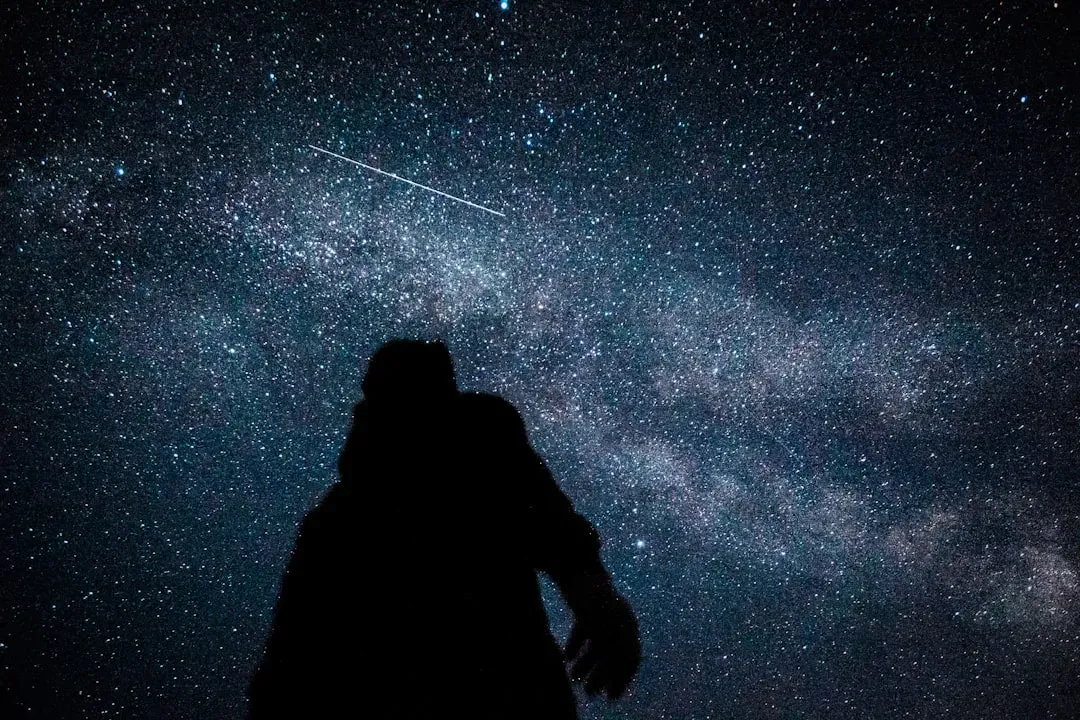
In a world that constantly nudges you to stare down at a screen, looking up is almost an act of quiet rebellion. Awe from the night sky pulls you out of endless notifications and into a deeper sense of time, space, and possibility. Researchers have linked awe to benefits like greater generosity, more patience, and even better overall well-being, which makes that simple act of stargazing feel less like a luxury and more like a basic mental need.
I still remember lying on a cold driveway once, just to catch a meteor shower, and realizing halfway through that I hadn’t thought about my inbox for over an hour. It wasn’t escapism; it was perspective. The universe had not changed, but my place in it suddenly felt clearer and calmer. Maybe that’s the real power of a starry night: it doesn’t give you new answers so much as it quietly rearranges your questions, one tiny point of light at a time.