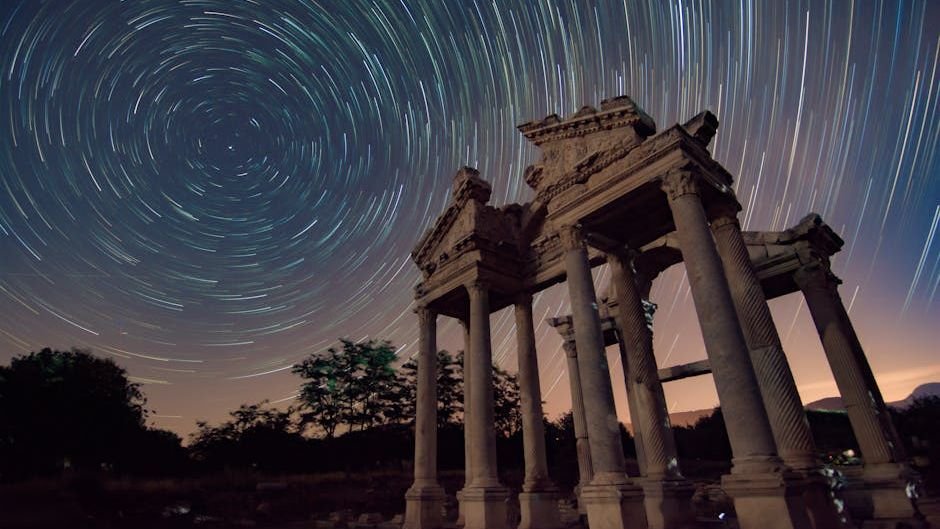

There is something deeply stirring about standing at the center of Stonehenge on a June morning, watching the sun crest the horizon in perfect alignment with stones that have not moved in over four thousand years. No GPS. No computer models. No university degree in astrophysics. Just ancient hands, ancient eyes, and an obsession with the sky so profound it moved mountains, literally. How did they do it? More importantly, why did they bother?
The answer is far richer and more layered than you might expect. It touches on farming, death, power, divinity, and the most fundamental human need of all: to find meaning in the chaos. Every culture, on every continent, looked up at the same sky and reached startlingly similar conclusions. From the frozen plains of northern Europe to the arid valleys of Mesoamerica, great stone structures point to celestial events with suspicious accuracy, and civilizations with no known contact with each other somehow reached similar conclusions: the sky held meaning, and the monuments they built would reflect their understanding of its meanings. Let’s dive in.
The Sky Was Their Only Clock
Imagine living in a world without calendars, clocks, or any written record of the seasons. How would you know when to plant your grain? When would the rains arrive? In societies that depended heavily on seasonal cycles for agriculture and survival, the sky provided the closest thing to a modern calendar. The timing of floods, harvests, and migrations depended on knowing when the seasons changed, and as people lacked printed calendars or mechanical clocks, they looked upward, watching the regular movement of stars and the sun to track the passage of time and predict changes in weather and daylight.
This is why aligning buildings with the heavens was not some mystical whim. It was survival strategy. Tracking the movements of the sun allowed ancient peoples to predict the changing seasons, which was essential for agricultural cycles, knowing when to plant crops, when to harvest, and when to prepare for periods of scarcity. Aligning structures to mark the solstices and equinoxes provided a fixed and predictable celestial calendar, vital for planning seasonal activities and ensuring food security. Think of these massive stone monuments as the world’s first alarm clocks, except instead of a buzzing sound, you got a beam of light piercing through a carefully constructed chamber.
Stonehenge: More Than Just a Pretty Circle of Rocks
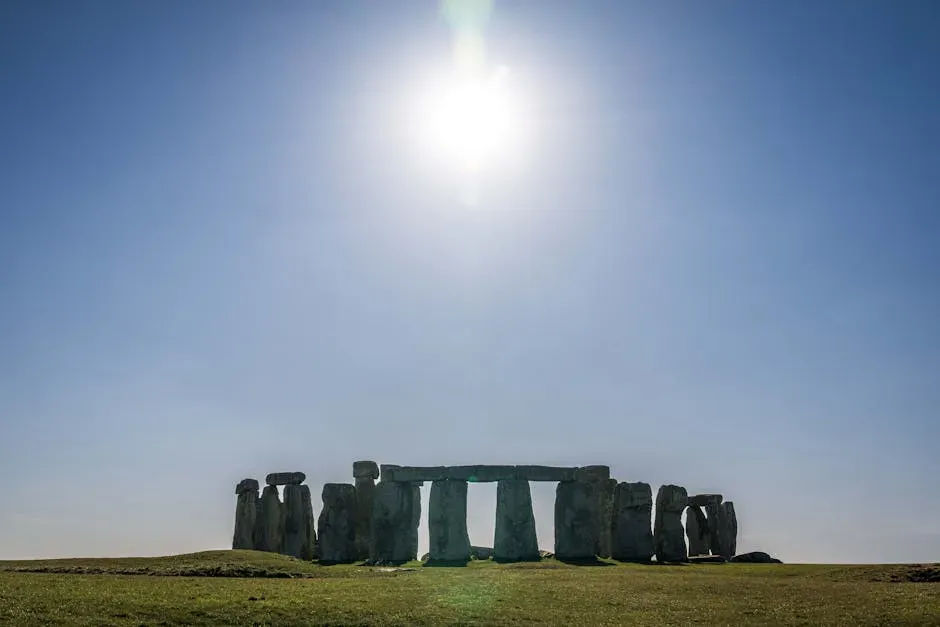
Honestly, Stonehenge might be the most misunderstood monument on earth. Countless theories, films, and questionable documentaries have swirled around those stones. Among the most widely studied examples, Stonehenge is famous for its particular alignment with the solstices. It is located on Salisbury Plain in England and was constructed over several centuries, probably beginning around 3000 BCE. The monument aligns with the summer solstice sunrise and the winter solstice sunset, and each year, sunlight pierces through the monument’s structure at specific angles during those events, which commemorated significant solar transitions.
What is really wild is that you do not just see the summer solstice alignment there. On the summer solstice, the sun rises directly above the Heel Stone when viewed from the center of the monument, casting light into the middle of the stone circle. Contrariwise, during the winter solstice, the sun sets in alignment with the central axis of the monument. These precise alignments indicate that the builders of Stonehenge had an understanding of the solar cycle and may have used the monument to mark seasonal changes, aiding in agricultural planning or spiritual rituals tied to the sun’s power. You have to admire that kind of precision, especially when you consider the builders had no metal tools to speak of.
The Egyptian Pyramids and the Pursuit of Cosmic Order
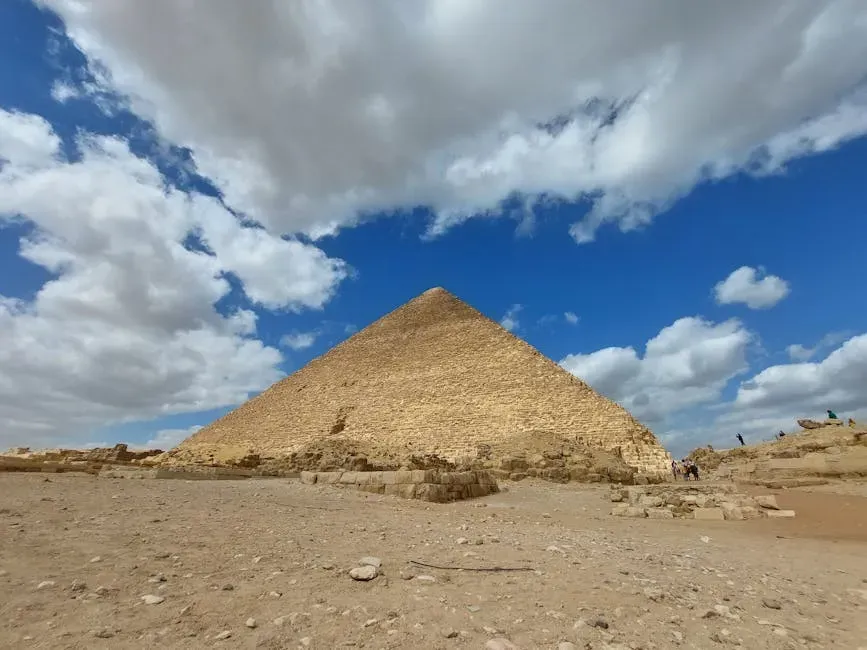
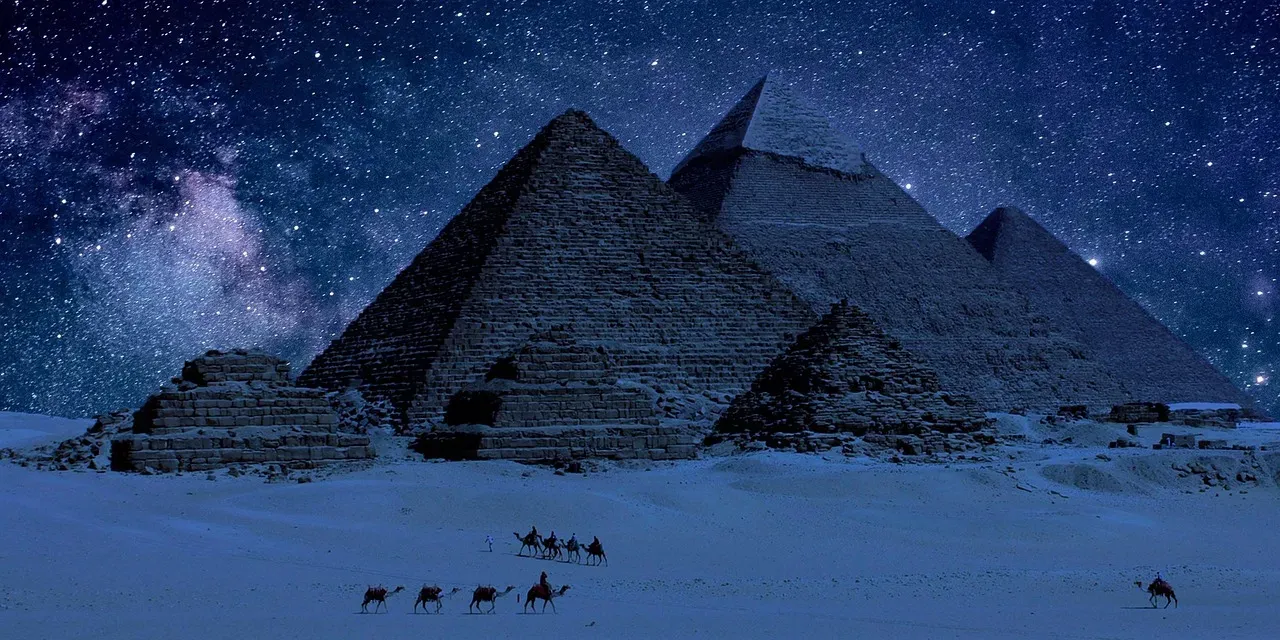
When you look at the Great Pyramid of Giza, you are not just looking at a tomb. You are looking at a statement. The Great Pyramid of Giza shows remarkable precision in its orientation. Built around 2560 BCE during Egypt’s Fourth Dynasty, the pyramid’s sides align almost exactly with the cardinal points: north, south, east and west. Scholars have proposed that ancient Egyptian architects relied on observations of stars such as Thuban in the constellation Draco to determine true north.
The level of astronomical knowledge embedded in that single structure is staggering. The precise orientation of the Egyptian pyramids affords a lasting demonstration of the high degree of technical skill in watching the heavens attained in the 3rd millennium BC. It has been shown the pyramids were aligned towards the pole star, which, because of the precession of the equinoxes, was at that time Thuban, a faint star in the constellation of Draco. The Egyptians were not just building in alignment with stars for decoration. Astronomy was deeply intertwined with Egyptian religion and mythology. The movement of celestial bodies was believed to reflect the divine order, or Ma’at. The sun god Ra’s daily journey across the sky symbolized the cycle of life, death, and rebirth, influencing temple rituals and religious ceremonies.
Religion, Gods, and the Architecture of Divine Power
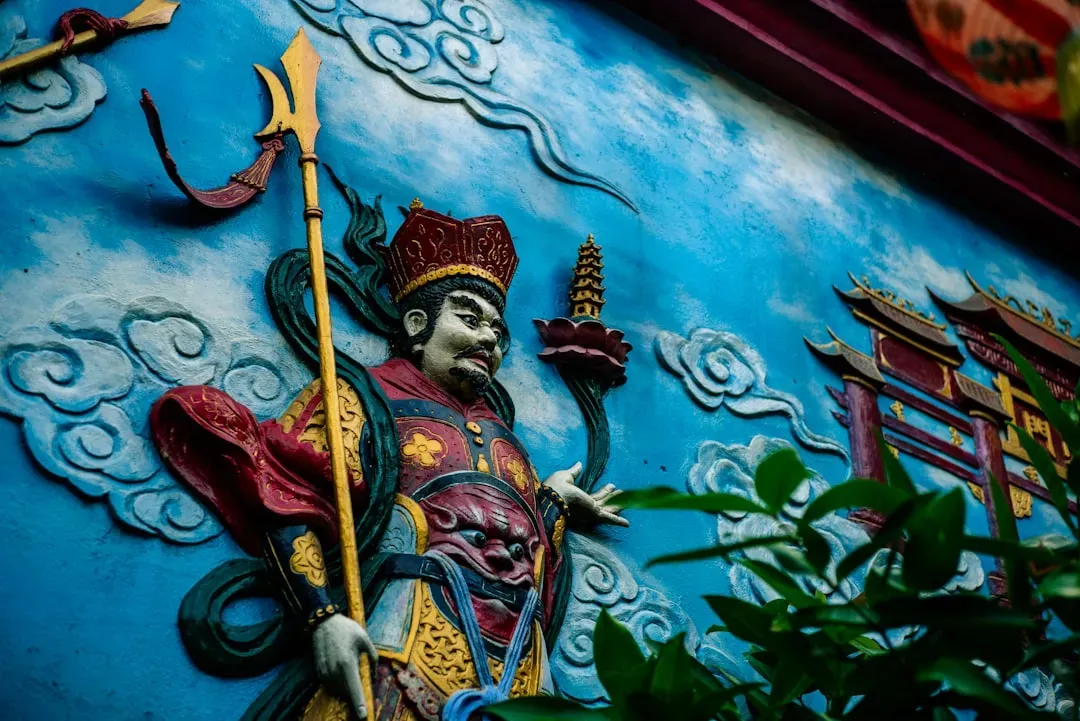
Here is the thing about ancient religion: the sky was not just beautiful, it was sacred. Religious beliefs also developed around celestial bodies. Many cultures believed that gods dwelled in the sky or communicated through it. In ancient Egypt, the sun god Ra travelled across the sky by day and the underworld by night, providing them with a concept of the eternal cycle of life and death. Temples and pyramids constructed in his honour showed solar movement to reinforce his divine authority.
The political dimensions of celestial alignment are just as fascinating, maybe more so. In some cultures, the rulers claimed divine ancestry through celestial bodies. For example, the Inca emperor considered himself the son of Inti, the sun god. Monuments in his capital city of Cusco and throughout the empire aligned with solar events to strengthen the emperor’s spiritual legitimacy. In China, the emperor was the Son of Heaven, responsible for maintaining harmony between heaven and earth. As a result, astronomers employed by the imperial court used celestial data to affirm the emperor’s cosmic role. That is a remarkable idea, that your power on earth could literally be validated by building a structure that pointed at a star.
Chichén Itzá and the Serpent That Comes to Life Twice a Year
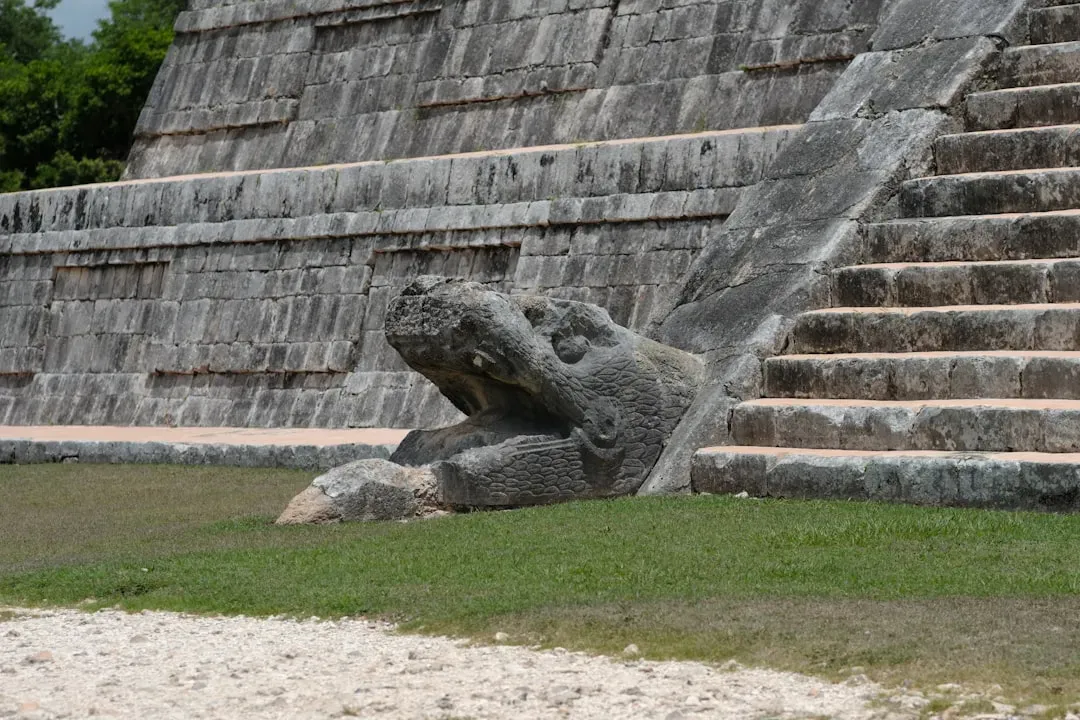
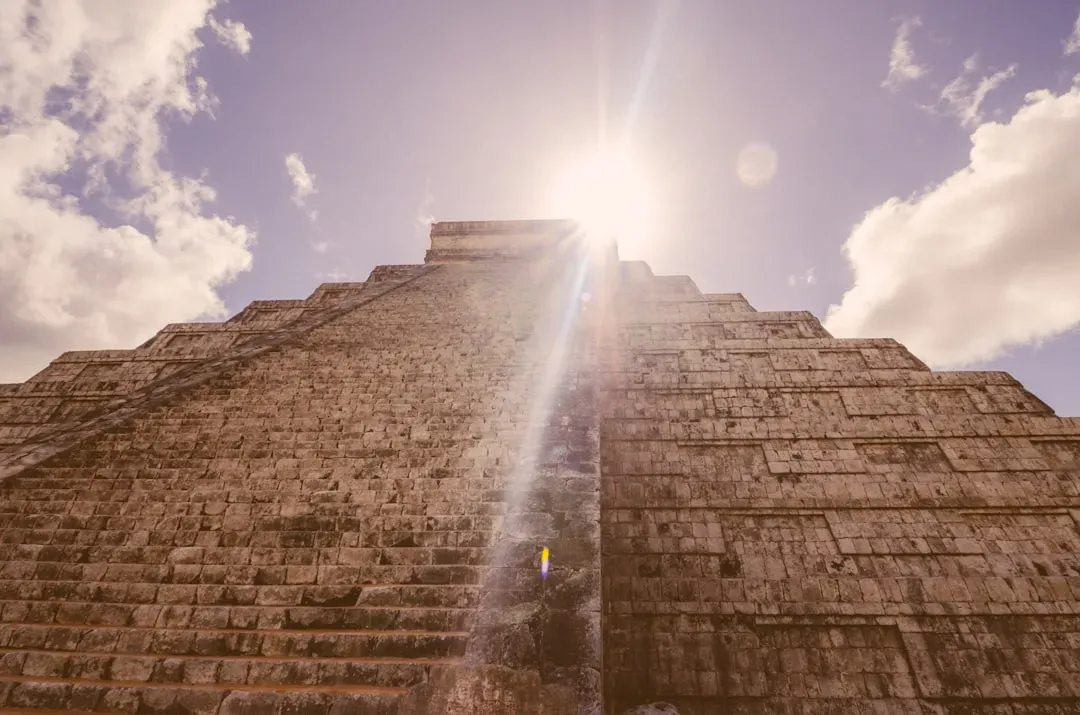
If you want a truly theatrical example of celestial alignment, look no further than the Temple of Kukulcán at Chichén Itzá in Mexico. During the spring and autumn equinoxes, shadows from the setting sun create the illusion of a serpent descending the steps of the pyramid’s northern staircase. The effect coincides with the arrival and departure of Kukulcán, a feathered serpent deity. The alignment, which appears to be both dramatic and deliberate, illustrates their connection between the sky, religion, and most likely, royal authority.
Let’s be real: that is not an accident. That is engineering genius combined with religious theater. Once archaeoastronomers learned the importance of Venus to the Maya, they evaluated the site and found that many buildings aligned with the planet’s rising or setting. Some structures also aligned with planetary events, most notably the movements of Venus. Among the Maya, Venus appeared as the morning and evening star, and was tied closely to myth and warfare. Certain buildings at Uxmal and Caracol demonstrate alignments that matched Venus cycles. The Maya were essentially building in-stone almanacs, and they were extraordinarily good at it.
Newgrange: A Prehistoric Light Show in the Dark of Winter
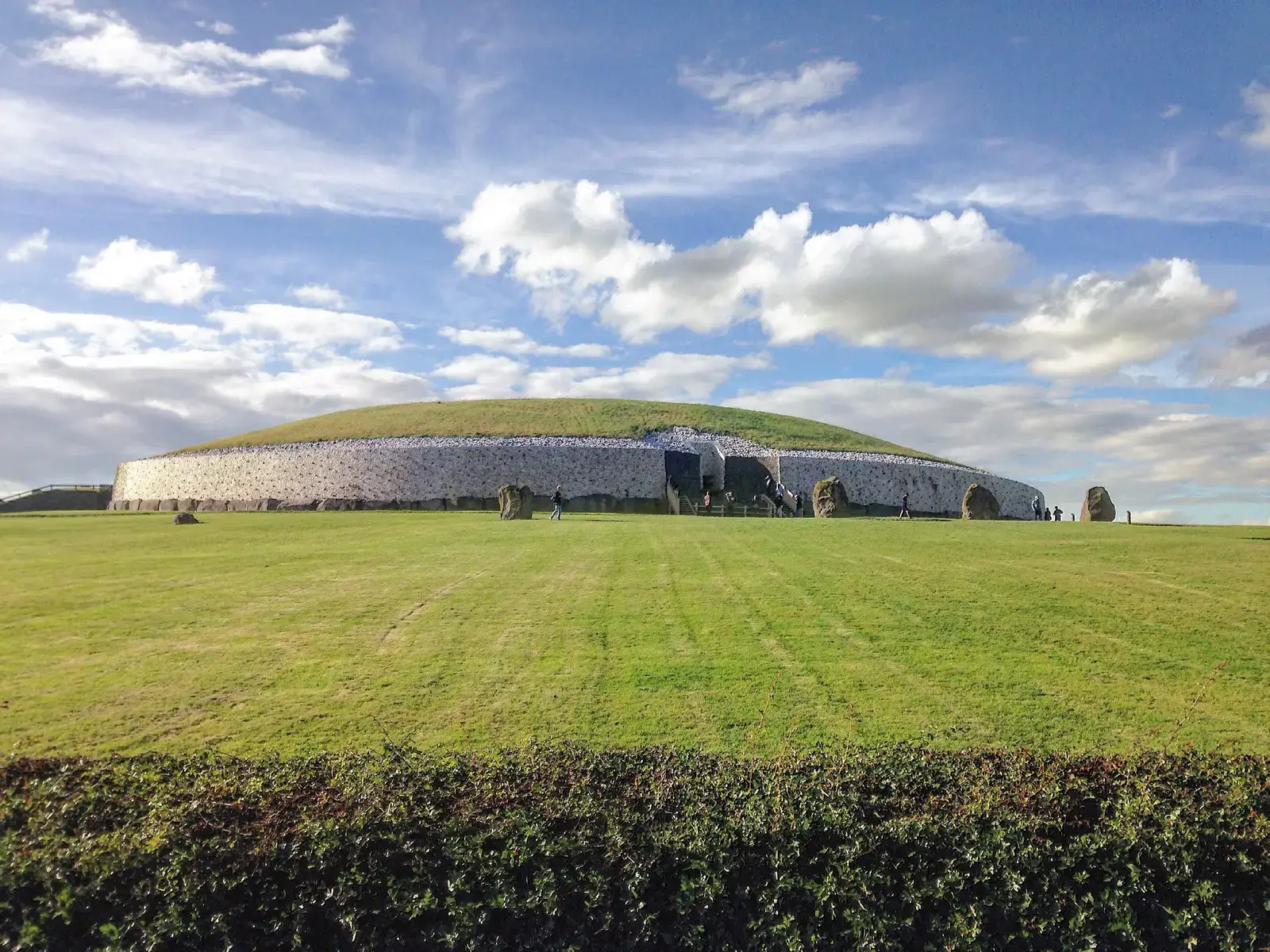
Perhaps the most emotionally powerful of all celestial alignments belongs to a site most people have never heard of. At Newgrange in Ireland, an even older structure, built around 3200 BCE, contains a narrow passageway that floods with light at dawn on the winter solstice. The alignment required precise construction and suggests a special significance associated with the return of sunlight after the darkest period of the year. The builders of Newgrange obviously had an awareness of solar cycles and used that knowledge to influence the internal experience of those who entered into the tomb.
Think about what that moment must have meant to a Neolithic community huddled through long, bitterly cold winters. For just 17 minutes at dawn during the solstice, sunlight comes through a special roof box and lights up the chamber inside. Just seventeen minutes of pure golden light flooding an otherwise pitch-black burial chamber, once a year, on the darkest day of the year. It is aligned in such a way that, during the winter solstice, sunlight illuminates its inner chamber. This precision in alignment demonstrates the advanced understanding of astronomical events by the ancient builders. Understanding architectural alignments can shed light on the importance of certain celestial events for ancient rituals and agricultural cycles. That is not primitive. That is profound.
Machu Picchu and the Intihuatana Stone
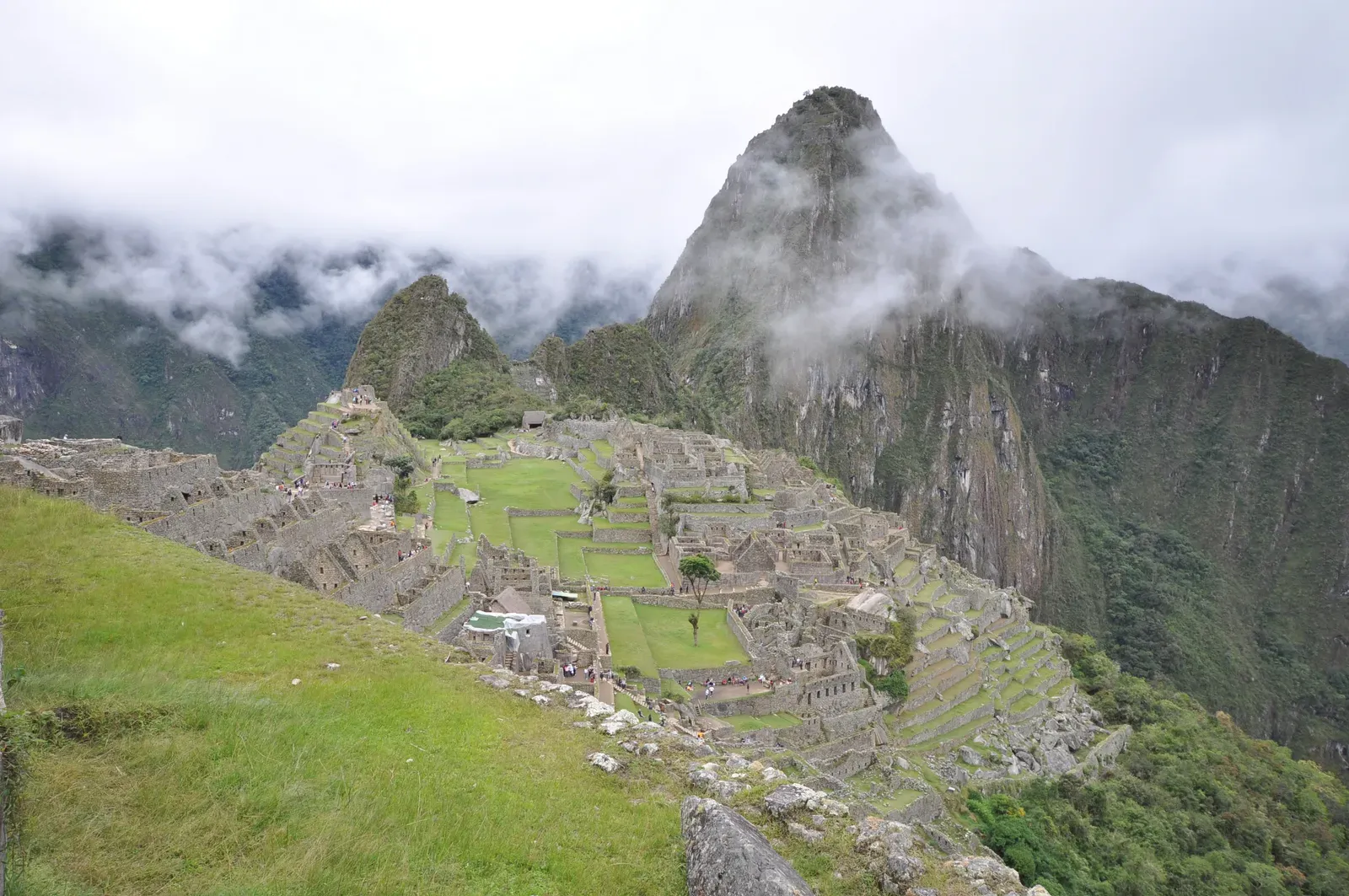
High above the clouds of the Andes, the Inca built a city that few outside their civilization would see for centuries. There is a giant stone at the top of this sacred mountain called Intihuatana, which means “place to tie up the sun.” Amazingly, the stone is perfectly positioned so that each corner sits at the four cardinal points and at an angle of about 13 degrees northward. At exactly noon on the spring or fall equinox date, the Sun’s shadow disappears. Therefore, the stone is a precise indicator of the date of the two equinoxes.
The Inca did not stop there. The Coricancha, or the Great Temple of the Sun, in Cusco, the capital of the Inca Empire, was a highly sacred site dedicated to Inti, the sun god. The temple was strategically oriented and featured specific openings that allowed the sunlight of the winter solstice to illuminate a particular niche or altar within the temple, marking a significant event in the Inca calendar and cosmology, the rebirth of the sun. You start to see the pattern here. Every great civilization with power looked at the sky, found a moment they could predict, and then built something to capture it forever.
The Birth of Archaeoastronomy as a Modern Science
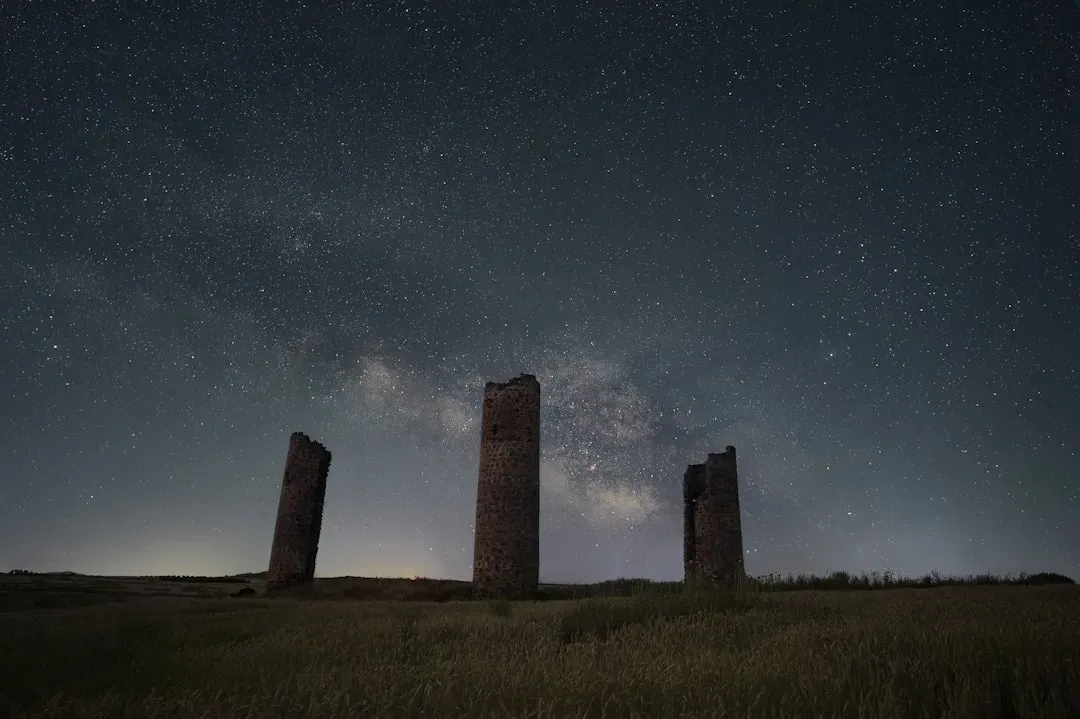
For centuries, academics basically dismissed the idea that ancient peoples could have intentionally aligned their buildings with celestial phenomena. Most early explorers did not recognize the astronomical alignments and mathematical characteristics inherent in the pyramids, Egyptian temple ruins, and other ancient megaliths. Since it was assumed that the people who built them must have been more primitive, no one was looking for architectural features that required celestial calculations. It wasn’t until the late 19th century, when prominent British Astronomer Sir Norman Lockyer first seriously began to look at ancient temples around the world, that many astronomical alignments were noted.
Today, the field that explores these connections has a name and a serious academic standing. Since the mid-20th century, the academic study of astronomical alignments in ancient structures has become more thorough. The interdisciplinary field known as archaeoastronomy, which combines archaeology, astronomy, and anthropology, has offered new insights into how ancient cultures observed and interpreted the sky. Research into megalithic sites in Europe, temple complexes in the Americas, and observatories in Asia has shown that many alignments could not have occurred by accident. Scholars now use computer software to recreate ancient skies and test theories about alignments, in addition to field surveys, satellite imagery, and cultural comparisons to provide additional evidence. The tools have changed dramatically, but the wonder driving the research has not changed one bit.
Skepticism, Debate, and the Line Between Fact and Fantasy
Not every claim about ancient celestial alignment deserves to be taken at face value. That is worth saying clearly. While many structures show clear astronomical alignments, some claims have attracted much scepticism. The sheer number of ancient sites, combined with natural variation in horizon lines, raises the possibility of some coincidental alignments. However, without written records, interpreting the intention of each building project with accuracy becomes quite difficult.
The field has attracted its share of fringe theories, and it is hard to say where exactly enthusiasm ends and outright fiction begins. Modern interpretations of stone monuments and celestial alignments often attract speculative theories that extend beyond archaeological and scientific evidence. Some suggest that ancient builders possessed advanced astronomical knowledge or extraterrestrial assistance, but such claims lack substantial supporting data. Many misconceptions stem from attempts to romanticize or sensationalize the purpose of monuments like Stonehenge or the Egyptian pyramids. Serious researchers emphasise cultural context and material evidence rather than unfounded conspiracy theories. The truth, as it turns out, is far more interesting than any alien story could ever be.
Conclusion: The Sky Was Never Just Sky
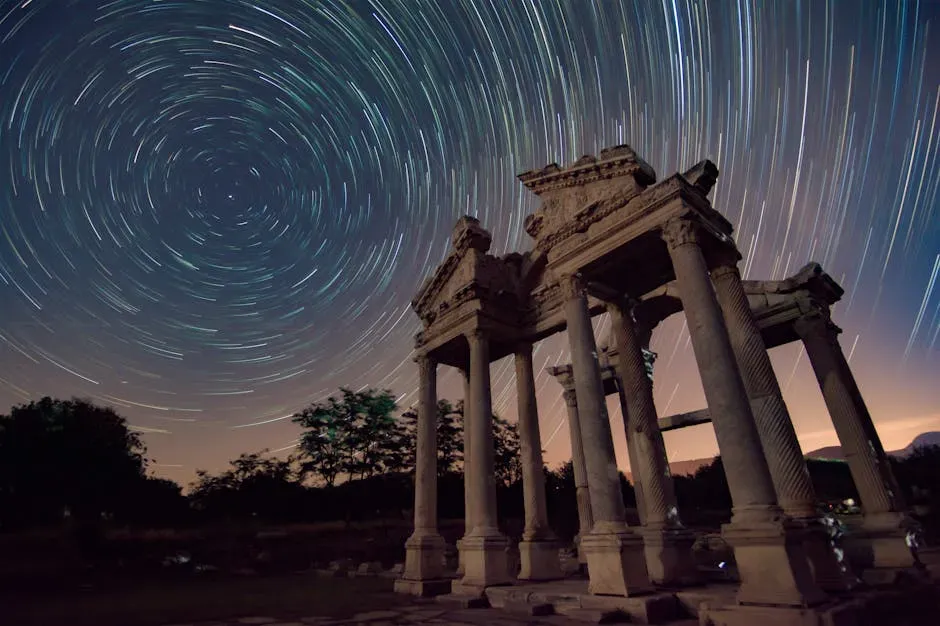
You do not need to be an archaeologist to feel the weight of what these ancient builders achieved. Every stone placed in alignment with a rising star, every passageway designed to catch a solstice sunrise, was a statement about what it means to be human. The legacy of archaeoastronomy reminds us that the stars have been more than just distant lights, they were guides, calendars, deities, and storytellers. The careful alignment of ancient structures with celestial events speaks to a universal human desire to find meaning and order in the cosmos.
One of the most captivating aspects of these marvels is their alignment with celestial bodies. These alignments were not accidental but were a reflection of the advanced astronomical knowledge possessed by ancient civilizations. It is humbling to realize that long before satellites and software, people were solving the same enormous questions we still ask today. Where are we in this universe? What patterns govern our lives? Archaeoastronomy is not just a study of ancient places, it is a bridge between the past and present, and the Earth and the sky. The next time you look up at the stars on a clear night, you are doing exactly what they did. What do you think they were trying to tell us? Tell us in the comments.