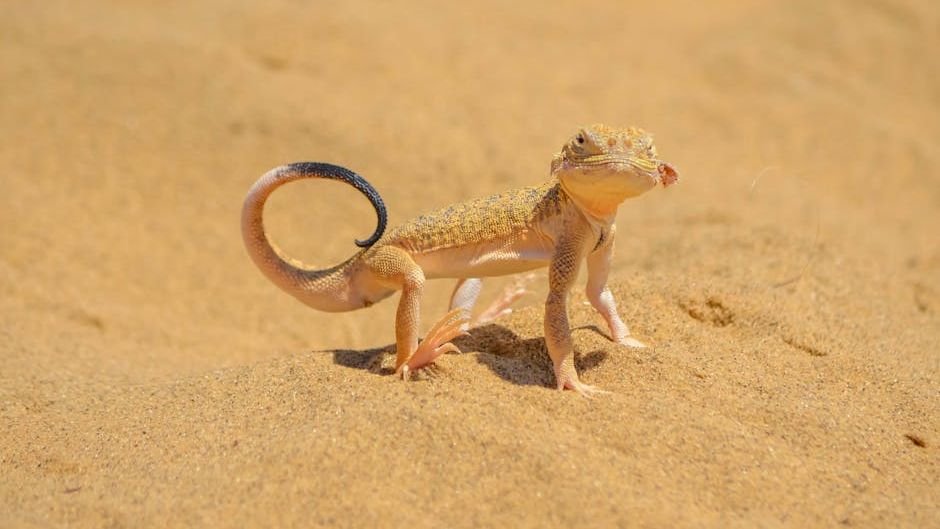

There’s something almost eerie about stepping into a desert. The air shimmers. The ground burns. Every breath feels like opening a hot oven. And yet, incredibly, life is everywhere you look – hidden in the sand, tucked beneath rocks, moving in the shadows. It doesn’t just survive out there. It thrives.
At the core of desert survival lies an unrelenting force: heat. Desert animals do not simply resist it – they have evolved strategies to coexist with it, avoid it, or even exploit it. In regions where surface temperatures regularly exceed 45°C and can climb far beyond on the ground, thermoregulation isn’t optional. It’s everything. What you’re about to read will genuinely surprise you. Let’s dive in.
1. Nocturnality: When the Night Becomes Your Best Friend
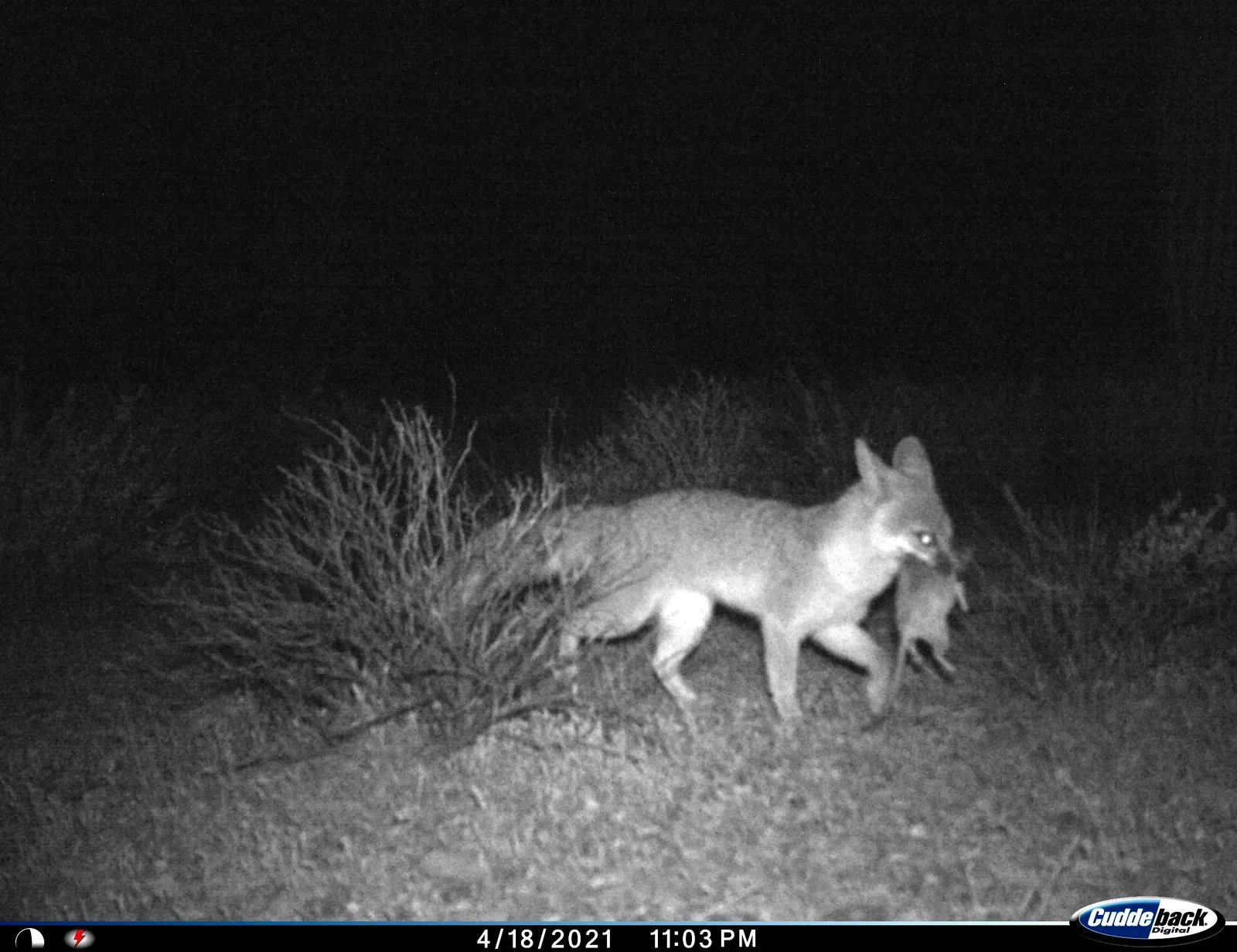
You might think the desert goes quiet at night. Honestly, it’s quite the opposite. Nocturnality is the desert’s most widespread solution to daytime heat – rodents, insects, and even large predators like the desert fox become active only after sunset, when temperatures plummet and activity becomes far less energetically costly. It’s an elegant solution. Why fight the heat when you can simply wait it out?
Beyond escaping the midday heat, nocturnal activity also helps many animals avoid predation. Without the veil of darkness, many creatures fall prey to larger hunters. Nocturnal activity also provides a cooling respite during the hotter times of the year, with cool nighttime temperatures assisting in generating lower internal body temperatures. Think of it like working the night shift in a factory that’s just too hot to operate during daylight hours. The animals haven’t given up on the desert – they’ve simply rescheduled their lives around it.
2. Burrowing: The Underground Escape Hatch
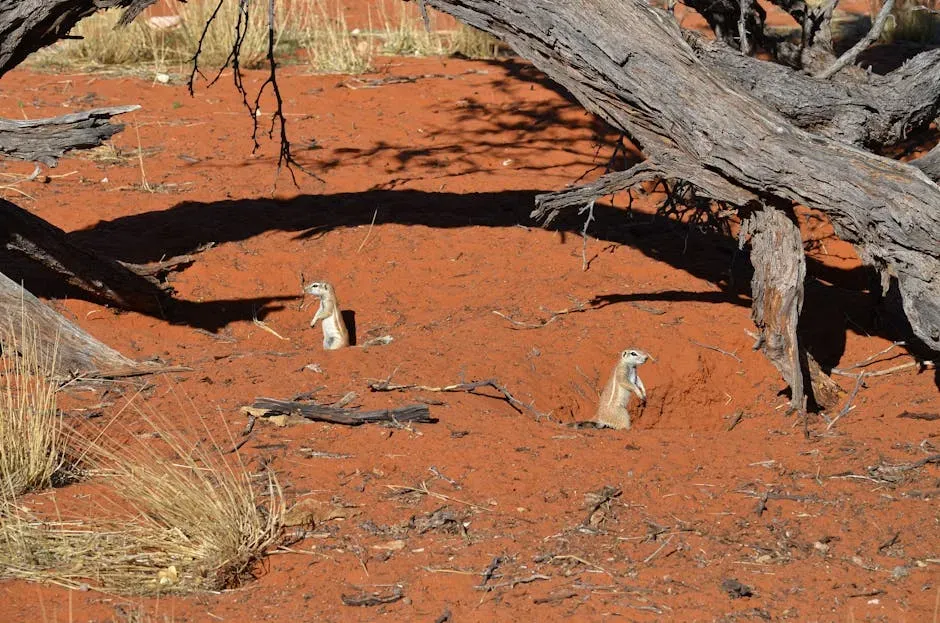
Most small desert-dwelling animals live in burrows to avoid the desert heat. These burrows act as microenvironments: when they are deeper than about 50 to 60 cm below the surface, they maintain humidity and temperatures between 30 and 32°C, regardless of external weather. Some animals even seal their burrows to keep them moist. Imagine carrying your own personal air conditioning unit – except it’s literally built into the earth beneath your feet.
The burrow environment is far more moderate than the surface temperature, which may fluctuate between 15°F and 160°F across a year. Many desert rodents spend the entire day within the mild environment of a burrow – a Merriam’s kangaroo rat, for example, will venture to the desert surface for less than one hour each night. Less than one hour a night. That’s some serious commitment to staying alive.
3. Fat Storage in Unusual Places: The Camel’s Secret Weapon
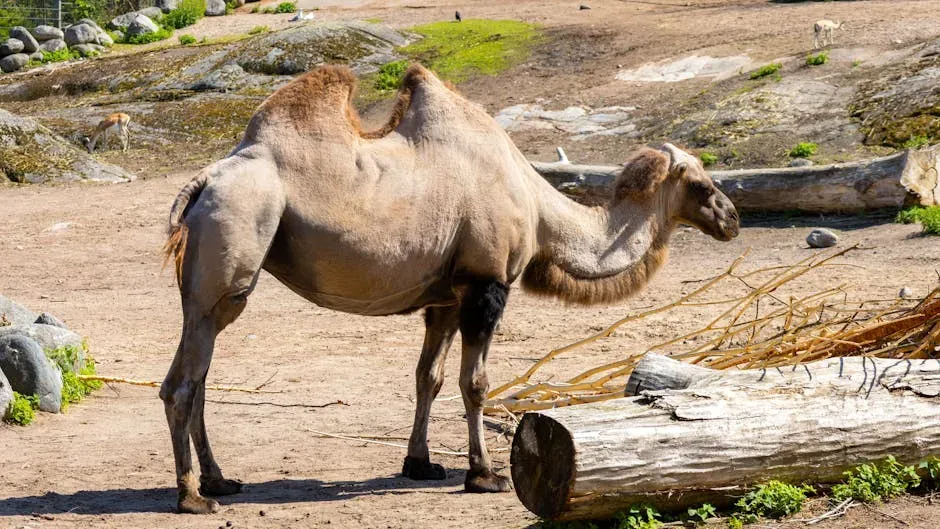
Known as the “ships of the desert,” camels can survive temperatures as high as 120°F and go a week or more without consuming water. That’s not just impressive – that’s almost unbelievable by human standards. The secret is largely in that hump, though most people misunderstand what it actually does. Often called the “ship of the desert,” the camel’s humps store fat, which can be converted into energy and water when resources are scarce.
Mammalian desert dwellers sweat far less than their non-desert counterparts. The camel can survive ambient temperatures as high as 49°C without sweating, while the kangaroo rat lacks sweat glands entirely. That’s like having a built-in thermostat that simply refuses to waste a single drop of moisture. Desert animals also have less fat overall than their non-desert counterparts, since fat acts as insulation and retains heat. What fat they do have is localized – such as in the camel’s hump.
4. Metabolic Water Production: Drinking Without a Single Drop
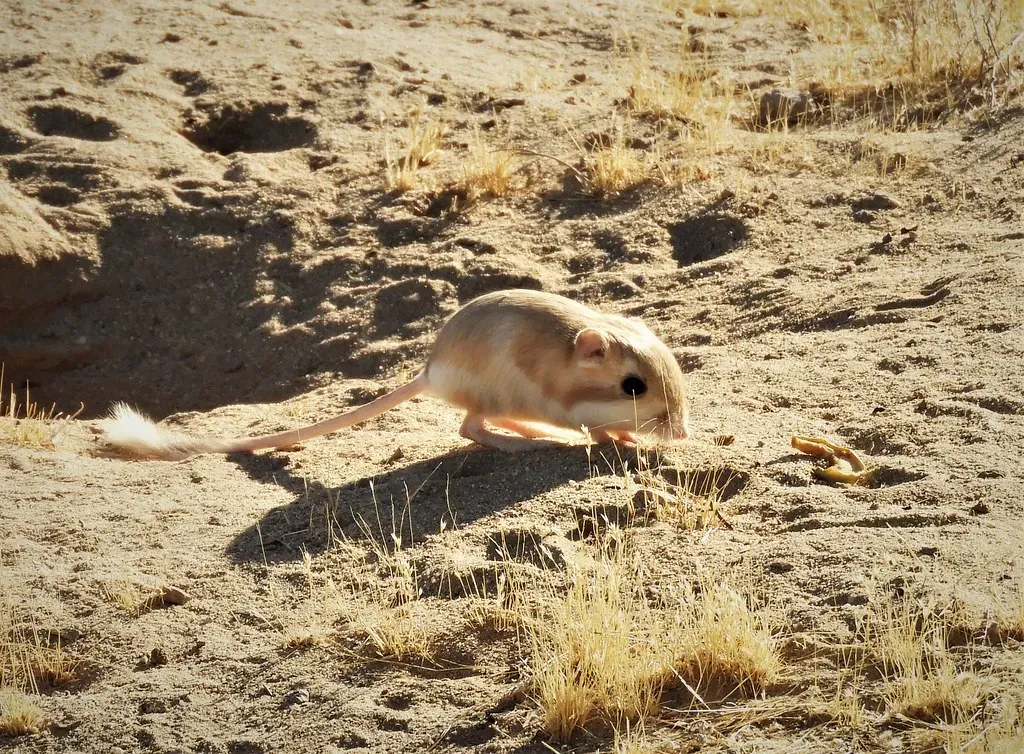
The kangaroo rat – a true master of water conservation – never drinks in its entire life. It survives entirely on metabolic water produced from digesting seeds. Its kidneys are so efficient that they can produce urine five times more concentrated than that of a human, conserving every possible molecule. Let that sink in. Never. Drinks. Water. Ever. It’s the kind of biological marvel that makes you question everything you thought you knew about what a body needs.
The kangaroo rat eats primarily dry, high-carbohydrate seeds – one gram of grass seed produces roughly half a gram of oxidation water. Seeds with high fat or protein content are avoided, as the former produce too much heat while the latter require too much water for waste dilution. Additional water even comes from dry seeds stored in its burrow, which can absorb up to 30 percent of their weight in moisture from the higher humidity inside. It’s like a tiny, furry biochemist living in the sand.
5. Large Ears as Built-In Radiators: Nature’s Cooling Fins
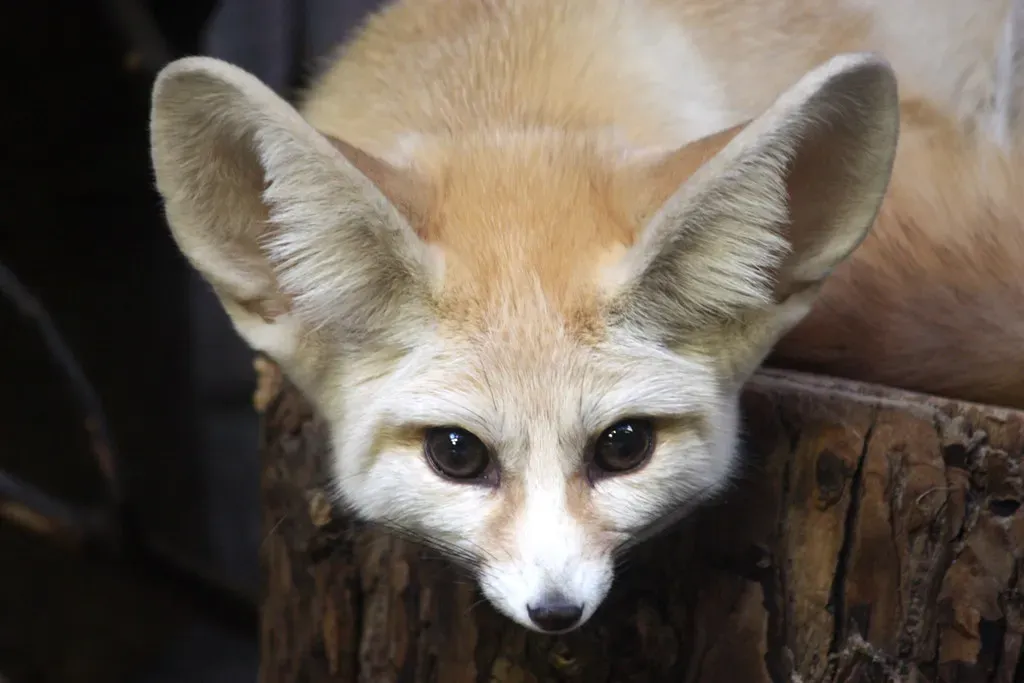
The fennec fox of North Africa has large ears that serve a dual purpose: they are excellent for listening for underground insects and bugs, but they are also loaded with blood vessels, allowing the animals to dissipate excess body heat. You could think of those enormous ears as biological heat sinks, constantly radiating warmth away from the body. It’s genuinely one of nature’s most stylish engineering solutions. While big ears are wonderful radiators during hot days, the fox’s thick fur coat also acts as insulation during cold desert nights.
Large ears are more than just endearing features – they also act as high-performance cooling systems. Species like the Greater Bilby rely on their oversized ears as radiators, with blood flowing close to the thin skin of the ear and releasing heat to the surrounding environment. By diverting blood flow to areas with large amounts of capillaries, like the ears, the animal is able to release excess heat far more quickly. It’s so simple it almost feels obvious in hindsight, yet it took millions of years of evolution to perfect.
6. Estivation: The Desert’s Version of Pressing Pause
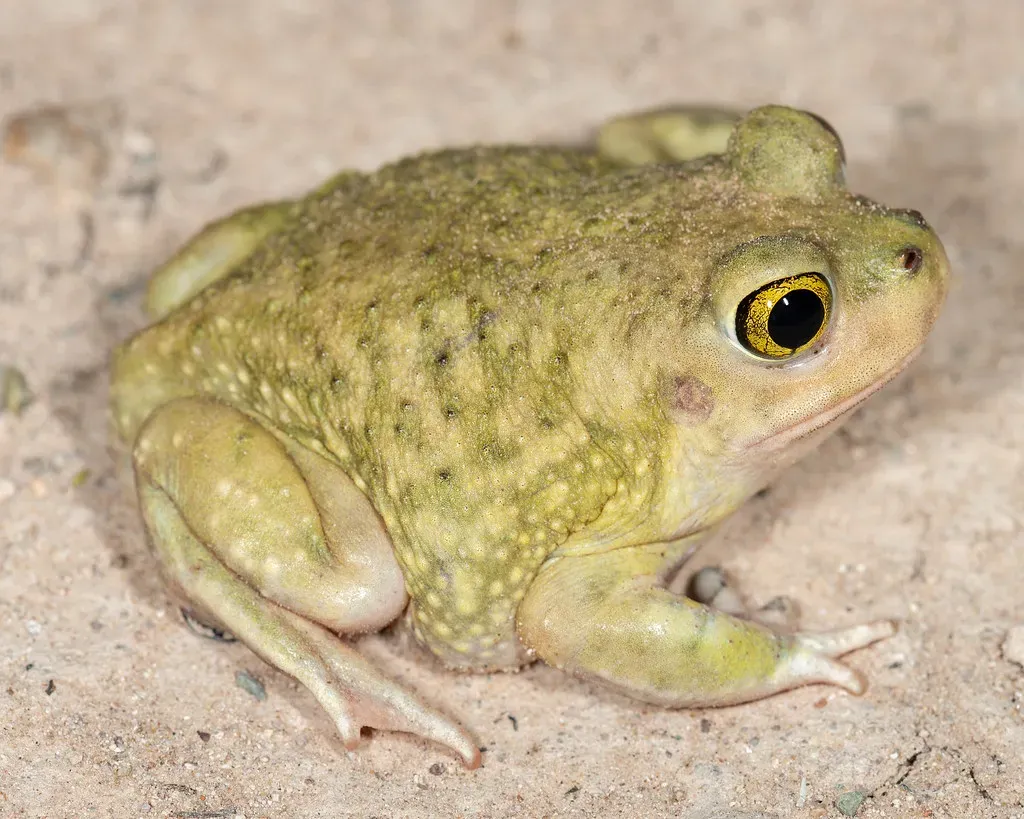
Estivation is used by animals to cope with hot and dry conditions. Animals in estivation will seek shelter from the heat and wind, lower their metabolic rate, and conserve energy until conditions become less hostile. Think of it as hitting the biological snooze button – except the snooze lasts for months. The spadefoot toad, for example, may remain underground for months or even years, entering a state of estivation – a form of dormancy triggered by heat and drought – emerging only after heavy rains.
Some desert animals such as desert toads remain dormant deep in the ground until the summer rains fill ponds. They then emerge, breed, lay eggs, and replenish their body reserves of food and water for another long period. It’s a high-stakes gamble every single time – you go to sleep not knowing exactly when you’ll wake up, betting everything on the rain eventually arriving. Spadefoot toads can go into a state of suspended animation for extended periods of time, allowing them to conserve energy when water or food resources are scarce. It’s dramatic. It’s daring. It works.
7. Reflective Coloration and Thermal Fur: Wearing the Desert’s Colors
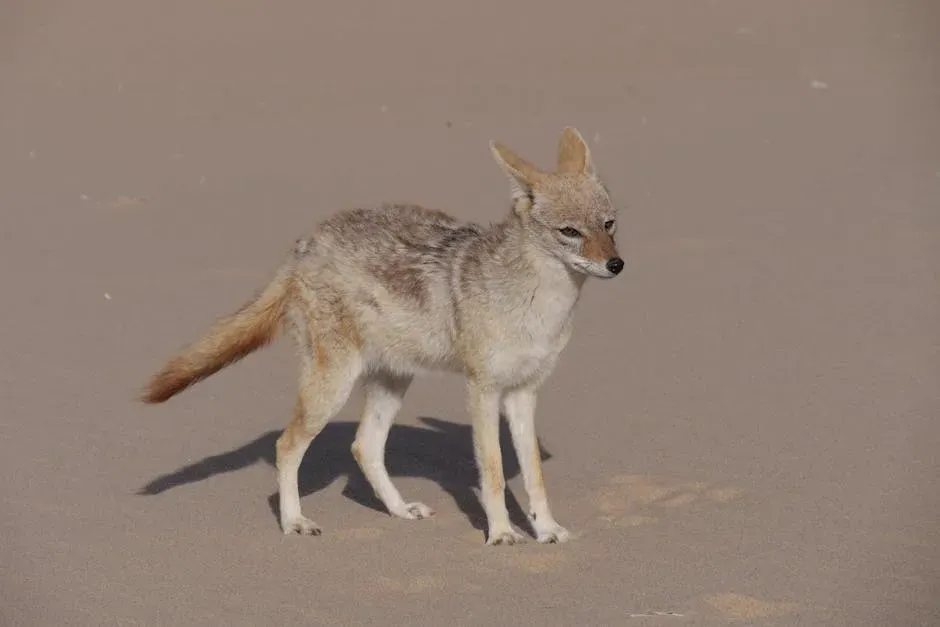
Pale colors not only ensure that the animal takes in less heat from the environment, but also help to make it less conspicuous to predators in the bright, pallid surroundings. Two survival benefits in one – it’s the kind of efficient multi-tasking that only millions of years of natural selection can produce. In terms of fur, desert animals have thick insulating coats that impede the conduction of heat toward the body. These coats are not uniformly distributed but leave sparsely covered patches called “thermal windows” at the armpit, groin, and other areas, from which heat can be dissipated via convection and conduction.
Here’s the thing most people get completely wrong: thick fur in the desert isn’t a disadvantage. It’s actually brilliant. Camels have a light, woolly coat that reflects the sun during the day and provides warmth during cold desert nights, while losing very little water through concentrated urination and perspiration. It’s the equivalent of wearing a high-tech thermal jacket – one that keeps heat out during the day and keeps warmth in once temperatures crash at night. No outdoor gear brand has come close to replicating it.
8. Fog-Collecting and Moisture Harvesting: Drinking the Air
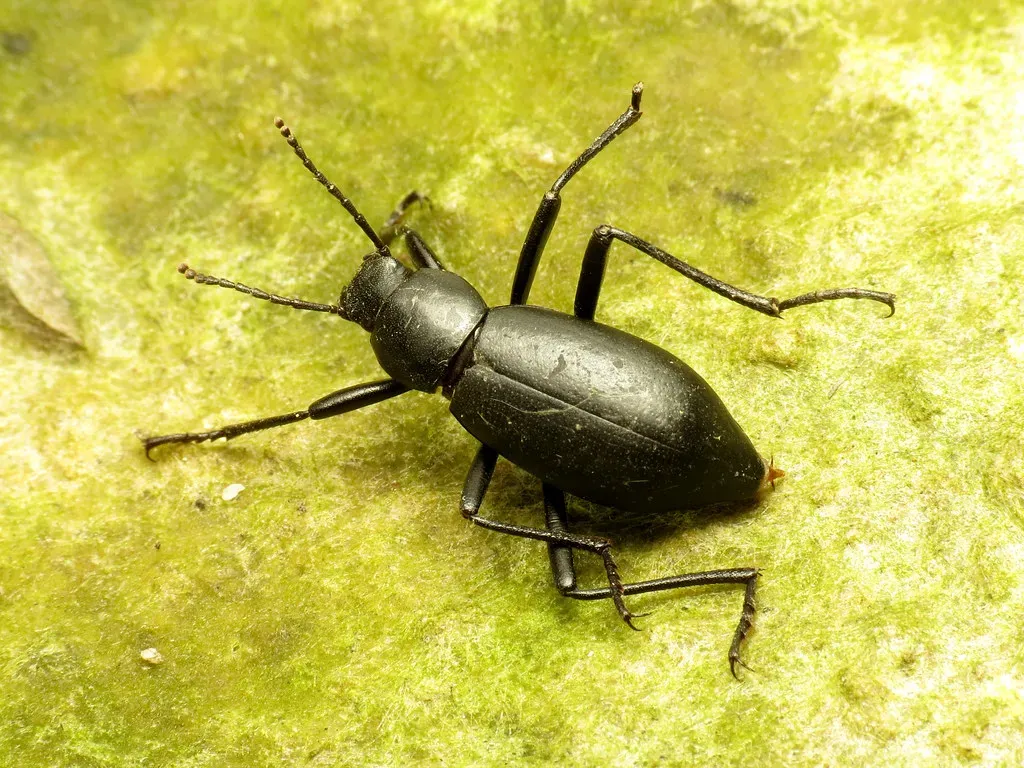
The Namib Desert in Africa has very little fresh water, but due to its proximity to the sea, it receives a daily dose of fog in the cool hours of the early morning. Fogstand beetles have learned to stand still and let the fog condense on their bodies in the form of water droplets, which they then drink. You have to admire the sheer ingenuity of that. While every other creature is hunting for water, this beetle has figured out it can just stand in one spot and let the atmosphere do the work. The thorny devil of Australia has developed skin that can absorb water like blotter paper through a process called capillary action, with the way its scales are structured collecting dew and channeling it down to the corners of the mouth.
The Namib Desert beetle collects water from fog by facing into the wind on dune crests, allowing condensation to form on its back and drip into its mouth. It does this in the early morning when temperatures are low and humidity is high – a narrow window of opportunity that it has evolved to exploit with impeccable timing. It’s hard to say for sure whether “impeccable timing” does it justice. These animals have become so perfectly synchronized with their environment that they harvest water from the air itself – something that human engineers are only now beginning to replicate with technology. Nature got there first, as usual.
Conclusion: The Desert’s Greatest Lesson
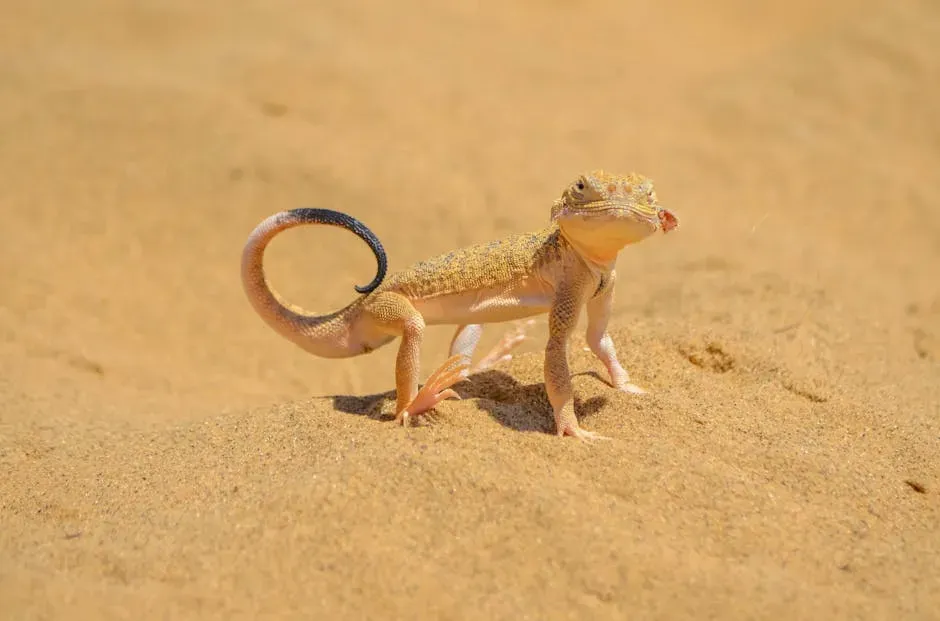
The desert looks lifeless from a distance. Up close, it’s one of the most dynamic, ingenious, and honestly humbling ecosystems on the planet. From the iconic camel traversing sand dunes to the inconspicuous kangaroo rat burrowing beneath the earth, desert animals have evolved in remarkable ways – their adaptations are not just physical, but behavioral and biochemical, each finely tuned by evolution to solve the harsh equations of heat, drought, and predation.
Most desert animals have evolved both behavioral and physiological mechanisms to solve the heat and water problems that the desert environment creates. Among the thousands of desert animal species, there are almost as many remarkable behavioral and structural adaptations developed for avoiding excess heat. You could study these creatures your entire life and still find something new to be amazed by. They are living proof that where there is life, there is will. And where there is extreme heat, there is extraordinary creativity.
The next time someone tells you the desert is a dead place, you’ll know better. Every grain of sand out there is hiding a story of survival so remarkable it borders on the miraculous. Which of these eight adaptations surprised you most? Drop your thoughts in the comments – we’d love to know.