
Nature has always been the greatest inventor. Long before humans ever dreamed up comic book heroes with laser vision, lightning-fast reflexes, or the ability to walk through walls, evolution was quietly engineering creatures with abilities that would make any Marvel writer envious. And honestly? The real thing is far more stunning than any fictional universe.
You might think you know the animal kingdom well. You’ve seen the documentaries, scrolled through the wildlife videos. Yet there are creatures alive right now on this planet doing things that defy logic, shatter biology textbooks, and leave scientists genuinely speechless. The natural world is home to incredible wildlife with what might seem like superpowers, and these powers aren’t science fiction – they’re amazing adaptations that have evolved over time. Get ready to rethink everything you thought you knew about what’s possible in nature. Let’s dive in.
1. The Mantis Shrimp: A Living Vision Machine Beyond Human Comprehension
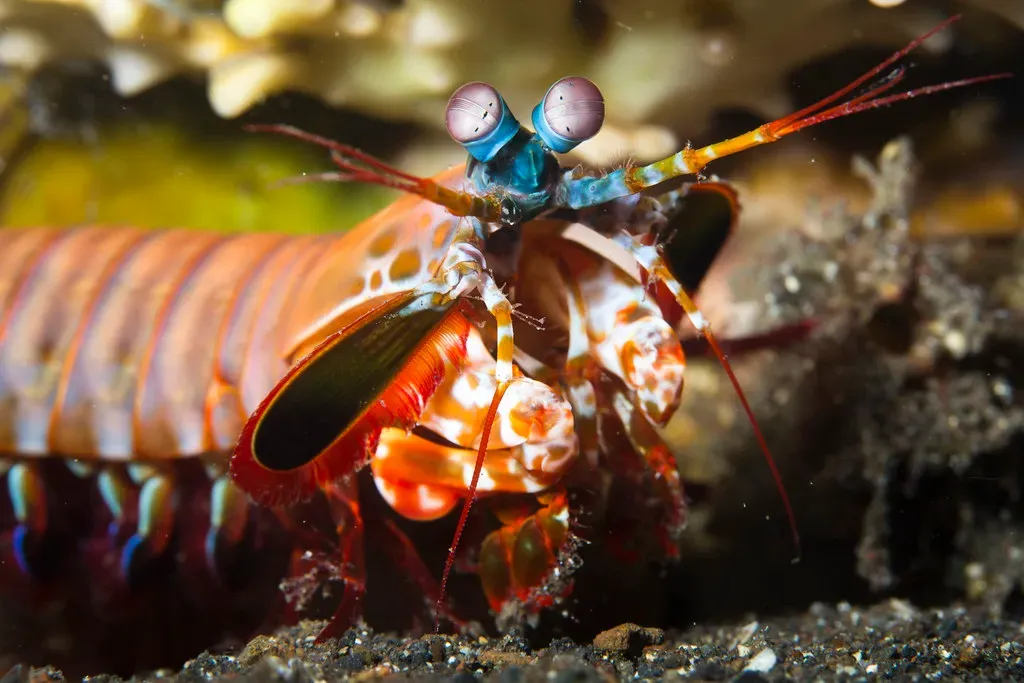
Imagine trying to describe color to someone who has only ever seen in black and white. That’s roughly the challenge scientists face when explaining the mantis shrimp’s eyes to us ordinary humans. These marine predators possess between 12 and 16 specialized photoreceptor types, each tuned to detect different wavelengths of light, with four rows in the middle band of their compound eyes handling UV and visible light detection, while two additional rows specialize in polarized light. Compare that to your own three color channels, and suddenly you feel a little… limited.
The mantis shrimp is the only animal known to detect circularly polarized light, a property of light waves that most creatures, including humans, are completely blind to. Their visual system is so remarkable that engineers at the University of Illinois have built cameras modeled directly after it. Researchers believe this technology could ultimately be used to help cars detect hazards, to let military drones see camouflaged or shadowed targets, and to enable surgeons to perform more accurately. A tiny shrimp, quietly reinventing the future of human technology.
2. The Tardigrade: Earth’s Virtually Indestructible Microscopic Bear
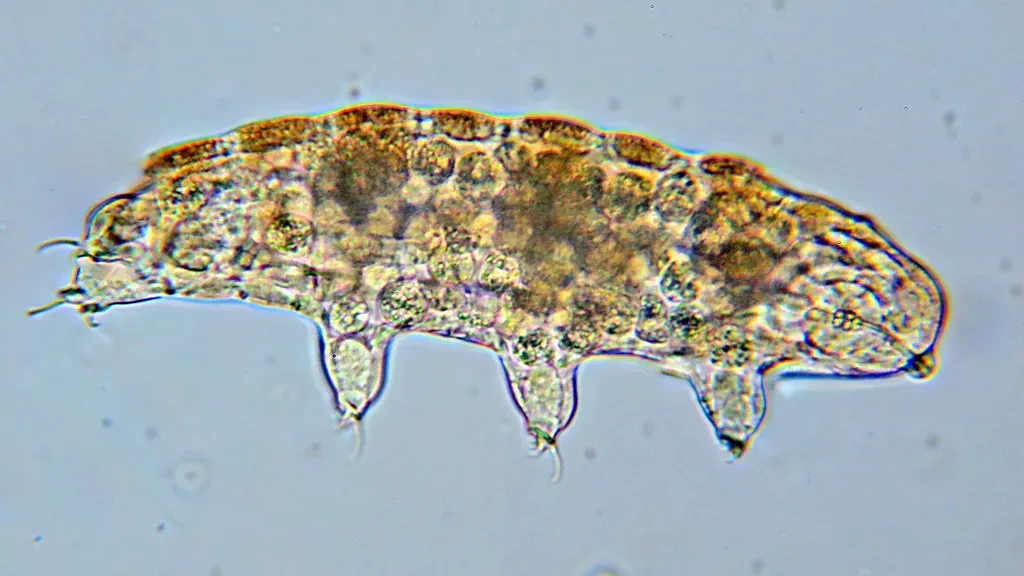
If you wanted to survive a global catastrophe, you’d want to be a tardigrade. These microscopic eight-legged animals, nicknamed “water bears,” are the closest thing to truly indestructible life on Earth. These microscopic animals, roughly 0.1 to 1.5 millimeters long, can endure radiation doses a thousand times what would kill a human, temperatures from near absolute zero to 150°C, the vacuum of space, and pressures six times greater than the deepest ocean trench. Let that sink in for a moment.
Their secret weapon is a biological trick called cryptobiosis. The key to tardigrade survival is cryptobiosis, a state of suspended animation so deep that metabolism drops to 0.01% of normal levels or becomes entirely undetectable, with the most well-known form being the “tun” state, triggered by drying out, during which a tardigrade pulls in its eight legs and contracts its body lengthwise. In 2007, scientists sent tardigrades into low Earth orbit, exposing them to the harsh vacuum and ultraviolet radiation of space, and many survived and were able to reproduce once back on Earth. I know it sounds crazy, but this microscopic creature may well outlive the human race itself.
3. The Electric Eel: A Living, Breathing Battery With a Deadly Switch
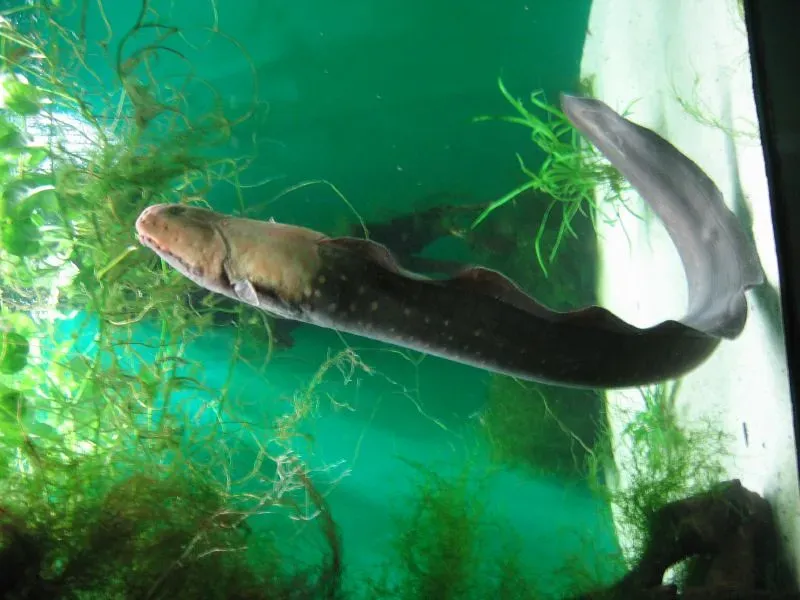
Here’s the thing about electric eels – they aren’t even true eels. Despite their name, electric eels aren’t true eels but rather a type of knifefish native to South American waters that possesses one of the animal kingdom’s most powerful biological weapons: specialized electrocytes that function like tiny batteries, which when stacked together can generate a shocking 860 volts of electricity, enough to stun or kill prey and deter predators. That’s more than six times the voltage in your average household wall socket.
Electric eels have three special organs known as the main organ, the Hunter’s organ, and the Sach’s organ, and these organs take up about 80% of the eel’s body, allowing them to produce electric impulses of different strengths that perform different functions. What’s even more astonishing is the precision involved. They can emit low-voltage pulses to navigate murky waters and detect hidden prey, functioning like a living sonar system, and for hunting or defense, they unleash powerful discharges that can incapacitate fish or even small mammals. Recent research has revealed they can even leap partially out of water to deliver targeted shocks to threats above the surface – a sophisticated electrical attack strategy previously unknown to science.
4. The Mimic Octopus: Nature’s Greatest Shape-Shifting Actor
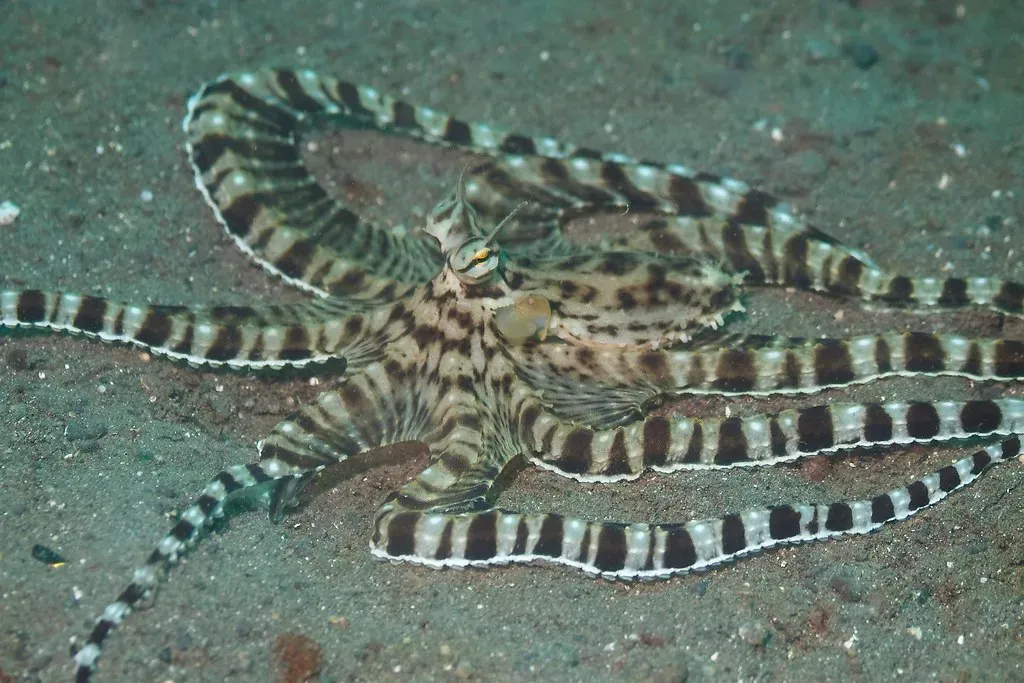
Picture this: you are swimming in the ocean and suddenly come face to face with what appears to be a venomous lionfish. You back away. Sensible. Except it wasn’t a lionfish at all. It was a single, relatively soft-bodied octopus performing a flawless impersonation. Discovered in 1998 in the shallow waters of Indonesia, the mimic octopus represents one of the most sophisticated masters of disguise on the planet, and unlike other octopuses that simply change color and texture to blend in, the mimic octopus takes camouflage to another level by impersonating other dangerous sea creatures, contorting its flexible body to convincingly mimic at least 15 different marine species, including venomous lionfish, sea snakes, and flatfish.
What makes this truly mind-bending isn’t just the impressions themselves. It’s the decision-making behind them. When threatened, this intelligent cephalopod selects the most effective disguise based on the specific predator it faces, showcasing remarkable situational awareness and decision-making that allows a relatively vulnerable octopus to advertise the dangerous properties of more formidable creatures. The mimic octopus accomplishes these transformations through specialized skin cells called chromatophores, iridophores, and papillae that can instantly change color, reflectivity, and texture, and what makes this ability truly extraordinary is that it combines both morphological adaptation and complex behavioral patterns, suggesting a level of cognitive sophistication rare in invertebrates.
5. The Wood Frog: The Creature That Literally Freezes to Death and Comes Back
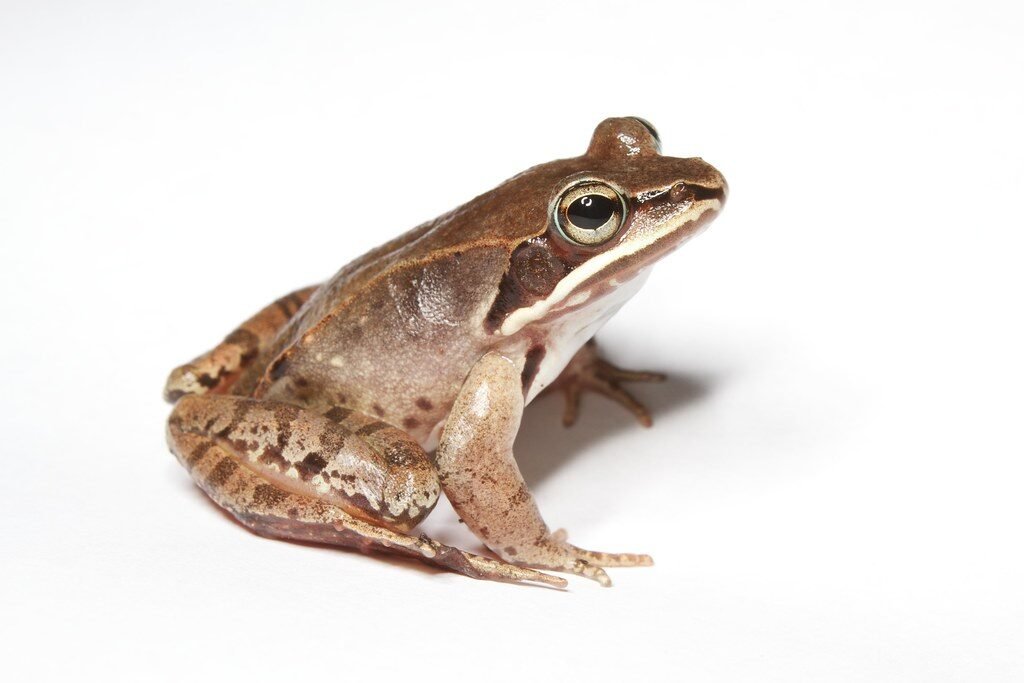
Most of us have a very clear understanding of what happens when something freezes solid. It dies. That’s biology 101. The wood frog, however, did not get that memo. It is hard to imagine that some critters not only survive a freeze but become one with it. Take wood frogs, for example: these awesome amphibians spend the winter hidden in leaf litter, and what makes them magic is their ability to freeze 65% of their bodies and survive to see the spring. That’s not metaphorical. Their hearts actually stop.
Think of it like a biological pause button – one that no human engineer has come close to replicating. The frog essentially suspends itself in time, organs halted, blood frozen, and then revives completely when temperatures rise again. Whether it’s the regenerative abilities of sea cucumbers, the electricity of eels, or the sonic weapons of whales and shrimp, these animals push the boundaries of what’s biologically possible, and many of these adaptations are now inspiring breakthroughs in medicine, robotics, materials science, and beyond. The wood frog, specifically, has inspired researchers studying cryopreservation for organ transplants in humans.
6. The Hummingbird: A Gravity-Defying, Metabolically Extreme Flying Machine
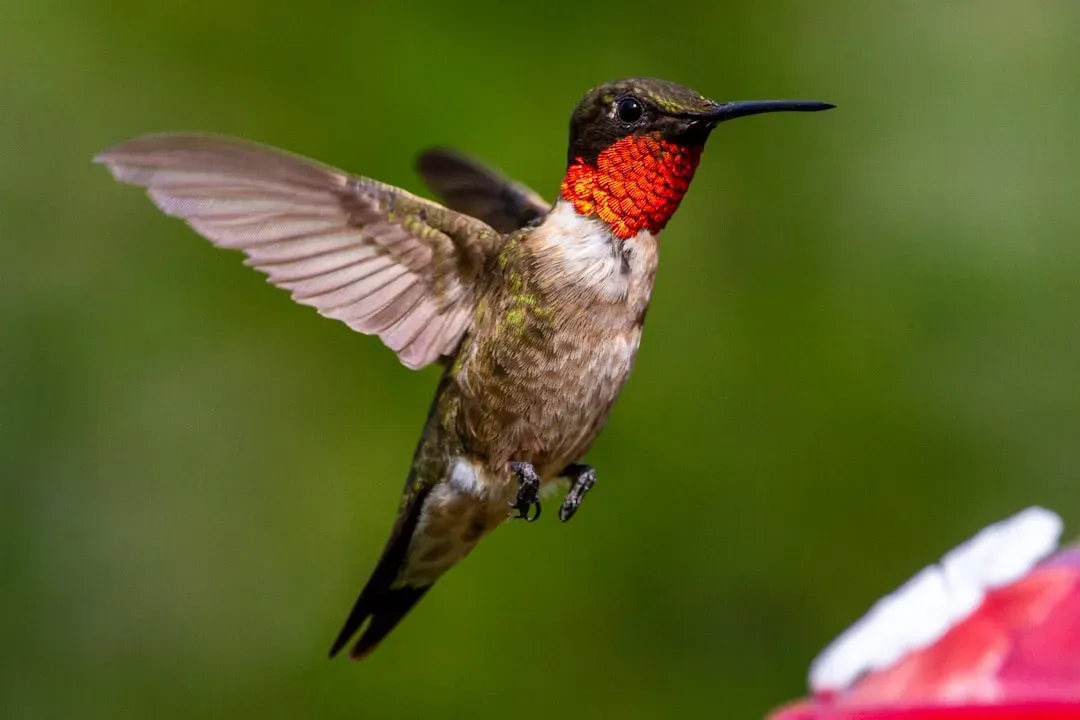
You probably think of hummingbirds as charming, colorful little visitors to garden feeders. Let’s be real though – these birds are operating at a level of physical intensity that would hospitalize any human. Their specialized hovering flight, which allows them to fly backward, upside down, and to remain stationary in mid-air, requires so much energy that they exist perpetually on the edge of starvation, and most remarkably, to survive each night without feeding, hummingbirds enter torpor – a controlled hypothermic state where they lower their body temperature by up to 50°F, reduce their heart rate to 50 beats per minute, and cut their metabolic rate to just a fifteenth of normal levels.
Every single night, a hummingbird essentially shuts itself almost completely down, just to wake up again in the morning and do it all over again. This nightly hibernation-like state saves enough energy to prevent starvation, and they can rouse themselves from torpor in minutes when morning arrives, while ruby-throated hummingbirds showcase another superpower during migration, when these tiny birds fly non-stop across the Gulf of Mexico – a journey of more than 500 miles over open water with no food or rest. A three-gram animal crossing an ocean without stopping. Honestly, it puts most human endurance feats to shame.
7. The Dung Beetle: The Strongest Creature on Earth, Pound for Pound
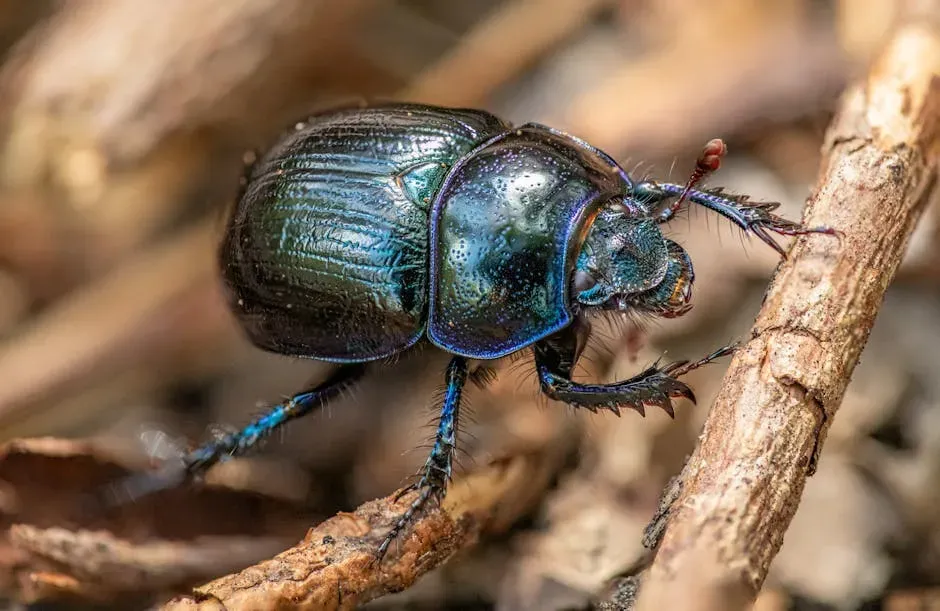
Strength, in nature, is all about proportion. A gorilla is strong. An elephant is powerful. But if you want to find the most genuinely jaw-dropping feat of raw physical strength relative to body size anywhere on this planet, you need to look at a creature most people wouldn’t give a second glance. No one does super strength quite like insects. These small-scale critters pack some big-time power. Take a look at horned dung beetles – in strength studies, these tiny tanks were able to pull more than a thousand times their own bodyweight. To put that in perspective, it would be like an average adult human dragging 14 double-decker buses behind them. Simultaneously.
What’s wild is that this strength isn’t just for show – it’s entirely functional, used in brutal underground battles with rival males over mates and territory. From the molecular-level adhesion of gecko feet to the complex water-harvesting systems of thorny devils, these reptiles demonstrate how natural selection can produce solutions to environmental challenges that often surpass human engineering in elegance and efficiency, and these “superpowers” aren’t merely biological curiosities but sophisticated survival mechanisms refined over millions of years of evolution. The dung beetle is a perfect example of that same principle: raw, refined, evolutionary genius packed into a tiny armored body.
The Natural World Is the Original Superhero Universe
When you step back and look at these seven creatures together, a pattern emerges. None of them are flashy for the sake of it. Every single superpower on this list exists because survival demanded it, because evolution is a relentless, unforgiving sculptor that rewards only what works. As we continue to study these extraordinary adaptations, we not only gain insights into evolutionary biology but also discover potential biomimetic applications that could inspire new technologies, and the next time you encounter one of these remarkable creatures, take a moment to appreciate the extraordinary biological engineering that allows them to thrive.
The mantis shrimp sees a world you’ll never see. The tardigrade will likely outlast everything you’ve ever known. The hummingbird defies physics every morning before breakfast. Scientists continue studying these remarkable creatures not only to better understand biological processes but also to develop biomimetic technologies inspired by nature’s ingenious designs, and as climate change and habitat loss increasingly threaten wildlife populations, preserving these evolutionary marvels becomes ever more critical – both for maintaining biodiversity and for the potential human applications their unique adaptations might inspire. The real question isn’t whether these animals have superpowers. It’s whether we’re paying close enough attention to learn from them. What do you think – which of these creatures surprised you the most? Drop your thoughts in the comments below.