
Imagine waking up on your one hundred and fiftieth birthday and still feeling healthy enough to hike, learn a new language, or start a new career. That idea sounds like science fiction, but the truth is that serious scientists and doctors are actively exploring how to make something close to that possible. We may not be on the brink of literal immortality, but the line between a “normal” lifespan and an extended one is starting to blur in fascinating ways.
Over the last two decades, research on aging has exploded, turning what was once a mysterious, “inevitable decline” into a biological puzzle we’re finally learning how to solve. Instead of just fighting individual diseases like cancer or heart failure, scientists are now asking a much bolder question: what if we could slow the entire aging process itself? The answers are more surprising, hopeful, and complicated than most people realize.
The Strange Truth: Aging Is Not As Inevitable As We Thought

Here’s the shocking thing: in biology, aging is not universal and automatic. Some animals, like certain jellyfish and tiny freshwater creatures called hydra, seem to avoid aging in the way we do, showing no clear increase in death risk as they get older. Others, like Greenland sharks and some species of turtles and whales, appear to age incredibly slowly, living for centuries with surprisingly low rates of age-related disease.
For a long time, people assumed humans simply wear out, like an old car, and nothing could be done about it. But modern aging research has revealed that aging is driven by specific, somewhat predictable processes in our cells: damage to DNA, accumulation of misfolded proteins, chronic inflammation, and loss of stem cells, among others. Once you see aging as a cluster of biological “programs” rather than pure bad luck, it suddenly looks like something we might be able to intervene in, tweak, or at least slow down.
Lifespan vs Healthspan: Living Longer Is Not Enough

When people say they want to live longer, they rarely mean they want extra years of pain and disability. What we really want is more healthy, energic years where our bodies and minds still feel like ours. That’s why scientists make a big distinction between lifespan (how long you live) and healthspan (how long you stay relatively healthy and independent). Extending lifespan without extending healthspan can feel more like a curse than a blessing.
Many of the boldest longevity projects today are actually aimed at stretching healthspan first, with lifespan extension as a secondary, almost automatic follow-up. There’s already evidence from long-term population studies that people who delay the onset of major diseases – like heart disease, diabetes, and dementia – tend to compress serious illness into a smaller window at the end of life. In other words, the dream is not just more years, but more good years, and fewer years stuck in the hospital or a nursing home.
Cellular Aging and Senescent Cells: The “Zombie” Problem
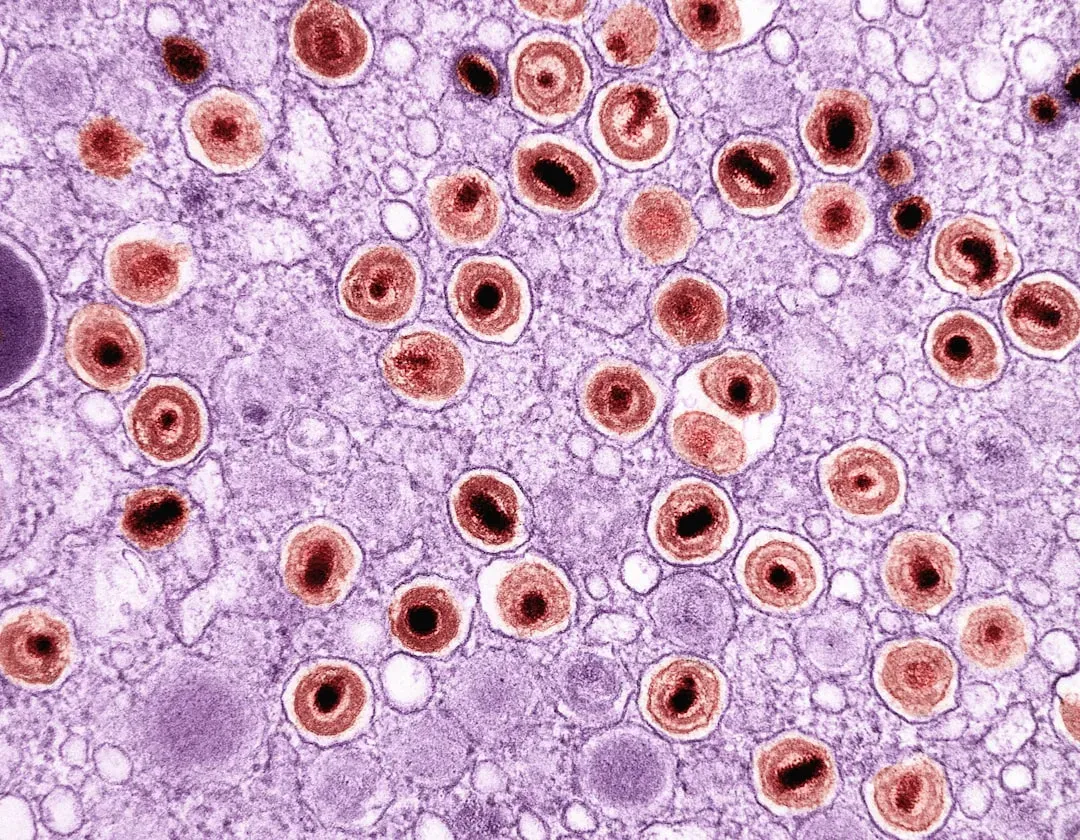
One of the most captivating discoveries in aging research is the role of senescent cells, sometimes dramatically nicknamed “zombie cells.” These are cells that have stopped dividing because of damage or stress but refuse to die and properly clear out. Instead, they hang around and release a nasty stew of inflammatory molecules that can harm neighboring cells and tissues over time. As we age, these cells accumulate, contributing to tissue dysfunction, chronic inflammation, and many age-related diseases.
In mouse experiments, clearing out senescent cells has led to some wild results: improved physical function, delayed onset of age-related diseases, and even small increases in lifespan. This has given rise to a new class of drugs called senolytics, designed to selectively kill senescent cells. Early human trials are still cautious and small, but they suggest potential benefits for diseases like pulmonary fibrosis and certain age-related conditions, making senescent-cell clearance one of the most closely watched approaches in the field.
Telomeres, DNA Damage, and the Clock in Our Cells
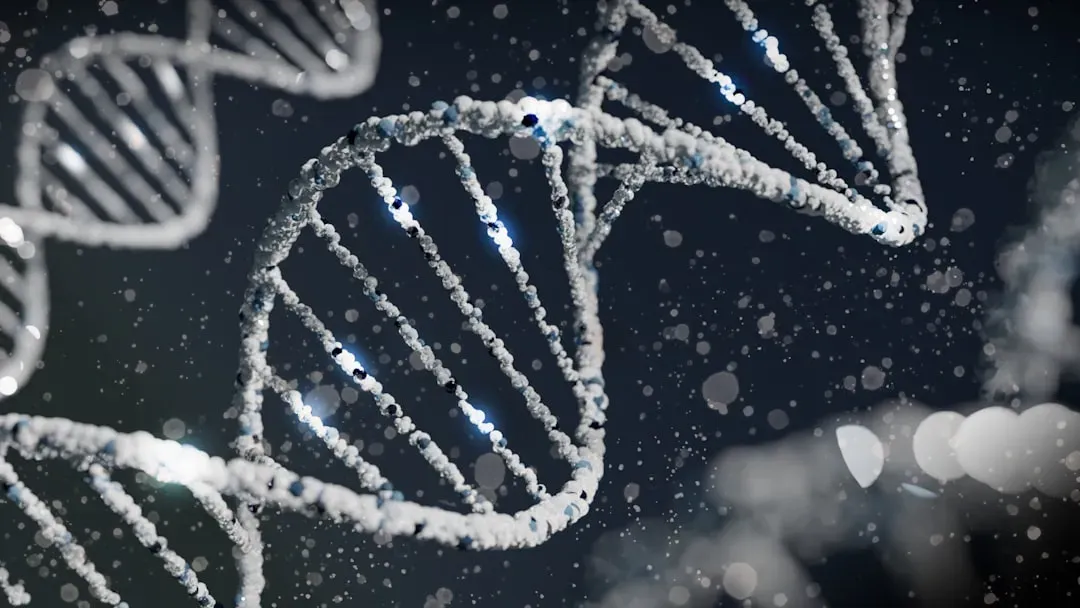
Our cells carry a built-in aging mechanism tied to tiny structures called telomeres, which sit at the ends of our chromosomes like protective caps. Each time a cell divides, its telomeres get a bit shorter, and when they become too short, the cell stops dividing or dies. Over a lifetime, this shortening is one of the reasons tissues lose their ability to regenerate, especially in organs that rely on constant cell turnover. It’s like the cell’s way of counting how many times it has been used.
Some cells use an enzyme called telomerase to lengthen telomeres and extend their dividing life, but in humans this enzyme is tightly controlled, partly because uncontrolled telomerase activity can also drive cancer. A small number of experimental therapies have tried to boost telomerase or protect telomeres, with intriguing but very preliminary findings. Meanwhile, researchers have learned that lifestyle factors – like chronic stress, poor sleep, and long-term inflammation – can speed up telomere shortening, which suggests that how we live can affect this cellular clock more than we once believed.
Calorie Restriction, Fasting, and the Ancient Secret of Eating Less

Among all the lifespan-extending tricks tested in animals, long-term calorie restriction – eating significantly fewer calories while still getting full nutrition – is one of the most reliably effective. In worms, flies, and mice, eating less can dramatically extend lifespan and delay many age-related diseases. It seems to flip various cellular switches that shift the body from “growth mode” to “repair mode,” improving things like DNA repair, stress resistance, and metabolic health. This effect has been known for nearly a century, yet we’re still unpacking exactly how it works.
In humans, strict lifelong calorie restriction is extremely hard to follow and may not be suitable or safe for everyone. That’s where more flexible approaches like intermittent fasting and time-restricted eating have entered the scene, attempting to mimic some of those beneficial repair signals without requiring permanent semi-starvation. Early human studies show promising results on markers like insulin sensitivity, blood pressure, and inflammation, but the long-term impact on actual lifespan remains unknown. Still, it’s striking that one of the most powerful longevity tools we know may be as simple – and as difficult – as regularly saying no to extra food.
Drugs That Might Slow Aging: From Metformin to Rapamycin
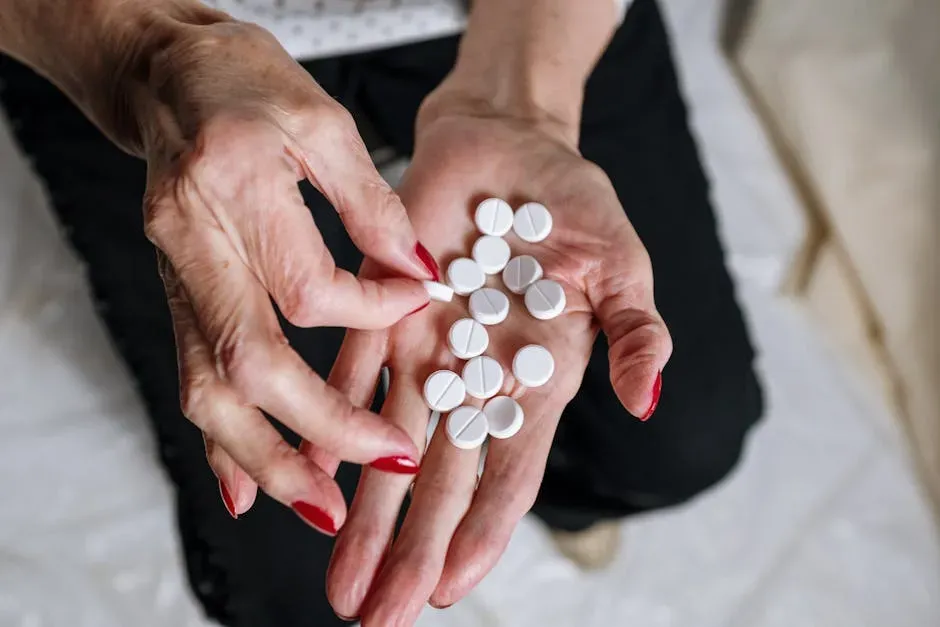
Some of the most talked-about longevity candidates are not futuristic nanobots, but existing drugs that have been around for years. Metformin, a widely used medication for type 2 diabetes, has attracted attention because long-term users often seem to have lower risks of several age-related diseases compared with non-users of similar health status. Researchers are now running large trials to test whether metformin might modestly slow aspects of aging in non-diabetic older adults, focusing on delaying diseases rather than promising miraculous longevity.
Another star in this space is rapamycin, a drug originally discovered in soil bacteria and used to prevent organ transplant rejection. In multiple animal species, low doses of rapamycin have extended lifespan and delayed age-related decline, likely by affecting a pathway involved in growth and nutrient sensing. However, the same properties that make it powerful can also bring serious side effects, especially at higher doses. Scientists are now exploring whether carefully timed, low-dose, or modified versions of rapamycin can deliver some benefits with less risk, but this is still very much an experimental frontier, not a do-it-yourself anti-aging hack.
Gene Editing and Reprogramming: Resetting the Body’s Clock
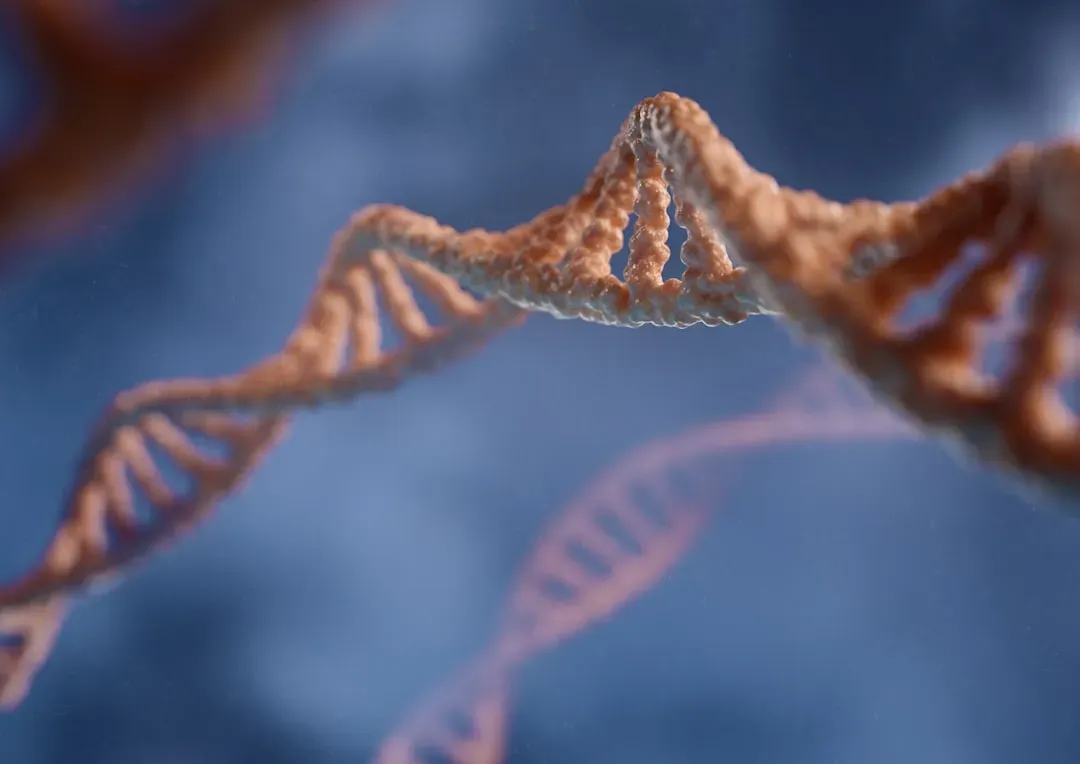
On the more science-fiction end of the spectrum sits cellular reprogramming, inspired by work showing that a small set of genes can turn adult cells back into a stem-cell-like state. In animals, partial reprogramming – carefully dialing these genes up and down – has shown the ability to reverse some markers of aging without erasing a cell’s identity entirely. In mice, this type of intervention has even rejuvenated certain tissues and extended lifespan in specific disease models, hinting that aging may be more reversible than we once dared to think.
Then there’s gene editing, with tools like CRISPR raising the possibility of fixing genetic risk factors that make us vulnerable to age-related disease. Some labs are studying whether editing genes involved in cholesterol, inflammation, or DNA repair could delay the onset of major killers like heart disease and cancer. Still, turning such techniques into safe, long-term interventions for otherwise healthy people is a massive scientific, ethical, and regulatory challenge. The idea of “resetting your body’s clock” is thrilling, but it’s also exactly where caution and rigorous testing matter most.
The Big Lifestyle Levers: Sleep, Movement, Food, and Stress

Amid the futuristic headlines, it’s almost annoyingly true that the most reliable longevity tools we have right now are extremely basic. Regular physical activity, decent sleep, not smoking, and eating a mostly unprocessed, plant-rich diet are still the heavy hitters. Large studies consistently find that people who follow a cluster of healthy habits can live many years longer on average than those who do not, with far fewer years of disability at the end. It’s not glamorous, but it’s powerful, and it works across cultures and income levels.
Chronic stress might be one of the most underestimated aging accelerators, linked to shorter telomeres, higher inflammation, and a greater risk of nearly every major disease. Practices that help people manage stress – like social connection, purposeful work, therapy, or mindfulness – may quietly act as longevity tools, even if they don’t look like medicine. From a personal perspective, I’ve seen smart people chase exotic supplements while ignoring their sleep and relationships, and it’s like polishing the hood of a car while the engine falls apart. Sometimes, the unexciting changes are the ones that buy you the most time.
The Ethics and Inequality Problem: Who Gets to Live Longer?

Even if we figure out how to significantly extend human lifespan, a tough question immediately surfaces: who will actually benefit? Medical advances rarely roll out evenly, and history shows that wealthier, better-connected groups almost always gain first. If longevity drugs or gene therapies are expensive, we could end up with a world where some people routinely live far longer, while others still struggle to reach old age at all. That kind of divide could deepen existing inequalities in ways that are hard to fully imagine.
There are also cultural and philosophical worries about what ultra-long lives might do to society. Will older generations hold onto power and resources even longer, slowing down social change and opportunity for younger people? How will pension systems, housing, and job markets adapt if “old” starts at ninety instead of sixty-five? These are not just technical questions for doctors and biologists, but political and moral choices that whole societies will have to wrestle with, ideally before the technology fully arrives.
So, Can We Live Forever?

Based on what we know today, literal immortality seems far out of reach, and maybe even biologically unrealistic, at least for humans. There are too many layers of complexity, too many ways things can go wrong in our cells and organs over very long stretches of time. But adding meaningful, healthy years to the human lifespan – possibly into the low hundreds for some people – no longer feels like fantasy. It feels like a direction research is steadily, if unevenly, moving toward.
In the coming decades, we’re likely to see a mix of modest but real advances: better control of age-related disease, drugs that nudge our cells into more resilient states, and maybe even targeted therapies that slow or partly reverse aspects of aging itself. The bigger question might not be whether we can push the limit, but how we’ll use the extra time if we get it. If you had an extra twenty or thirty healthy years, what would you actually want to do with them?