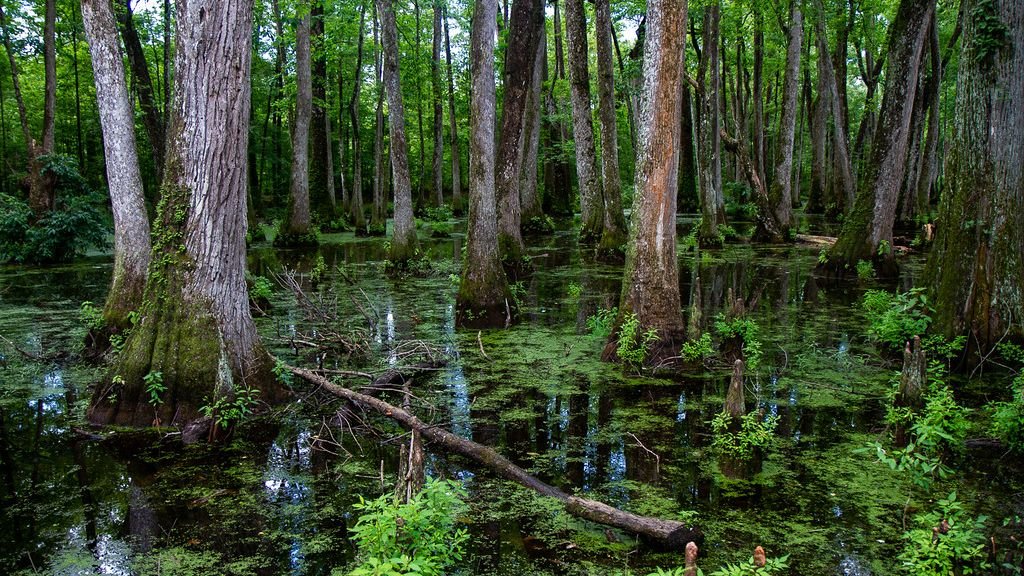

Walk through a forest and it feels calm, almost silent. But under your feet and above your head, there’s a constant hum of activity you can’t see. Plants are sensing, signaling, sharing, and even sabotaging one another in ways that sound closer to science fiction than gardening advice.
Over the last couple of decades, researchers have uncovered a hidden language of scents, electrical pulses, underground partnerships, and even sound-like vibrations. Once you see how alive and interactive a patch of grass or a potted herb actually is, you’ll never look at “just plants” the same way again. Let’s dive into seven of the most surprising ways plants talk and interact behind the scenes.
Chemical SOS Signals Through the Air

Imagine getting attacked and instantly texting all your neighbors to warn them: that’s exactly what many plants do with chemicals released into the air. When caterpillars chew on a leaf or a fungus invades a stem, some plants pump out special volatile compounds that drift through the air to nearby plants. These neighbors “smell” the warning and start boosting their own internal defenses, like ramping up bitter or toxic substances before the attacker even reaches them.
It’s not just a simple alarm bell, either; the message can be surprisingly specific. Different attackers trigger different scent blends, much like different ringtones for different contacts. Corn, for example, can send out air-borne chemicals when insects attack, and nearby corn plants respond by changing their own chemistry. It’s basically a neighborhood watch in slow motion: one plant gets hit, and everyone in the area quietly locks their doors.
Recruiting Bodyguards: Calling in Predators and Parasites
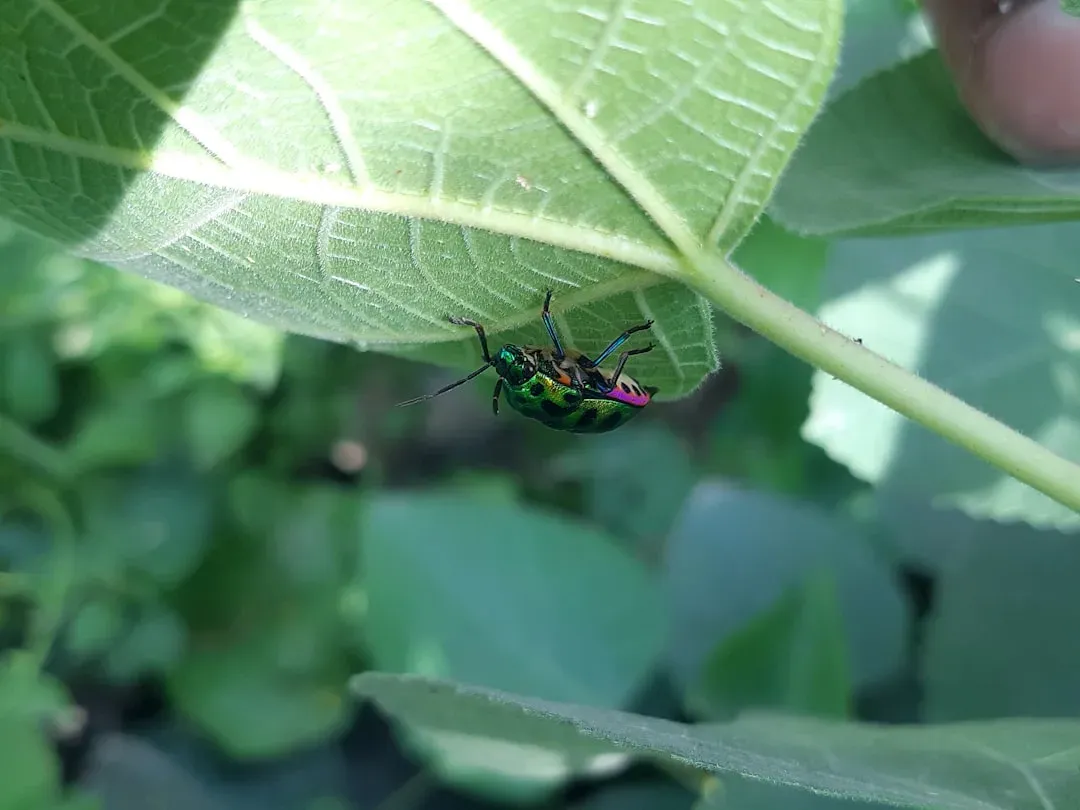
Plants don’t just warn each other; they also call in backup. When insects feast on their leaves, some plants release chemicals that attract the enemies of those insects, like parasitic wasps or predatory mites. It’s as if a tree under attack dials an emergency number and a squad of tiny bodyguards shows up to deal with the problem. These defensive scents guide predators directly to the herbivores doing the damage.
Researchers have seen this play out in crops such as maize and cotton, which release very specific blends of airborne compounds when attacked by caterpillars. Those compounds help natural enemies locate their prey more easily. In a way, the plant turns the attacker into a walking beacon saying, “Eat this one.” This style of communication blurs the line between being passive and actively fighting back, giving plants a very strategic kind of voice.
Whispering Underground Through Fungal Networks
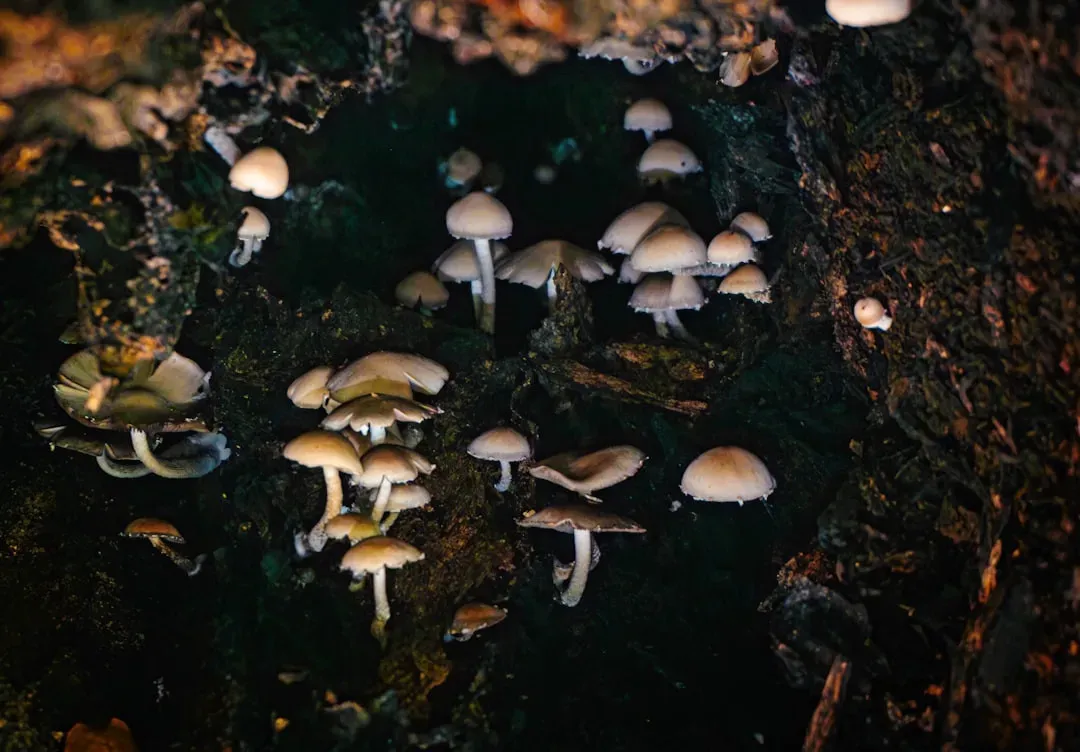
Beneath the soil, a vast underground network of fungi connects the roots of many different plants, forming what some scientists call a “wood wide web.” These fungi trade nutrients with plants, but they also act like messaging cables that carry chemical signals from one plant to another. When one tree is stressed, say from drought or insect damage, signaling molecules can move through these fungal threads to its neighbors. Those neighbors can then adjust their own growth or defenses in response.
In forests, older, well-established trees often share resources through these fungal networks with younger, shaded seedlings. It’s a bit like a community internet where carbon, nitrogen, and chemical messages all pass back and forth. While the exact “language” is still being decoded, experiments have shown that plants linked by fungi respond differently than isolated ones. Instead of thousands of lonely individuals, a forest starts to look more like a connected, chatting community.
Root Exudates: Invisible Messages in the Soil

Plants constantly release a cocktail of compounds from their roots into the soil, known as root exudates. These chemicals can attract helpful microbes, signal friendly fungi, or even warn off competing plants. Some species send out substances that discourage nearby plants from growing too close, giving them an invisible “personal space bubble.” Others release molecules that encourage beneficial bacteria to cluster around their roots, improving nutrient uptake and disease resistance.
This underground communication can be surprisingly targeted. For example, certain legumes signal specific nitrogen-fixing bacteria to form nodules on their roots, essentially advertising, “I’ll give you sugar if you help me get nitrogen.” At the same time, some plants use exudates like a slow-motion form of sabotage, making the soil less friendly for their rivals. It’s a bit like leaving subtle notes in the neighborhood that say, “Welcome allies, but competitors keep out.”
Kin Recognition: Favoring Family Over Strangers
One of the most mind-bending discoveries is that some plants can tell the difference between their relatives and unrelated neighbors. In several experiments, plants grown next to their siblings changed how their roots and leaves grew, often competing less intensely with family members. When surrounded by strangers, the same plants pushed their roots more aggressively, as if trying harder to grab water and nutrients before someone else did.
The cues seem to come from chemical signals in the soil and even from subtle traits in leaf and root chemistry. This kind of kin recognition reshapes how we think about a “passive” garden bed. Instead of a random cluster of green things, it might be more like a family reunion where relatives share, and outsiders have to fight a bit harder for space. It suggests that plant communities aren’t just a crowd; they can be quiet social networks shaped by genetic ties.
Acoustic Sensitivity: Responding to Vibrations and Sound-Like Cues
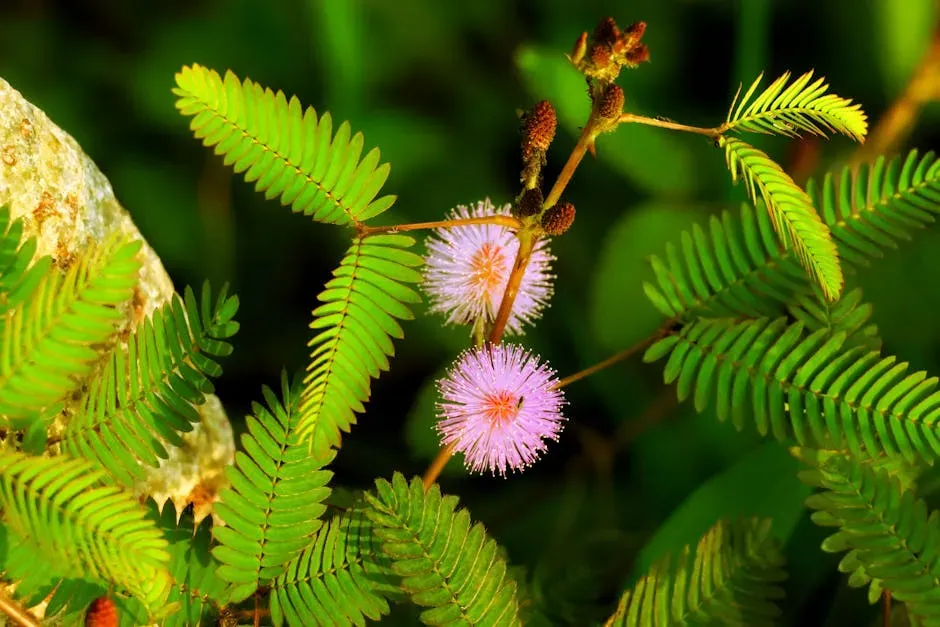
It sounds wild, but some plants seem to respond to vibrations in ways that look a lot like listening. Researchers have found that plants under attack by insects can react differently to the specific vibrations of chewing compared to random shaking. In some cases, when played recordings of insect feeding vibrations, plants increased certain defensive chemicals even without any actual insect present. It’s as if they heard a danger soundtrack and geared up before the real thing arrived.
Other studies suggest roots may grow toward the gentle vibrations of flowing water, even when there’s no moisture gradient in the soil, hinting that plants might be “tuning in” to physical signals in their environment. This isn’t hearing in the human sense, but it’s still a form of sensing mechanical waves and turning that into action. It adds another layer to the plant communication story: not just chemicals and electricity, but also the subtle rattling of the world around them.
Internal Electrical and Hydraulic Signaling: Plant Nervous-System Lookalikes
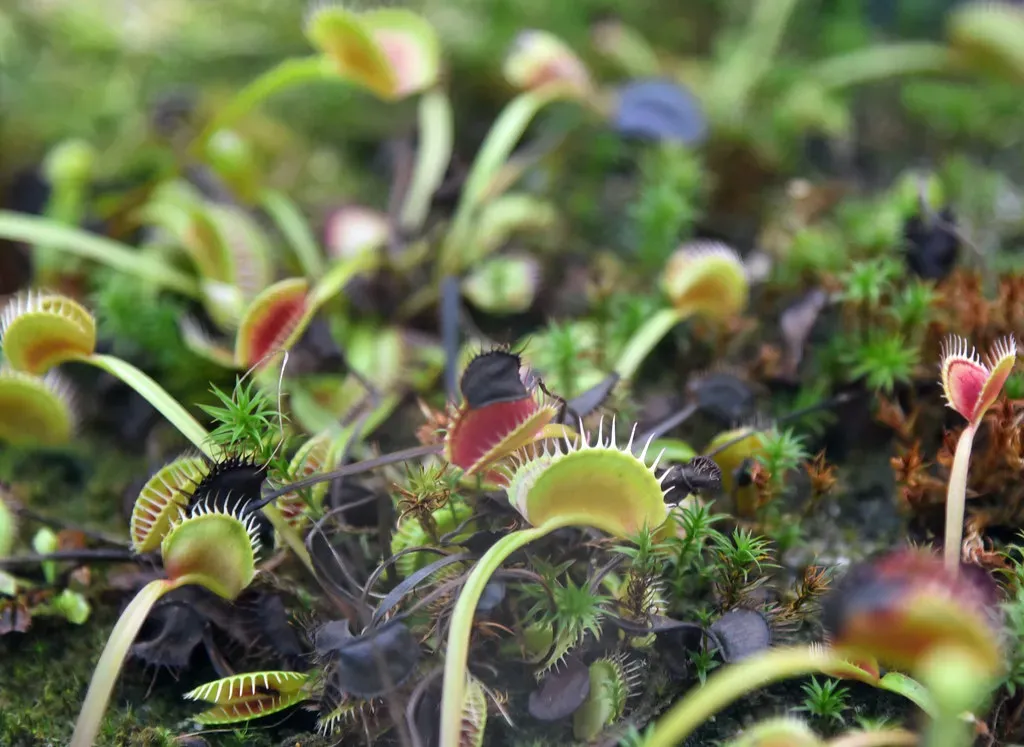
Inside a plant, information doesn’t just creep along slowly; it can move through fast electrical signals that look a bit like what nerves do in animals. When a leaf is wounded, a rapid wave of electrical activity can travel through the plant, triggering defense responses in parts that weren’t directly harmed. Some plants even show tiny, regular electrical fluctuations that change with light, temperature, and stress, as if they’re constantly “checking in” with their surroundings. The famous Venus flytrap relies on these signals to snap shut at just the right moment.
Water pressure inside plant cells is also used like a messaging system. Changes in internal pressure can travel along stems and leaves, helping coordinate movements such as closing stomata during drought or folding leaves when touched. Together, these electrical and hydraulic signals allow plants to integrate what’s happening in one part of the body and respond in another. It’s not a brain, but it is a body-wide communication network that keeps a plant aware and responsive, second by second.
Conclusion
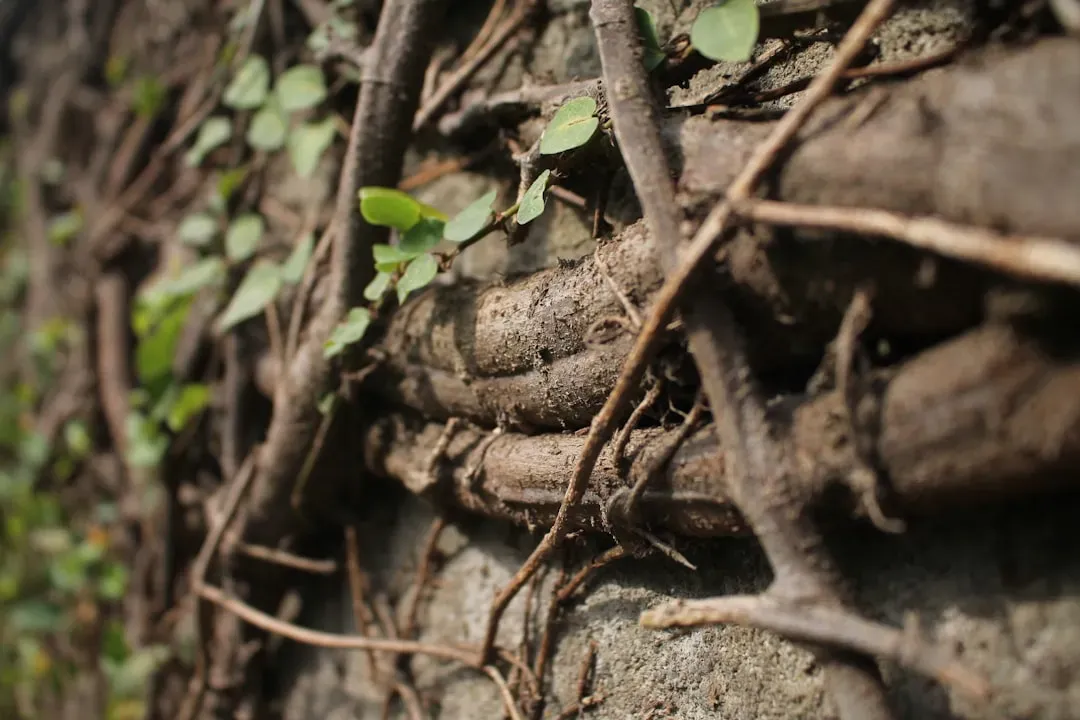
Once you start to see plants as active communicators instead of mute background scenery, the world outside your window feels very different. A field, a forest, or even a single houseplant becomes a small, patient society, quietly trading information, sharing resources, and fighting subtle battles. Chemical alarms drift through the air, messages race along fungal threads underground, and tiny electrical ripples course through stems and leaves.
None of this needs spoken words, but it still adds up to a kind of language, one that we’re only just beginning to translate. The next time you walk past a patch of trees or water a pot on your windowsill, it might be worth pausing for a moment and wondering what silent conversations are happening right in front of you. What do you think they’re saying to each other?