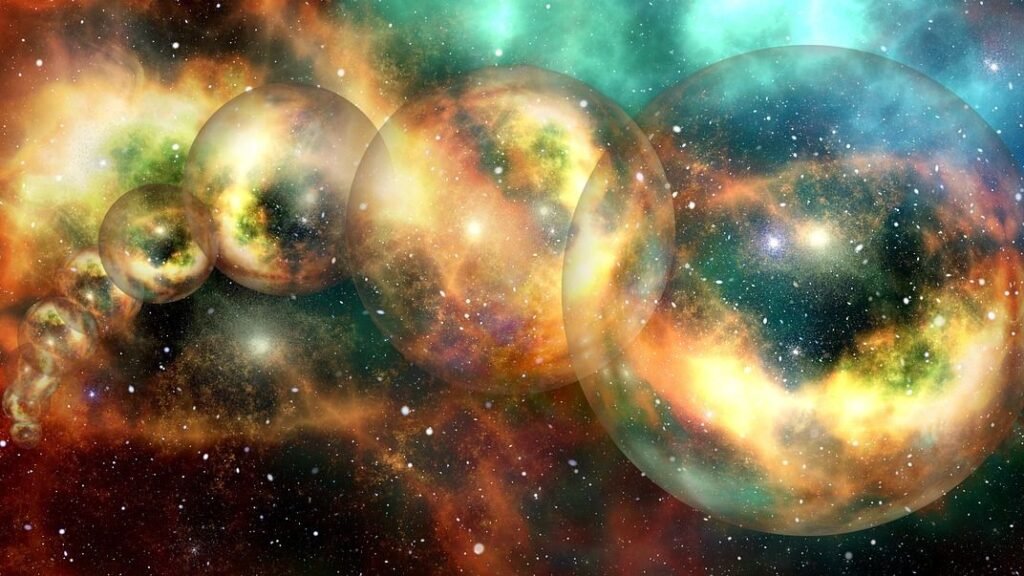

Imagine discovering that every major decision you’ve ever made created a new version of reality where you chose differently. Somewhere, there’s a universe where you moved to that city, stayed with that partner, took that risky job, or never met the people who shaped you. The idea sounds like science fiction, yet modern physics keeps brushing up against theories that make parallel universes feel strangely plausible.
Thinking about this can be dizzying and a little emotional. It forces you to ask uncomfortable questions: How much of your life is choice, and how much is chance? If there are infinite versions of you, what makes this one special? Let’s walk through the most fascinating possibilities, not as a dry lecture, but like a late‑night conversation that gets deeper than you expected.
The Many-Worlds Idea: Every Choice, Every Outcome
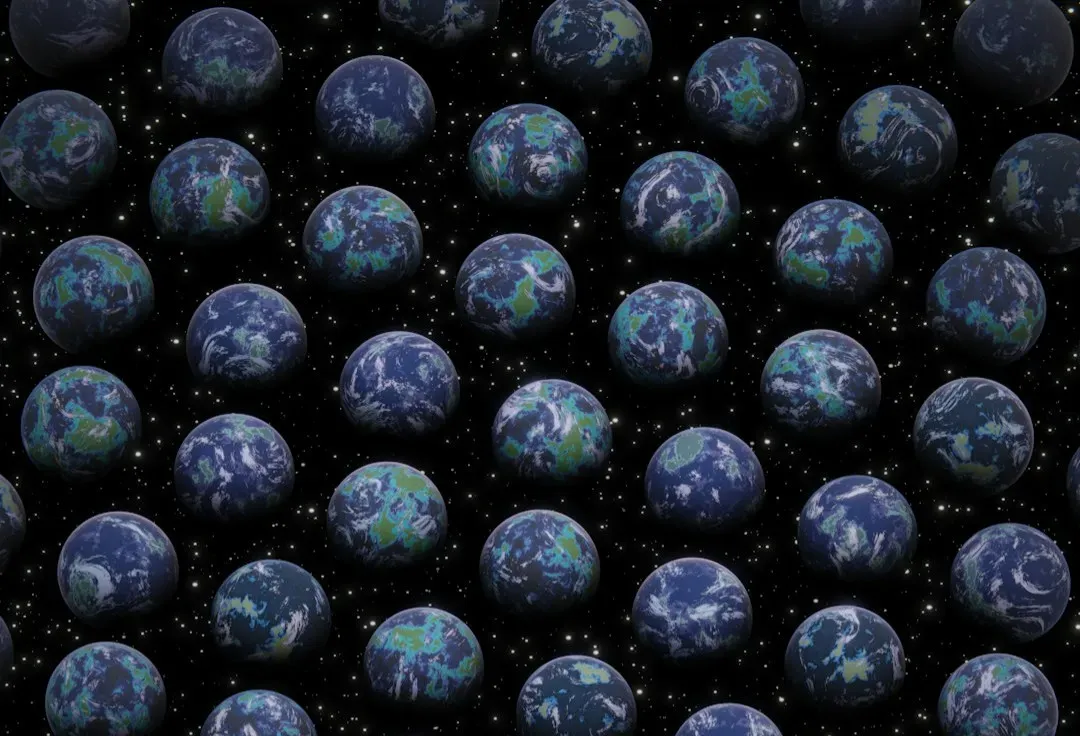
One of the most mind-bending ideas in physics is the Many-Worlds interpretation of quantum mechanics. This view suggests that every time a quantum event could go one of several ways, reality splits and each outcome actually happens in its own separate universe. It’s like the universe refuses to decide, so it keeps all options alive by branching into countless parallel timelines.
If that’s true, then there are universes where world-changing decisions played out differently: wars never started, elections went the other way, technological breakthroughs arrived earlier or never at all. On a more personal level, there could be versions of you who learned a different language, never quit that hobby, or reconciled with someone you lost touch with years ago. It turns everyday life into a kind of cosmic tree, endlessly branching with each tiny “what if.”
Quantum Strangeness: Where Parallel Universes Sneak In
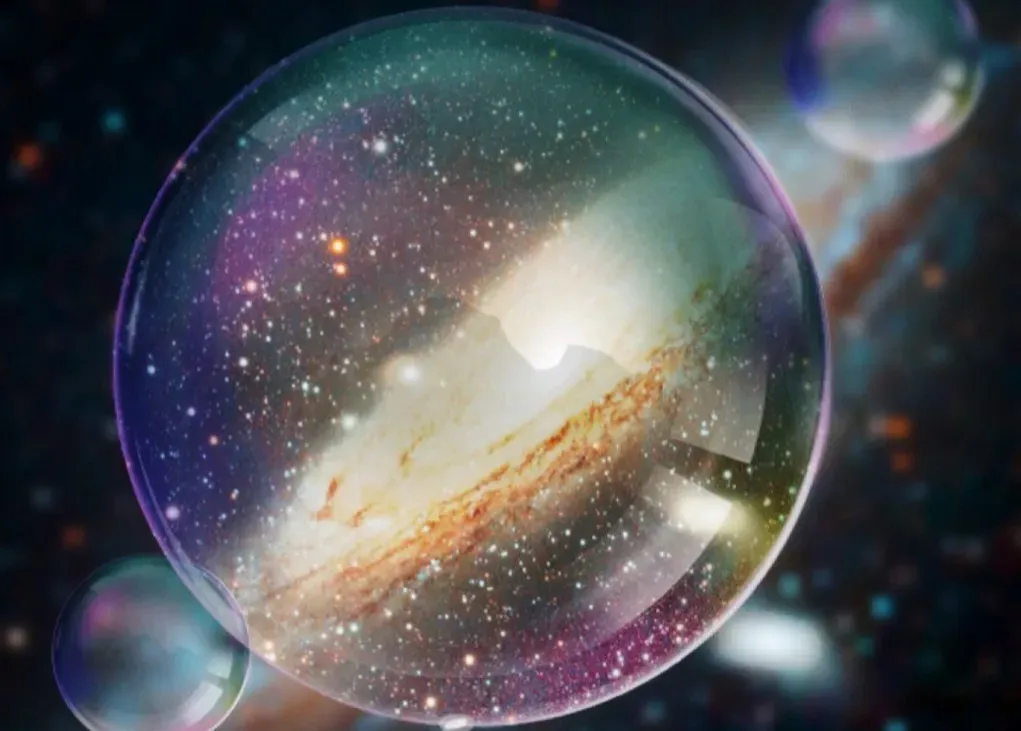
Quantum physics is notoriously weird: particles seem to exist in several states at once until they’re measured, and they can influence each other instantly over huge distances. Some scientists see this and argue we don’t need parallel universes to explain it, just better math or new concepts. Others look at the same data and say that multiple realities are actually the simplest way to make sense of all this strangeness.
In that second view, when you measure a particle and see one result, there’s another universe where a different result appeared instead. Our universe, then, isn’t the whole story but just one line in an unimaginably vast script. It’s a bit like watching only one camera angle of a movie when there were dozens filming the same scene from different perspectives.
Cosmic Inflation: Bubble Universes in a Bigger Sea
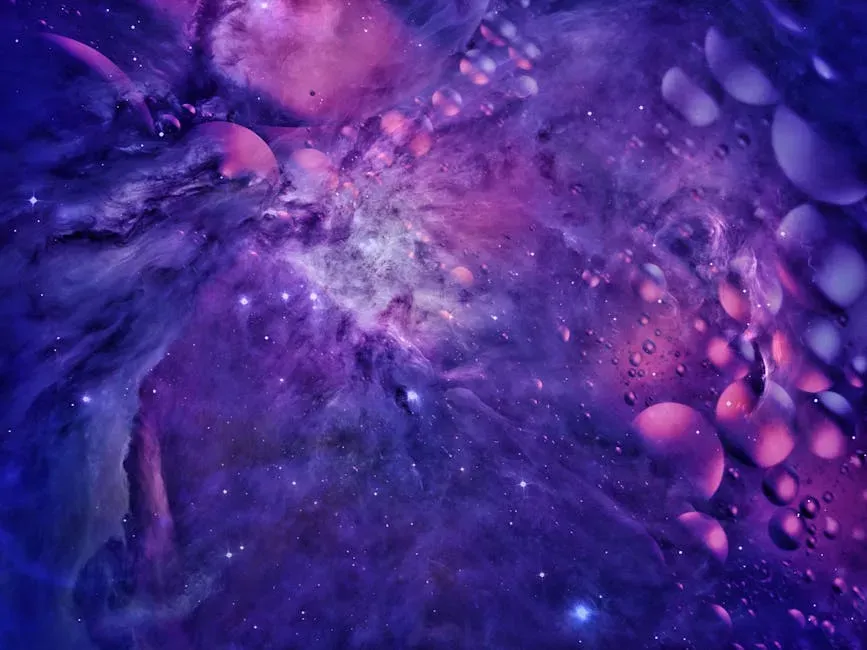
Beyond the quantum world, cosmology has its own path to parallel universes: cosmic inflation. According to this idea, the universe expanded insanely fast right after the Big Bang, like a balloon inflating in a fraction of a second. Some versions of the theory suggest this inflation never fully stopped and keeps creating new “bubble universes” in a much larger cosmic background.
In that scenario, our universe is just one bubble among potentially countless others, each with different physical properties, laws, or constants. One bubble might have stars forming easily, another might barely have matter at all, and another could look almost exactly like ours. It’s a bit like foam on the top of a cosmic ocean: countless bubbles, touching but never mixing, each holding its own version of reality.
Are There Infinite Versions of You Out There?
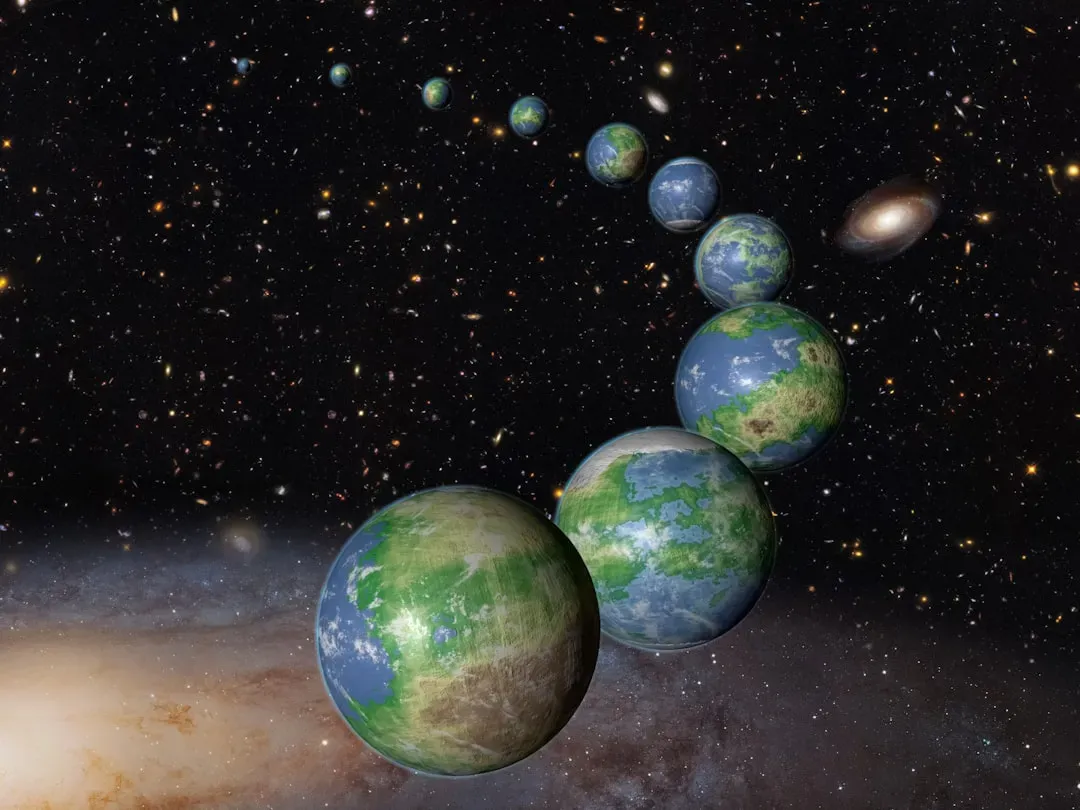
The possibility of infinite universes raises a disturbing and thrilling idea: infinite versions of you. If reality can branch endlessly, then there are universes where you’re happier, lonelier, richer, sicker, more successful, or completely unrecognizable. Some of those “you”s might not even exist because small changes in history meant your parents never met.
This can either feel deeply depressing or strangely freeing. On one hand, it might seem to weaken the uniqueness of your life. On the other hand, it highlights how unlikely and precious this exact combination of circumstances is. You, right now, in this universe, are a very specific outcome of an almost impossible chain of events, like a single thread in an infinite tapestry.
Free Will, Fate, and the Weight of Your Choices

If every possible outcome happens in some universe, it’s natural to ask whether your choices really matter. One viewpoint says your decisions still shape your personal branch of reality, even if other branches exist where you chose differently. From your perspective, you’re still the one walking this particular path, and that gives your choices real weight and meaning.
Another way to see it is that fate and freedom are both true at once. The universe may contain all possible stories, but you only experience one of them consciously. It’s a bit like a giant library with every book already written; the shelves might be full, but the book you pick up and live through is still up to you. That tension between inevitability and agency is part of what makes the multiverse idea so emotionally charged.
Could We Ever Travel Between Universes?
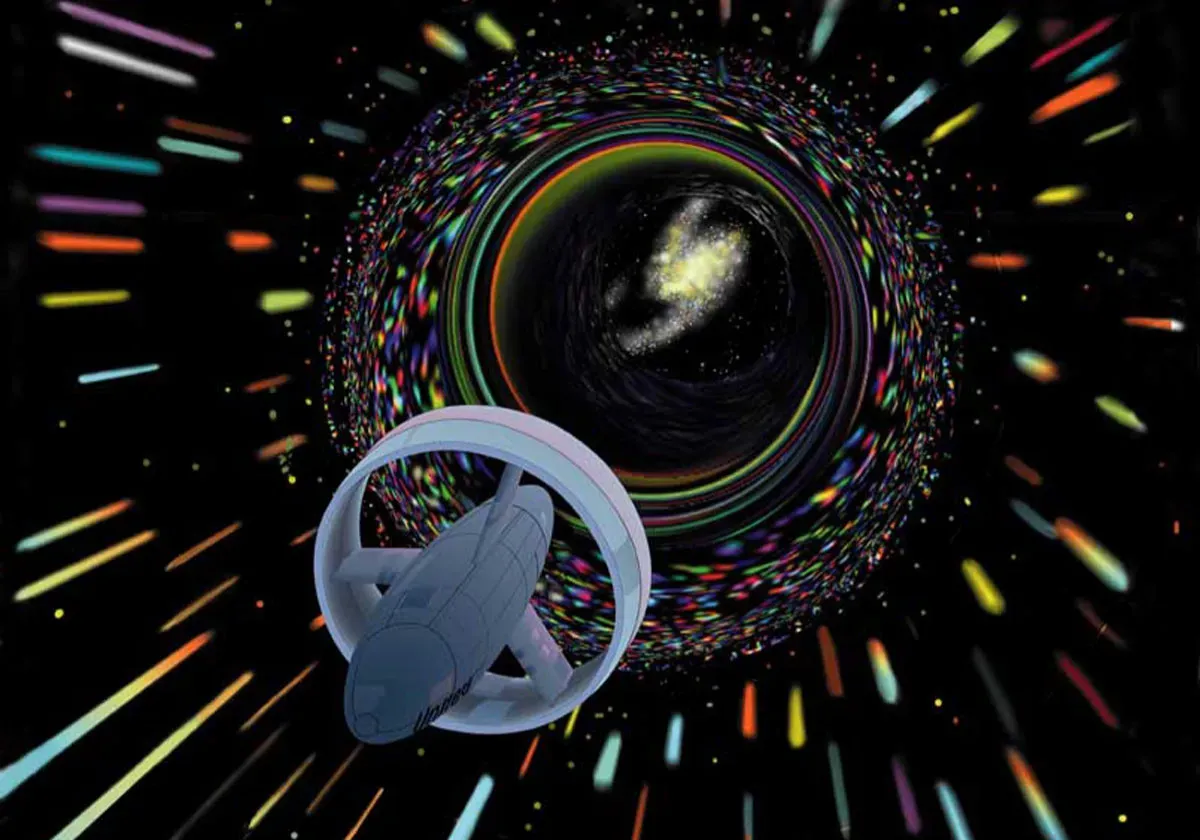
The thought of parallel universes naturally leads to an adventurous question: could we visit them? Popular stories love to imagine portals, wormholes, or advanced machines that let people jump across realities like changing train lines. In current physics, though, there’s no solid evidence that such travel is possible, and many models suggest the barriers between universes are absolute.
There are some speculative ideas involving higher dimensions or quantum tunneling that hint at very exotic ways universes might interact, but nothing close to a real engineering blueprint. Even if crossing over were possible, it might require energies far beyond anything humans can reasonably reach. For now, multiverse travel lives solidly in the realm of thought experiments and imagination, not roadmaps and tickets.
Glitches in the Matrix: Could We Ever Detect Other Universes?

If we can’t travel to other universes, maybe we could at least find clues that they exist. Some researchers have looked for subtle patterns in the cosmic microwave background, the leftover glow from the Big Bang, that might show where our universe bumped into another bubble. So far, the data is messy and hard to interpret, and nothing has been widely accepted as clear proof.
Another angle involves fine-tuning: our universe’s physical constants seem oddly well-suited for life, which is either a lucky coincidence or part of a multiverse where only some universes can host observers. That argument is suggestive but not airtight, because we don’t yet understand whether those constants could have been otherwise at all. Detecting parallel universes might end up being less like spotting a neighboring planet and more like inferring an entire landscape from a few faint shadows.
Parallel Universes in Pop Culture and Why We Love Them
Movies, shows, and books have embraced parallel universes like few other scientific ideas. They give storytellers a playground where they can ask wild questions: What if one event in history changed? What if a character made the opposite decision? What if a world almost like ours existed, but with one rule flipped upside down? These stories let us explore regret, hope, and identity without leaving the couch.
On some level, multiverse stories resonate because they mirror how we think about our own lives. Everyone has moments where they imagine the road not taken, the relationship that might have been, the career that slipped away. Parallel universe tales turn those quiet private thoughts into full-blown alternate worlds we can see and feel, giving shape to our most personal what-ifs.
The Emotional Shock of Knowing You’re Not the Only “You”

Beyond the physics, the idea of parallel universes hits something very raw: the fear of being replaceable. If there are countless versions of you, each slightly different, it’s easy to wonder what makes you special at all. That can shake your sense of identity, the way learning how small Earth is in the universe once shook people’s sense of importance.
But there’s another way to look at it. You could see those other “you”s as reflections in a hall of mirrors, each one showing what could have been, but none of them living this exact moment, with your memories, your feelings, the people you care about right now. Even if the multiverse is crowded with versions of you, no one else is sitting exactly where you are, reading these words in this cosmos, in this instant.
Why the Multiverse Matters Even If We Never Prove It
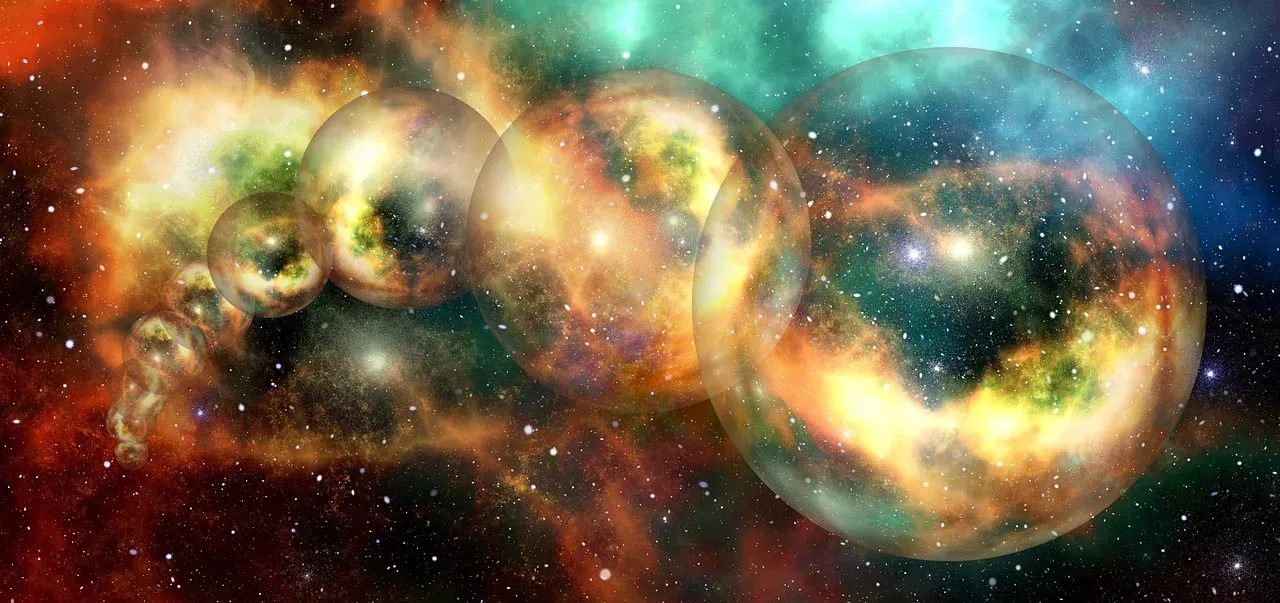
Whether or not parallel universes turn out to be real, thinking about them stretches our minds in useful ways. They make us question what we mean by reality, how we define identity, and why anything exists at all. Ideas like this push scientists to refine theories, test new predictions, and look for patterns that might otherwise be missed.
On a personal level, the multiverse is a reminder that life could always have gone differently, and that makes the path you’re on strangely precious. Your choices still carve a unique trail through an uncertain world, parallel universes or not. And even if we never step through a portal into another reality, we’ll keep exploring this one, with all its mysteries, for as long as we exist.