
What if the most extreme conditions imaginable are not actually a barrier to life, but simply a different kind of normal? That question sounds philosophical, but a group of scientists recently turned it into a very hands-on laboratory experiment. The results shook some foundational assumptions about where life can and cannot survive.
This is not science fiction. Researchers physically crushed living microbes under enormous pressure, essentially making a biological sandwich out of steel and bacteria, and what they found tells us something profound about the potential for life to exist far beyond our own planet. Let’s dive in.
The Experiment That Sounds Almost Absurd
Honestly, when you first hear the setup, it sounds more like an industrial accident than a scientific breakthrough. Researchers took microbes and compressed them between steel plates under pressures so intense they would obliterate most things we consider “living.” The goal was to simulate conditions found deep within icy moons and other extreme planetary environments in our solar system.
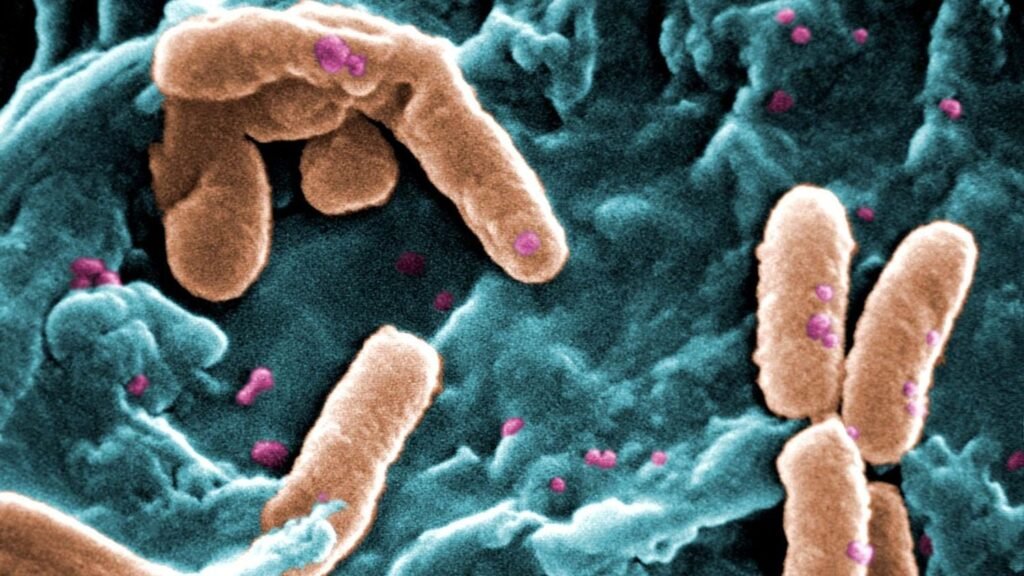
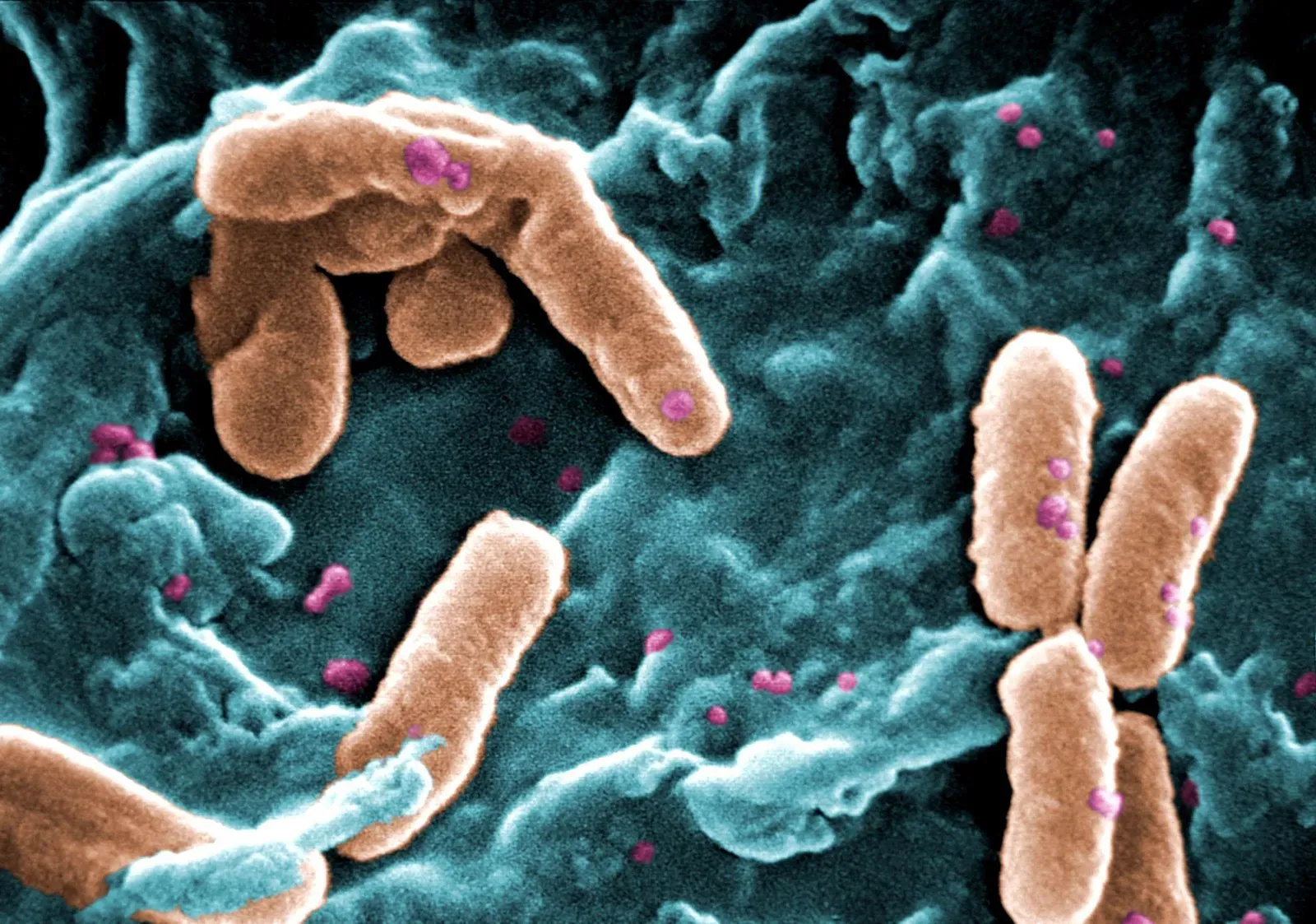
The microbes used in the study were tardigrades and bacteria, two organisms already known for their resilience. Tardigrades, sometimes called “water bears,” have a reputation for surviving the vacuum of space and intense radiation. Putting them through crushing pressure was the next logical stress test, and the outcome was genuinely surprising.
What Pressures Were Actually Used
The team applied pressures reaching up to around 1.2 gigapascals. To put that into perspective, that is roughly equivalent to the pressure found more than 300 kilometers deep inside the Earth. These are not numbers you stumble across in everyday life, and the fact that anything biological survived is remarkable.
Here’s the thing about pressure experiments: they are notoriously difficult to run. Maintaining consistent, measurable compression while keeping biological samples intact and analyzable requires precision equipment and a lot of patience. The researchers managed both, and the data they collected gave the scientific community something genuinely new to work with.
Which Organisms Survived and Which Did Not
The results were not all good news for every microbe involved. Tardigrades, somewhat shockingly, did not fare as well as expected at the highest pressure levels. Many did not survive the most extreme compression. This surprised a lot of people, given their legendary toughness.
However, certain bacteria proved far more resilient. Specific strains managed to survive even at the highest pressures tested, emerging in a deformed but technically living state. It’s hard to say for sure what biological mechanisms allowed this, but scientists believe their small size and simpler cellular structure played a critical role in their survival. Smaller cells simply have less internal structure to collapse.
Why This Matters for Icy Moons Like Europa and Enceladus
The real-world application here is enormous. Moons like Europa, orbiting Jupiter, and Enceladus, orbiting Saturn, are believed to harbor liquid water oceans beneath thick layers of ice. The pressure at the bottom of those oceans would be extreme by Earth standards, but potentially within the range that some microbes, as this study suggests, could endure.
Enceladus in particular has been a focal point of astrobiological research since the Cassini spacecraft detected water plumes erupting from its surface years ago. If microbial life could survive the crushing depths of such an ocean, then the search for extraterrestrial life just got a significantly wider playing field. That is not a small thing to consider.
The Steel Sandwich Method Explained
The experimental design itself deserves a moment of appreciation. Scientists placed biological samples between two hardened steel anvils and applied controlled pressure using a device called a Paris Edinburgh press. This piece of equipment is typically used in geology and materials science, not biology, which makes its appearance in this context all the more creative.
The samples were then analyzed after compression to determine survival rates and structural changes. Some bacteria were found to have been physically flattened yet remained metabolically active. Think of it like squeezing a water balloon into a disc shape but somehow the water still flows. That biological flexibility under mechanical stress is what stunned the research team most.
What the Study Changes About the Search for Life
Before this research, the standard assumption in astrobiology leaned heavily on temperature and chemistry as the dominant filters for where life could exist. Pressure was considered more of a hard limit. This study chips away at that assumption in a meaningful way.
If bacteria can survive pressures equivalent to the deep interiors of icy moons, then the habitability zone for microbial life in our solar system potentially expands dramatically. We are not just talking about the surfaces of planets anymore. We are talking about subsurface oceans, deep rock formations, and environments that spacecraft have barely begun to probe. The implications for future missions, including any eventual sample-return efforts from Enceladus or Europa, are significant.
What Comes Next in This Research
The scientists behind this study are not finished. The logical next step involves testing even greater pressures and a broader range of microbial species to map out exactly where the biological limits lie. There is also interest in understanding what genetic or structural traits allow certain bacteria to endure while others collapse.
From a broader perspective, I think this research represents one of those quiet but genuinely pivotal moments in astrobiology. It doesn’t grab headlines the way a Mars rover discovery might, but it fundamentally shifts what scientists consider biologically possible. The universe, it turns out, might be far more hospitable to life than our Earth-centric intuitions have led us to believe. What would it mean for humanity if we discovered that life, in some form, was never really that rare to begin with?