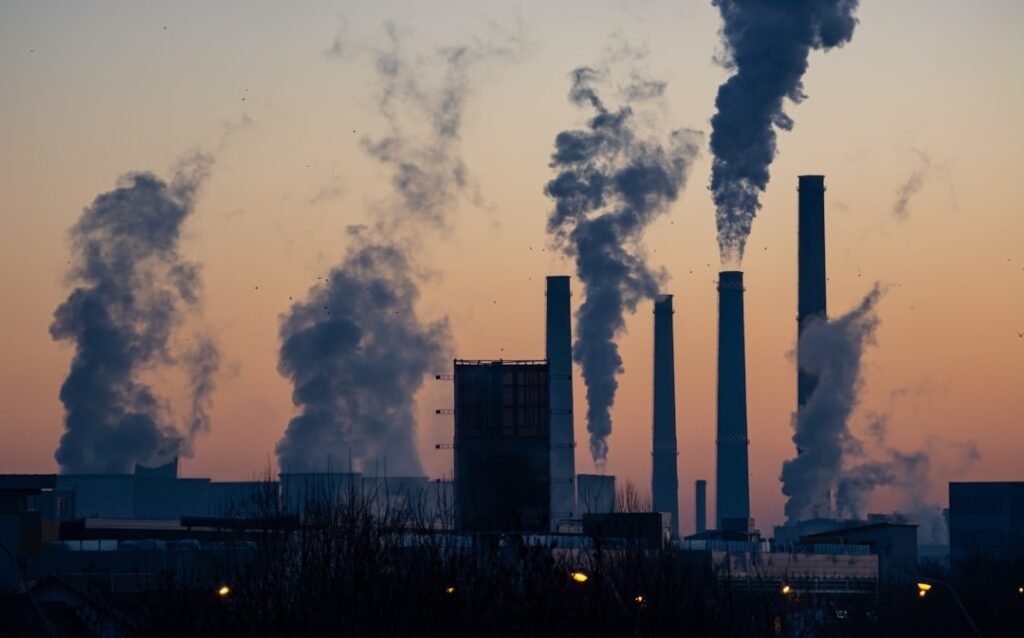

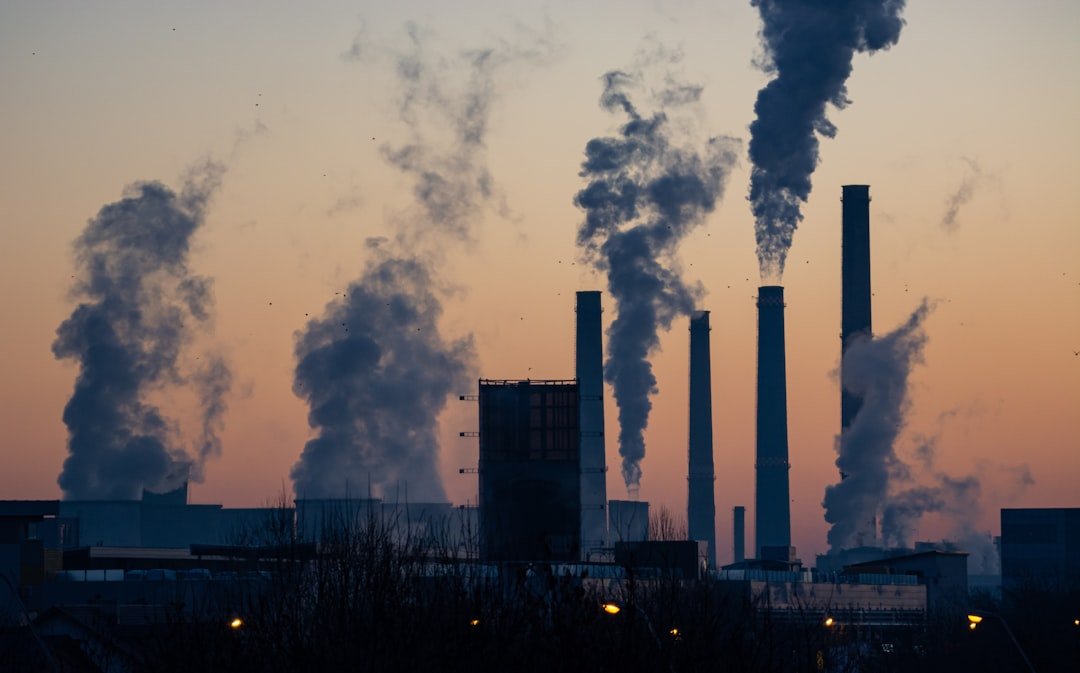
A Sevenfold Surge in Exposure (Image Credits: Unsplash)
Researchers have unveiled projections that paint a troubling picture for air quality across the United States. A new study led by the University of Waterloo forecasts that climate change will make unhealthy air a daily reality for nearly one in three Americans during summer months by the end of the century.[1][2] This shift stems from worsening ozone and particulate matter levels, driven by rising temperatures and changing weather patterns. The findings underscore the urgent interplay between environmental shifts and public health.
A Sevenfold Surge in Exposure
Modeling revealed a stark escalation in populations facing poor air. In 2000, about 14 million Americans resided in areas where smog-season air quality routinely triggered health alerts for sensitive groups.[1] By 2100, that figure could climb to 100 million – a sevenfold increase concentrated largely in California and the eastern United States.[1]
Dr. Rebecca Saari, a lead researcher, highlighted the transformation: “Climate change could cause days with poor air quality to shift from rare to commonplace.”[1] Air quality alerts, already a concern, stand to quadruple nationwide. Vulnerable individuals might encounter nearly even odds of an alert each day, prompting frequent behavioral adjustments like limiting outdoor time.
Hotspots and the Smog Season Timeline
California and the eastern seaboard emerge as epicenters of this projected decline. These regions will see the sharpest rises in average poor air days from May through September, the defined smog season.[1] Warmer conditions foster ground-level ozone formation, while stagnant weather traps pollutants.
The study integrated data on both ozone and fine particulate matter, the chief culprits behind most alerts. These pollutants contribute significantly to respiratory issues and premature deaths. Population growth in high-risk areas compounds the challenge.
Health Risks for Sensitive Populations
Elderly residents, children with asthma, and those with preexisting conditions face the greatest threats. Alerts advise these groups to remain indoors, yet projections suggest an additional 142 days annually could require such precautions by 2100.[1] Saari noted the surprise in the findings: “We were surprised by how widespread and common it could be for sensitive groups to experience air that is considered unhealthy on average.”[1]
Adaptations like masks and enhanced indoor filtration offer partial relief, with seniors gaining the most benefit. However, equitable access to clean air remains a pressing equity issue. The research, involving collaborators from Harvard University, North Carolina State University, and the University of California, Davis, appeared in Environmental Science and Technology.[1]
Charting the Rise in Affected Populations
| Year | Population Exposed (millions) | Factor Increase |
|---|---|---|
| 2000 | 14 | Baseline |
| 2100 | 100 | 7x |
This table illustrates the dramatic trajectory based on the modeling. Such growth demands proactive measures beyond individual actions.
Opportunities for Mitigation and Adaptation
Policies curbing emissions could temper these outcomes. The study evaluated health and economic implications under varying climate scenarios, stressing pollution controls over the next 75 years.[1] Long-term strategies include widespread access to filtered indoor environments.
Saari emphasized proactive steps: “We hope our work helps inform more targeted guidance and reinforces the need for pollution reductions and long-term adaptations such as access to clean indoor spaces.”[1] Community-level interventions, from urban greening to stricter regulations, hold promise.
- Ozone and particulate matter drive most alerts during May-September smog season.
- California and eastern U.S. face the largest increases.
- 100 million affected by 2100, versus 14 million in 2000.
- Adaptations favor seniors but require broad equity efforts.
- Alerts projected to quadruple without intervention.
Key Takeaways:
- Climate change amplifies existing pollution vulnerabilities.
- Targeted policies could avert the worst projections.
- Equitable adaptations are essential for at-risk groups.
As air quality hangs in the balance, this research calls for immediate action to safeguard public health. The path forward hinges on emission reductions and resilient infrastructure. What steps do you believe communities should prioritize? Share your thoughts in the comments.