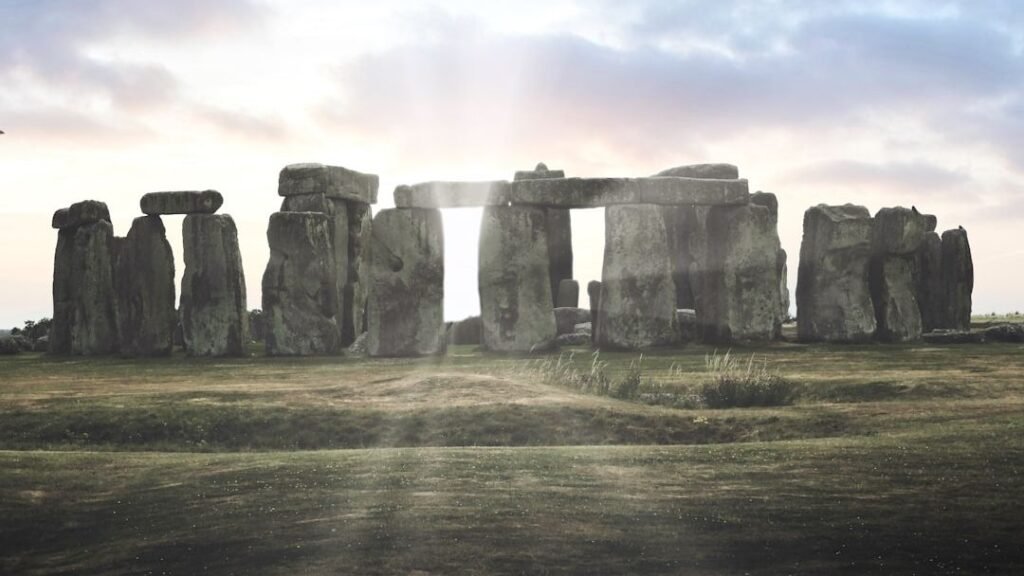

Stand in front of a massive stone that weighs more than a fully loaded passenger jet, and your brain does something funny: it quietly refuses to believe humans did this with ropes, wood, and sheer stubbornness. Ancient megaliths have that effect. They’re both humbling and slightly unsettling, like staring at fingerprints left by a civilization that refused to explain itself properly.
For a long time, people tried to fill those gaps with wild stories about giants, lost continents, or mysterious advanced civilizations. The real story is actually more impressive. Behind these huge stones are patient engineers, sky-watchers, farmers, and ritual specialists who carved their beliefs and knowledge into the landscape itself. Let’s dig into ten of the most surprising and thought-provoking things we now know about these colossal creations.
1. Megaliths Are Much Older Than Most People Realize
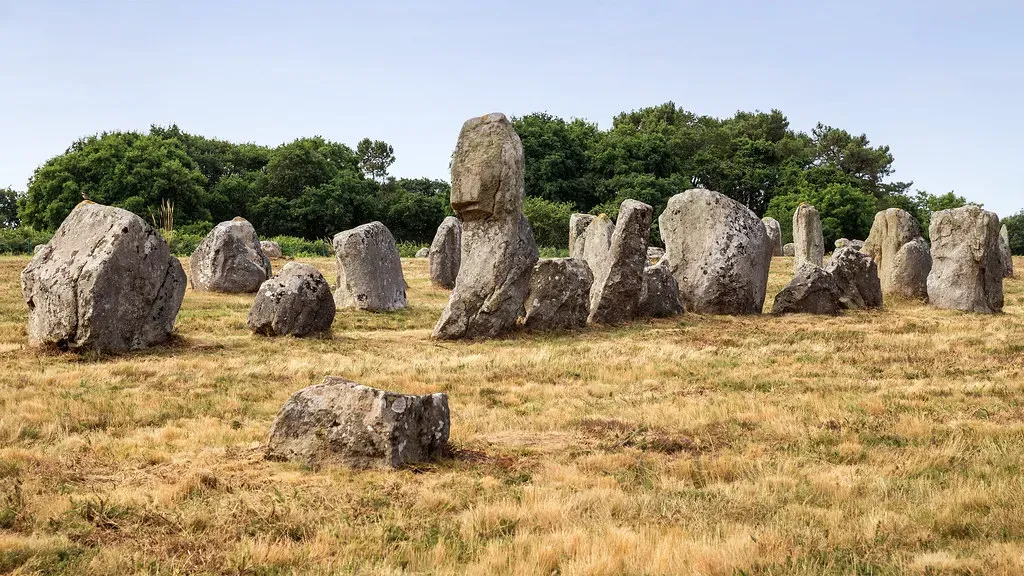
It’s easy to imagine megaliths belonging mainly to the time of the pharaohs or the classical world, but some of the oldest stone monuments were raised long before the first Egyptian pyramid. Sites such as Göbekli Tepe in modern-day Türkiye date back to roughly ten thousand to eleven thousand years ago, making them older than organized agriculture in many regions. Across Europe, from Brittany to Portugal to the British Isles, the earliest megalithic structures appear several thousand years before the famous stone temples of Greece or Rome.
This flips the usual story of progress on its head. Instead of cities and writing coming first and big monuments coming later, in some places, communities were hauling multi-ton stones into place while still living mostly in small settlements. It suggests that human beings were willing to gather and cooperate on an enormous scale long before kingdoms and palaces appeared. In a way, the stones came before the states, like a rehearsal for the civilizations that would follow.
2. Many Megaliths Are Precision-Aligned With the Sun, Moon, and Stars
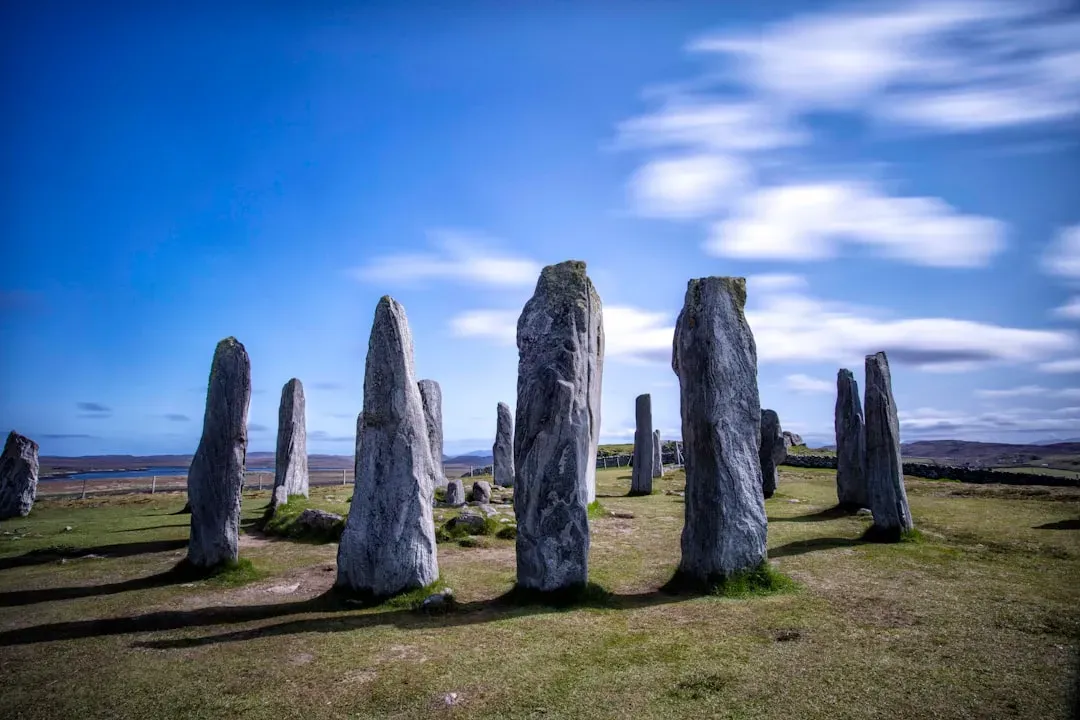
One of the most striking things about ancient stone monuments is that a surprising number of them are not random at all. They’re lined up with uncanny accuracy to the rising or setting points of the sun during solstices and equinoxes, or to specific positions of the moon. Stonehenge, the poster child of megaliths, famously frames the midsummer sunrise and midwinter sunset, but it’s far from alone. Passage tombs in Ireland, stone rows in Brittany, and standing stones in Scotland all show careful attention to celestial cycles.
To pull this off without modern instruments, people needed long-term observation, careful record-keeping, and a shared understanding of the sky. These monuments were like giant stone calendars and clocks blended into a single sacred machine. Farmers could use them to track the best time to plant or harvest, while religious leaders might have used them to stage seasonal rituals when the sky and stones lined up in dramatic fashion. Imagine watching the first beam of sunrise slide perfectly down a dark stone passage once a year, like a cosmic spotlight turning on cue.
3. Transporting the Stones Was a Feat of Ingenuity, Not Magic
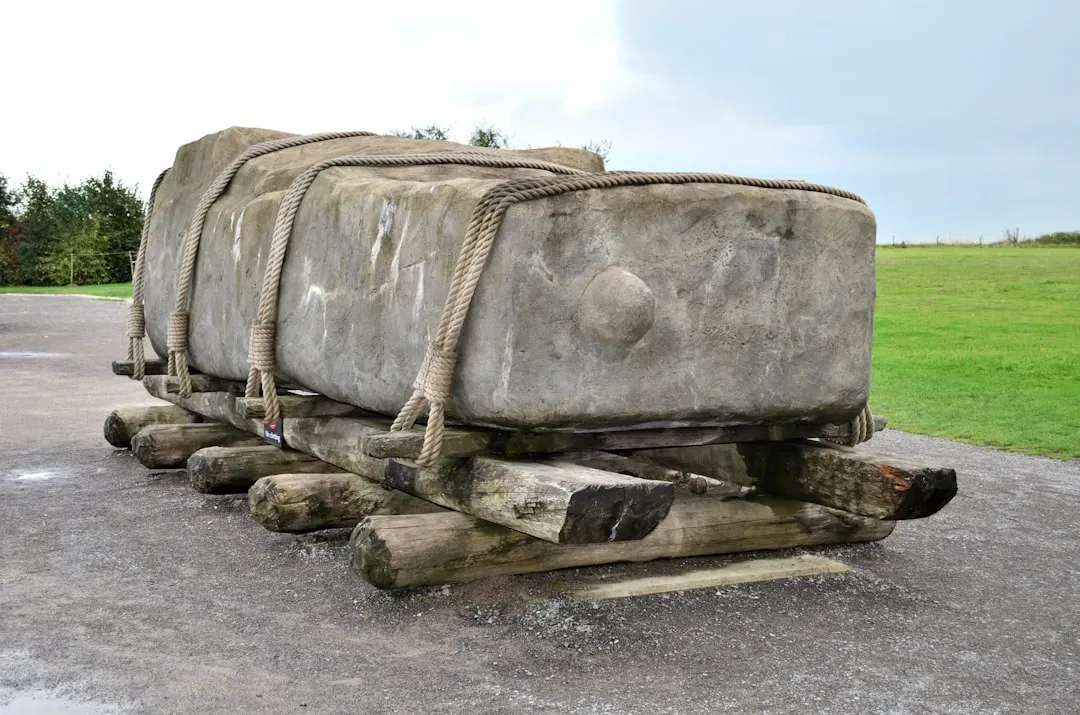
When you see a single stone that weighs as much as several dozen cars, the first instinct is to think, “No way they moved this without machines.” Yet experimental archaeology and careful fieldwork have shown that ancient builders could shift enormous stones using surprisingly simple tools: wooden sledges, rollers, levers, lubrication with water or animal fat, and a lot of coordinated labor. In some coastal areas, stones were probably floated part of the way on rafts or dragged when the ground was seasonally wet.
What makes it even more impressive is that the routes often stretched for dozens of kilometers across rolling hills, rivers, or uneven terrain. It wasn’t just brute force; it was project management. Communities had to organize food, tools, routes, rest points, and safety for the crews who hauled these blocks. If you’ve ever tried to get five friends to agree on where to go for dinner, imagine getting hundreds of people to drag a boulder for weeks without walking away from the job.
4. Megaliths Were Social Glue for Scattered Communities
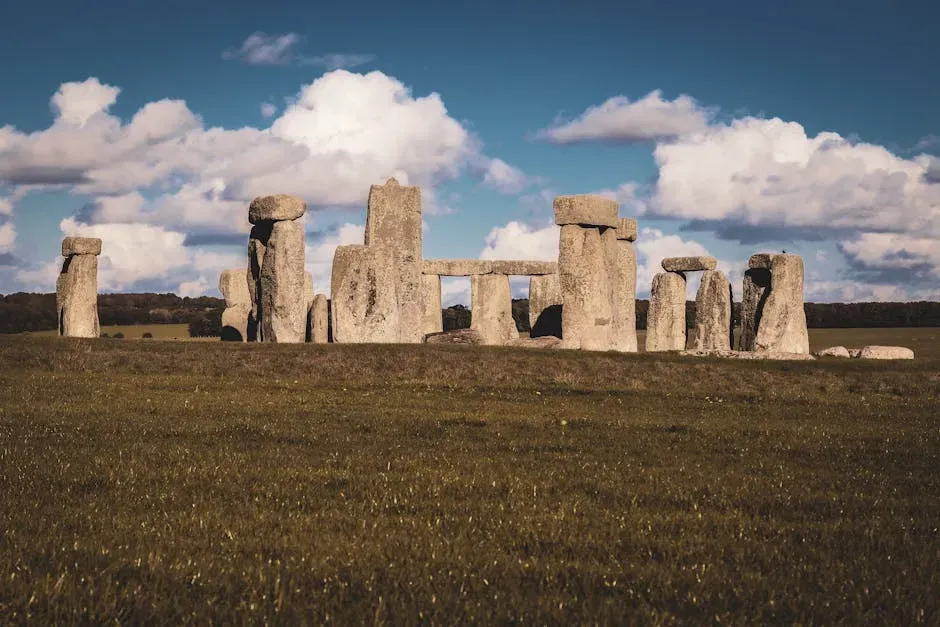
We often focus on the stones themselves and forget the huge human gatherings it took to build them. Archaeological evidence at several sites suggests that people traveled long distances to participate in construction phases or ceremonies, bringing animals, food, and materials from different regions. Bones from feasts, varied pottery styles, and chemical traces in teeth show that not everyone on-site was local. The megalith became a sort of shared project for multiple groups.
In that sense, these structures worked like massive community festivals or reunions. They gave people a reason to gather, forge alliances, agree on marriages, settle disputes, and share news. The act of dragging a stone and raising it together may have mattered as much as the final monument. The stone standing in the landscape is what we see, but the real monument might have been the social network it created and reinforced, a prehistoric version of networking plus neighborhood barbecue.
5. Many Megaliths Are Closely Linked With Ancestor Worship and Burial
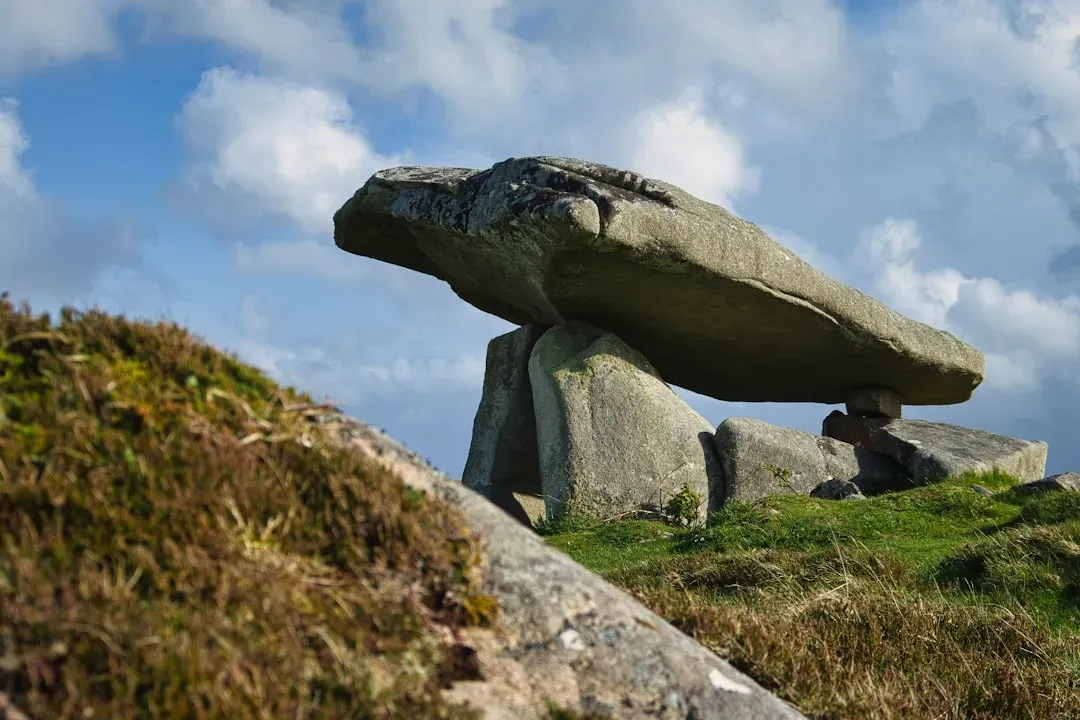
In many regions, especially across Atlantic Europe, megaliths are not just random standing stones but carefully built tombs and burial chambers. Long barrows, passage graves, and dolmens often contain human remains, sometimes used and reused across many generations. Excavations show layers of burials, rearranged bones, and offerings such as pottery, tools, or animal remains. The stones formed durable, visible anchors for the memory of the dead within a living landscape.
For the communities who built them, these weren’t just graves; they were shared houses for the ancestors. People likely visited them to communicate symbolically with those who came before, asking for protection, guidance, or legitimacy. Being buried in or near a major megalithic tomb might have signaled status or belonging to a particular lineage. In a way, these monuments turned memory into architecture, giving the dead a permanent address in the world of the living.
6. Carvings and Symbols Turn Some Stones Into Giant Storybooks
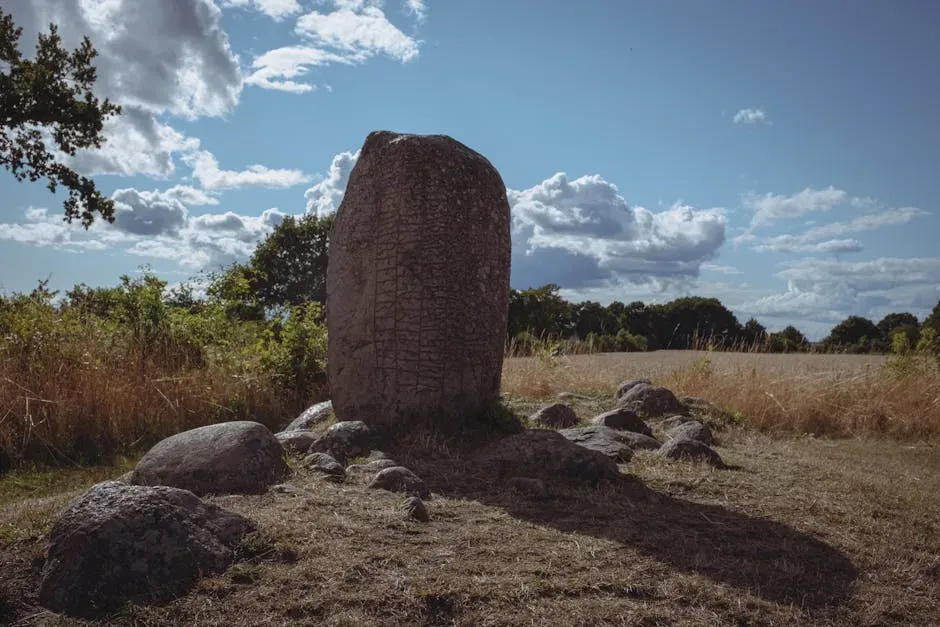
Not all megaliths are plain slabs. In several regions, their surfaces are covered with carved symbols: spirals, circles, zigzags, axes, boats, animals, or abstract shapes. At places like Newgrange in Ireland or Gavrinis in France, the density and complexity of the carving are astonishing. The patterns may look decorative at first, but their repetition and placement suggest they carried deep meaning, possibly tied to cosmology, myth, or social identity.
We don’t yet fully understand these stone “texts,” which is both frustrating and thrilling. Some researchers think certain motifs may represent solar paths, rivers of the afterlife, or cycles of birth and death. Others propose more down-to-earth interpretations, such as ownership marks, clan symbols, or maps of local landscapes. Whatever the exact meaning, the effort required to carve hard stone with stone or metal tools shows that people wanted their ideas to outlast wood, cloth, or spoken memory. They were writing in a medium that could survive thousands of winters.
7. Megaliths Often Sit in Carefully Chosen, Symbolic Landscapes
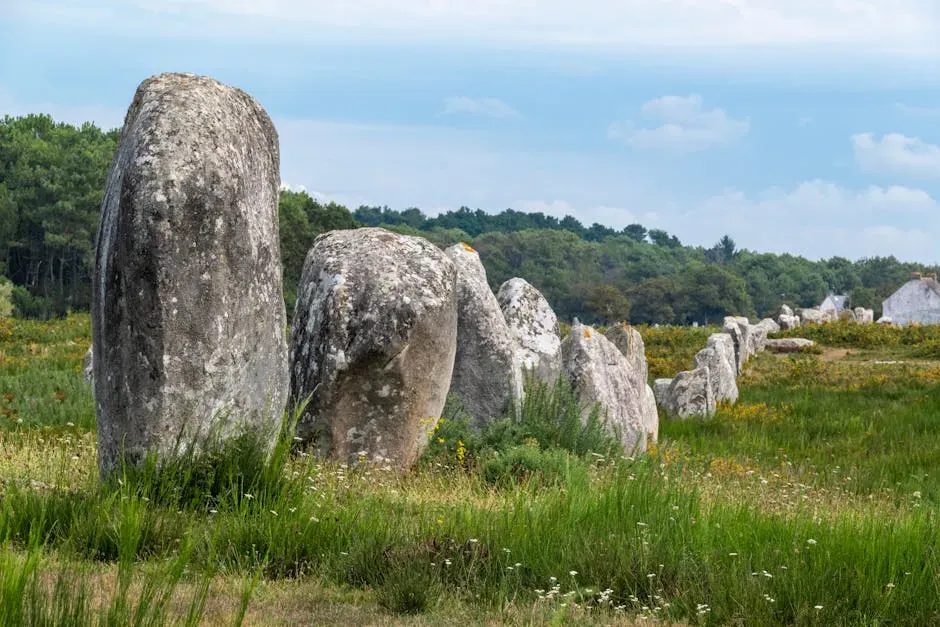
One of the most overlooked aspects of megaliths is where they are placed. These stones rarely stand in random spots. They’re frequently positioned on ridgelines, near water sources, at natural route crossings, or where the horizon has distinctive features like notches, hills, or distant peaks. This suggests that builders were thinking about views, lines of sight, and the way people and animals moved through the land. The monument was part of a much larger story, not just a dot on a map.
Some complexes link multiple sites across a region, forming what looks like a network of sacred or socially important places. A stone circle here, a burial mound there, a standing stone near a river crossing further on, all aligned with each other or with celestial events. It’s a bit like seeing a single cathedral and later realizing it’s part of a whole system of churches, shrines, and roads across a country. The landscape itself became a canvas for belief, memory, and identity, with megaliths acting as permanent punctuation marks.
8. The Purposes of Megaliths Changed Over Time
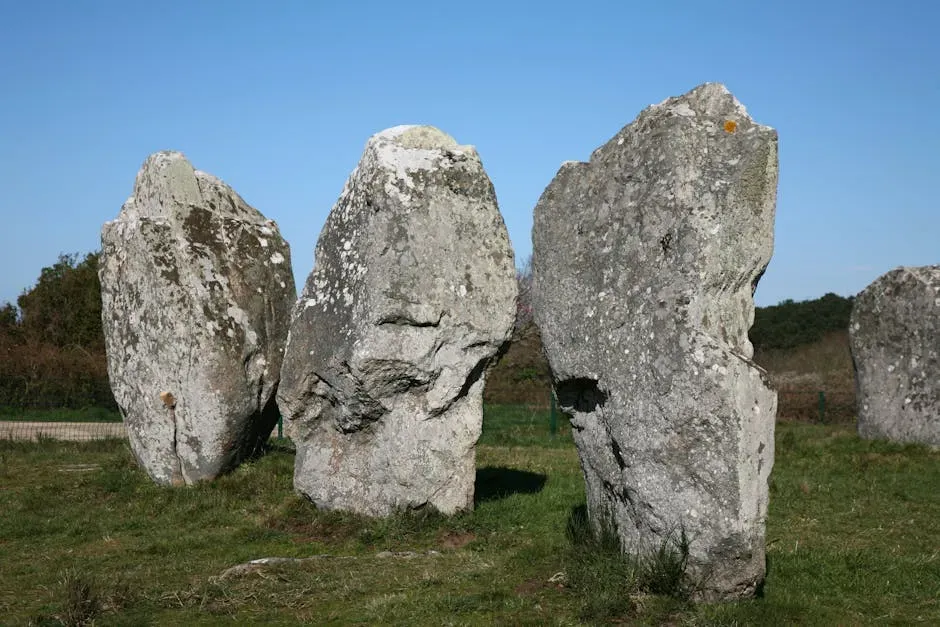
It’s tempting to search for a single, universal explanation: “Megaliths were calendars” or “Megaliths were tombs.” In reality, the same monument could serve several overlapping roles, and those roles could shift over centuries. A stone circle might begin as a ritual gathering place, later host burials, and still later be reused or modified by a different culture with different beliefs. Archaeological layers show additions, removals, repairs, and even acts of deliberate closure or destruction.
This reminds us that megaliths weren’t frozen in time; they lived long cultural lives. Just as churches can become museums, or older temples can be turned into new shrines, these stones were reinterpreted again and again. Different generations could stand under the same lintel and see very different meanings in it. The stones endured, but the stories wrapped around them shifted with the people who claimed them, like a long-running book that each era rewrites in the margins.
9. Oral Traditions Helped Keep the Stones “Alive” for Millennia
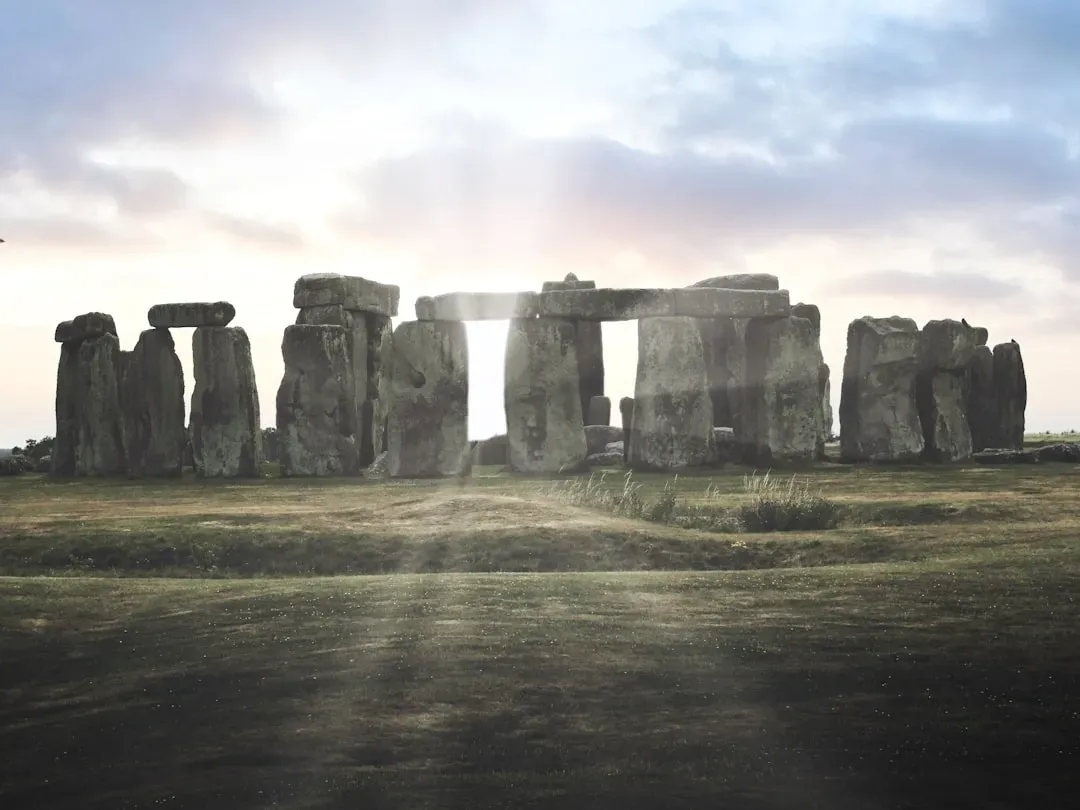
Even after the original builders disappeared, the stones remained impossible to ignore. Over many centuries, stories, legends, and folk beliefs grew around them to explain why they were there. In a lot of places, people later claimed they were built by giants, enchanted figures, or supernatural forces, not because they had proof, but because the scale felt beyond normal human effort. These tales, while not historically accurate, helped keep the sites culturally important instead of letting them fade into the background.
Those oral traditions sometimes preserve faint echoes of older functions: ideas of the stones “turning” on certain nights, singing, or connecting to festivals at particular times of year. Even when the original ritual calendar was forgotten, people still sensed that the place was special and treated it with caution or reverence. In that way, stories became a second layer of protection and meaning, wrapping the stones in narrative so they never became just random rocks in a field.
10. Modern Technology Is Changing What We Know About Megaliths
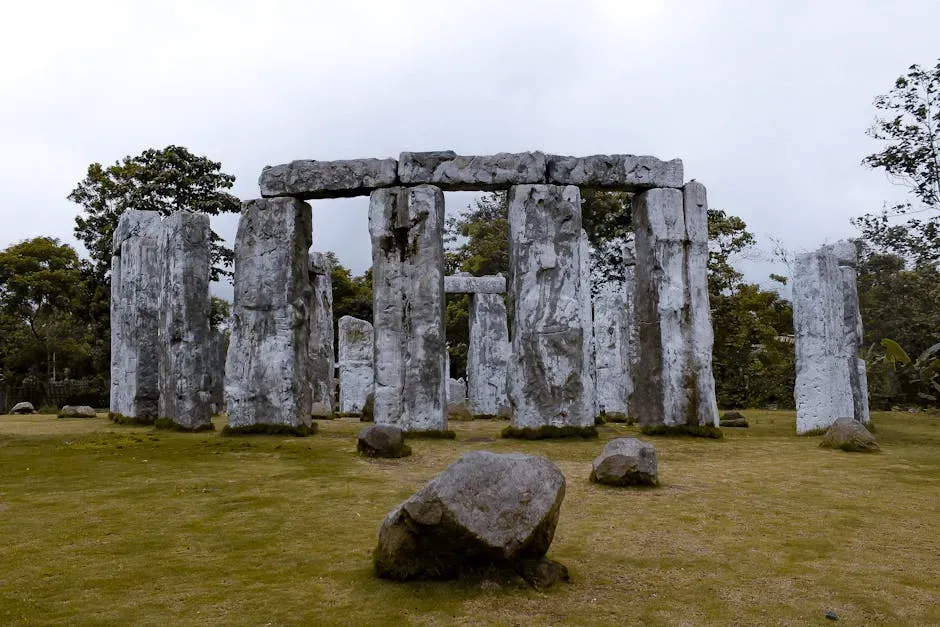
In the past few decades, new tools have quietly revolutionized how we study these ancient giants. Techniques like lidar scanning, ground-penetrating radar, and high-resolution satellite imagery reveal buried structures, hidden ditches, and stone settings that are invisible at ground level. At some famous sites, what looked like a single isolated monument is now understood to be part of a huge complex of earthworks, timber circles, avenues, and smaller stone features. The visible stones are often just the tip of a very old iceberg.
On a more microscopic scale, chemical and isotopic analysis of human remains, stones, and soils helps trace where people and materials came from, what kind of food they ate, and how they interacted with their environment. Every year, a few more pieces of the puzzle snap into place, often overturning comfortable assumptions. The funny thing is, the more we learn, the more questions open up. These stones, which once seemed like silent relics, keep pulling us into new conversations about what humans are willing to do in the name of belief, memory, and belonging.
The next time you see a picture of a stone circle or a lonely standing stone against the sky, it’s worth pausing for a moment. Behind that single shape are centuries of effort, sky-watching, feasting, arguing, grieving, and storytelling. For all our cranes, computers, and concrete, there’s still something quietly astonishing about a group of people deciding to move a mountain one stone at a time, just to give their world a meaning you can touch.