
Some plants don’t just sit quietly in the background of nature. They hunt, calculate, remember, explode, and even communicate in ways that sound like something a movie writer made up at three in the morning. Yet they’re real, and in many cases, scientists are still trying to understand how they pull off these biological tricks.
When I first started reading about plants like the corpse flower or the dancing plant, it honestly felt more like reading fantasy than biology. But the closer you look, the more you realize that plants are not slow, passive extras in the story of life. They’re running incredibly complex programs – just on a different timescale and with very different hardware than ours.
1. Venus Flytrap: The Plant That Counts Before It Kills
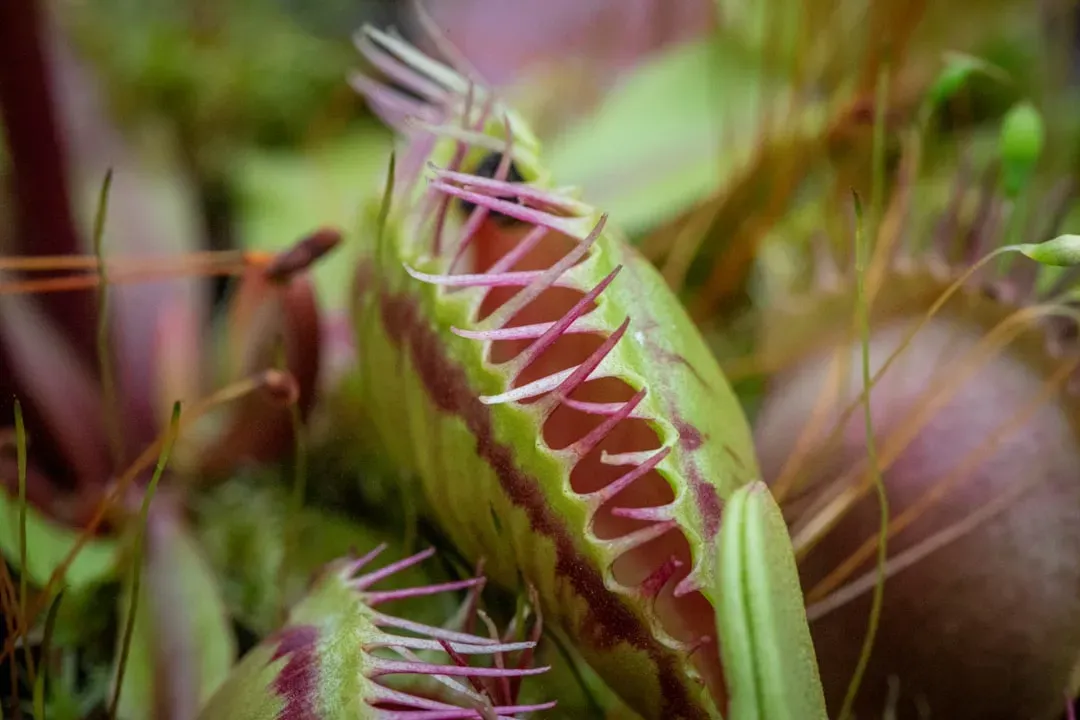
The Venus flytrap looks like it was designed by a sci‑fi prop artist: spiky green jaws that snap shut when an insect wanders in. But the truly wild part is that this plant can count. It doesn’t just close for any random touch; tiny trigger hairs inside the trap must be touched twice in quick succession before it decides, “Yep, that’s real prey, time to snap.” This ability to count to at least two and then ramp up digestion genes after more movements is one of the clearest examples of plant “decision making” discovered so far.
Once the trap closes, the insect is basically inside a living stomach. The plant seals the edges, pumps in digestive enzymes, and chemically breaks down soft tissues while keeping the harder bits like wings and exoskeleton mostly intact. It’s a surprisingly energy‑expensive process, which is why the flytrap is so picky about when it spends that energy. In poor, nutrient‑starved soils where it grows naturally, this little green hunter has turned to meat, and the way it does it is as calculated as any predator lurking in the dark.
2. Mimosa Pudica: The Plant That Flinches When You Touch It
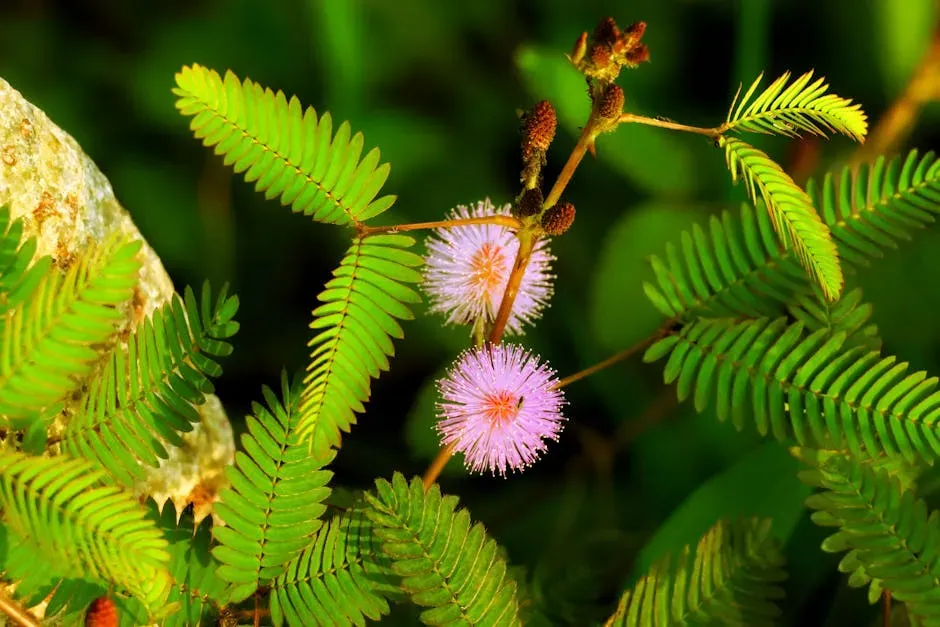
If you’ve ever brushed your fingers against a Mimosa pudica, often called the sensitive plant, you know how strangely alive it feels. The leaves fold up and droop in seconds, almost like the plant is startled or shy. It’s not magic – it’s a rapid shift of water and ions in specialized cells, making the leaflets collapse like a series of tiny folding chairs. Watching it respond in real time tricks your brain into seeing personality where there’s really just finely tuned biology.
The sensitive plant’s movement is thought to be a kind of defense, making it look less appetizing or harder to eat to passing herbivores. What fascinates researchers today is that this plant can show a kind of memory; when repeatedly exposed to harmless shaking or dropping, it can eventually “learn” not to react so dramatically. That suggestion of a plant adjusting its behavior based on experience hits a strange, almost unsettling nerve for us. It blurs the line between pure reflex and something that feels just a little bit like learning.
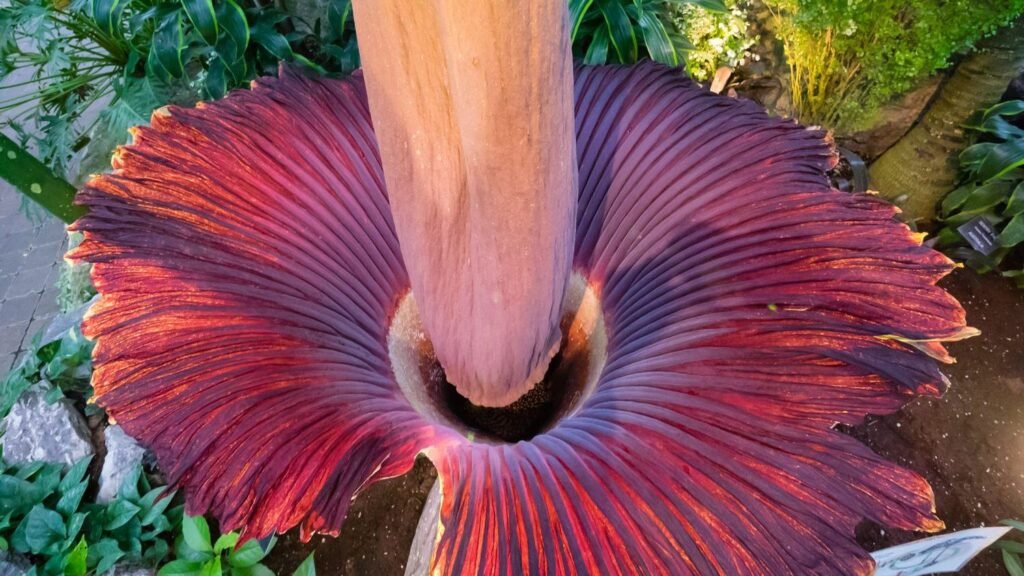
3. Corpse Flower: The Giant Bloom That Smells Like Death
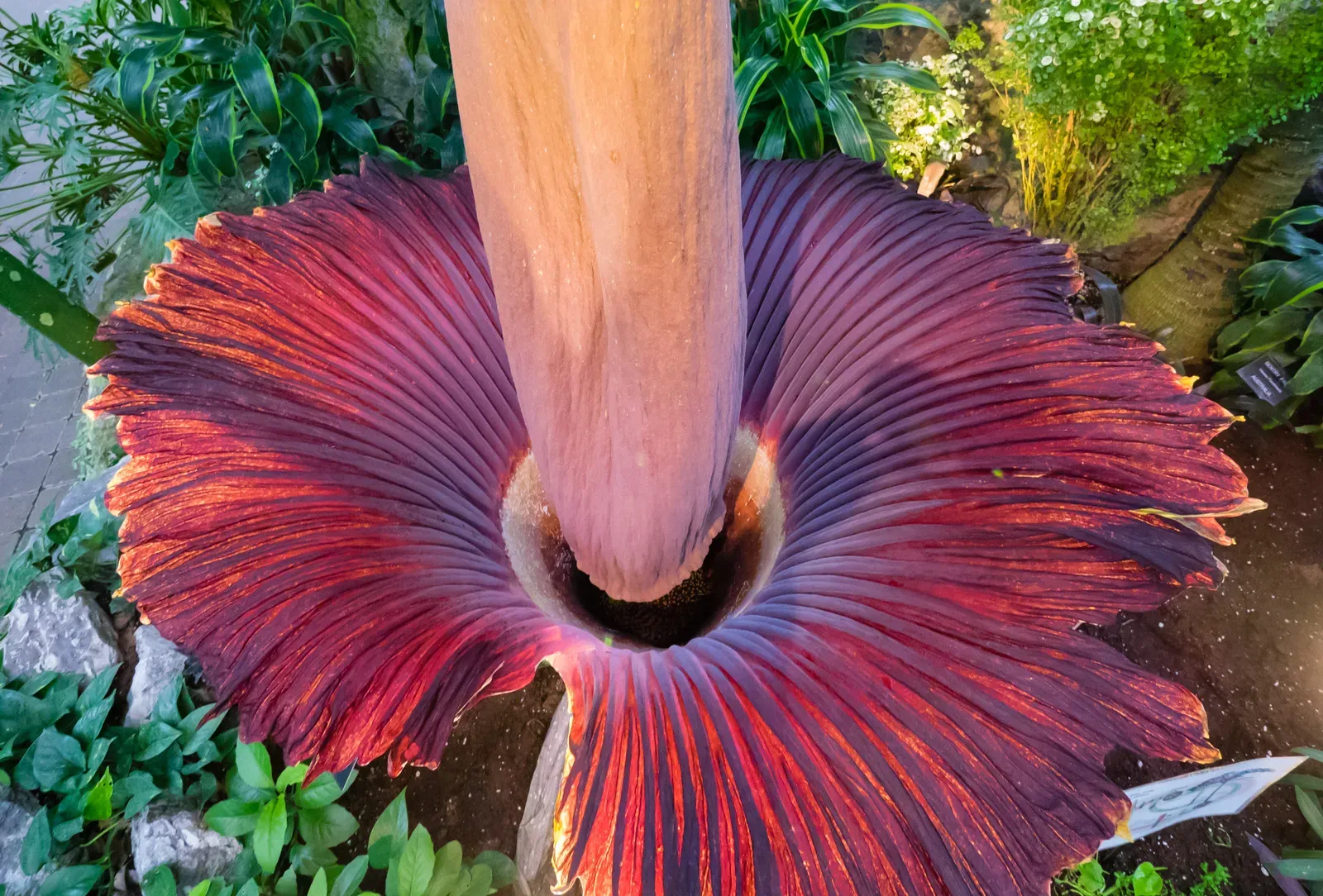
The corpse flower, Amorphophallus titanum, is one of those plants that feels like it was engineered as a dare. It can grow a single, enormous flower structure taller than most people, then bloom in a brief, dramatic event that draws huge crowds to botanical gardens. And then there’s the smell. At the height of its bloom, it releases an intense odor that many people compare to rotting meat, sewage, or something you’d desperately try to avoid stepping in.
That stench isn’t just for drama; it’s a carefully evolved signal aimed at flies and carrion beetles that usually feed or lay eggs on dead animals. The flower even heats up slightly, helping spread the odor and mimicking the warmth of a decaying carcass. For a few days, it becomes a kind of grotesque illusion of death, luring in pollinators that think they’ve found the perfect place to feed or breed. The bizarre contrast – a plant impersonating a corpse to reproduce – feels almost like something out of a horror‑comedy script, except it’s just nature doing its efficient, slightly disgusting thing.
4. Dodder Vine: The Parasitic Plant That Sniffs Out Its Victims
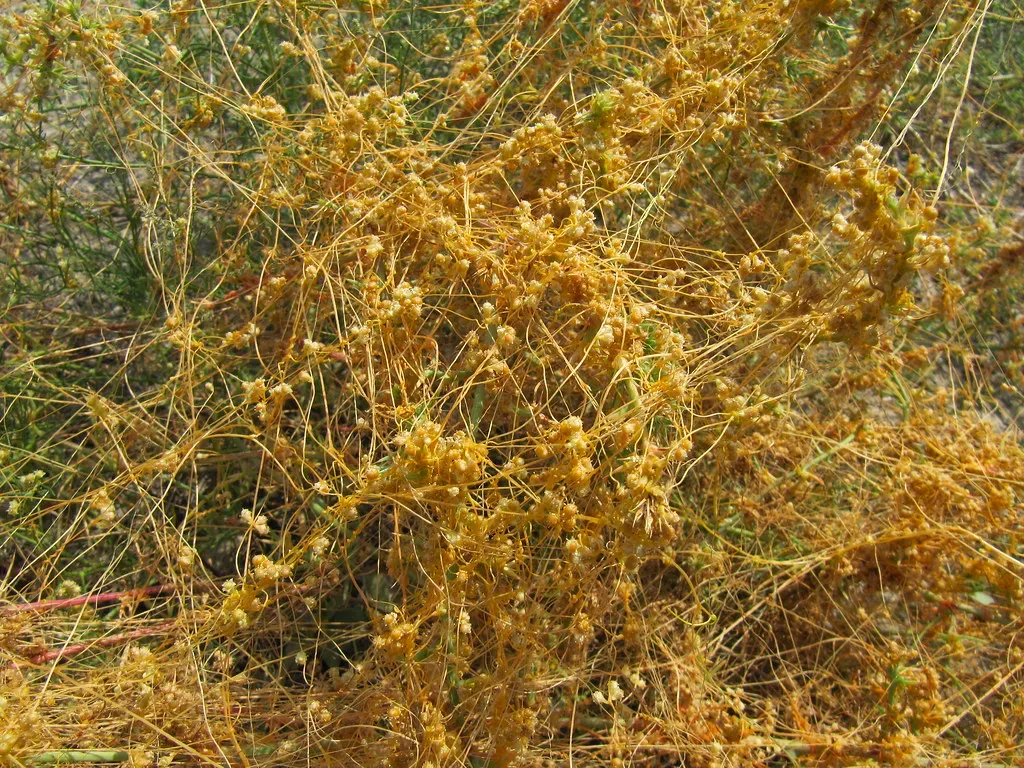
Dodder looks like someone dumped a pile of orange spaghetti over innocent plants. It doesn’t bother with making its own food once it finds a host; instead, it drapes itself over other plants and taps into their vascular system, sucking out nutrients like a botanical vampire. But the really sci‑fi detail is how it chooses who to attack. Research has shown that dodder can detect the smell of nearby plants and actually grow toward the most appealing scent, similar to an animal following the aroma of food.
Once it latches on, dodder quickly abandons its original roots, living entirely off its host. It pierces stems with tiny haustoria, which are like biological drinking straws, and siphons off water, sugars, and nutrients. Even more surreal, scientists have found that dodder can act as a kind of communication bridge between the plants it connects, allowing signals and molecules to move through its parasite network. What starts as a thief ends up functioning like a creepy, uninvited internet cable, wiring plants together without their consent.
5. Dancing Plant: Leaves That Move to a Silent Rhythm
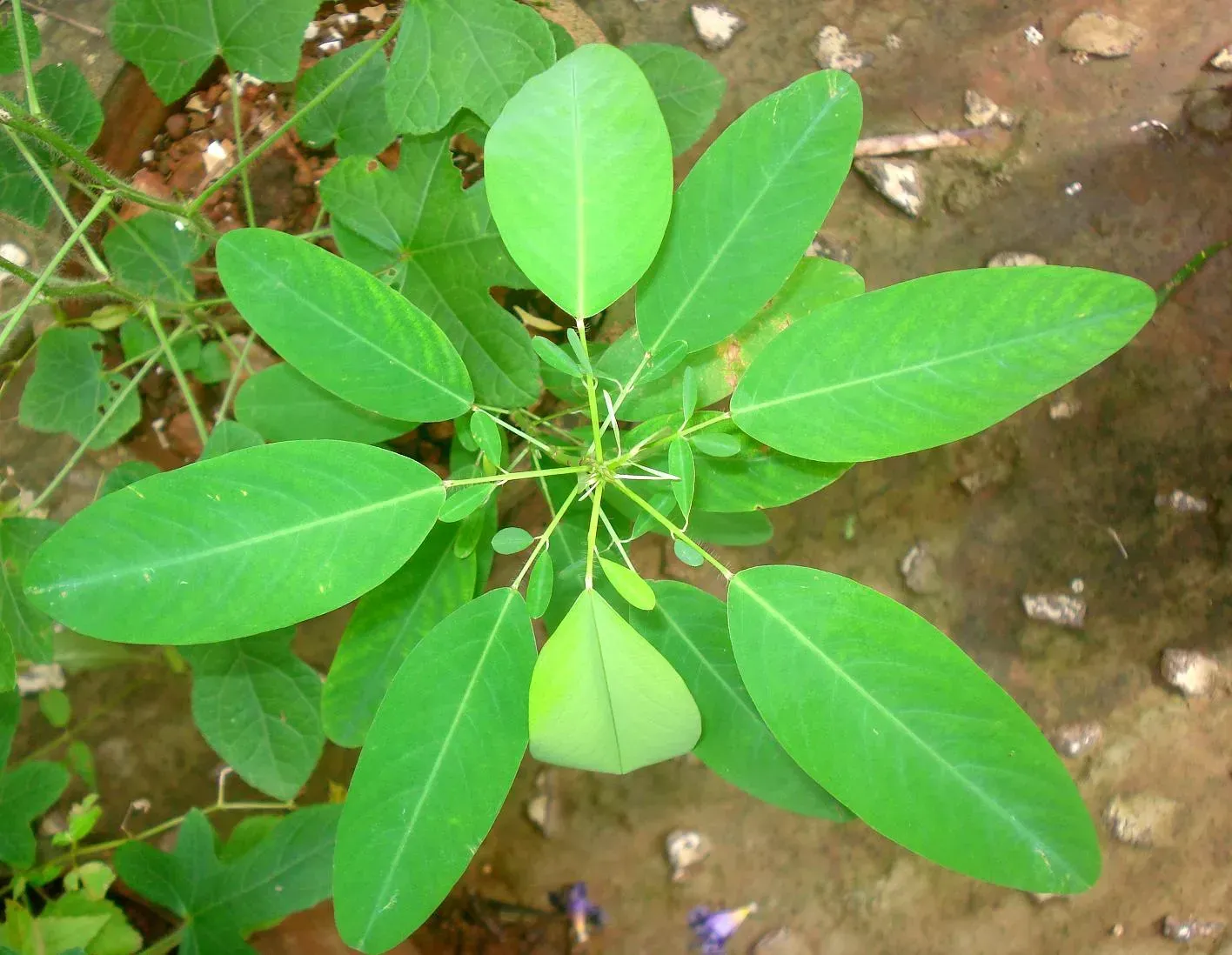
Desmodium gyrans, often called the dancing plant or telegraph plant, can move its small lateral leaflets in visible, rhythmic motions – sometimes even every few minutes. In the right warm, bright conditions, those tiny leaves twitch, rotate, and bob as if they’re keeping time to music only the plant can hear. Historically, people were so fascinated by this that it was shown off in parlors like a living curiosity, long before we had high‑speed cameras to study plant movement in detail.
Scientists think these motions may help with things like light capture or temperature regulation, and the plant also responds to touch and sound vibrations. There’s something strangely human about watching it move: your brain wants to apply meaning, to imagine the plant is excited or curious. I remember the first time I saw a time‑lapse video of it; it felt less like observing a plant and more like watching some shy alien organism trying to wave hello from across the room.
6. Exploding Cucumber: A Seed Pod That Fires Like a Biological Grenade
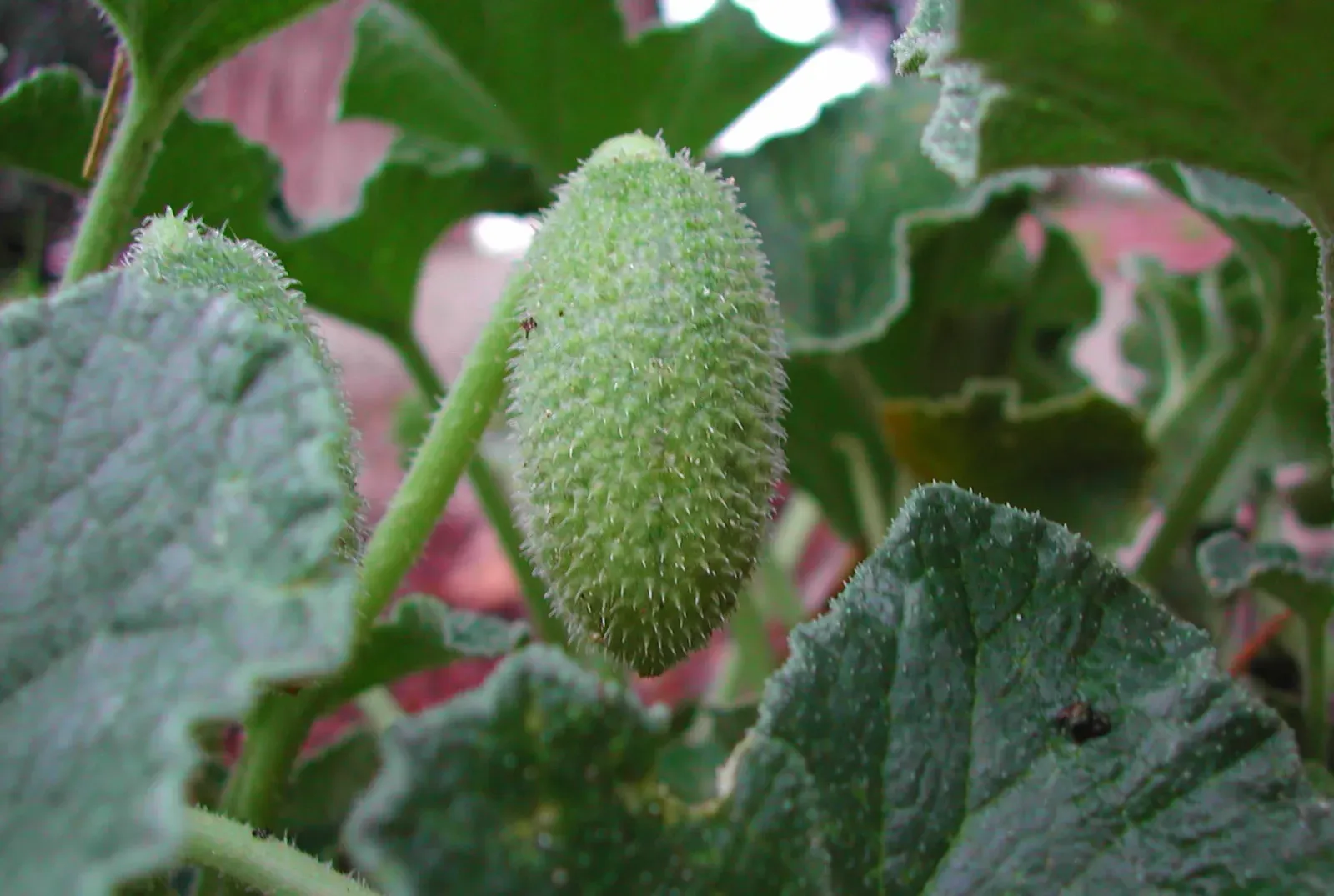
The squirting cucumber, Ecballium elaterium, sounds harmless until you see it in action. When the fruit ripens and internal pressure builds high enough, the slightest touch can cause it to detach and launch its seeds in a high‑speed spray. The seeds shoot out in a slimy jet that can travel several meters, turning the fruit into a tiny organic water cannon. It’s the plant world’s version of a pressure‑release explosion, all in the name of spreading offspring as far as possible.
This kind of ballistic seed dispersal shows an almost mechanical genius. Instead of relying on animals or wind, the plant stores up tension and then releases it in a violent burst at just the right moment. Watching slow‑motion videos of the fruit firing is weirdly satisfying, like watching one of those hydraulic press clips, except this time the engineering is natural. It’s an elegant reminder that evolution can design spring‑loaded projectiles without a single metal part or human blueprint.
7. Welwitschia: The Immortal Desert Relic With Just Two Endless Leaves
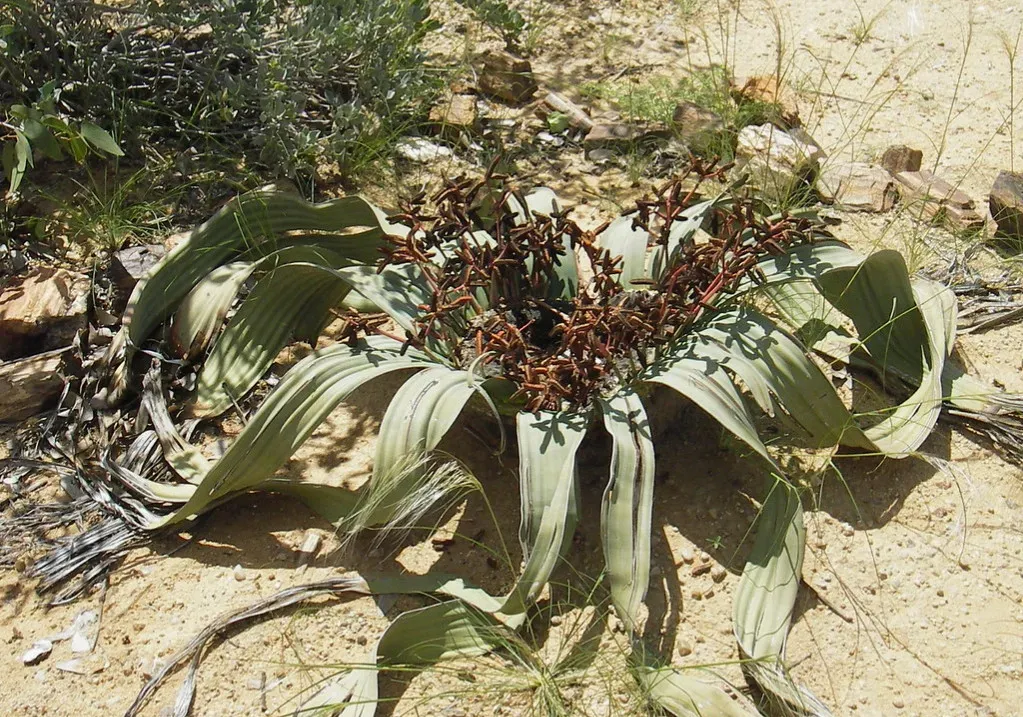
Welwitschia mirabilis looks like it crash‑landed from another planet and then got stuck in the desert for a few million years. Native to the Namib Desert in southern Africa, each plant grows only two leaves in its entire lifetime. Those two leaves never stop growing, slowly shredding and curling over time until they resemble a tangled mass of ribbons sprawled across the sand. Some individual plants are thought to be hundreds, possibly well over a thousand years old, living through brutal heat, drought, and sandstorms.
Its survival strategy is almost stubbornly minimalist. Deep taproots pull what little moisture they can from underground, while the wide leaves capture rare fog and drizzle. Genetic studies in recent years suggest that Welwitschia’s genome has adapted in unusual ways to persistent stress, with mechanisms that help stabilize DNA and maintain growth under harsh conditions. It’s like a living monument to patience, quietly outlasting empires and borders, all while refusing to play by the usual leafy rules.
8. Resurrection Plants: Green Zombies That Come Back From the Dead
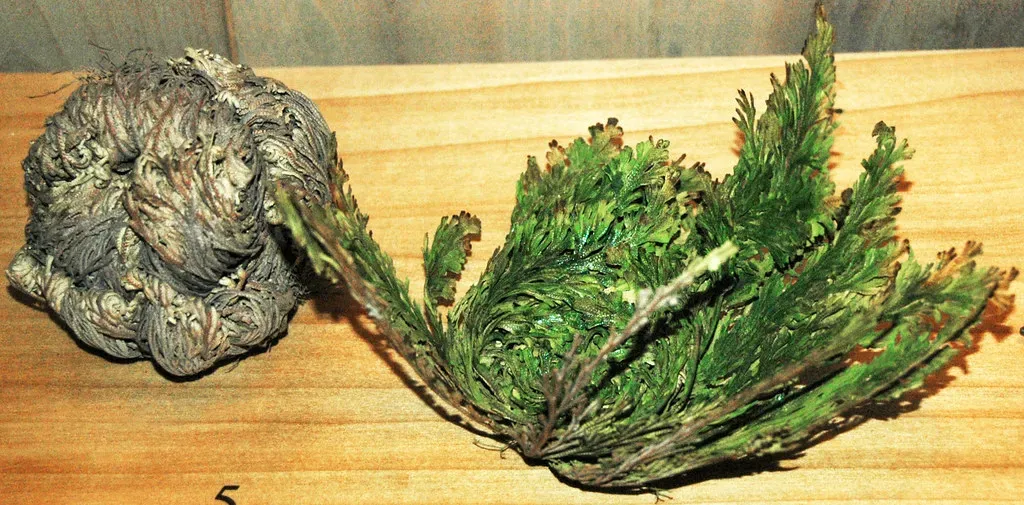
Resurrection plants, such as Selaginella lepidophylla, look like dry, brittle balls of plant skeletons when conditions are harsh. In deserts, they can curl up, turn brown, and appear completely dead for long stretches of time. Then, when rain finally arrives, they uncurl, turn green again, and resume photosynthesis as if someone hit a hidden restart button. It’s the closest thing in the plant world to watching a time‑lapse of death reversing itself.
This remarkable trick is possible because their cells are packed with special sugars and protective molecules that stabilize structures when water disappears. Instead of bursting or collapsing under dehydration, the cells enter a kind of suspended state. Once water returns, the biochemical machinery spins back up. This kind of extreme resilience has inspired research into how we might protect crops from drought or preserve biological samples more effectively. There’s something deeply comforting in the idea of a life form that can dry out, wait as long as it takes, and then quietly come back.
9. Sundews: Sticky Traps With Slow‑Motion Tentacles
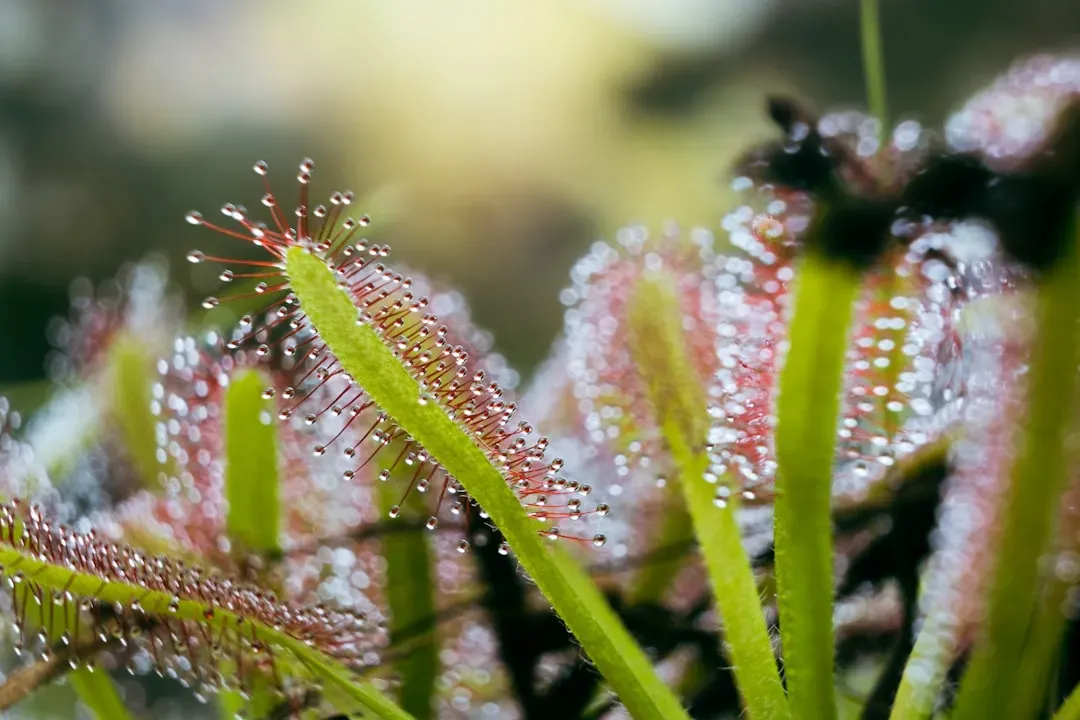
Sundews are carnivorous plants that look delicate and glittery at first glance. Their leaves are covered in tiny glandular hairs tipped with droplets of sticky mucilage that sparkle in the light, almost like dew or sugar. To an unsuspecting insect, that shine looks like a free drink or a bit of nectar, but once it lands, it finds itself glued in place. The more it struggles, the more it becomes coated in the plant’s adhesive secretion.
What turns this from simple flypaper into science fiction is the movement. Nearby tentacles bend and curl toward the struggling prey, slowly wrapping it in a sticky embrace and pressing the insect against the leaf surface. Then, digestive enzymes begin breaking down the insect to release nitrogen and other nutrients the plant can’t easily get from its environment. Watching a time‑lapse of a sundew feeding feels oddly predatory, as if you’re witnessing a tiny, patient monster carrying out its ambush in eerie slow motion.
10. Strangler Fig: The Tree That Grows From the Top Down and Chokes Its Host
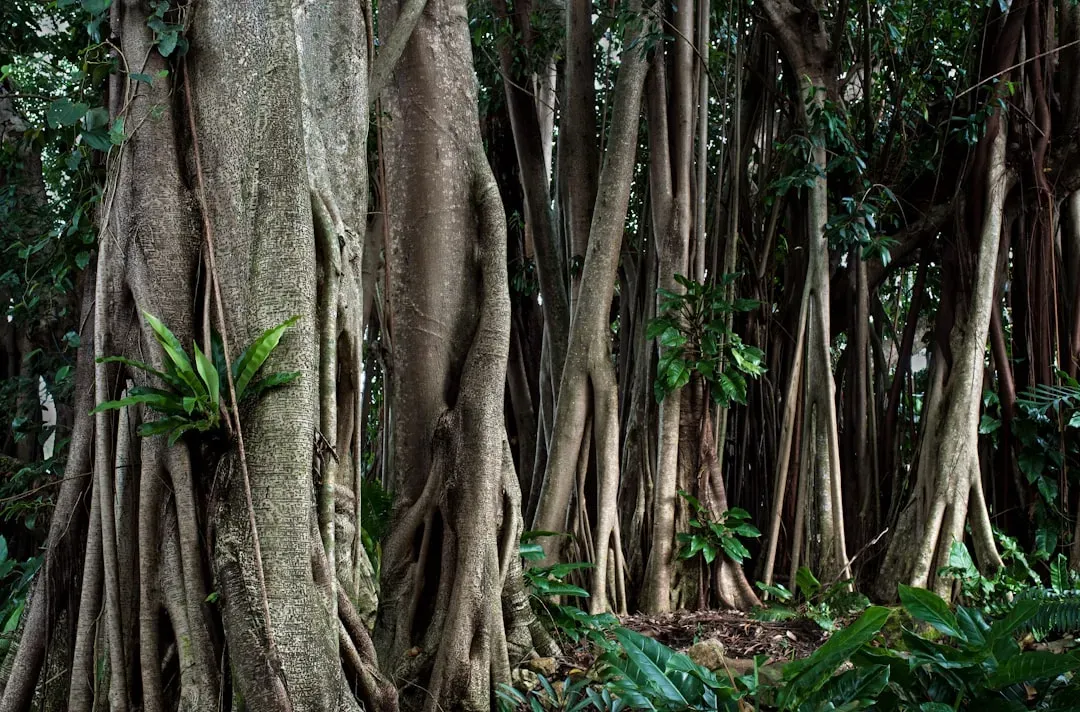
Strangler figs flip the normal tree story completely upside down. Instead of sprouting from the soil and growing up, they often begin life when their seeds land high in the branches of another tree, carried there by birds. The seed germinates on the host, sending roots downward until they reach the ground, while shoots grow upward into the canopy. Over time, those roots thicken and fuse, forming a lattice around the host trunk that looks almost like a cage made of living wood.
As the fig grows stronger, it competes fiercely for light and resources, often outcompeting and eventually killing the original host tree. When the host decays away, what’s left can be a hollow, self‑supporting column of fig roots and branches where another tree once stood. It’s an almost unsettling image: a plant that starts as a guest and ends as a quiet conqueror, wearing the shape of its victim. Standing inside one of these old hollow fig structures in the tropics feels a bit like stepping into the aftermath of a very slow, very patient takeover.
Conclusion: A Strange, Quiet Intelligence in Green
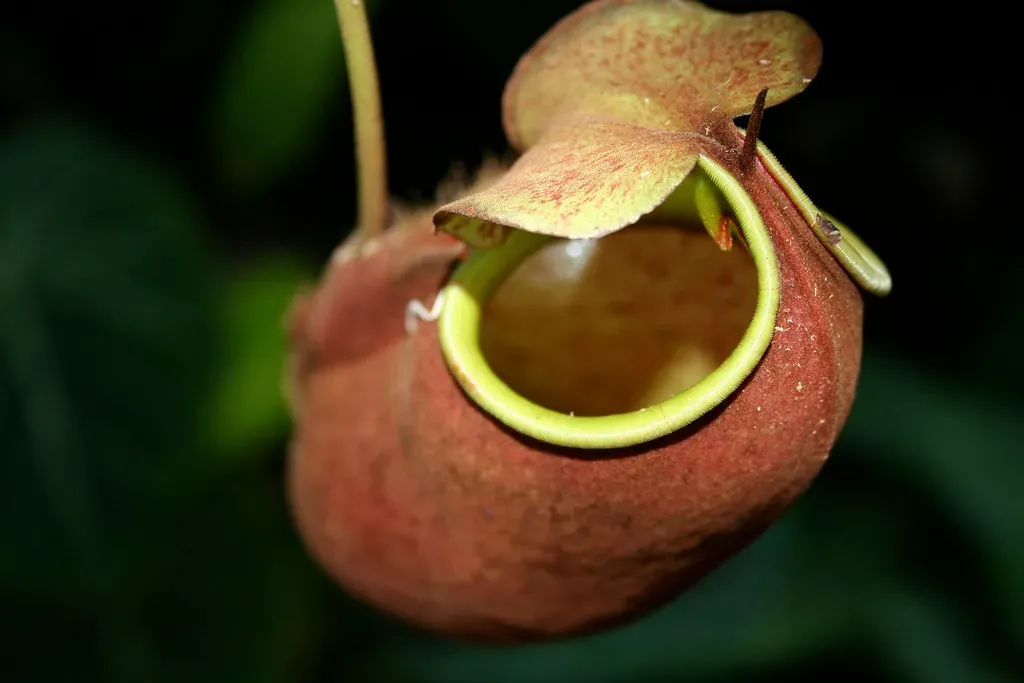
The more you learn about plants like these, the harder it is to see them as background scenery. They trap, count, move, smell, mimic, wait, explode, and bend other life to their will, all without muscles, nerves, or a single step taken. Their abilities seem strange only because they challenge our picture of what intelligence and survival strategies are supposed to look like.
In a way, these plants are reminders that life doesn’t just adapt in obvious, flashy ways; it also builds slow, silent superpowers into roots, leaves, and seeds. They were mastering chemical warfare, remote sensing, extreme survival, and mechanical tricks long before humans ever imagined such things in stories. Which of these green oddities surprises you the most?