Some animals treat the places we’d consider unlivable as home. Scalding hot deserts, pitch‑black ocean trenches, frozen Arctic tundra, even radioactive wastelands – wherever conditions look impossible, something with fur, scales, wings, or a thousand tiny legs has quietly figured it out. The more scientists look, the more it feels like nature has a cheat code for survival.
When I first read about a tiny creature that can survive the vacuum of space, I honestly thought it was science fiction. It wasn’t. And that’s the wild part: these are not movie monsters or fantasy beasts, they’re very real, often very small, and they’re rewriting what we think life can handle. Let’s dive into eight of the most incredible strategies animals use to thrive where, by all logic, they shouldn’t.
1. Tardigrades: The Tiny Tanks That Cheat Death
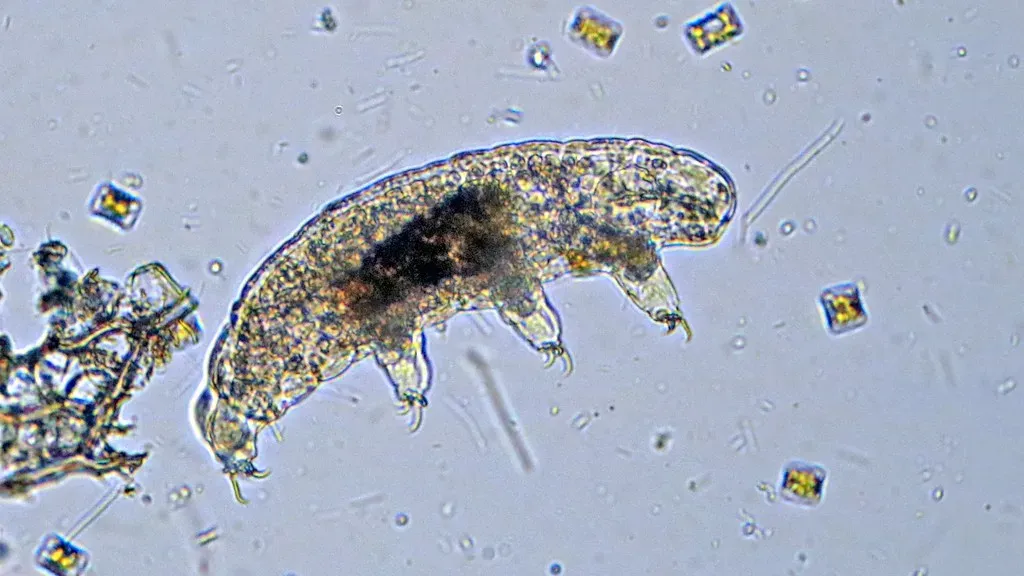
Tardigrades, often called water bears, are microscopic animals that look like squishy, eight‑legged gummy bears under a microscope. They’ve survived lab tests involving boiling heat, near‑absolute zero cold, crushing pressure, and even the vacuum and radiation of outer space. Instead of fighting the environment with brute force, tardigrades use a survival trick that’s more like pressing a pause button on life itself.
When conditions become deadly, they curl into a dried‑out ball called a tun, shutting down almost all activity and locking their DNA in protective armor. In this state, they can survive for years with no water and then spring back to life when moisture returns, like a resurrected raisin. To me, they’re proof that survival doesn’t always mean staying strong in the moment; sometimes it means knowing when to shut everything off and wait. Compared to them, our idea of “toughing it out” looks pretty fragile.
2. Camels: Masters of Heat, Thirst, and Desert Life
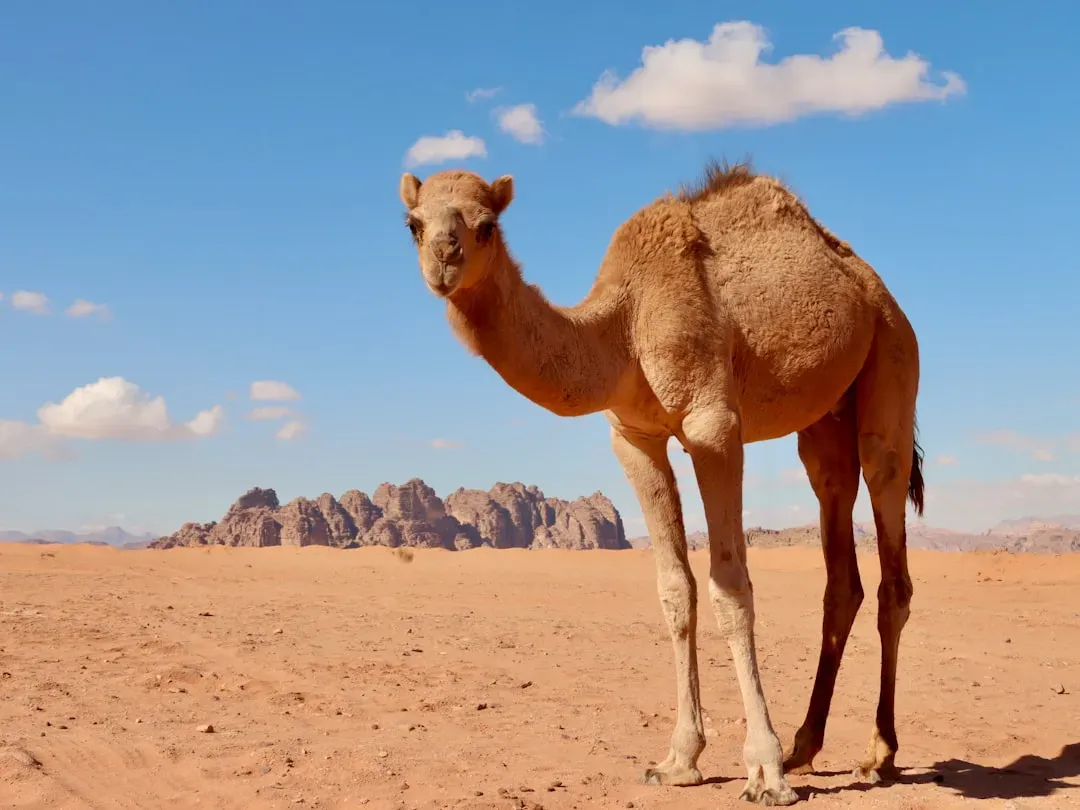
Camels are so tied to desert life that we forget how bizarre their bodies really are. They can lose a huge portion of their body water without collapsing, while humans start failing after losing just a small fraction of ours. Their blood cells are oddly shaped and flexible, helping them keep blood flowing even when dehydration would turn most animals into heat‑stressed wrecks.
Instead of storing water in their humps (a common myth), camels store fat there, using it as an energy reserve that keeps the rest of their body cooler. Their long eyelashes and closing nostrils act like natural sand filters, and their body temperature can swing across a wide range so they don’t need to sweat as much in brutal heat. I always think of camels as walking survival kits: every part of them is an answer to a specific desert problem. They don’t conquer the heat; they bend their biology around it.
3. Arctic Foxes: Winter Specialists Wrapped in Silent White
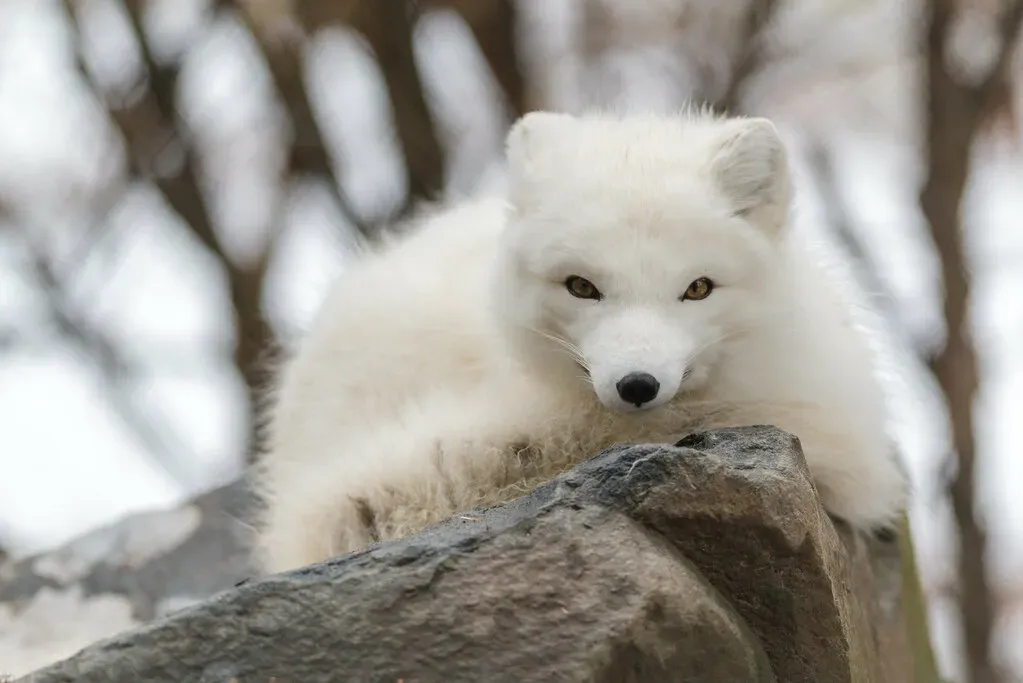
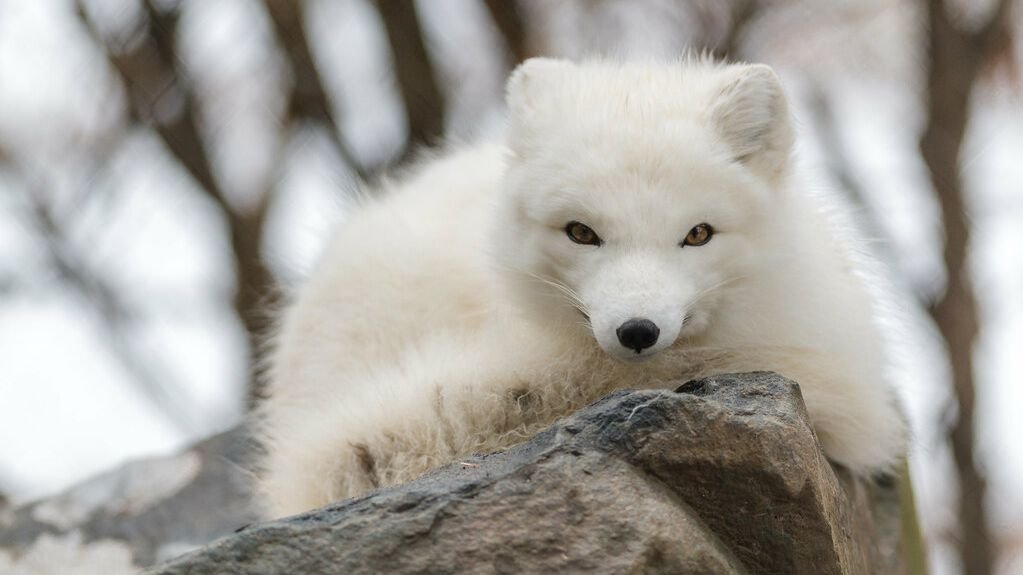
The Arctic fox lives in a world where winter can feel endless and temperatures drop lower than most home freezers. Instead of fleeing the cold, it turns into a compact, heat‑saving machine. Its body is small and rounded, with short ears and a fluffy tail that reduce heat loss, like nature’s version of curling up under a thick blanket.
Its fur is among the warmest of any mammal, trapping air so efficiently that snow can land on its back without melting. In winter, that coat turns pure white, doubling as camouflage against predators and prey in the snow‑covered landscape. When food is scarce, Arctic foxes stash leftovers deep in the ground, turning the frozen earth into a kind of natural pantry. Watching how they move through blizzards, blending in like ghosts, it feels less like they endure the Arctic and more like they belong to it in a way we never could.
4. Deep-Sea Anglerfish: Living Lanterns in Eternal Darkness
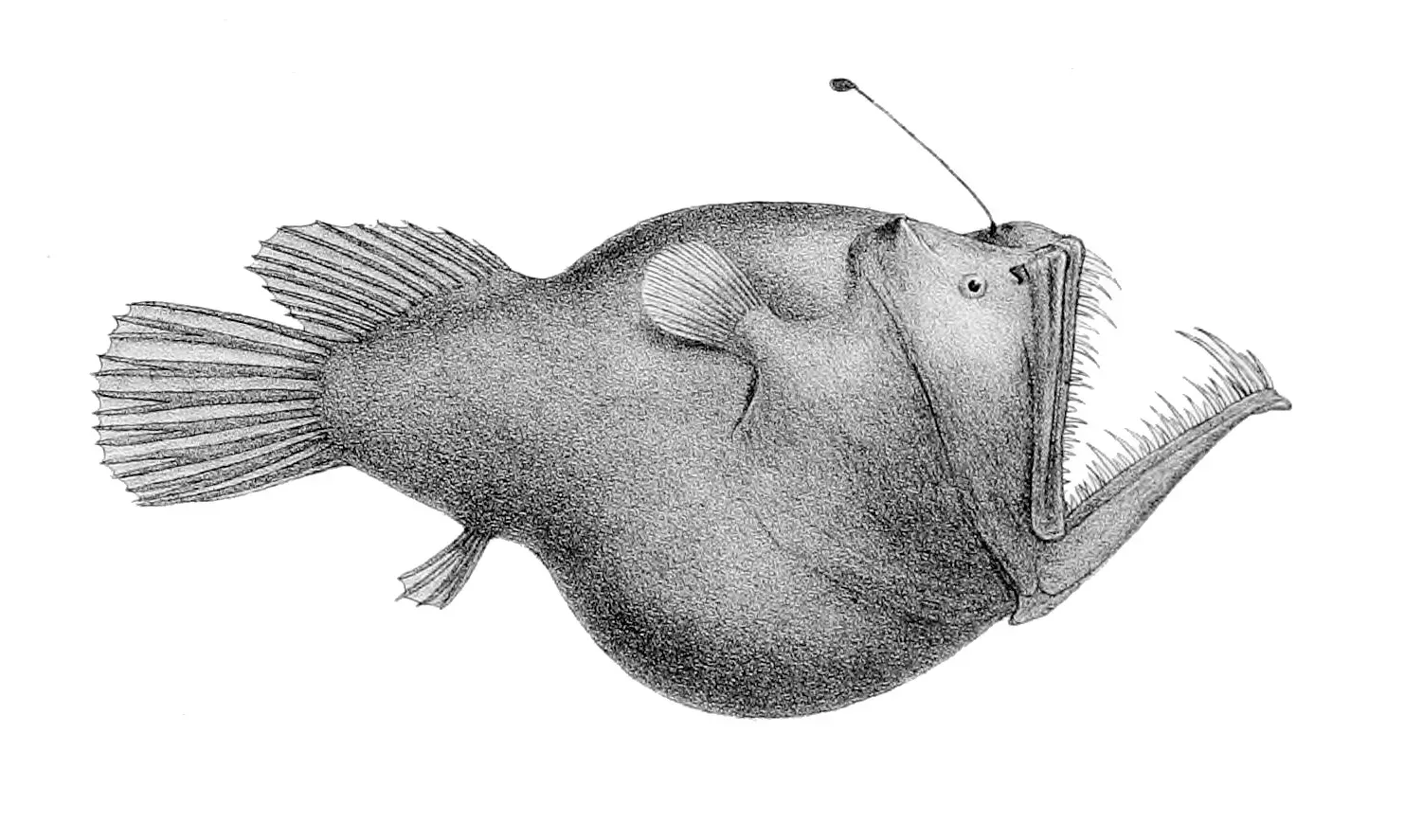
The deep sea is one of the harshest environments on Earth: crushing pressure, icy temperatures, and almost total darkness. Yet anglerfish not only live there, they turn that darkness into a hunting advantage. The famous glowing lure on their heads is powered by bioluminescent bacteria, working like a tiny living lantern in the black water.
Prey animals, drawn to the faint light in an otherwise empty void, swim close enough for the anglerfish’s oversized jaws to snap shut. Some deep‑sea anglerfish also show one of the strangest reproductive strategies known: in several species, much smaller males permanently fuse with females, sharing her bloodstream. It’s like a built‑in mate for life in a place where meeting another of your kind might be incredibly rare. Down there, every adaptation is about making sure that rare moment of opportunity – for food or for mating – never goes to waste.
5. Polar Bears: Walking Fortresses of Fat and Fur
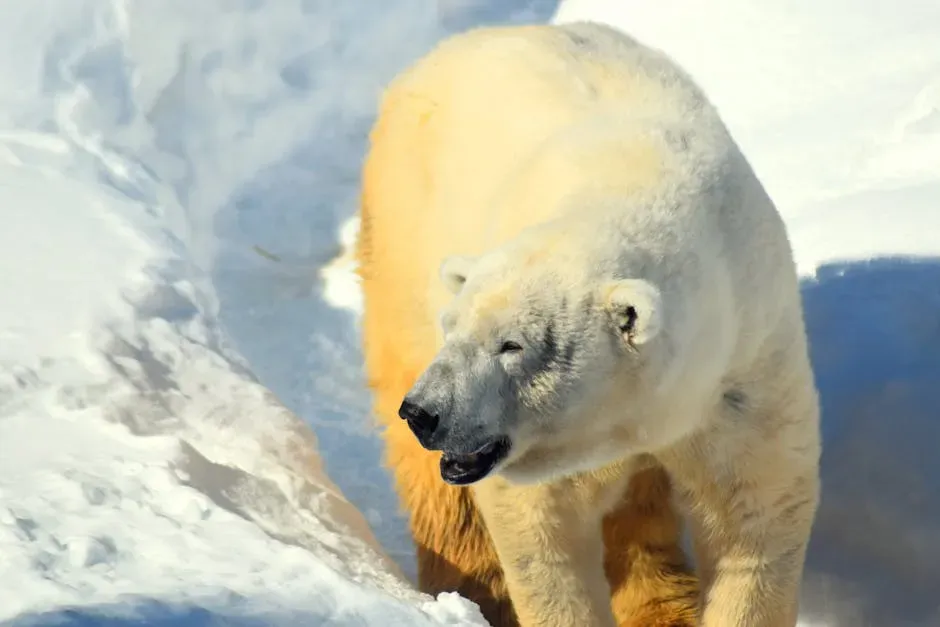
Polar bears roam one of the coldest, most unforgiving environments on the planet, yet they manage to stay warm even while swimming long distances in icy water. Their skin is actually dark beneath their fur, helping them absorb what little sunlight reaches their bodies. A thick layer of fat beneath the skin acts like an insulating wetsuit, trapping heat and giving them the buoyancy they need on sea ice and in frigid seas.
Their fur may look white, but the individual hairs are hollow and translucent, scattering light and blending perfectly with snow and ice. That camouflage makes them silent ghosts on the frozen ocean, able to stalk seals that surface to breathe. They rely on sea ice as a hunting platform, so shrinking ice in recent years is not just an environmental issue, it’s an immediate survival problem for them. When I see footage of a lone polar bear drifting across broken ice, it feels less like a symbol and more like a very real reminder that adaptation has limits.
6. Kangaroo Rats: Desert Survivors That Drink Almost No Water
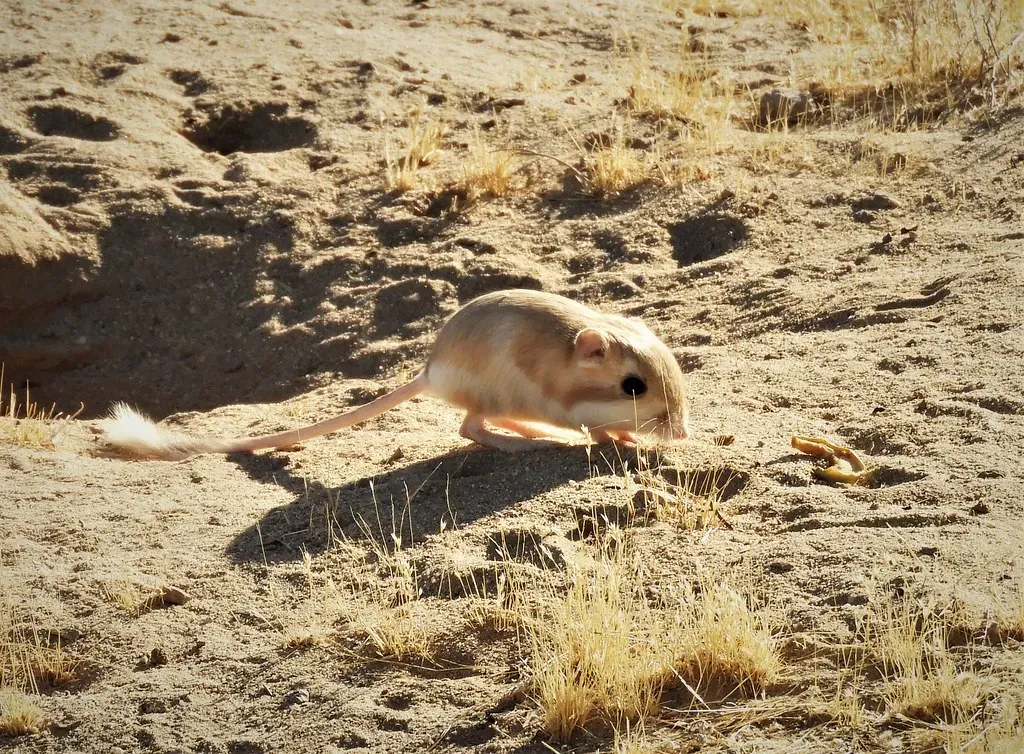
Kangaroo rats live in some of the driest parts of North America, where rain is rare and standing water can be almost nonexistent. Yet they manage to survive without drinking free water, getting nearly all the moisture they need from the seeds they eat. Inside their bodies, their kidneys are so efficient that they produce incredibly concentrated urine, wasting almost no water.
They also lose very little moisture when they breathe, thanks to special nasal passages that cool exhaled air and trap water before it escapes. Their lifestyle matches this extreme efficiency: they’re mostly active at night, avoiding the daytime heat, and they dig burrows that stay cooler and slightly more humid underground. Watching how much engineering goes into our own water systems, it’s wild to think this tiny desert rodent has a built‑in solution that keeps it going without a single sip from a pond or stream.
7. Wood Frogs: Animals That Literally Freeze and Thaw
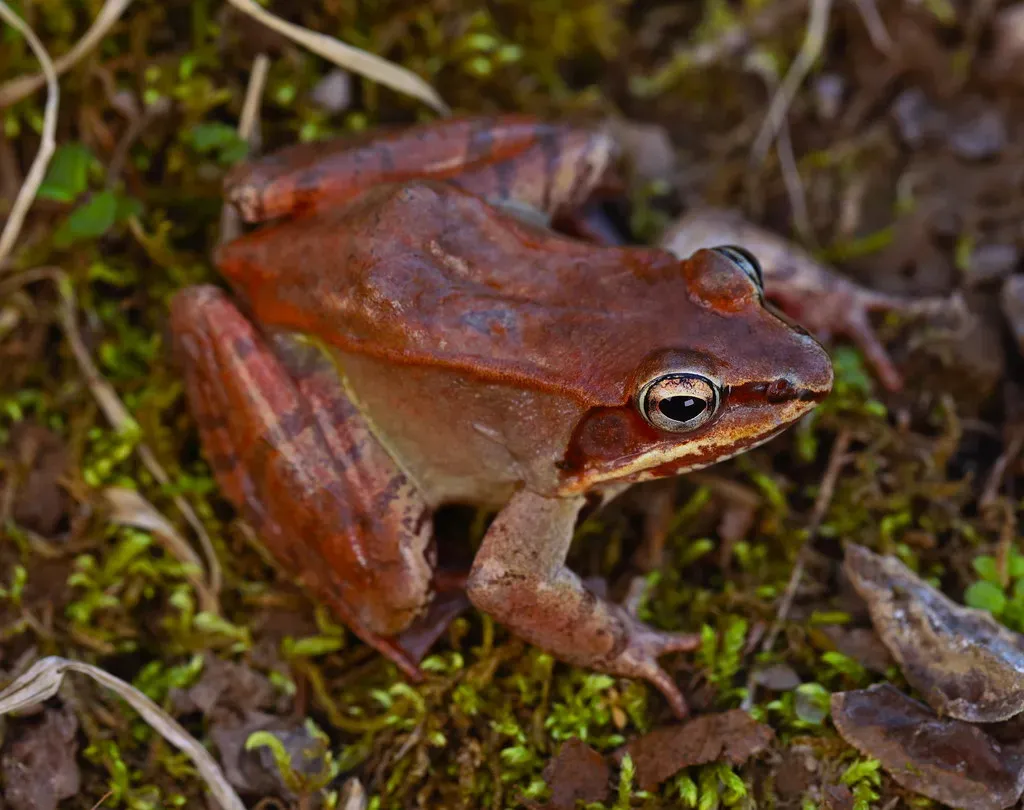
The wood frog takes a strategy that sounds more like magic than biology: it survives winter by freezing solid. When the temperature drops, ice forms in its body cavities and even within some tissues, while its heart stops beating for long stretches. Instead of dying, it uses natural antifreeze compounds like glucose to protect its cells from damage, keeping just enough structure intact to reboot in spring.
When warmer weather returns, the frog thaws out, its heart starts beating again, and it hops away as if nothing unusual happened. This freeze‑and‑thaw cycle can happen repeatedly across winters, turning what would be a death sentence for most creatures into a seasonal pause. To me, wood frogs are like living test cases for suspended animation – something humans only dream about in science fiction. They make the idea of putting life on hold and picking it back up again feel oddly real.
8. Thermophilic Worms and Shrimp: Life at Boiling Vents
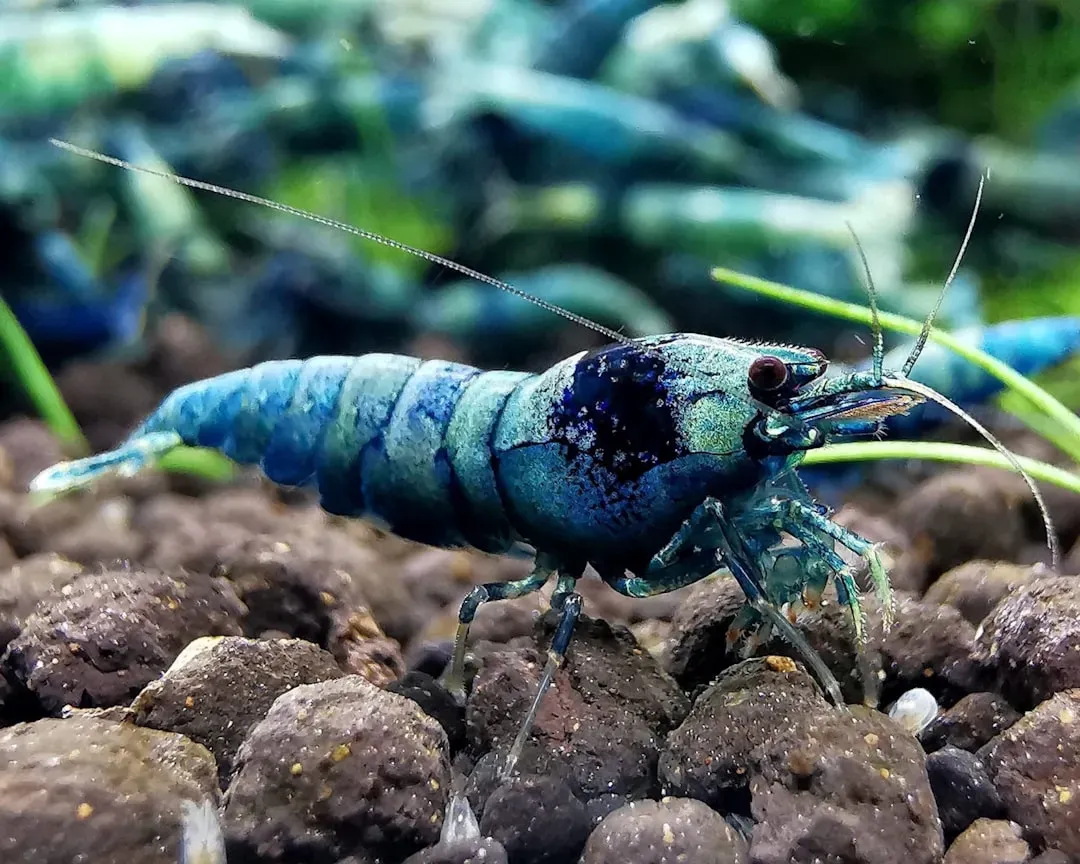
Along the deep ocean floor, hydrothermal vents spew super‑heated, mineral‑rich water into the surrounding darkness. Temperatures can swing wildly in just a few centimeters, from near freezing to hot enough to cook most animals. Yet tube worms and certain vent shrimp clusters pack tightly around these openings, using them as energy sources instead of avoiding them.
These animals often rely on internal or external bacteria that can harness chemical energy from the vent fluids, forming bizarre food chains that don’t depend on sunlight at all. Their bodies are adapted to withstand not just heat, but also high pressure and toxic chemicals that would wipe out surface species. When I first saw images of these bright white worms and ghostly shrimp crowded around black vents, it felt like looking at alien ecosystems on another planet. They’re a reminder that “extreme” is really just a matter of perspective, and life is always looking for a crack to slip through.
From frozen frogs and space‑proof micro‑animals to heat‑loving worms and desert specialists that barely drink, these adaptations stretch the boundaries of what we think is biologically possible. Every one of these creatures quietly rewrites the rules of survival, showing that life doesn’t just endure extremes – it learns to use them. Which of these survival tricks surprised you the most?