Something is disappearing right now as you read this. Quietly. Without fanfare. A species – perhaps one you’ve never heard of, or maybe one that’s graced nature documentaries since your childhood – is edging closer to a permanent silence. The United States, for all its vast and breathtaking wilderness, is not immune to this crisis. It’s actually at the epicenter of it.
From the misty coasts of the Pacific Northwest to the sun-baked wetlands of South Florida, native wildlife is under mounting pressure from every direction. The forces driving this vanishing act are tangled and relentless. Habitat loss, climate change, pollution, invasive species, and political headwinds are all colliding at once. What happens next depends largely on choices being made right now – in Congress, in courtrooms, in labs, and honestly, in your own backyard too. Let’s dive in.
The Scale of the Crisis: More Species at Risk Than You Might Think
If you thought this was a problem measured in dozens of species, prepare to be shocked. As of September 2025, there are 2,388 species listed under the ESA, with 1,682 of those species located within the United States. That’s not a minor issue. That’s a biological emergency unfolding across every ecosystem in the country, from alpine meadows to ocean trenches.
The global picture is no less alarming. As of 2025, over 41,000 critically endangered species face imminent extinction according to the IUCN Red List. A sobering 47,000 species are threatened with extinction globally, primarily due to habitat loss, climate change, wildlife trade and invasive species – around a quarter of all mammals, roughly 41 percent of amphibians, and roughly one in eight birds are at risk in what experts are calling the sixth mass extinction. That phrase deserves to sink in for a moment.
The Endangered Species Act: America’s Frontline Legal Shield
When it comes to legal protection, the United States actually has one of the most powerful tools in the world. Designed to protect critically imperiled species from extinction as a consequence of economic growth and development, the ESA was signed into law by President Richard Nixon on December 28, 1973. For more than half a century, this single piece of legislation has served as the last line of defense for thousands of species.
The results speak for themselves, at least historically. The U.S. Endangered Species Act has saved 99% of listed species from extinction. Viewed as the gold standard for conservation legislation, the ESA is one of the world’s most effective laws for preventing and reversing the decline of endangered and threatened wildlife. Yet in 2026, that track record is being tested as never before.
Habitat Loss: The Silent Destroyer of Wild America
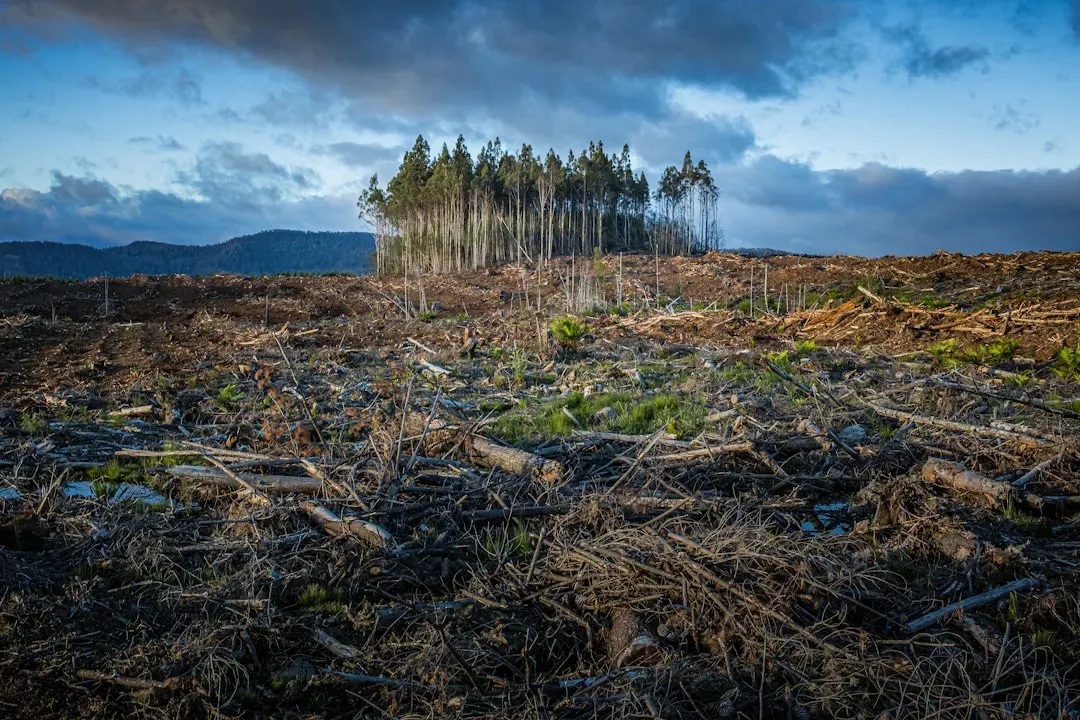
Here’s the thing about habitat destruction – it doesn’t make the evening news the way a wildfire or oil spill does. It happens field by field, acre by acre. The main driver of biodiversity loss is land conversion, mostly from forest, prairie, or wetland to agriculture – humans have already altered roughly 70% of land on Earth not covered by ice. That statistic never stops being staggering, no matter how many times you read it.
In the American West, the pace of loss is relentless. Rapid loss of wildlife habitat, exacerbated by climate change, is causing a global extinction crisis – and the West is losing nature at an alarming pace, with one football-field worth of natural lands lost to human development every 2.5 minutes. Habitat loss and fragmentation make it increasingly difficult for wildlife to maintain the migration patterns that are essential to their survival, especially for big game species, creating a serious threat to wildlife populations and increasing the risk of endangerment and even extinction.
Climate Change: The New and Growing Threat Multiplier
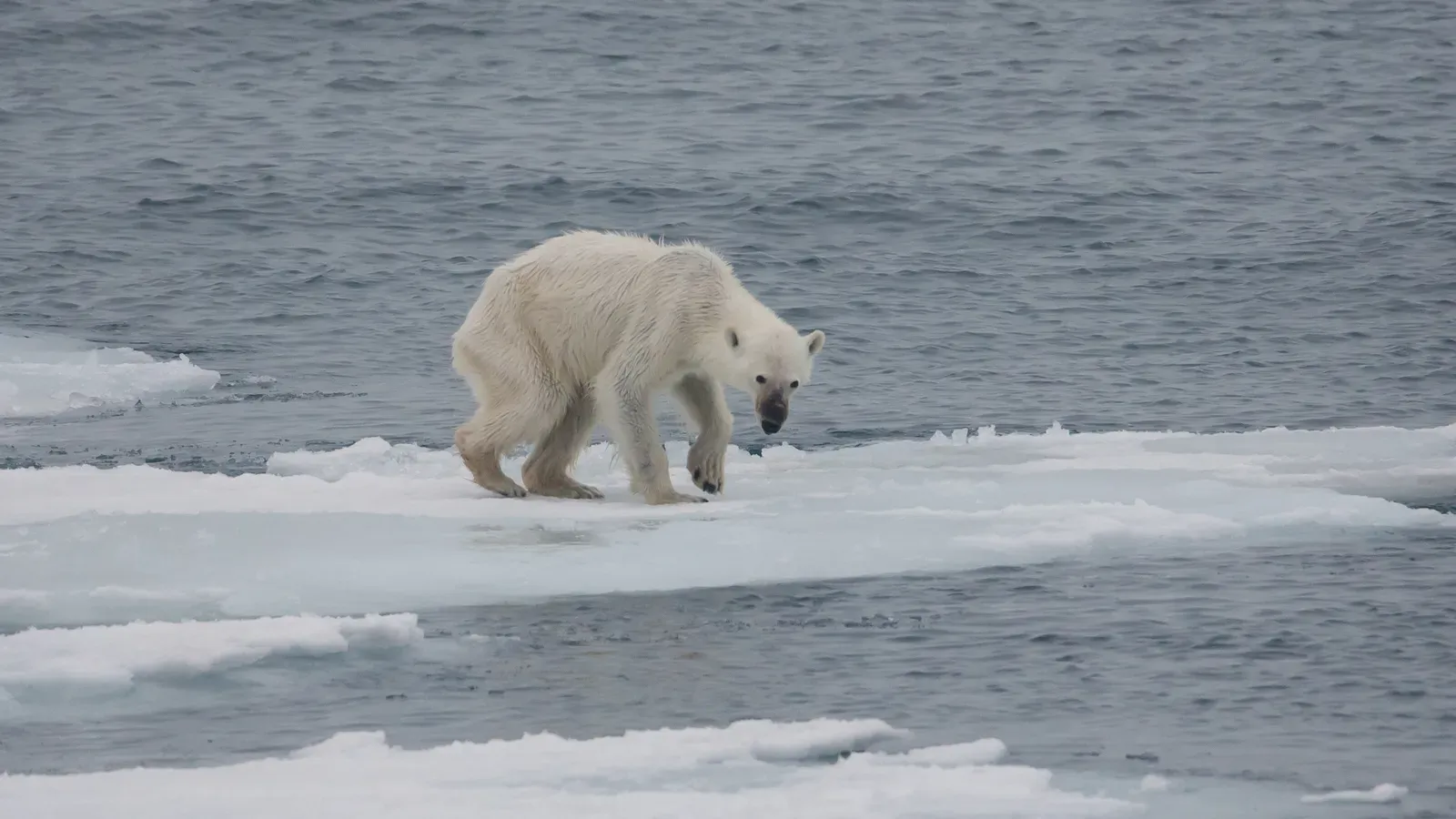
Climate change was once considered a background threat, something that would matter in the future. That future has arrived. A new first-of-its-kind analysis of more than 70,000 wild animal species found that climate change is now a serious threat to Earth’s wildlife after habitat loss and overexploitation, threatening nearly 5% of those species, with ocean invertebrates imperiled the most. Think of it like a stress amplifier – every other threat to a species becomes worse when the climate is destabilizing simultaneously.
Climate change currently affects close to 16,000 species on the IUCN Red List, increasing the likelihood of their extinction, and that number is expected to grow further unless we change our approach to climate change and wildlife protection. At just 2 degrees Celsius of warming, roughly one in twelve mammals will lose half their habitat, and 99% of coral reefs will vanish. For wildlife already clinging to survival, this is nothing short of catastrophic.
Species in the Spotlight: America’s Most Critically Endangered Animals
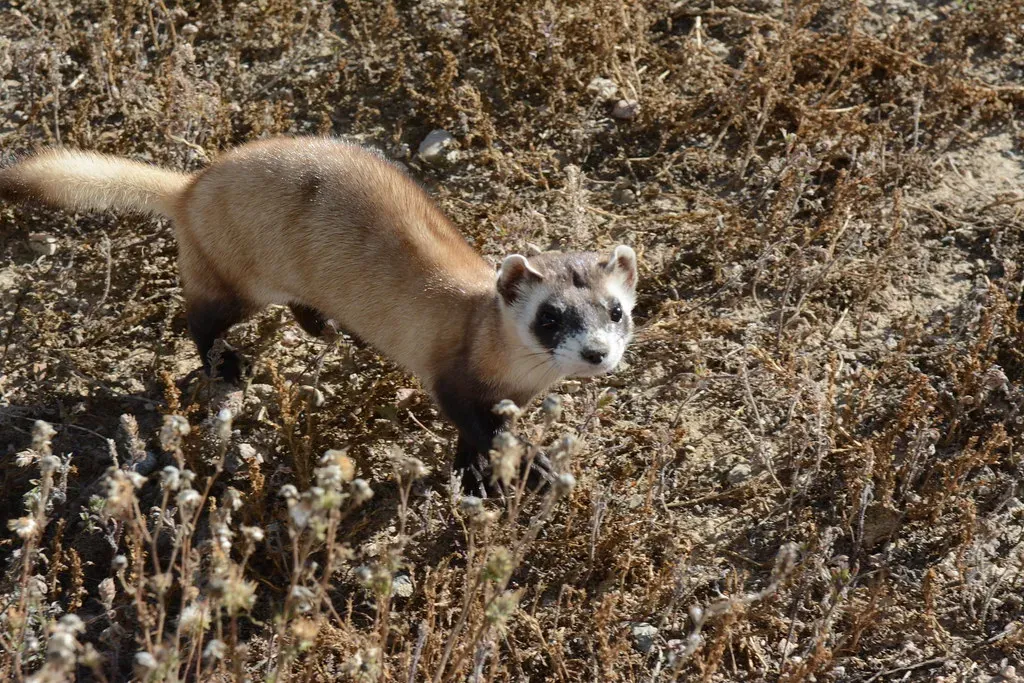
This tag does not indicate the copyright status of the attached work. A normal copyright tag is still required. See Commons:Licensing.See Category:Images from the United States Fish and Wildlife Service., Public domain)
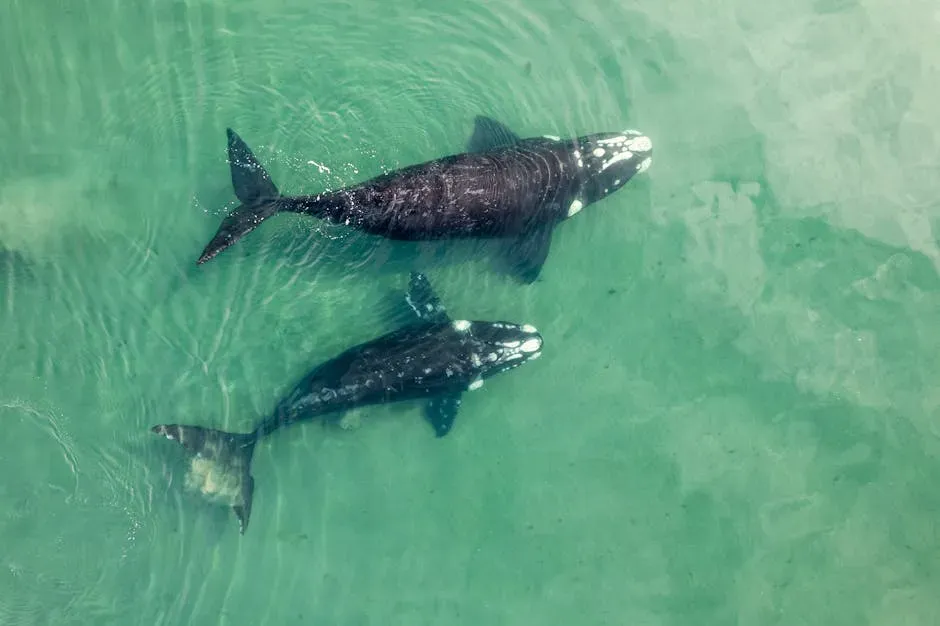
Some of the numbers attached to individual species are heartbreaking. The North Atlantic right whale represents one of the most critically endangered large mammals, with only 340 individuals remaining as of 2025, making it particularly significant among endangered species in North America. Ship strikes and fishing gear entanglement cause the majority of deaths, while climate change forces these whales into new feeding areas with increased human activity. Imagine an entire species that could fit inside a single stadium.
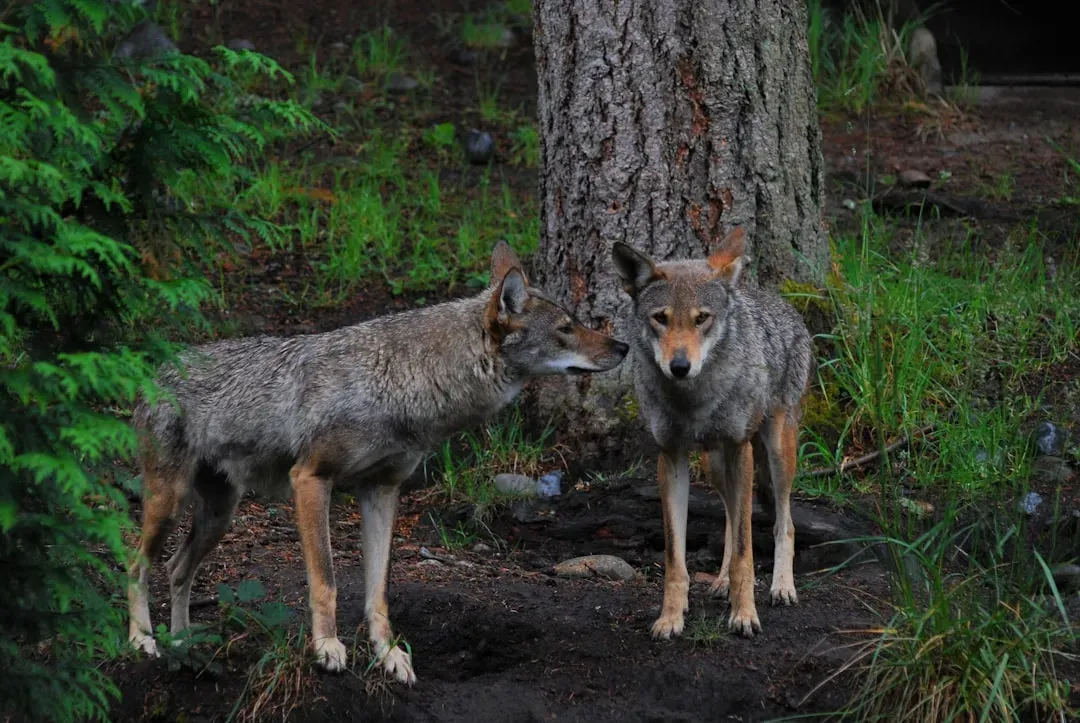
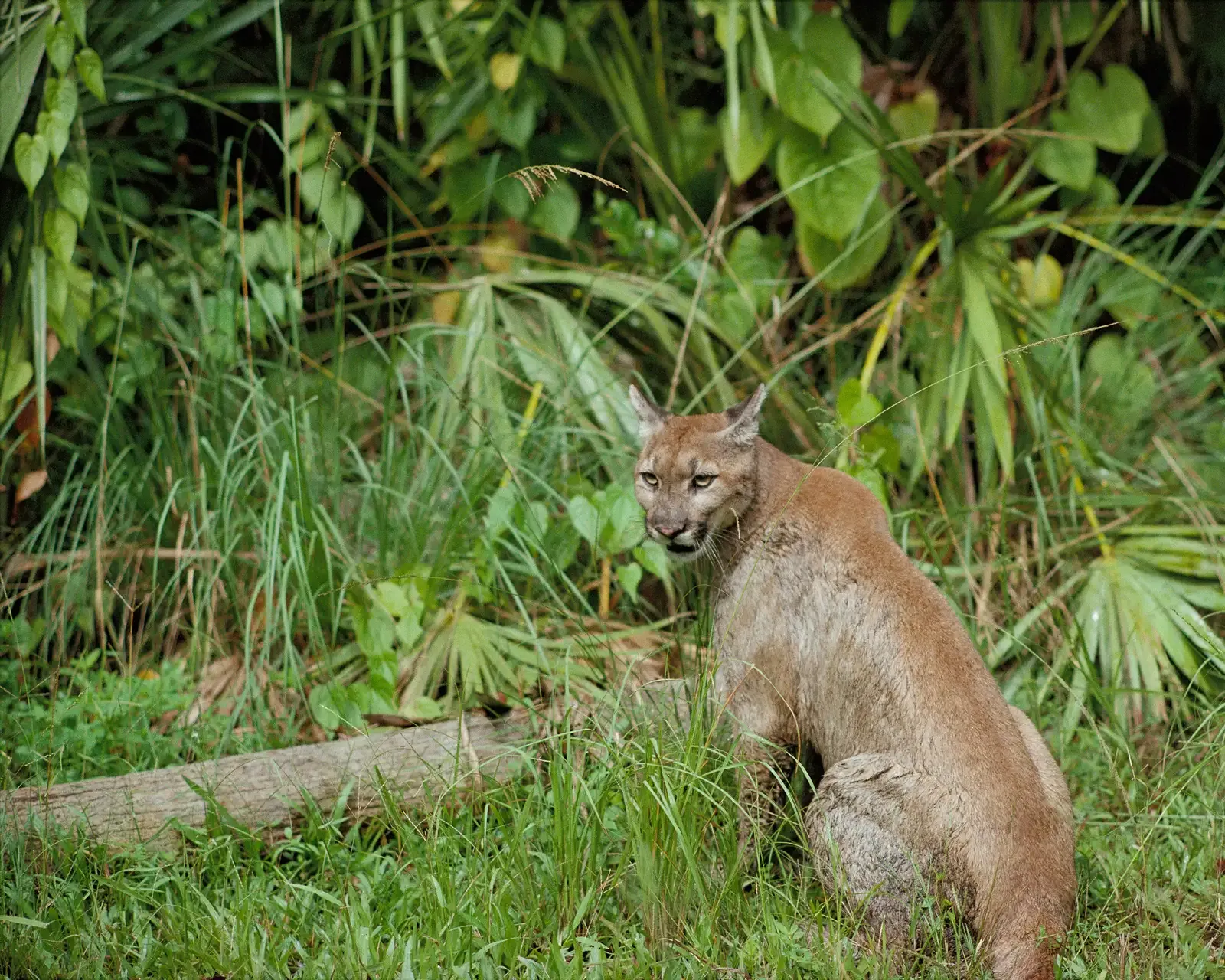
Domestically, the Florida panther represents one of America’s most endangered large mammals, with approximately 200 adults in the wild, all confined to South Florida ecosystems. Meanwhile, the Mexican wolf population stands at around 250 individuals in the wild across the southwestern United States. These aren’t abstract numbers. These are real animals hanging on by threads – and the threads are fraying.
Political Battles: When Conservation Becomes a Partisan Issue
Honestly, the political dimension of this fight is exhausting to watch. Despite half a century of protecting, conserving, and recovering wildlife from the brink of extinction, the ESA is under attack by the Trump Administration and Republican members of Congress. Since January 2025, the 119th Congress has introduced 32 bills that aim to weaken the Endangered Species Act. Thirty-two bills. In a single Congress.
From delisting vulnerable animals such as grizzly bears and gray wolves to rolling back habitat protections, opening land to fossil fuel extraction, and allowing harmful substances on protected lands, these bills are harmful to animals, the environment, and people alike. Proposed cuts within the 2026 House Appropriations bills will defund programs that help migratory birds and other wildlife. Conservation without funding is just a nice idea on paper.
Remarkable Comebacks: Proof That Conservation Works
Let’s be real – it’s easy to get buried in grim statistics and forget that conservation actually works when it’s given the chance. Under the protection of the ESA, the California condor, grizzly bear, Okaloosa darter, whooping crane, and black-footed ferret have all been brought back from the brink of extinction. These aren’t small wins. These are biological miracles achieved through decades of determined effort.
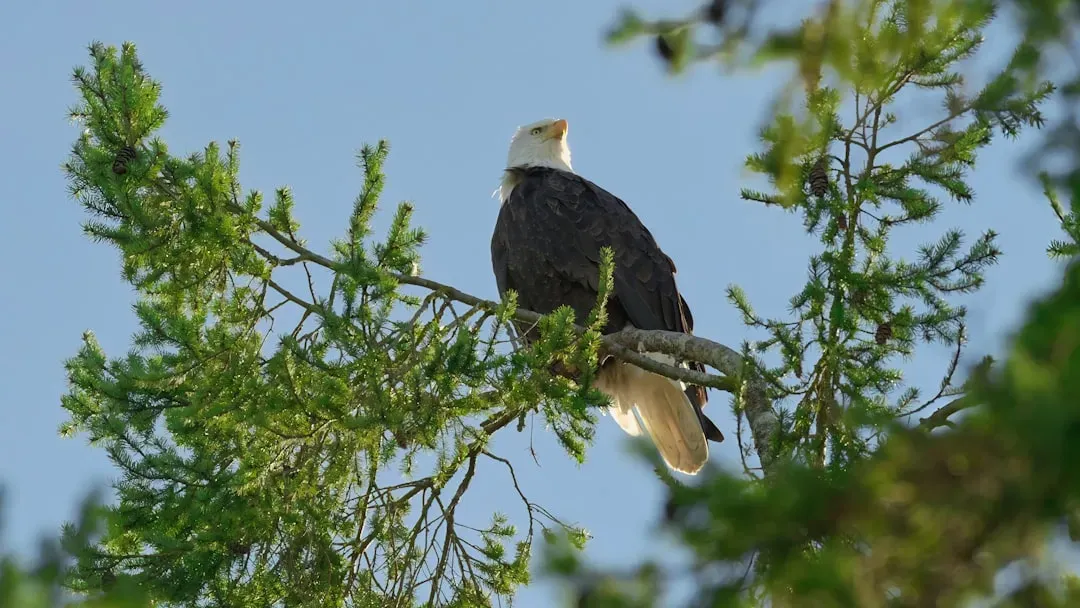
The bald eagle story is probably the most iconic. In the mid-1900s, our national symbol was in danger of extinction throughout most of its range due to habitat destruction, illegal shooting, and the pesticide DDT – but habitat protection afforded by the ESA, the federal banning of DDT, and conservation actions by the American public helped bald eagles make a remarkable recovery, and they were removed from the list of endangered species in 2007. Bald eagle populations in the contiguous US have since increased to more than 10,000 breeding pairs. That is extraordinary.
The Whooping Crane’s Long Road Back
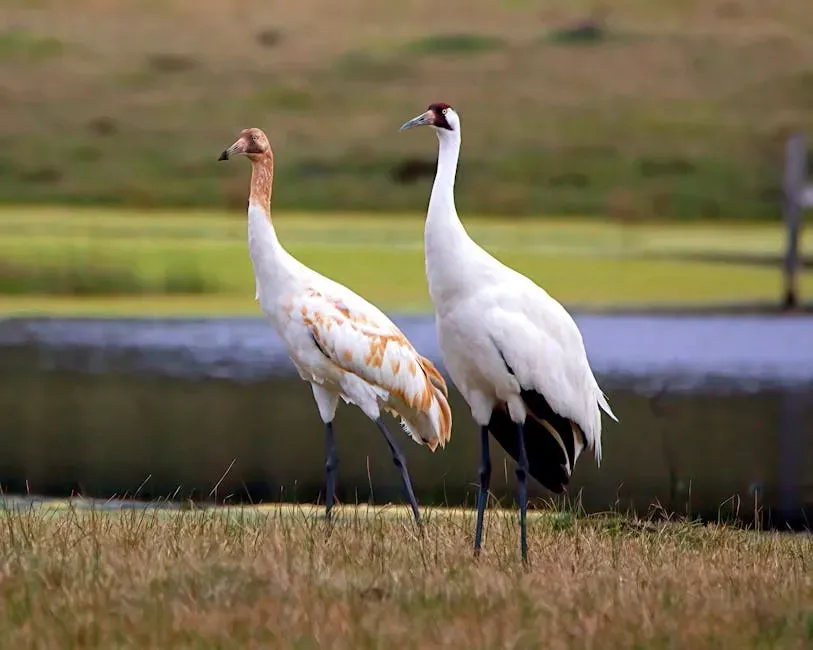
If you want a story that captures both the fragility and the resilience of America’s endangered wildlife, the whooping crane is it. These are the tallest birds in North America, and at one point their population had crashed to fewer than two dozen individuals in the wild. The primary reasons for their decline were habitat loss and past rampant, unregulated hunting – whooping cranes live in wetlands, and over time, wetlands across North America have been drained for agriculture and damaged through development, oil and gas exploration, and the construction of intercoastal waterways.
After 50 years of federal protection and decades of habitat conservation, it is estimated that more than 500 whooping cranes exist in the wild today – and while they remain listed as endangered, the recovery from the brink of extinction is significant and one of the ESA’s most notable success stories. The collaborative efforts and effective engagement of various partners – government agencies, Tribes, states, the private sector, NGOs, and international governments – has been crucial to the recovery of this species. It took an entire network of human care to keep this single bird alive. That’s humbling.
The Cost of Saving Wild Species – and Who’s Paying It
Here’s a perspective that often gets lost in the conservation debate: saving endangered species is actually remarkably affordable in the grand scheme of global finance. Financial analysis estimates that bringing critically endangered species back from the brink of extinction would cost between 1 billion and 2 billion dollars annually – a small fraction of global economic activity and less than 2% of the net worth of billionaires like Elon Musk, Jeff Bezos, or Mark Zuckerberg. Think about that. The cost of saving thousands of species is something a handful of individuals could finance from their personal wealth alone.
Yet funding cuts remain a persistent threat. The Endangered Species Act requires the protection of habitat that species need to survive and recover, but recent politically motivated decisions have left species without adequate critical habitat – and full funding is needed to list species, implement recovery plans, and provide incentives for landowners who are doing the right thing. When you weigh the cost of action against the irreversible cost of extinction, the math is not even close.
What You Can Do: Everyday Actions That Actually Matter

It’s easy to feel powerless in the face of a crisis this large. I get it. But the encouraging truth is that individual actions, multiplied across millions of people, genuinely move the needle. You don’t need to be a scientist or dedicate your life to conservation to make a difference – simple choices about what you buy, how you live, and how you engage with the natural world all contribute to wildlife protection, and supporting conservation organizations, advocating for protective policies, and teaching others about the importance of biodiversity amplifies your impact.
You can plant native plants and put out a water source to provide the food, water, cover, and places to raise young that wildlife need to survive. At a larger scale, scaling up ecosystem restoration, creating wildlife corridors, strengthening enforcement of anti-poaching laws, and reducing unsustainable consumption – from meat and palm oil to fast fashion and disposable electronics – are all part of the equation. Every choice is a vote for the kind of world you want to leave behind.
Conclusion: The Wild Is Still Worth Fighting For
The story of America’s endangered species is not a settled one. It’s unfolding right now, in courtrooms and forests and laboratories and living rooms. Despite the scale of the present crisis, conservation efforts have seen real successes – since 1993, conservation actions have prevented the extinction of at least 15 critically endangered bird species and nine mammal species, and since 1980, 59 formerly critically endangered species have seen their conservation status improve enough to no longer qualify in this category. The proof of concept is there. We know how to do this.
What’s missing isn’t knowledge or even resources. It’s sustained political will and collective urgency. The current extinction crisis is entirely of our own making – more than a century of habitat destruction, pollution, invasive species, overharvest, climate change, and population growth have pushed nature to the brink – and addressing the extinction crisis will require leadership from the United States alongside bold, far-reaching initiatives that attack this emergency at its root. The wild is still out there. Still breathing. Still worth saving. The question now is whether enough of us care deeply enough to act while there’s still time. What do you think – is America doing enough? Share your thoughts in the comments below.