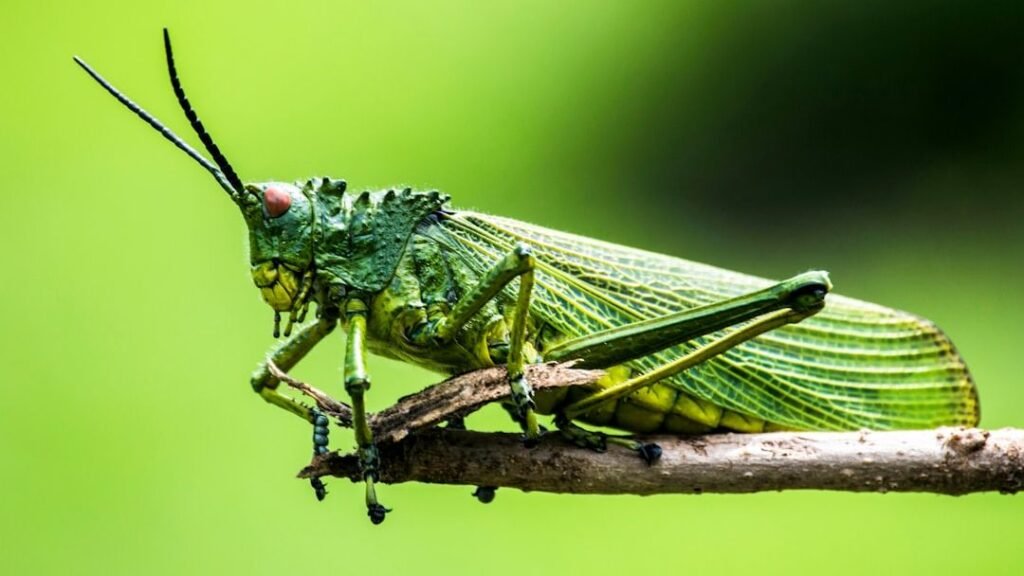
Insects are disappearing at a rate that should make every single one of us stop and pay attention. We’re not talking about a slow, gradual shift happening somewhere far away – scientists are now warning that the collapse of insect populations could fundamentally unravel the ecosystems that keep human civilization fed and functioning.
It’s easy to dismiss bugs as a nuisance, something you swat away at a summer barbecue. But here’s the thing: without insects, the food on your plate likely wouldn’t exist. Let’s dive in.
A Crisis Hiding in Plain Sight
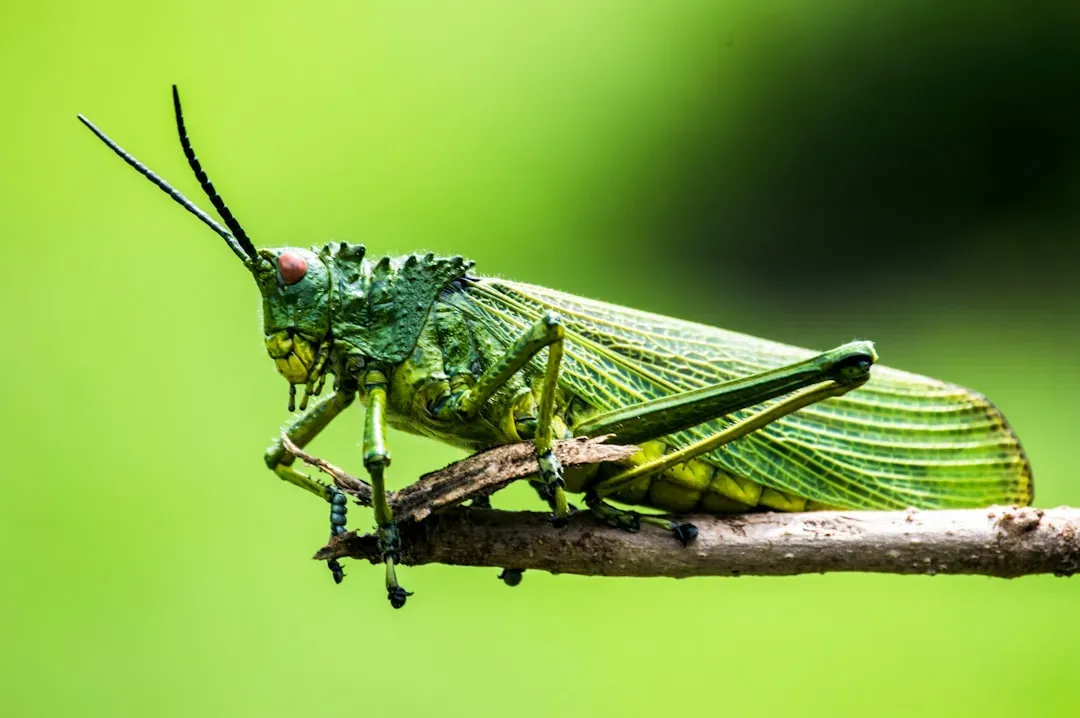
Most people have never heard of the “windshield phenomenon,” but older generations know it well. Decades ago, a long road trip meant a splattered windshield covered in insects. Today, that barely happens – and scientists say that’s a deeply troubling signal.
Research has shown that insect populations in certain regions have declined by roughly three quarters over recent decades. That’s not a small dip. That’s a near-collapse happening quietly, invisibly, while the world stays mostly distracted by other headlines.
Why Insects Matter More Than You Think
Let’s be real – most of us don’t spend a lot of time appreciating beetles or flies. Yet insects perform some of the most critical ecological work on the planet. Pollination, decomposition, soil aeration, and serving as a foundational food source for birds, fish, and mammals – insects are doing the heavy lifting behind the scenes.
About three quarters of the world’s flowering plants, including the majority of crops humans eat, depend on animal pollinators. The vast majority of that pollination is carried out by insects. Remove them from the equation and the ripple effects across agriculture would be catastrophic – think cascading crop failures, not just a bad harvest season.
The Culprits Behind the Collapse
Honestly, the list of causes is almost overwhelming. Habitat destruction, industrial agriculture, pesticide use, light pollution, invasive species, and climate change are all combining into one relentless pressure on insect populations worldwide. It’s not one villain – it’s a whole cast of them acting simultaneously.
Pesticides deserve special mention here. Neonicotinoids, a widely used class of insecticides, have been strongly linked to devastating declines in bee populations. These chemicals don’t just target pest insects – they contaminate soil and water, affecting species far beyond the intended targets. The damage spreads wider and deeper than most agricultural labels ever acknowledge.
The Food Supply Threat Is Already Real
Here’s where it gets genuinely alarming. Insect decline doesn’t just threaten wildflowers and forest ecosystems. It directly threatens the human food supply in ways that are both immediate and long-term. Crops like almonds, blueberries, avocados, and countless vegetables depend overwhelmingly on insect pollination.
Some farming regions are already experiencing the consequences. In parts of China, for example, fruit farmers have had to hand-pollinate apple and pear trees using small paintbrushes – because the wild insect pollinators that once did this work for free have largely vanished. I think that image alone – humans manually doing a bee’s job – says everything about where we’re headed if nothing changes.
Which Insects Are Most at Risk
While the crisis touches countless species, certain groups are in the most severe trouble. Wild bee species, beetles, moths, butterflies, and aquatic insects like mayflies and stoneflies are among those showing the steepest declines. These aren’t obscure creatures – many of them interact directly with the plants and animals that humans rely on.
Aquatic insects are particularly vulnerable because they depend on clean, healthy freshwater ecosystems, which have themselves been dramatically degraded through pollution and water extraction. Losing aquatic insects doesn’t just hurt biodiversity – it collapses entire freshwater food webs, affecting fish populations that billions of people depend on as a primary protein source. The connections run deeper than most people realize.
Can We Actually Stop It in Time
This is the question scientists are wrestling with most urgently. The good news – and there is some – is that insect populations can recover when given the right conditions. Studies have shown that restoring habitat, reducing pesticide use, and protecting natural areas can lead to meaningful rebounds within surprisingly short timeframes.
The challenge is scale and political will. Individual actions like planting pollinator-friendly gardens or reducing lawn chemicals do matter, but systemic change at the level of agricultural policy, land use regulation, and chemical oversight is what would actually move the needle. It’s hard to say for sure whether governments will act fast enough, but the window for meaningful intervention is narrowing year by year.
What Needs to Happen Next
Scientists are calling for urgent, coordinated global action that treats insect conservation with the same seriousness as climate change. That means stronger pesticide regulations, large-scale habitat restoration, reduced light pollution in sensitive areas, and the integration of insect-friendly practices into mainstream farming. These aren’t radical ideas – they’re practical steps backed by solid ecological science.
There’s also a cultural shift needed. Insects have long been treated as pests, as afterthoughts, as things to be eliminated rather than protected. Changing that perception – getting the public, policymakers, and farmers to genuinely value insect life – might actually be the hardest part of this whole challenge. A world without insects isn’t science fiction. It’s a real trajectory we’re already on, and reversing it will require more urgency than most of us have been willing to feel.
Conclusion
The insect apocalypse isn’t coming – it’s already in progress. What remains uncertain is whether it ends in catastrophe or in a course correction that future generations will look back on with relief. The stakes are enormous. The evidence is clear. The question is whether we’ll treat this like the emergency it truly is.
I think the hardest part isn’t the science or even the solutions. It’s convincing people to care deeply about something they’ve been conditioned to step on. What would it take for the world to finally take insects seriously? Maybe the answer is simpler than we think: look at an empty plate and imagine what got it there.