

If you scraped your knee as a kid and then stared in disbelief a week later when the skin looked almost new, you’ve already witnessed something quietly extraordinary: your body is fixing itself, all the time, mostly without asking for your permission or attention. Even as you read this, tiny invisible repair crews are patching, rebuilding, and replacing parts of you that are worn down, damaged, or simply outdated.
We tend to think of “healing” as something that happens only after a dramatic injury or surgery, but your body doesn’t wait for big events. It’s more like a relentlessly busy construction site, with microscopic workers clocking in around the clock, repairing DNA, sealing blood vessels, fighting off invaders, and cleaning up cellular garbage. Once you start to see how many layers of repair are happening in the background, it’s hard not to feel a little awe about being alive at all.
The Hidden First Responders: How Your Body Reacts in Seconds
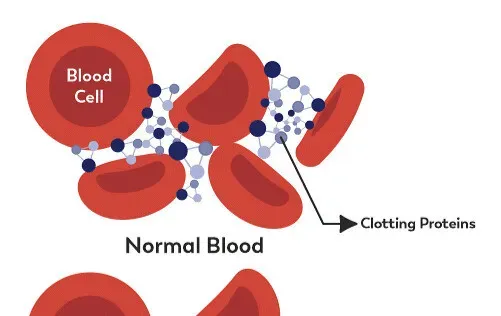
Think about the last time you cut your finger: the pain hit fast, but so did the repair process, long before you fetched a bandage. Within seconds, blood vessels in the area narrowed to slow the bleeding, and clotting factors in your blood rushed in like an emergency road crew throwing down temporary barriers. Tiny cell fragments called platelets clumped together to form a plug, while proteins in the blood knit a fibrin mesh over the site, like a biological net catching everything that tries to leak out.
Right behind that first wave comes a cascade of chemical signals that call in more help. Immune cells sense damage and move toward the site, like firefighters heading toward smoke, clearing out bacteria and debris so the real rebuilding can begin. What feels to you like “just a cut” is actually a highly coordinated, multi-step emergency operation, with timing and precision that would put most human-run systems to shame. You don’t direct any of it, yet it rarely misses a beat.
Skin: The Constantly Renewing Shield You Forget About

Your skin is technically an organ, and it behaves less like a static wall and more like a living, self-healing shield. The outer layer of your skin is made up of dead cells that are constantly flaking off, while fresh cells rise up from below to take their place in a continuous conveyor belt of renewal. Over the course of weeks, much of the outermost part of your skin is replaced, meaning the “you” on the outside is always a recent version.
When you get a scrape, that renewal process shifts into high gear. Cells at the edge of the wound start to divide and creep over the gap, like people closing ranks to fill in an empty row. New collagen fibers are laid down beneath the surface, forming a scaffold that strengthens the repaired area. This is why scars often feel tougher or different from the surrounding skin at first: your body has essentially rushed to erect emergency scaffolding, and over time it quietly remodels that structure to better match what was there before.
Blood and Bones: How Your Body Rebuilds What Seems Broken
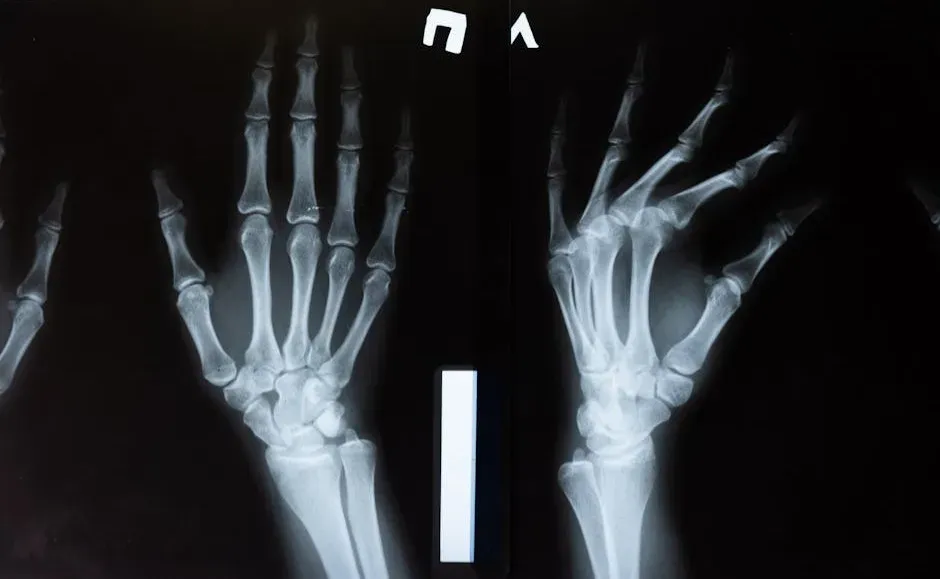
We tend to think of bones as rigid, unchanging frames, but they’re actually living tissue under constant renovation. Specialized cells called osteoclasts break down old or stressed bone, while other cells called osteoblasts build new bone in its place, like a demolition and construction crew working side by side. Even without a fracture, your skeleton is constantly being reshaped based on the forces you put on it, which is why regular movement and weight-bearing exercise matter so much.
Blood is just as dynamic. Your bone marrow is churning out new blood cells all day, every day, replacing those that are old, damaged, or used up. Red blood cells that carry oxygen live only a few months, and then the body quietly recycles their parts like a ruthless but efficient sustainability program. When you lose blood, whether from a minor cut or something more serious, your body speeds up production to refill the system, often restoring levels faster than you’d expect if you could see that whole process unfold.
Immunity: The Silent War You Rarely Notice
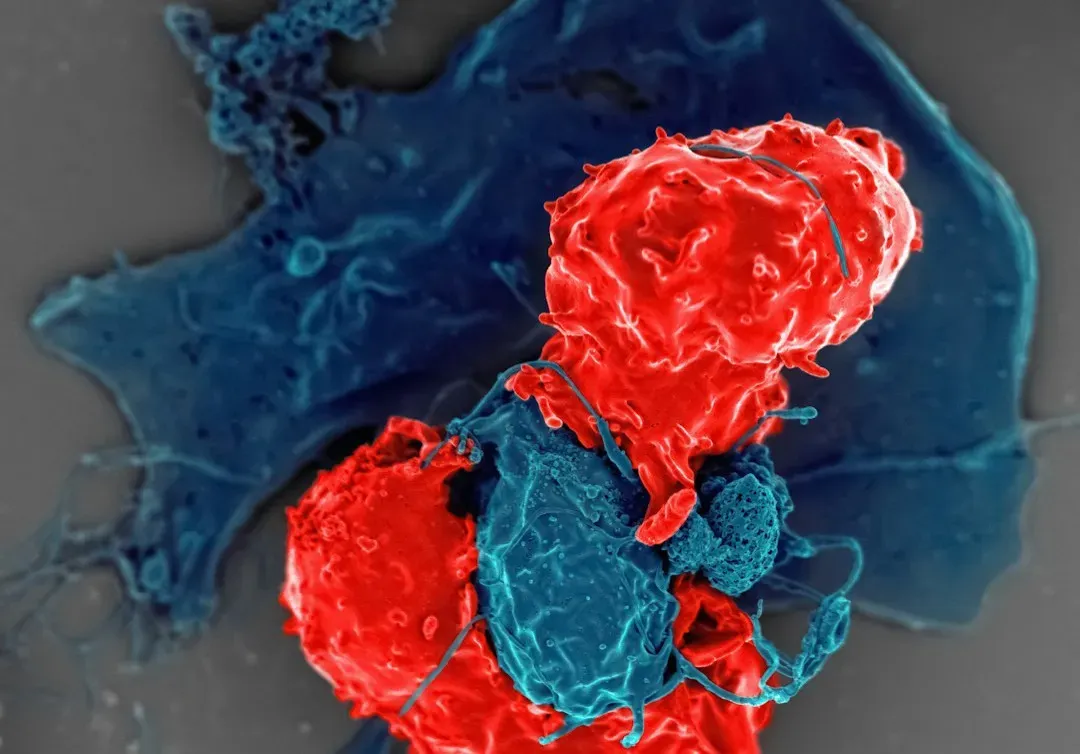
Every breath you take and every surface you touch brings you into contact with bacteria, viruses, and other potential troublemakers, yet you spend most of your life not being sick. That’s because your immune system is constantly patrolling, checking IDs, and neutralizing threats long before you feel a single symptom. Cells of the innate immune system act like bouncers at the door, responding within minutes or hours to anything that looks suspicious or out of place.
When something more serious gets through, another layer of healing kicks in: the adaptive immune system. Here, cells learn and remember what attacked you, building a kind of living database that helps your body respond faster the next time. Even after an infection is cleared, repair goes on behind the scenes to fix damaged tissue, reduce inflammation, and restore balance. What feels to you like “I got better” is really the outcome of a quiet, complex war that your body won without you ever seeing the battlefield.
Cellular Housekeeping: Repairing DNA, Proteins, and Internal Damage
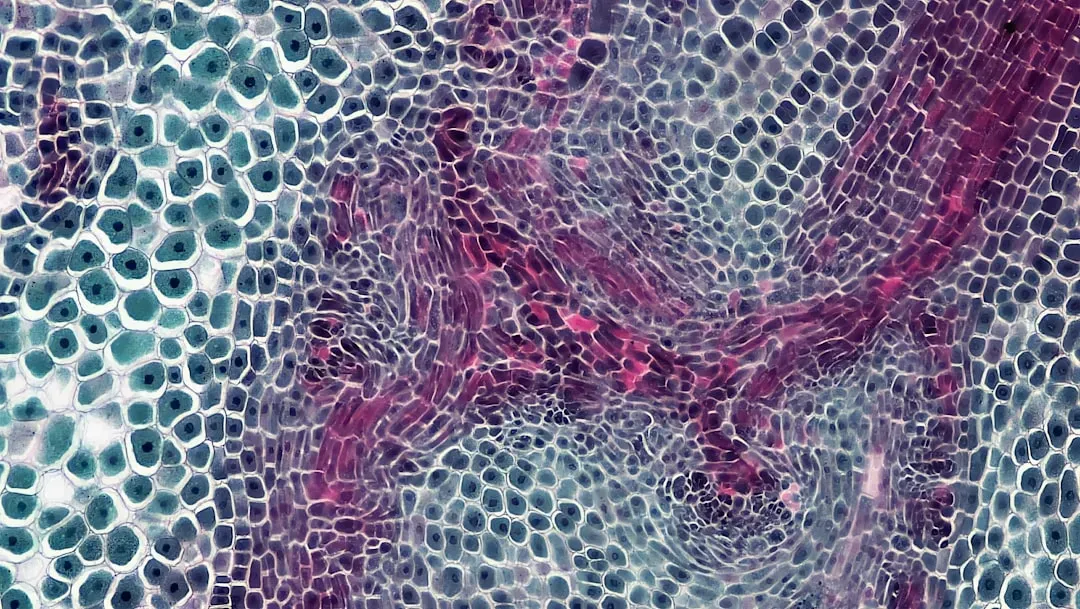
Zoom in far beyond what you can see with your eyes and the story of healing gets even more intense. Your DNA is under constant assault from sunlight, chemicals, and simple copying errors, yet your cells carry powerful repair tools that scan, cut out, and fix damaged segments. Without these repair systems, mutations would pile up quickly, and diseases like cancer would be far more common and would appear far sooner in life.
Inside each cell, damaged or misfolded proteins are identified and broken down, while worn-out components like old mitochondria are recycled through processes often described as cellular housekeeping. It’s like having a cleaning crew and a recycling plant inside every cell, working nonstop to keep the machinery running smoothly. When these repair and cleanup systems falter with age or stress, it shows up as fatigue, disease, or slower healing, which is why so much modern research is focused on protecting and boosting these microscopic maintenance crews.
Sleep, Food, and Stress: How Your Choices Shape Healing

For all its automatic brilliance, your body’s repair system is not completely out of your hands. Sleep is one of the most underrated healing tools you have, because so much of the heavy repair work ramps up when you’re deeply asleep. During those hours, your brain clears out waste products, tissues repair minor wear and tear, and hormone levels shift in ways that support rebuilding rather than just surviving the day.
What you eat and how stressed you are also change the game. Nutrients like protein, healthy fats, vitamins, and minerals provide the raw materials for new cells and tissues, while chronic stress hormones can drag down immune function and slow healing. You don’t have to live like a wellness guru to make a difference: small things like eating real food most of the time, moving your body regularly, and protecting your sleep can give your internal repair crews better tools and fewer obstacles. It’s less about perfection and more about not working constantly against your own biology.
When Healing Goes Wrong: Scars, Chronic Inflammation, and Limits

As miraculous as healing is, it’s not flawless, and sometimes it overreacts or gets stuck. Scars, for example, are a sign your body chose speed over perfect reconstruction, laying down dense collagen quickly to seal the wound and protect you from infection. In some cases, that response goes into overdrive, leading to raised, thick scars that keep building beyond what’s really needed, a reminder that your body values survival more than aesthetics.
Chronic inflammation is another way healing can tilt into harm. The same signals and immune cells that are helpful in the short term become damaging if they stay activated too long, irritating tissues and increasing the risk of many long-term conditions. Aging, serious injuries, and certain diseases also reveal that the body’s repair capacity has limits: it can adapt and compensate, but it can’t always return things to their original state. Understanding those limits doesn’t make healing less miraculous; it just makes it more human.
Living With Awe: Working With Your Body, Not Against It

Once you realize how much is being repaired every minute inside you, it’s hard not to feel a strange mix of gratitude and responsibility. Your body isn’t a machine you simply drive; it’s more like a fragile, brilliant ecosystem that’s doing its best to keep you alive and functional with whatever resources and conditions you give it. Every time a wound closes, a bruise fades, or an illness passes, that’s your biology pulling off another quiet miracle.
None of this means you can control everything or avoid every illness or injury, but it does mean you have more influence than it might seem. The way you sleep, eat, move, manage stress, and seek help when something feels off can either support those invisible repair crews or make their job much harder. If your body is already working this hard for you in the background, what small change could you make today to meet it halfway?