
There’s something unsettling and thrilling about realizing how much we still don’t know about the people who lived on this continent thousands of years before us. Every year, new finds force archaeologists to redraw maps, rewrite timelines, and quietly admit that past generations underestimated just how complex Indigenous American societies really were. What we thought were “mysterious ruins” are starting to look a lot more like carefully engineered cities, scientific hubs, and spiritual centers.
In the last decade, and especially since the early 2020s, new technologies like lidar scanning, high-precision dating, and ancient DNA analysis have completely changed the game. Forests are becoming transparent, buried plazas are reappearing, and forgotten trade routes are resurfacing in the data. The story that’s emerging is bigger, more interconnected, and more sophisticated than the old textbook version ever allowed. Let’s walk through some of the most surprising recent discoveries – and what they’re quietly telling us about how wrong we’ve been.
Hidden Cities Revealed by LiDAR in the Amazon and Beyond
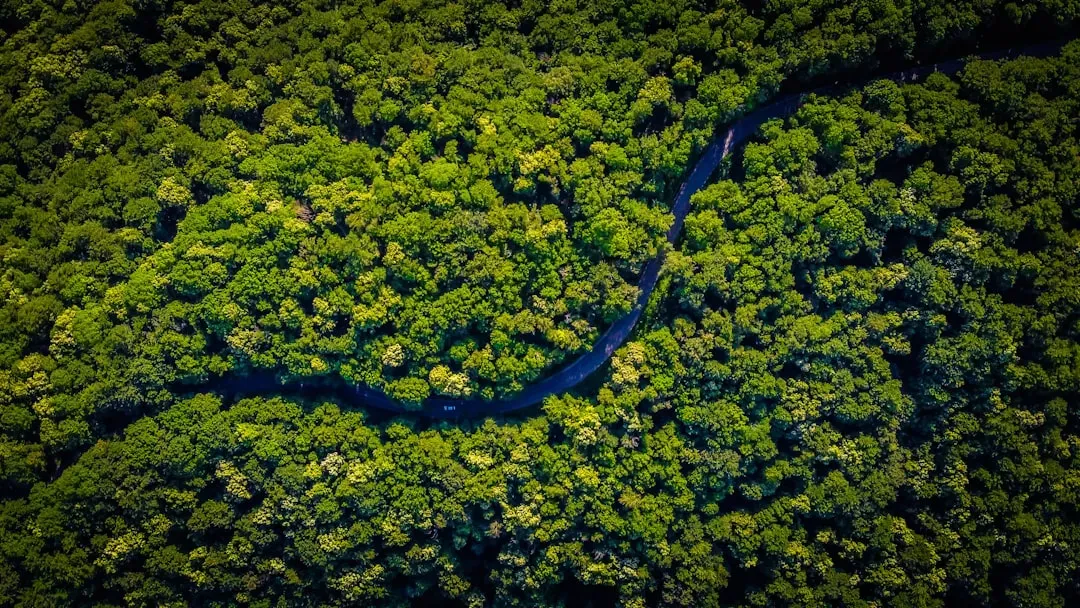
Imagine flying over what looks like endless, untouched rainforest – and then, with a different kind of “vision,” suddenly seeing streets, canals, and perfectly geometric neighborhoods beneath the trees. That’s essentially what’s been happening with lidar, a laser-based scanning technology that can digitally strip away vegetation and reveal the shape of the ground below. In the Amazon, lidar surveys published over the past few years have revealed sprawling settlement systems with interconnected platforms, causeways, and mound complexes that stretch across huge areas.
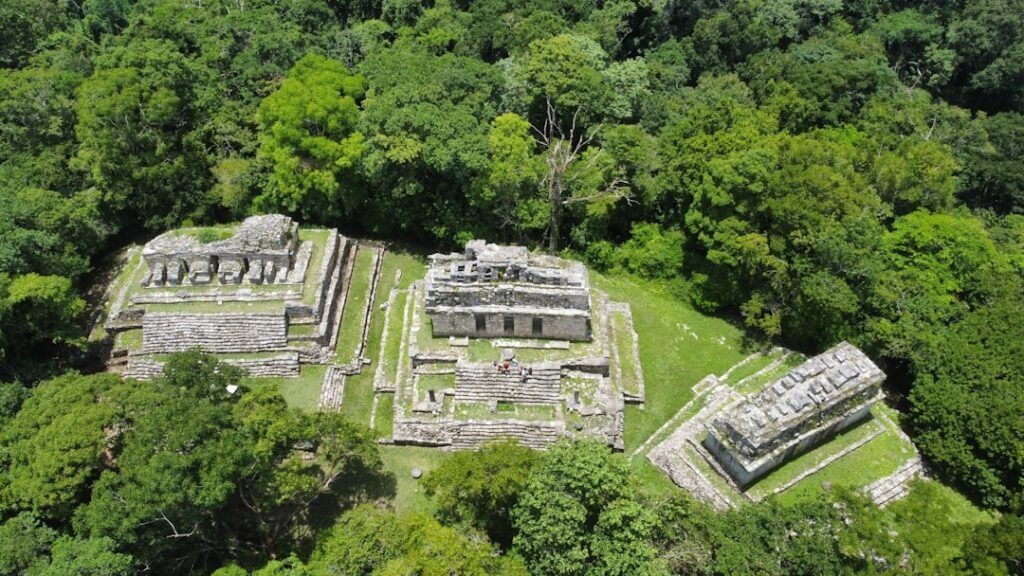
These aren’t just scattered villages; they look more like urban networks, carefully organized and engineered to manage water, land, and social life. Similar lidar work in Mesoamerica has exposed massive new details at famous sites – hidden pyramids at Tikal, elaborately planned road systems linked to previously unknown communities, and large-scale fortifications that suggest periods of intense conflict. The old image of the Americas as a sparsely populated wilderness is collapsing. Instead, we’re looking at landscapes that were deeply shaped, built up, and lived in by millions of people over many generations.
Rewriting the Story of Poverty Point and the Oldest Earthworks
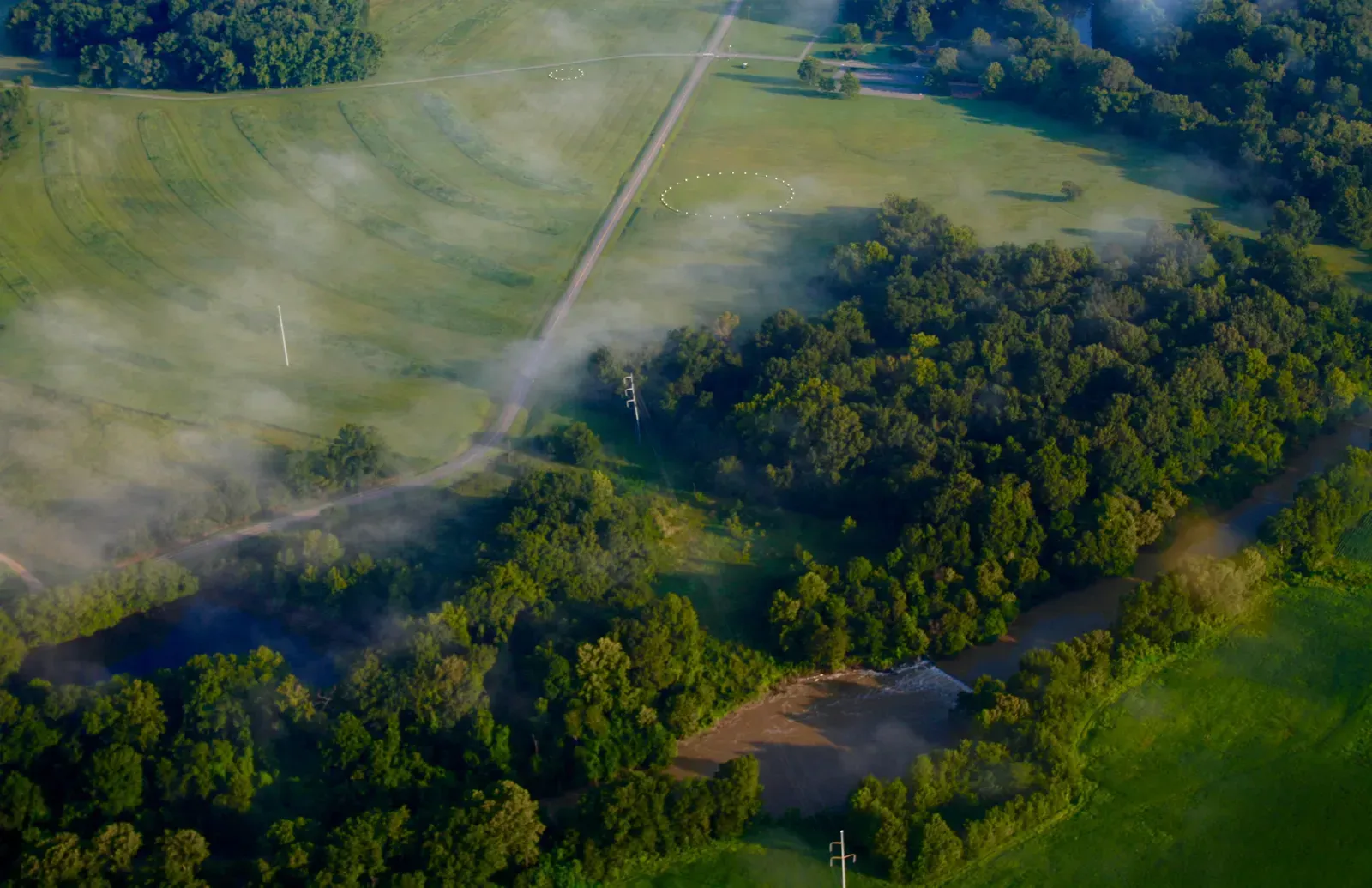
On the surface, Poverty Point in present-day Louisiana looks like a series of giant, curved ridges and mounds that blend into the landscape if you don’t know what you’re looking at. But it’s now understood as one of the most extraordinary ancient earthwork complexes in North America, and recent research keeps pushing its story further back in time. High-precision radiocarbon dating and soil analysis suggest that much of the site was built in a surprisingly short, intense burst of activity roughly three thousand years ago, requiring immense organization and labor.
What’s especially shocking to researchers is that these massive constructions were made by communities who did not rely on farming in the same way later Mississippian societies did. For a long time, archaeologists thought only full-blown agricultural cultures could generate the surplus and hierarchy needed to move that much dirt. Poverty Point breaks that rule. Artefacts from far-flung regions – stones and materials from hundreds of kilometers away – show that long-distance trade and cultural connections were already well developed. In a quiet way, Poverty Point is telling us that early North American societies were more flexible, mobile, and socially sophisticated than the old models gave them credit for.
Maya Megalopolises and the Myth of Collapse
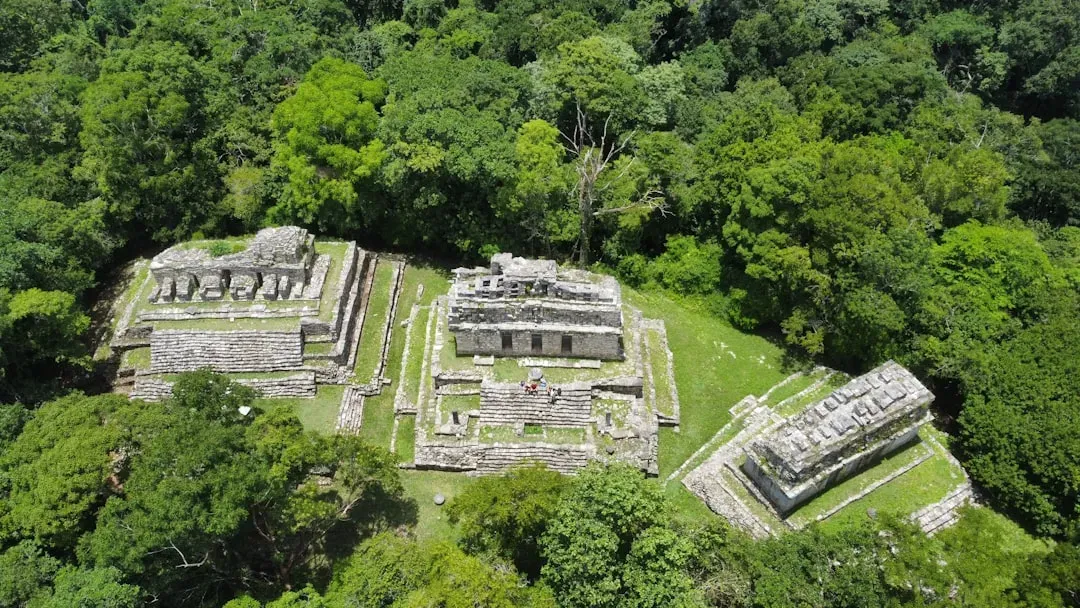
The ancient Maya have long been used as a cautionary tale about environmental mismanagement and societal collapse, but new discoveries are reshaping that narrative into something more nuanced. Lidar surveys across Guatemala, Belize, and southern Mexico have revealed enormous networks of causeways, canals, terraces, and defensive walls linking what once seemed like isolated city-states into larger, dense, interconnected regions. Instead of scattered jungle ruins, scholars are now seeing urbanized landscapes on a scale that rivals some early Eurasian civilizations.
Recent excavations and climate reconstructions also show that what we used to call a sudden “collapse” was more of a long, uneven transformation. Some Maya centers did decline under drought pressure and political fragmentation, but others shifted their focus, moved population centers, or adapted their agriculture. The descendants of the Maya are still very much alive across the region, keeping languages and traditions going despite centuries of disruption. The new evidence undercuts the tidy collapse story and instead highlights resilience, innovation, and an ability to reorganize in the face of serious environmental change.
Ancient Roads and Trade Networks Stretching Across Continents
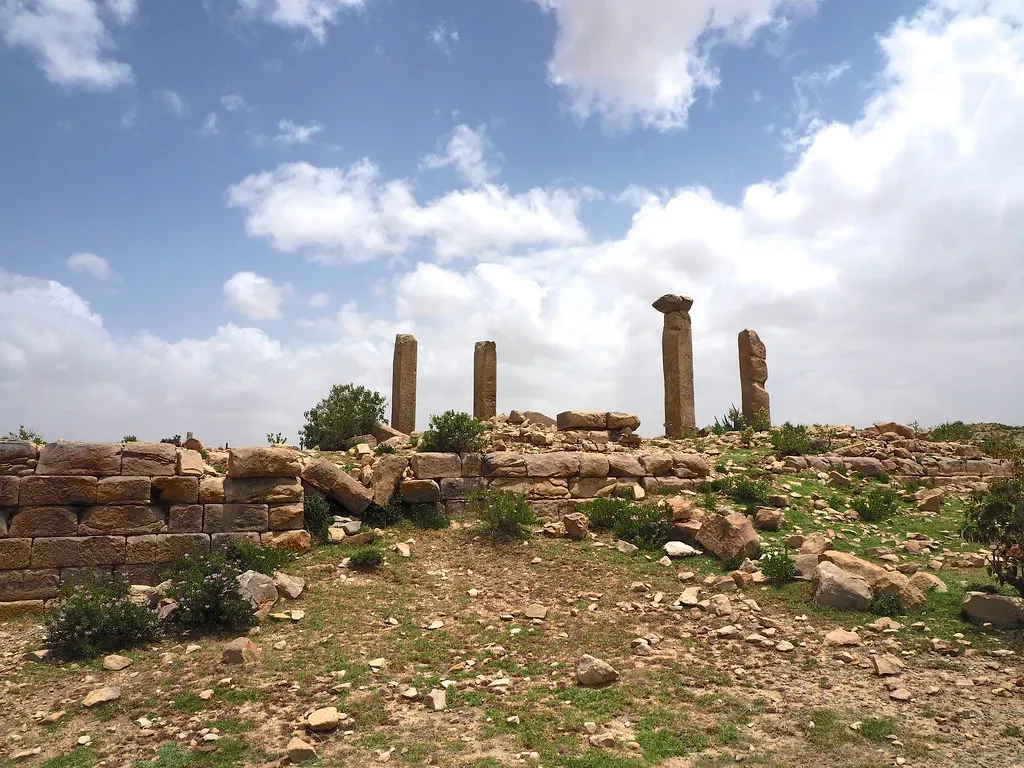
One of the most striking patterns emerging from recent research is just how far ideas, goods, and people traveled across the Americas. Archaeologists are finding evidence of trade routes that linked the Andes to the Amazon, the Gulf Coast to the American Southwest, and the Pacific coast to deep inland communities. Items like obsidian, marine shells, exotic bird feathers, cacao, and copper have been traced back to distant sources using geochemical analysis, revealing that what might look like “local” cultures were actually plugged into wide networks.
In North America, new work on the so-called Hopewell Interaction Sphere and later Mississippian networks shows that ritual items and artistic styles moved across thousands of kilometers. In the Andes, recent studies of road systems, storage facilities, and mountain sanctuaries suggest that pre-Inka civilizations were already experienced at organizing movement over extreme terrain. Instead of isolated pockets of development, what’s emerging is a continent crisscrossed by paths, waterways, and caravan routes – an ancient web of connection that makes our modern highways feel like a late chapter, not the beginning of the story.
Complex Urban Planning in the Andes: Beyond Machu Picchu
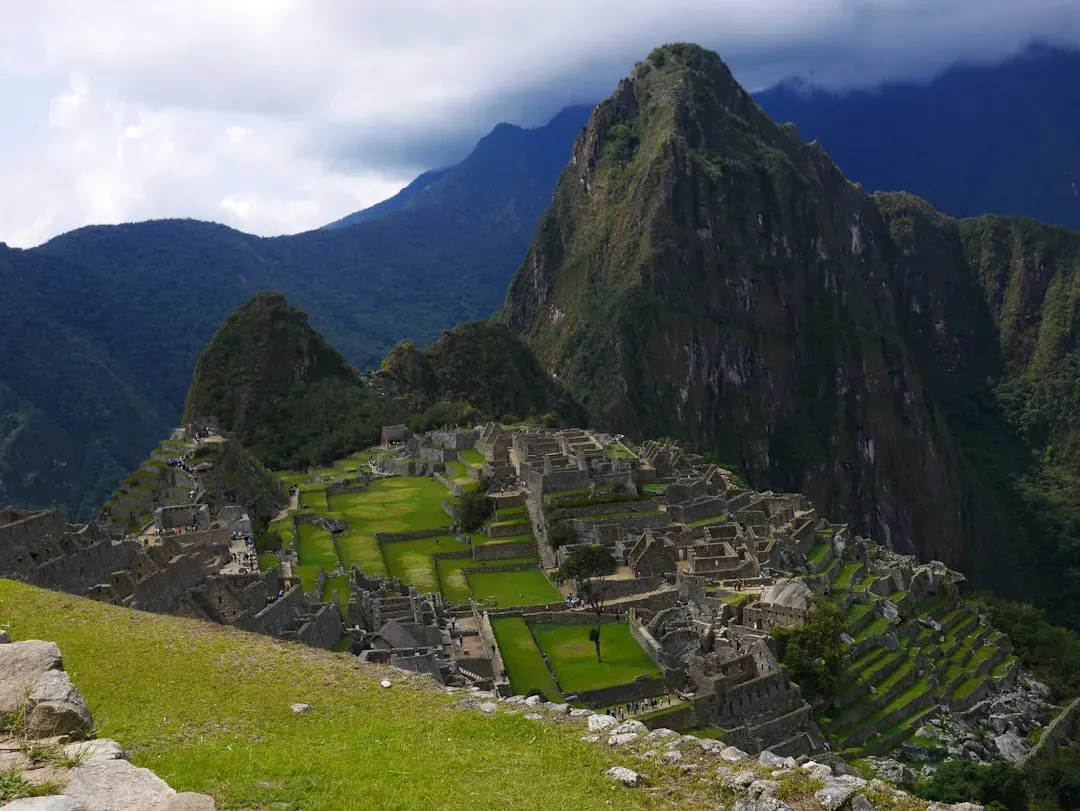
Machu Picchu tends to soak up the global attention, but in the last few years, early Andean urbanism has started to step into the spotlight. High-resolution mapping and new excavations at sites along Peru’s northern and central coasts have revealed planned cities, ritual complexes, and irrigation systems that predate the Inka by many centuries. Some of these places show carefully laid-out streets, monumental platforms, and engineered canals that transformed arid valleys into productive landscapes.
What’s particularly striking is how architecture, politics, and climate management all seem to be woven together. Multi-story adobe complexes, decorated with reliefs and painted imagery, were not just ceremonial – it appears they were administrative, residential, and economic hubs all at once. Climate records pulled from ice cores and marine sediments are being compared with construction phases, suggesting that rulers sometimes responded to droughts or floods by building new infrastructure, reshaping cities, or changing agricultural strategies. The Andes are emerging as a long-running laboratory for high-altitude, high-risk civilization building, with a level of planning that feels surprisingly modern.
Ancient DNA and the Deep Roots of American Populations
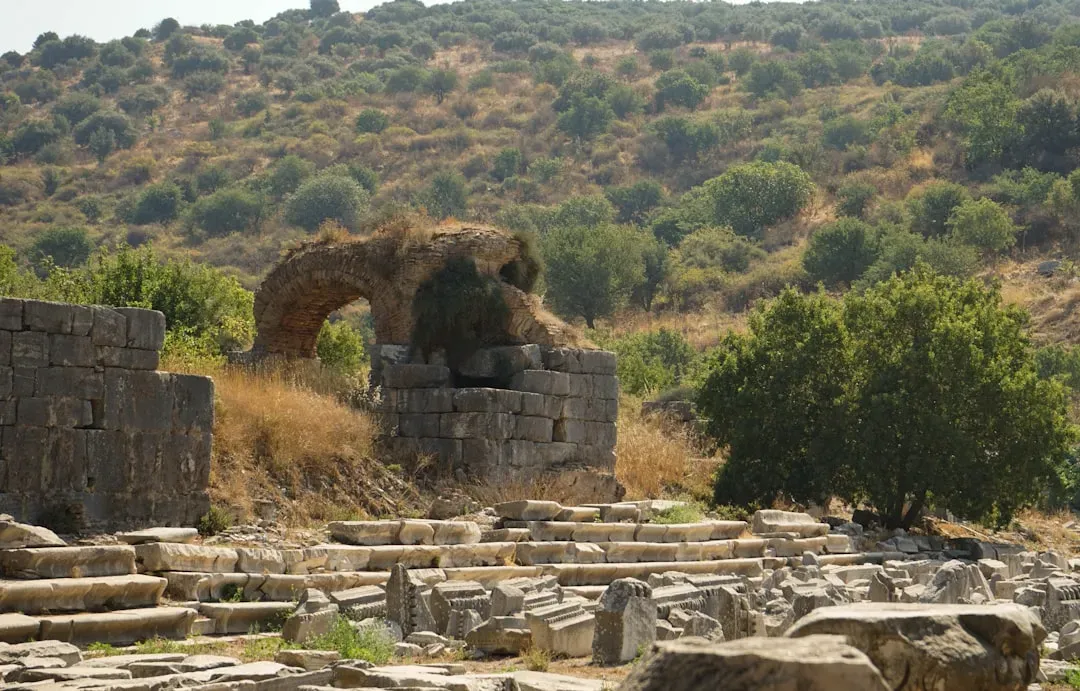
Perhaps the most emotionally charged discoveries come not from ruins but from bones and teeth, through the rapidly advancing field of ancient DNA. Over the last several years, genetic studies – conducted with growing attention to ethical partnerships with Indigenous communities – have helped clarify broad patterns of migration into and within the Americas. The picture is more intricate than a single wave of people simply walking from Siberia into an empty land. Evidence now points to multiple movements, coastal routes, and complex branching lineages over tens of thousands of years.
At the same time, these studies are showing strong continuity between many ancient individuals and present-day Indigenous groups, reinforcing what those communities have long said about their deep-time connection to their homelands. This doesn’t reduce anyone to genetics; culture, language, and identity are much richer than DNA. But it does underscore something powerful: the people whose ancestors built the sites we marvel at are still here, telling their own stories. As more work is done in collaboration rather than in isolation, the science is beginning to line up more closely with Indigenous oral histories instead of trying to overwrite them.
Climate Clues, Resilience, and Lessons for the Future
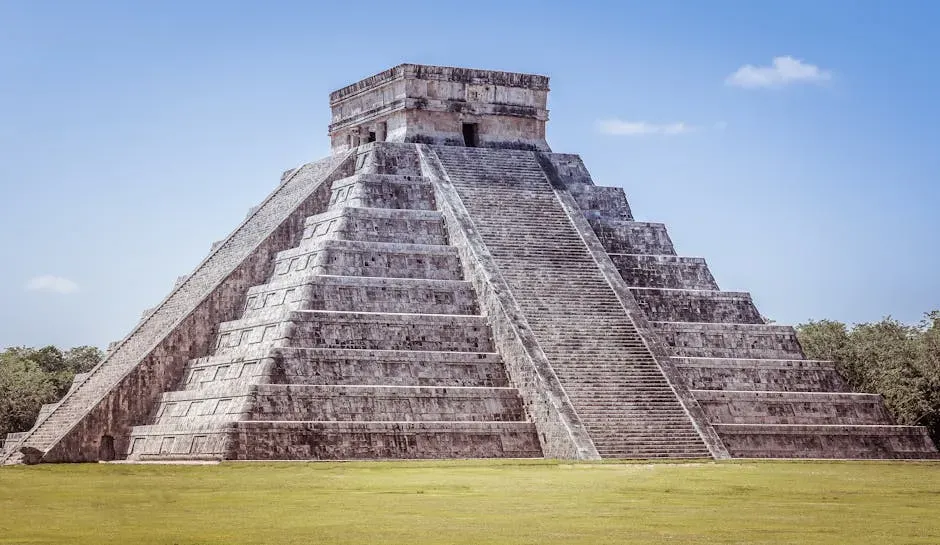
One thread ties many of these discoveries together: the constant presence of environmental stress and change. Whether it’s evidence of severe drought in the Maya lowlands, floods along the Mississippi, volcanic eruptions in Mesoamerica, or shifting coastlines in the Andes, ancient American civilizations had to adapt again and again. New climate reconstructions, paired with excavation data, show communities adjusting planting strategies, relocating settlements, building new water systems, or altering trade routes in response to shifting conditions.
Of course, not every society adapted successfully, and that’s part of the hard lesson. Some political systems broke under pressure; some elites seem to have doubled down on spectacle instead of solving practical problems. But taken together, the record is full of examples of ingenuity: terrace farming on steep slopes, raised fields in wetlands, forest management that blended agriculture and biodiversity. For a world now facing its own climate crises, these past experiments in resilience and sometimes failure feel less like distant curiosities and more like a rough, timeworn guidebook.
Conclusion: A Past That Refuses to Stay Simple
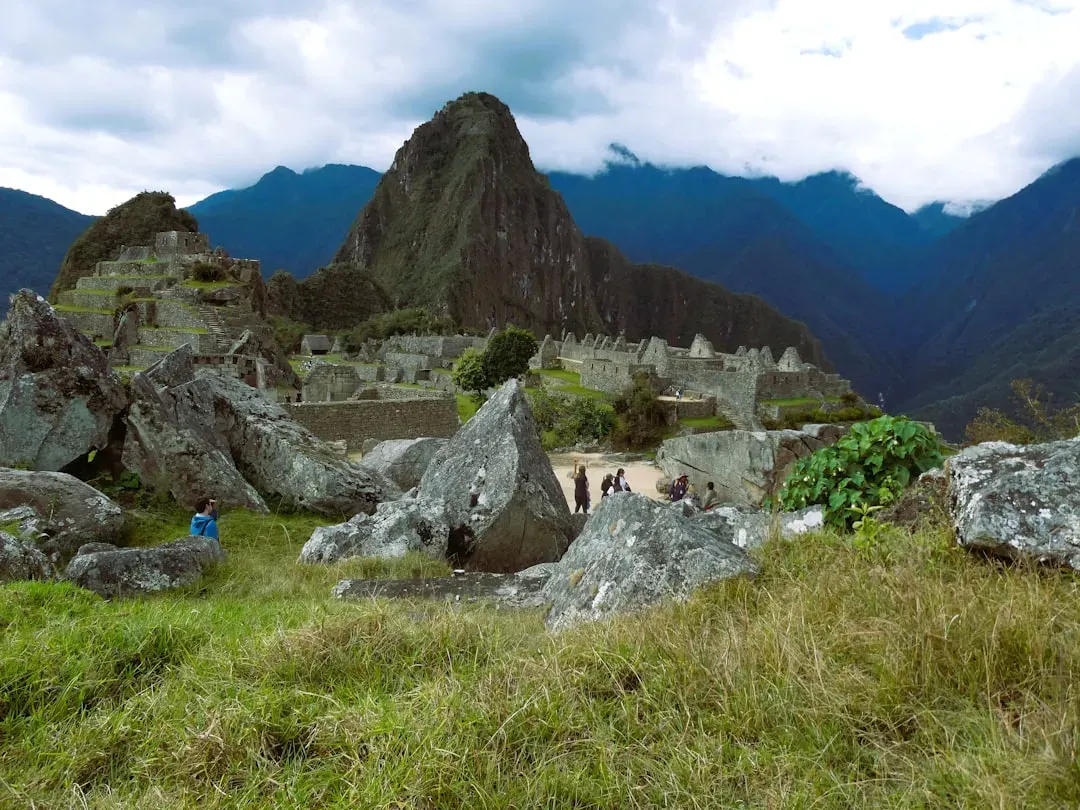
All these new discoveries – from ghost cities under the jungle canopy to microscopic traces of DNA – are pushing us to let go of comfortable but shallow stories about the ancient Americas. The old stereotypes of “primitive tribes” or isolated “lost cities” are being replaced by images of dense urban networks, scientific experimentation, long-distance trade, and political systems as messy and ambitious as any elsewhere in the world. The past is turning out to be louder, busier, and more interconnected than we were told.
What’s maybe most humbling is that we’re still only seeing fragments. Huge areas remain unsurveyed, archives are waiting to be re-read with fresh eyes, and many communities are only now being invited into genuine collaboration on research that affects their own history. As new tools peel back the layers – forest, soil, myth, misunderstanding – the story of ancient American civilizations keeps getting richer and stranger. How many more buried cities, forgotten roads, and half-remembered ideas are still waiting just below the surface?