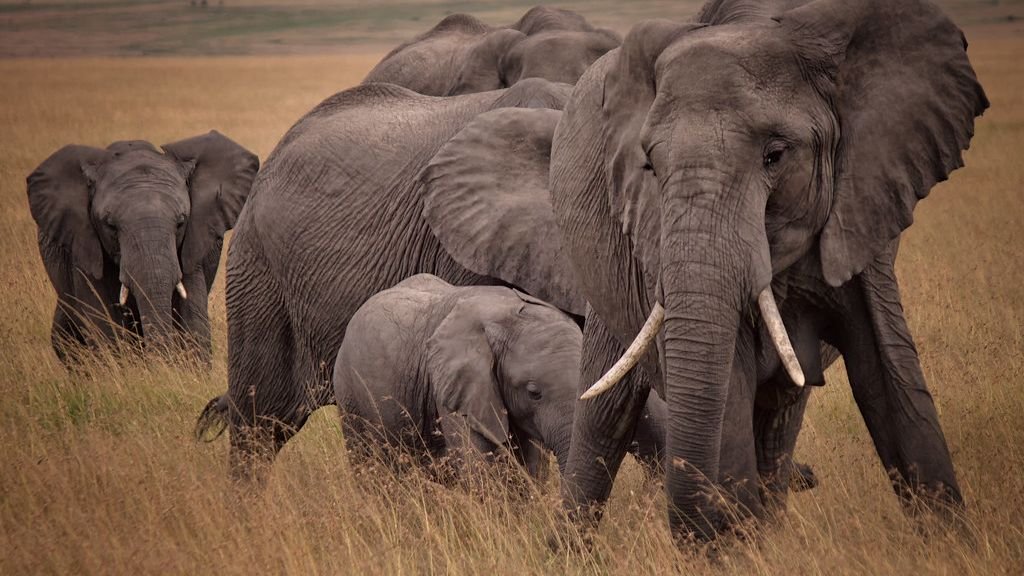
There’s something almost unsettling about looking an elephant in the eye. You get the sense that someone is looking back, measuring you, deciding whether you’re a threat, a curiosity, or simply another passing detail in a very long memory. For a long time, people romanticized elephants without really understanding them, treating them as symbols of strength and good luck while ignoring what their lives are actually like on the ground.
In the last few decades, scientists watching elephants across Africa and Asia have started to uncover a very different story: these animals live in tight-knit societies that are layered, emotional, and surprisingly strategic. They grieve, negotiate, form alliances, and pass down knowledge through generations. Once you realize how much is happening within a herd, it’s very hard to see them as just big, gentle animals wandering the savanna.
The Matriarch: Heart and Mind of the Herd
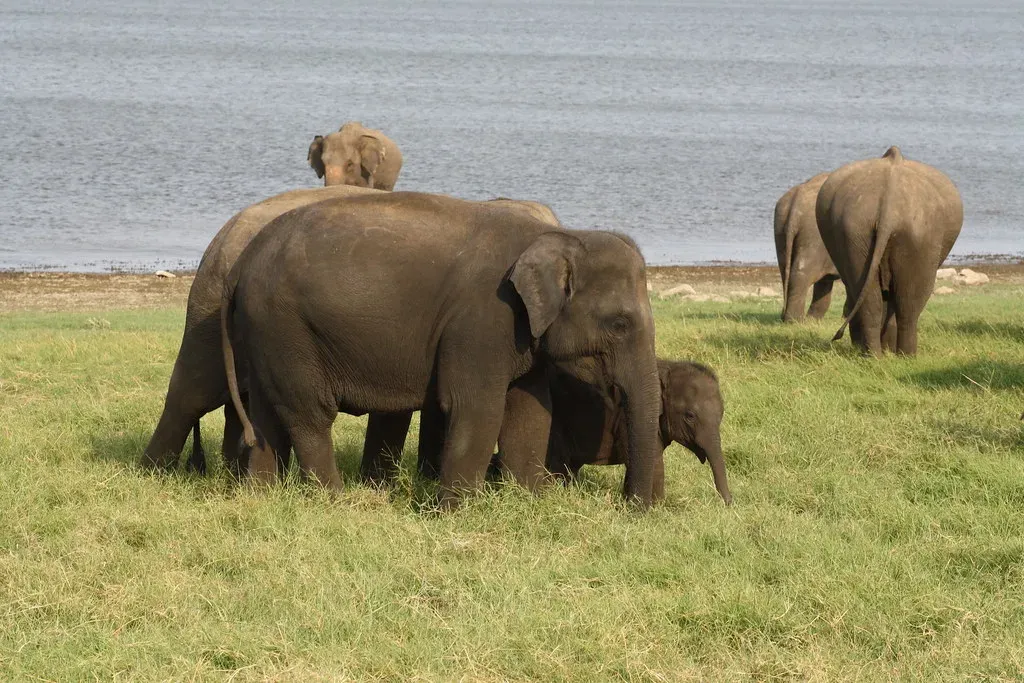
Imagine a family where the oldest grandmother doesn’t just tell stories at dinner, she decides where everyone lives, when they move, and which dangers to avoid. That’s roughly the role of the elephant matriarch. She’s usually the oldest and most experienced female, and her memory of landscapes, waterholes, safe routes, and previous threats can literally mean the difference between life and death for the group.
Matriarchs don’t lead by brute force. They lead through quiet authority, experience, and calm decision-making under pressure. When a lion roars in the distance or humans appear on the horizon, the herd often watches the matriarch’s body language before reacting. If she stays relaxed, the younger elephants stay calm; if she stiffens or bunches her family closer together, panic spreads instantly. In a world that keeps changing around them, her wisdom is their anchor.
Family First: Tight-Knit Female Herds
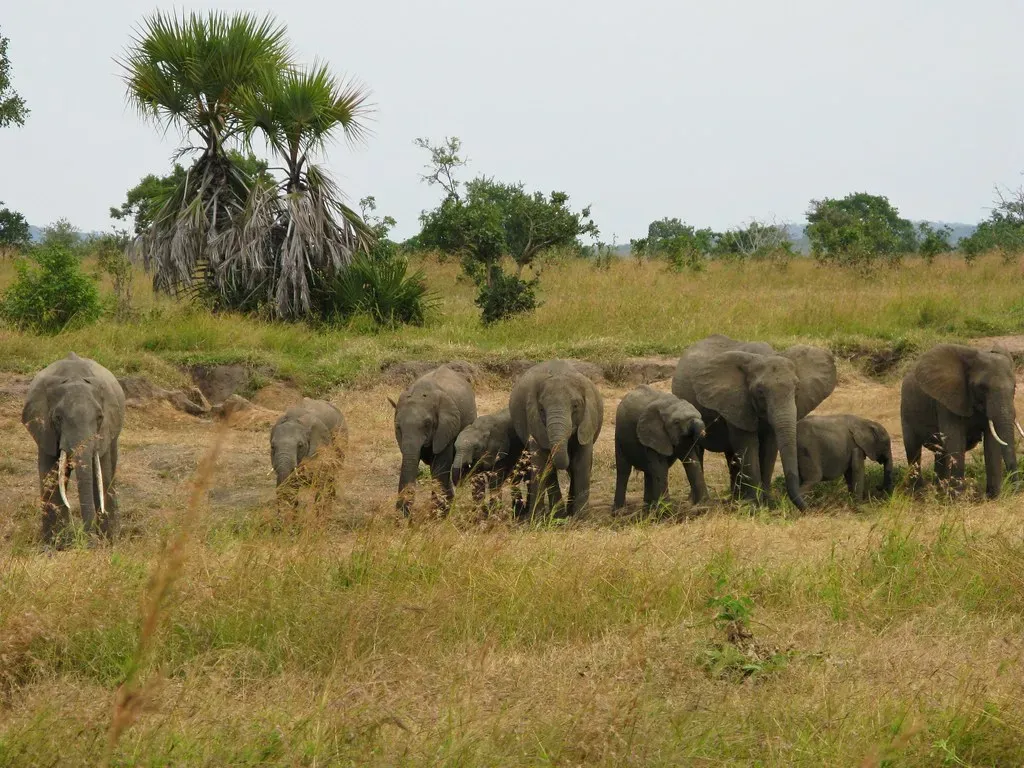
Elephant society starts with the core family: related females and their calves who travel together, feed together, and raise young as a team. You’ll often see a cluster of mothers, aunts, and older sisters forming a circle around the smallest calves, like a moving wall of protection. When a baby falls or gets stuck in mud, several adults usually rush in at once, trumpeting and coordinating to pull it out.
These herds aren’t just practical survival units; they’re emotional communities. Female elephants develop lifelong bonds, greeting each other with outstretched trunks and deep rumbling calls that you can sometimes feel more than hear. Calves are not raised by one mother alone but by a village of females who share the work, the teaching, and the worry. If you’ve ever watched a big family trying to cross a busy street with toddlers, you’ve seen a rough human version of how elephant herds move and protect their young.
Male Elephants: Wanderers With Their Own Social Rules
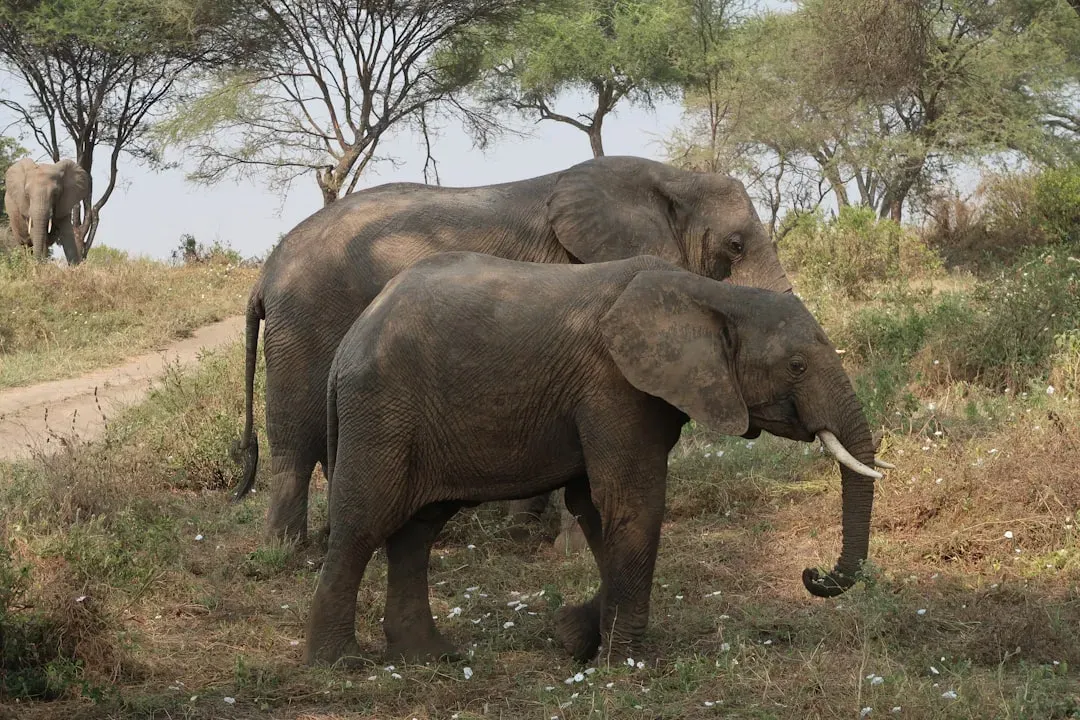
Male elephants grow up in those same family groups, but as they reach adolescence, things start to change. They play rougher, challenge adults more often, and eventually drift away or are nudged out to prevent inbreeding and constant tension. From the outside, it can look like they simply become loners, but that picture is way too simple.
Adult males form loose, shifting bachelor groups where they learn from older bulls how to behave, where to travel, and when to avoid fights that aren’t worth it. Younger males often shadow mature bulls, copying their movements and even their calm reactions to stressful situations. I’ve always found this part surprisingly relatable: it’s like teenagers hanging around older cousins or mentors, picking up unspoken rules about how to move through the world without constantly crashing into it.
Communication: A Hidden World of Rumbles and Signals
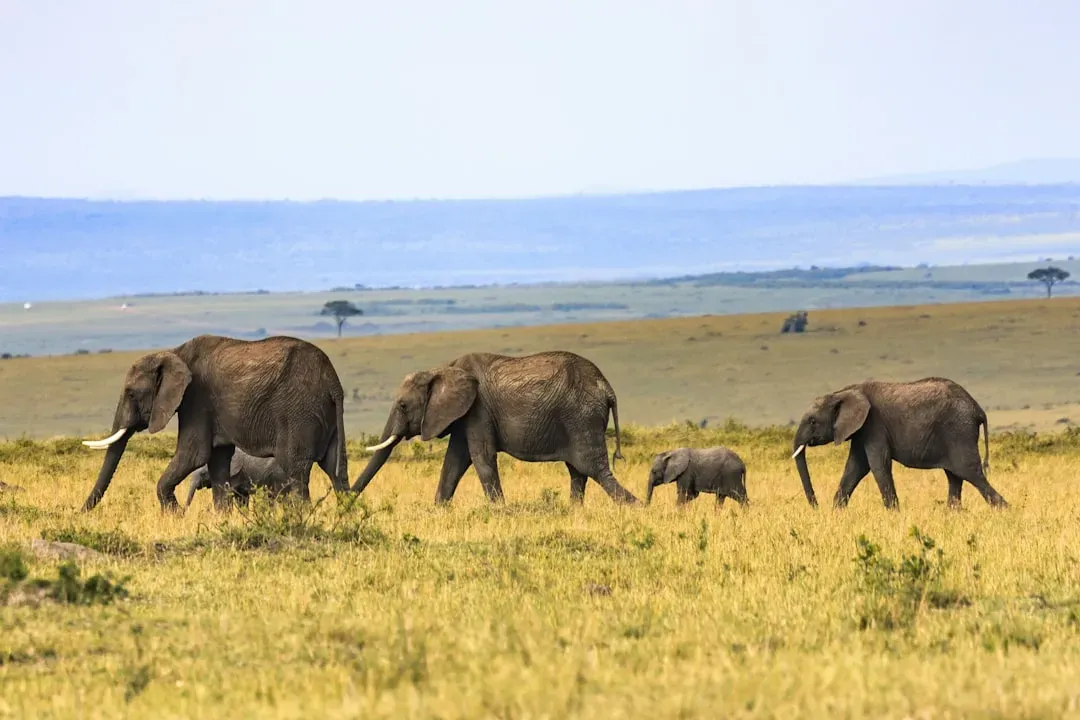
Watch a herd long enough and you’ll notice that elephants are almost never truly still. A trunk touches a shoulder, an ear flaps a bit longer, a foot taps the ground. Underneath those movements is an entire language built from touch, sound, and body posture, much of which we’re only beginning to decode. Their deep rumbles can travel over long distances, sometimes beyond what human ears can pick up.
Scientists have learned that some of these rumbles carry specific meanings, like signals to move, warnings about predators, or contact calls to keep track of relatives far away. Elephants also communicate through vibrations in the ground, picking up distant footsteps and calls through the sensitive pads in their feet. It’s as if they’re living in two overlapping worlds: the one we see and hear, and a second, low-frequency universe humming under our perception.
Memory, Learning, and Cultural Knowledge
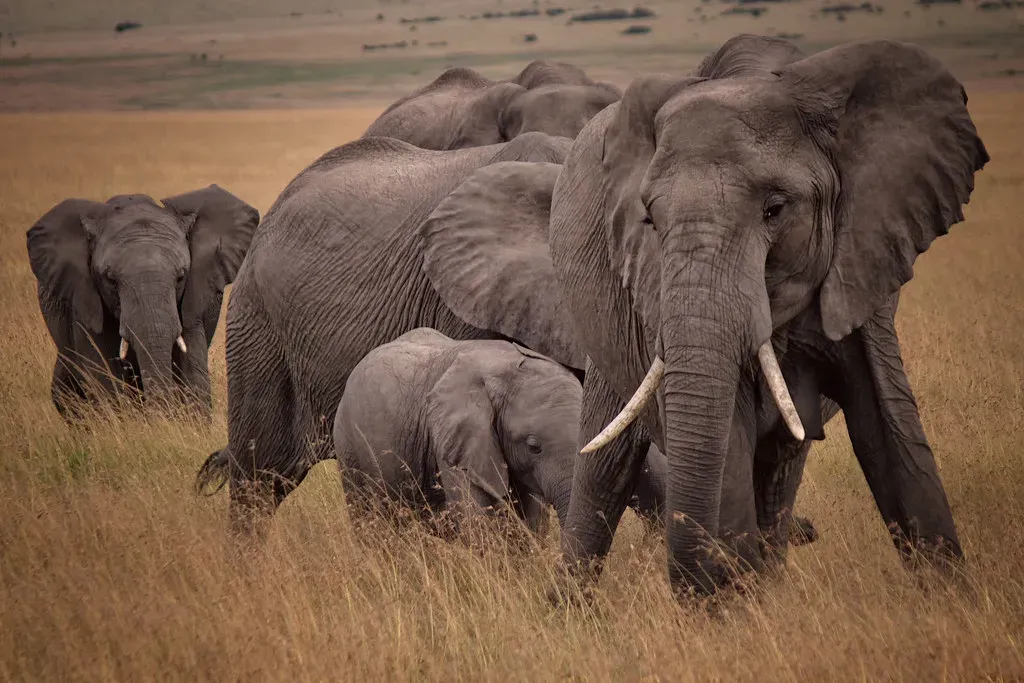
The old saying about elephants never forgetting isn’t entirely accurate, but it’s not far off, either. Elephants have excellent long-term memory and can remember key locations like water sources and safe routes even after many years. In times of severe drought, herds led by older matriarchs often stand a better chance because those leaders recall hidden waterholes or distant feeding areas from crises long ago.
This isn’t just instinct; it’s a kind of culture passed down through generations. Calves learn where to walk, what to eat, who to avoid, and how to respond to threats by watching adults and copying them over and over. If an experienced matriarch is killed, the herd doesn’t only lose a leader, it loses a living library of knowledge. The idea that an elephant family can lose its history in a single poacher’s bullet is one of the things that hits the hardest once you understand how their societies really work.
Grief, Empathy, and Emotional Depth
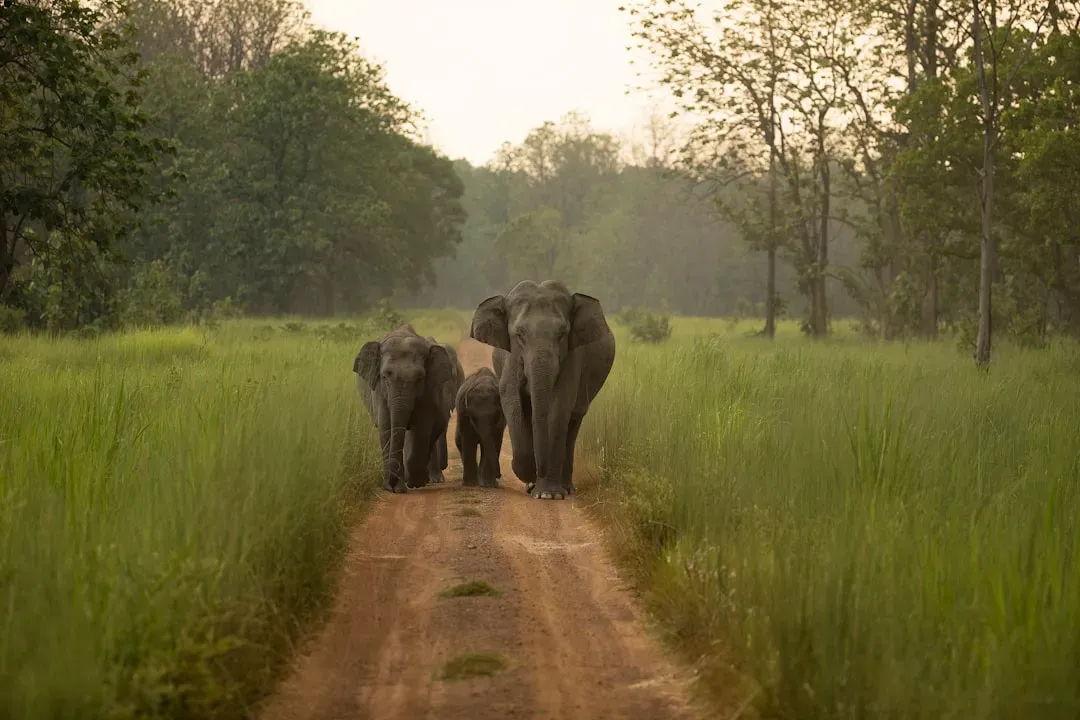
Some of the most haunting observations of elephants come from moments of loss. When a member of the herd dies, others often approach the body, touch it gently with their trunks, and linger quietly in what looks very much like a vigil. They may return to the bones months or even years later, pausing to investigate with an intensity they don’t give to other animal remains.
Elephants have also been seen comforting distressed individuals, standing close, touching them, and vocalizing softly when something frightening happens. It’s risky to project human emotions onto animals, but their behavior suggests a deep capacity for empathy and social awareness. They’re not just reacting to noise or movement; they seem attuned to each other’s internal states in a way that feels uncomfortably familiar. Watching that, it’s hard not to wonder where the line between human and animal emotional life really is.
Elephant Societies Under Pressure
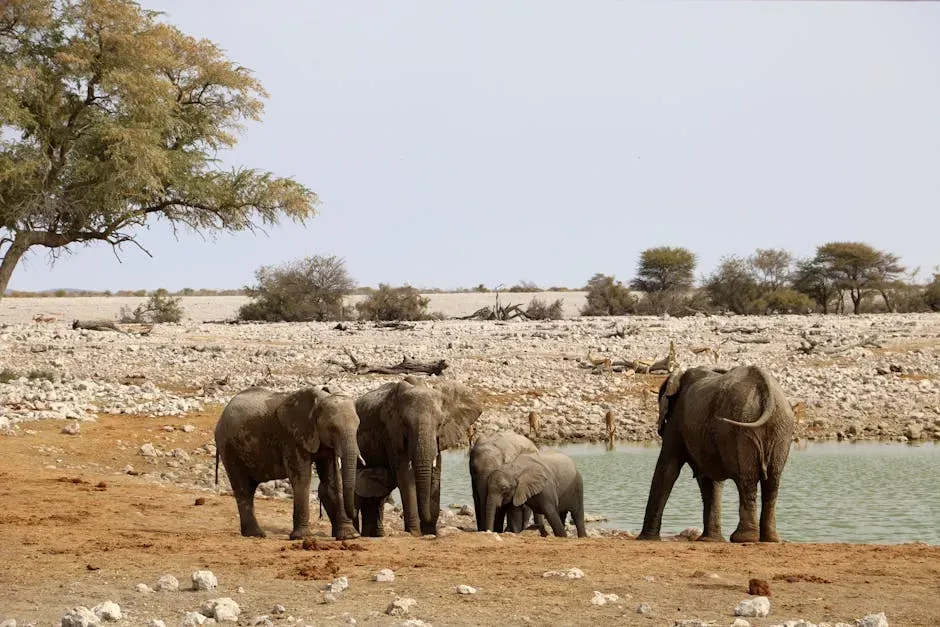
All this complexity makes it even more painful to realize how intensely human activity is reshaping elephant lives. Habitat loss squeezes their traditional routes into narrow corridors, creating more clashes with farmers and communities. Poaching doesn’t just remove individuals; it often targets the largest, oldest animals, which are usually matriarchs or dominant bulls, tearing out the social and knowledge centers of entire populations.
At the same time, elephants are adapting in ways that show both their resilience and the limits of what they can absorb. Some herds are shifting their activity to nighttime to avoid humans, changing age structures, and altering their movement patterns. But there’s only so much a society – any society – can handle before it starts to fracture. Understanding how deeply their social structures run isn’t just interesting biology; it’s a reminder that when we destroy elephant communities, we’re not just losing animals, we’re dismantling living, learning, feeling worlds.
Conclusion: Rethinking What It Means to Be “Wise”
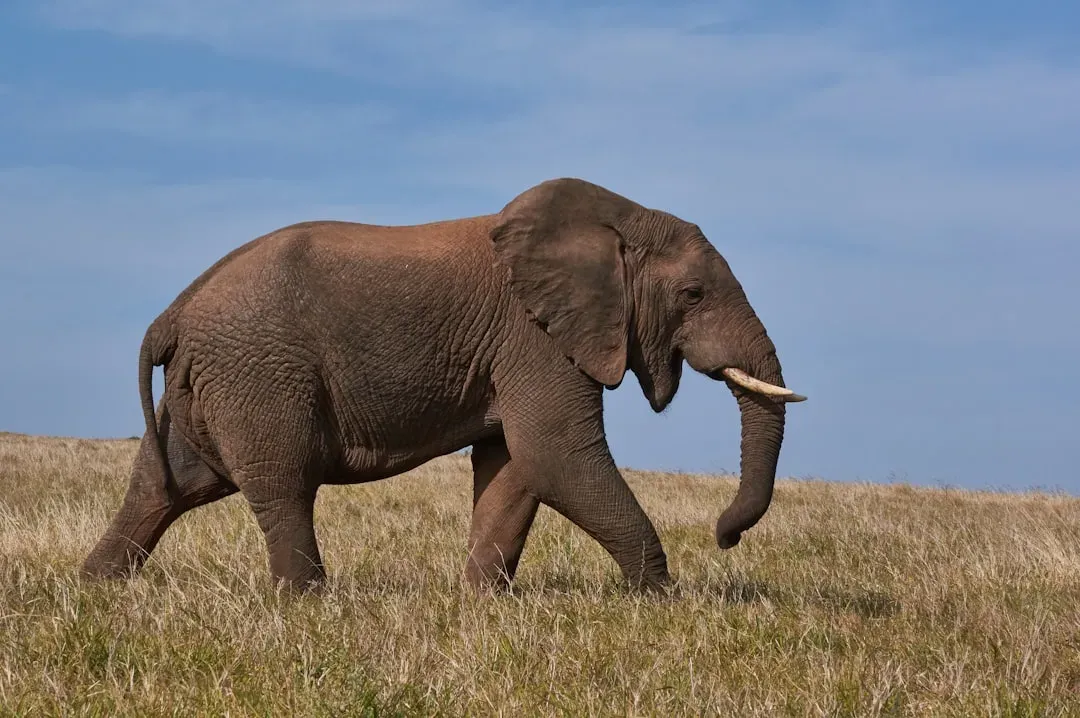
When people talk about elephant wisdom, it often sounds like a poetic metaphor, something you’d put on a postcard or a poster. Yet the more closely we look at their lives, the more literal that idea becomes. Their societies depend on shared memory, careful leadership, emotional bonds, and subtle communication that holds everything together in landscapes that can be harsh and unpredictable.
Maybe the real wisdom of elephants isn’t just in what they remember, but in how they stay connected through fear, loss, and constant change. In a world that often rewards speed and noise, their slow, deliberate way of moving through life feels strangely radical. It raises an uncomfortable but necessary question for us: if another species can build such rich, fragile social worlds, what responsibility do we have to let them continue existing on their own terms?