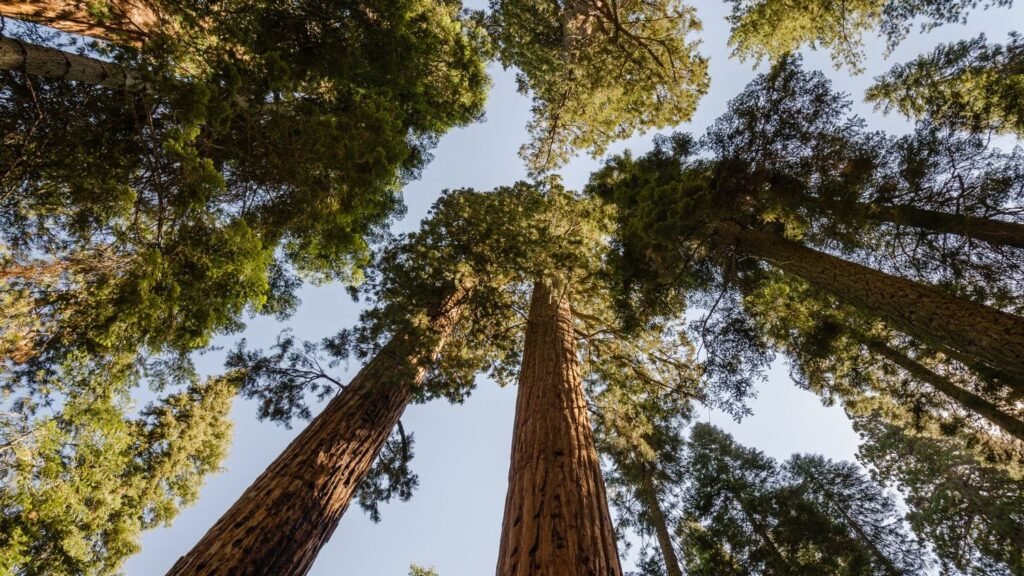

Walk into a redwood forest and the first thing you feel isn’t just awe; it’s almost a physical silence, like stepping into a natural cathedral built long before human history. The air turns cooler, the light softens into a green-gold haze, and for a moment it’s hard to believe that anything this massive and ancient is even real. These trees have watched empires rise and fall, oceans shift, and climates change, and yet they’re still standing, quietly stretching toward the sky.
Redwoods are more than just tall trees; they’re living time capsules and powerful climate allies wrapped into one. Their story is full of near-extinction, improbable survival, and a kind of resilience that feels almost stubborn. Once spread across huge parts of the planet, they now cling to a narrow strip of coastline and a few remote groves, but they’re also at the center of cutting-edge conservation and climate projects. To understand redwood forests is to see how fragile and strong nature can be at the same time.
The Three Redwood Species: Coastal, Giant, and Dawn
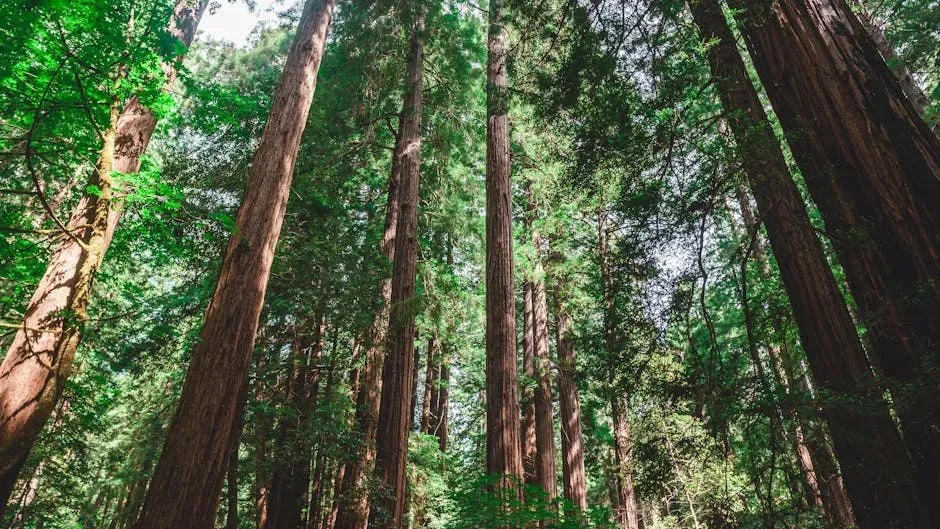
When people say “redwood,” they usually picture the coastal redwoods of California’s foggy coastline, but there are actually three distinct species. The coastal redwood dominates the cool, moist belt from central California into southern Oregon, thriving where ocean fog rolls in almost daily. Farther inland and higher up in the Sierra Nevada lives the giant sequoia, bulkier, thicker, and not quite as tall, but with an almost unbelievable mass and girth. Then there’s the quiet outlier: the dawn redwood in central China, once known only from fossils and thought to be extinct until living trees were discovered in the twentieth century.
These three species share a family resemblance, but their lives play out in very different neighborhoods and climates. The coastal redwood can reach record-breaking heights, the giant sequoia can survive thousands of years, and the dawn redwood, smaller and deciduous, drops its needles each autumn like a larch. Together they tell a story that spans continents and geological eras, from ancient supercontinents to the scattered pockets where they hang on today. It’s almost like meeting three distant cousins at a reunion and realizing they’ve all taken completely different paths through life.
Ancient Origins: Relics From a Warmer World
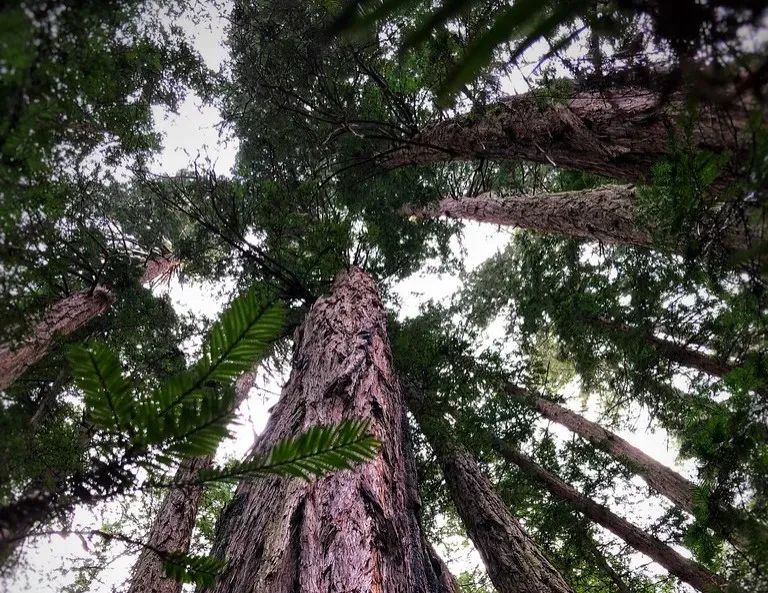
Redwoods are not newcomers; they’re leftovers from a world that barely resembles the one we live in now. Fossils show that redwood relatives once stretched across the Northern Hemisphere, from what’s now California to Greenland, Europe, and Asia, thriving in the warm, humid climates of tens of millions of years ago. Back then, the planet’s atmosphere held more carbon, and forests of redwood-like trees helped regulate that, locking carbon away in their wood and in deep, rich soils. As the climate cooled and ice ages came and went, most of those vast forests disappeared, leaving behind only scattered refuges where conditions stayed just right.
The coastal belt of California and the Sierra Nevada mountains became two of those precious safe zones. Moist air from the Pacific, dramatic mountains, and specific soil types combined to create pockets where redwoods could ride out the chaos of changing climates. The dawn redwoods, meanwhile, retreated into hidden valleys in China, unnoticed by the rest of the world for a long time. When I first learned that these trees were once common near the Arctic and across Europe, it felt like discovering an alternate planet buried inside our own history. Redwoods aren’t just survivors; they’re living reminders of a time when the map of life looked totally different.
Towering Heights and Record-Breaking Ages
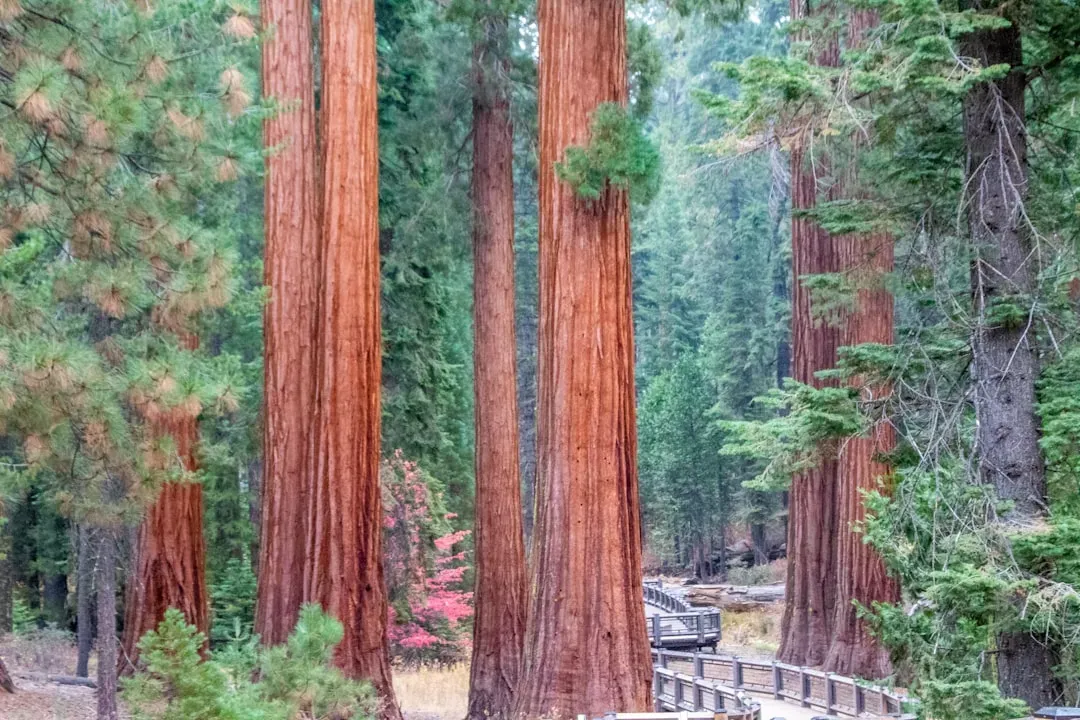
Standing at the base of a mature coastal redwood is like tilting your head back at a skyscraper, except this one grew out of the ground with no blueprints. Some coastal redwoods exceed the height of a 35-story building, making them the tallest trees on Earth. Giant sequoias, while shorter, turn that vertical drama into raw volume and age, with trunks wide enough to drive a car through and lifespans that can reach several thousand years. It’s not just that they’re big; it’s that they’ve been big for so long that entire human civilizations have come and gone in their shadow.
Their growth strategy is slow, steady, and extremely patient. Instead of burning out quickly, they add thin layers of wood year after year, building strength and resilience as they go. Their bark can be thicker than a human arm is long, insulating them from many fires, and their crowns sit so high that storms that would shred smaller trees just tug at their upper branches. When you realize that some redwoods sprouted before many major religions were founded, it’s hard not to feel a strange mix of humility and comfort. They make our everyday worries feel small, but in a way that’s oddly reassuring.
Life in the Canopy: Hidden Worlds Above the Ground

Redwood forests don’t just reach up; they build entire hidden universes in the air. High in the canopy, where branches tangle and layer over centuries, leaf litter and broken twigs pile up to form mats of soil that can be deep enough to support other plants. Ferns, shrubs, and even small trees may grow out of these suspended gardens, creating miniature forests sitting dozens of meters above the ground. Some researchers have found salamanders, insects, and other creatures living their whole lives up there, rarely or never touching the forest floor.
The canopy also changes how the forest feels below. It catches fog, intercepts rain, and drips moisture slowly down to the understory like a natural irrigation system. The filtered light that reaches the ground favors shade-tolerant plants such as sorrel, ferns, and certain understory shrubs, creating that dreamy, dim green glow people remember long after they leave. This layered structure makes redwood forests more like vertical cities than simple stands of trees, with different “neighborhoods” stacked from soil to sky. When you walk beneath them, you’re really walking under an entire ecosystem that’s operating quietly above your head.
Fire, Fog, and Resilience: How Redwoods Survive
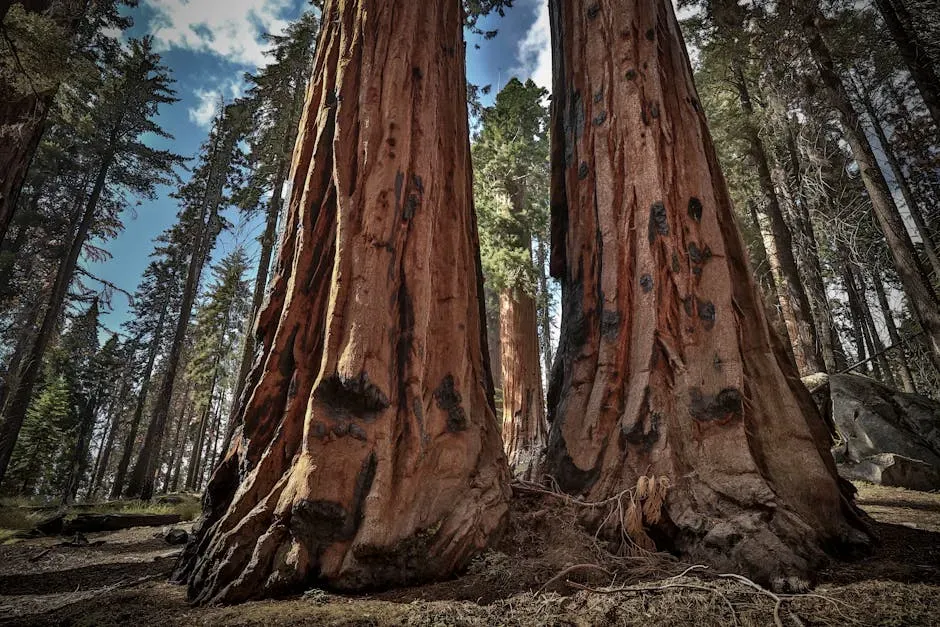
For all their calm, redwood forests are not fragile glass houses; they’re built to handle stress. Fire, which many people see only as destruction, has historically played a vital role in keeping these forests healthy. Young redwoods can be vulnerable, but older trees carry thick, fibrous bark that resists burning and protects the living tissue inside. Low to moderate fires clear out competing plants, recycle nutrients, and open up space and light, allowing redwoods and other fire-adapted species to regenerate.
Fog is the gentler, softer partner in this survival story. Along the coast, redwoods capture moisture directly from the fog that rolls in off the Pacific, absorbing water through their needles and sending it down their trunks like a living plumbing system. This fog drip can be crucial during dry summers, effectively stretching the wet season and keeping the forest functioning. Scientists tracking changes in fog patterns and temperature have raised alarms about what shifting climate means for this delicate balance, especially as droughts and more extreme fires become more common. Still, it’s hard not to admire how much punishment these trees can absorb and still keep growing.
From Logging to Protection: A Near Miss With Oblivion
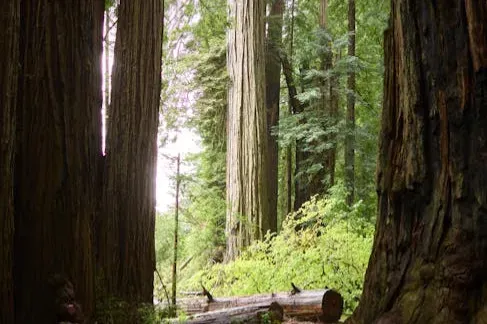
As awe-inspiring as redwoods are, the modern story of these forests includes a brutal chapter of loss. When industrial logging ramped up in the nineteenth and twentieth centuries, redwoods were seen less as ancient beings and more as endless lumber supply. Their straight, rot-resistant wood became the material of choice for buildings, railroads, and fence posts, and vast swaths of old-growth forest were cut down in just a few generations. By the time serious preservation efforts gathered momentum, only a tiny fraction of the original old-growth redwood forests remained.
The shift from exploitation to protection didn’t happen overnight, and it didn’t happen because people suddenly became perfect. It grew out of a messy mix of activism, scientific research, and ordinary visitors who walked into these groves and walked out changed. Parks and reserves were established, private groups bought up vulnerable land, and some logging companies eventually turned toward more sustainable practices or conservation partnerships. The result is a patchwork landscape of protected old growth, recovering second growth, and areas still under pressure. When I first learned that what we see today is only a sliver of what once existed, it felt both heartbreaking and oddly motivating, like a reminder that the outcome really does depend on what people choose to do.
Why Redwood Forests Matter to Us Today
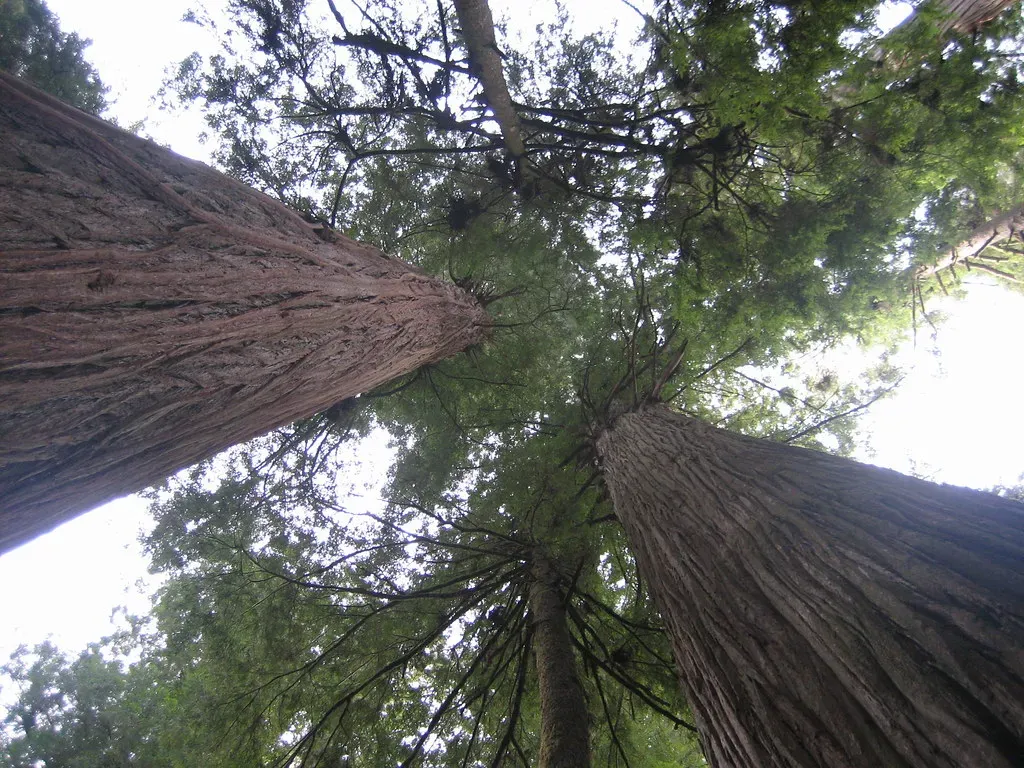
Redwood forests matter on paper because they store carbon, protect watersheds, and shelter unique wildlife, but that’s only half the truth. They also matter for reasons that are much harder to measure. People visit these groves and talk about feeling calmer, smaller in a good way, more connected to something that outlasts the rush of daily life. In a world of constant notifications and screens, walking through trees that have stood quietly for a thousand years or more can feel like stepping into a different pace of existence.
On a practical level, redwoods are now at the heart of restoration projects that blend Indigenous knowledge, modern science, and community involvement. Old logging roads are being removed so streams can heal, young second-growth stands are being managed to eventually resemble the complex structure of old forests, and people are rethinking how fire is used rather than feared. At the same time, climate change is tightening the screws, testing just how adaptable even these resilient giants can be. The in the twenty-first century is still being written, and it quietly asks each of us what kind of ancestor we want to be to the people who will stand under these trees centuries from now.
Conclusion: Standing With the Giants
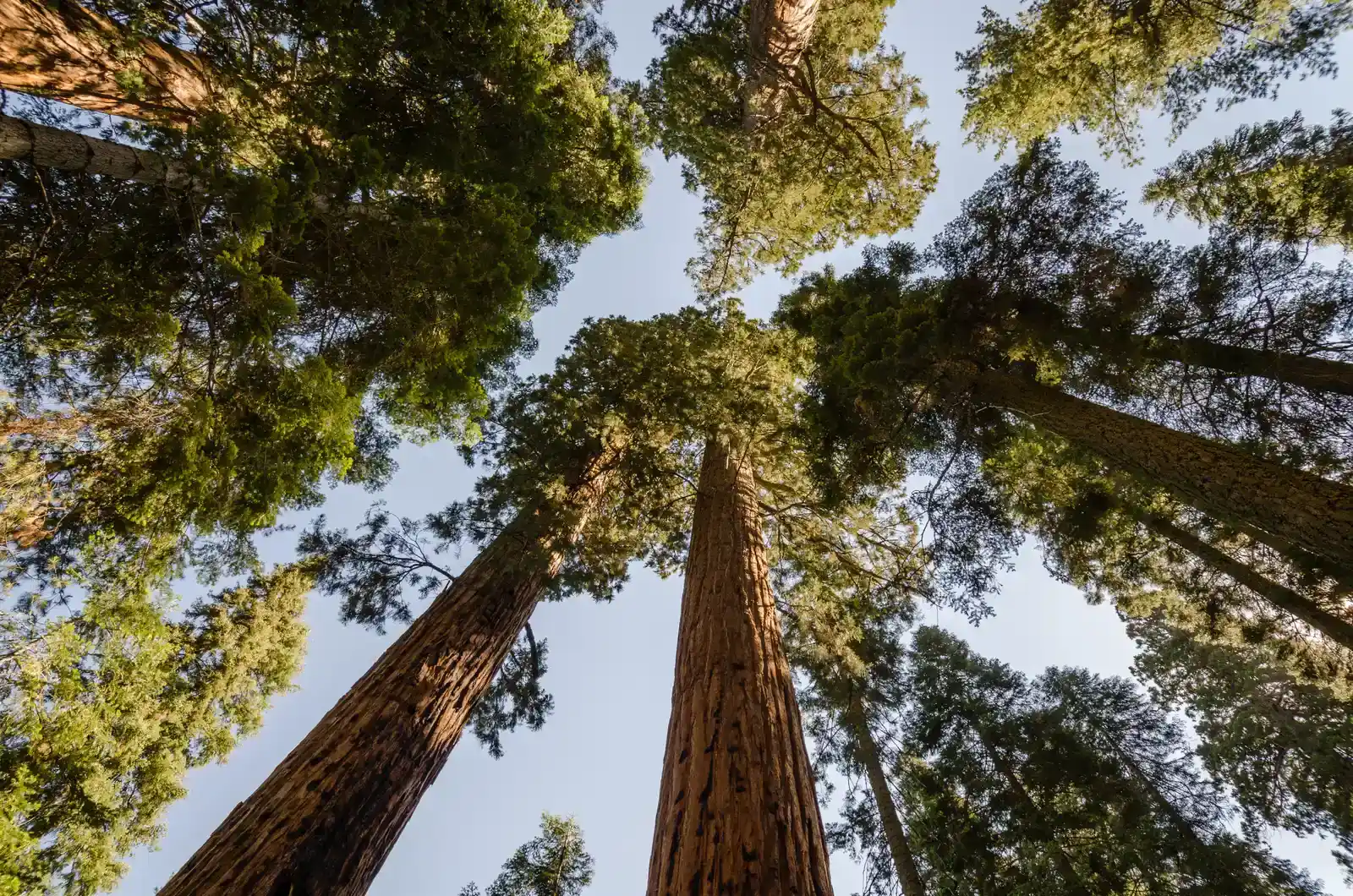
Redwood forests are living crossroads where deep time, present choices, and future possibilities all intersect. They carry the memory of ancient climates, the scars of intense logging, and the hopeful fingerprints of modern conservation and restoration. To walk among them is to feel that tension between what almost vanished and what still survives, holding on with stubborn grace. They show us that nature can be both incredibly tough and alarmingly vulnerable at the same time.
In the end, these trees don’t need us to admire them, but their future does depend on whether we decide they’re worth more standing than cut, more alive than forgotten. Visiting a redwood grove, reading about their history, or supporting efforts to protect and restore them are small steps, but they stack up over time, just like the rings inside their trunks. One day, someone centuries from now might look up at the same trees we see today and feel the same quiet wonder. How different might their world be if we choose, right now, to keep these ancient giants in it?