
If you’ve ever stepped outside on a clear night and suddenly felt very small, you already know the sky has a way of grabbing your heart as much as your eyes. There’s something strangely comforting about realizing we’re tiny specks under a huge, wild universe that doesn’t care about our to‑do lists, unread emails, or messy kitchens. Some celestial events don’t just look pretty; they hit you in the gut, the way a powerful song or a perfect movie ending does, and you remember them for the rest of your life.
What’s even better is that many of these moments are completely free and visible with nothing more than your own eyes, if you know when and where to look. You don’t have to be an astronomer, own a telescope, or memorize star charts to feel your jaw drop. With a bit of timing, a dark sky, and some patience, the cosmos will absolutely put on a show for you. Let’s walk through five events you can actually witness yourself – no science degree required – that might just reset how you see your place in the universe.
Total Solar Eclipse: Day Turns to Night in Minutes
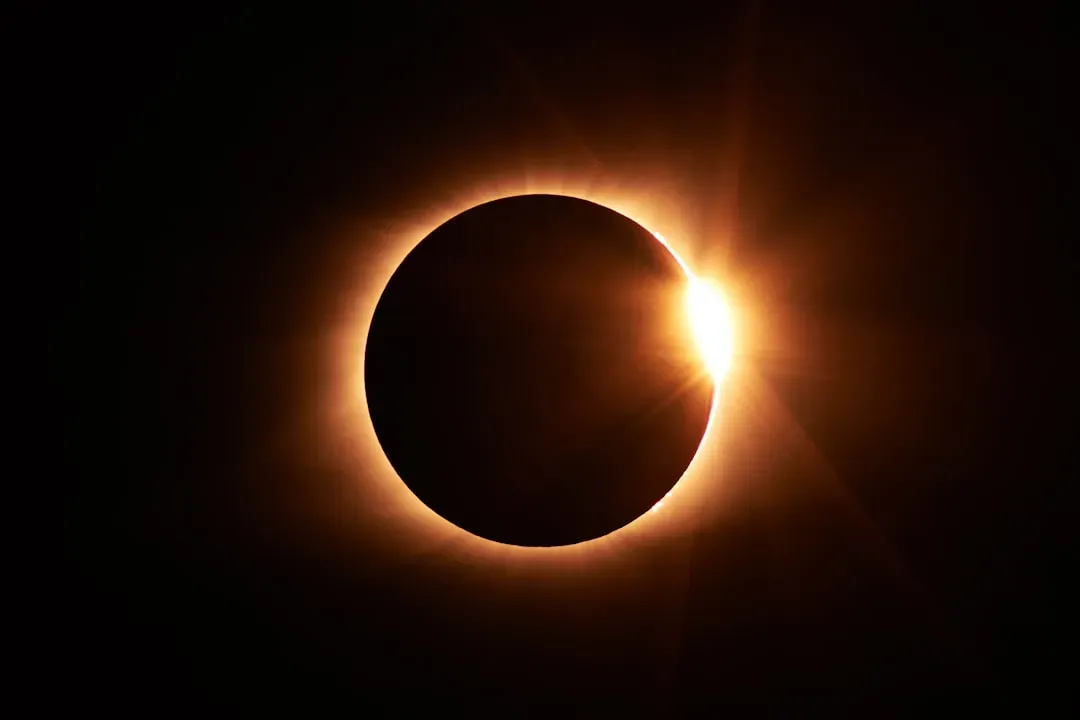
The first time you experience a total solar eclipse, it doesn’t feel real – it feels like the world has glitched. In just a few minutes, daylight fades into an eerie twilight, shadows sharpen into strange, crisp outlines, and the temperature can drop enough that you actually feel a chill. Birds sometimes quiet down or even act like it’s evening, and the whole environment takes on this surreal, otherworldly tone that no photograph ever fully captures.
During totality, when the Moon completely covers the Sun, you suddenly see the Sun’s outer atmosphere, the ghostly solar corona, stretching out in delicate, wispy streamers. Bright planets and a few of the brightest stars appear in the middle of the “day,” and the horizon can glow in a soft ring of sunset colors all around you. You absolutely must use certified eclipse glasses for every moment except the brief totality itself, because the Sun is still dangerous to look at directly. Planning ahead – checking future eclipse paths, traveling into the “path of totality,” and watching weather forecasts – turns this from a random event into one of the most unforgettable experiences of your life.
Total Lunar Eclipse: The Moon Turns Blood-Red
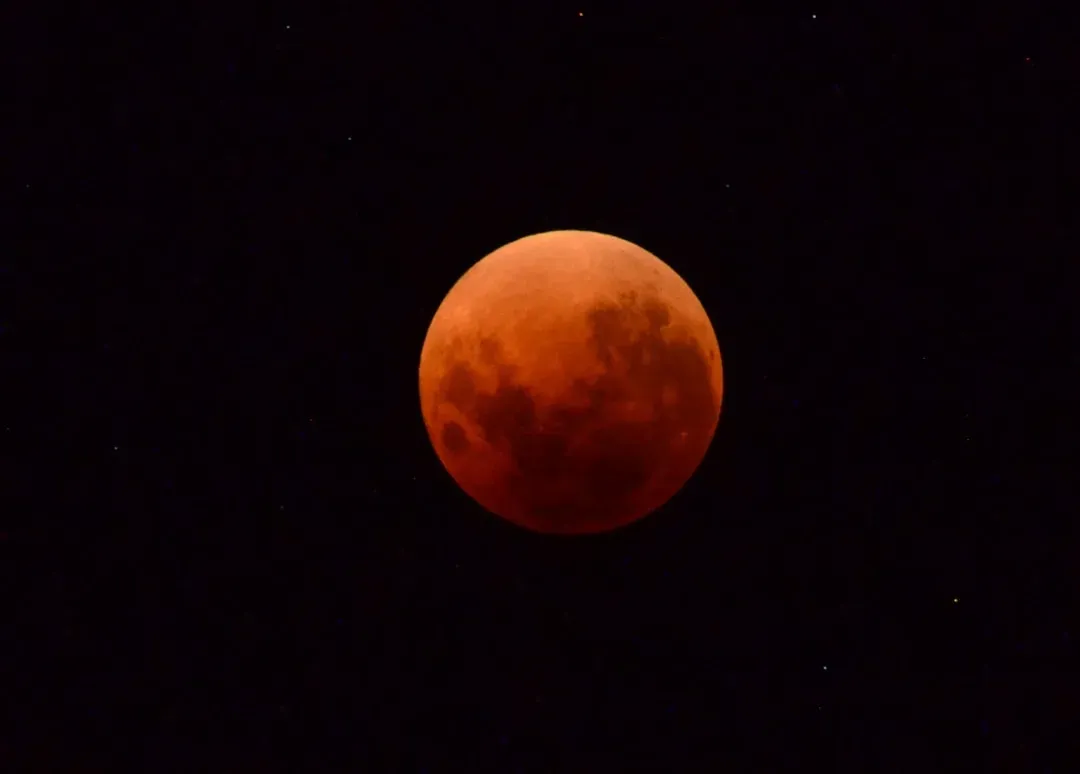
While a solar eclipse feels sharp and intense, a total lunar eclipse is slow, moody, and almost cinematic. Over the course of a couple of hours, you watch the bright full Moon gradually get bitten into by a dark shadow until it’s fully covered by Earth’s shadow. Then, instead of disappearing, it often transforms into a deep copper, rusty orange, or brick‑red orb hanging silently in the sky. It looks like something out of mythology, and for most of human history, it probably fueled a lot of wild stories and fear.
The red color happens because sunlight bends through Earth’s atmosphere and scatters, with the redder light making it into the shadow – similar to why sunsets look orange and red. The cool thing is you don’t need any equipment at all; you can sit on your porch, in a park, or on a rooftop and watch the whole drama unfold with your naked eyes. It’s also safe for kids, pets, and anyone else to stare at as long as they like, which makes it a perfect “family astronomy night” event. If the sky is clear, a total lunar eclipse can turn a perfectly ordinary weeknight into something that feels strangely sacred and shared.
Major Meteor Showers: Shooting Stars Everywhere
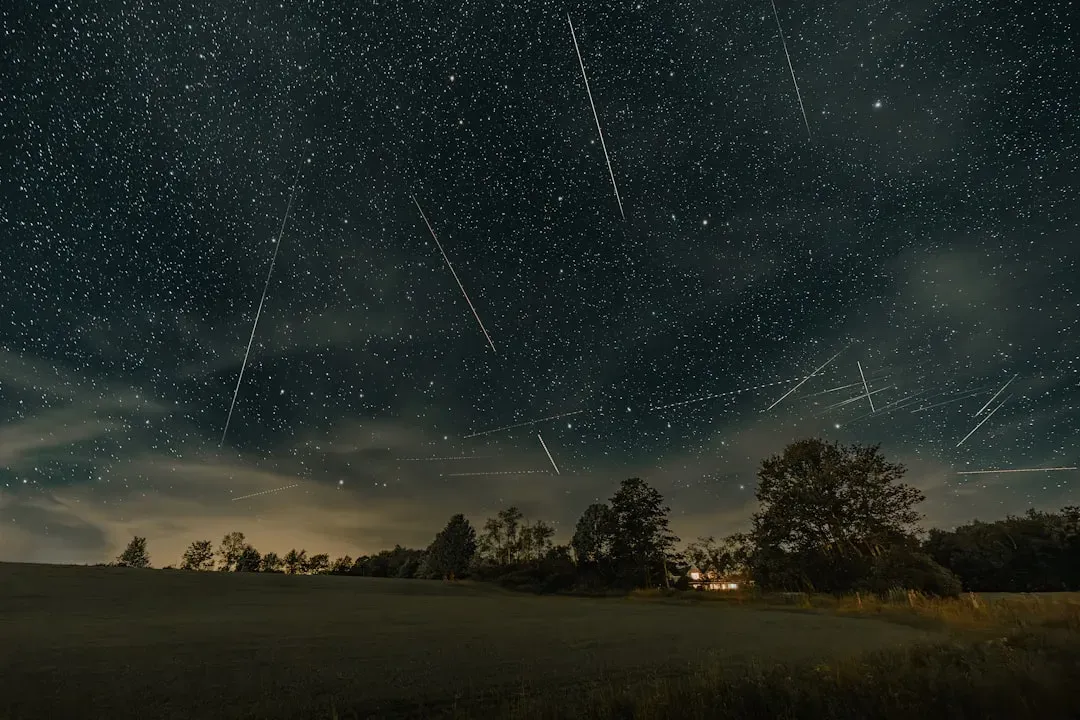
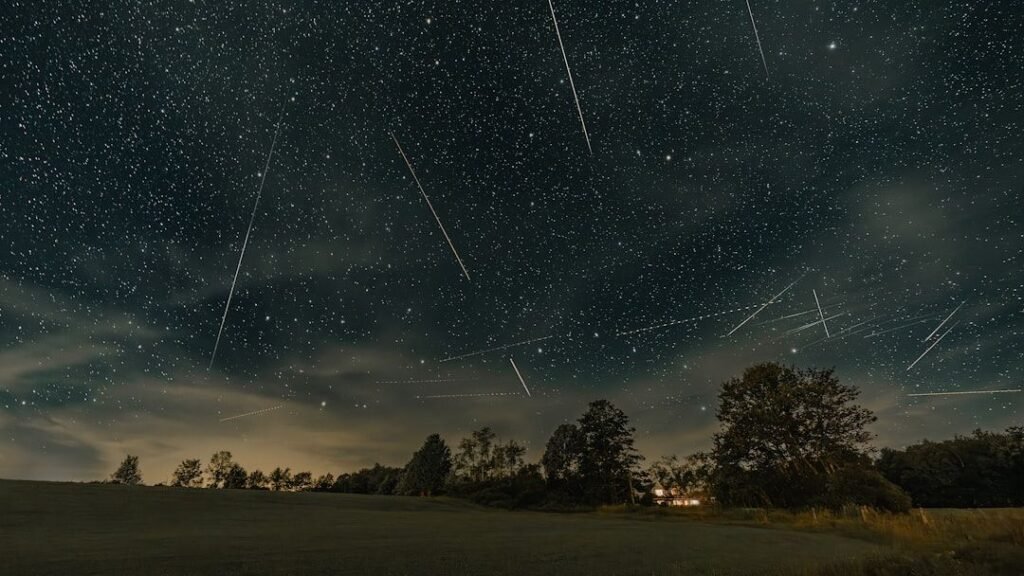
If you’ve ever wished on a single “shooting star,” wait until you stand under a truly dark sky during a strong meteor shower. Instead of seeing one or two meteors over an hour, you might catch one every few minutes – sometimes more often during peak bursts. These streaks of light are tiny bits of comet or asteroid debris burning up high in Earth’s atmosphere, yet somehow they feel insanely personal, like someone’s scribbling quick white lines across your private night. When a bright meteor leaves a glowing trail that lingers for a second or two, it can feel like the sky is signing its name.
Well‑known showers like the Perseids in August or the Geminids in December can be especially spectacular when the Moon is not too bright and you’re far from city lights. You don’t need binoculars or a telescope; you just lie back, let your eyes adapt to the dark for about twenty minutes, and stare up. The longer you watch, the more your brain starts to relax into the slow, patient rhythm of the sky, and the occasional sudden meteor becomes almost shocking. It’s a simple experience – just you, the dark, and random flashes of light – but it can feel more healing than any expensive vacation.
Bright Planetary Conjunctions and Alignments
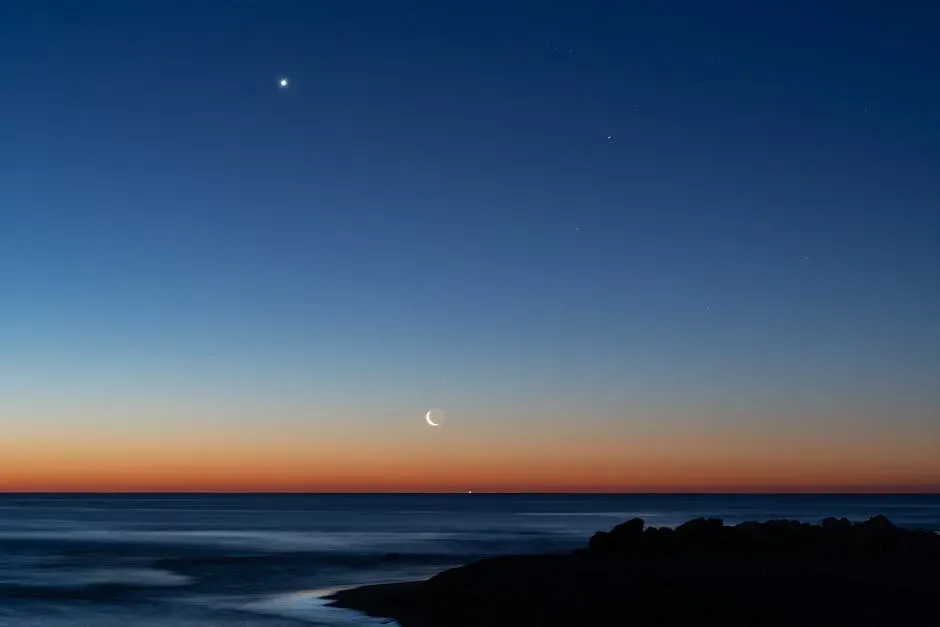
Every so often, the planets line up from our perspective in a way that makes the sky look staged, almost like someone rearranged the lights just to get your attention. You might step outside and see two bright “stars” incredibly close together – the classic planetary conjunction – or notice a graceful line of several planets stretching across the sky before dawn. Even people who don’t care at all about astronomy tend to stop, squint up, and say something like, “Ok, that looks weird.” There’s a quiet thrill in realizing you’re seeing multiple worlds, each with its own moons, storms, and landscapes, all at once with your unaided eyes.
Recent years have brought some striking pairings, like bright encounters between Jupiter and Venus that almost looked like a double star hanging over the horizon. With just a smartphone app or a simple sky chart, you can identify which dot is which planet and track their slow dance across the weeks. You don’t need perfect conditions – often these are visible even from cities, above the glow of streetlights. Watching planets huddle together in the sky can make our solar system feel less like an abstract diagram from school and more like a real, dynamic neighborhood that you are literally standing inside.
The Milky Way in a Truly Dark Sky
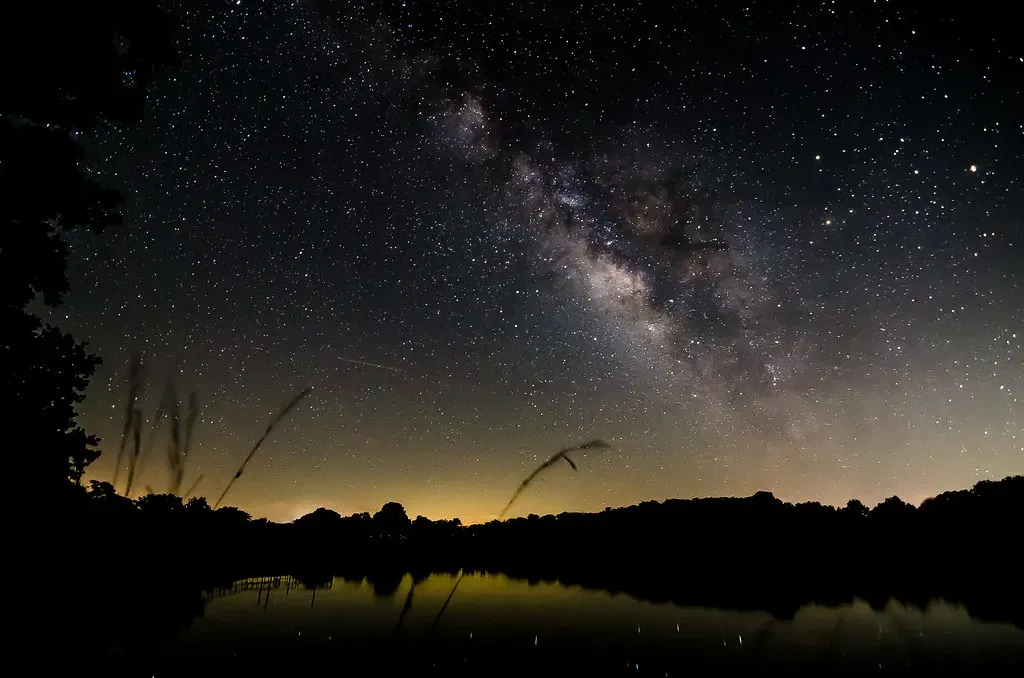
The first time you see the Milky Way from a location with almost no light pollution, it can be a little overwhelming. Instead of a sprinkling of stars, you get a thick, cloudy band stretching across the sky, filled with countless points of light, dark dust lanes, and subtle variations in brightness. It looks less like a “view” and more like a vast river of stars pouring silently over your head. In that moment, the idea that we live inside a galaxy stops being a textbook fact and slams into your senses as something undeniably real.
To see it well, you usually need to get away from bright cities and find a night that’s clear, moonless, and dry. That might mean a road trip to a national park, a rural campground, or a designated dark‑sky reserve where streetlights are minimal by design. After your eyes adjust, you begin to notice not just the Milky Way but also clusters, faint smudges that are distant galaxies, and a level of detail that never shows up in casual urban stargazing. It’s humbling in a way few experiences are – you realize you’re looking at the inside structure of your own galaxy, a kind of cosmic home portrait, and it can quietly shift how you feel about everything that happens down here on the ground.
Conclusion: Let the Sky Rearrange Your Perspective
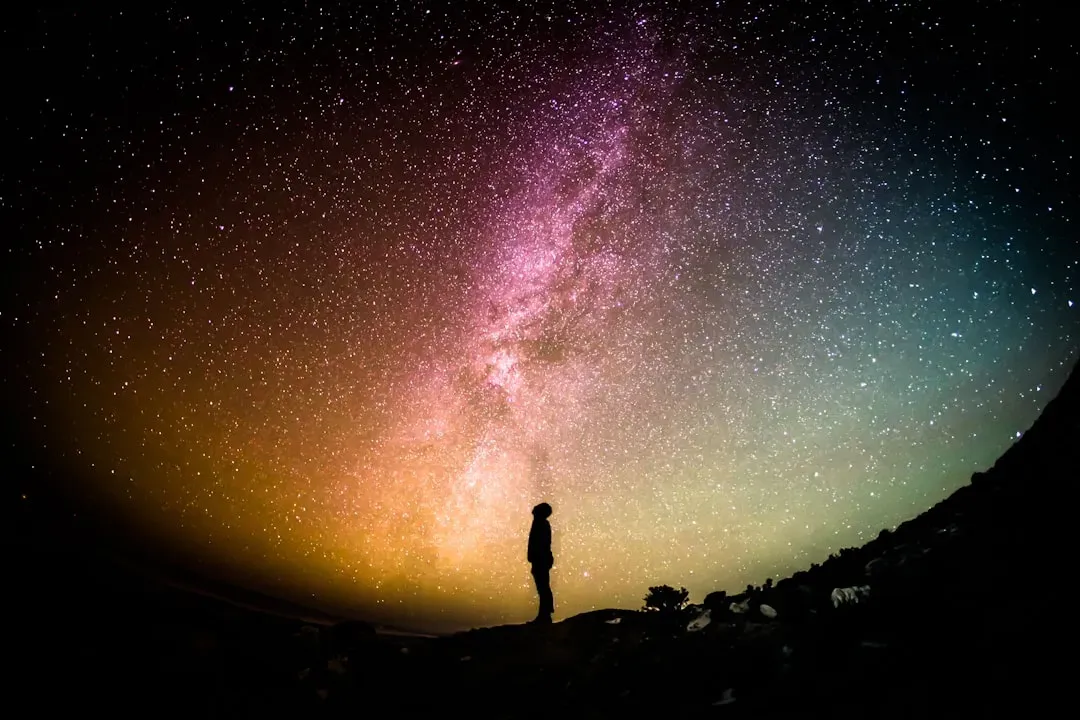
These five celestial events – total solar and lunar eclipses, major meteor showers, striking planetary lineups, and a raw view of the Milky Way – are not rare privileges reserved for scientists with fancy gear. They’re open invitations from the universe that show up on a schedule we can predict, waiting for anyone willing to turn off the lights, step outside, and look up for longer than a quick glance. Each one delivers its own kind of emotional punch: the shock of day turning to night, the haunting glow of a red Moon, the playful surprise of sudden meteors, the quiet awe of lined‑up planets, and the deep, almost spiritual stillness of a sky packed with stars.
You don’t have to chase them all at once; even witnessing one of these events fully, with your attention actually present, can become a lifelong memory. Maybe the next time you hear about an eclipse, a meteor shower peak, or a dark‑sky park nearby, you’ll treat it less like a piece of trivia and more like a chance to reset your sense of scale. The cosmos doesn’t need you, but you might be surprised how much you need the cosmos. Which of these sky shows are you going to plan for first?