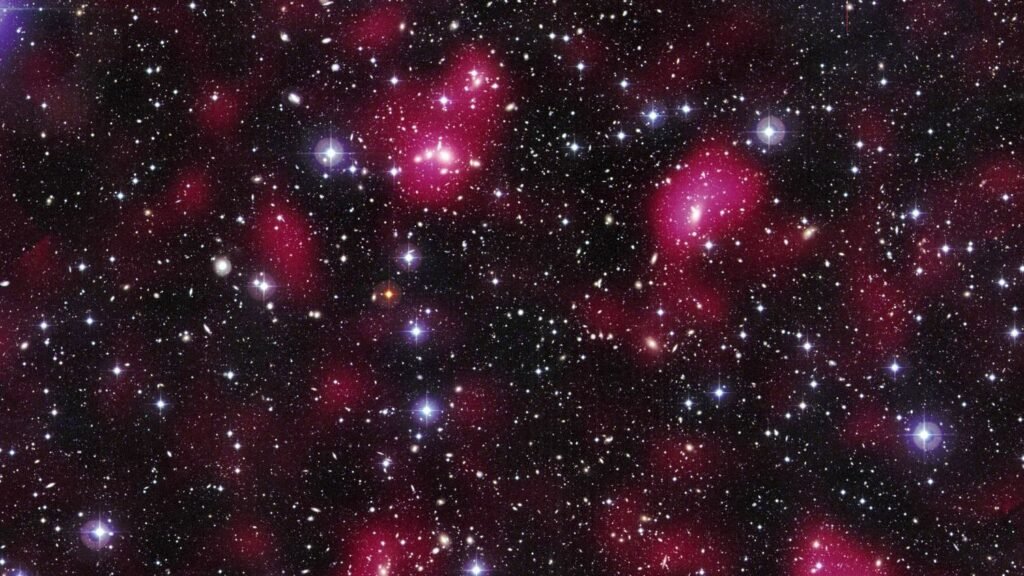

Imagine everything you can see – every star, every planet, every galaxy blazing across the night sky – adding up to less than five percent of what actually exists. That’s not science fiction. That’s the universe you live in. The rest of it, the overwhelming majority, is something scientists still can’t fully see, touch, or define. Yet without it, none of what you’re looking at would be here at all.
You might think space is mostly empty. Honestly, that instinct isn’t wrong, but it misses something enormous lurking in the dark. The particle at the center of this cosmic mystery has no face, no glow, no detectable signal scientists have been able to pin down with certainty. Yet its gravitational fingerprints are all over the universe. So let’s dive in and explore what this shadowy substance is, why it matters so profoundly, and why its discovery could be the single greatest scientific breakthrough in human history.
The Invisible Ingredient That Holds Everything Together
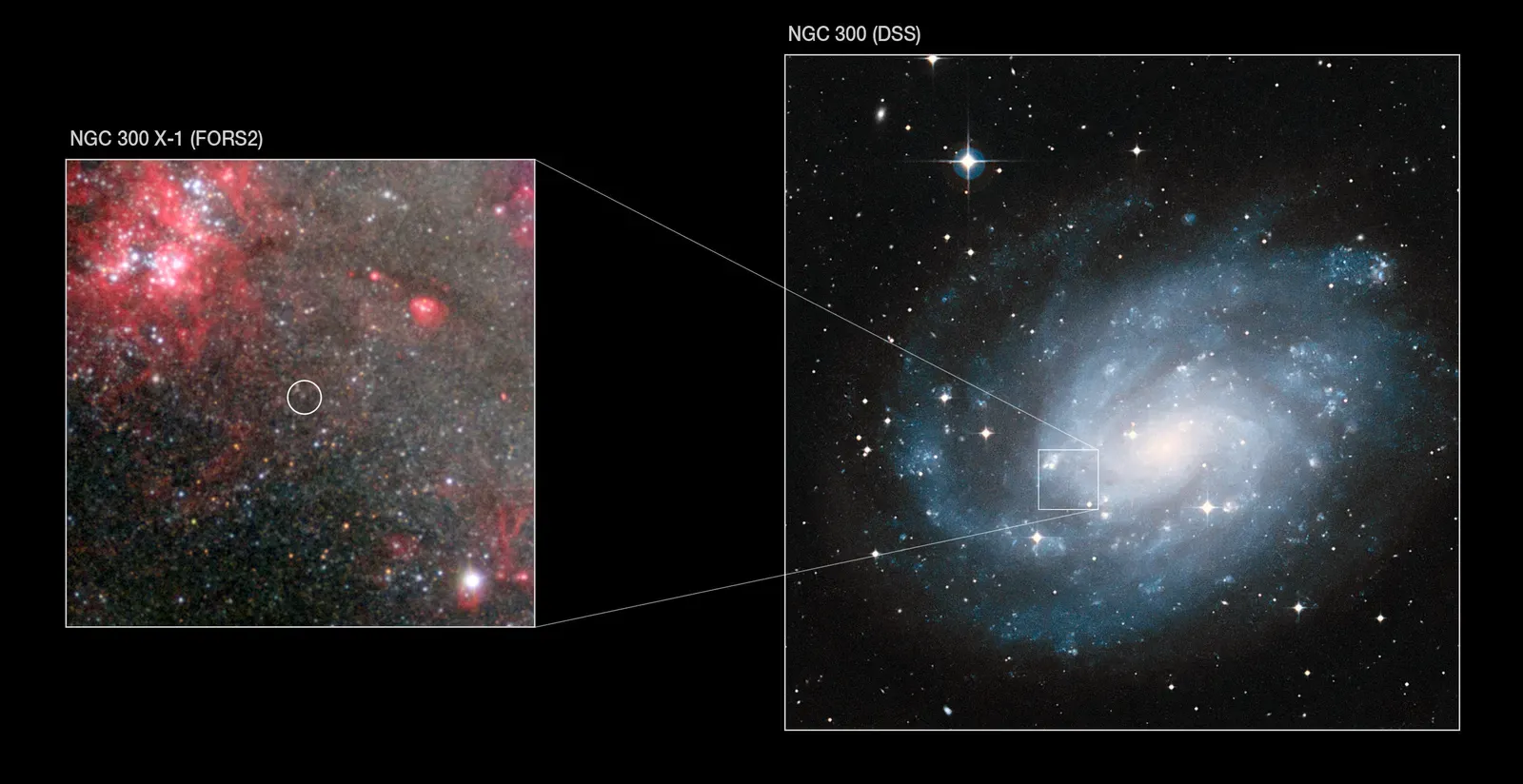
Here’s the thing most people don’t realize: the universe as you know it shouldn’t hold together at all – not based on the matter you can see. Galaxies are rotating with such speed that the gravity generated by their observable matter could not possibly hold them together. They should have torn themselves apart long ago. The same is true of galaxies in clusters, which leads scientists to believe that something invisible is at work.
Dark matter is a form of matter that does not emit, absorb, or reflect light, making it invisible to traditional telescopes. Although it cannot be seen directly, its presence is inferred through gravitational effects on galaxies, galaxy clusters, and the large-scale structure of the universe. Think of it like the rebar hidden inside a concrete building – you never see it, but pull it out and the whole structure collapses. That’s exactly what dark matter does for the cosmos you call home.
Just How Much of the Universe You’re Not Seeing
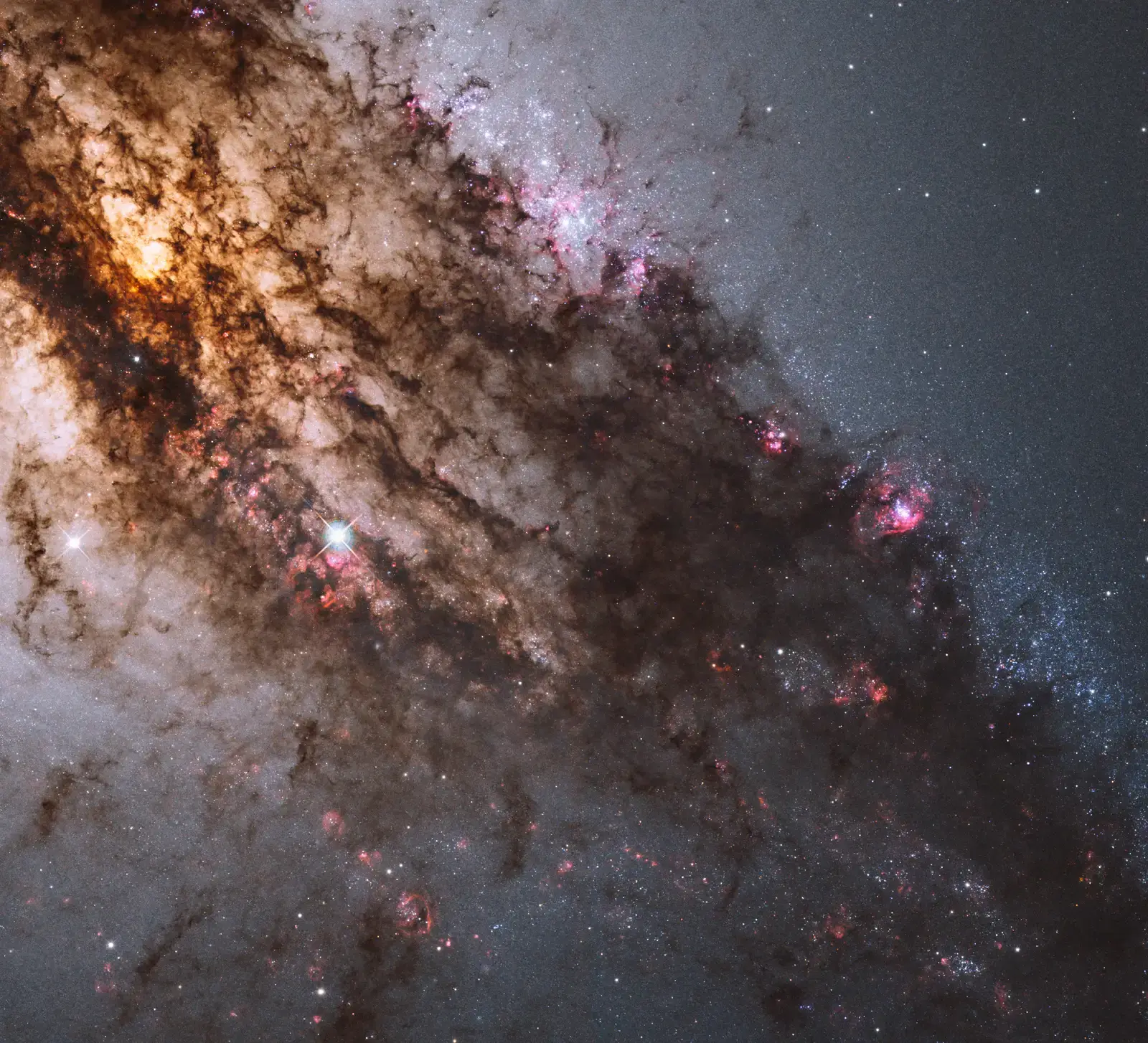
Scientists estimate that ordinary matter makes up only about five percent of the universe, while dark matter makes up about twenty-seven percent. The rest is thought to be dark energy, which is its own mystery. Let that sink in for a moment. Everything you’ve ever seen, touched, or measured with any scientific instrument – stars, planets, oceans, living beings – is a thin sliver of cosmic reality. The rest is dark.
The measured gravity far exceeds what can be explained by ordinary matter by about five times. Basically, there’s not enough ordinary matter in the universe to explain why galaxies stay together or how they formed in the first place. It’s one of those facts that sounds like someone made it up, but the evidence is overwhelming, consistent, and confirmed across multiple independent methods of observation.
How Scientists Know It’s There Without Ever Seeing It
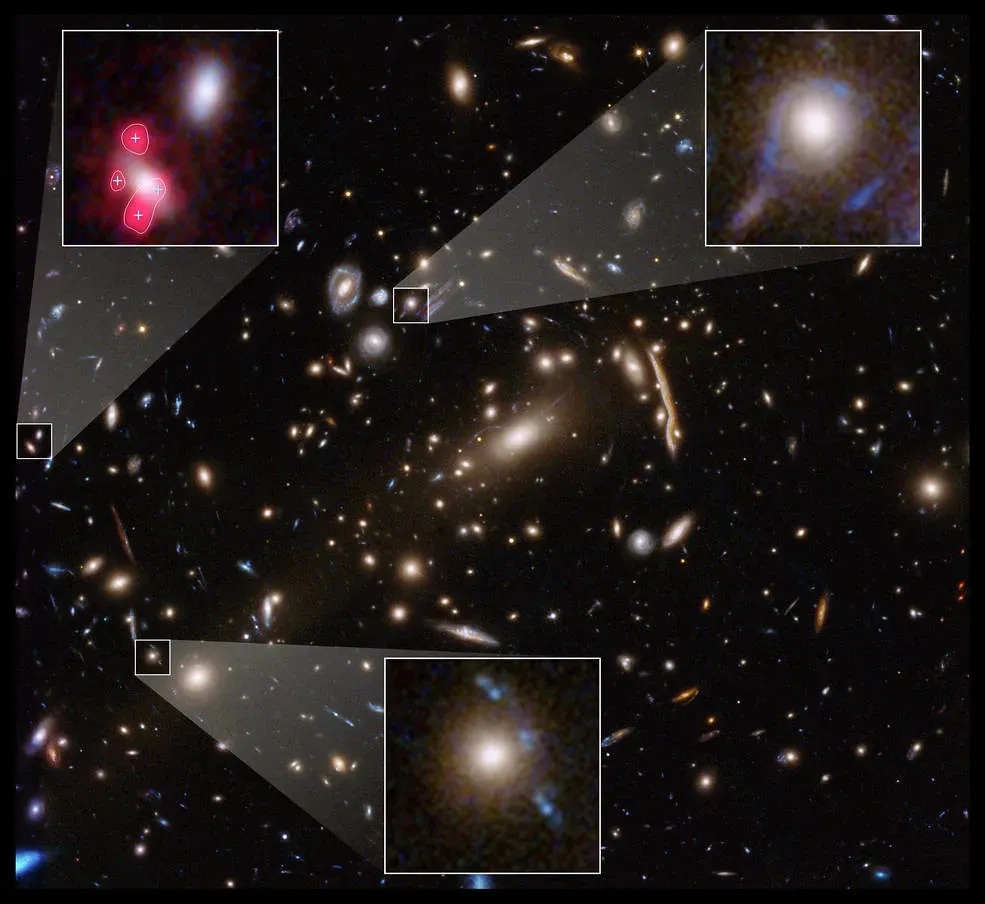
Researchers have been able to infer the existence of dark matter only from the gravitational effect it seems to have on visible matter. This is a little like detecting a ghost by watching furniture slide across a room. You don’t see the ghost, but you cannot deny the furniture is moving. The gravitational effects dark matter produces are unmistakable, repeatable, and observed across the entire observable universe.
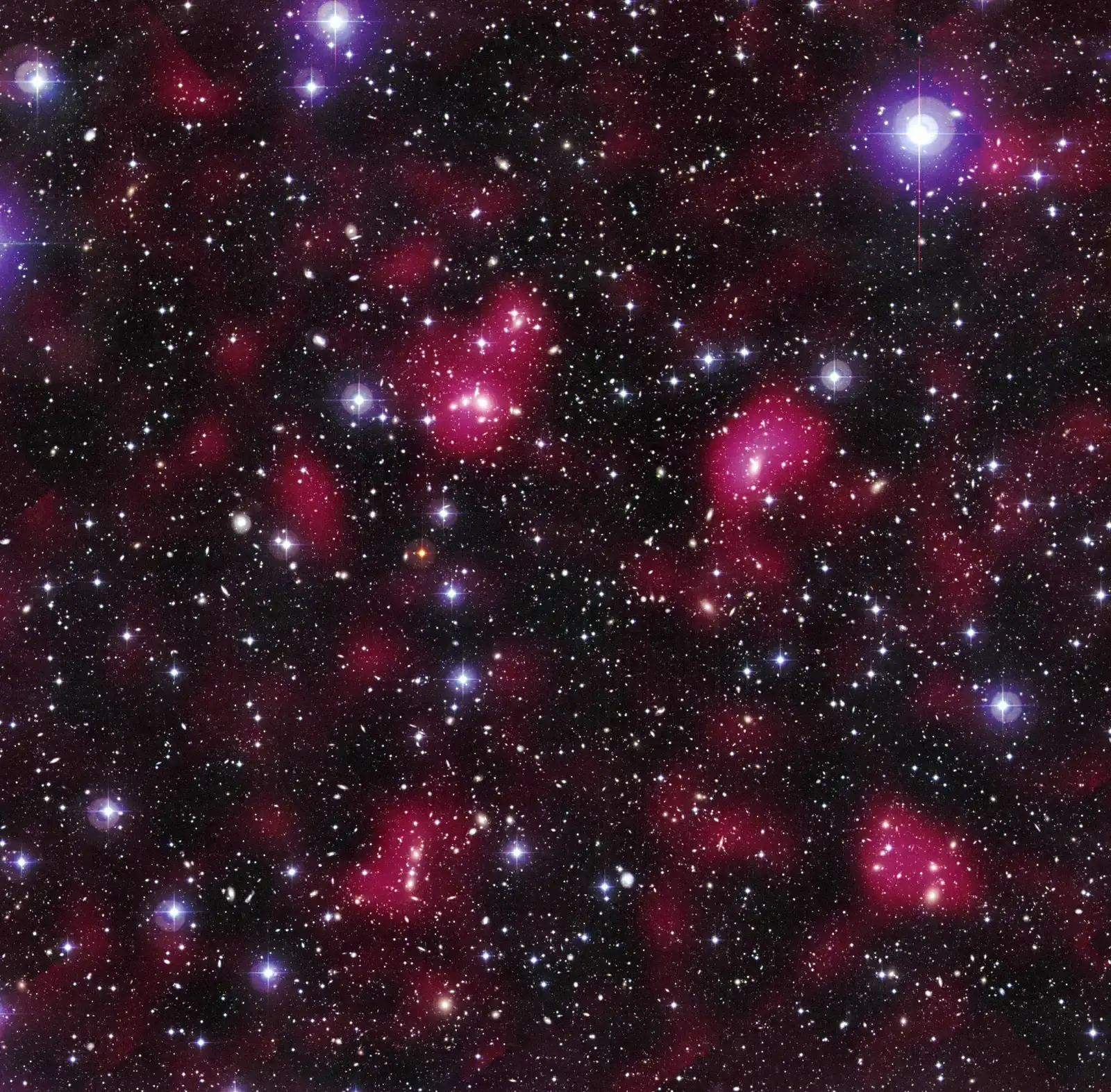
Its presence is inferred from galaxy rotation curves, gravitational lensing, and cosmic microwave background fluctuations, all pointing to a form of matter that holds the cosmos together without emitting light or energy. Gravitational lensing, in particular, is stunning: dark matter is so massive it actually bends the path of light from distant objects, acting like a giant cosmic lens. You can see its effects written into the fabric of spacetime itself.
Without It, There Would Be No Stars, No Planets, No You
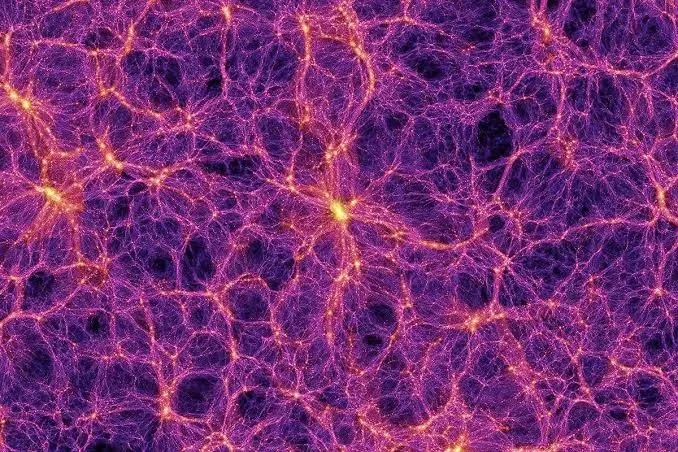
This is where things get truly extraordinary – and a little unsettling. Without dark matter, the universe would look nothing like it does now. There would be no galaxies, no stars, no planets, and therefore, no life. This is because dark matter acts as the invisible skeletal structure that holds up the visible universe. You literally owe your existence to something you can’t see.
Dark matter is thought to serve as gravitational scaffolding for cosmic structures. After the Big Bang, dark matter clumped into blobs along narrow filaments with superclusters of galaxies forming a cosmic web at scales on which entire galaxies appear like tiny particles. Without that scaffolding, the gas and dust of the early universe would never have had anything to condense around. No collapse, no stars, no planets, no story.
The Suspects: WIMPs, Axions, and the Charged Gravitino
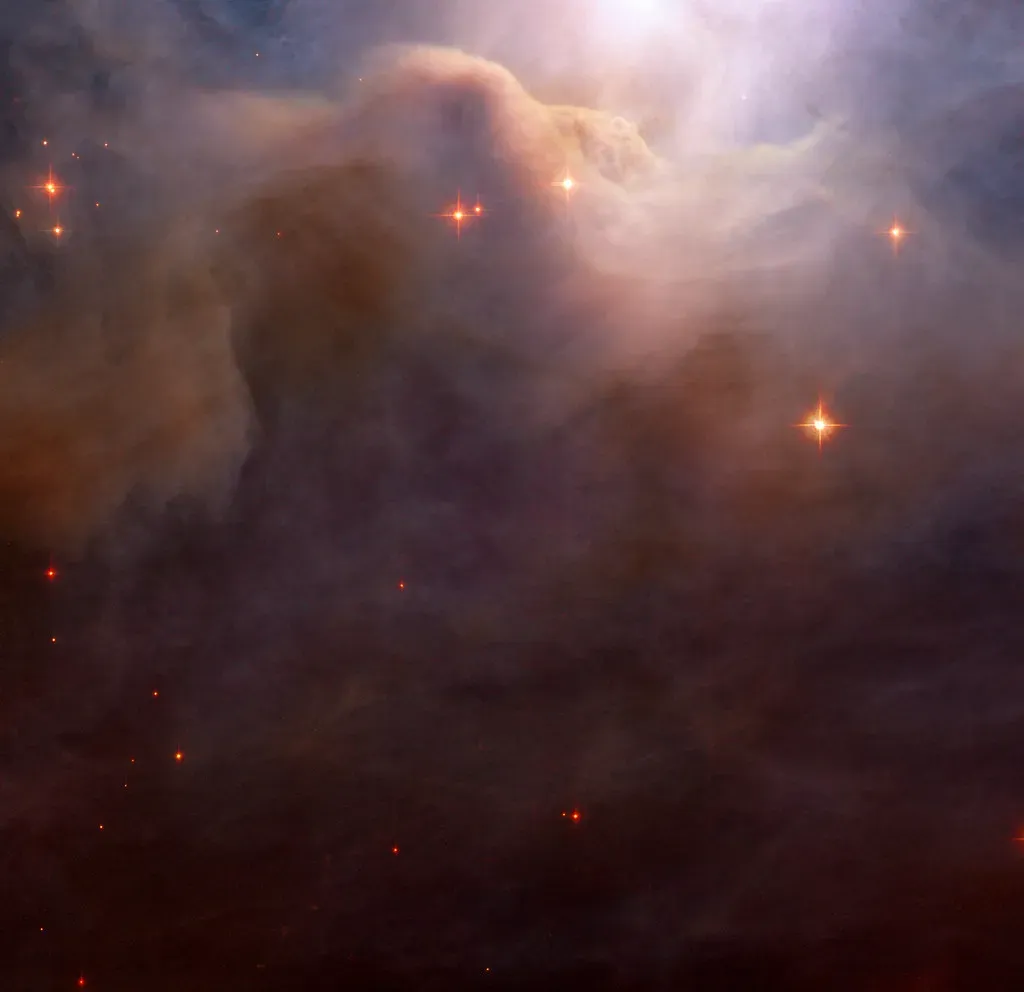
Dark matter’s composition is unknown, with candidates including WIMPs, axions, and sterile neutrinos. Each explains specific cosmic phenomena but has yet to be detected. The scientific community has been playing a decades-long game of cosmic hide-and-seek, and the suspects keep slipping away. It’s genuinely one of the most humbling situations in modern physics.
One of the most exciting new developments involves a particle called the charged gravitino. Several years ago, in a theory unifying particle physics and gravity, new, radically different dark matter candidates were proposed: superheavy charged gravitinos. A very recent paper in Physical Review Research by scientists from the University of Warsaw and Max Planck Institute for Gravitational Physics shows how new underground detectors, in particular the JUNO detector, are also extremely well suited to eventually detect charged dark matter gravitinos. The simulations show that the gravitino signal in the detector should be unique and unambiguous.
The Hunt: Billion-Dollar Detectors and Underground Labs
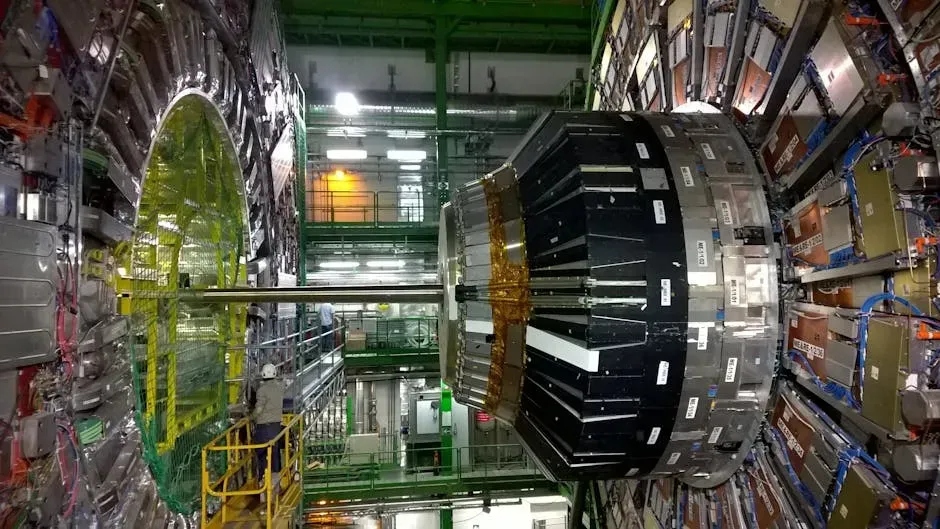
Nearly everything in the universe is made of mysterious dark matter and dark energy, yet we can’t see either of them directly. Scientists are developing detectors so sensitive they can spot particle interactions that might occur once in years or even decades. These experiments aim to uncover what shapes galaxies and fuels cosmic expansion. Cracking this mystery could transform our understanding of the laws of nature.
Researchers at the University of Washington have been running their detector at an underground lab a mile below the French Alps to ensure it gets a clean signal when and if dark matter passes through. A mile of rock above you, just to eliminate the noise of ordinary cosmic radiation. That’s the level of precision this search demands. The researchers ran their detector for eighty-four days and did not get a positive hit. But they say that lack of detection is very telling – not about what dark matter is, but what it likely isn’t. The result starts to narrow down what flavor of particle dark matter is most likely to be.
Could the Whole Theory Be Wrong? The Bold New Challenge
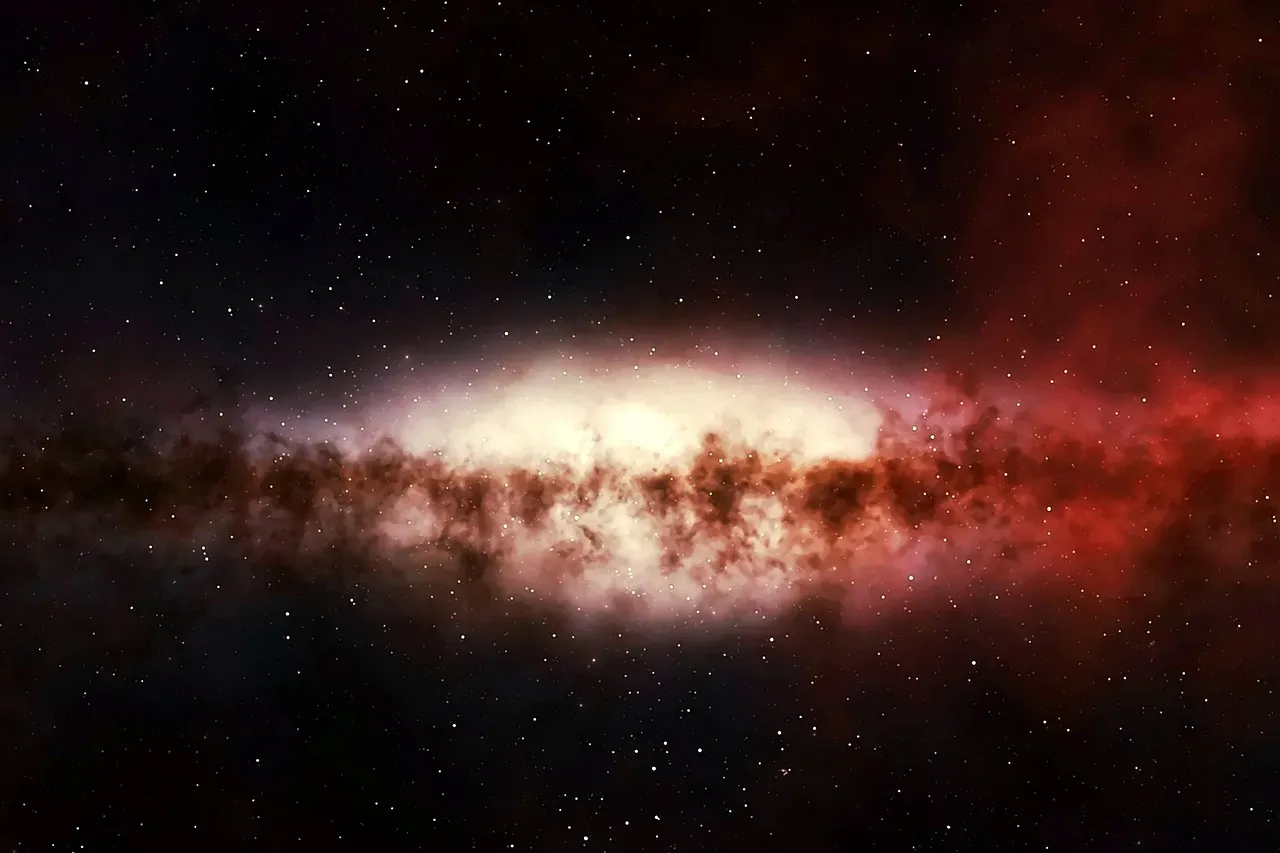
Here’s where it gets genuinely controversial. A growing number of physicists are asking a radical question: what if dark matter doesn’t exist at all? A bold new theory suggests that dark matter and dark energy might not exist – instead, their apparent effects could stem from the universe’s fundamental forces slowly weakening over time. It’s the kind of idea that makes most cosmologists deeply skeptical, but it can’t simply be ignored.
The question of whether dark matter exists arises from galactic rotation curves where stars move faster than expected. One researcher’s infrared running scheme suggests gravity behaves differently over vast distances, potentially eliminating the need for cold dark matter while remaining consistent with early-universe precision measurements and cosmic microwave background data. I think it’s hard to say for sure whether this alternative will hold up to scrutiny, but the fact that serious scientists are testing it tells you everything about how deep this mystery actually runs. The prevailing opinion among most astrophysicists is that while modifications to general relativity can conceivably explain part of the observational evidence, there is probably enough data to conclude there must be some form of dark matter present in the universe.
Conclusion: The Particle That Makes Your Existence Possible
You live in a universe built on something you cannot see, cannot touch, and have never directly measured. Dark matter isn’t just a physics puzzle sitting in a journal somewhere. It is, by every indication science currently has, the reason you exist. The reason stars formed. The reason galaxies held together long enough for planets to grow and life to emerge.
The search for this particle is one of the most urgent scientific quests of the twenty-first century. From underground labs deep beneath the Alps to theoretical physicists reimagining gravity itself, the entire scientific world is racing toward an answer that could rewrite everything. Resolving this puzzle is key to advancing current understanding of both cosmology and particle physics. The solutions will cast light not only on the fate of the universe but also on the very nature of matter, space, and time.
The universe is mostly dark, mostly invisible, and mostly unknown to you. Doesn’t that make you want to look a little harder? What would you have guessed was holding it all together?