We like to think of intelligence as something uniquely human. A private club with a very strict door policy. Yet the more scientists peer into the inner lives of other species, the more that assumption starts to crack.
Some animals don’t just solve problems. They grieve, plan ahead, recognize themselves, manipulate others, and even seem to experience something that looks a lot like emotion. Honestly, a few entries on this list genuinely surprised me when I first came across the research. So let’s dive in and meet the thirteen creatures that are quietly making us rethink everything we thought we knew about minds.
1. The Chimpanzee: Our Uncomfortably Close Cousin
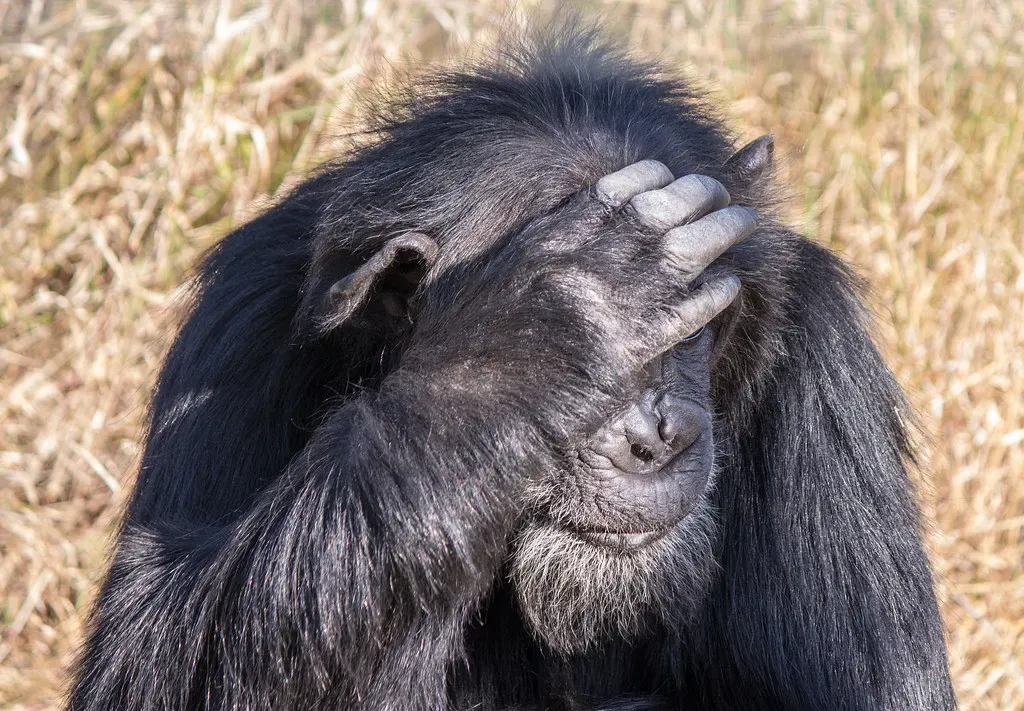
Let’s be real – starting with chimpanzees feels almost too obvious, but leaving them out would be a mistake. These primates share roughly 98 percent of our DNA, and that closeness shows up in ways that are both fascinating and, frankly, a little unsettling.
Chimpanzees have been observed making and using tools, forming political alliances, and even deceiving each other with deliberate cunning. There’s documented evidence of chimps in the wild teaching their young to crack nuts with stones, a behavior that functions like genuine cultural transmission.
What really floors researchers is their short-term memory. In controlled tests, chimps can memorize the positions of numbers on a screen faster than most adult humans can manage. It makes you wonder what exactly “smarter” even means when the comparison gets this close.
2. The Elephant: Memory, Mourning, and Moral Awareness
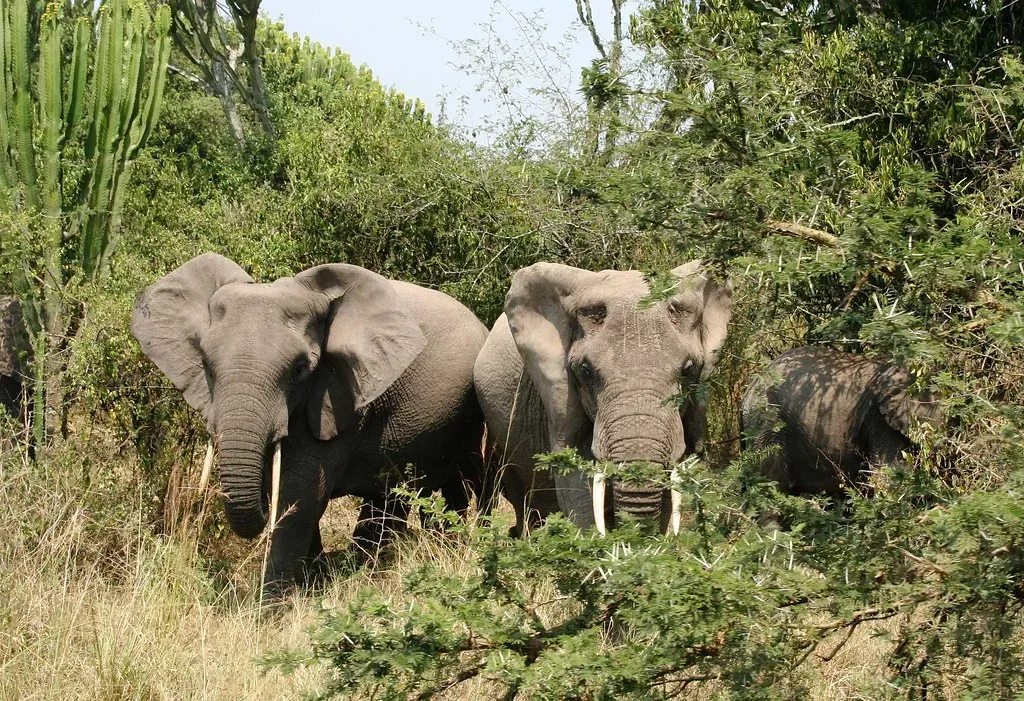
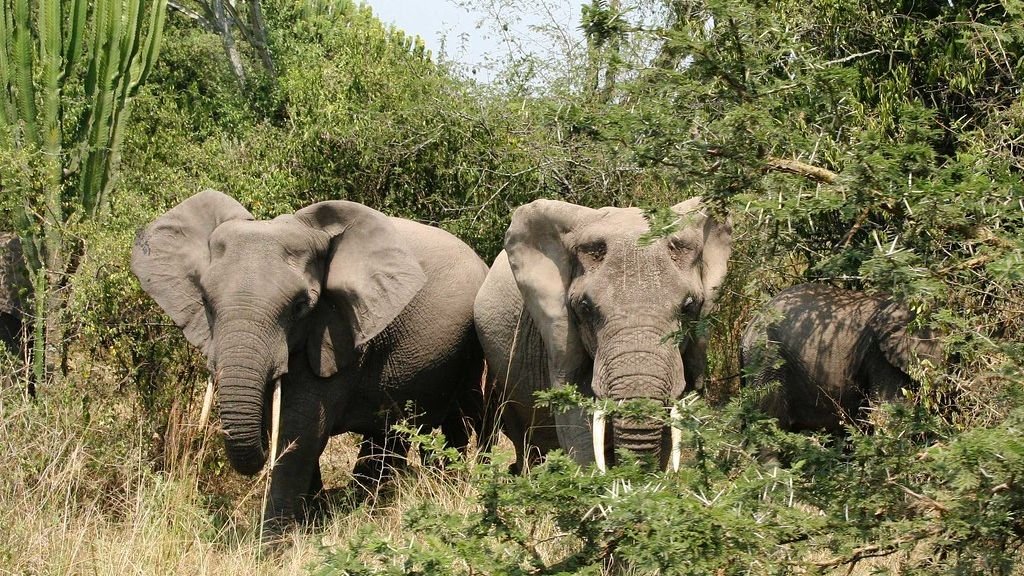
Elephants have the largest brains of any land animal, with a structure similar enough to ours that neuroscientists find the comparison almost eerie. Their temporal lobe, the region heavily tied to memory and emotion in humans, is disproportionately large and deeply folded.
These giants mourn their dead. Not metaphorically. They return to the bones of deceased family members, gently touching the remains with their trunks in what observers consistently describe as ritualistic behavior. They also show empathy toward unrelated individuals in distress, which is a rare trait even among primates.
Elephants recognize themselves in mirrors, coordinate complex group hunts, and have been seen apparently comforting each other after traumatic events. There’s something deeply moving about watching a three-ton animal stop and place its trunk on a grieving companion. That’s not instinct. That’s something more.
3. The Octopus: A Brain Built Completely Differently
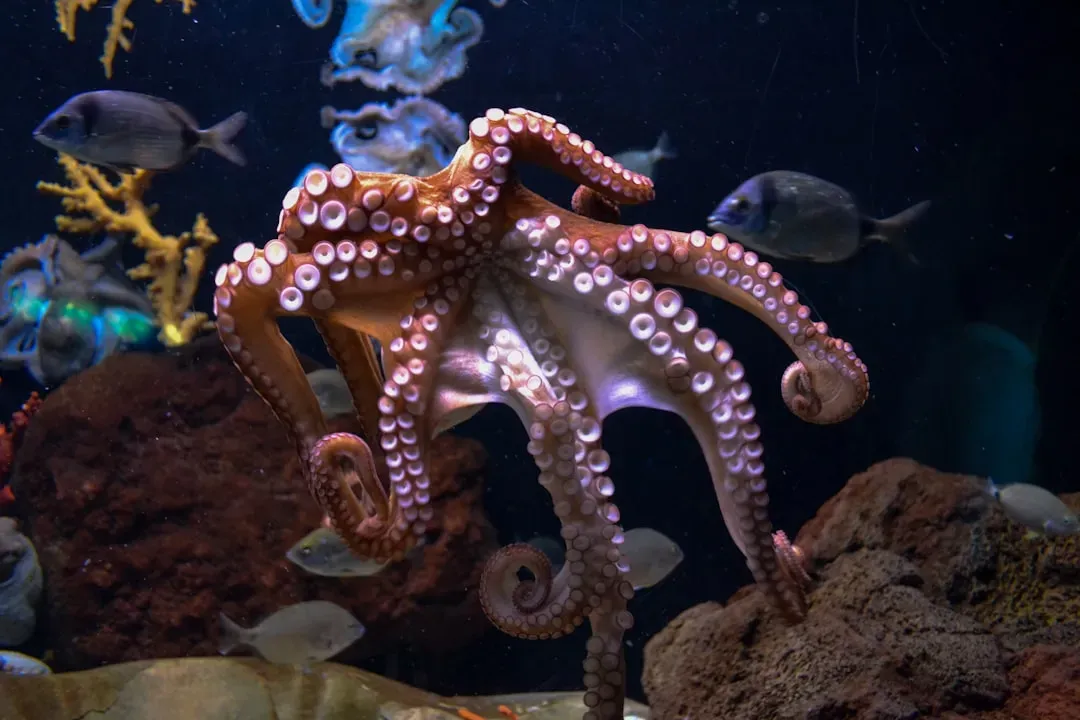
Here’s where things get genuinely weird. Octopuses evolved intelligence along a completely separate path from vertebrates, which means their cognitive abilities didn’t come from any shared ancestor with us. It evolved independently. Twice, basically, the universe invented complex thinking.
Two thirds of an octopus’s neurons aren’t even in its central brain. They’re distributed throughout its eight arms, meaning each limb can process information and make decisions somewhat autonomously. It’s less like a single commander and more like a committee of eight, with a chairman who occasionally gets overruled.
Octopuses escape tanks, open jars, learn by watching other octopuses, and apparently play. Researchers have observed them repeatedly releasing objects into a current and catching them again, behavior that serves no survival purpose. That looks a lot like play to me, and play is something we typically associate only with cognitively sophisticated animals.
4. The Dolphin: The Social Genius of the Sea
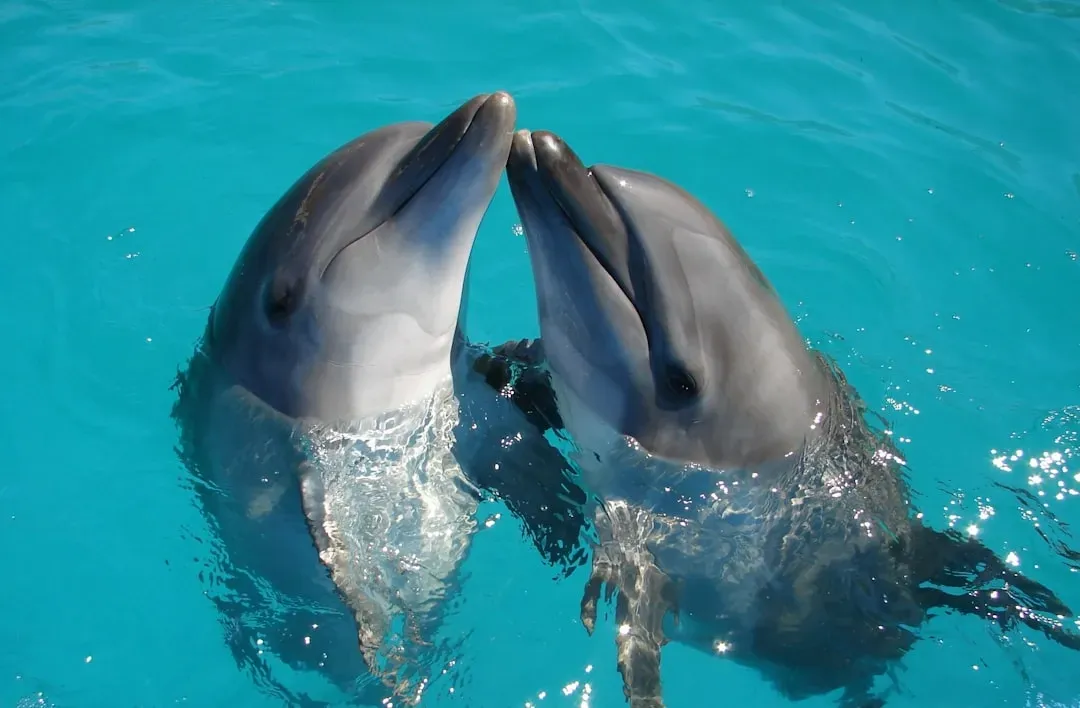
Dolphins are well-known for being clever, but the actual depth of their intelligence goes far beyond the cute tricks we see in marine shows. They have names. Genuinely. Each dolphin develops a unique whistle signature that functions like a personal identifier, and other dolphins use that signature to address them specifically.
They cooperate in hunting strategies that require multi-step planning and role assignment. Some pods in Western Australia have been documented teaching juveniles to use sea sponges as foraging tools, a cultural tradition passed through generations entirely within one local group, not others nearby.
Dolphin brains contain spindle neurons, a type of neural cell previously thought to be exclusive to humans and great apes, and associated with self-awareness and social understanding. Their neocortex is heavily folded and proportionally massive. It’s hard to say for sure what goes on inside a dolphin’s experience, but dismissing it as simple would be a serious error.
5. The Crow: The Feathered Engineer Nobody Expected
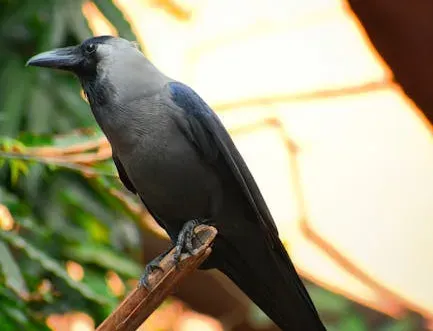
Crows have a brain-to-body ratio comparable to chimpanzees, which already sets the bar high. But what they actually do with that hardware is what earns them a permanent place in any honest conversation about animal intelligence.
New Caledonian crows craft hooked tools from leaves and twigs to extract grubs from tight spaces, a behavior that requires understanding cause and effect, planning for a future need, and sometimes even manufacturing the tool in anticipation. They’ve been observed solving puzzles involving multiple sequential steps, which developmental psychologists once considered a benchmark for seven-year-old children.
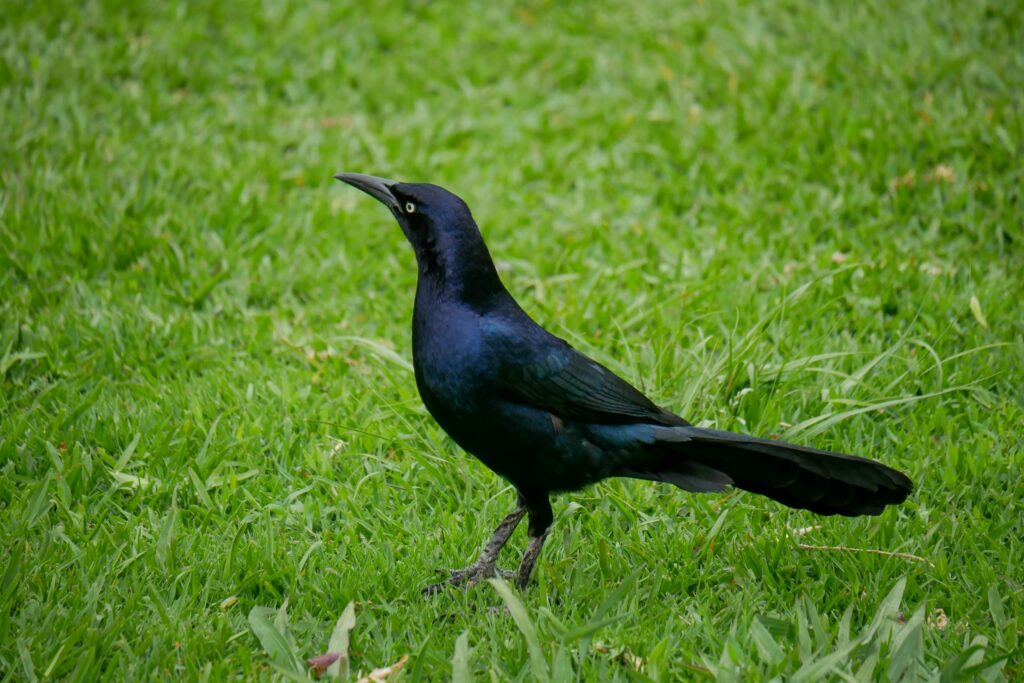
Crows also remember human faces. They hold grudges. Communities of crows will mob a person who threatened one of their group, even years later, and even teach other crows to respond with hostility to that specific face. Honestly, I find that both impressive and a little terrifying.
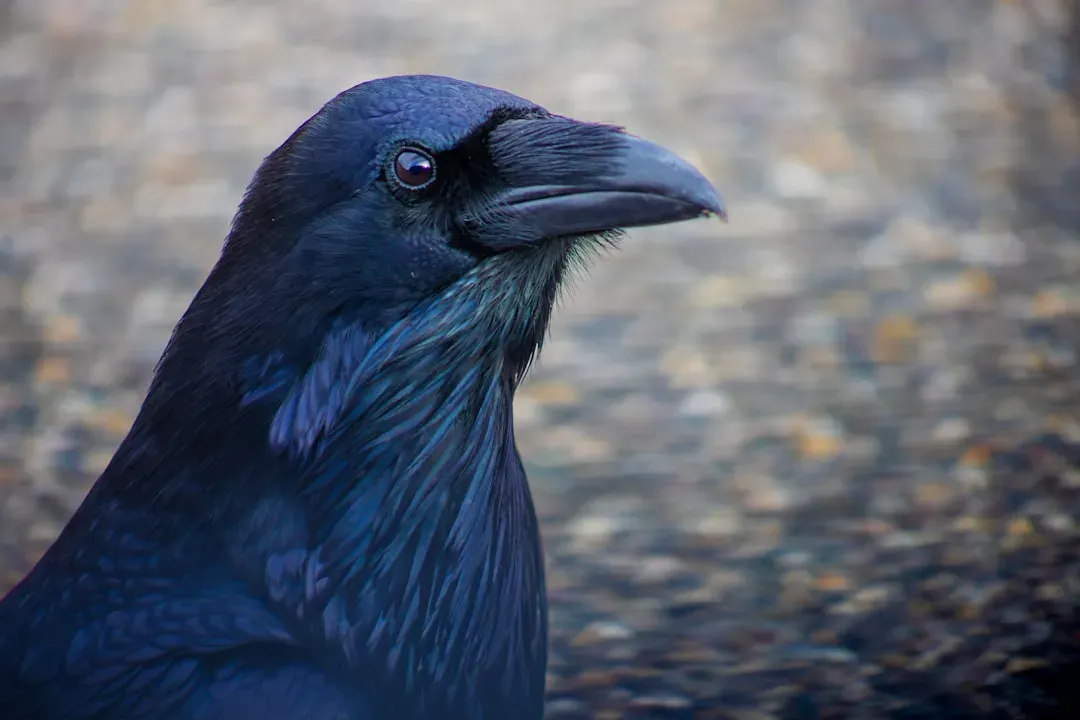
6. The Raven: Philosopher of the Bird World
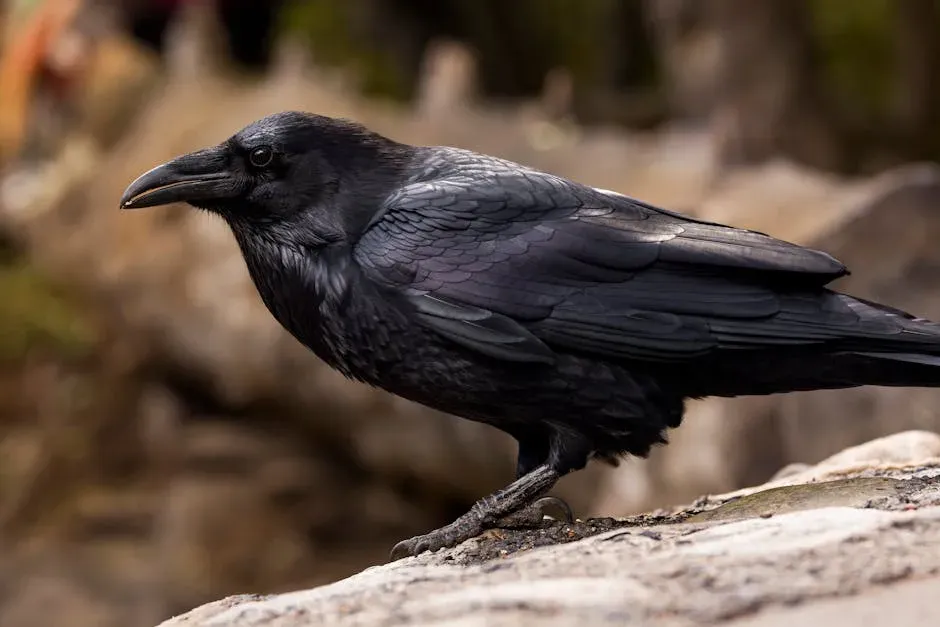
Ravens are often lumped together with crows, but they deserve their own spotlight. They demonstrate planning abilities that, until recently, were thought to require a prefrontal cortex – a region ravens technically don’t have in the way mammals do, yet they perform as if they do.
In experiments, ravens selected the correct tool for a task and carried it with them to a different location, anticipating a future need rather than reacting in the moment. That’s future-oriented cognition. It’s the mental equivalent of packing an umbrella the night before a trip because you checked tomorrow’s forecast.
Ravens also engage in social manipulation, forming strategic alliances, deceiving competitors about food locations, and even appearing to engage in reconciliation behavior after conflicts. Their social intelligence rivals that of many primates, which is a sentence that would have seemed absurd to scientists just a few decades ago.
7. The Pig: The Underrated Thinker in the Barn
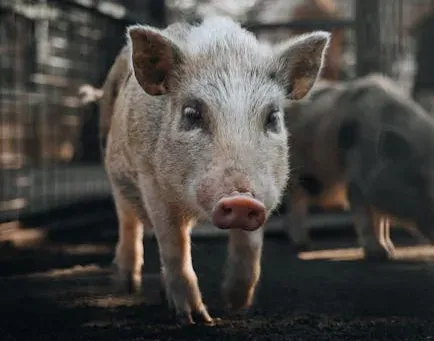
This one surprises almost everyone. Pigs consistently outperform dogs and even three-year-old children on certain cognitive tests. They can operate joystick-controlled video games with their snouts to move cursors toward targets, demonstrating both learning and symbolic understanding.
Pigs have been shown to understand mirrors at a level that suggests at least partial self-awareness. They use the mirror’s reflection to locate food placed behind them in a way that’s out of direct sight, rather than simply pawing at the mirror itself, which is the kind of abstract reasoning most people don’t associate with farm animals.
They also form complex social bonds, show signs of empathy toward other stressed pigs, and can experience pessimistic emotional states in response to poor conditions. In other words, their emotional and cognitive lives are far richer than most people imagine when they think about what’s for Sunday dinner.
8. The Bottlenose Dolphin’s Distant Cousin: The Orca
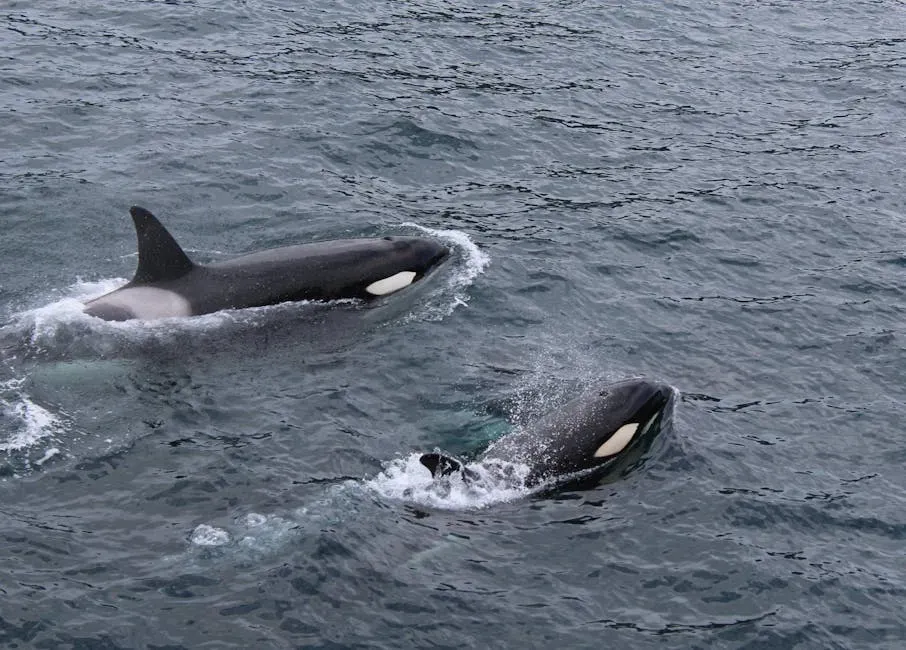
Orcas are sometimes called wolves of the sea, but that comparison undersells them. Their social structures are so intricate and their hunting strategies so varied across populations that researchers now treat different orca groups almost like distinct cultures.
Different pods develop different techniques, different vocalizations, different prey preferences, and different social rules. A technique perfected by one group doesn’t automatically spread to neighboring pods, which tells us this behavior is learned and transmitted culturally rather than inherited genetically.
Orca brains have a highly developed limbic system and an additional lobe not found in human brains, which some scientists believe is associated with processing complex social and emotional information. Their capacity for coordinated, adaptive group behavior is arguably unmatched in the ocean. Maybe in the entire animal kingdom, though that’s a bold claim I’ll admit is still being debated.
9. The Manta Ray: Intelligence in a Flat Package
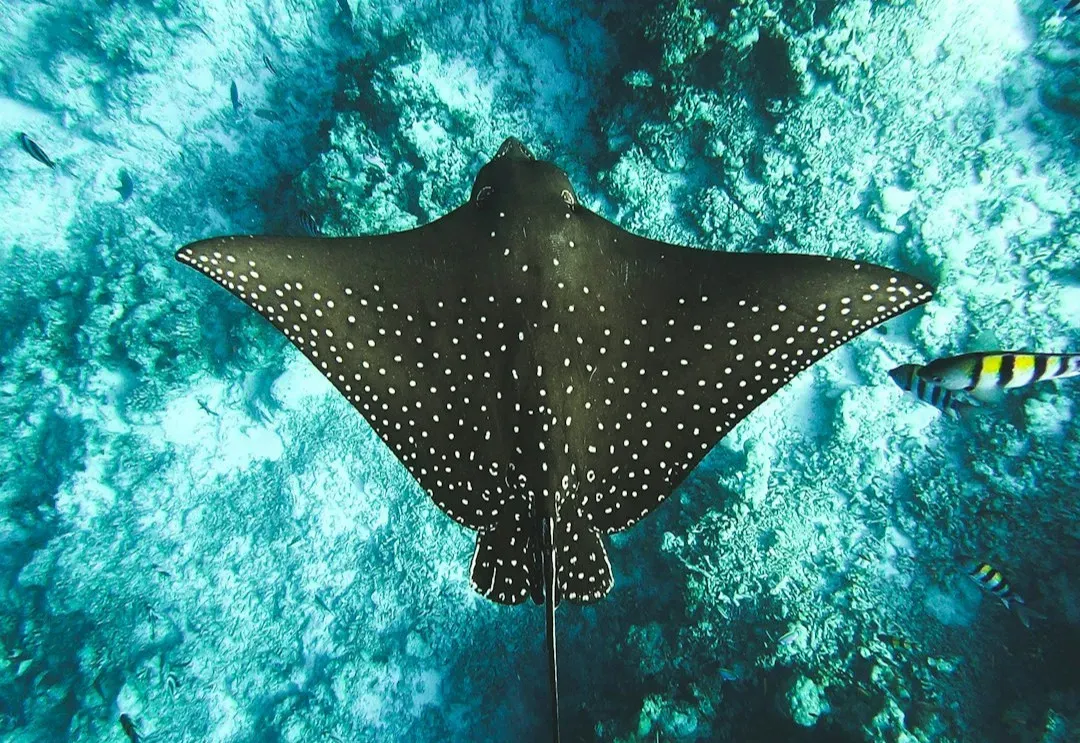
Manta rays look like living kites, and you’d be forgiven for thinking their cognitive lives are similarly flat. You’d be wrong. Among all fish and rays, they have one of the largest brain-to-body ratios, with a forebrain structure that researchers describe as unusually complex for a cartilaginous fish.
Manta rays appear to pass the mirror test, displaying investigative behaviors toward their reflection that suggest a degree of self-awareness. They’ve also been observed engaging in what looks like play behavior and forming what appear to be social preferences, returning repeatedly to specific other individuals over time.
The really striking thing is that manta rays evolved this cognitive complexity entirely independently of mammals or birds, with a completely different brain architecture. It’s another reminder that intelligence isn’t one thing with one shape. It’s more like a destination with many different roads leading to it.
10. The Dog: Emotionally Tuned to Humans in a Unique Way
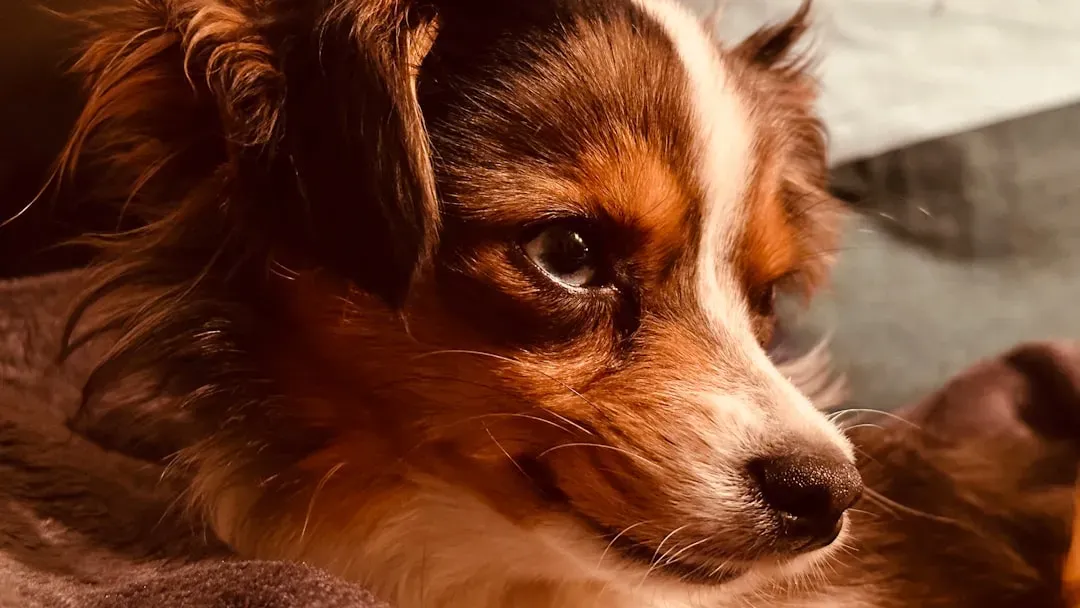
Dogs might not top the raw problem-solving charts, but their specific form of intelligence is extraordinary in its own right. Over thousands of years of coevolution with humans, they’ve developed an almost supernatural sensitivity to human social and emotional cues that no other species quite matches.
Dogs follow human pointing gestures intuitively, something even chimpanzees struggle with. They read human facial expressions, distinguish between happy and angry human faces, and adjust their behavior accordingly. Some breeds show vocabulary comprehension in the hundreds of distinct words, with border collies in particular demonstrating what looks like genuine conceptual understanding of language.
What fascinates me most is that dogs seem to genuinely care about human emotional states, not just to get a reward, but as a form of social bonding. Brain imaging studies using cooperative MRI sessions show that dogs process human voices and emotional sounds in ways that are structurally similar to how humans process the same inputs. That’s a remarkable convergence.
11. The Bee: Tiny Brain, Enormous Cognitive Feats
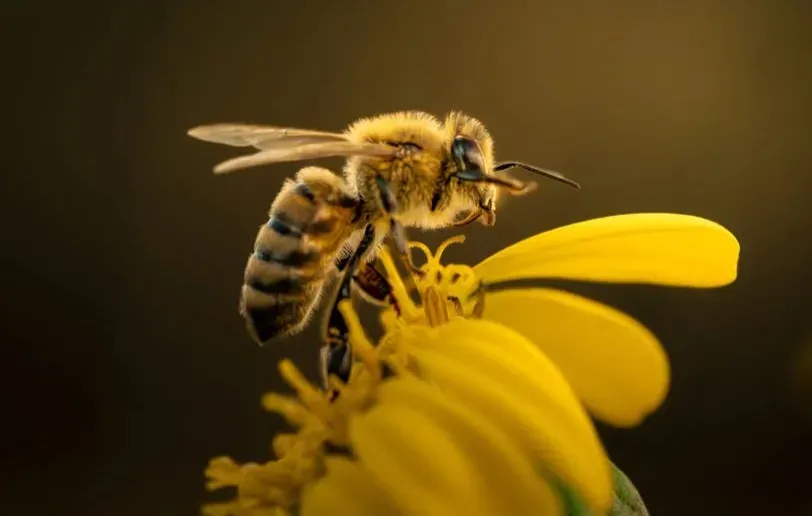
A honeybee’s brain contains roughly one million neurons. The human brain has roughly 86 billion. Yet bees perform cognitive tasks that, when scaled for brain size, are nothing short of staggering. They navigate using a mental map of their terrain, communicate the location of food sources through symbolic dance, and make collective decisions through a kind of democratic voting process.
When a swarm is choosing a new hive site, scouts perform waggle dances promoting different locations and essentially argue their case until a consensus emerges. No single bee has overall authority. It’s a distributed decision-making system that engineers designing autonomous robot swarms have literally tried to copy.
Recent research even suggests bees can grasp the concept of zero, a cognitive ability previously considered uniquely advanced. They can also learn from each other by observation, something that was dismissed as impossible for insects not too long ago. The bee is proof that brain size is a genuinely misleading metric for intelligence.
12. The African Grey Parrot: The Bird That Talks Back and Means It
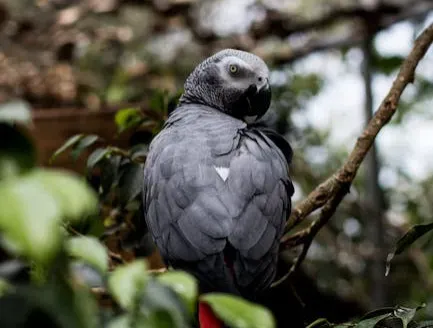
Parrots can mimic human speech, sure. Lots of people know that. What’s less appreciated is that African greys don’t just repeat sounds. They deploy language contextually and sometimes spontaneously in ways that suggest genuine conceptual understanding.
The most famous case involves a bird named Alex, studied by researcher Irene Pepperberg over decades. Alex could categorize objects by color, shape, and material, identify quantities up to six, and ask for things he wanted. He even appeared to express frustration when his requests were misunderstood. Whether that constitutes genuine language or something adjacent to it is still debated, but the data is hard to dismiss.
Beyond Alex, African greys in broader studies have demonstrated causal reasoning, the ability to delay gratification, and the understanding of absence, which is the concept that something that was there is now gone. For a bird with a brain the size of a walnut, that’s an extraordinary cognitive portfolio.
13. The Jumping Spider: When Eight Eyes See More Than We Imagined
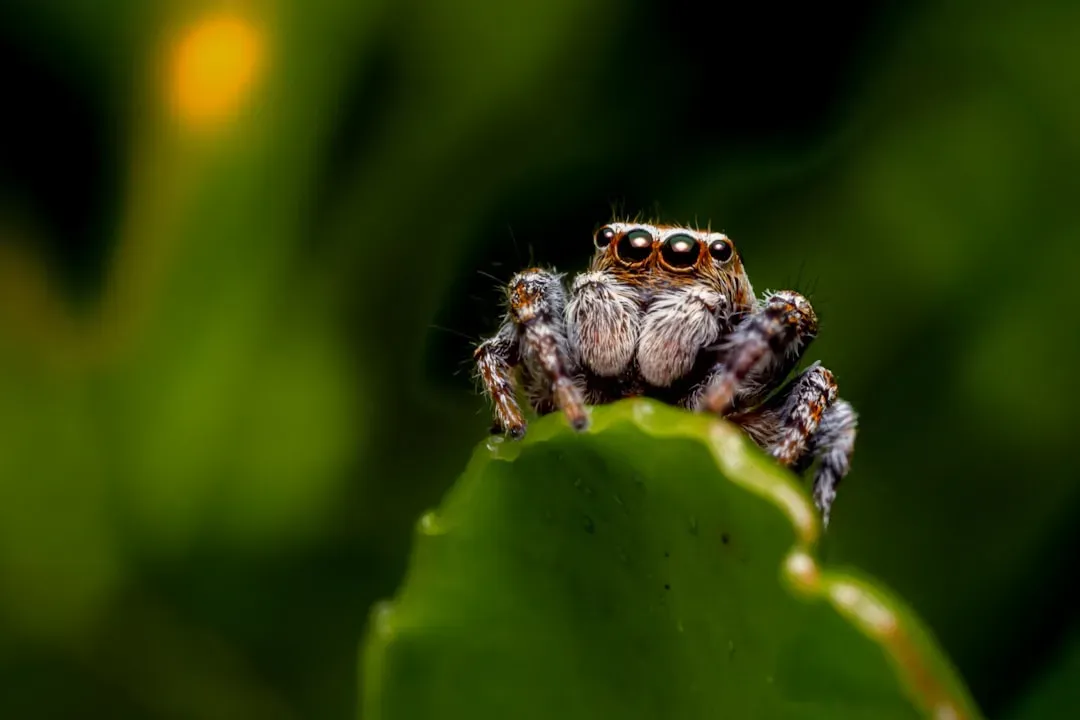
Jumping spiders have a brain smaller than a pinhead. They also demonstrate deductive reasoning, planning, and problem-solving that researchers are still struggling to fully explain. They don’t build webs and wait passively. They hunt, and they hunt cleverly.
Portia spiders, a type of jumping spider, will take long detours to reach prey in a way that requires planning a route before they can even see their destination. They adjust their strategy based on the type of prey, using specific tactics against specific species. That’s not reflexive behavior. That’s something resembling tactical thinking.
They also deceive other spiders, mimicking the vibrations of trapped insects to lure web-owning spiders into striking range. With a nervous system that could fit on the tip of a pencil, the jumping spider manages to punch so far above its cognitive weight class that it genuinely challenges what we think is required for intelligent behavior. Small brain, massive implications.
What These 13 Animals Tell Us About Intelligence Itself
The real takeaway here isn’t just that animals are smarter than we thought. It’s that intelligence isn’t a ladder with humans perched comfortably at the top. It’s more like a vast landscape, full of peaks in unexpected places, with completely different terrain in every direction. Each of these animals evolved their cognitive abilities in response to the pressures of their specific environment. Octopuses needed distributed control. Bees needed collective efficiency. Crows needed social memory and adaptability. Every solution looks different because every problem was different.
What genuinely moves me about this research is what it implies about the inner lives we’ve overlooked for so long. If a pig can feel pessimism, if a crow can hold a grudge, if a manta ray might recognize itself, the ethical weight of that is significant. It asks us to sit with some uncomfortable questions.
Intelligence, it turns out, is far less our exclusive property than we ever wanted to believe. And maybe that’s not humbling so much as it is expanding. The universe is much more full of inner experience than we assumed. What do you think? Does learning about animal intelligence change the way you see the creatures around you? Drop your thoughts in the comments below.