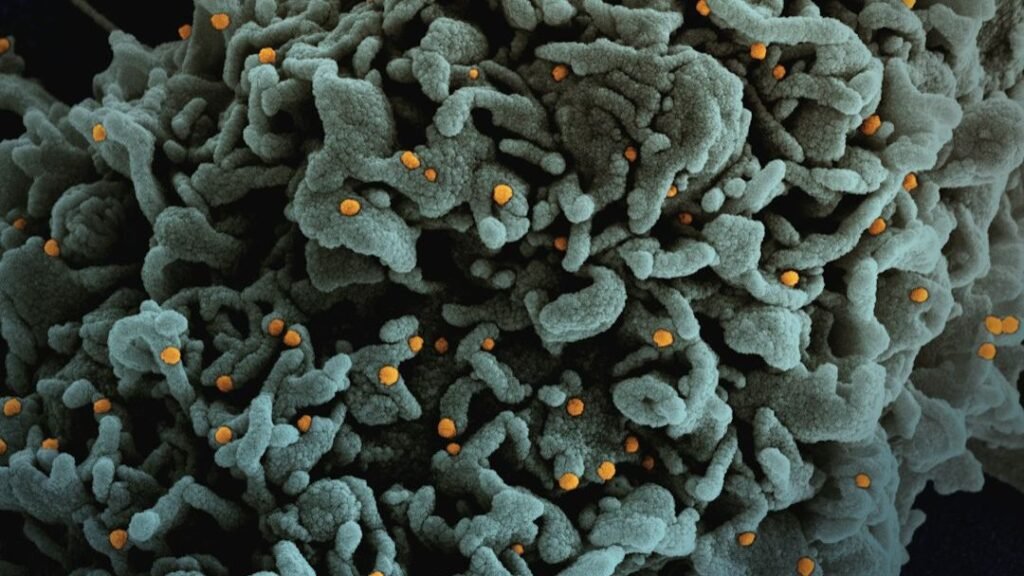
There’s something deeply unsettling about learning that the very cells designed to protect your body might be getting quietly sabotaged. Not by a virus or bacteria, but by something far more invisible and far more pervasive. Microplastics are everywhere now. In the water we drink, the food we eat, and apparently, deep inside our own bodies.
Scientists have been raising alarms about microplastic accumulation for years, but a fascinating and honestly alarming new direction in research is starting to paint a clearer picture. What happens when these tiny plastic particles start piling up inside your immune cells? The answer is more troubling than most people realize. Let’s dive in.
The Invisible Invaders Already Living Inside You
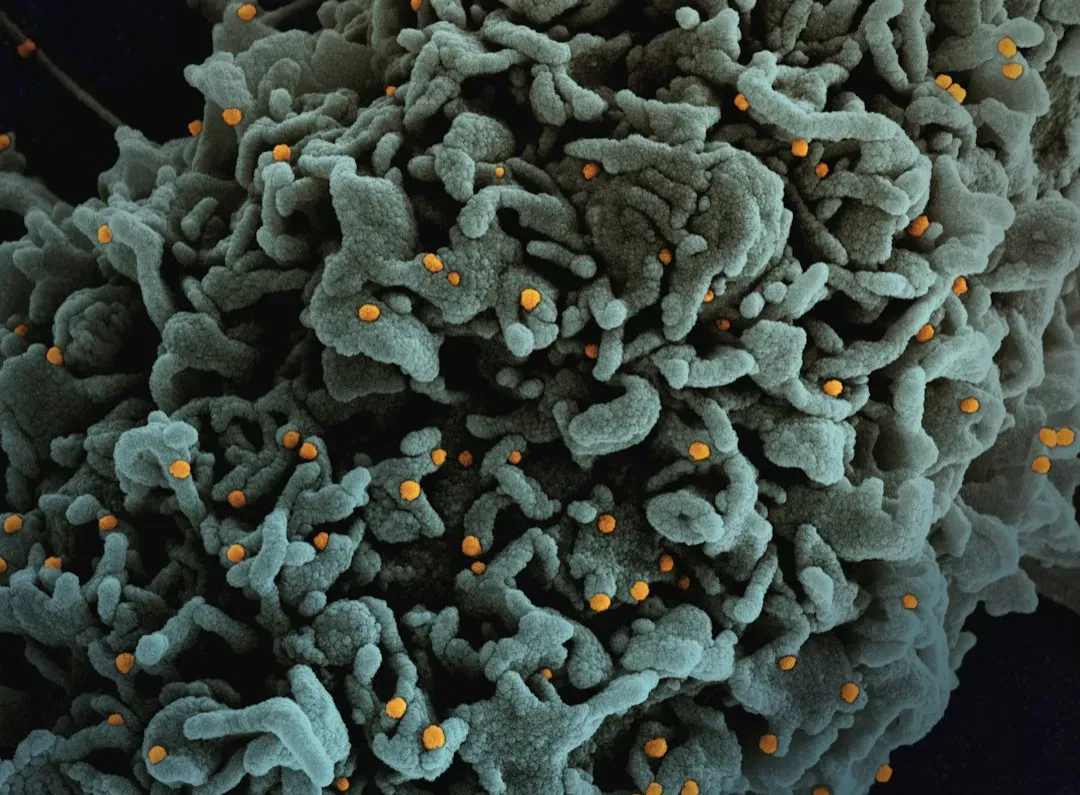
Here’s the thing most people don’t fully grasp: microplastics aren’t just floating around in the ocean. They’ve made their way into human blood, lungs, liver tissue, and even the placenta. We’re not talking about trace contamination. Research has found these particles in virtually every tissue scientists have thought to look at.
What makes this particularly strange is the sheer variety of plastic types detected. From polyethylene to polystyrene to PET, the human body is essentially becoming an unintentional plastic collector. It’s a bit like your body acting as a landfill, except the landfill can’t be emptied.
The particles range wildly in size, with some so small they can slip directly into individual cells. Once inside, they don’t just sit there harmlessly. The real story starts when your immune system tries to respond.
Why Your Immune Cells Are the Main Target
Macrophages are the frontline soldiers of your immune system. Their whole job is to identify foreign material, swallow it up, and neutralize it. Think of them as the body’s cleanup crew, constantly patrolling for debris and threats.
When microplastics enter the body, macrophages do exactly what they’re programmed to do. They engulf the particles in an attempt to destroy them. The problem is that plastics are not biodegradable. The macrophage can swallow the particle, but it absolutely cannot digest it.
This creates a deeply frustrating biological standoff. The immune cell is stuck holding onto something it can never break down, which disrupts its normal function and, over time, may compromise its ability to respond to actual threats. It’s honestly a bit like asking a garbage truck to carry a boulder it can never unload.
The Clogging Effect: When Cleanup Becomes a Crisis
Researchers have described a process where microplastics essentially clog immune cells. As particles accumulate inside macrophages, the cells become less effective. They get bogged down, their internal machinery disrupted by the very material they were trying to remove.
This isn’t just a minor inconvenience at the cellular level. When macrophages are compromised, the entire immune response can be thrown off. Other immune functions that depend on healthy macrophage signaling may weaken as a result.
What’s particularly striking is that this clogging effect can trigger inflammation. The immune system, unable to resolve the foreign material, keeps generating an inflammatory response. Chronic low-grade inflammation, as most health-conscious people now know, is linked to a staggering range of serious conditions including cardiovascular disease, diabetes, and even certain cancers.
Inflammation, Oxidative Stress, and the Cellular Chain Reaction
Beyond clogging, microplastics appear to cause oxidative stress inside the cells they inhabit. Oxidative stress is essentially a state of cellular damage caused by an imbalance between harmful free radicals and the body’s ability to counteract them. It’s the same process that plays a role in aging and disease progression.
When macrophages are overwhelmed with plastic particles, their ability to manage oxidative stress is compromised. The ripple effects from that can spread to surrounding tissues. Scientists believe this chain reaction could be one of the key mechanisms linking microplastic exposure to broader health problems.
It’s hard to say for sure exactly how severe these effects are in the long term, because this field of research is still relatively young. Still, the early signals are enough to raise serious concern.
How Much Plastic Is Actually Accumulating?
This is where things get genuinely staggering. Studies have estimated that the average person consumes roughly the equivalent of a credit card’s worth of plastic every single week. Whether that figure is precise or a rough estimate, the point it makes is undeniably striking.
Once in the body, particles don’t all pass through the digestive tract. Some are absorbed. Some lodge in tissues. Some, as we’re now understanding, end up trapped inside immune cells where they may persist for extended periods.
Researchers are still working to fully map where exactly microplastics accumulate and in what concentrations. What they’re finding with increasing consistency is that these particles are not simply flushed out. The body has no reliable mechanism for eliminating them once they’ve been taken up by cells.
What Current Science Still Doesn’t Know
Let’s be real: the science on microplastics and human health is compelling but still evolving. Most of the research conducted so far has used cell cultures or animal models. Direct, large-scale human studies on the health consequences are still limited, which means we’re working with a picture that’s vivid in some places and blurry in others.
Scientists still don’t fully understand the dose-response relationship. In other words, exactly how much microplastic exposure is needed before significant health effects appear? The answer almost certainly varies from person to person, depending on genetics, overall health, and level of exposure.
Honestly, the uncertainty doesn’t make this less alarming. If anything, it makes it more so. The fact that we’re all being exposed to something at scale without yet understanding its full health implications is the kind of thing that should be driving urgent and well-funded research.
What This Means for the Future of Public Health
The implications of microplastic immune cell clogging extend far beyond individual health. If even a fraction of the immune system’s workforce is being degraded by plastic accumulation, the downstream effects on population-level health could be significant. This is particularly worrying for vulnerable groups such as older adults, young children, and people with existing immune conditions.
Researchers are now calling for a more systematic approach to studying microplastic exposure and health outcomes. The goal isn’t panic. It’s understanding. We can’t make smart policy or health decisions without first knowing the true scale of the problem.
Meanwhile, the best practical guidance remains reducing plastic use where possible. Filtering drinking water, reducing consumption from plastic packaging, and avoiding single-use plastics won’t eliminate exposure entirely. Still, every reduction arguably matters when the substance in question is accumulating inside the very cells keeping you alive.
A Conclusion Worth Sitting With
I’ll be honest: writing about this topic leaves a certain uncomfortable feeling that doesn’t go away quickly. We’ve spent decades pumping the world full of plastic, and now it turns out that plastic is quietly embedding itself into the cells of our immune systems and potentially compromising one of the most fundamental defenses our bodies have.
The research is still developing, yes. Certainty is still out of reach. Yet the direction of the findings is consistent enough that dismissing it as a fringe concern would be intellectually dishonest.
We’ve built an entire civilization on the convenience of plastic, and the bill for that convenience may now be arriving at a cellular level. The real question is whether we’ll take the science seriously before that bill becomes impossible to pay.
What do you think about it? Does knowing that microplastics may be clogging your immune cells change the way you think about plastic use in everyday life? Tell us in the comments.